Ravenna Cruise Port: Mosaics Worth the Long Transfer
Let me be blunt about Ravenna before you get excited. Your ship berths at Porto Corsini, roughly 9 miles from the mosaics you came to see, and there is no walking your way out of that.
The good news is that the mosaics are worth the trouble. This is the best fifth and sixth century art in Europe, and almost nobody expects it.
My quick take
Ravenna is a port where the logistics genuinely shape the day, so plan the transfer first and the sightseeing second. Get that backwards and you will spend the afternoon watching a clock.
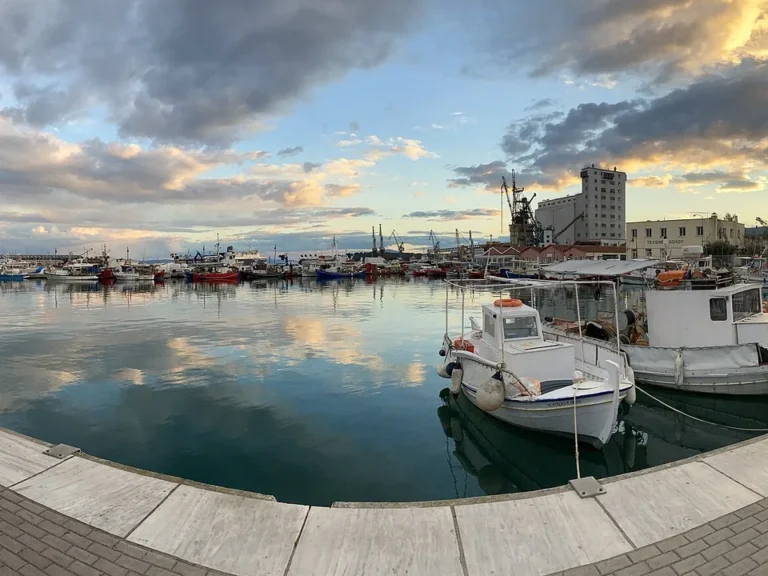
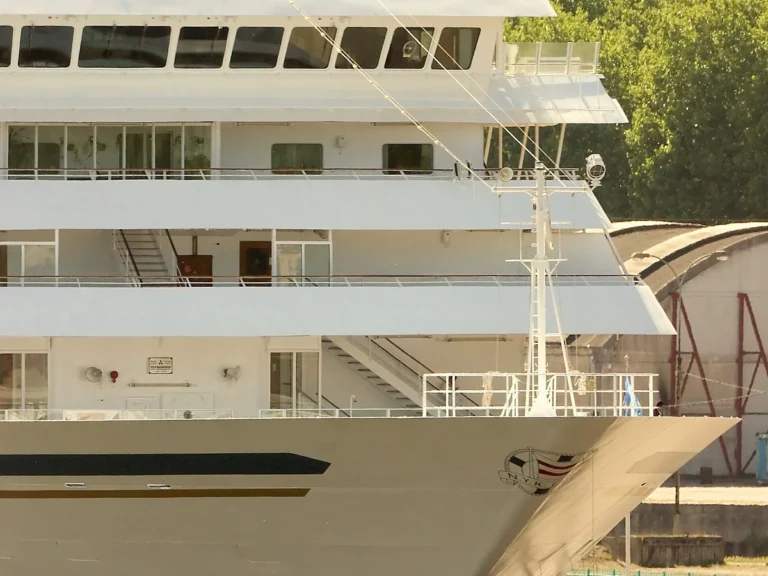
Porto Corsini itself is a small seaside settlement at the mouth of the Candiano canal, with a beach, a few bars, and not much else. It is pleasant and it is not why you are here.
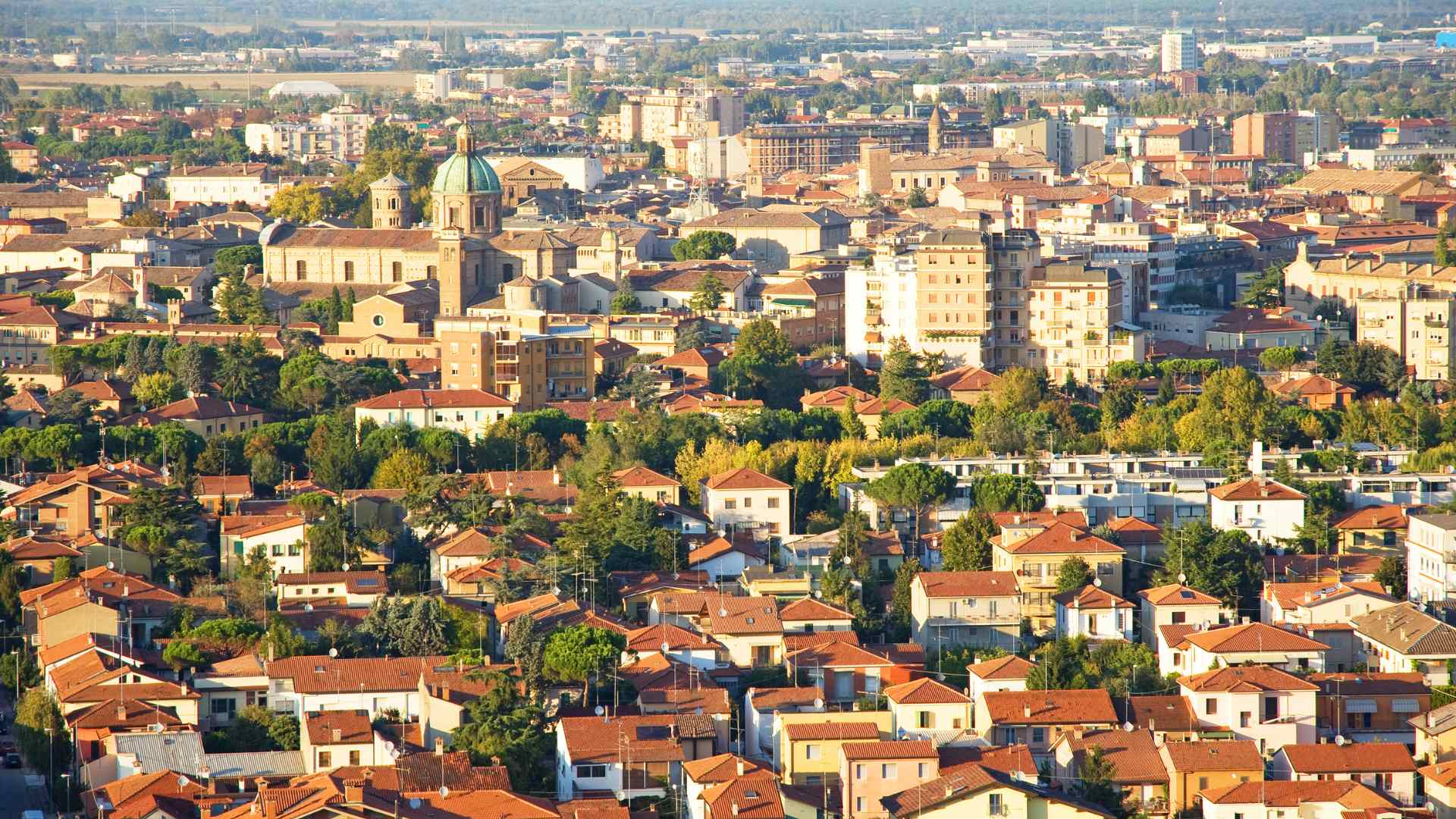
Once you are in Ravenna the payoff arrives fast, because the main monuments sit within a fifteen minute walk of each other. San Vitale and the Mausoleum of Galla Placidia are practically neighbors.
I would ignore the Venice and Bologna day trips that people talk themselves into here. If you want to see how the Adriatic ports compare before you commit, my roundup of Mediterranean cruise ports puts them side by side.
We rounded up the closest places to stay in our Ravenna cruise port hotels guide.
Ravenna Cruise Port Quick Facts
- Where you land: the cruise terminal at Porto Corsini, on the north side of the canal that leads inland to the commercial port. Ravenna’s tourism office puts it about 9 miles from the historic center.
- Dock or tender: Dock alongside, which is one thing you do not have to worry about.
- Into town: Roughly 9 miles, about 30 minutes by road, and there is no walking it.
- Currency and language: The euro (EUR) and Italian, with cards accepted almost everywhere in Ravenna itself.
- Time zone: Central European Summer Time (CEST, UTC+2) during the cruise season, Central European Time (CET, UTC+1) in winter.
- Weather and operations: Ships normally berth alongside, but the port and cruise line make the final operational decision for each call.
Porto Corsini, the transfer, and why it matters so much
This is the section that decides your day, so read it before you book anything. Porto Corsini is a real place with real distance between it and Ravenna, and that distance is the whole story of this port.
Ravenna’s own tourism office confirms the terminal sits about 9 miles from the city center, around 30 minutes away by road. Its official shuttle page lists a seasonal service running from early May to late October.
The local transfer price and operating dates can change, while cruise lines may sell a separate shuttle. Compare the official options for the call date and reserve the full round trip rather than relying on an old fare.
Whichever option you take, book it rather than turning up hopeful. Porto Corsini does not have a taxi rank sitting idle waiting for three thousand people.
Build the return leg into your plan the moment you arrive in Ravenna. Knowing your last shuttle time is the difference between a relaxed day and an expensive taxi.
Getting around
Inside Ravenna you walk, and you will be pleased about it. The historic center is small, flat, and largely pedestrianized, with the main monuments strung along a very manageable loop.
A small ferry crosses the Candiano canal between Porto Corsini and Marina di Ravenna on a published Start Romagna schedule. Check the current fare, operating notice, and accessibility rather than building a day around an old timetable.
Marina di Ravenna on the far bank has more bars, restaurants, and beach than Porto Corsini does. It is a decent plan for anyone who wants a low effort day without the city transfer.
Ravenna’s railway station is a five minute walk from the historic center, and Bologna is a little over an hour away by regional train. Venice takes roughly three hours each way with a change, which is far too much for a port day.
Taxis at Porto Corsini exist but are limited in number and priced for the distance. If your party is four people, a prebooked car can work out close to the shuttle fare.
The stops I would actually spend time on
Ravenna is unusually easy to prioritize because the great things are concentrated and clearly signposted. Here is what I would do with the hours you have left after the transfer.
Basilica of San Vitale: Sixth century, octagonal, and lined with the Justinian and Theodora mosaic panels that turn up in every art history book. If you see one thing in Ravenna, this is it.
Mausoleum of Galla Placidia: A small brick box in the same grounds with a ceiling of deep blue mosaic stars. Entry times must be booked, and visits are kept short because the room is tiny.
Basilica of Sant’Apollinare Nuovo: Two long processions of saints and martyrs marching down the nave walls in gold. It is a five minute walk from the center and rarely as crowded as San Vitale.
Neonian Baptistery: A fifth century baptistery with a domed mosaic of the Baptism of Christ overhead. Timed entry applies here too, so plan it alongside Galla Placidia.
Dante’s tomb: Dante died in exile in Ravenna and is buried here rather than in Florence, which Florence has never quite gotten over. Entry is free and it takes ten minutes.
Mausoleum of Theodoric: A stone drum roofed with a single enormous monolith, sitting slightly outside the old center. Worth the walk if you have time and like your architecture strange.
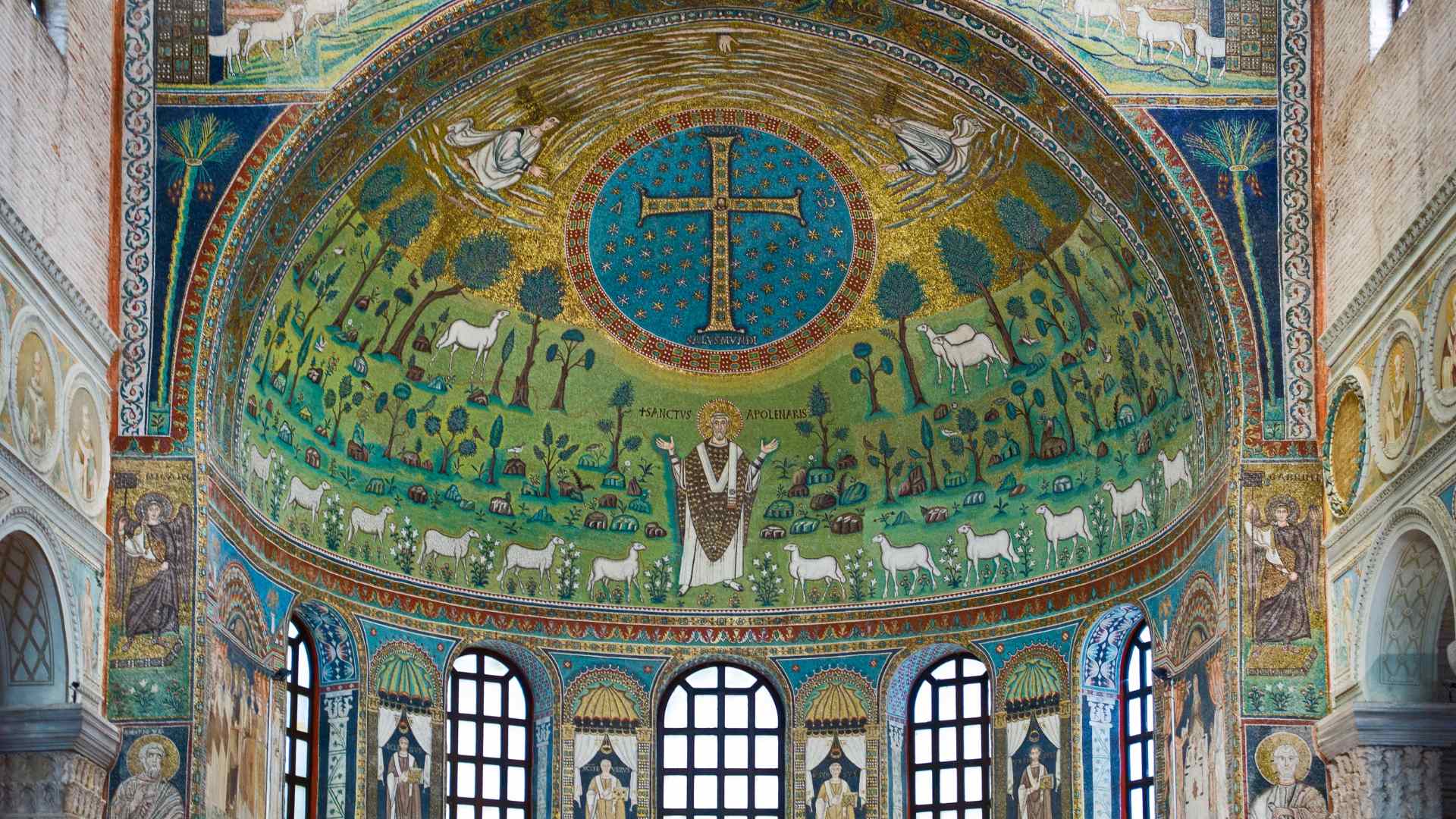
Sant’Apollinare in Classe: The eighth monument on the UNESCO list, a few miles south of the city with a green apse mosaic that is quietly the loveliest of them all. It needs a bus or taxi, so only attempt it on a long call.
Piazza del Popolo: The main square, with Venetian columns and a good supply of cafes for the gap between monuments. This is where you regroup and eat.
Fun fact: Ravenna was the seat of the Roman Empire in the fifth century and then of Byzantine Italy until the eighth, which is why a modest Italian city has art like this. All eight monuments were built in the fifth and sixth centuries, and the official UNESCO listing lays out exactly which is which.
How I would plan the day
My default is the earliest confirmed transfer, straight to San Vitale, with an official mosaic ticket and timed entries already arranged. Ticket combinations and prices change, so choose the current product that matches the hours available.
Book your timed slots for Galla Placidia and the Neonian Baptistery as soon as you know your shuttle. Those two require a reserved entry time and they are the ones people miss.
On a short call, do San Vitale, Galla Placidia, and lunch, then go back. Trying to squeeze in a fourth monument is how you end up sprinting to a bus.
If the weather turns, Ravenna is close to ideal, because almost everything worth seeing has a roof on it. A wet day here is barely a downgrade.
And if the transfer sounds like too much hassle, the honest alternative is the ferry to Marina di Ravenna and a long lunch. It is a completely legitimate way to spend a port day.
A realistic word on accessibility
The berth is straightforward because you dock alongside and the terminal area is flat. The problem is that everything you want is 9 miles away.
Check the vehicle before you book any transfer, because a standard coach with steps is not the same as an accessible minibus. This is the single most important question to ask at Ravenna.
Central Ravenna is flat and largely pedestrianized once you are there, though individual monuments have steps and old uneven floors. For a wider look at how ports compare on this, see my guide to wheelchair-friendly cruise ports.
When to go, and the weather
Ravenna sits on the Adriatic with a semi-continental climate, so it is genuinely hot in summer and genuinely cold in winter. July is the warmest month with average temperatures around 77°F.
January averages nearer 40°F, and the bora wind from the northeast makes it feel colder than the number suggests. Very few cruise ships call in that window anyway.
Rainfall runs about 26 inches a year, with October the wettest month by some distance. Mid April to mid June and early September to early October are the comfortable stretches for walking a city.
Pack a light layer even in summer, because the mosaic interiors are cool and you will be in and out of them all morning. Mosquitoes near the pine woods and lagoons can be enthusiastic in late summer.
Build the day around the port transfer and timed mosaics
Porto Corsini is about 9 miles from central Ravenna, and transport is date-specific. Compare the cruise-line transfer with Ravenna’s official seasonal service, reserve a seat before sailing, and save the pickup point and last departure offline.
The diocesan mosaic ticket currently links San Vitale, Galla Placidia, Sant’Apollinare Nuovo, the Neonian Baptistery, and the Archiepiscopal Museum, with timed access required for the smallest rooms. Buy from the official Ravenna Mosaics site and choose times only after the inbound transfer is fixed.
A good first visit is San Vitale, Galla Placidia, Sant’Apollinare Nuovo, and Dante’s tomb, with lunch near Piazza del Popolo. Add Sant’Apollinare in Classe only on a long call with a confirmed bus or taxi both ways, since it sits outside the compact center.
Leave central Ravenna at least 90 minutes before all aboard unless the cruise line gives a later protected transfer. Travelers needing a lift-equipped vehicle should arrange it before sailing because a standard coach and the small cross-canal ferry are not equivalent accessible options.
Quick answers
Can I walk to Ravenna from the ship?
No; the terminal at Porto Corsini is about 9 miles from the historic center, so use a confirmed transfer.
Do you tender at Ravenna?
No; ships normally berth alongside at Porto Corsini, and the transfer into the city is the logistical challenge.
Is Venice doable as a day trip?
Not sensibly; the journey can take roughly three hours each way with a change, leaving too much of a port day in transit.
Do I need to book monument tickets ahead?
Yes; the official ticket site requires timed entry for the Mausoleum of Galla Placidia and the Neonian Baptistery, so reserve after confirming your transfer.
The last word
Ravenna asks more of you than most Italian ports, and it gives back more than most people expect. Sixteen hundred year old mosaics in near perfect condition are not something you find in every Adriatic town.
Just go in knowing the transfer is real and the clock is real. Plan around those two facts and the day is genuinely wonderful.
If you are working your way up the Adriatic, my Trieste cruise port guide covers the far easier walk-off alternative to the north, and Venice explains the berth situation there. For the other side of the sea, try Split.
How this guide was researched: This guide was checked against official port, government, transit, attraction, and cruise-operator sources, including the applicable live schedules and access notices. Logistics and time-sensitive details were reviewed September 11, 2026; see our Editorial Policy.