Amorgos Cruise Port: A Cruiser’s Guide to the Big Blue Island
Amorgos is long, mountainous, and uninterested in arranging itself around a cruise passenger’s stopwatch. Its ports, Katapola and Aegiali, support very different days, so the landing name matters more than any generic highlights list, and the famous monastery, Chora, beaches, and northern villages are not all sensible in one call.
Begin with the correct harbor
Katapola is the more useful arrival for Chora and the Monastery of Panagia Hozoviotissa. Aegiali lies in the north and is better for its broad bay, nearby villages, and a relaxed day that does not cross most of the island.
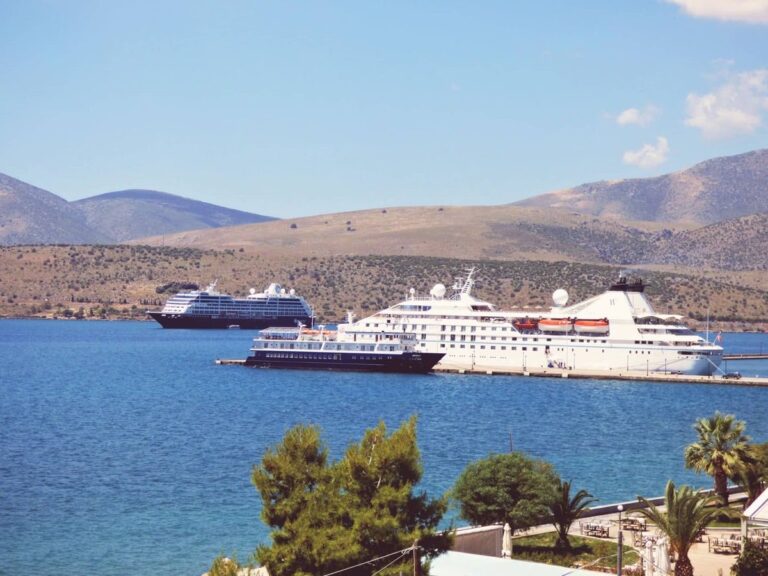
Cruise ships may anchor and use tenders rather than occupy ferry berths, and the landing can vary by ship and conditions. Read the onboard program carefully, ask where the tender pier is, and photograph the last return time before setting off.
Do not use “Amorgos port” in a map app and hope for philosophical guidance. Confirm Katapola or Aegiali, then base every distance, bus, taxi, and reservation on that answer.
The Amorgos Bus Company links the principal settlements during the tourist season, but schedules vary and do not necessarily align with a cruise call. Check the current official schedule on the day, and treat a taxi or ship excursion as the safer tool for a tight itinerary.
Quick Facts
- Harbor: Confirm whether the ship’s landing is Katapola or Aegiali because each supports a different port day.
- Katapola plan: Use this side for Chora and the Monastery of Panagia Hozoviotissa when time, mobility, and transportation align.
- Aegiali plan: Stay in the north for the bay, nearby villages, swimming, or a shorter local outing.
- Ship access: Cruise arrangements can involve anchoring and tenders or another controlled landing, so follow the sailing’s daily program.
- Local transportation: Seasonal buses connect major settlements, but schedules may not align with a short cruise call.
- Currency and language: The euro and Greek are standard, with English common in visitor-facing businesses.
- Time: Amorgos follows Eastern European Time with seasonal daylight saving changes, while ship time should be confirmed onboard.
- Operational risk: No official public call-by-call dataset supports a precise missed-call percentage, and wind or sea conditions can affect transfers.
If you land at Katapola, choose monastery plus Chora
Katapola curves around a sheltered bay with cafés, tavernas, small shops, and ferry activity. It is pleasant enough for an easy waterfront day, but its real advantage is proximity to Chora and the road toward Hozoviotissa.
The Monastery of Panagia Hozoviotissa appears pressed into a pale cliff high above the Aegean. Founded in the Byzantine period and still an active religious house, it is Amorgos’s defining sight rather than a decorative viewpoint with a chapel attached.
Reaching it involves a road transfer followed by a substantial climb on stone steps. Published accounts and official local information describe hundreds of steps, so anyone with limited stamina, balance concerns, vertigo, or knee trouble should consider the approach as seriously as the destination.
The monastery is active, keeps limited split or seasonal visiting hours, and can close around worship or community needs. Cover shoulders and knees, verify same-day access before leaving Katapola, and never treat an old timetable as a guarantee.
The interior is small and circulation can be constrained. On a busy day, patience and a willingness to let worshippers pass are more useful than trying to engineer a private terrace photograph.
Chora sits inland below a Venetian-era castle rock and contains winding lanes, chapels, squares, and traditional whitewashed houses. It is a place for wandering, but “wandering” still involves steps, polished paving, and slopes that can turn a casual loop into exercise.
The monastery and Chora pair naturally because they share the same side of a Katapola-based day. I would visit the monastery first, then use Chora for lunch and a slower walk rather than gambling the hardest climb on the final hour.
What the monastery plan gives up
This route does not leave much room for Aegiali or the northern villages. The island is narrow but lengthy, and summer traffic, bus timing, or a delayed tender can nibble away at an apparently generous schedule.
It also asks for physical effort. The monastery approach is exposed, shade can be limited, and the return down the steps requires as much attention as the climb up.
If heat or mobility makes that unappealing, skip the guilt. Chora, Katapola Bay, and a short boat or beach outing can produce a more enjoyable day than arriving at a sacred place exhausted and cross.
If you land at Aegiali, stay north
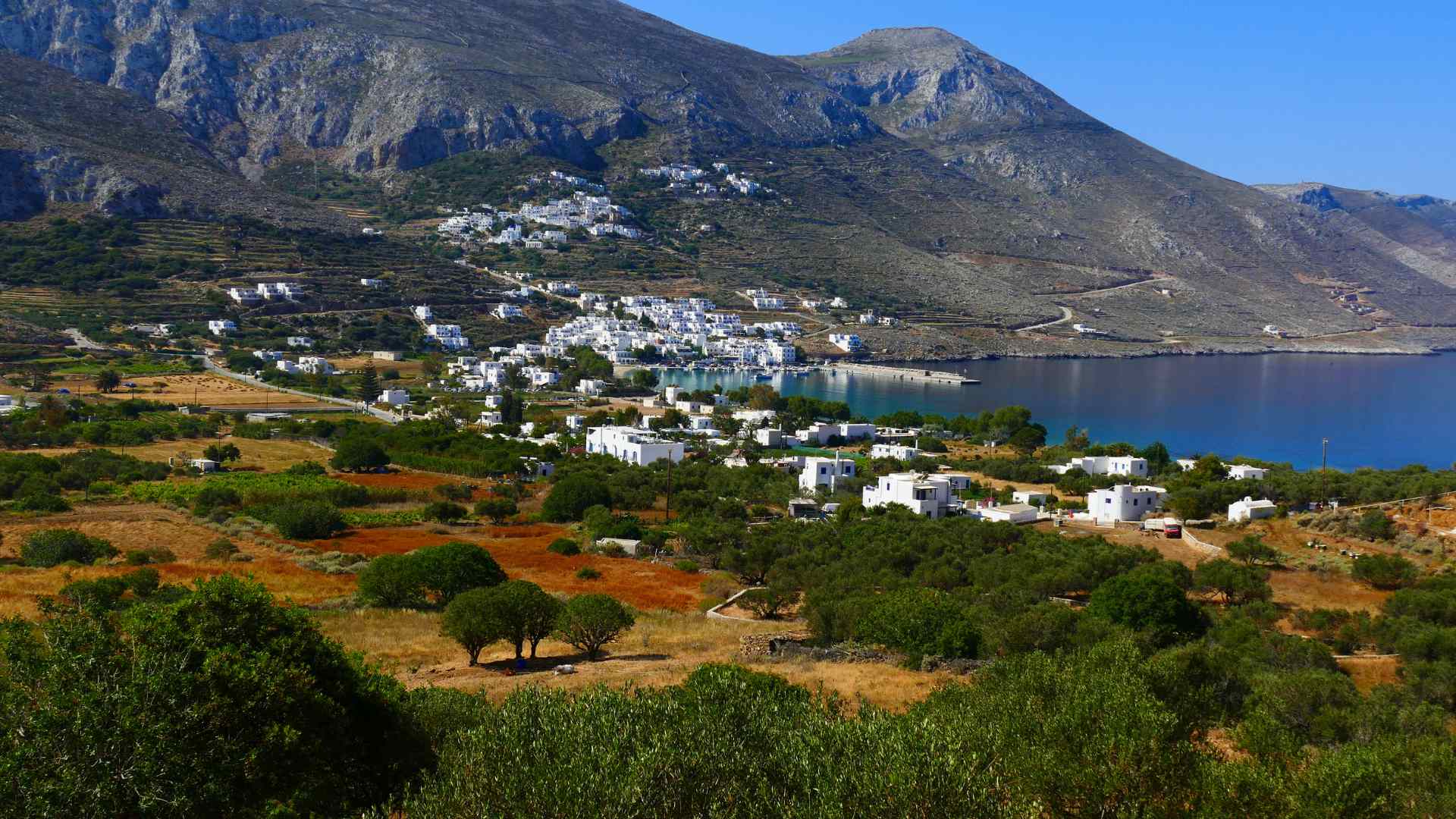
Aegiali offers a long sandy bay and a compact waterfront, with the mountain villages of Tholaria, Lagada, and Potamos above it. A northern day trades the headline monastery for beaches, village lanes, views, and much less time crossing the island.
The beach near the port is the simplest swim. Check wind, water conditions, and the day’s boat traffic, and remember that a sandy shore can still offer limited shade during the strongest part of the afternoon.
Tholaria and Lagada reward a short bus or taxi ride with traditional lanes and elevated views. Their slopes and paving are part of their character, which is a graceful way of saying that wheels and tender knees may negotiate with them rather than conquer them.
Potamos overlooks the bay and can be lovely late in the day, but a cruise call may not extend into the sunset hours that make it famous. Visit for the view you actually have, not for a photograph taken at a time your ship will already be at sea.
Nearby Levrossos and other beaches may be reached by walking routes or seasonal boats, depending on current operations. Verify the return, since a pretty cove is a poor place to discover that the last boat followed its own schedule perfectly.
The island’s “Big Blue” connection
Luc Besson’s film The Big Blue used Amorgos locations and helped attach the nickname to the island. Agia Anna, below the monastery area, is closely associated with that cinematic identity.
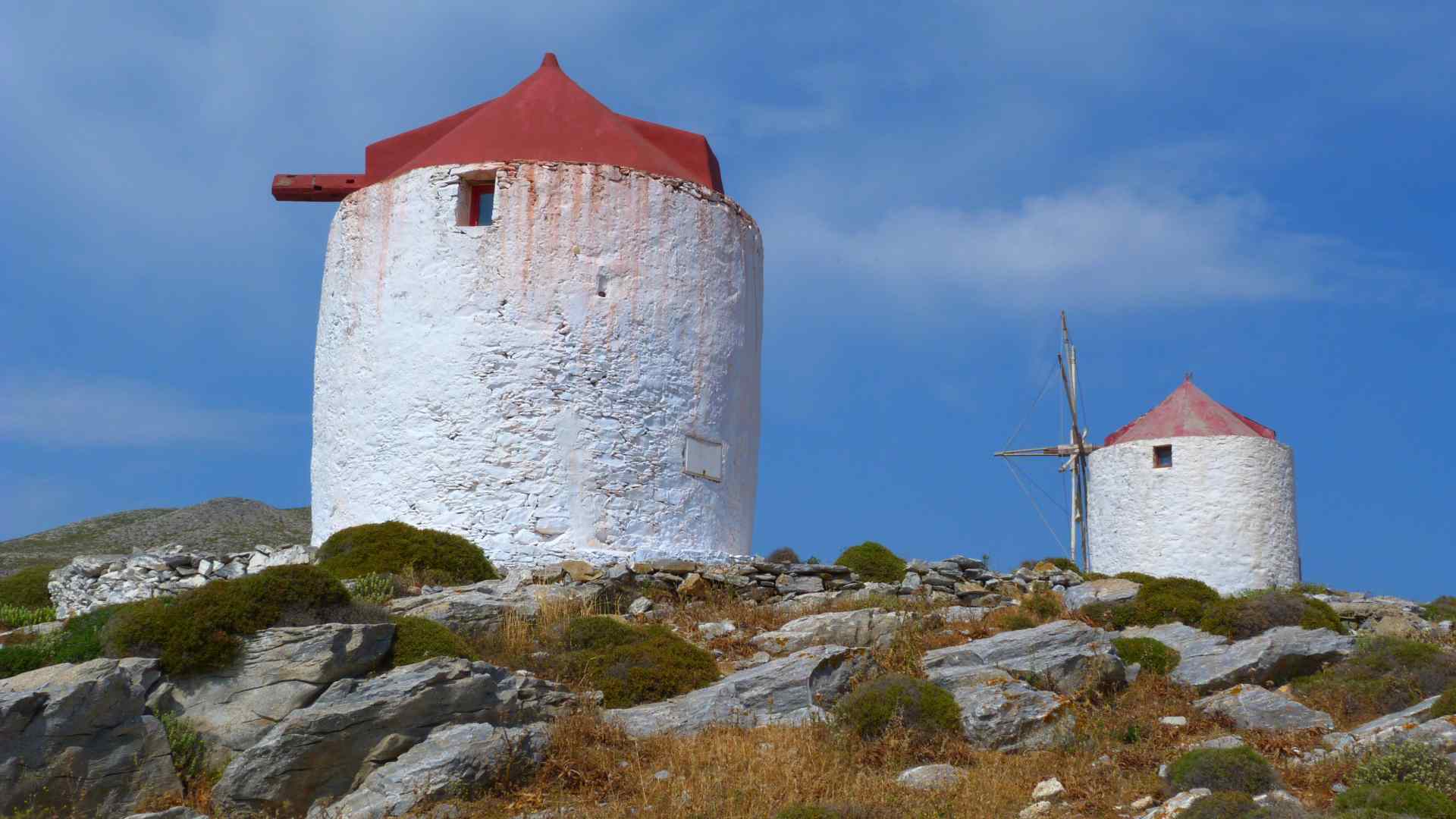
Agia Anna is small, rocky, and reached by steps rather than a broad resort beach. It can become crowded, and swimming conditions must be judged on the day, so I would treat it as a scenic add-on to the monastery route rather than promise it as a leisurely beach afternoon.
The film connection is fun, but Amorgos is not a movie set preserved in 1988. The stronger story is the island’s living religious tradition, working ports, footpaths, villages, and communities managing growing visitor attention.
A walking day from Katapola
Passengers who prefer independence can enjoy the Katapola bay settlements without chasing headline sights. Katapola, Rachidi, and Xylokeratidi form a waterfront area with boats, cafés, churches, and lanes that suit an unhurried loop.
Ancient Minoa occupies a hill above Katapola and contains archaeological remains with extensive views. The climb is exposed and the site’s access or opening arrangements can vary, so check locally rather than simply following a map pin uphill.
Maltezi Beach lies across the bay and may be reached by a walk or seasonal boat service. The path and heat require preparation, while a boat depends on weather and operator schedules.
This is the day I would choose during strong wind, uncertain transport, or a short call. Its downside is that you miss the island’s most famous monastery, but it replaces transfer anxiety with time beside the bay.
Three realistic day plans
Katapola with five or more useful hours
Arrange transport to Hozoviotissa early, complete the climb while temperatures are kinder, then continue to Chora. Have lunch, wander a compact loop, and return to Katapola with a generous tender buffer.
This is the classic Amorgos day and justifies the effort. Its limitations are steps, heat, dress requirements, and dependence on a driver or a bus schedule that may not love you back.
Aegiali without island crossing
Take a taxi or current local bus to one northern village, return for lunch by the bay, then swim or walk the waterfront. Keep the final hour close to the tender landing.
This plan feels relaxed and geographically coherent. The sacrifice is Hozoviotissa, which is substantial, but so is spending half a day in transit merely to say you saw it.
A short or uncertain call
Stay in the arrival harbor, explore its immediate lanes, and add only one nearby beach or viewpoint whose return is simple. Use a seasonal boat only after confirming the last service and sea conditions.
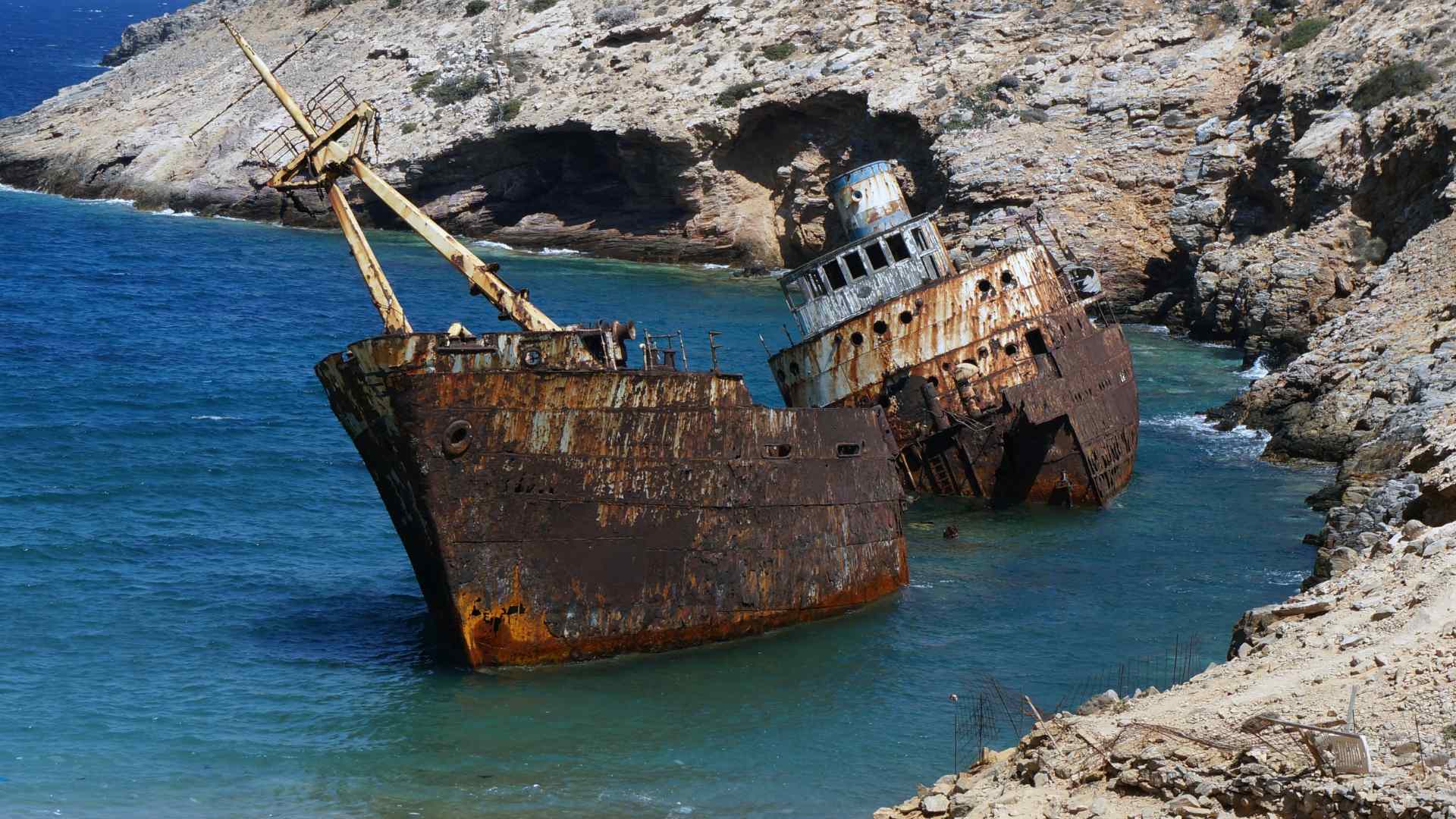
This plan lacks a trophy sight, but it is robust. On an island where wind can affect tenders and local boats, robustness has an underrated charm.
Hiking requires more time than cruise brochures imply
Amorgos maintains a network of old paths connecting settlements, monasteries, and rural landscapes. The routes can be magnificent, but many involve steep, rocky, exposed ground and are better suited to a stay on the island than a port call.
Do not begin a long ridge route based on a casual estimate from an app. Use official or locally maintained trail information, account for heat and navigation, and choose a turnaround time that protects the tender deadline.
For a cruise day, a short signed village walk is the wiser sample. It gives you stone paths, herbs, terraces, and open views without turning the captain’s departure into your personal suspense film.
Carry water, sun protection, and shoes with grip. Shade is not guaranteed, mobile coverage can vary in folds of the terrain, and goats are poor providers of schedule advice.
From Katapola, target the tender landing 60 minutes before the ship’s cutoff and leave 90 minutes after Hozoviotissa, Chora, or a seasonal beach boat. From Aegiali, use the same 90-minute margin for any mountain village because wind and a missed bus can break the final connection.
Food, money, and manners
Greece uses the euro, and established restaurants generally accept cards. Carry some cash for small purchases or a transport operator, since payment systems and connectivity can be less predictable than in a large mainland city.
Local menus may include seafood, goat, cheeses, legumes, baked dishes, and the island’s rakomelo, a warm or room-temperature spirit with honey and spices. Save enthusiastic sampling of the latter for a day when you are not negotiating stone steps in midday heat.
At the monastery, dress and behave for an active Orthodox religious site. Photography may be restricted in particular areas, and any hospitality offered should be received respectfully rather than treated as part of an admission package.
Greek island lunch can unfold at a humane pace. Tell the restaurant when you need to leave, request the bill before anxiety arrives, and do not order a grand spread forty minutes before the final tender.
Accessibility, honestly described
Tender transfers can involve steps, gaps, movement, and crew assistance. Our guide to what a tender port is covers the routine, but the cruise line decides whether a passenger or mobility device can transfer safely under the day’s conditions.
Hozoviotissa is not step-free and cannot be made so by determination. Chora and the mountain villages also bring slopes, narrow lanes, steps, and uneven surfaces.
Katapola and Aegiali waterfronts are the best foundations for a lower-effort day, although curbs and local paving still vary. A taxi tour with scenic stops may show more of the island, but confirm vehicle height, folding-wheelchair space, and how close it can approach each viewpoint.
Beach access differs sharply. Aegiali’s main beach is generally more straightforward than rocky Agia Anna, while small coves reached by paths or boats introduce fresh barriers.
Weather and seasonal reality
Summer is typically dry, sunny, and windy, with the meltemi capable of affecting ferries, tenders, and small boats. Spring and fall can be comfortable for walking, but fewer seasonal services may operate.
Never build a plan around an old bus or ferry schedule. The Amorgos bus company publishes dated schedules, and ferry operators update routes by season.
Heat changes walking speed, especially on the monastery stairs and exposed paths. Start the hardest activity early, refill water when possible, and preserve enough energy for the descent and tender transfer.
What I would skip
I would skip crossing from Aegiali to Hozoviotissa and back unless a reliable excursion has been timed specifically for the call. The monastery is extraordinary, but the island deserves better than being viewed through a windshield between countdowns.
I would also skip a long independent hike. Amorgos’s trails invite a return trip, and a port day is not improved by a heroic sprint through the final mile.
Finally, I would skip trying to reproduce film stills at crowded Agia Anna. Take the view that exists, leave space for worshippers and swimmers, and let the island be more interesting than its cinema connection.
The verdict
From Katapola, choose Hozoviotissa and Chora if your mobility, weather, and call length support them. From Aegiali, embrace the north, then compare the easy harbor rhythm with our walkable cruise ports guide or Santorini cruise port guide.
Amorgos rewards one clear decision. Make it early, leave a larger return buffer than the map seems to require, and the island becomes beautifully simple rather than ambitiously stressful.
How this guide was researched: This guide was checked on September 11, 2026 against current island transportation information from Amorgos Bus Company and local destination guidance for the Monastery of Panagia Hozoviotissa. Harbor assignments, tender operations, bus schedules, taxis, monastery hours, dress rules, roads, trails, and weather conditions can change, so confirm the sailing-specific landing and daily operating details before leaving the ship; see our Editorial Policy.