Astoria Cruise Port: A Cruiser’s Guide to the Columbia River Waterfront
Astoria greets cruise ships with a working river, a very large bridge, and weather that treats forecasts as opening suggestions. It belongs among our first-timer cruise ports picks, provided nobody confuses “compact” with “flat.”
Waterfront, museums, Victorian houses, and steep hills create several good days in one. Choose the version that suits the rain, your legs, and the clock.
From gangway to town
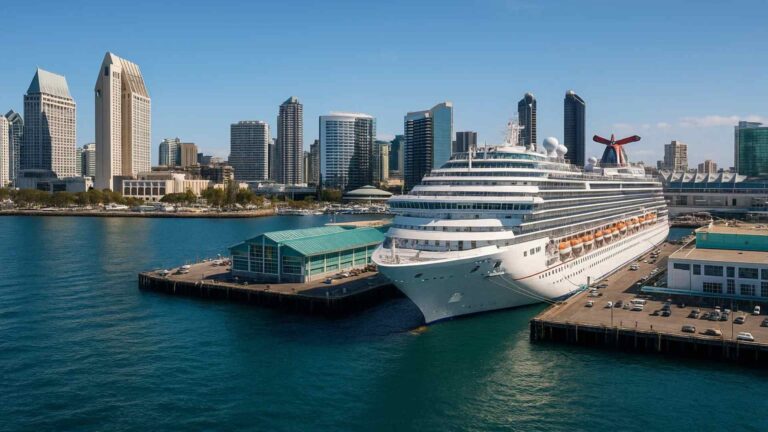
Ocean-going cruise ships generally berth at the Port of Astoria on the Columbia River. The port publishes current cruise schedules and provides visitor information, while local cruise hosts commonly meet arriving passengers.
The berth is west of central downtown, and the Astoria Riverwalk runs beside the water. Walking into the commercial core is possible, but distance adds up if you also plan to visit the maritime museum at the eastern end of downtown.
Shuttles, local tours, and pier-side activities vary by call. Check your ship’s daily program and the port’s visitor information rather than assuming last season’s setup will reappear exactly.
The waterfront is a working environment with rails, roads, bikes, and industrial edges. Follow designated paths and look both ways where the Riverwalk crosses access points.
Oregon has no general state sales tax. The absence of tax is pleasant, but it is not a command to purchase a decorative buoy before lunch.
The river is the main attraction
The Columbia meets the Pacific west of Astoria at a shifting, powerful bar. River pilots, Coast Guard crews, commercial fishers, tugs, cargo ships, and pleasure craft all operate in a landscape where current, wind, fog, and sand can become serious very quickly.
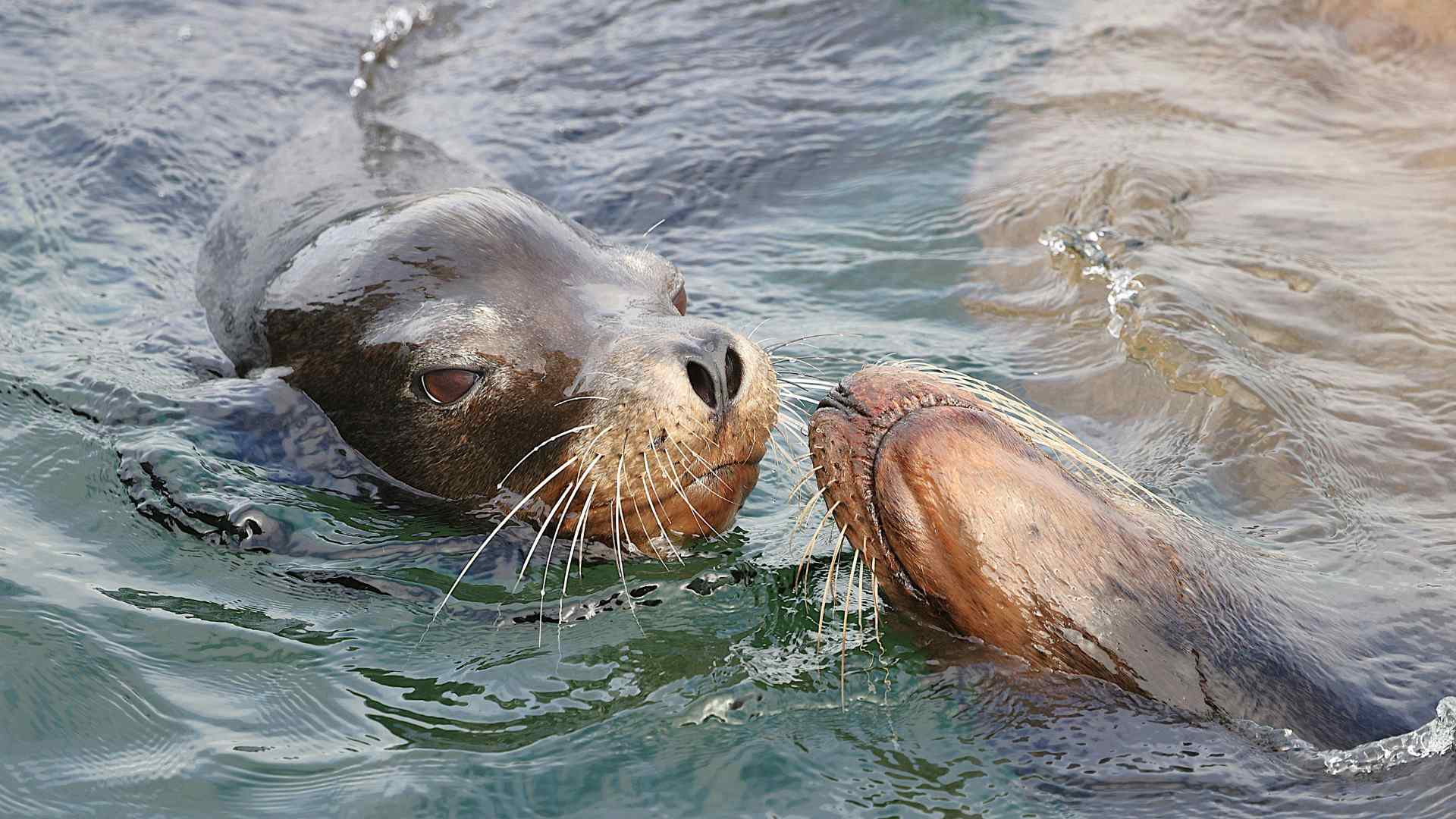
Watch the traffic from the Riverwalk and you may see freighters riding high or low depending on their load. Binoculars make the working river more interesting and help with birds, seals, and distant shore details.
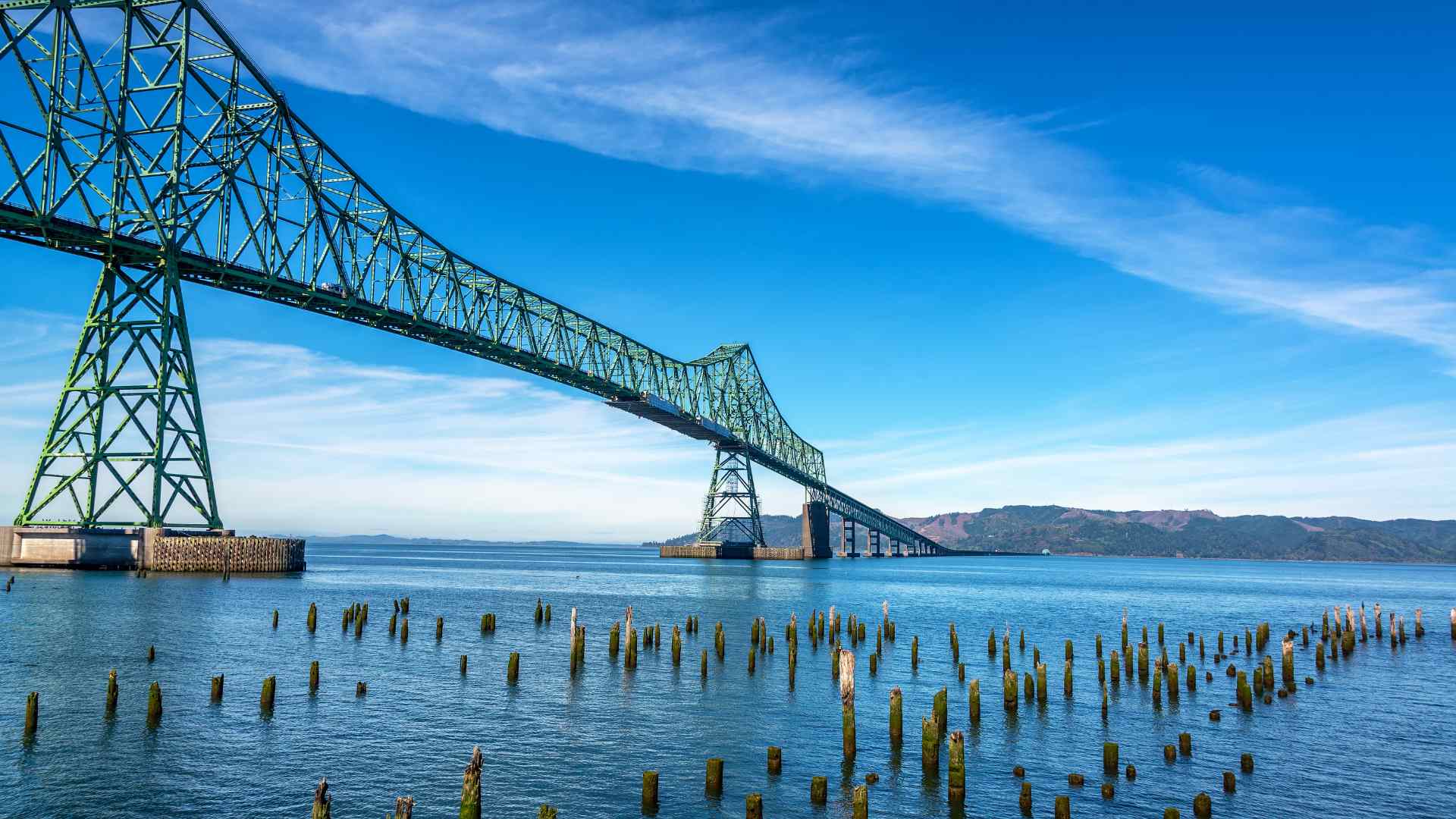
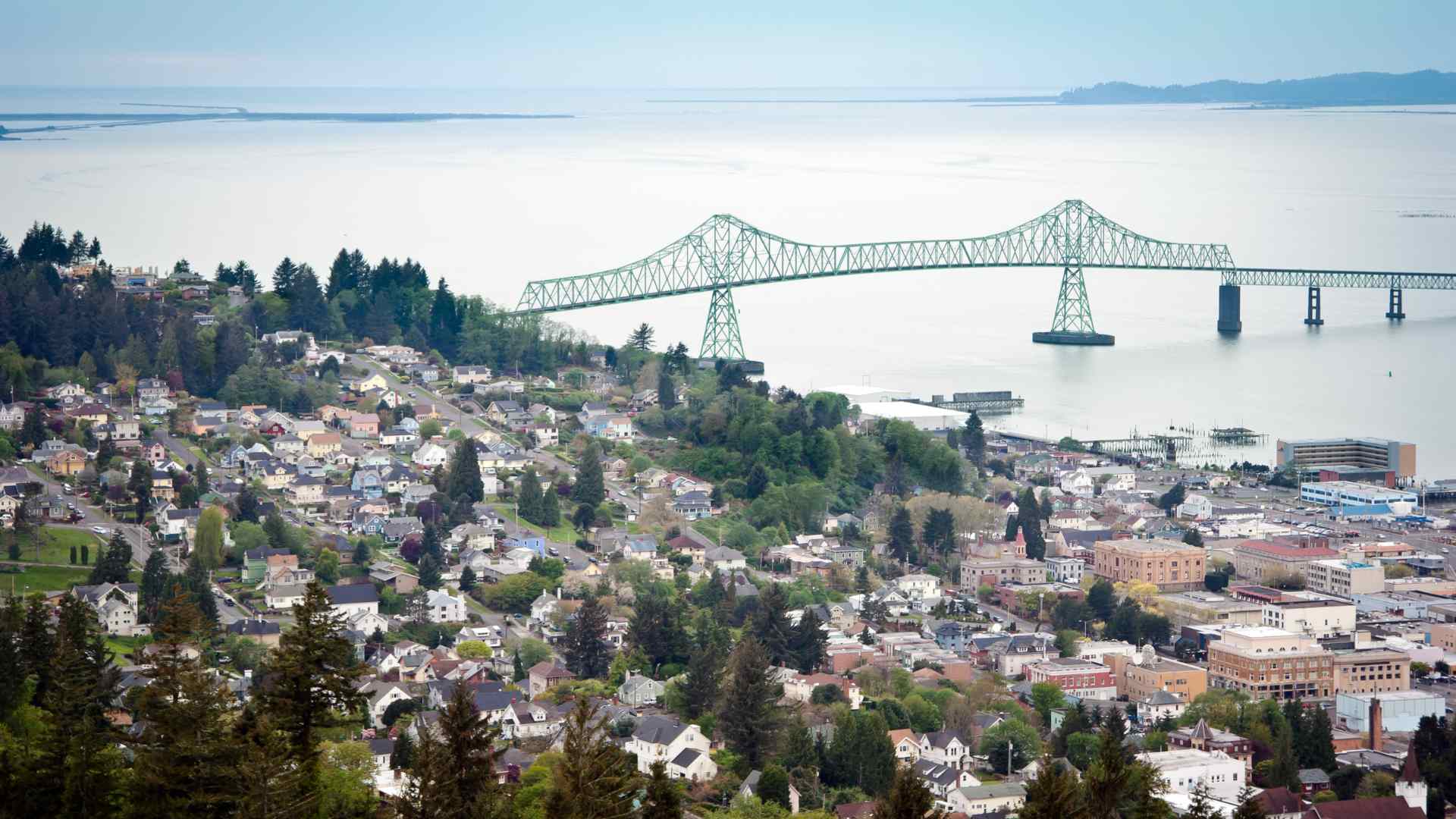
The Astoria-Megler Bridge crosses toward Washington and dominates western views. It carries highway traffic, not pedestrians, so admire it from shore unless you are joining a properly organized event with special arrangements.
The city describes the Riverwalk as roughly six miles along the waterfront, though sources measure routes differently depending on endpoints. A cruise passenger only needs a portion, and the best section connects downtown with the Columbia River Maritime Museum.
A weatherproof walking plan
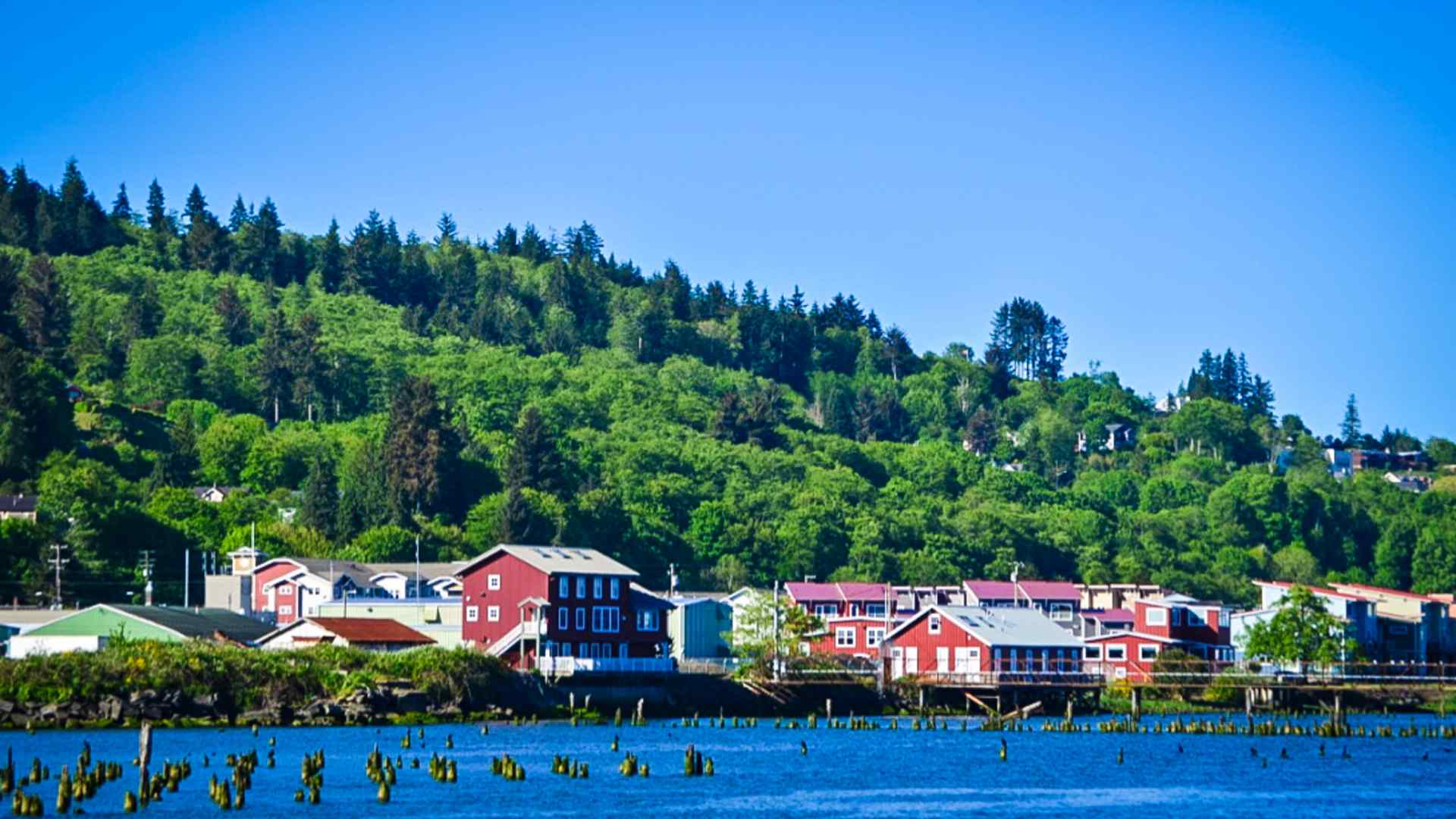
Begin west of downtown and follow the Riverwalk east. Interpretive signs, old pilings, working wharves, and river views keep the route from feeling like mere transit.
Detour into downtown around 11th and 12th Streets for cafés, independent shops, and historic buildings. The grid is simple near the river, then tilts sharply upward as soon as you challenge the hill.
Continue toward the Columbia River Maritime Museum. Its glass-fronted building faces the water and anchors the strongest indoor plan in town.
After the museum, decide whether to return on foot, use a ship shuttle if one is running, or catch the seasonal Riverfront Trolley. Do not build the whole day around the trolley without checking that it is operating in the weather and season of your call.
The Columbia River Maritime Museum deserves real time
The Columbia River Maritime Museum is Oregon’s official maritime museum. Its collections and exhibits focus on the Columbia, its tributaries, and the North Pacific, with particular attention to navigation, rescue, fishing, trade, and life around the dangerous river bar.
This is not a dusty room of knots and stern-looking captains. Full-size craft, hands-on displays, and strong storytelling make the river outside the windows feel more legible.
The Lightship Columbia is part of the museum experience when open. Access can be affected by maintenance, staffing, and physical conditions aboard, so check same-day availability.
The museum has been working through a multi-year campus transformation, and individual spaces or accessibility features may change. Consult its current visitor and accessibility notices rather than relying on an old floor plan.
Allow at least ninety minutes, and longer if maritime history is your thing. Families can move faster, but the shipwreck, rescue, pilotage, and fishing stories have a habit of catching adults who claimed they were “just popping in.”
Astoria Column, with 164 reasons to check your knees
The Astoria Column stands atop Coxcomb Hill. The 125-foot monument was completed in 1926, and a spiral exterior mural presents episodes from regional history.
Inside, 164 steps climb to the viewing platform. On a clear day, views extend across the Columbia, Youngs Bay, forested hills, and toward the Pacific.
The column is not an easy walk from the waterfront despite looking close on a flat map. Roads climb steeply, sidewalks are inconsistent on some approaches, and a taxi or organized tour is the practical choice.
Weather can remove the payoff. If cloud swallows the hill, use the time at the maritime museum or downtown and save the stair-climbing for a day when the view has agreed to attend.
The column’s imagery reflects the historical interpretation of its 1920s creators. Pair it with contemporary interpretation of Indigenous Clatsop and Chinook communities, whose histories did not begin with explorers arriving from elsewhere.
The trolley is transportation with personality
Astoria’s Riverfront Trolley, known as Old 300, operates seasonally and in suitable weather along part of the waterfront. It is staffed by volunteers and offers narration rather than functioning like a high-frequency city tram.
Check the official trolley site or local visitor information on arrival. Service days, hours, boarding points, and fares can change, and cruise demand may fill a car.
The trolley can shorten a waterfront return and gives tired feet a respectable excuse. It cannot reliably replace a timed taxi to the ship if service is delayed or finished for the day.
Listen for its bell around track crossings. The rails also create narrow-wheel hazards for bicycles and mobility devices, so cross them as squarely as possible.
Film history, handled in sensible portions
Astoria appears in films including The Goonies, Kindergarten Cop, and Free Willy. The Oregon Film Museum occupies the former Clatsop County Jail, used as a location in The Goonies.
The museum is compact, interactive, and a good rainy-day add-on. Check current hours with the Clatsop County Historical Society, which operates it.
The private residence widely known as the Goonies house sits in a neighborhood. Respect signs, avoid blocking driveways, and remember that a film pilgrimage does not convert someone’s home into public property.
Fans can get their fix through downtown locations and the museum without turning the day into a suburban scavenger hunt. Astoria has enough real maritime drama to survive without reenacting every scene.
Fort Clatsop and Fort Stevens require a decision
The Lewis and Clark National Historical Park includes Fort Clatsop, where the Corps of Discovery wintered in 1805 to 1806 near the mouth of the Columbia. The reconstructed fort and visitor center provide interpretation of the expedition, local peoples, and environment.
Fort Clatsop lies south of town and requires transport. A ship excursion, rental car, or prearranged driver is safer than hoping a rideshare appears for the return.
Fort Stevens State Park lies west near the Pacific and contains military remains, trails, beaches, and the well-known wreck of the Peter Iredale. It covers a broad area, so “seeing Fort Stevens” can mean anything from one battery stop to several hours outdoors.
Trying to combine both forts, downtown, the column, and the maritime museum is too much for an ordinary call. Pick one out-of-town direction and keep a riverfront backup if coastal weather turns sour.
Food and drink without losing the afternoon
Astoria’s food identity leans toward seafood, canneries, coffee, bakeries, and craft brewing. Salmon, albacore, Dungeness crab, and oysters may appear seasonally, while fish and chips is the dependable port-day classic.
Popular counters can develop long lines when a ship arrives. Eat early, choose a place that can manage your return time, and ask about wait estimates before joining a queue with heroic optimism.
Breweries and taprooms are part of the local scene, but distances and hours vary. Keep alcohol modest if you are walking wet boardwalks or climbing the column.
Waterfront businesses sometimes occupy converted industrial buildings. Accessible entrances may be on a different side than the scenic one, so call ahead if steps are a barrier.
Three plans for three kinds of day
The rainy plan
Take the shuttle or a short ride to the maritime museum, spend two unhurried hours inside, and walk downtown between showers. Add the Oregon Film Museum or a long lunch rather than fighting the hilltop cloud.
Carry a waterproof layer, not just an umbrella. River wind has a talent for converting umbrellas into performance art.
The clear-day plan
Go to the Astoria Column first by taxi or tour, before cloud builds or transport gets busy. Return to downtown, visit the maritime museum, then walk the Riverwalk toward the ship.
This route puts the time-sensitive view first and finishes close to the berth. It also makes the downhill direction someone else’s problem.
The history-outside-town plan
Choose Fort Clatsop with an organized transfer, then return for a short waterfront walk and museum visit if time remains. Fort Stevens is the alternative for military and coastal scenery, especially on a long call.
Do not attempt both unless the ship sells a structured excursion designed around the schedule. Distances are manageable by land-vacation standards but awkward when all-aboard is immovable.
Accessibility and terrain
The cruise pier, much of the Riverwalk, and the maritime museum are the strongest accessible elements. Compare them with our wheelchair-friendly cruise ports guide, while allowing for rail crossings, weathered surfaces, wind, and temporary construction.
Downtown is relatively level near the river, while residential streets climb steeply. The Astoria Column’s internal stairs exclude visitors who cannot climb them, though the hilltop grounds may still provide views.
Ask the port hosts about the current accessible shuttle and pier-side options. The Port of Astoria specifically plans some activities for visitors who prefer not to range far from the ship.
Rain changes everything from traction to energy. Waterproof shoes, layers, and a route with frequent indoor pauses make Astoria more comfortable for almost everyone.
Money, weather, and the return
The currency is the US dollar, and cards are widely accepted. Small cash is useful for seasonal attractions or tips, subject to each operator’s current payment method.
Astoria’s marine climate brings rain, wind, fog, and quick changes throughout the cruise seasons. Pack a light waterproof shell even when the morning appears suspiciously well behaved.
Allow time for port security and any shuttle queue at the end of the day. The ship is easy to spot from much of the waterfront, but visual contact is not the same thing as being across the gangway.
My recommendation
First-time visitors should pair the Columbia River Maritime Museum with the Riverwalk and downtown. Add the column only in clear weather, preferably with a taxi uphill.
That plan explains why Astoria exists, lets the river lead the story, and survives a change in weather without collapsing. A cruise port that works in sunshine and sideways rain is showing off, but Astoria has earned it.
How this guide was researched: Unless a first-hand visit is explicitly identified above, this guide is based on independent research using official port, tourism, transit, government, and attraction sources where available. Logistics and time-sensitive details were reviewed in August 2026; see our Editorial Policy.