What Is a Tender Port? A Cruiser’s Guide to Tender Days
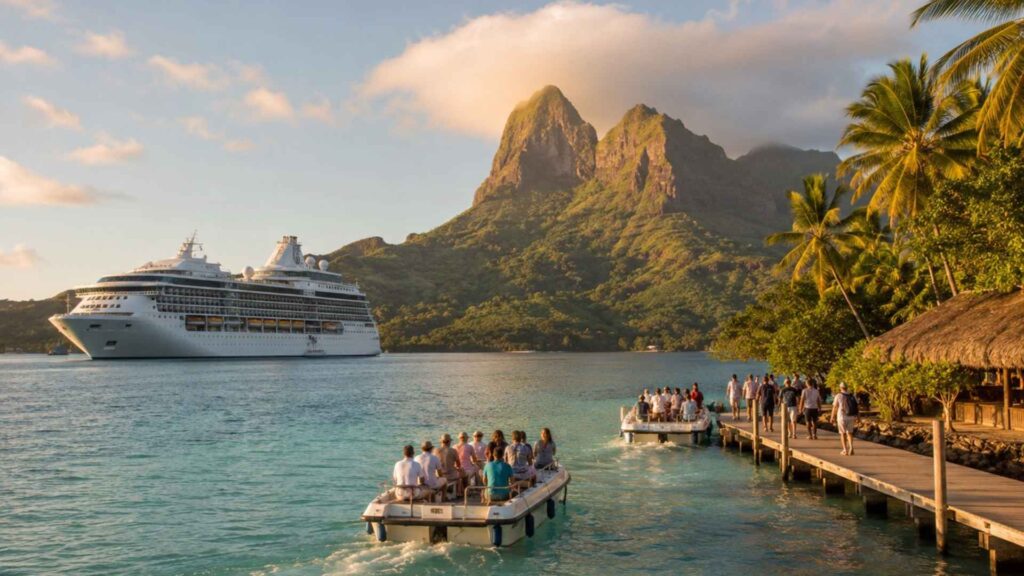
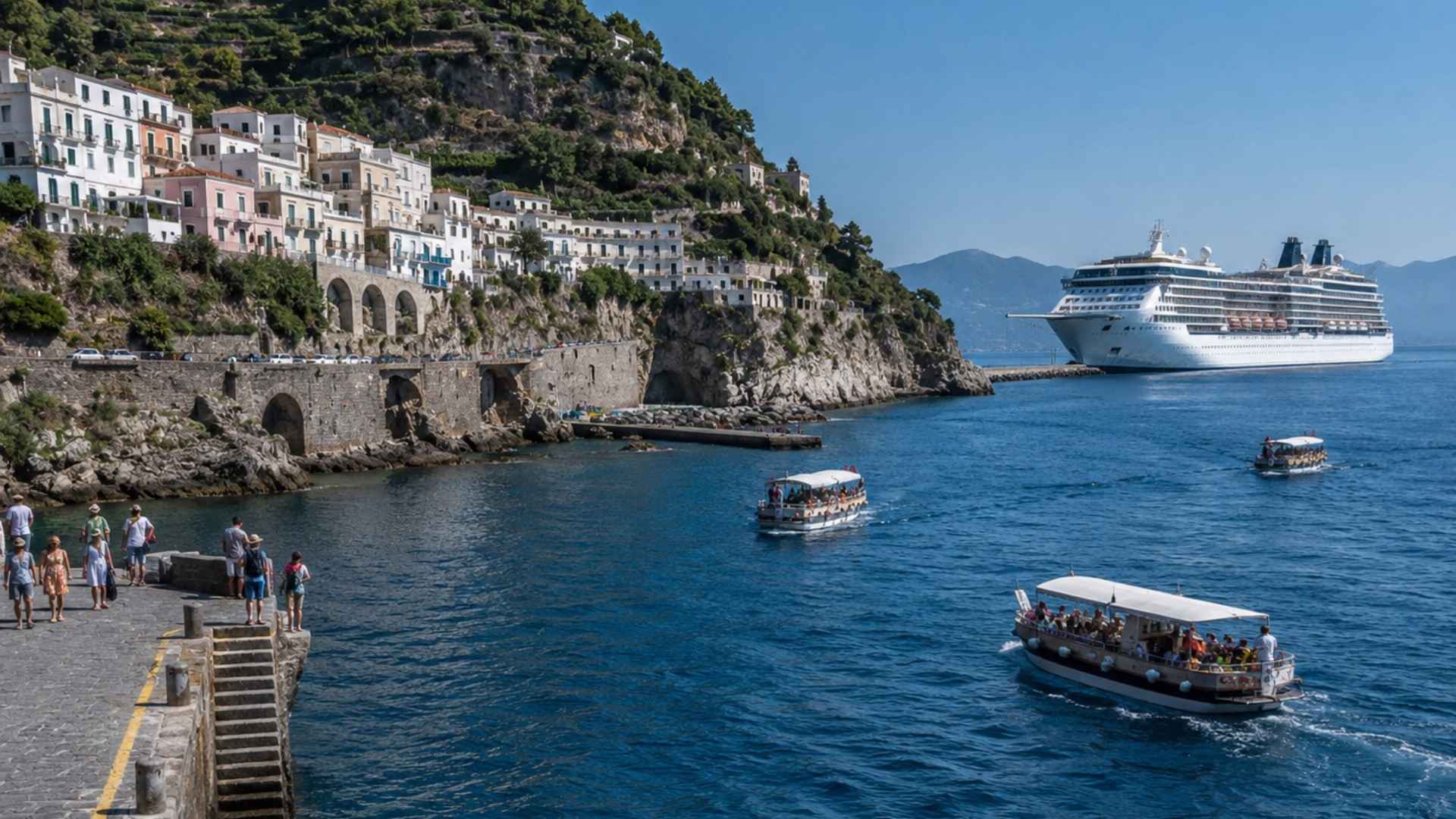
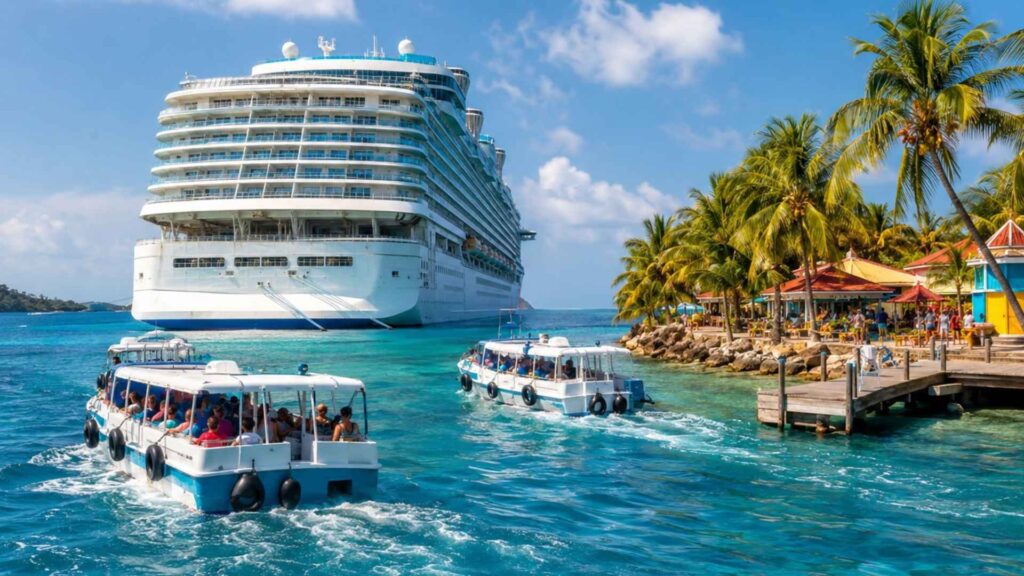
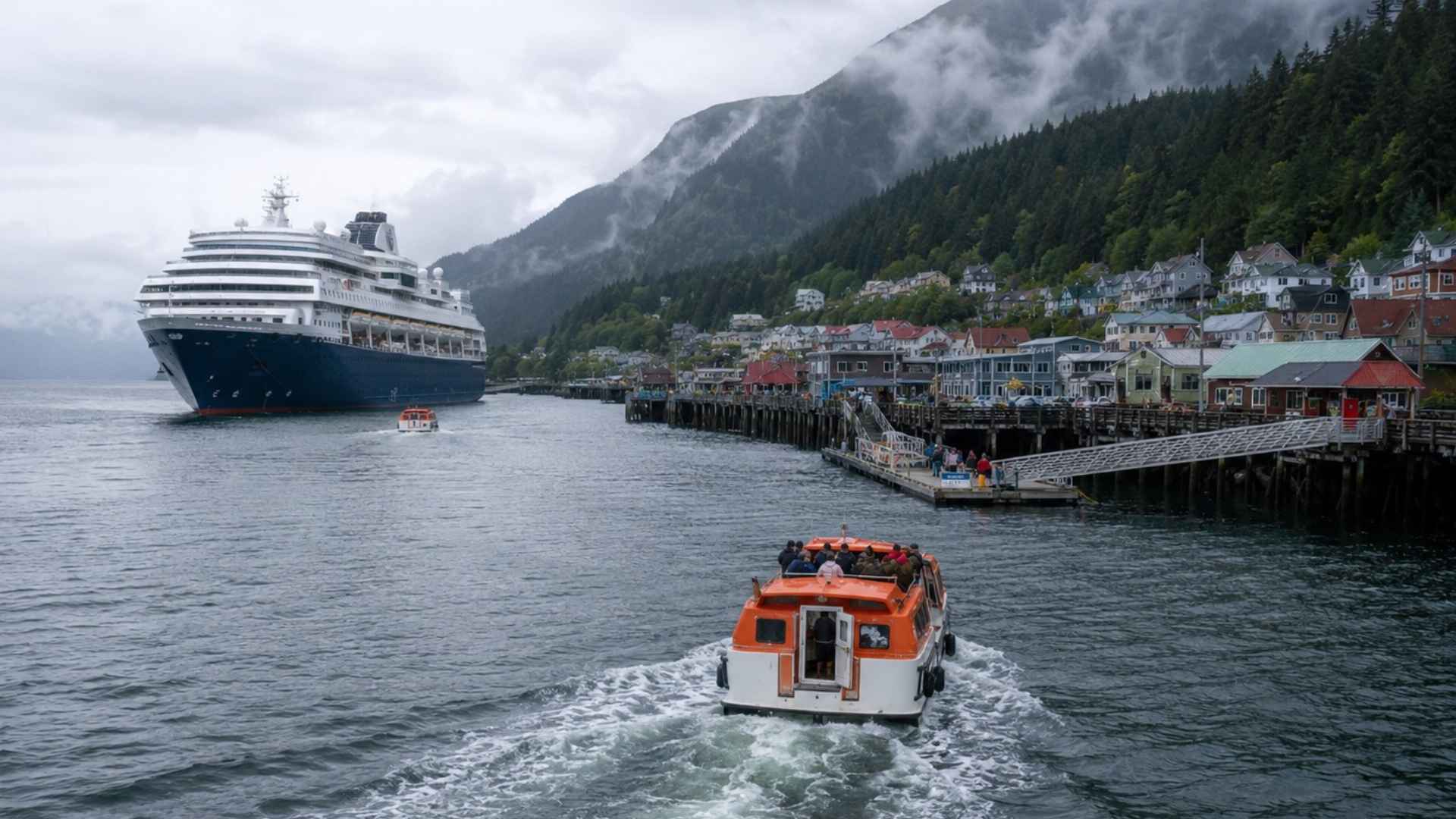
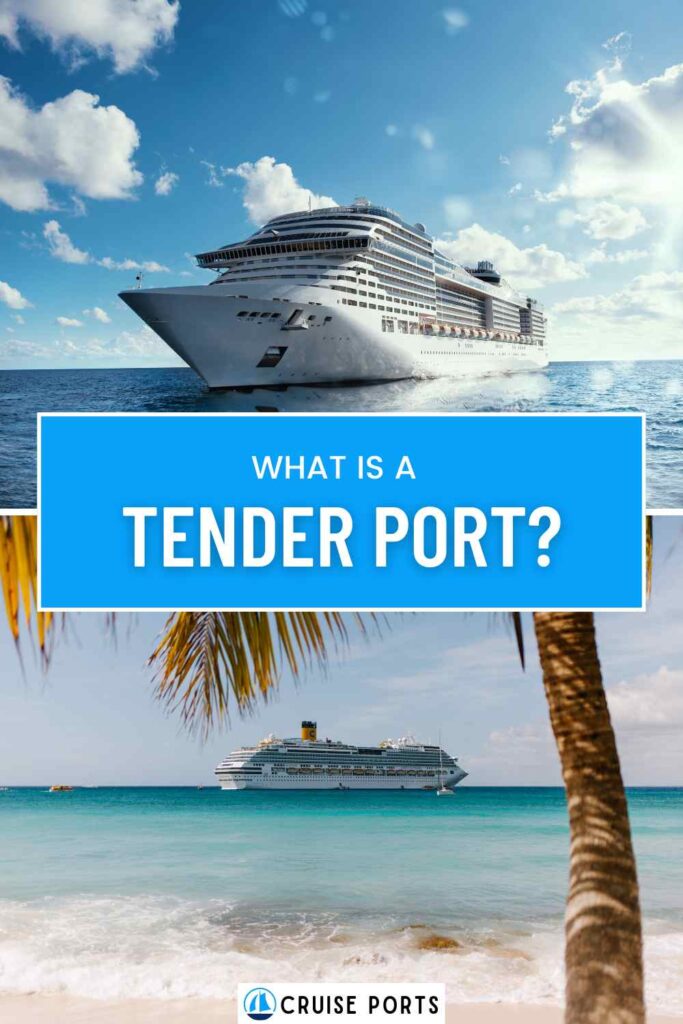
A tender port is a cruise stop where the ship anchors offshore and carries passengers to land in smaller boats. Instead of walking straight from the gangway onto a pier, you add a short boat ride, a boarding queue, and a little more weather dependence to the day.
Tendering can sound complicated the first time, but the basic process is easy once you know the rhythm. The ship organizes the boats, tells you when and where to report, and brings you back from a designated landing point before departure.
Tender port quick facts
- What it means: The cruise ship anchors offshore and smaller boats shuttle guests between the ship and land.
- Boat type: The tender may be one of the ship’s specially equipped boats or a passenger vessel supplied by the port.
- Boarding order: Cruise line excursions, priority guests, and independent visitors may be called in different groups.
- Time needed: Allow extra time for the queue, boat loading, crossing, unloading, and the return trip.
- Weather risk: Wind, swell, visibility, or changing harbor conditions can delay or cancel tender operations.
- Accessibility: Safe transfer depends on the vessel, landing, sea state, mobility device, and cruise line rules.
- Most important rule: Follow the ship’s daily instructions and return before the published last tender time.
Why cruise ships use tenders
Some harbors are too shallow, narrow, or small for a large cruise ship to dock safely. Other destinations have no cruise pier, limited berth space, environmental restrictions, or a waterfront designed for smaller local vessels.
A ship may also tender when every suitable berth is occupied. That means a port shown as docked on one sailing could operate as a tender call on another, so the live itinerary and onboard announcement matter more than a generic destination guide.
The captain and local authorities consider wind, waves, currents, visibility, and the landing conditions before starting. Safety comes first, even when the harbor looks calm from a balcony high above the water.
What kind of boat is a tender?
Many cruise ships use boats carried onboard that are designed to serve as passenger tenders and as survival craft when required. They have enclosed seating, marine safety equipment, and crew trained for the transfer.
Some ports provide their own local ferries or purpose built tenders. These can feel roomier than a ship’s boat, and the boarding arrangement may involve a floating platform, harbor steps, or a conventional dock.
A tender is functional transportation rather than a sightseeing boat, though the ride can offer wonderful ship and coastline views. Seating is normally directed by the crew so the boat stays balanced and can load efficiently.
How the outbound tender process works
The ship will publish instructions in its daily program, app, television system, or morning announcements. Read them the night before because the process may use paper tickets, a digital queue, assigned meeting times, or open boarding after the first rush.
Guests on ship sponsored excursions are often told to meet in a theater or lounge at a specific time. Staff then guide each group to a tender when the boat and shore operation are ready.
Independent guests may need to request a tender number or join a virtual queue. Loyalty status, suite benefits, or purchased priority may affect boarding on some lines, but never assume a benefit applies unless the current sailing instructions say so.
When your group is called, take your cruise card, required identification, and everything needed ashore. You may wait briefly on stairs or in a corridor before stepping across to the tender, so keep both hands as free as possible.
What boarding the boat feels like
The tender usually comes alongside an opening on a lower deck, where crew members control the lines and help passengers cross. Even in mild conditions, the two vessels can move differently, and the crew may pause boarding until the gap is safe.
Use the handrails, watch the crew member rather than your phone, and step only when directed. Do not jump, rush, or stop in the transfer point to take a photograph.
Once aboard, move to the seat indicated and keep aisles clear. The ride may be only a few minutes, but a long anchorage, harbor speed limits, or traffic at the landing can extend it.
The boats can feel warm and enclosed when full, while open local tenders may be breezy or wet. A light layer is useful even on a sunny day because air movement over water changes the temperature quickly.
How much extra time should you allow?
A tender day always needs more buffer than a docked call. The total includes waiting for your group, loading the boat, crossing the harbor, unloading, and possibly queuing again for transportation beyond the landing.
The first boats ashore are usually the most competitive because excursion groups and early planners all want them. If you have no fixed reservation, waiting until open tender service begins can make the morning calmer.
Independent tours should begin late enough to absorb tender delays and end well before the last boat. Tell the operator that your ship is tendering, and make sure the meeting point is the actual tender landing rather than a distant cruise pier.
Never use a map estimate as your full timing plan. Port queues, traffic, weather, and a line for the return boat can turn a short crossing into a meaningful part of the day.
Ship excursions and independent plans
A ship excursion is especially useful when the tender call is short or the attraction lies far from the landing. The cruise line controls the group’s meeting time and knows when its own transportation has returned.
Independent exploring can work beautifully when the town begins beside the tender pier. Keep the plan flexible, avoid a nonrefundable early appointment, and save the ship’s port contact information before going ashore.
The familiar promise that a ship will wait applies differently to independent guests and cruise line excursions, and the ticket contract controls the details. Do not build a day around testing that distinction.
The return trip and the last tender
The ship will publish a last tender time, which is the deadline for joining the shore side queue rather than a suggested time to begin walking back. I aim to be near the landing well before it, especially when shops, traffic, or a beach transfer could slow the return.
Lines often grow near the end of a port day, but the operation continues moving passengers while conditions remain safe. Crew or local agents normally check cruise cards before boarding, so keep yours accessible.
Sometimes the final tender waits while the ship adjusts position or harbor traffic clears. That does not mean late arrival is acceptable, because missing the published cutoff can leave a passenger ashore.
Tender ports and accessibility
Tender access is one of the most important questions for travelers with mobility needs. A ship can be accessible overall while a particular tender operation is not safe for a wheelchair, scooter, limited balance, or a guest who cannot manage steps.
The answer depends on the ship, tender design, platform, shore landing, device dimensions, lifting rules, and sea state that morning. Crew members may make a final safety decision at the boarding point even when assistance was discussed earlier.
Contact the cruise line’s accessibility team before sailing and provide the exact device type, dimensions, weight, and transfer ability. Norwegian Cruise Line’s official accessibility guidance directs guests to discuss transportation and shore excursion needs with its access team, which is a sensible model on any line.
Ask whether you must walk a certain distance, climb steps, transfer out of the device, or use a manual chair. Also confirm accessibility at the shore landing, because successful boarding on the ship side does not guarantee a step free exit at the pier.
Passengers with balance concerns should not minimize the moving step between vessels. A port day onboard can be the correct choice when conditions or transfer requirements do not feel safe.
Tendering with children
Families should keep children close and follow the crew’s seating instructions. Fold strollers before the transfer if directed, and avoid hanging bags from them while moving between the ship and boat.
A compact stroller is easier to carry through a tender than a large travel system, but the shore destination may have cobbles, sand, or steps. Ask about storage and landing conditions before bringing equipment into the queue.
Pack water, sun protection, a light layer, and any essential snacks allowed by local rules. Keep medication and must have child supplies with you rather than assuming you can return to the cabin quickly.
Motion sickness and comfort
A tender can move more sharply than the cruise ship because it is much smaller. Sit where the crew directs, face forward if possible, look toward the horizon, and use your usual motion sickness plan before symptoms begin.
Fresh air can help, but passengers may not be free to change seats after departure. If you are prone to nausea, avoid a heavy meal immediately before the transfer and keep any approved medication handy.
People who feel anxious in enclosed spaces can ask what type of boat the ship expects to use. The answer may change if the port supplies local vessels, yet knowing the likely setup makes the day less mysterious.
What to take ashore
Bring your cruise card and any identification named in the ship’s instructions. Add essential medication, a charged phone, the daily schedule, the port contact details, and a payment method that works at the destination.
A small backpack or crossbody bag keeps your hands free for railings. Secure hats, cameras, and loose items before stepping onto the boat, since wind at the platform can be stronger than it was on an upper deck.
Dress for both the water crossing and the shore forecast. Sun protection, a waterproof layer, and shoes with reliable grip cover most tender days better than sandals with smooth soles.
Why tender calls get canceled
A captain may cancel tendering when wind, swell, currents, visibility, or conditions at the landing make repeated transfers unsafe. The decision can happen before arrival or after boats have begun operating if conditions deteriorate.
Cancellation is disappointing, but it is not evidence that the crew failed to plan. The operation must remain safe for passengers, crew, boats, and the ship throughout the call, including the final return.
Keep independent bookings flexible and understand the provider’s refund terms before paying. Cruise line excursions are handled under the line’s own policies, which should be checked for the specific reservation.
Common tender day mistakes
The biggest mistake is treating arrival time as the moment you will stand on shore. The ship must anchor, receive clearance, launch or receive boats, and organize the first passenger groups.
Another mistake is waiting until morning to read the queue instructions. If the line uses timed requests or a digital system, late attention can mean a later ride ashore.
Travelers also underestimate the return queue or confuse all aboard time with last tender time. Write down the exact shore side deadline and follow the ship’s clock, which may differ from the time shown by a phone network.
Is a tender port worth it?
Absolutely, because many memorable islands, historic towns, and small harbors cannot accommodate a large ship at a conventional pier. The boat ride can even become part of the experience, with a water level view of the ship and coastline.
A successful tender day comes down to patience, realistic timing, and attention to the ship’s instructions. Build in buffer time, keep your hands free for boarding, and treat changing conditions as part of traveling by sea.
More on this topic: browse every guide on port logistics and timing.