Manaus Cruise Port: Amazon River Opera House Guide
Manaus is a river port unlike almost any other cruise call. Your ship reaches a major Brazilian city deep in the Amazon, where the grand Teatro Amazonas, working markets, dark Rio Negro water, and vast forest region sit within the same story.
The day becomes much easier when you choose between three priorities: city, river, or forest. A Meeting of the Waters boat trip and a focused historic-center visit can work together, but a true jungle excursion deserves most of the call.
Quick facts for Manaus Cruise Port
- Country: Brazil
- State: Amazonas
- River: Rio Negro, near its confluence with the Solimões
- Main city highlight: Teatro Amazonas
- Main river highlight: Meeting of the Waters
- Currency: Brazilian real
- Language: Portuguese
- Key planning issue: River level changes docks, ramps, beaches, and boat routes
Where cruise ships arrive in Manaus
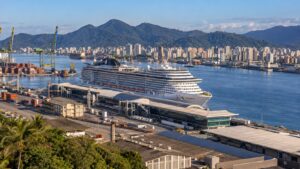
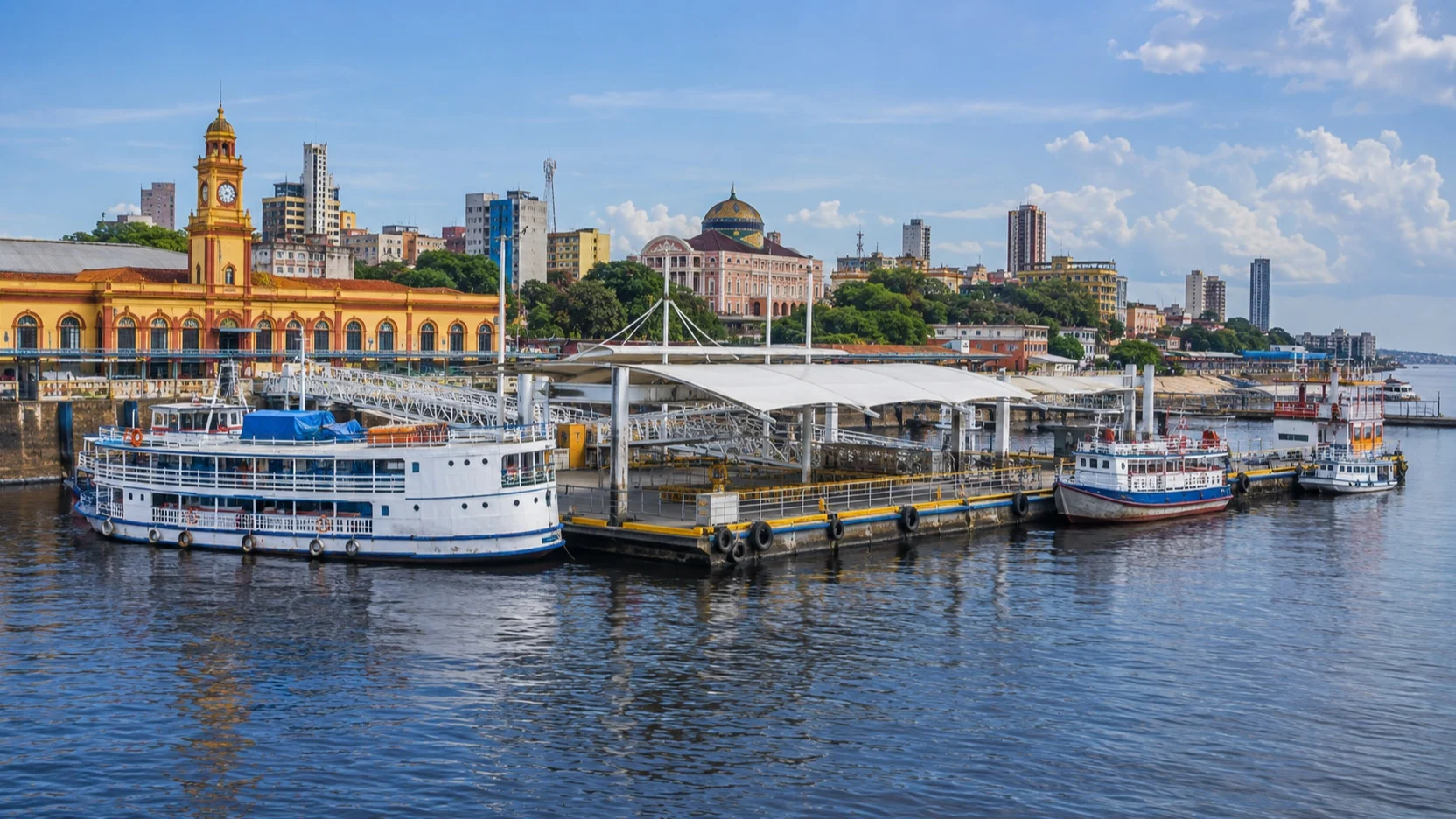
The historic Port of Manaus sits on the Rio Negro beside the central city and uses floating infrastructure designed for major seasonal changes in water level. Your vessel may berth at a port facility or use a tender arrangement according to ship size, draft, traffic, and current river conditions.
Follow the cruise line’s daily program for the exact landing, terminal exit, and all-aboard time. Manaus has several busy waterfront operations, and a generic map pin can send a returning passenger toward the wrong gate or dock.
The port’s movable ramps can become long or steep when the river is low. Travelers with mobility needs should ask about slope, handrails, tender steps, transfer chairs, and assistance before leaving the ship.
The central location places the market and historic district nearby, but the immediate waterfront is active and crowded. Keep valuables secure, use an agreed meeting point, and follow the route recommended by port staff.
My quick take on a Manaus port day
First-time visitors should choose Teatro Amazonas plus the Meeting of the Waters if the call is long enough. That pairing connects the rubber-era city with the river system that made Manaus possible.
Travelers who care most about wildlife or forest ecology should choose one established nature excursion and accept that sightings are never guaranteed. Those who dislike heat, small boats, or long transfers can have an excellent day within the city.
Do not label a short roadside or zoo-style stop as “the Amazon jungle” without reading the details. A meaningful forest experience requires time, interpretation, and attention to the communities and ecosystems involved.
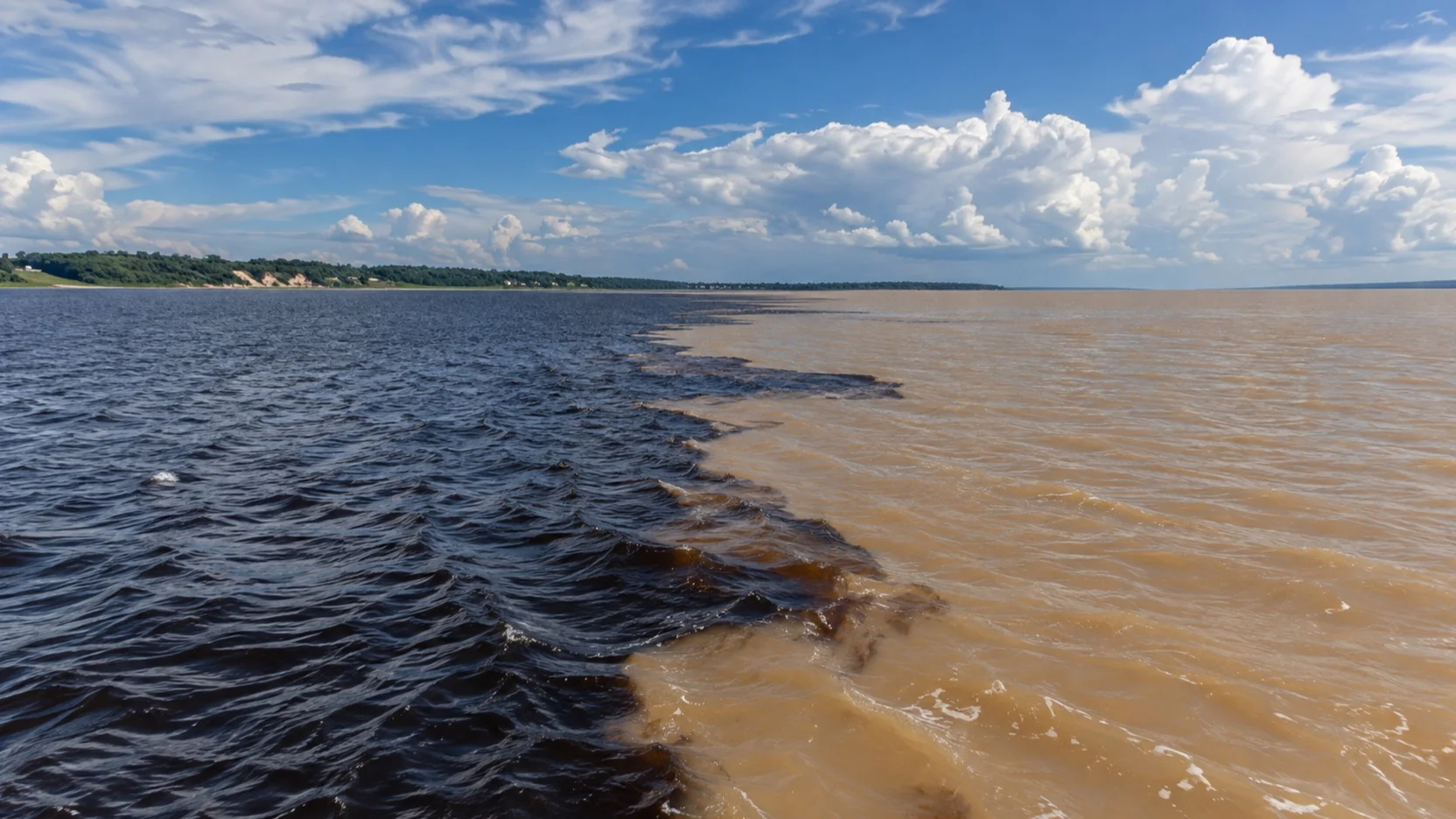
Meeting of the Waters
The Meeting of the Waters is the confluence where the dark Rio Negro meets the sediment-rich Solimões. Differences in water properties and flow create a visible boundary before the rivers gradually mix downstream.
Most cruise visitors reach the confluence by boat from the Manaus waterfront. The appearance varies with light, weather, water level, and the boat’s position, so no operator can guarantee the exact photograph seen in a brochure.
Choosing a boat operator
Use a cruise excursion or a recognized local operator with a clearly identified vessel and crew. Confirm life jackets, shade, seating, restroom access, communications, insurance, passenger capacity, and the precise return time before boarding.
A very low price can reflect a crowded boat, limited safety equipment, or an itinerary that depends on selling extra stops. Compare what is actually included instead of focusing only on the name “Meeting of the Waters.”
What tours may include
Some outings add floating restaurants, lakes, canoe routes, village visits, giant water lilies, or wildlife observation. These components depend heavily on season and water level, and they should be described as possibilities rather than guaranteed experiences.
A community visit should operate with local consent and a transparent benefit to hosts. Avoid tours that pressure residents to perform, encourage intrusive photographs, or use captive wildlife as handling props.
Wildlife expectations
Pink river dolphins, monkeys, sloths, birds, and reptiles live in the wider region, but a short boat trip may not encounter them. Ethical wildlife watching keeps distance, avoids feeding, and never promises physical contact.
Choose the river for the scale, color, movement, and ecology even if no animal appears. That mindset produces a better day than chasing a staged encounter.
Teatro Amazonas
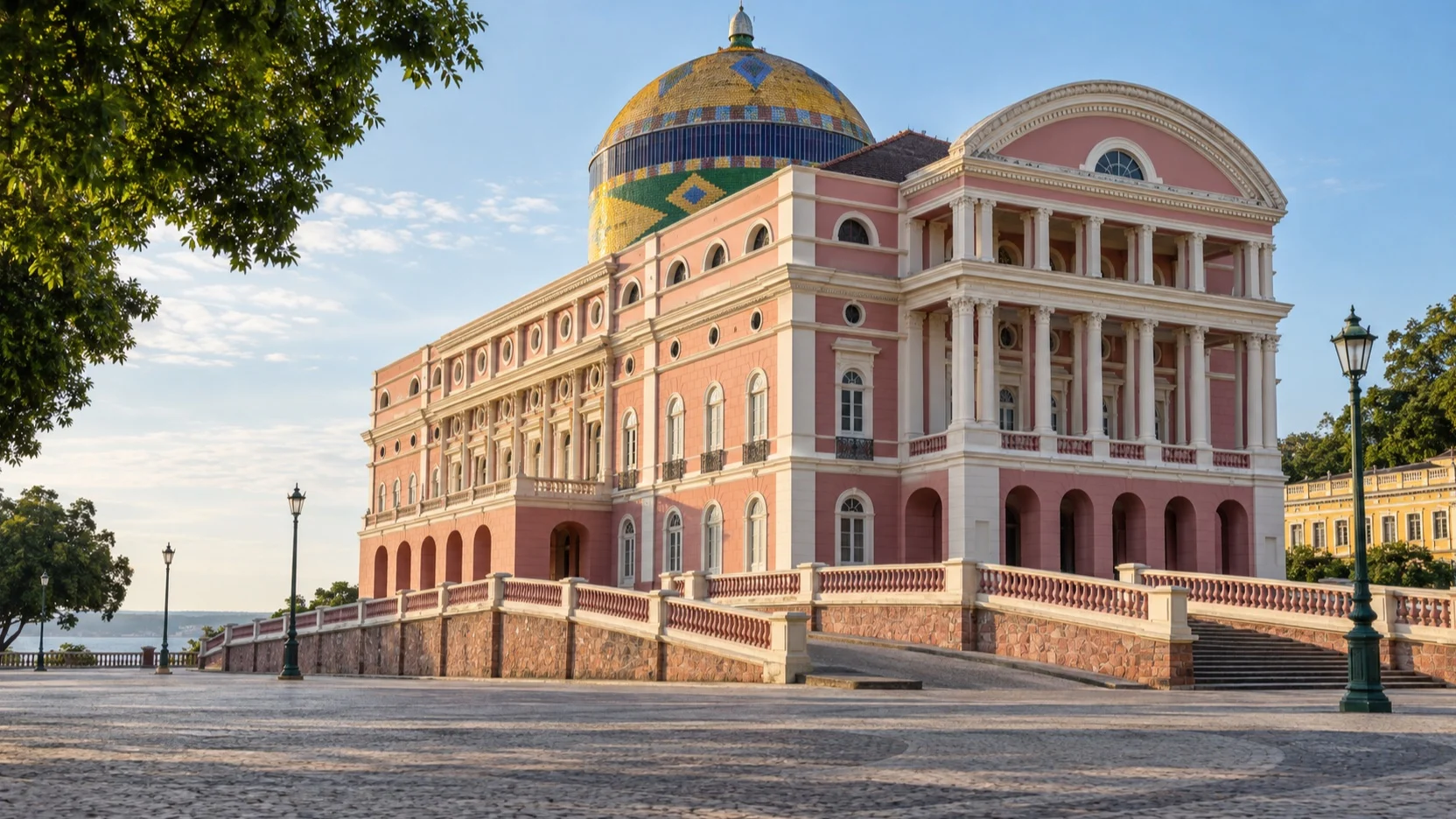
Teatro Amazonas is Manaus’s architectural centerpiece, built during the rubber-boom era and still used as a performance venue. Its dome, auditorium, imported materials, and elaborate interiors reveal both extraordinary wealth and the social inequalities behind that period.
Guided visits and performance schedules vary, and official events can close interior areas. Check the theater’s current site before the call and do not assume an English tour is available at every hour.
How much time to allow
The building rewards a proper interior tour rather than a quick exterior photograph. Allow time for ticketing, security, interpretation, and the walk through Largo de São Sebastião.
If your river excursion has a fixed departure, visit the theater at the more reliable time and keep the square for afterward. A sold-out or closed tour can be replaced with a historic-center walk without disrupting the entire day.
Largo de São Sebastião
The square around the theater provides patterned pavement, cultural buildings, restaurants, and a clear sense of Manaus’s civic center. It is a good place to pause, but watch belongings and use established streets when moving between sights.
Public events can change traffic and access around the square. Ask the guide or visitor desk about closures before arranging a vehicle pickup directly at the theater entrance.
Mercado Municipal Adolpho Lisboa
The Adolpho Lisboa Municipal Market stands near the river and reflects Manaus’s commercial relationship with the interior. Produce, fish, herbs, spices, crafts, and regional foods make it one of the city’s most vivid stops.
The market is a working public space rather than a display created for cruise visitors. Keep aisles clear, ask before photographing people, and treat food handling with the same care you would in any hot-climate market.
What to look for
Regional fruits may include cupuaçu, açaí, bacuri, taperebá, and many varieties unfamiliar to first-time visitors. Ask how an item is prepared because Amazonian açaí traditions differ from the sweet frozen bowls common elsewhere.
Fish counters reveal the scale and variety of the river system, with species such as tambaqui and pirarucu appearing according to season and regulation. Buy prepared food only from a clean, busy vendor and choose dishes served thoroughly cooked and hot.
Shopping responsibly
Crafts, seeds, fibers, oils, spices, and packaged foods can make meaningful purchases when their origin is clear. Avoid wildlife products and confirm the agricultural and customs rules of the next country before buying plant material or untreated food.
Carry small Brazilian real notes, but keep most cash out of sight. Card terminals may work at established stalls, yet connectivity should not be assumed.
Historic center and port architecture
Manaus’s central streets contain buildings tied to river trade, public institutions, religion, and the rubber economy. Condition varies from carefully restored landmarks to structures affected by heat, rain, vacancy, and intense urban use.
A guided walk adds context and reduces navigation stress. Choose a route that discusses Indigenous presence, African Brazilian history, migration, labor, and environmental change rather than presenting the rubber boom only as glamour.
Customs House and waterfront views
The customs complex and port buildings are part of the city’s historic riverfront identity. Access may be restricted by active operations, so admire architecture only from public areas and respect all security barriers.
River level marks and the angle of port ramps tell a current environmental story. Ask a guide how recent floods, droughts, heat, and smoke have affected transportation and communities.
Manaus Cathedral and public squares
Religious and civic sites can fit naturally between the market and theater. Dress respectfully for an interior church visit and avoid entering during a service unless visitors are clearly welcome.
Opening hours can be irregular, especially outside major attractions. Treat a closed door as part of the day’s rhythm and continue to the next public square or museum.
Forest experiences near Manaus
Museu da Amazônia
Museu da Amazônia, commonly called MUSA, protects and interprets forest on the city’s northern side. Trails, exhibits, research areas, and an observation tower can provide a more grounded ecological experience than a quick animal stop.
This is not beside the cruise port, and weather or physical ability may shape access. Confirm operating hours, guided options, tower stairs, trail surfaces, insects, and the vehicle return before committing.
Bosque da Ciência
The INPA science forest offers an urban introduction to Amazonian research, plants, and animals. Exhibits and animal visibility vary, so visit for education rather than a guaranteed checklist.
Check the institution’s official status because maintenance, research operations, and weather can affect access. A guide who understands conservation can help distinguish rehabilitation, research, and display areas.
Jungle lodges and longer excursions
A true lodge stay or deep-forest itinerary belongs before or after the cruise, not inside a short daytime call. River transfers, weather, meals, trails, and wildlife timing need more space than a few hours.
If your ship overnights in Manaus, a closer lodge or night walk may become possible through a trusted operator. Verify medical plans, communications, mosquito protection, boat safety, and the hard return time.
Presidente Figueiredo
Presidente Figueiredo is associated with waterfalls, caves, forest, and regional road trips north of Manaus. It is too distant for casual inclusion and should be the main purpose of a long call.
Rain can change roads, trails, and waterfall conditions. Choose an operator with current local knowledge and do not pair the trip with a fixed afternoon boat departure.
River level and seasonality
The Rio Negro rises and falls dramatically through the year, changing the physical relationship between city, dock, forest, lake, and beach. Seasonal descriptions such as “flooded forest” or “river beach” cannot apply in the same way every month.
Low water can expose banks, lengthen walks, reduce access to channels, and make port ramps steeper. High water can open canoe routes into flooded forest while covering beaches and altering where boats land.
Exceptional drought or flooding can disrupt navigation, air quality, electricity, water access, and community life. Reconfirm the excursion shortly before the call and accept route changes when the operator says conditions require them.
Rain remains possible in every season, while intense sun and heat can appear between storms. Pack for both rather than relying on a simple wet-season or dry-season label.
Getting around Manaus
Taxi and ride services
A taxi or reputable ride service is the practical choice for the theater, MUSA, science forest, or a tailored city route. Use the official port pickup area and confirm the destination before the vehicle moves.
Traffic can be slow, and a return ride may take longer than the outward journey. Keep the port address, ship contact, and a screenshot of the landing point available offline.
Private guides
A licensed or established guide adds value through language, history, safe routing, and coordination between city and river. Ask for a written itinerary, total price, currency, included tickets, meal terms, and cancellation policy.
Do not let an operator add a distant attraction on the day without revising the return plan. The fixed all-aboard time matters more than squeezing in one more stop.
Walking
The market, port, and parts of the historic center are geographically close, but heat, crowds, traffic, steep ramps, and uneven pavement can make walking demanding. Use a guided route or remain on streets recommended by the port team.
Keep cameras and phones discreet when not in use. Cross with care because traffic patterns and motorcycle movement may differ from what you expect.
Public buses
Public buses serve Manaus but are not the easiest choice for a short port call. Language, route changes, crowding, payment, and traffic can consume time that a taxi preserves.
Independent travelers with a long stay may use them after current local research. Cruise visitors generally gain more from a guide, taxi, or organized excursion.
Food to try in Manaus
Manaus is an outstanding food city for travelers curious about river fish, fruit, herbs, and Indigenous-influenced ingredients. Tambaqui, pirarucu, jambu, tucupi, cassava, Brazil nuts, and cupuaçu appear in many forms.
Tacacá is a hot regional preparation made with tucupi, jambu, and shrimp, while x-caboquinho is a sandwich associated with tucumã and cheese. Ingredients vary, so ask about shellfish, dairy, nuts, and preparation if allergies matter.
Choose a busy established restaurant or market counter with good turnover. Drink sealed or treated water and avoid raw foods when hygiene or refrigeration is uncertain.
Sustainable sourcing matters because some Amazonian fish and wildlife are protected or pressured. Eat only legally sold species from reputable businesses, and never purchase bushmeat or wildlife products.
Health preparation for the Amazon
Manaus requires destination-specific medical planning well before travel. The CDC Brazil guidance discusses yellow fever, malaria, mosquito-borne illness, food and water risks, and other considerations for Amazonas.
A travel-health clinician should assess vaccination and malaria-prevention needs based on your itinerary, medical history, age, and timing. Do not start or skip medication based only on a cruise forum.
Use effective insect repellent, covering clothing, and screened or air-conditioned spaces when possible. Mosquito protection matters in the city as well as in the forest.
Carry prescription medicine in original packaging with enough supply for delays. Travel insurance should cover medical care and evacuation because specialized treatment may require movement over a long distance.
Heat illness can develop quickly in humidity. Drink regularly, rest in shade or air conditioning, and take weakness, dizziness, confusion, or persistent headache seriously.
Safety and practical awareness
Manaus is a large city where theft and robbery are concerns, especially around crowded transport and market areas. Follow current government advice, use port-recommended routes, avoid displaying valuables, and do not wander into unfamiliar streets.
Carry only the cash and cards needed for the day, keeping passport arrangements consistent with the ship’s instructions. A photocopy or secure digital record can help if a document is lost.
Do not visit isolated riverbanks, forest paths, or informal docks alone. Use a recognized operator for every boat movement and return before darkness unless the cruise line has organized an evening plan.
Portuguese is the main language, while English availability varies. Save key addresses and emergency information in Portuguese so a driver or official can help quickly.
Accessibility in Manaus
Accessibility begins with the ship-to-shore route because river height can create steep gangways or long floating ramps. Ask the cruise line about wheelchair handling, tender policy, rest points, and assistance at the actual water level expected.
Historic streets and markets may have broken pavement, curbs, crowds, heat, and narrow aisles. A private accessible vehicle and shorter indoor route can produce a better day than attempting every central landmark on foot.
Small boats vary widely in boarding height, stability, shade, seating, and restroom access. Travelers with mobility needs should receive a description of the exact vessel rather than a generic promise of assistance.
MUSA trails and towers, forest platforms, floating restaurants, and village landings can introduce stairs or unstable surfaces. Confirm each component and choose a city alternative when the route is not safe.
Three realistic Manaus day plans
City and river highlights
Visit Teatro Amazonas early, walk through the square and market area with a guide, then join a vetted Meeting of the Waters boat trip. Keep the final city stop flexible and return to the correct dock well before all aboard.
This is the strongest first-visit plan when the call is long enough. It balances the built history of Manaus with the river landscape.
Focused city day
Explore Teatro Amazonas, Largo de São Sebastião, the market, and selected historic streets with a guide or short taxi rides. Add a regional lunch and avoid the pressure of a fixed boat departure.
This plan suits uncertain weather, limited mobility, or travelers who prefer architecture and food. It also leaves room to respond if a museum or theater schedule changes.
Forest ecology day
Choose MUSA or another reputable forest-focused excursion and give it the larger part of the call. Add only one nearby city stop after returning, depending on traffic and energy.
This plan offers deeper ecological interpretation without pretending that a few hours equal a remote Amazon expedition. Wildlife should be treated as possible, not promised.
Common mistakes to avoid
Booking an unverified boat at the waterfront: Vessel condition and safety equipment vary. Use a recognized operator and inspect the life jacket before departure.
Expecting the same route in every season: River level changes docks, channels, beaches, and forest access. Confirm the actual itinerary shortly before sailing.
Trying to fit city, river, and deep forest into one day: Manaus traffic and boat staging take time. Choose two compatible priorities or one substantial excursion.
Ignoring travel-health planning: Amazon itineraries require medical advice before departure. Mosquito protection and insurance are part of the cruise plan, not optional extras.
Returning to a generic port pin: Manaus has a busy, complex waterfront. Save the exact landing, ship contact, and gate instructions offline.
Frequently asked questions
Is Manaus really in the Amazon?
Yes, Manaus is the capital of Amazonas on the Rio Negro, close to the confluence with the Solimões. It is a major city surrounded by the wider Amazon region rather than a small jungle outpost.
Can I walk from the port to Teatro Amazonas?
The historic center is relatively close, but heat, traffic, hills, pavement, and security shape the route. A guided walk or short taxi is the better choice for many travelers.
Can I see the Meeting of the Waters in one port day?
Yes, it is one of the standard river excursions from Manaus. Choose a reputable boat and protect enough time for boarding, river conditions, and the return to the ship.
Will I see pink dolphins or sloths?
Wildlife may appear, but no ethical operator can guarantee a specific animal in the wild. Avoid tours built around touching, feeding, restraining, or using captive wildlife as props.
Do I need a yellow fever vaccine or malaria medicine?
Recommendations depend on the exact itinerary and the traveler’s health. Consult an experienced travel-health clinician and current official guidance well before departure.
What currency should I carry?
Carry Brazilian real in small notes for markets, tips, or minor purchases. Cards are common in established businesses, but connectivity can interrupt payment.
My bottom line
Manaus delivers its strongest first impression through the contrast between Teatro Amazonas and the Meeting of the Waters. One represents the ambitions and inequalities of the rubber era, while the other reveals the scale and physical character of the river system.
Choose a focused plan, use reputable transportation, prepare for tropical health conditions, and treat water level as a live operating factor. The Amazon is not a backdrop, and the best visit respects both its communities and ecological limits.
Continue planning with our Brazil cruise ports guide, then compare the river’s lower reaches in our Belém cruise port guide. Our South America cruise ports guide places Manaus within a wider itinerary.
How this guide was researched: This guide uses current official port, state, cultural, health, weather, and tourism sources where available. Port logistics, river conditions, attraction access, health guidance, safety, and accessibility details were reviewed in September 2026; see our Editorial Policy.