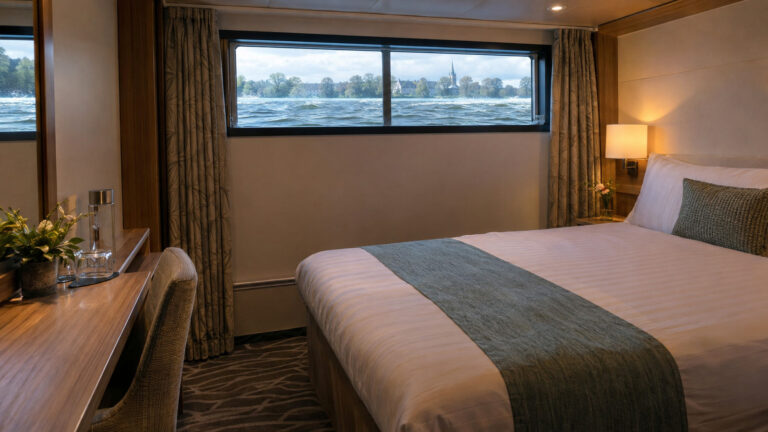
River Cruise Alcohol Policy: Bringing Wine and Port Aboard
Buying wine beside the Rhine, Danube, or Douro is one of the pleasures of a river cruise, but bringing a bottle aboard and opening it at dinner are two different permissions. Check the written policy for your line, ship, region, and fare before planning around your own wine.
This guide focuses on European river cruises. U.S. river operators can set different rules, so start with this comparison of U.S. and European river cruising if you are sailing the Mississippi, Columbia, or another American waterway.
My quick take
Buy a bottle ashore only after you know where the line lets you drink it and whether corkage applies. A line may allow alcohol in your cabin while restricting personal bottles in restaurants, lounges, or on deck.
If the policy is silent, ask the cruise line in writing and save the answer. A friendly crew member may make a practical accommodation, but that is not a fleetwide policy you can rely on for another sailing.
For the flight home, pack to the airline and aviation rules, declare every bottle to U.S. Customs and Border Protection, and check your arrival state’s limits. Duty-free allowance is not the same thing as permission to import any quantity.
The quick facts
- Bringing bottles aboard: policies vary by line and sometimes by fare. Do not treat a missing rule, an old forum post, or one crew member’s decision as blanket permission.
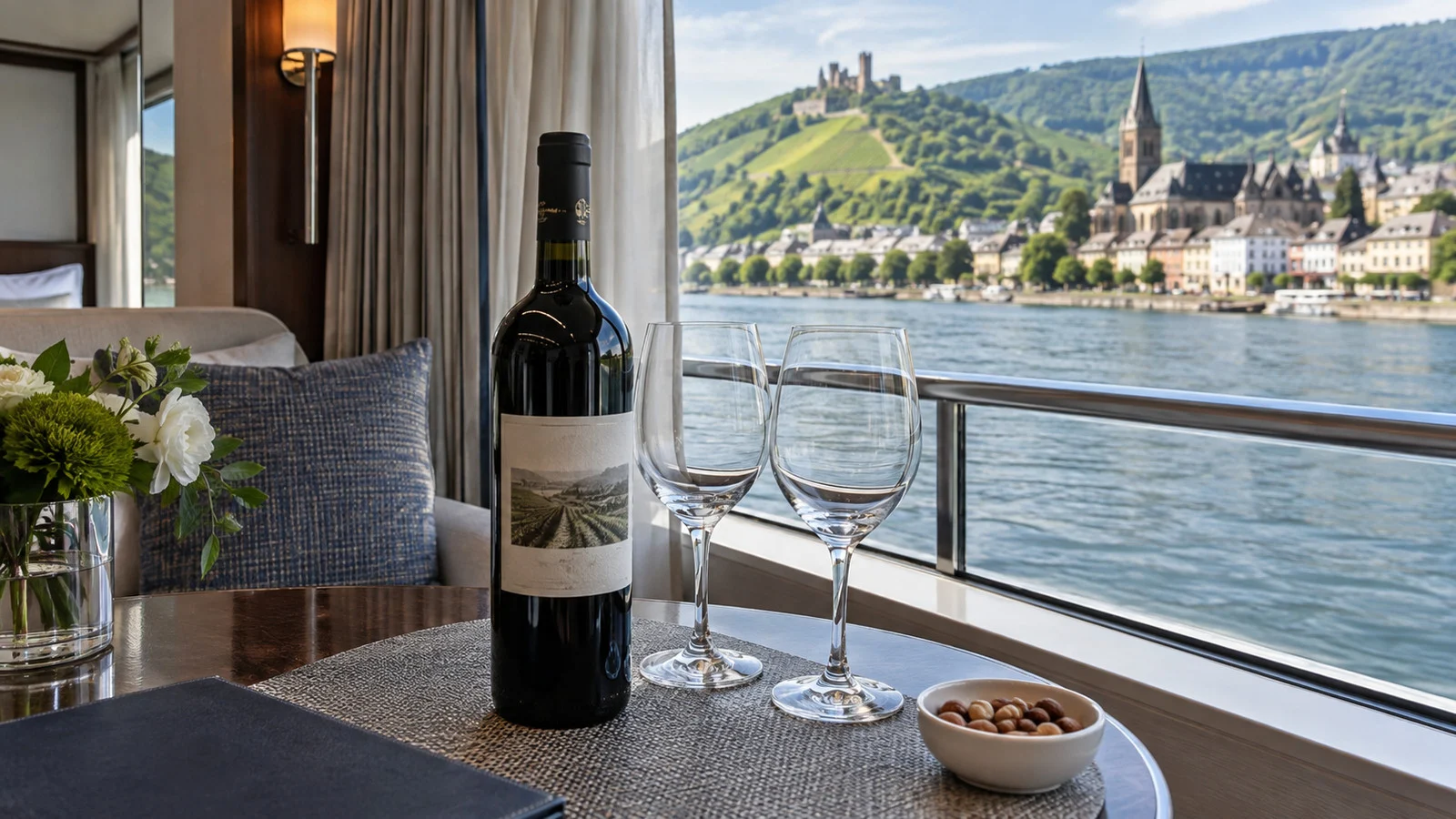
- Corkage: Viking’s river FAQ says guests may bring beverages aboard and charges no corkage, while Riverside currently lists a €25 corkage fee at meals for bookings without premium all-inclusive service.
- Where you can drink it: boarding permission does not automatically cover the restaurant or other public areas. Ask specifically about your cabin, dining room, lounge, and sun deck.
- What is included: many European river fares include selected wine or beer at meals, while some include a broader bar menu. Compare your fare’s current beverage inclusions before paying corkage on a bottle you could enjoy ashore or take home.
- The flight home: the FAA caps beverages over 24% through 70% alcohol at 5 liters per passenger in unopened retail packaging. Beverages over 70% are prohibited, and checkpoint liquid rules still apply to carry-ons.
- U.S. customs: one liter may fall within an eligible adult traveler’s duty-free exemption, but extra alcohol can be subject to duty, tax, state law, and a personal-use decision by CBP. Declare it all.
- Shipping instead: USPS prohibits ordinary mailing of intoxicating liquor, and private carriers generally require an approved alcohol shipper. A winery or retailer must also be able to ship legally to your destination state.
Permission to board is not permission to pour
There are four separate questions: may you bring the bottle aboard, store it in your cabin, drink it in a public space, and ask the restaurant to serve it? Get an answer to all four if the bottle matters to your plan.
Corkage is a service charge for opening or serving your bottle, not a boarding fee. It can vary with fare package, venue, or bottle size, and a current website or written reply should outrank an older brochure.
The captain and hotel team can also enforce safety or local-law restrictions. A line may refuse visibly intoxicated service even when your bottle was permitted aboard.
What current written policies show
Viking’s published river guidance allows guests to bring beverages from home or buy them ashore, enjoy them in the stateroom or public spaces, and pay no corkage. Confirm the current terms in your own pre-departure documents because web policies can change.
Riverside Luxury Cruises says it will serve wine bought during shore excursions at onboard meals. Its current FAQ lists a €25 fee per bottle for reservations without premium all-inclusive service.
Other lines may describe beverage inclusions without publishing a clear bring-aboard or corkage rule. Silence is not permission, so contact the line and include your ship, sail date, route, fare, and the place you want to drink the bottle.
Save the reply offline because cellular service can be patchy on the river. A screenshot is much easier to show than a webpage that will not load at the gangway.

Buying wine in Rüdesheim
Rüdesheim makes it very easy to pick up Rheingau Riesling near a river-cruise berth. Read the label for producer, vintage, sweetness, alcohol, bottle size, and appellation rather than choosing only by the prettiest shop window.
If you want to drink the wine that evening, buy early enough to return it to the ship before your final excursion or all-aboard rush. The Rüdesheim port guide covers berths, town access, and the cable car.
Ask the seller for a receipt and a protective sleeve. The receipt helps with declaration and replacement value, while the sleeve protects everything else in your suitcase.
Buying wine in the Wachau
The Wachau is known for Grüner Veltliner and Riesling, and its villages can be reached very differently depending on the berth. Check the Wachau port guide before assuming a winery is walkable.
Regional terms such as Steinfeder, Federspiel, and Smaragd can signal style, ripeness, or alcohol under producer rules, but classification requirements can change. Ask the winery what the term means for that exact bottle instead of using it as a simple quality ladder.
A wine you love at a tasting may be easier to buy from a U.S. distributor later. Photograph the front and back labels so you can search the producer, vintage, importer, and bottle size after the cruise.
Pinhão, Porto, and fortified wine
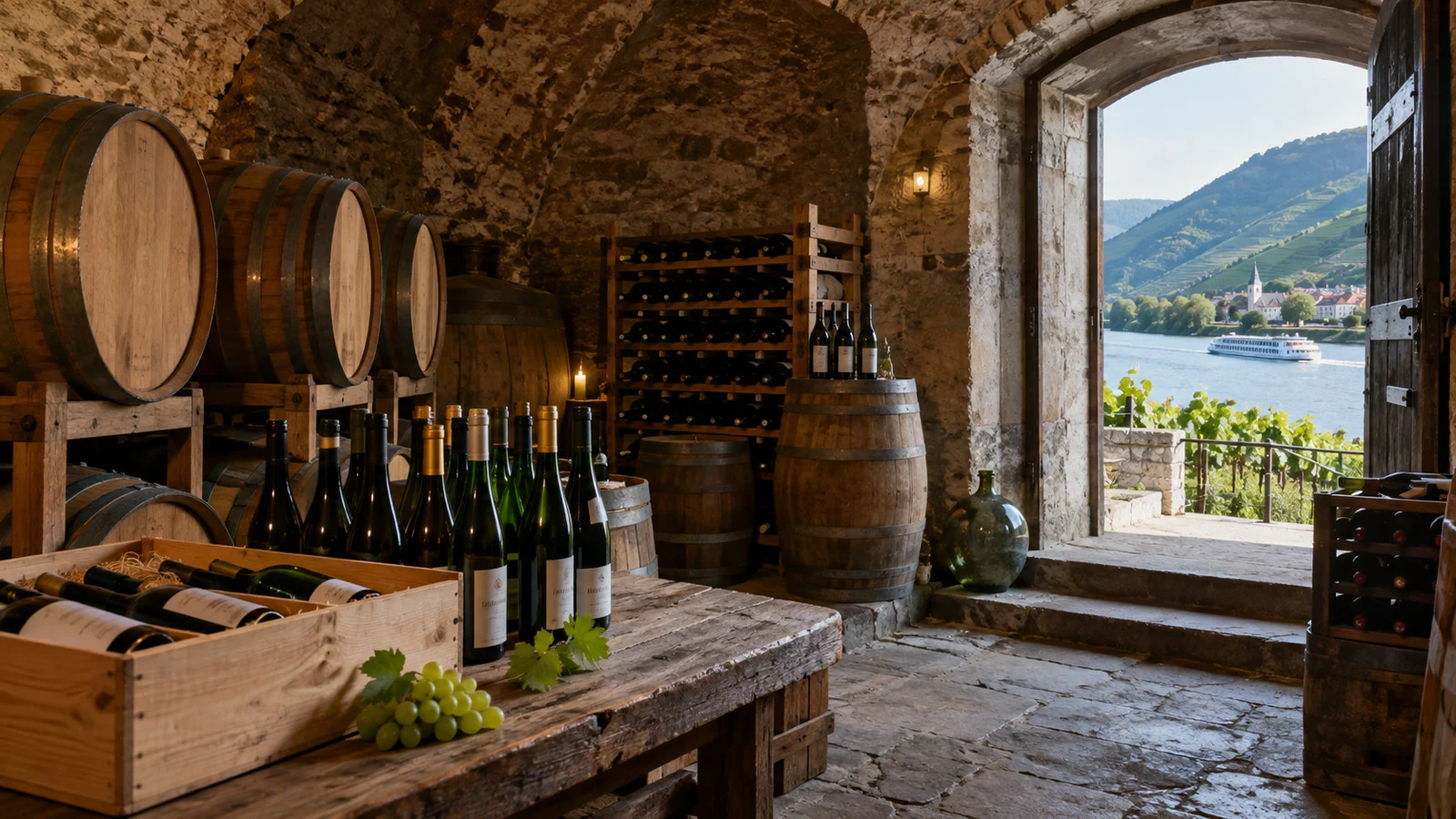
Port is fortified wine, and many bottles are at or below 24% alcohol by volume, but the label controls. That threshold matters for aviation rules, so check every bottle rather than assuming all Port travels under the same category.
Pinhão puts tasting rooms and quintas close to the river, although terrain and the exact dock can change walking time. Use the Pinhão port guide to match a tasting to your mobility and port hours.
A shop’s promise to “ship to America” is only the first step. Ask which licensed carrier or importer it uses, whether it serves your state, who pays duty and tax, what happens if delivery is refused, and how breakage is handled.
If the shipment is routed through a U.S. retailer, ask for the final price and estimated delivery time in writing. International freight, importer fees, state restrictions, and last-mile delivery can cost more than the bottle.
Flying home with bottles
Aviation safety rules, airport-security rules, airline baggage rules, and customs rules are separate. Meeting one does not mean you have met the others.
The FAA PackSafe rule limits beverages over 24% through 70% alcohol to 5 liters total per passenger in unopened retail packaging. Beverages over 70% are prohibited, while bottles at or below 24% are not subject to that hazardous-material quantity cap.
Your airline can still impose bag size, weight, packaging, or route restrictions. Check every operating carrier when the ticket includes a connection or codeshare.
Carry-on liquids are generally limited to containers of 3.4 ounces at the security checkpoint. Duty-free purchases may have special sealed-bag rules, but a connection or new screening can change what is accepted, so check the airport and TSA guidance for your route.
Pack bottles in checked luggage with a purpose-made sleeve, padding, and space between glass and the bag’s outer wall. Keep receipts and photograph the packed bottles in case you need to document loss or damage.
U.S. customs, duty, and state law
Declare every bottle when you enter the United States, including alcohol bought duty-free. “Duty-free” describes a tax allowance, not an exemption from declaration or other import rules.
CBP guidance generally allows one liter of alcohol within an eligible adult traveler’s personal exemption, subject to the trip and exemption rules. More than one liter is not automatically forbidden, but duty and federal excise tax may apply and CBP decides whether the quantity is genuinely for personal use.
The Alcohol and Tobacco Tax and Trade Bureau says a one-time personal import does not require its basic importer permit. It also warns that federal, state, and local taxes may apply and that state laws can limit quantities or prohibit direct shipment.
If you are bringing a large quantity, contact the CBP entry branch at your arrival airport and your state alcohol regulator before the trip. Do not rely on another traveler’s experience because enforcement and state rules can differ.
Can you ship wine home?
The Postal Service’s mailing rules prohibit ordinary shipment of intoxicating liquor. Private carriers use alcohol-shipping agreements and licensing requirements, so a traveler cannot simply box bottles and send them as a normal parcel.
A winery, retailer, importer, or fulfillment company may be able to ship legally to your state, but not every seller has that network. Ask for the carrier, tracking, insurance, adult-signature procedure, taxes, and written damage policy before paying.
Shipping can make sense for a case or a rare bottle, but carrying a few well-packed bottles may be simpler. Compare the full delivered price, not just the shop’s shipping quote.
What is already included in your fare
Many European river cruises include selected wine or beer with lunch and dinner, while some premium fares include a broader bar selection. Brand-level summaries are not enough because packages and promotions can change.
Check the current inclusions for your exact booking and ask whether drinks are available only during meals, throughout the day, or only from a named list. Also ask whether premium wine, sparkling wine, cocktails, minibar items, and room service cost extra.
Your own bottle is most useful when it has personal meaning or is not available onboard. If the ship already pours something you enjoy, save the local bottle for home and skip the corkage math.
A practical bottle plan
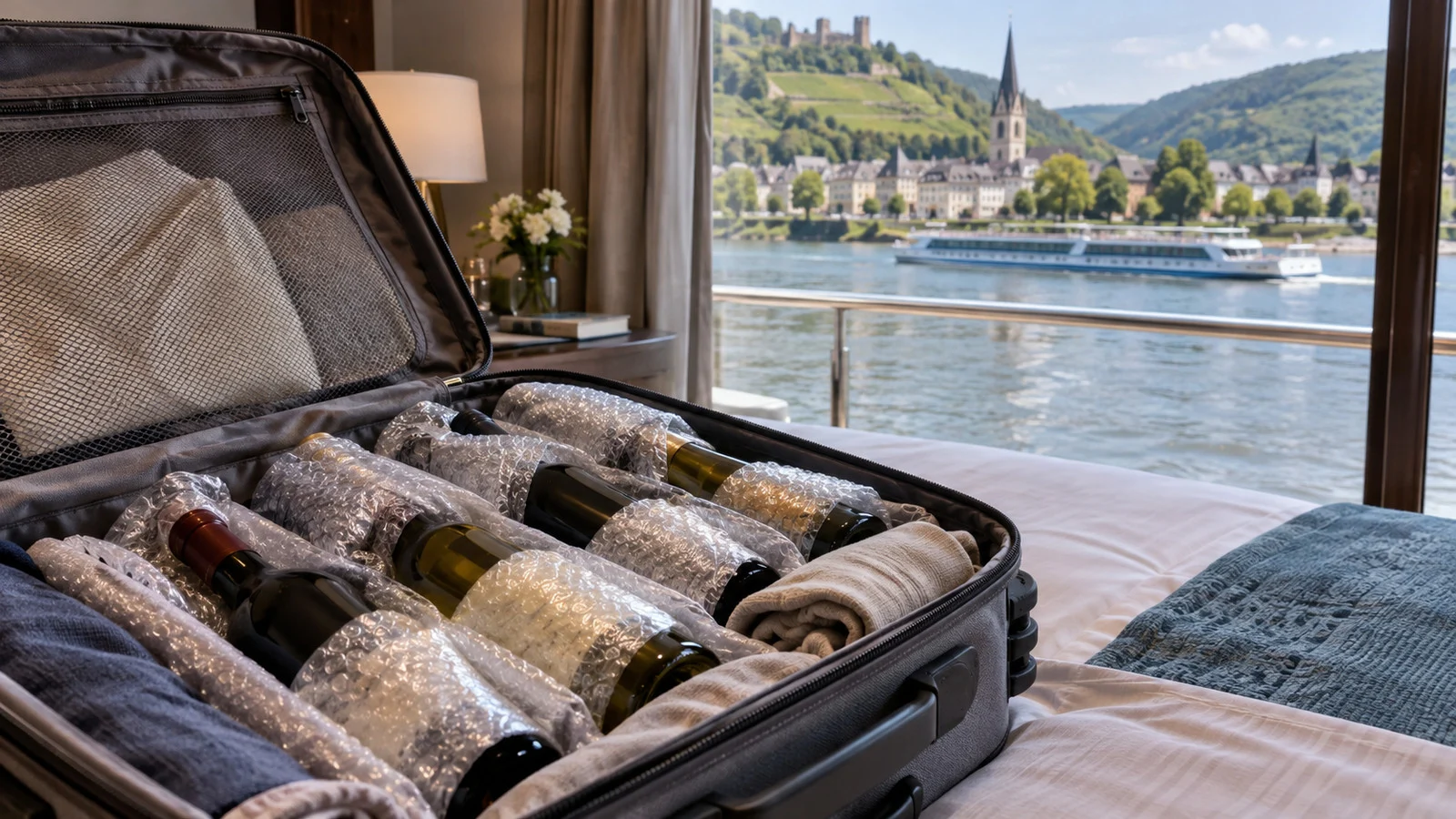
- Before sailing: save the line’s bring-aboard, public-area, and corkage rules.
- Before buying: check the label’s alcohol percentage, bottle size, and producer.
- At the shop: keep the receipt and ask for protective packaging.
- For dinner: ask the restaurant manager before bringing the bottle to the table.
- For the flight: confirm airline baggage rules and the FAA alcohol category.
- At customs: declare every bottle and be ready to describe the quantity as personal use.
- For shipping: use a seller with a legal carrier arrangement for your destination state.
Count both liters and pounds. A standard 750-milliliter bottle is three-quarters of a liter, but the glass and packing also take a meaningful bite out of a checked-bag weight allowance.
A reusable wine sleeve earns its space, especially if you are also carrying formal clothes or electronics. See the broader guide to river-cruise packing and onboard practicalities.
Accessibility at wine stops
River-valley tasting rooms can involve cobblestones, steep lanes, stairs, vineyard tracks, or a climb from the quay. Ask the excursion operator for distance, grade, seating, restroom access, and vehicle drop-off rather than relying on the word “easy.”
A tasting aboard the ship or in a ground-floor town shop can be the better choice when the terrain is a problem. The river-cruise accessibility guide explains the separate challenges of gangways, rafting, and partial-deck elevators.
Do not assume the crew can carry purchases for you. Ask the cruise line about assistance before buying more than you can safely handle.
Harvest-season expectations
Harvest dates vary by region, grape, altitude, weather, and vintage, so “harvest cruise” is not a promise that picking or pressing will happen during your call. Confirm any harvest activity in the excursion description and ask what happens if the grapes are already in.
Early fall can still be warm on exposed vineyard terraces, while mornings by the river may be cool. Bring water, sun protection, sturdy shoes, and a light layer.
Working wineries can have uneven surfaces, vehicles, hoses, and wet floors during harvest. Follow the guide’s safety instructions and keep alcohol tasting modest before walking back to the ship.
Quick answers
Can I bring wine on a European river cruise?
Often, but the line’s current written policy controls, and permission to board does not automatically allow drinking it in restaurants or lounges.
Is there a corkage fee?
It depends on the line and fare, with Viking currently publishing no corkage and Riverside listing €25 per bottle at meals without premium all-inclusive service.
How much alcohol can I fly home with?
The FAA caps beverages over 24% through 70% alcohol at 5 liters per passenger in unopened retail packaging, while airline baggage and checkpoint rules still apply.
How much is duty-free when entering the United States?
One liter may fit within an eligible adult traveler’s personal exemption, but all alcohol must be declared and extra quantities can face duty, tax, state limits, and CBP review.
Can I mail wine to myself?
Not through ordinary USPS mail, while private carriers generally require an approved alcohol shipper and compliance with destination-state law.
Does Port count as spirits for a flight?
The FAA rule uses alcohol percentage rather than the product name, so read the label and apply the at-or-below-24%, over-24%-through-70%, or over-70% category.
The last word
The easy part is choosing a bottle beside the river. The careful part is checking where it can be served, how it can fly, what must be declared, and whether your state will accept it.
Buy a few bottles you genuinely want, keep the paperwork, and leave room in the luggage plan. The Douro port overview can help you decide which wine stops deserve that precious suitcase space.
How this guide was researched: Onboard alcohol and corkage guidance was checked against current Viking and Riverside policies. Flight rules were checked against the Federal Aviation Administration, while personal-import rules were checked against U.S. Customs and Border Protection guidance and the Alcohol and Tobacco Tax and Trade Bureau.
Mailing guidance was checked against the U.S. Postal Service, and destination-state and private-carrier rules should be confirmed for each shipment. See our Editorial Policy.
More on this topic: browse every guide on river cruise planning.