Antarctic Peninsula Cruise Guide: Landings, Zodiacs, and What to Expect
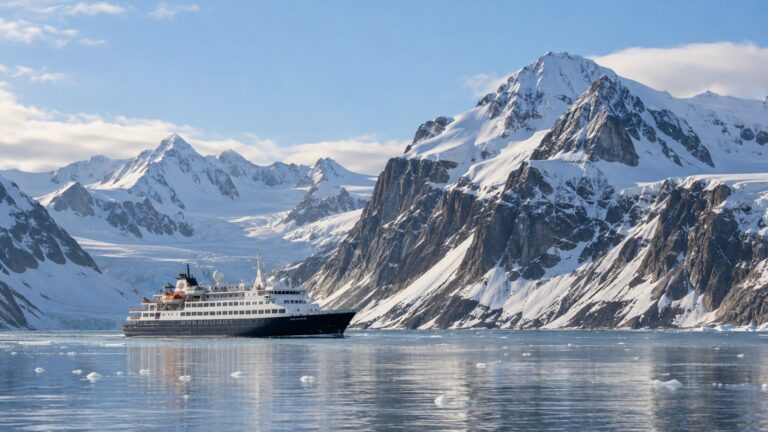
An Antarctic Peninsula cruise is not a conventional port call. It is a moving expedition where the safest option each morning may be a beach landing, a Zodiac cruise, a station visit, or a completely different site.
That uncertainty is part of the experience, not a planning failure. Choose the right ship, prepare for wet and uneven landings, and treat every named stop as a possibility rather than a promise.
My quick take
The Peninsula is one of the most extraordinary cruise regions in the world, but it rewards flexible travelers. Ice, wind, swell, visibility, wildlife behavior, and site rules all influence what the expedition team can safely offer.
I would focus less on collecting famous place names and more on the quality of the expedition program. A strong team can turn a changed landing into a memorable Zodiac cruise, wildlife watch, or visit to a quieter bay.
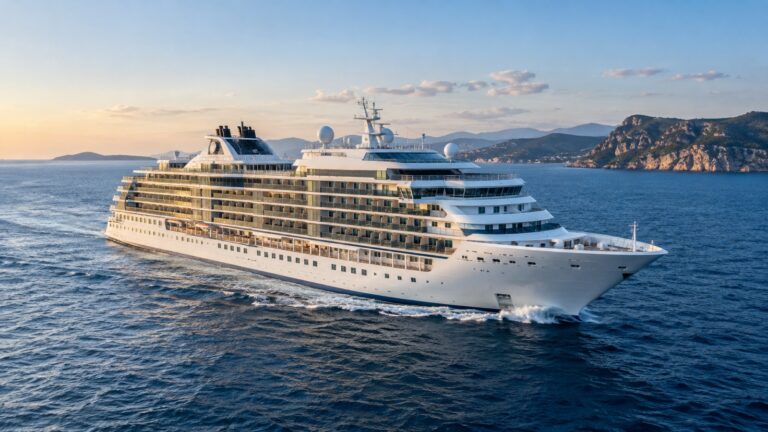
Ship size matters enormously. If stepping ashore is central to your trip, confirm that you are booking an expedition voyage with landings rather than a cruise-only sailing that remains offshore.
Quick Facts
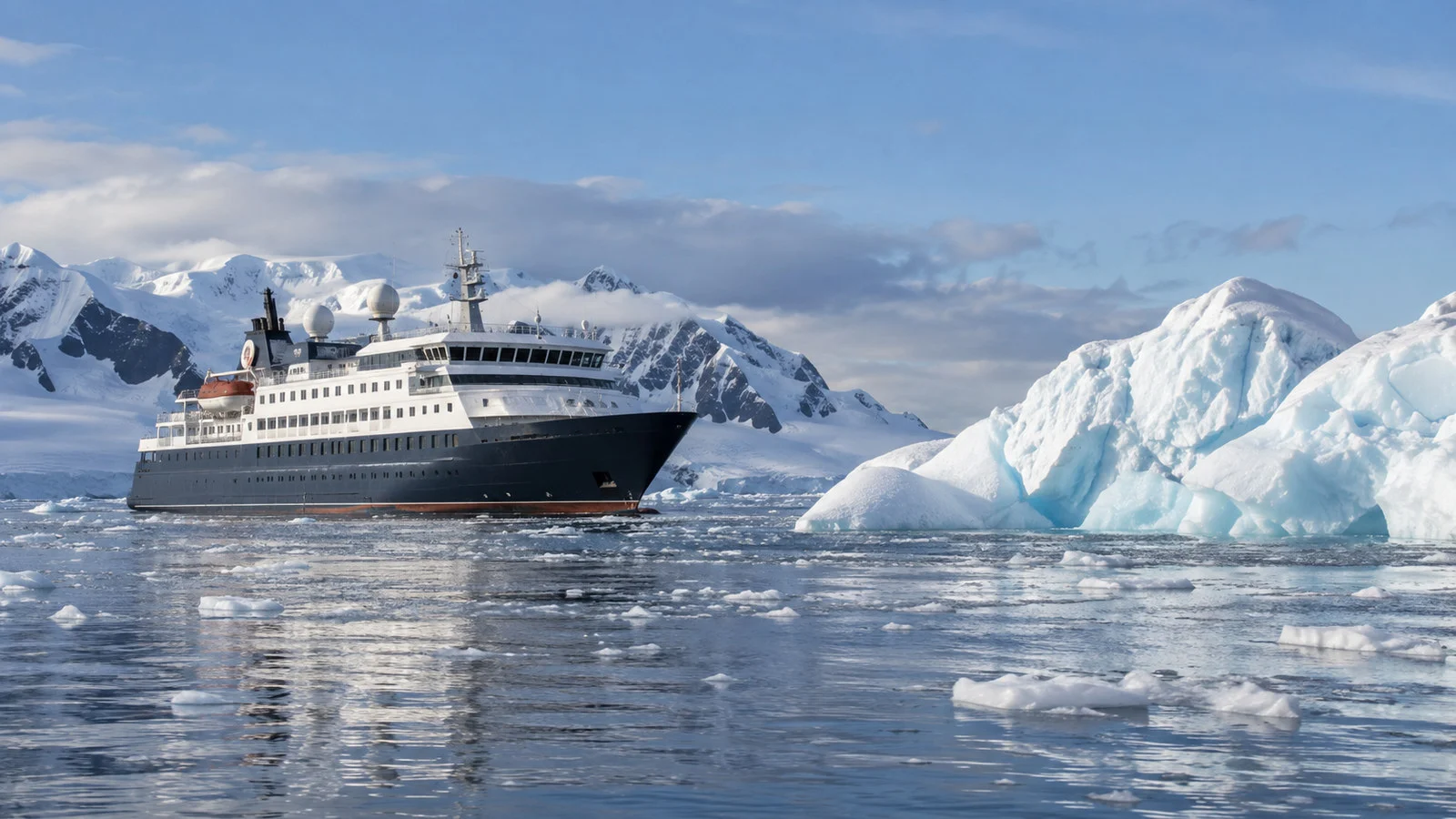
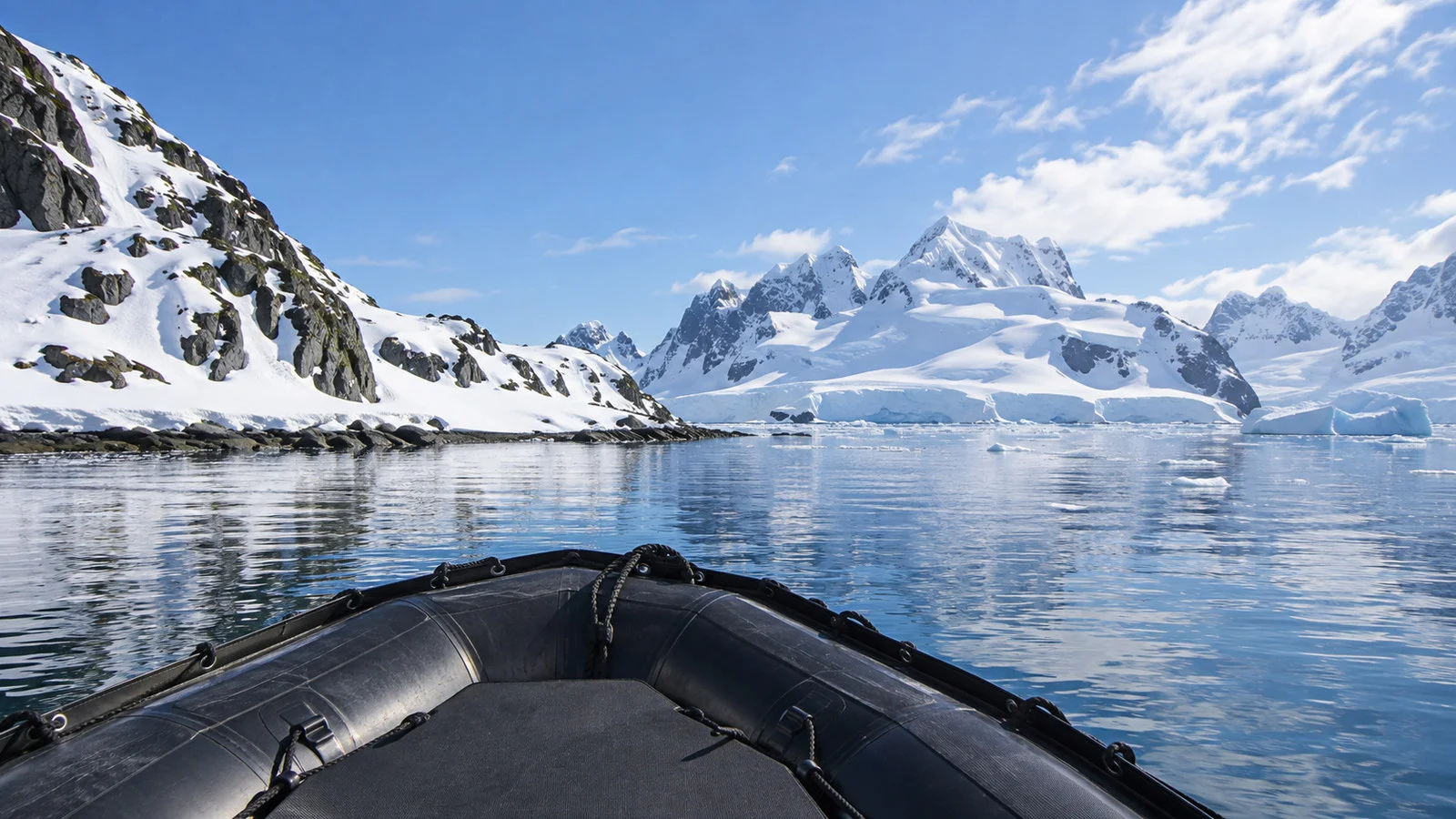
- Typical access: Expedition ships generally use inflatable boats for shore landings and scenic cruises because there is no public cruise terminal serving the Peninsula.
- Main gateway: Many voyages sail from Ushuaia, Argentina, while some air-cruise programs use Punta Arenas, Chile, and King George Island.
- Visitor season: Most tourism operates during the austral summer, broadly from October into April.
- Itinerary certainty: No individual landing is guaranteed because local conditions and site management can change the plan at short notice.
- Money ashore: Most sites have nowhere to spend money, although limited retail or postal service may operate at selected heritage sites when open.
- Connectivity: Expect no cellular service ashore and variable satellite internet on the ship.
- Accessibility: Zodiac transfers, gangways, wet landings, rocks, snow, and slopes make most shore visits physically demanding.
How an Antarctic landing works
The expedition team evaluates conditions before guests leave the ship. Staff may inspect the beach, approach route, ice, swell, and wildlife activity, then establish a safe operating area if the site is suitable.
You normally dress on board in waterproof outer layers, a life jacket, and operator-approved boots. Reaching the Zodiac may require walking down an exterior gangway and stepping onto a moving boat with crew assistance.
A wet landing means stepping from the Zodiac into shallow water and walking onto the beach. A dry landing may use a rock or firm edge, but it can still involve a large step and slippery footing.
Once ashore, guides mark routes, viewing areas, and places that are closed. Stay inside those boundaries and return when instructed, even if wildlife activity becomes especially interesting near departure time.
Some outings never land at all. A Zodiac cruise among ice or near wildlife can be just as rewarding and may be safer when surf or beach conditions rule out going ashore.
Why the schedule changes
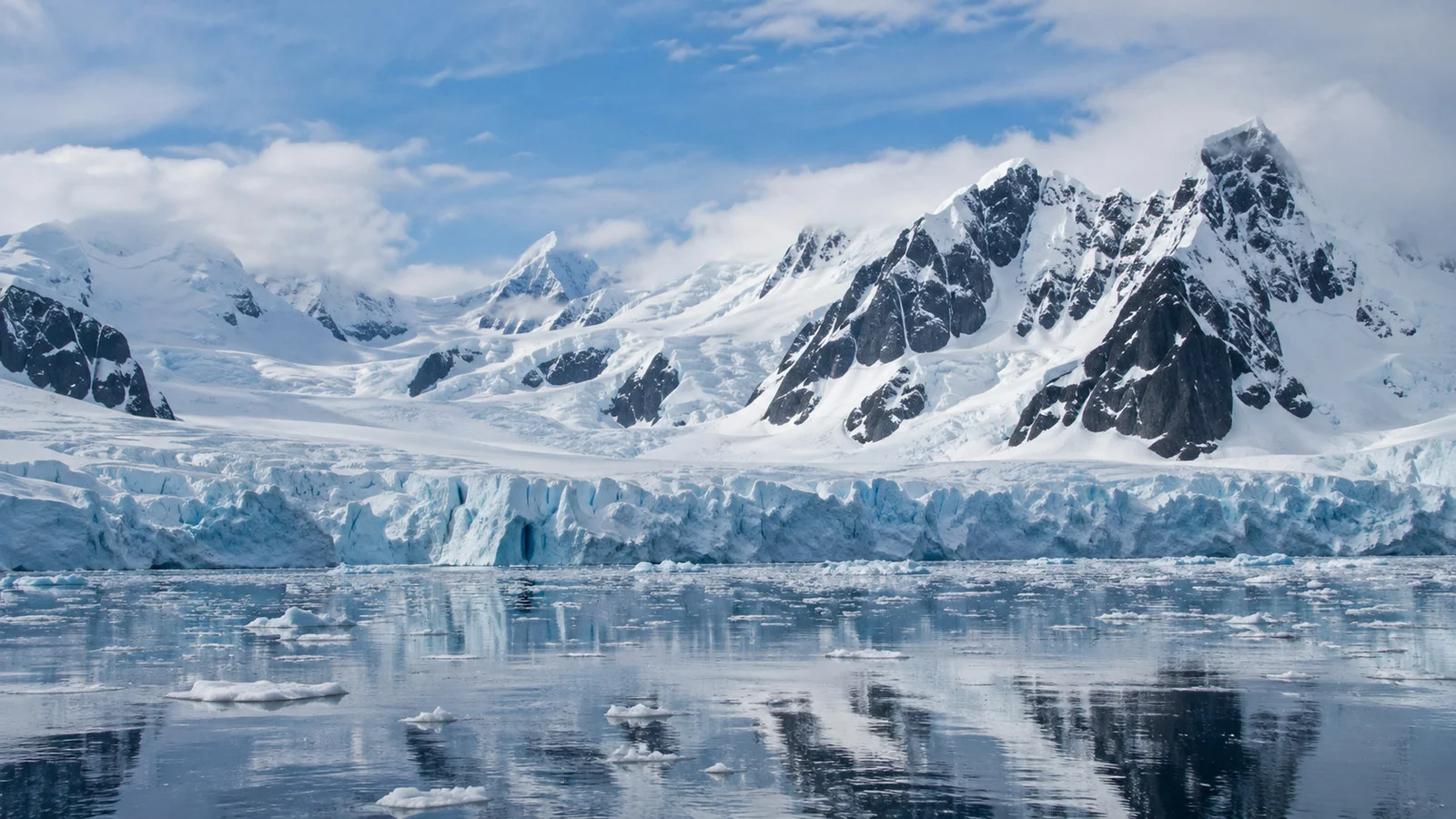
The printed itinerary is an outline because Antarctica does not operate like a chain of reserved city berths. Expedition leaders continually adjust for weather, sea state, ice movement, visibility, wildlife, and suitable-site availability.
The Antarctic Treaty Secretariat notes that most Antarctic tourism voyages take place around the Peninsula during the austral summer. Frequently visited places have site-specific guidance designed to protect their environmental and historic values.
A change may be as small as reversing the order of morning and afternoon activities. It can also mean replacing a planned landing with a Zodiac cruise or moving to another bay entirely.
Do not judge a voyage by whether it reaches every name in the brochure. Judge it by the number and variety of safe opportunities the team creates from the conditions it actually finds.
Choosing a ship if you want to land
Start with passenger capacity and the promised activity format. IAATO practices distinguish landing-focused expedition vessels from larger cruise-only ships, and vessels carrying more than 500 passengers do not land passengers in Antarctica.
Only a limited number of visitors can be ashore at one landing site at a time, so guests may rotate between shore, Zodiac cruising, and the ship. A smaller guest count can simplify rotations, but staffing and boat capacity matter too.
Ask whether regular Zodiac excursions are included, how many boats the ship carries, and whether all guests can participate in each activity window. Also ask what happens when a landing is canceled and whether the team usually attempts an alternative.
Kayaking, camping, snowshoeing, and submersible trips are separate products on some ships. Spaces may be limited, conditions can cancel them, and mobility requirements are often stricter than for a standard Zodiac outing.
Biosecurity and wildlife etiquette
Biosecurity begins before the first landing. Expect staff to inspect and clean boots, clothing, bags, tripod feet, fasteners, and other gear that could carry soil, seeds, or organic material.
Follow every cleaning step between sites as well. The IAATO visitor guidance emphasizes preventing non-native species and keeping the continent free of litter and contamination.
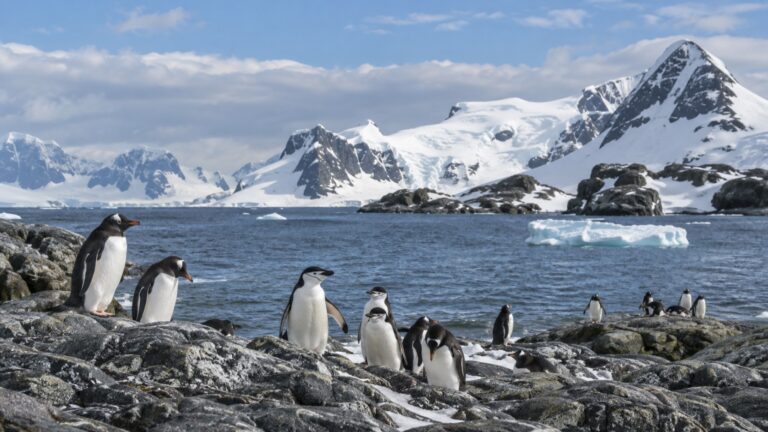
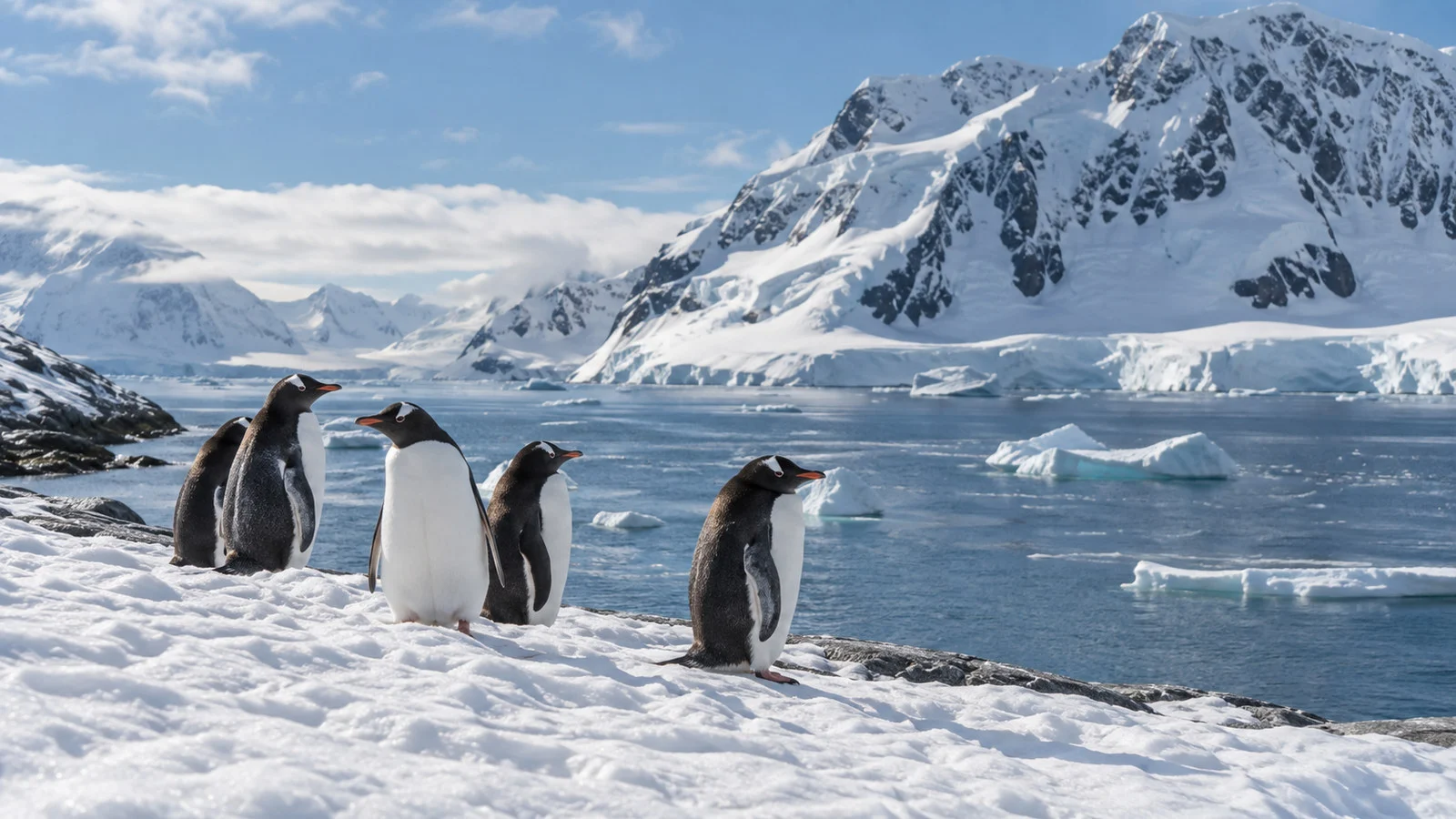
Give birds and seals space, never feed or touch them, and move away if your presence changes their behavior. Wildlife chooses the route, so stop and let an animal pass instead of holding your preferred photo angle.
Nothing natural or historic should leave with you. Rocks, feathers, bones, eggs, plants, and artifacts stay where they are, and food is generally kept off landing sites.
Drones are not a casual photography option, and operators apply strict rules to their use. Check the operator’s policy before booking and assume personal recreational flights will not be allowed.
Landing sites and station visits
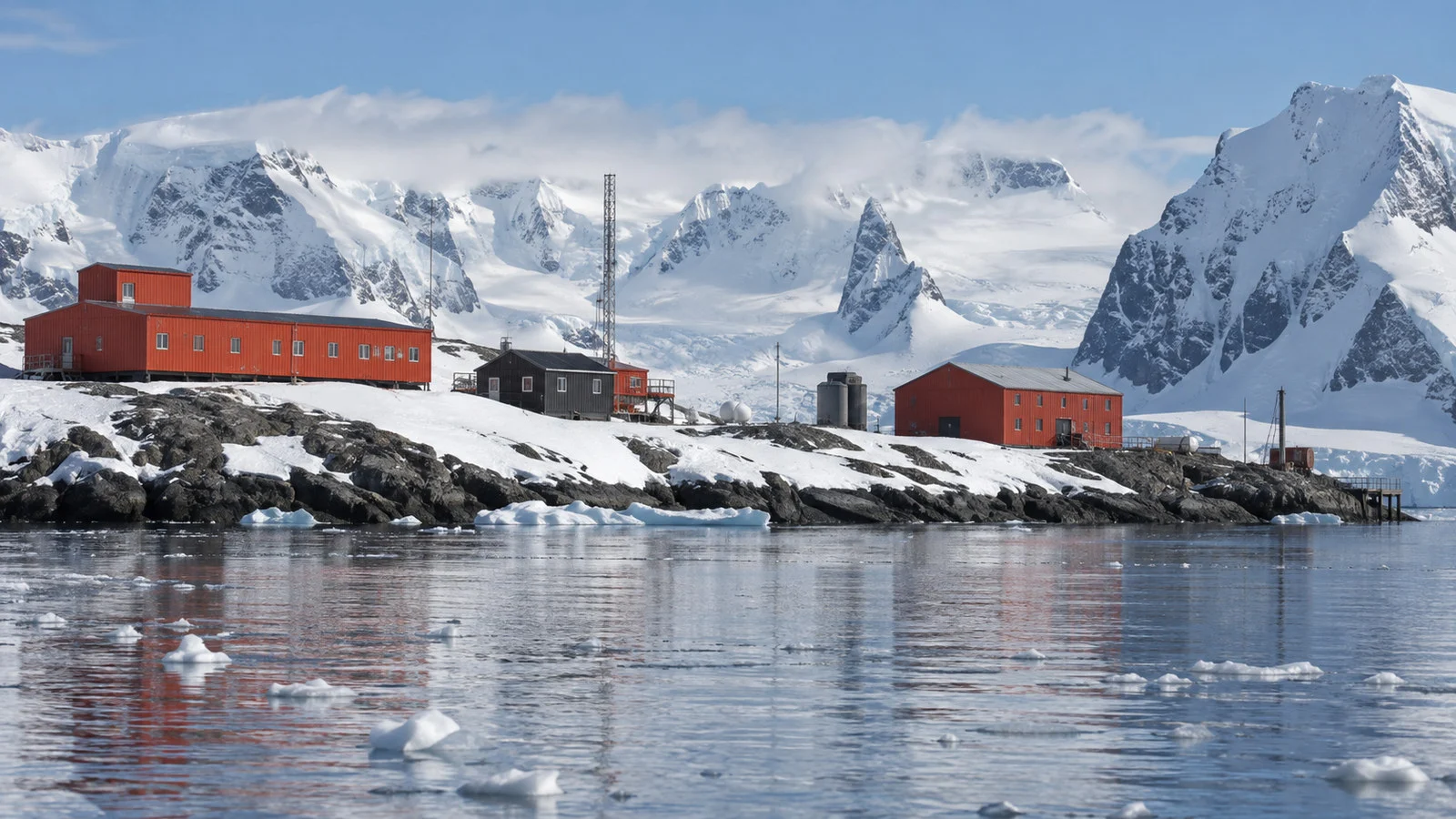
Names such as Neko Harbour, Cuverville Island, Danco Island, Paradise Harbour, and Deception Island often appear in Peninsula programs. Each offers a different mix of scenery, wildlife, history, and terrain, but none should be treated as guaranteed.
Historic and scientific sites require particular care. Antarctic Treaty visitor rules call for respect for protected areas, research facilities, equipment, monuments, and local restrictions.
Port Lockroy is a well-known historic site on Goudier Island, but opening, landing, retail, and postal arrangements can vary by season. Treat a visit as a bonus and follow your expedition team’s same-day briefing.
Research stations are working facilities, not guaranteed tourist attractions. Permission, staffing, operational priorities, health controls, and weather all determine whether a visit can proceed.
Mobility and physical demands
The hardest part may be the transfer rather than the walk. You may need to descend a gangway, use a sailor’s grip with crew, step into a moving Zodiac, and reverse the process after the outing.
Ashore, surfaces can include loose stones, uneven rock, snow, ice, mud, and shallow water. There are usually no handrails, paved paths, restrooms, benches, or shelters.
Travelers with limited mobility should speak directly with the operator before paying a deposit. Ask about gangway design, transfer assistance, walking expectations, and whether a Zodiac cruise can replace an unsuitable landing.
No operator can promise that an accessible option will be available in every location. Conditions change quickly, and the captain and expedition leader must put safety ahead of participation.
Clothing and gear
Wear a moisture-managing base layer, an insulating middle layer, and a waterproof outer layer. Windproof gloves, a warm hat, neck protection, and sunglasses are essential even when the temperature looks manageable.
Many operators provide waterproof boots and sometimes a parka, but inclusions and size ranges differ. Confirm the details before packing so you know what must come from home.
Bring a small waterproof backpack or dry bag and secure every loose item before boarding the Zodiac. A phone tether or camera strap is sensible because retrieving dropped equipment may be impossible.
Sun protection matters because snow and water reflect ultraviolet light. Pack sunscreen, protective lip balm, and eyewear that cuts glare.
Weather, safety, and medical planning
Antarctic weather can shift rapidly, and wind can make a modest temperature feel much colder. Dress for the Zodiac ride as well as shore because spray and inactivity can chill you quickly.
There is no ordinary public rescue or hospital network near a landing. IAATO guidance tells visitors to follow leaders, stay with the group, understand their capabilities, and not expect a conventional rescue service.
Travel insurance should match the operator’s requirements and cover the voyage’s remote nature. Review medical evacuation language, preexisting-condition rules, trip interruption, and the potential cost of polar assistance.
Discuss seasickness prevention with a medical professional before departure if the Drake Passage concerns you. Begin any recommended medication according to its instructions rather than waiting until the ship is moving.
Getting to the Peninsula
Most classic voyages depart from Ushuaia and spend roughly two days crossing the Drake Passage in each direction, although timing varies. Longer routes may add the Falkland Islands, South Georgia, or destinations along southern South America.
Air-cruise itineraries commonly begin in Punta Arenas and fly to King George Island, reducing time at sea but introducing another weather dependency. Flights can be delayed or canceled when Antarctic conditions prevent safe operations.
Build buffer time before embarkation and after disembarkation. A same-day connection leaves too little room for airline disruption, a slower crossing, or a weather-driven schedule change.
Check passport and entry requirements for every country in your route, including transit points. Antarctica has no standard tourist visa, but operators work within national authorization systems and may require detailed medical and insurance documents.
Staying on schedule
There is no independent wandering or private return transfer at a remote landing. Your Zodiac group follows a controlled schedule, and staff use headcounts and radio communication to move everyone safely.
Listen for the final return time, stay within marked routes, and tell a guide immediately if you feel unwell or need help. Do not wait until boarding to mention a mobility problem.
The more important deadline is embarkation in South America. Arrive early enough to absorb a missed flight or delayed bag because the ship may not wait for an individual traveler.
Quick answers
Will every Antarctic Peninsula cruise make landings?
No. Expedition voyages may plan landings, while larger cruise-only itineraries can be scenic sailings without shore access.
Are named landing sites guaranteed?
No. Weather, sea state, ice, wildlife, and site restrictions can change the plan at any time.
Can I explore independently?
Not during a normal expedition landing. Guests follow the operator’s marked routes, time limits, and staff instructions.
Do I need cash ashore?
Usually not because most sites have no services. If a heritage shop or post office may open, your team will explain current payment arrangements.
Is a landing wheelchair accessible?
Most are not conventionally accessible because transfers and terrain are demanding. Ask the operator for ship-specific details and possible Zodiac-only alternatives before booking.
How close can I get to penguins?
Follow the distance and route instructions given by the expedition team. If an animal approaches, remain calm and allow it room to move without touching or surrounding it.
The last word
Choose an Antarctic Peninsula voyage for the ice, wildlife, and expedition itself, not for a guaranteed checklist of bays. The travelers who do best are prepared for awkward transfers, careful environmental rules, and a daily plan that can change before breakfast.
Read the operator’s activity description closely, confirm the ship’s landing format, and arrive with enough flexibility to let the team work with conditions. That is how Antarctica stays safer for visitors and better protected from them.
How this guide was researched: Unless a first-hand visit is explicitly identified above, this guide uses current Antarctic Treaty Secretariat and IAATO guidance, plus official heritage and expedition sources where available. Logistics and time-sensitive details were reviewed on September 12, 2026; see our Editorial Policy.
More on this topic: browse every guide on expedition and alternative cruises.