Alaska and Yukon Riverboats: What Riverboat Discovery Fairbanks Actually Is
Alaska and Yukon riverboat trips are sightseeing excursions rather than cabin-based river cruises. The best-known option is Riverboat Discovery in Fairbanks, a three-hour day tour often included in land packages.
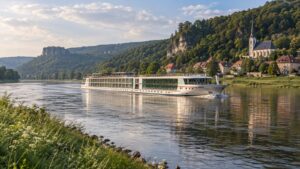
That matters because people book a Denali cruisetour expecting a Danube-style sailing with a cabin on the Tanana. The currently advertised Fairbanks and Dawson City sternwheeler trips have no cabins or overnight service.
The practical take
Riverboat Discovery is a large, family-run sightseeing operation that marked 75 years of passenger tours in 2025. Expect a structured three-hour program rather than independent river transportation.
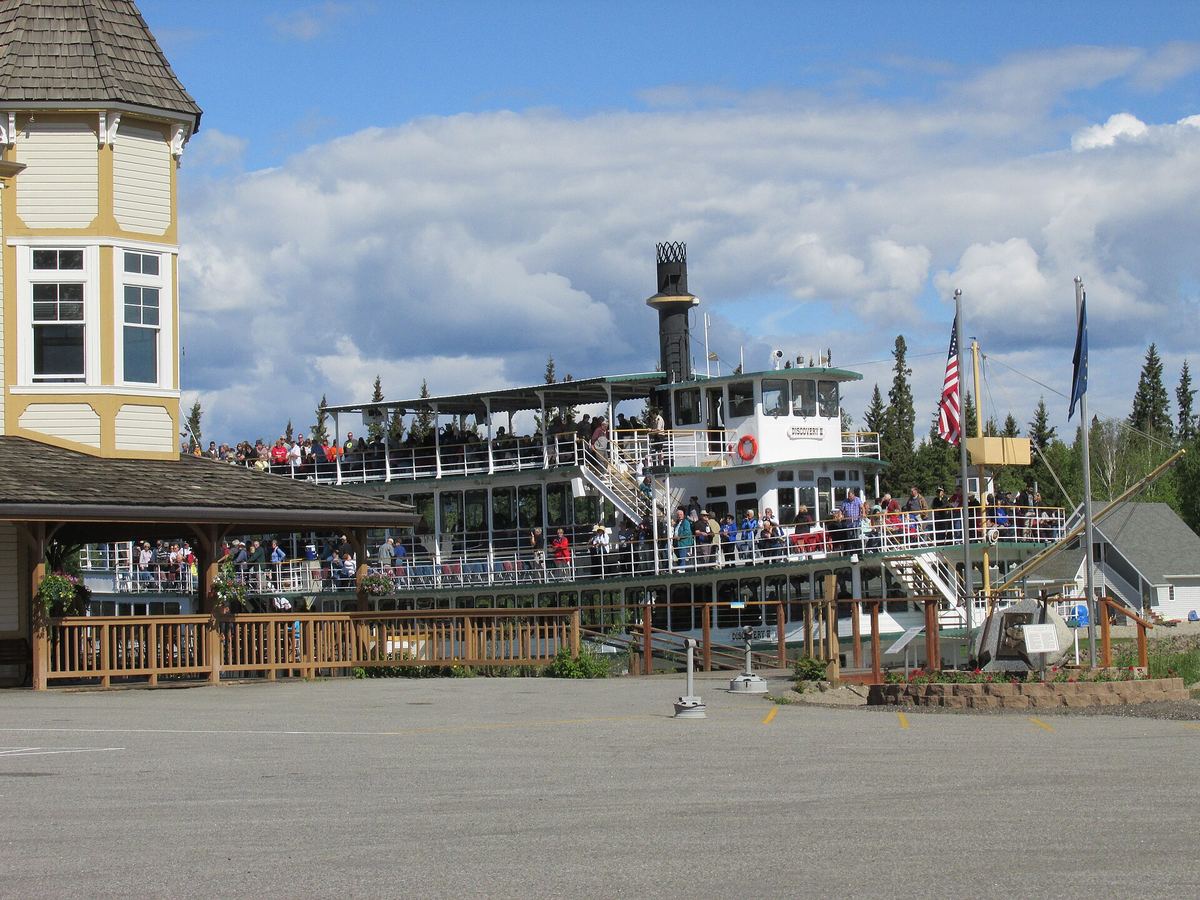
What it is not is a cruise. You board a 900-passenger sternwheeler at a purpose-built landing, you watch a bush plane take off beside the boat, and you get off at a reconstructed Athabascan village for a guided walk.
The excursion is easiest to justify when Fairbanks is already part of the itinerary, especially for travelers interested in bush aviation and sled dogs. A detour to Fairbanks solely for the boat is harder to justify.
The Yukon has both paddlewheeler history and a current sightseeing option. Yukon tourism pages list the Klondike Spirit in Dawson City for narrated river cruises, while the preserved S.S. Klondike in Whitehorse is closed for rehabilitation.
The quick facts
- What it actually is: a three-hour narrated day excursion, not a cruise with accommodation. Riverboat Discovery asks you to arrive at least 30 minutes before departure.
- Where you board: 1975 Discovery Drive, Fairbanks, on the Chena River. It is a drive-to attraction with its own parking lot, not a downtown pier.
- The boat: Discovery III, a 156-foot sternwheeler of 260 tons built in 1986 for 900 passengers, with the 335-passenger Discovery II alongside it. Both are shallow-draft flat-bottomed designs, nothing like a European river ship.
- The season: short. Dawson City tourism lists the Klondike Spirit from May through September, while Fairbanks dates vary by year; confirm the exact schedule with each operator.
- Currency and language: US dollars and English in Fairbanks, Canadian dollars and English in the Yukon.
- How it reaches you: it may be included in a cruisetour or sold as a separate Fairbanks excursion. Direct reservations are available, and the operator recommends booking ahead.
- Time zone: Fairbanks keeps Alaska Time, UTC minus 9 in winter and minus 8 on daylight saving.
- How often it is canceled: no current cancellation rate is published. Riverboat Discovery says severe wind, fog, ice or other unsafe weather may cancel the bush-plane demonstration even when the river tour operates.
What Riverboat Discovery in Fairbanks actually includes
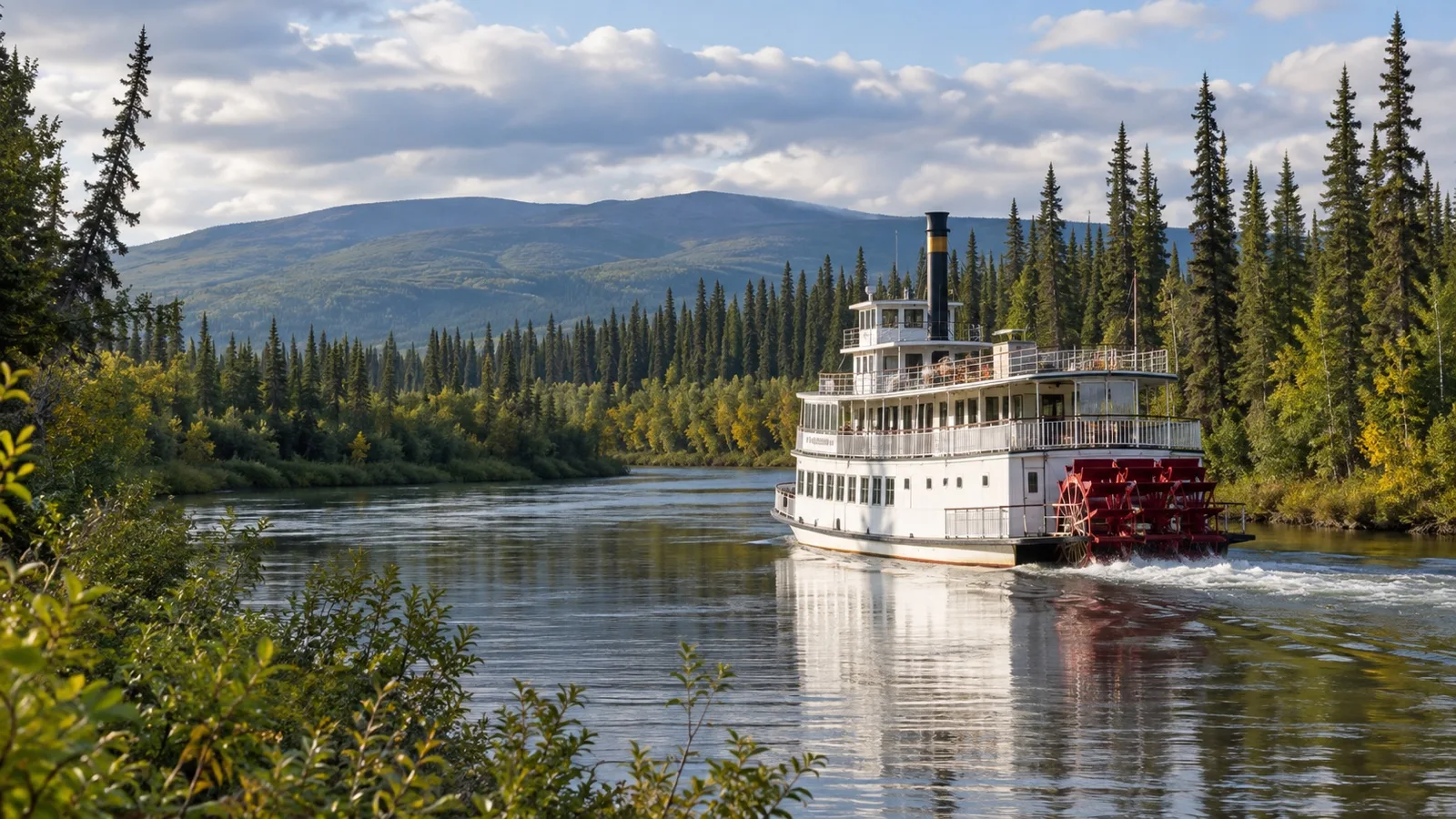
The tour follows a structured sequence along the Chena River. Guests leave the boat for the Chena Village stop, while other demonstrations are viewed from aboard.
The Riverboat Discovery program advertises a bush-pilot takeoff and landing beside the boat. The operator notes that unsafe flying conditions can cancel this demonstration.
Next is Trail Breaker Kennel, the riverside home and dog yard of the late Susan Butcher, who won the Iditarod four times. The dogs run a demonstration loop while you watch from the water.
Then the boat ties up at Chena Village, a reconstructed Athabascan camp with cabins, a food cache, a fish wheel and smokehouse, and reindeer. Guides of Koyukon, Yupik and Inupiaq descent lead the walking tour in small groups.
Why sternwheelers, and why nothing else works
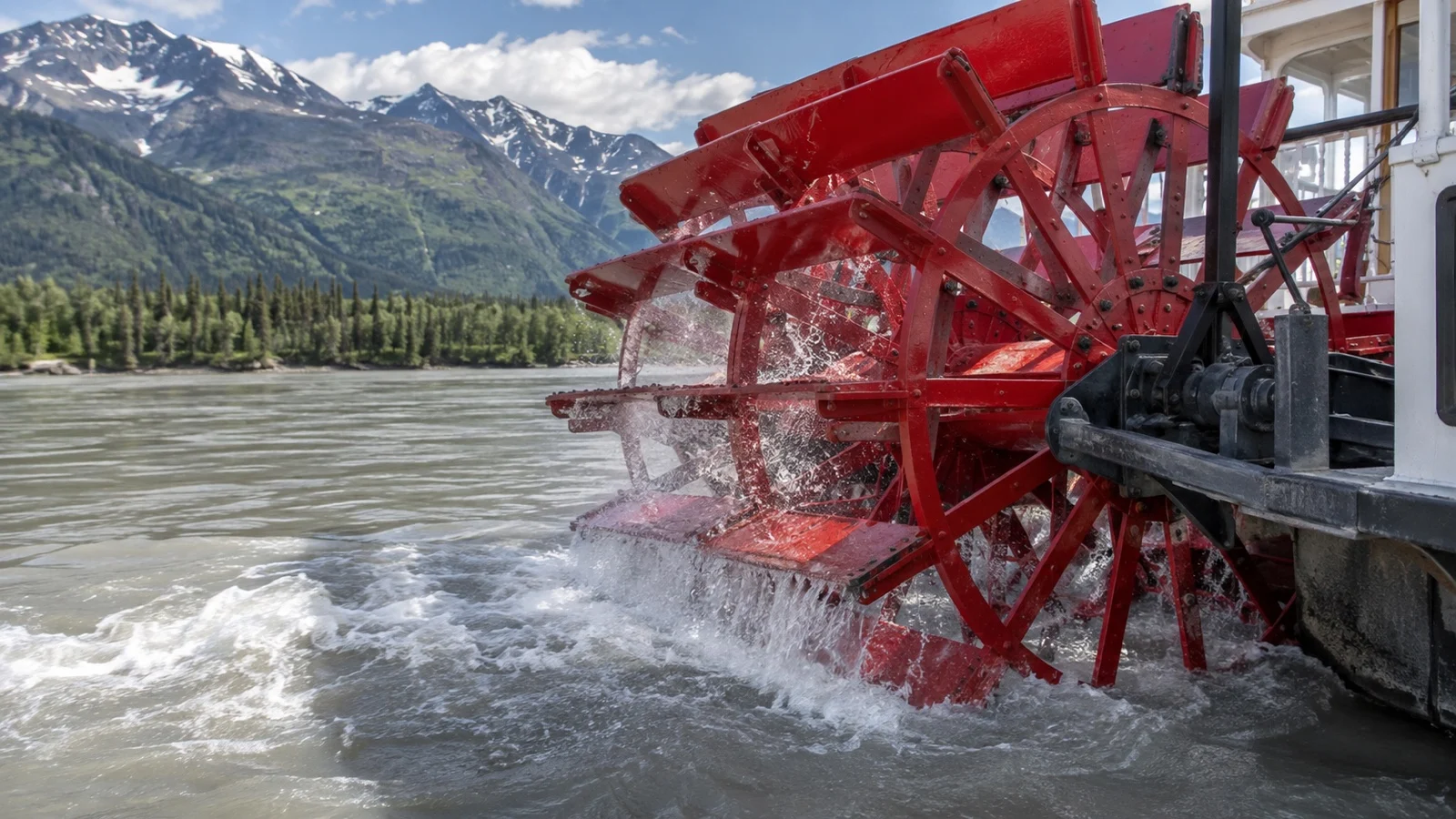
The Chena is a modest, clear, well-behaved river. The Tanana it joins is not, and that is the whole reason these boats look the way they do.
The Tanana is fed by glaciers in the Alaska Range and carries a heavy load of rock flour and silt. That sediment drops out where the current slows, building shifting gravel bars and splitting the river into a braid of shallow channels.
A flat-bottomed sternwheeler draws very little water, and its wheel sits behind the hull where a gravel bar cannot shear it off. Parks Canada records that a typical Yukon sternwheeler ran about 170 feet long by 35 feet wide, and carried 180 to 225 tons of freight on a hull that could work shallow water.
The paddlewheelers reached the Yukon in the 1860s and remained the main link between the territory and the outside world until 1950. Roads and aircraft ended that, not any failing of the boats.
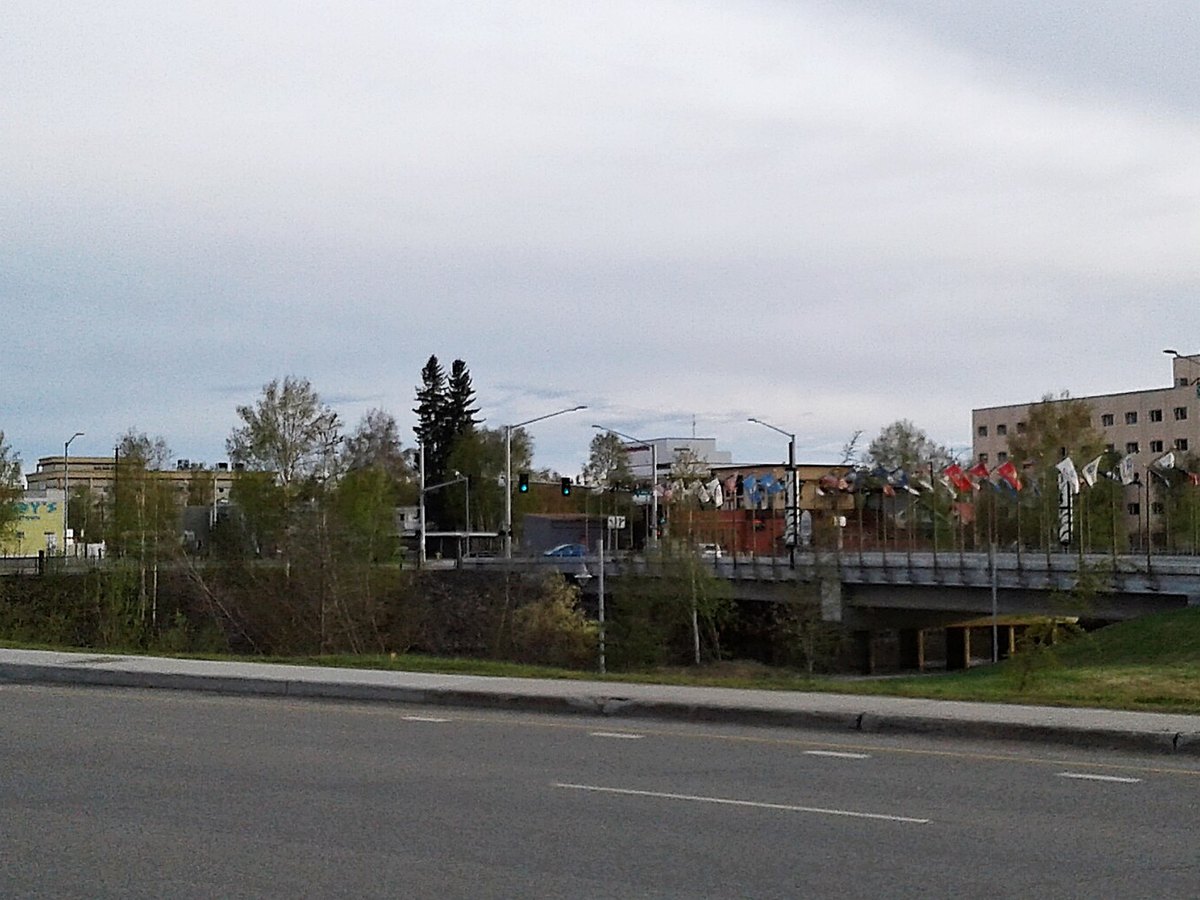
How it gets bundled into a cruisetour
Most people who take this trip did not choose it in isolation. It arrives as a line item in a cruisetour, the land package the big lines sell before or after the seven-night Inside Passage or Gulf of Alaska sailing.
The standard shape is a ship week plus several nights ashore, moving between Anchorage, Talkeetna, Denali and Fairbanks by rail and motorcoach. Fairbanks sits at the northern end of that chain, with a short menu of local excursions.
Riverboat Discovery appears in many Alaska land packages and is often paired with the Gold Dredge 8 tour run by the same company. Some packages include it and others sell it separately, so check the booking documents before buying another ticket.
This is one of the easier Fairbanks excursions to arrange independently because the operator sells direct reservations. The guide to an Alaska cruise without expensive excursions explains the wider tradeoffs.
The Yukon side, and what is left of the paddlewheelers
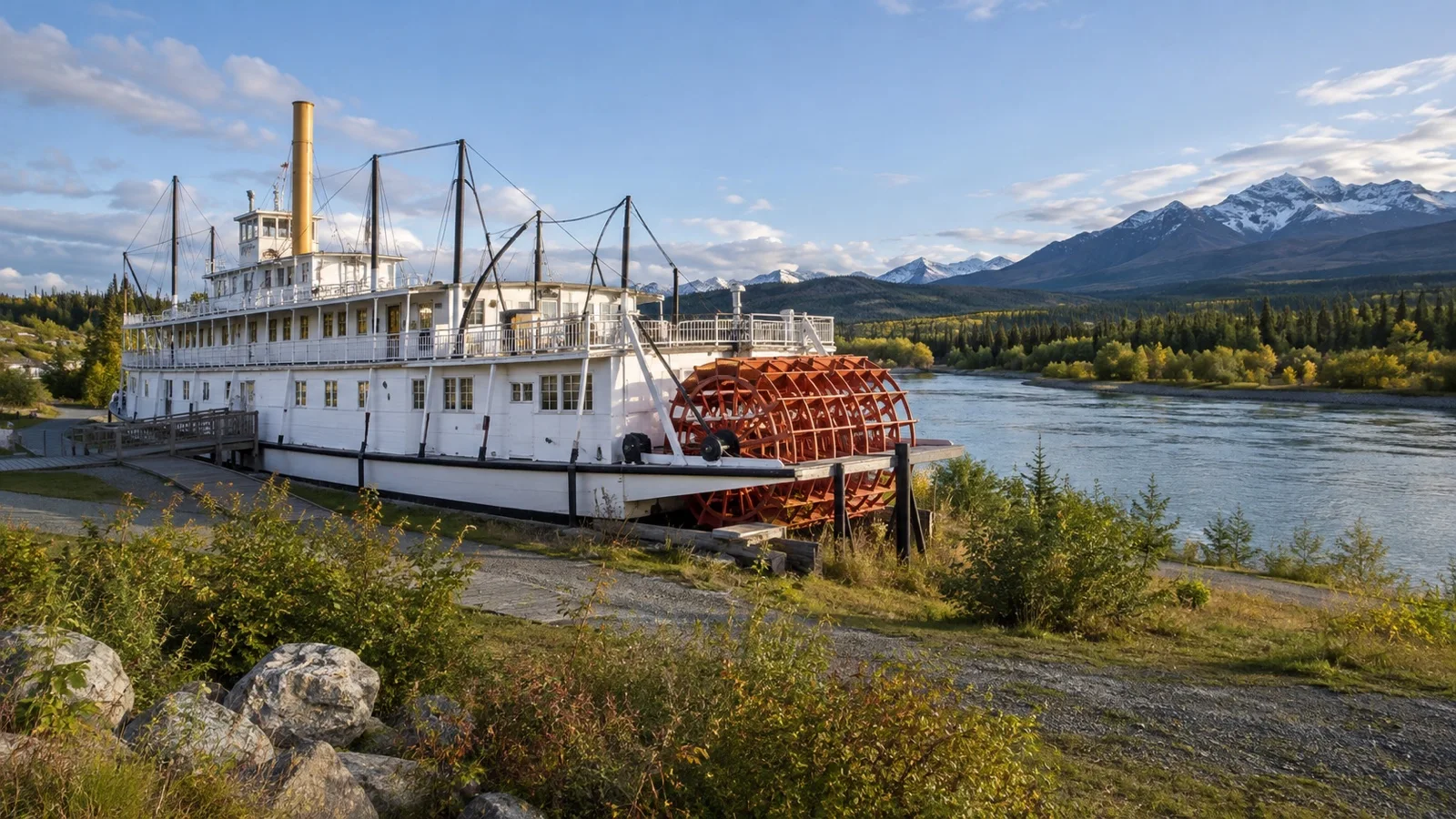
Across the Canadian border, Whitehorse and Dawson City preserve important sternwheeler history. Current Yukon tourism pages also advertise the Klondike Spirit for sightseeing cruises from Dawson City.
The traffic was lopsided in a way that tells you everything about these rivers. Running downstream with the current was quick; fighting back up took far longer, and Parks Canada notes that the SS Keno needed about 55 hours to work up the Stewart River and roughly 18 hours to come back down.
The SS Klondike, preserved on the riverbank in Whitehorse, was the outsized version. It carried about 300 tons of cargo without needing a barge, around fifty percent more than the standard boats of its day.
That ship is a national historic site rather than a working vessel. Parks Canada says the boat and buildings are closed for the 2026 season during a multiyear rehabilitation project, while the grounds remain open.
In Dawson City, Yukon tourism pages currently list the Klondike Spirit for narrated cruises and dinner sailings from May through September. Confirm the operating date and departure time before relying on it.
The parts worth your attention
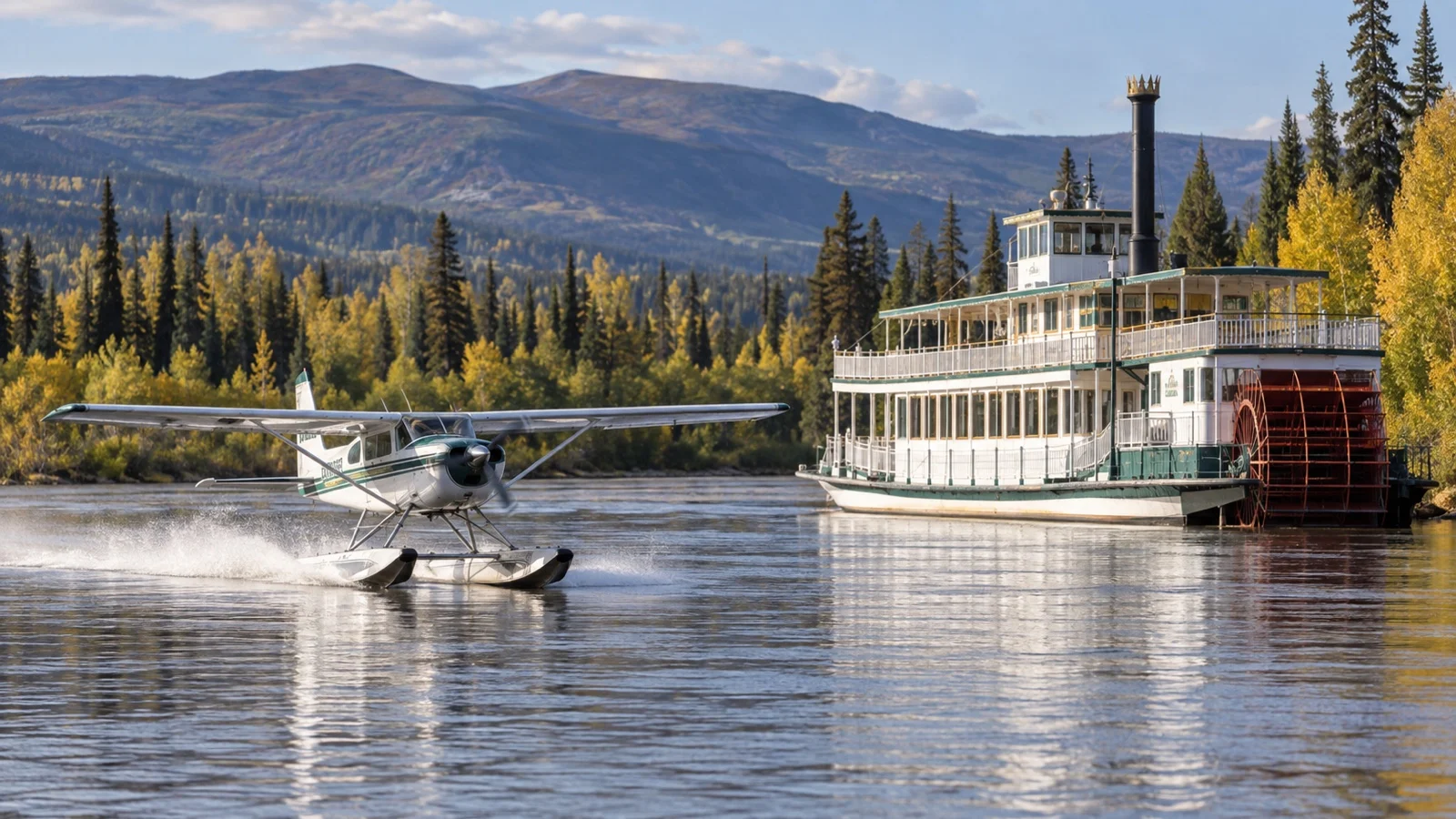
The program moves through several demonstrations and a village visit. These are the main points to watch for.
- The bush plane run: a floatplane taking off and landing alongside a moving boat, at close range. It shows why aviation, not roads, holds interior Alaska together.
- Trail Breaker Kennel: the dog yard of four-time Iditarod champion Susan Butcher, now run by her family. Watch how calmly the team is harnessed rather than just the running.
- The fish wheel and smokehouse: a current-driven wheel that scoops salmon out of the river without anyone standing over it. It is the most elegant piece of engineering on the whole tour.
- The moose hide regalia at Chena Village: hand-sewn work by the Athabascan artist Dixie Alexander, with the tanning process explained. Ask the guide about the beadwork if the group is small.
- The silt line: where clear Chena water meets glacial Tanana water, the color change is visible from the deck. That line in the water is the whole argument for flat-bottomed boats.
- The wheel itself: stand at the stern and watch the paddlewheel work for five minutes. You will understand the whole design better than any placard can explain it.
Fun fact: the Binkley family behind these boats did not start in Fairbanks at all, and Riverboat Discovery records that Charles Binkley headed north to the Yukon in 1897 intending to set up a river navigation company. Four generations later his descendants were still running sternwheelers, marking 75 years of passenger operations in 2025.
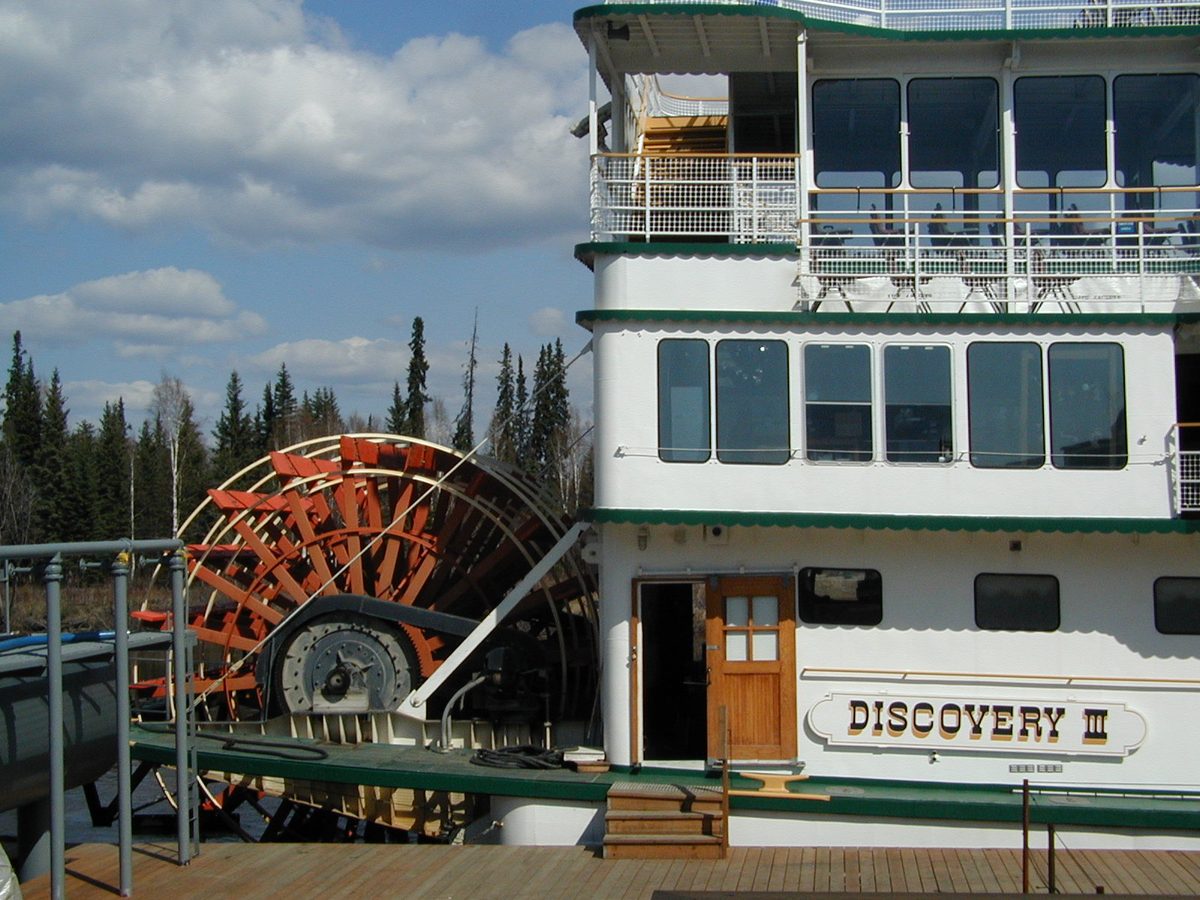
How to decide
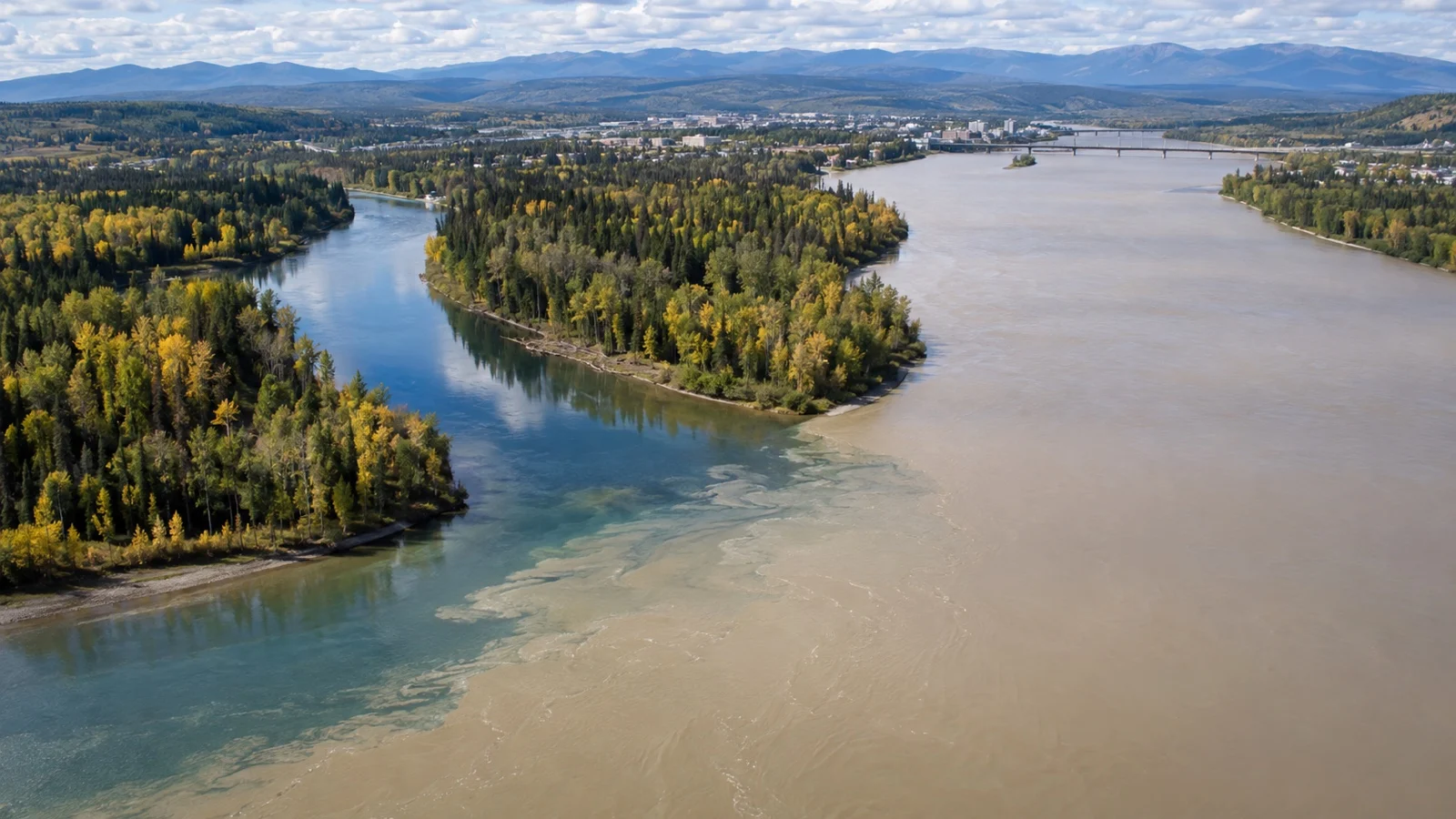
Start by deciding whether you want transportation or a structured Alaska sightseeing program. Riverboat Discovery is a three-hour attraction with demonstrations and a village stop, not a scenic point-to-point cruise.
It can suit a group with mixed interests because the program covers river travel, bush aviation, sled dogs and Alaska Native interpretation. Discovery III can carry up to 900 passengers, so expect a large-scale and scheduled experience.
If you have only one Fairbanks day, compare the three-hour tour with other priorities such as aurora viewing, museums or pipeline history. The excursion takes a substantial share of a short visit.
A realistic word on accessibility
The operator describes the tour as wheelchair accessible and publishes specific limits. The operator states that wheelchairs, walkers, scooters and canes are welcome, and that staff assist boarding via ADA accessible ramps to a designated area on the first deck.
The important limitation is that there are no elevators or escalators on the boats. If you use a wheeled device you stay on the first deck for the whole sailing, and the upper decks with the open rail views are stairs only.
The company mitigates that with live tour footage on first deck monitors, ADA restrooms on the main deck and heated, air-conditioned interior space. Confirm that first-deck seating and onboard video meet your needs before booking.
At Chena Village, outdoor path conditions can change with weather. Ask the operator about the current route, and use the guide to wheelchair-friendly cruise ports for the ocean-cruise portion of the trip.
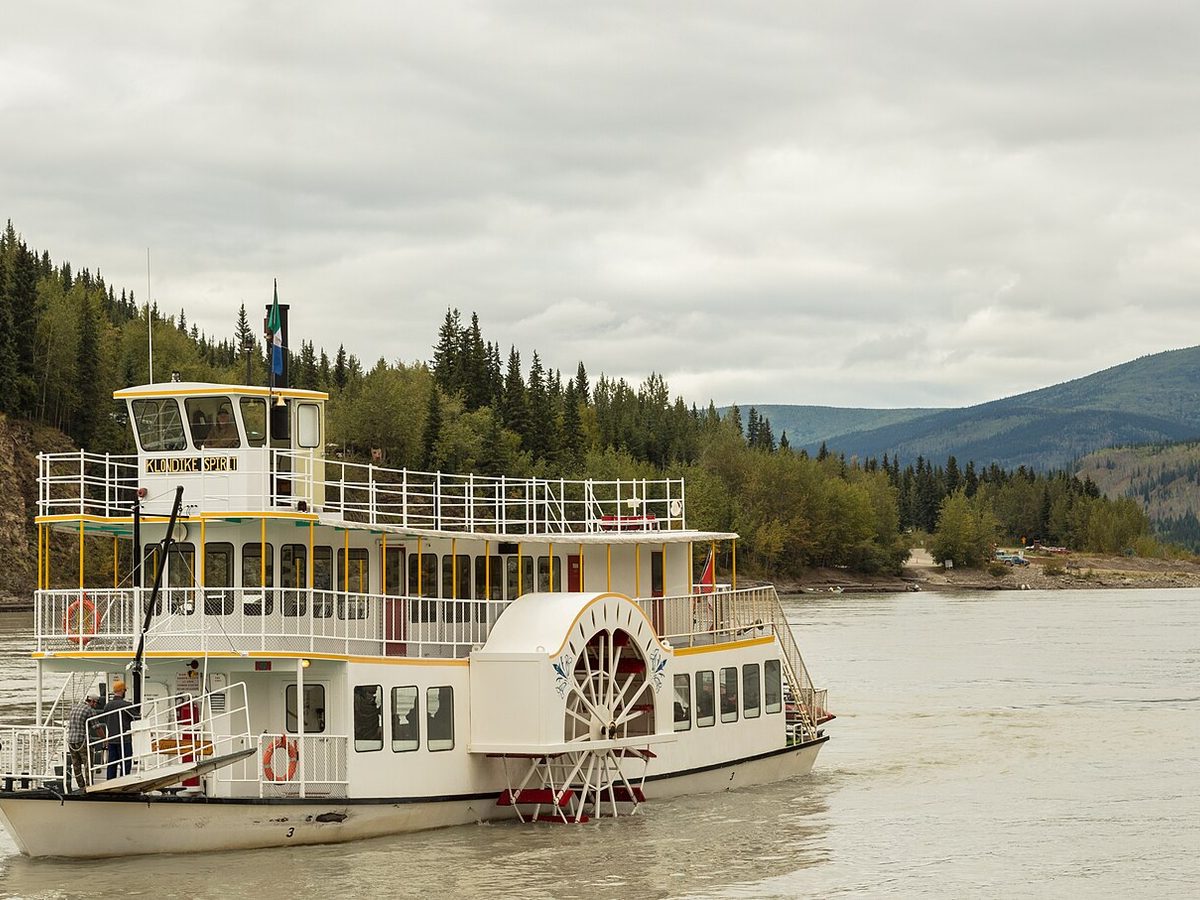
When to go, and the weather
The season is dictated by ice, not by demand. Interior rivers freeze hard, and the historic Yukon navigation window ran roughly May to September for exactly that reason.
Fairbanks summers are warmer and drier than most visitors expect this far north. Explore Fairbanks describes the summer temperature as hovering around 70°F, with rain that comes and goes rather than settling in.
Warm weather does not guarantee clear views because wildfire smoke can affect interior Alaska in dry periods. Check current air-quality and fire information near the travel date.
Daylight is the real reason to come in June and July. Explore Fairbanks puts the Midnight Sun Season at 22 April to 20 August, with about 70 consecutive days of usable daylight from 17 May to 27 July and the solstice peak around 20 to 21 June.
Practical checks before adding this riverboat
Riverboat Discovery is a timed Fairbanks day attraction, not transportation or an overnight cruise. Confirm the departure, check-in time, hotel transfer, and cruisetour inclusion before buying a duplicate ticket, then leave a generous buffer before any separate reservation.
The operator welcomes wheelchairs and scooters aboard via accessible ramps, but Chena Village uses outdoor hard-packed paths that change after rain. Ask about the current village route, onboard seating, restroom access, and help transferring before the cancellation deadline.
Smoke, rain, and rapidly changing temperatures can alter the experience even in summer, so bring layers and follow Alaska fire and weather notices. A Yukon extension crosses an international border, which means travelers must check both U.S. and Canadian entry rules rather than treating the entire cruisetour as domestic.
Quick answers
Is there a real multi-day river cruise in Alaska or the Yukon:
The currently advertised Fairbanks and Dawson City sternwheeler options are short sightseeing trips without cabins or overnight service.
How long is the Riverboat Discovery Fairbanks tour:
Three hours, and the operator asks you to arrive at least 30 minutes before departure. Seating is first come, first served, so arriving early buys you a better seat.
Do I need to book it through my cruise line:
No, you can book directly with the operator and make your own way to 1975 Discovery Drive. Check your cruisetour documents first, because some packages already include it.
Can I still sail on a Yukon River paddlewheeler in Dawson City:
Yes, Yukon tourism pages currently list the Klondike Spirit for narrated and dinner cruises in Dawson City. Confirm the operating date, while the preserved S.S. Klondike in Whitehorse remains closed for rehabilitation.
Is it worth it in the rain:
The boats have covered, climate-controlled spaces, so rain does not automatically cancel the tour. The bush-plane demonstration may be canceled for unsafe flying conditions.
The last word
Alaska and Yukon riverboating is a historical footnote sold as an activity, and it is better than that sounds. Expect a structured three-hour introduction to interior Alaska.
Expect anything resembling a European sailing and you will spend the morning confused. The guide to how river cruising differs from ocean cruising explains the overnight format.
For the sea half, the overview of Alaska cruise ports is the place to start, and most cruisetours attach to a sailing that begins or ends at Whittier. Fairbanks sits at the far end of that chain, a long way from the nearest ocean.
Book the departure that fits the rest of the Fairbanks schedule, and arrive at least 30 minutes early as the operator recommends.
How this guide was researched: This guide was independently checked on September 12, 2026, without a first-hand visit, against official source 1, official source 2, official source 3, the official sites linked in the article, and current operator instructions. Reconfirm the berth, ship, transfer, attraction access, weather, waterway status, entry rules, accessibility, and all-aboard time because live operations can change.
More on this topic: browse every guide on river cruise planning.