Regensburg River Cruise Port: A UNESCO Old Town You Can Walk To
Regensburg is one of the Danube’s genuinely walkable calls, with common landing areas close to its UNESCO-listed old town. The day still needs an exact berth, a rafting check, realistic cobblestone access, and enough return time if you add Walhalla or another trip beyond the center.
My quick take
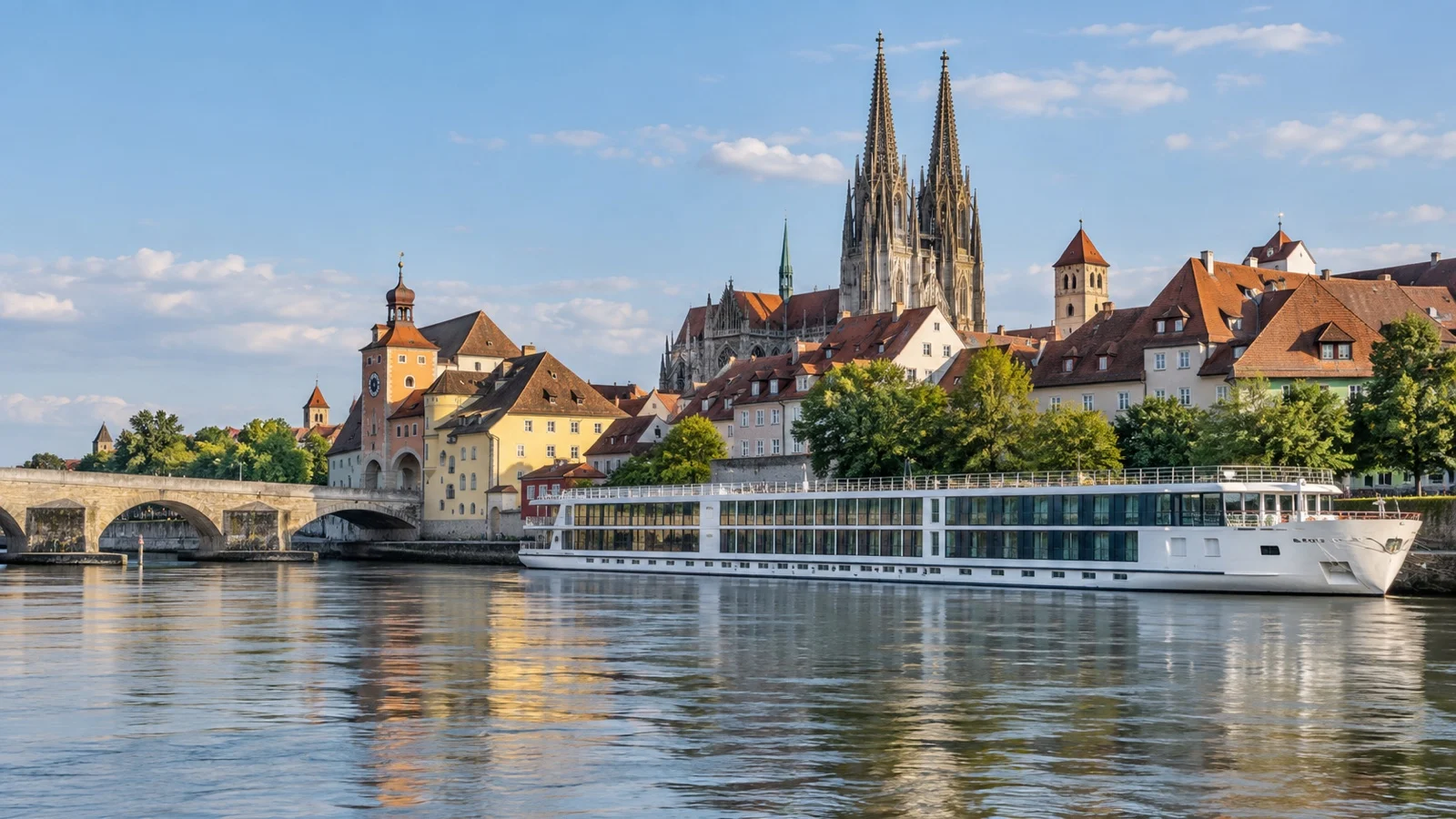
Regensburg’s UNESCO-listed center is compact enough for a relaxed walking route. UNESCO records a 182.8-hectare property, but walking time depends on the berth, rafting, surfaces, and stops.
A self-guided walk can work well here, while a ship tour may be useful for historical context or mobility planning. Compare the included route and meeting point before deciding.
The thing I would not do is treat Regensburg as a half day so I can bolt Walhalla onto the front. Walhalla is a real excursion with real steps, and it eats the morning the old town deserves.
If you are boarding here rather than calling, consider arriving early enough to absorb travel disruption. Confirm the exact embarkation quay before choosing a hotel.
The quick facts
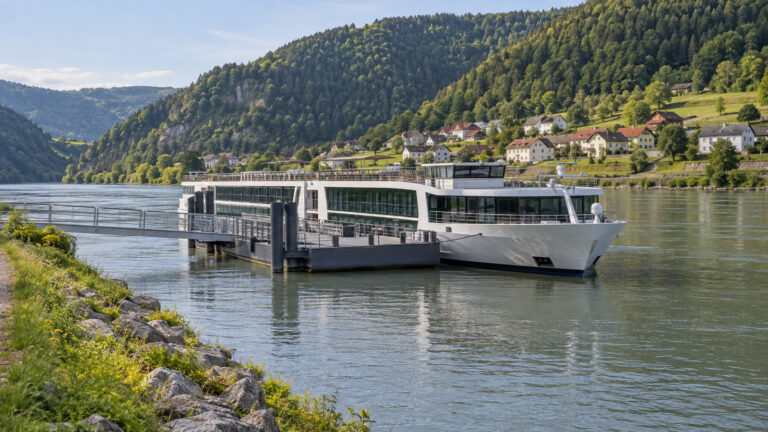
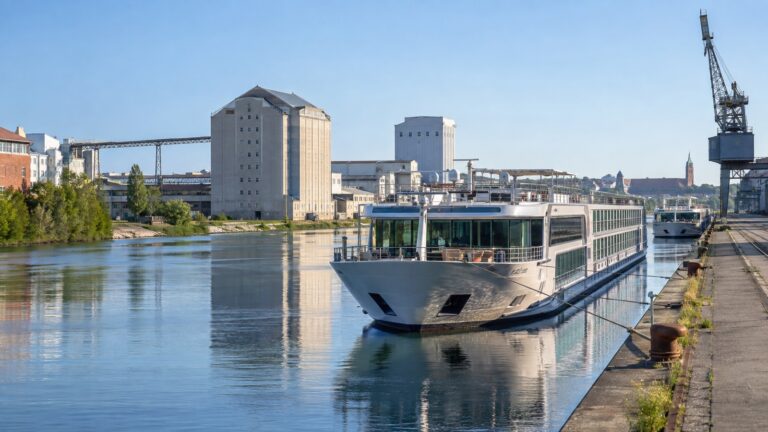
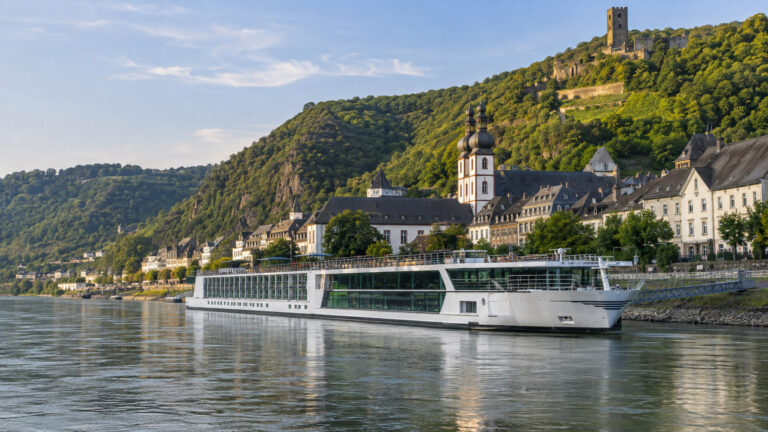
- Where you land: ships moor along the Danube quays close to the Steinerne Brücke, which puts the old town within an easy walk. Berths are assigned locally, so get the actual quay name from reception the night before.
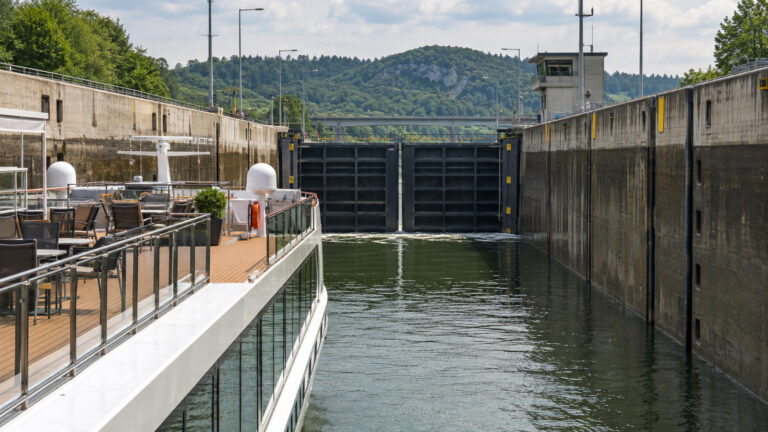
- How you get ashore: Usually by gangway to the quay, sometimes after crossing a rafted vessel. The exact route and accessibility depend on the assigned berth, neighboring ships, and river conditions.
- Into town: Many central landing areas are walkable to the old town, but distance varies by assigned berth. Follow the onboard route and shuttle information for your sailing.
- Currency and language: The euro and German. English availability varies by business and staff member.
- Getting around cost: The old town can often be explored on foot, while Walhalla requires a separate transport plan and paid admission. Check current fares, hours, and ticket rules with the operator and Bavarian Palace Administration.
- Time zone: Central European Time, UTC+1, moving to UTC+2 for summer time across most of the cruising season.
- How often the call is missed: No reliable public percentage is available. High or low water, berth access, and operational changes can alter the call or transport plan.
- What it is on the map: Regensburg lies near the Danube’s northernmost reach, before the river turns southeast toward Passau.
The Steinerne Brücke, and what UNESCO actually listed
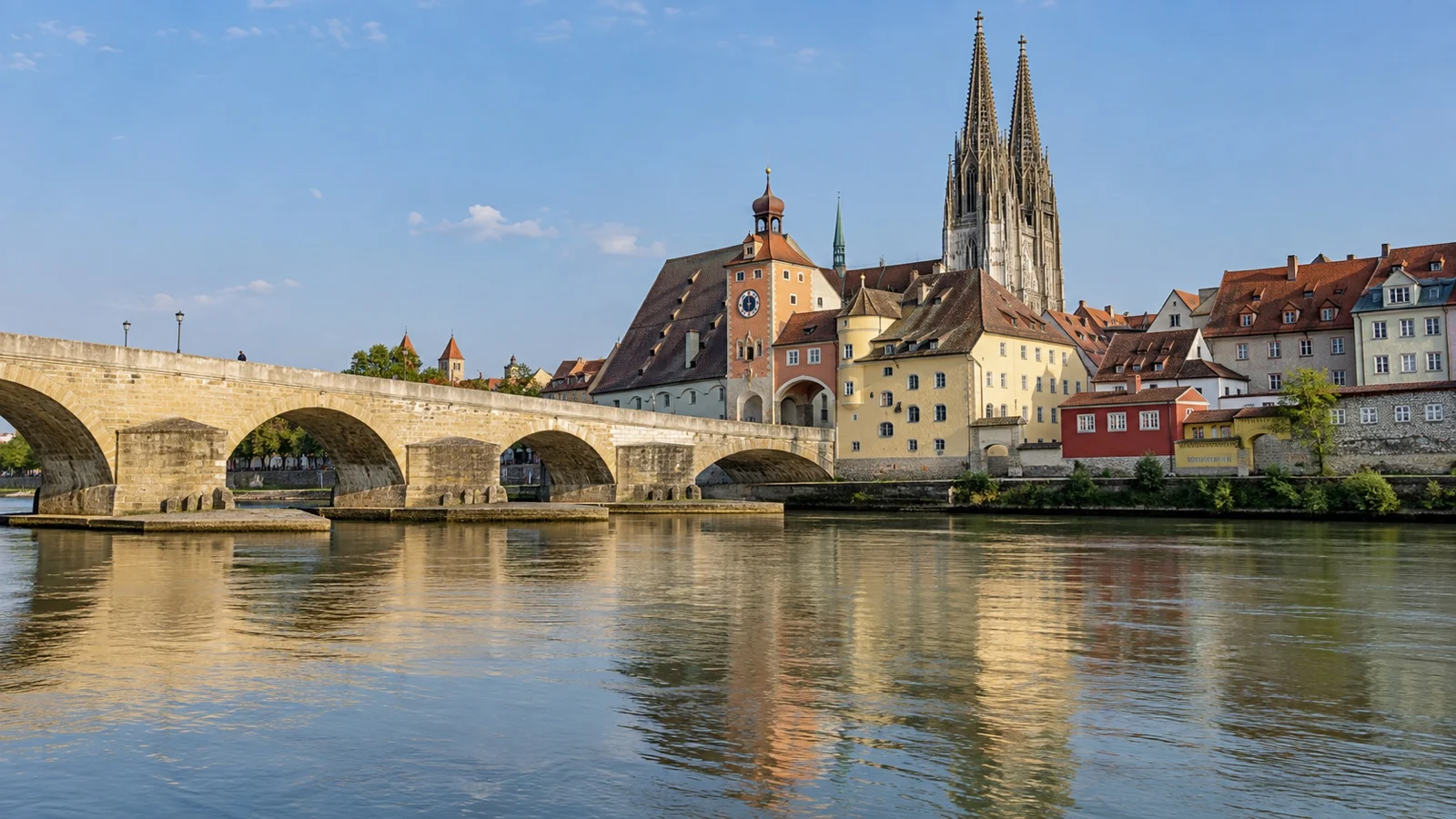
The Stone Bridge is why the town looks the way it does. It is a 12th-century crossing that helped connect important regional trade routes.
Regensburg’s trading importance is still visible in tall stone patrician houses and towers. The UNESCO World Heritage Centre inscribed the Old Town of Regensburg with Stadtamhof in 2006 under criteria ii, iii and iv, citing exactly that mix of Roman, Romanesque and Gothic layers.
The listed property covers roughly 450 acres with a buffer zone of about 1,916 acres. UNESCO’s description talks about tall buildings, dark narrow lanes and strong fortifications, which is a fair summary of what you walk through.
Note the second half of the name. Stadtamhof is the separate little town on the north bank, over the bridge, and most cruise passengers never bother.
They should. The view back from the Stadtamhof side is the postcard shot, with the bridge in the foreground and the cathedral spires behind it.
The German National Tourist Board counts around 1,500 listed buildings here, 984 of them in the protected old town ensemble. That density is why the place still looks like this.
Embarkation, ship swaps and the low water question
Regensburg can appear as a call, embarkation point, or transfer point on Danube itineraries. The exact role can change when river or operating conditions disrupt the planned route.
The stretch downstream toward Straubing and Vilshofen is the shallow one, and the reason itineraries get rearranged. Levels there are watched at the Pfelling gauge, Danube kilometer 2305.5, published live by PEGELONLINE from the German federal waterways administration.
When navigation is restricted, a cruise line may change timing, use motorcoaches, arrange a ship swap, revise calls, or take another operational approach. The response depends on the vessel, river level, contracts, and itinerary.
The regional office, WSA Donau-MDK, publishes navigation information for this section. Use official notices and cruise-line updates near departure rather than relying on a seasonal assumption.
None of this is a reason to avoid the route, and a necessary bus day is not a scandal. It is a reason to buy proper insurance and keep your expectations of a fixed itinerary loose.
Walhalla, and whether it earns the time
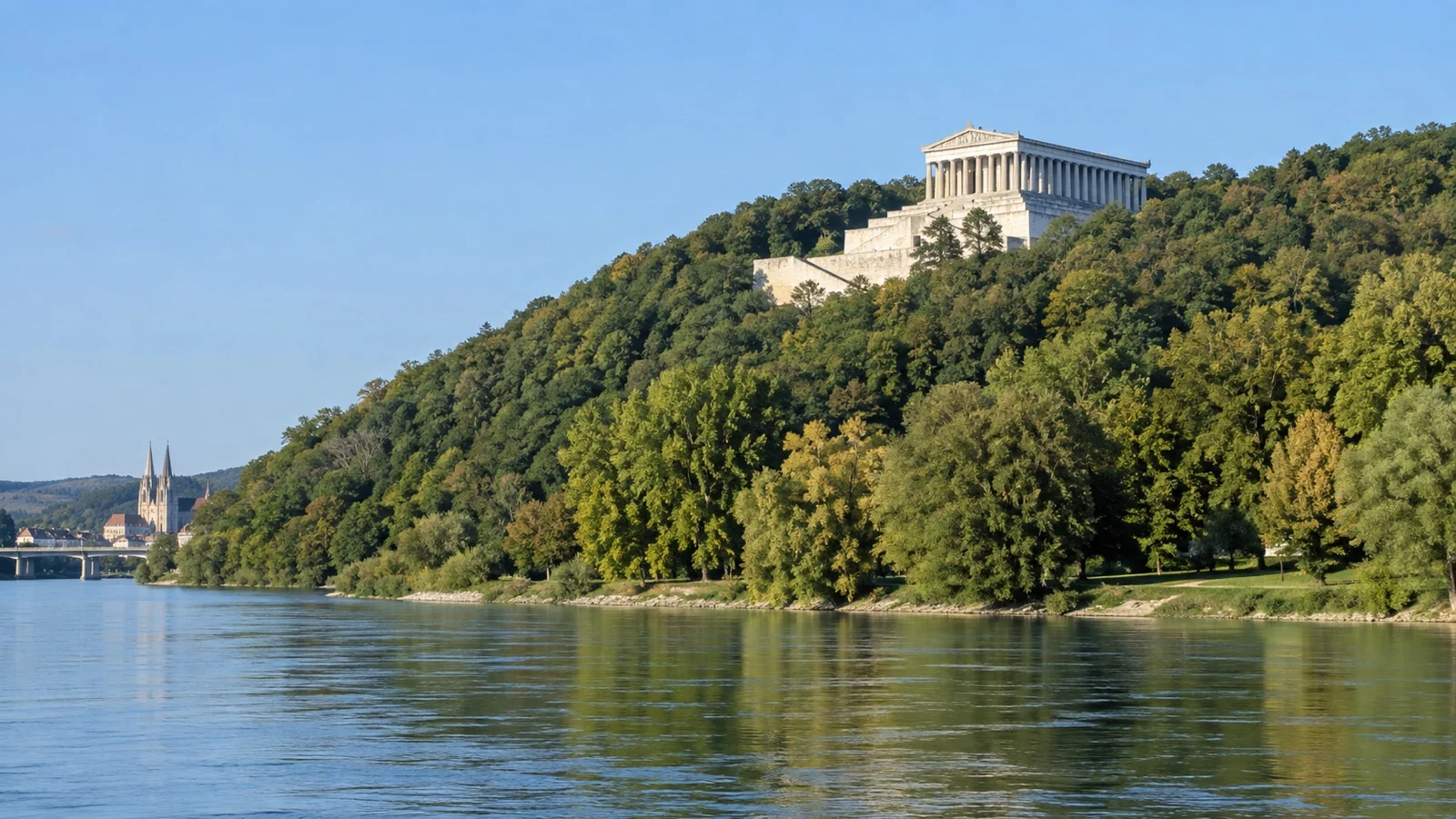
Walhalla stands downstream and east of Regensburg above Donaustauf, not upstream of the city. The Bavarian Palace Administration publishes current hours, admission, access details, and transportation links, which should be checked for the sailing date.
The monument’s hillside setting and substantial stair approach make it a real excursion rather than an add-on to a city walk. A seasonal boat is scenic but timetable-dependent, while a bus or taxi still leaves an uphill approach unless an accessible arrangement has been confirmed.
Give the UNESCO old town priority on a short call, and choose Walhalla only with enough time, suitable mobility, and a return buffer based on the ship’s instructions. A ship excursion may reduce return-time risk, but confirm its access and cancellation terms.
The stops I would actually spend time on
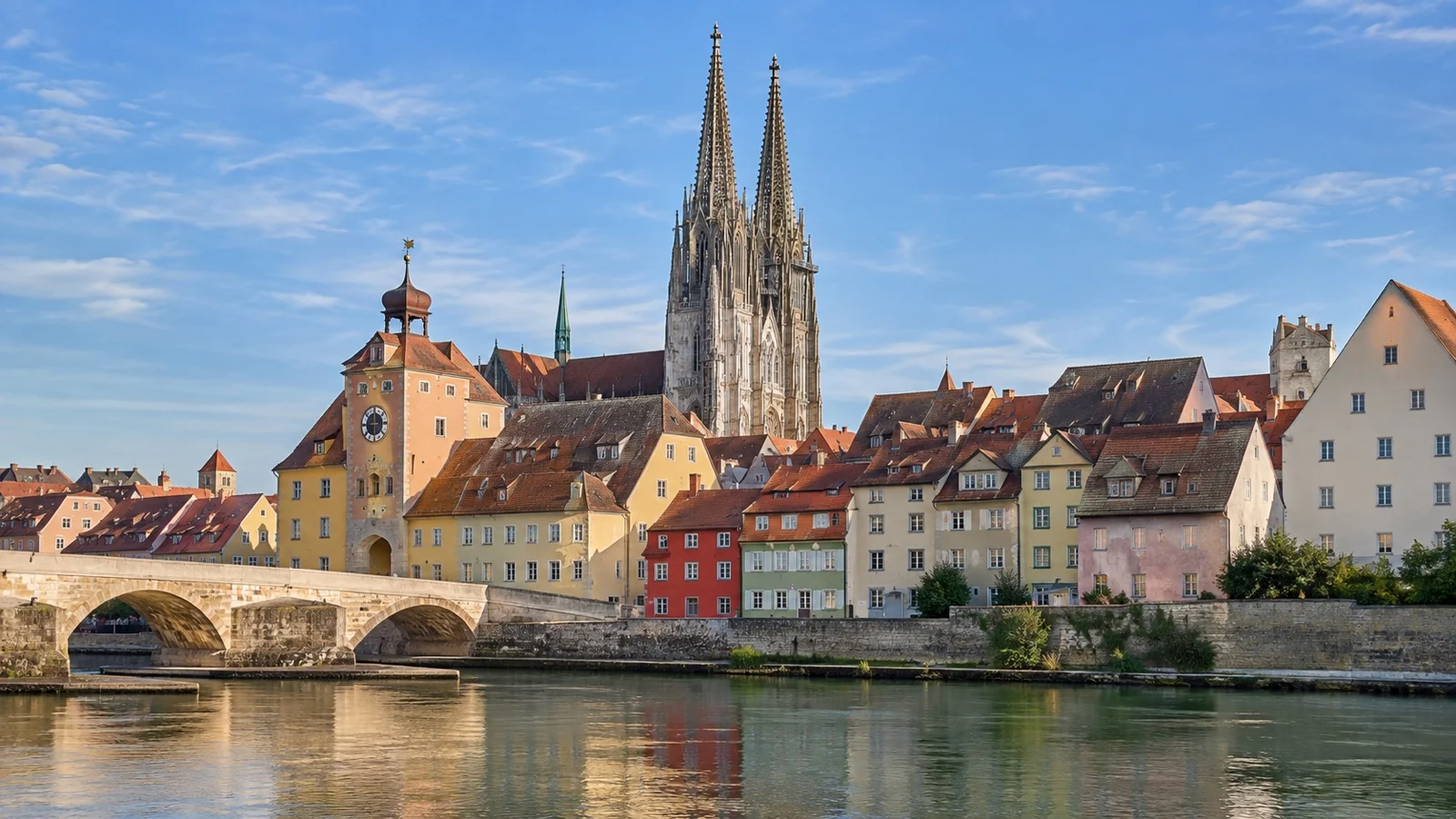
Regensburg is compact enough that this is a walking route rather than a menu. Roughly in the order you meet them off the quay.
- Steinerne Brücke: Cross toward Stadtamhof, then look back toward the old town and cathedral. Morning light can be useful, but weather and season matter more than a fixed rule.
- Historische Wurstkuchl: the sausage kitchen at Thundorferstraße 3 beside the bridge, which calls itself the oldest bratwurst restaurant in the world. Sausages over charcoal, sauerkraut from their own cellar, and a line worst between noon and two.
- Dom St. Peter: The Gothic cathedral is a central old-town landmark. Check the cathedral and Domspatzen calendars directly because services, performances, and visitor access vary.
- The alley network: The lanes between the cathedral and Haidplatz reveal medieval houses, towers, and small squares. Leave time to wander without relying on a fixed walking duration.
- Schloss St. Emmeram: the Thurn und Taxis palace, with state rooms, cloisters, a treasury and a carriage museum. Interiors are seen on timed tours, so check the day’s schedule rather than turning up hopeful.
- Museum of Bavarian History: At the Donaumarkt, with exhibitions on modern Bavarian history. Check current opening hours and exhibition access before walking over.
- Stadtamhof: The north-bank district included in the World Heritage property. Cross the Stone Bridge for a different view back toward the old town.
- Walhalla: The Neoclassical monument downstream near Donaustauf. Check current boat or bus options, opening hours, admission, and accessible-arrival information before committing part of the call.
Fun fact: the Regensburger Domspatzen trace their founding to 975, when Bishop Wolfgang established the cathedral school, which makes them one of the oldest boys’ choirs on earth. They marked 1,050 years of continuous singing in 2025, and since 2022 the institution has included a girls’ choir too.
How I would plan the day
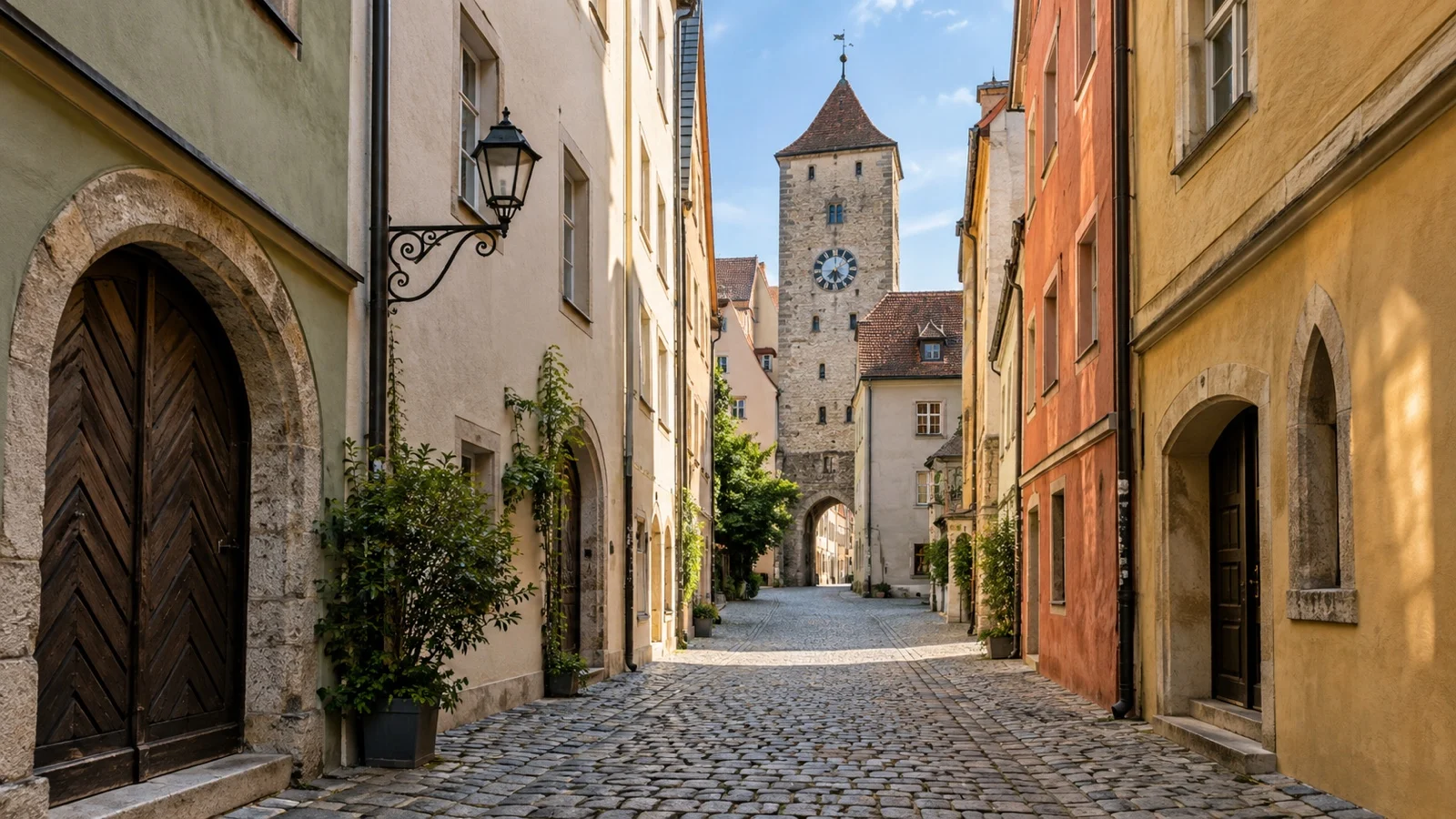
Start with the Stone Bridge and Stadtamhof, then return for St. Peter’s Cathedral and the lanes toward Haidplatz.
This compact route leaves room for a museum, palace tour, or a relaxed meal without turning every stop into a deadline.
Check cathedral services and attraction hours before setting out, and do not assume every interior is open during a short call. If the ship is rafted, include extra crossing time and follow the onboard return guidance.
Low or high water can change the berth, arrival time, or even the day’s transport plan. Ask the cruise director for the current landing and return instructions rather than relying on a saved map from another sailing.
A realistic word on accessibility
A central Regensburg berth can reduce transfer distance, but the assigned landing still matters. Ask for the exact route from gangway to old town.
The bad news is the surface. The old town is cobbled and uneven, bridge included, and cobbles are much harder work in a chair or with a stick than a flat map suggests.
If your ship is outside another vessel, the crossing can involve steps or level changes. Ask the cruise line what assistance is possible because berth position and route can change.
Walhalla’s hillside setting and main stair approach require advance accessibility planning. Check the Bavarian Palace Administration’s current accessible-arrival information, and see my wider guide to the most walkable cruise ports for how Regensburg compares.
When to go, and the weather
The season here runs from roughly late March to the end of December, Christmas market sailings included. Regensburg is inland Bavaria, so it runs colder in winter than the Rhine ports.
Using the German Weather Service 1991 to 2020 monthly means for the Regensburg station, July averages about 69°F and August about 68°F. Those are daily means, so afternoon highs sit well above them.
May and September both average close to 60°F, which is my preferred window here. April and October come in near 52°F and need a proper jacket.
December averages about 38°F and January about 36°F. Dress for standing still at a Christmas market rather than for walking, because standing is what you will be doing.
Quick answers
Can I walk from the ship into Regensburg old town?
Often, when the ship uses a central quay. Confirm the assigned berth and onboard walking route because distance can change.
Is Regensburg worth a full day or just a morning?
A morning covers the bridge, the cathedral, the lanes and the sausage kitchen properly. A full day only pays off if you add a museum, the palace, or Walhalla.
How do I get to Walhalla from the ship?
Options can include a seasonal boat, public transportation, taxi, or organized excursion. Check current schedules, admission, and accessibility directly before choosing.
Why do Danube cruises change ships near Regensburg?
Low water or another navigation restriction can prevent the assigned ship from completing the planned route. A line may use a sister-ship swap, motorcoach transfer, or itinerary change.
Will my ship be rafted in Regensburg?
It can be. Ask onboard because the number and position of vessels can change, and the route ashore may involve crossing another ship.
The last word
Regensburg proves how much of river cruising’s charm is just proximity. Nothing here is grander than Vienna, yet the day feels twice as generous because you are not spending ninety minutes getting to it and back.
If this is your first Danube sailing, it sets a standard later ports will not meet. My overview of Germany’s cruise ports puts it in context, and the neighboring guide to the Nuremberg river cruise port covers the other end of the Main-Danube Canal.
If you are booking a sailing that turns around here, read up on how low water actually works and on what a ship swap involves before you pack. The stretch below Regensburg is the one that triggers both.
Then leave room for a sausage by the bridge if it suits your plans. Check the kitchen’s current hours rather than building the return around it.
How this guide was researched: This guide was desk-researched on September 12, 2026 using current UNESCO, German tourism, Bavarian Palace Administration, federal waterway, weather, cathedral-choir, and attraction sources. It does not claim a personal sailing, berth inspection, city walk, Walhalla trip, restaurant meal, or ship swap.
Confirm the assigned quay, rafting route, river conditions, attraction hours, accessibility, transport, and all-aboard instructions before travel. See our Editorial Policy.