Mombasa Cruise Port: A Kenya Coast and Safari Guide
Mombasa can deliver a strong Swahili history day or a serious safari, but doing both well in one call is unrealistic. The secure port, heavy traffic, and park distances make advance planning essential.
A quick, current note first, because Kenya gets painted with a broad brush. Mombasa city and the southern coast are not the trouble spots that headlines sometimes imply.
As of mid-2026 the U.S. State Department rates Kenya Level 2, Exercise Increased Caution. Some higher-risk advisory zones are far from central Mombasa, but visitors should still check the current map and use planned transport.
My quick take
Mombasa rewards a plan. Decide up front whether this is a culture day in the city or a safari day inland, because you cannot do both well in one port call.
If it is your first African port, book an organized tour. For more of the region, see my guides to Zanzibar, Dar es Salaam, and the wider Africa cruise ports hub.
The quick facts
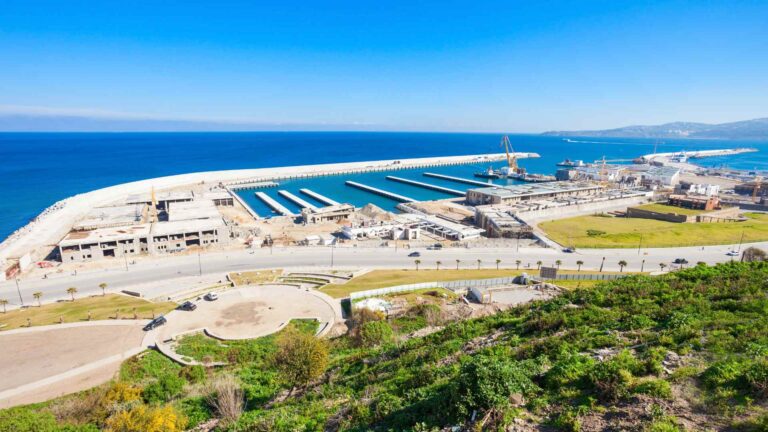
- Where you land: the Port of Mombasa in Kilindini Harbour, run by the Kenya Ports Authority, which operates a modern solar-powered passenger cruise terminal with a lobby, duty-free shops, and restaurants. The berth is on Mombasa Island itself.
- Dock or tender: Ships normally berth alongside in Kilindini Harbour, although the assigned berth and secure-area vehicle process vary by call.
- Into town: Roughly 3 miles to Fort Jesus and Old Town, about a 15 to 20 minute drive.
- Currency and language: The Kenyan shilling (KES), with Swahili and English both widely spoken, so communicating is easy.
- Time zone: East Africa Time (EAT, UTC+3).
- How often the call is missed: Low (under 1%): security or itinerary changes can cancel calls.
Getting around from the port
This is not a walk-out-the-gate port. The dock sits in a working commercial harbor, so you will leave by vehicle.
My honest advice: pre-book a licensed driver-guide or a ship or operator excursion. Traffic is heavy, distances add up, and a guide handles the logistics so your short day is not eaten by negotiation.
- Taxis and ride apps: metered apps such as Uber and Bolt operate in Mombasa. With a street taxi, agree the fare before you set off.
- Tuk-tuks: the three-wheelers are a fun, cheap way to hop around the island for short in-town trips.
- Private guide: best value for a safari or a multi-stop city loop, and the safest way to keep to your all-aboard time.
Heads up: some links below are affiliate links. If you book through one, I may earn a commission at no extra cost to you. It never changes which hotels or tours I recommend. Full disclosure.
The stops I would actually spend time on
These are the named, verifiable places worth your limited hours. Pick a lane: city and coast, or a full inland safari.
Fort Jesus (UNESCO)
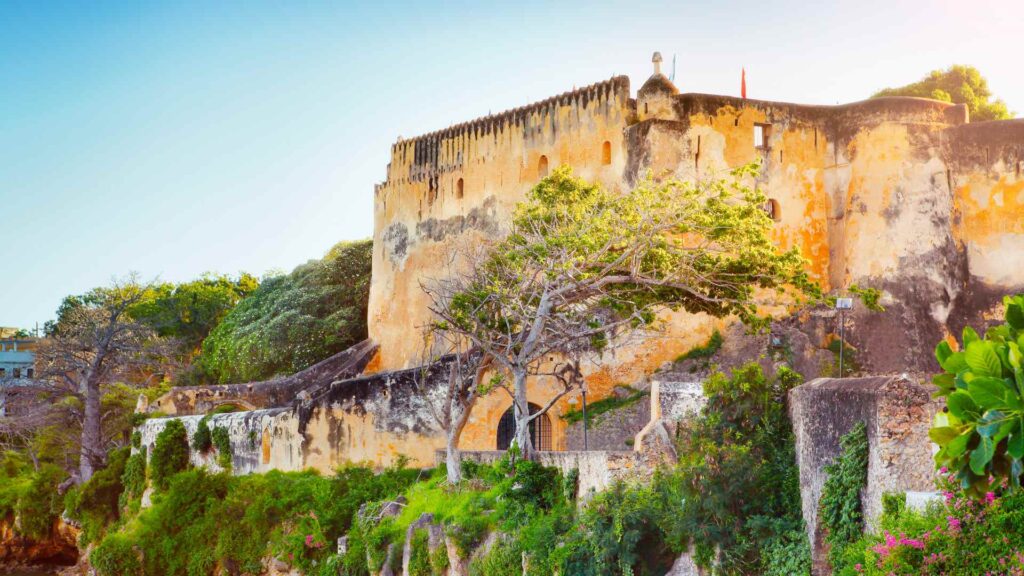
The Portuguese built Fort Jesus in 1593 to guard the harbor, and it is now a UNESCO World Heritage Site cared for by the National Museums of Kenya.
Fun fact: its Italian architect, Giovanni Battista Cairati, laid the fort out in the proportions of a human figure. The museum inside covers Mombasa’s centuries as a contested trade hub for ivory, spices, and enslaved people, and the Portuguese-Omani battles for control.
Mombasa Old Town
The lanes below the fort are the heart of Swahili Mombasa, with Arab and Indian influences layered over centuries of Indian Ocean trade.
Look for the carved wooden doors, balconied merchant houses, and small craft shops. A local guide brings the history to life.
The Mombasa Tusks (Pembe za Ndovu)
The giant aluminum tusks arching over Moi Avenue are the city’s signature photo stop. They form the letter M for Mombasa and are an easy add-on to a city loop.
Haller Park
Haller Park is a wildlife sanctuary reclaimed from an old limestone quarry, north of the island near Bamburi.
It is an easy hit with families: giraffe feeding, hippos, tortoises, and shaded nature trails. A gentle option if a full safari is too much for your day.
Mombasa Marine National Park
Managed by the Kenya Wildlife Service, this protected reef off Nyali is good for snorkeling and glass-bottom boat trips over coral and reef fish. Best on a calm, clear day.
Nyali and Bamburi beaches
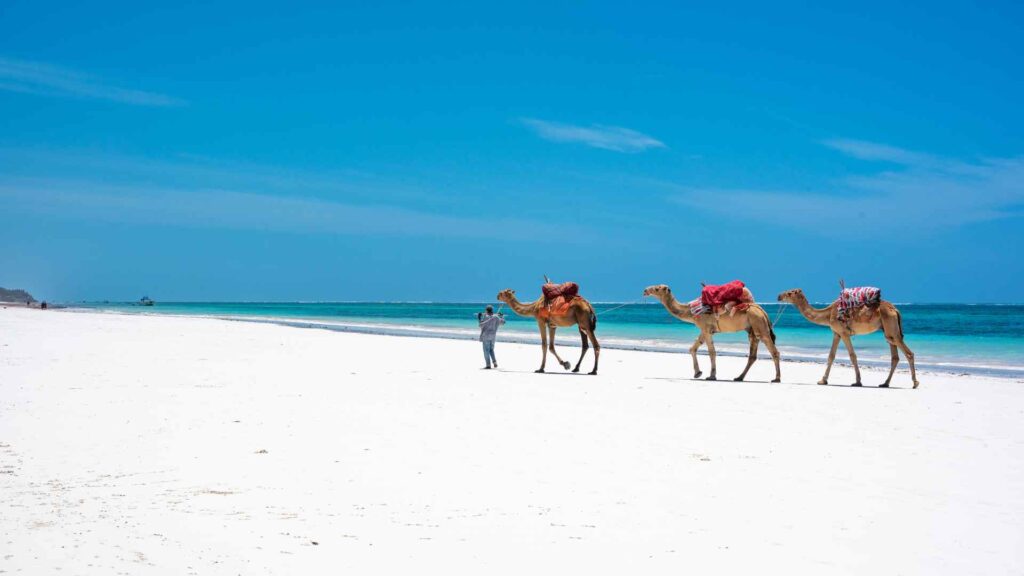
Nyali Beach and neighboring Bamburi are the closest stretches of white sand to the port, just across the creek on the north mainland.
They are the low-effort choice for a relaxed half day of swimming and a beachfront lunch.
Mamba Village crocodiles
On the Nyali side, Mamba Village is a crocodile farm with feeding sessions and gardens. It pairs naturally with Haller Park since both sit on the same side of the creek.
Akamba woodcarving cooperative
The Akamba handicraft cooperative in Changamwe is one of the largest woodcarving collectives in the country. It is a fair-trade spot to watch carvers work and buy directly.
Tsavo East National Park (the big excursion)
This is the reason many cruisers choose Mombasa. Tsavo East, run by the Kenya Wildlife Service, is one of Kenya’s oldest and largest parks and is Big Five country, famous for its red-dust elephants.
It is a long day: roughly a few hours each way by road, so this only works as a full-day organized tour. Confirm timings against your all-aboard before you book.
Shimba Hills National Reserve
South of the city, Shimba Hills is the closer safari alternative, with coastal rainforest, sable antelope, and the walk to Sheldrick Falls.
It is a realistic half-day to full-day option when Tsavo feels too far for your schedule.
How I would plan the day
Short in port (about 4 hours): a city loop of Fort Jesus, Old Town, and the Mombasa Tusks, with a quick craft stop. Keep it on the island to protect your buffer.
Half day (5 to 6 hours): Fort Jesus and Old Town in the morning, then Haller Park or Nyali Beach across the creek in the afternoon.
Full day (8 hours plus): a safari. Choose Tsavo East for classic Big Five scenery or Shimba Hills for a shorter drive, always as an organized tour.
Whatever you pick, build in a generous return buffer. Coastal traffic is unpredictable, and the ship will not wait.
Safety, in plain terms
The higher-risk zones flagged by the State Department and the UK are far from your day: the Somalia border and the coast north of Malindi and Lamu. The FCDO advises against travel within about 9.3 miles of parts of the east coast north of the Galana River, again well beyond Mombasa.
In the city, use normal urban sense: keep valuables out of sight, use a trusted driver or organized tour, and avoid quiet areas after dark. Dress modestly, especially near mosques and in Old Town.
When to go, and the weather
Mombasa is hot and humid year round. The drier, more comfortable months run from roughly December to March.
The long rains fall around April and May. Carry sun protection, water, and insect repellent whatever the season.
A realistic word on accessibility
The good news is that ships berth alongside here, so there are no tender boats to manage before you reach the pier. The catch is that this is a working harbor, so you will need a vehicle to get anywhere, and a licensed driver-guide can help you arrange step-free transfers.
Fort Jesus has steps and uneven stone underfoot, and Old Town’s lanes are narrow and bumpy, so both are hard going on wheels or on shaky knees. Safari days also mean hours of jolting on rough roads each way, which is worth weighing honestly if long drives wear you out.
Quick answers
Do ships dock or tender in Mombasa?
Ships normally dock alongside in Kilindini Harbour, and guests leave the secure port by authorized vehicle.
Can I do a safari in one port day?
Yes on a long call, with Tsavo East requiring a full organized day and Shimba Hills involving less driving.
Do I need a visa for Kenya?
Most nonexempt visitors need an electronic travel authorization, but confirm cruise handling on the official Kenyan portal and with your line.
For more Indian Ocean planning, see my guides to Victoria, Seychelles and Port Louis, Mauritius.
Choose city, coast, or safari
Choose Fort Jesus, Old Town, and one coastal stop for a balanced day with the least driving. Choose Haller Park and a north-coast beach for families, or make Tsavo East the entire day on an unusually long call.
Tsavo East usually means several hours of driving in each direction before the game drive begins. A short call is better matched to Shimba Hills or a city tour, and any safari should be protected by the cruise line or scheduled to return at least 90 minutes before all-aboard.
Entry and health requirements
Kenya uses an electronic travel authorization system for most nonexempt visitors, and cruise procedures can vary. Check the official portal and the cruise line early rather than assuming a port call is automatically exempt.
Yellow-fever rules depend partly on routing, while malaria risk calls for advice from a travel-health clinician. Use mosquito protection, drink safe water, and avoid contact with wildlife even at managed parks.
Port safety, timing, and access
Meet only authorized transport inside the port process, and confirm the vehicle, admissions, meals, waiting time, and return guarantee in writing. Keep phones discreet in the city and use a guide in the narrow Old Town lanes.
Safari vehicles often have high steps and long rides on rough roads, while marine trips use small boats. Travelers with limited mobility should request a private adapted vehicle and written restroom details before booking.
How this guide was researched: Unless a first-hand visit is explicitly identified above, this guide is based on independent research using official port, tourism, transit, government, and attraction sources where available. Logistics and time-sensitive details were reviewed in September 2026; see our Editorial Policy.