Vadsø Cruise Port Guide: Short Stops, Kven Heritage, and Vadsøya
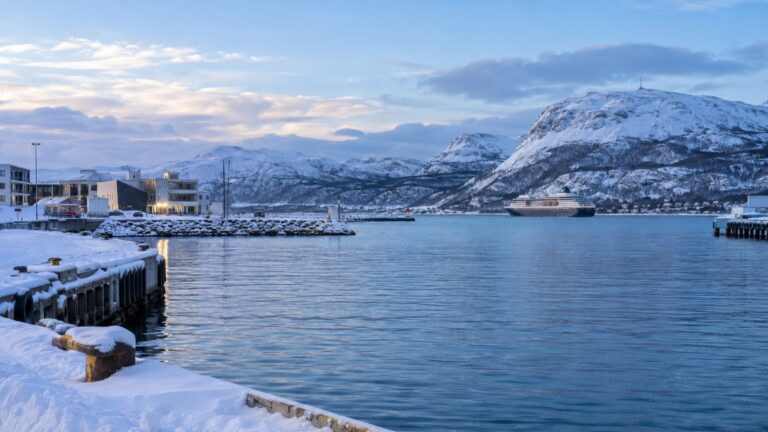
Vadsø can be either a working 15-minute coastal stop or a proper port visit with time for history and a walk. Those are completely different days, and confusing them is the easiest way to miss the ship.
Check your operator’s live schedule before stepping ashore. A short call belongs to the quay, while a longer visit can open Vadsøya, Kven heritage sites, and the wider Varanger region.
My quick take
Vadsø deserves more attention than the northbound coastal timetable often allows. Its Kven history, polar aviation story, and Varanger setting are genuinely interesting, but they cannot be squeezed into a few minutes.
For the shortest calls, I would enjoy the approach from deck and treat disembarking as optional. For a call of several hours, I would choose one tight theme rather than trying to collect every museum site and viewpoint.
The airship mast on Vadsøya and Ruija Kven Museum are the strongest anchors for a first visit. Regional birding makes sense only with enough time, reliable transport, and a generous return buffer.
Quick Facts
- Current coastal pattern: Havila lists a northbound arrival at 06:55 and departure at 07:10, with no southbound call shown.
- Other calls: Timing varies by operator and voyage, so use the ship’s daily program.
- Port access: Coastal ships normally use a quay, but gangway position and shore routing can change.
- Short-call plan: Stay aboard or step only onto the immediate quay if crew confirms there is time.
- Longer-call highlights: Vadsøya’s airship mast, the Airships and Boats exhibition, and Kven heritage sites.
- Currency: Norwegian krone, with cards widely useful but small-provider payment worth checking.
- Weather: Wind, rain, snow, ice, and low visibility can make a short distance much slower.
- Return rule: Be ready before the ship’s deadline and never aim for the published departure minute.
First identify your call length
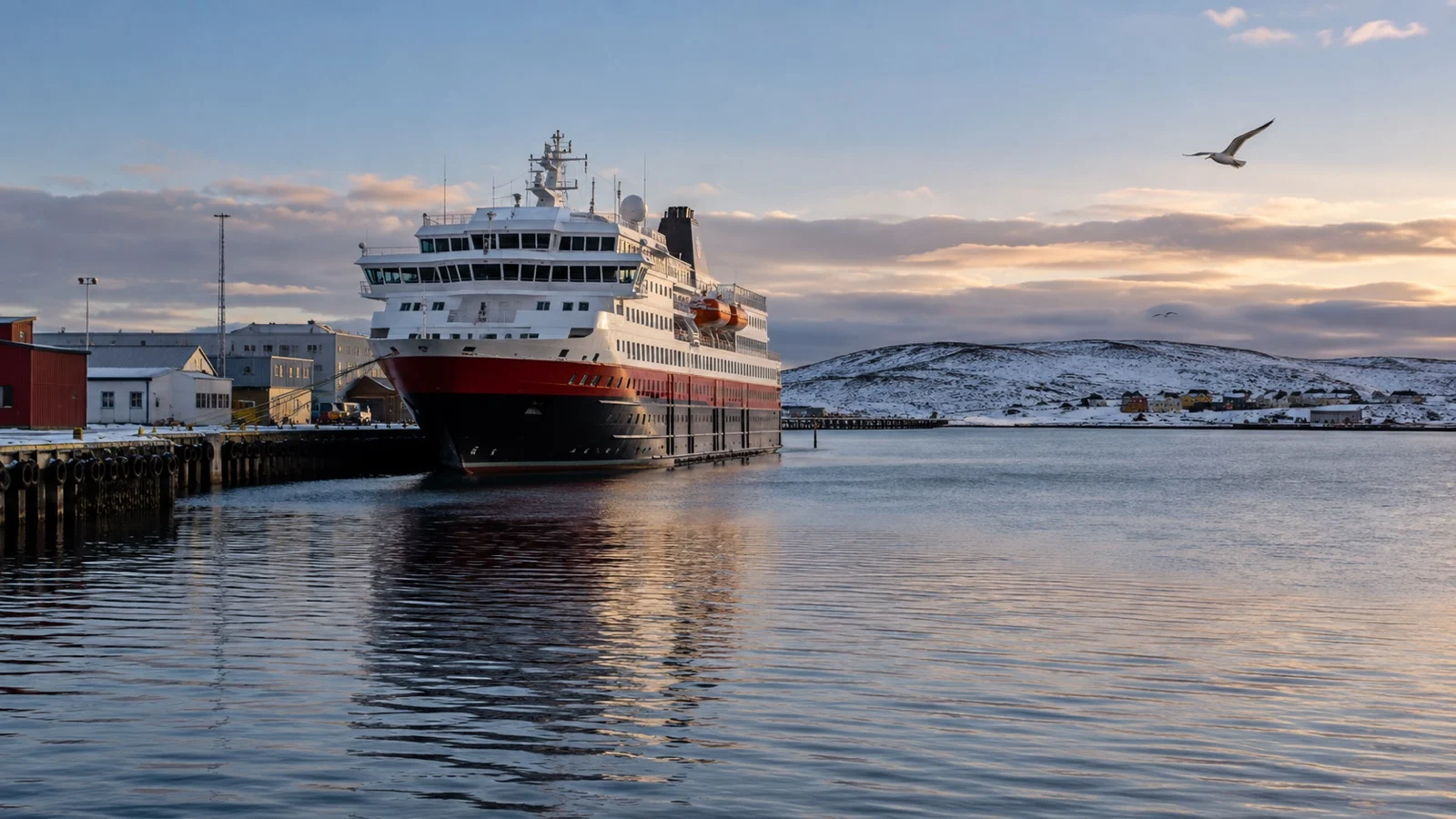
Current Havila port information shows the northbound Vadsø call from 06:55 to 07:10. That is a transport and operational stop, not a normal sightseeing window.
Fifteen minutes includes gangway operations and the need to reboard before departure. It does not create 15 usable minutes for walking into town.
Hurtigruten’s Coastal Express sailing plan tells passengers to be ready at least 15 minutes before departure at ports. Follow the exact voyage instructions because schedules and service patterns can change.
A conventional cruise ship may schedule a much longer call, but the word Vadsø alone does not prove that. Look for arrival, all-aboard, departure, berth, excursion timing, and sailing direction.
If the ship is running late, do not assume departure will move by the same amount. Coastal operators may shorten a call to recover the schedule.
Getting ashore
Coastal-route vessels generally berth at the harbor rather than tendering guests. The precise gangway and safe route can still change with ship position, cargo activity, wind, snow, or ice.
Ask crew whether passengers may leave during a short call before heading down. Opening the gangway does not automatically mean sightseeing is sensible.
If you step ashore, note the berth and gangway immediately. Keep the ship in view, wear your key card, and return at the time the crew gives you.
A direct quay call is not necessarily step-free. Gangway angle, thresholds, metal surfaces, and ice can challenge wheelchairs, walkers, and anyone with limited balance.
Other cruise vessels set their own operations, including whether a tender is needed. Your daily program is the only reliable source for your ship.
What fits a 15-minute stop
The safest plan is to remain on board and watch Vadsø from deck. The early hour, weather, and short turnaround make this a poor time to chase an attraction.
If crew confirms that you can disembark, limit yourself to the immediate quay. Take a harbor photo, look toward Vadsøya, and reboard before anyone needs to call you.
Do not begin a walk toward the mast, museum, store, or town center. A short-looking route can fail because of ice, a wrong turn, a closed gate, or a slow security check.
There is no meaningful excursion during a call this short. Think of Vadsø as part of the route’s working coastal rhythm and save a full visit for another stay.
Have a warm layer ready if you want to step outside before breakfast. A few minutes of Arctic wind can feel much colder than the displayed temperature.
Vadsøya and the airship mast
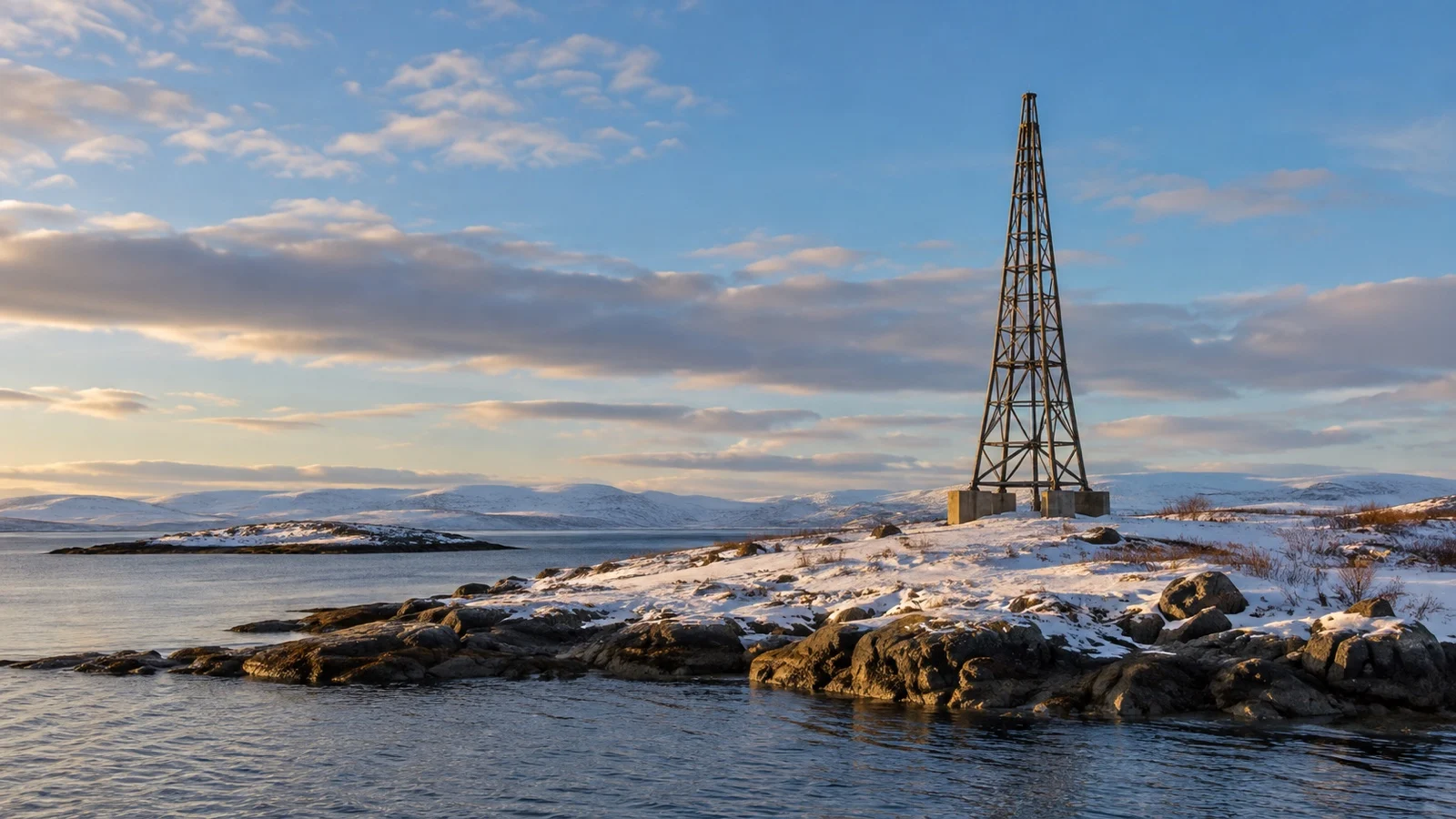
Vadsøya is the island just off town and the location of Vadsø’s famous airship mast. The structure is tied to the 1926 Norge expedition and its flight across the North Pole.
The mast connects this quiet harbor with a defining era of polar aviation. Norway’s heritage authorities formally protected the structure in its centennial year of 2026.
The Varanger Museum identifies the mast and cultural park on Vadsøya as part of its Vadsø collection. It also places the Airships and Boats exhibition by the Coastal Express quay.
During a brief call, look for the mast from the ship rather than trying to reach it. On a longer visit, verify walking time, route condition, daylight, and the return path.
Vadsøya also contains traces of the town’s earliest settlement. A slow visit works better than a rushed photograph because the landscape and history make more sense together.
Ruija Kven Museum
Vadsø is an important center of Kven and Norwegian-Finnish history. Nineteenth-century migration from northern Finland and Sweden shaped local language, neighborhoods, building traditions, work, and family life.
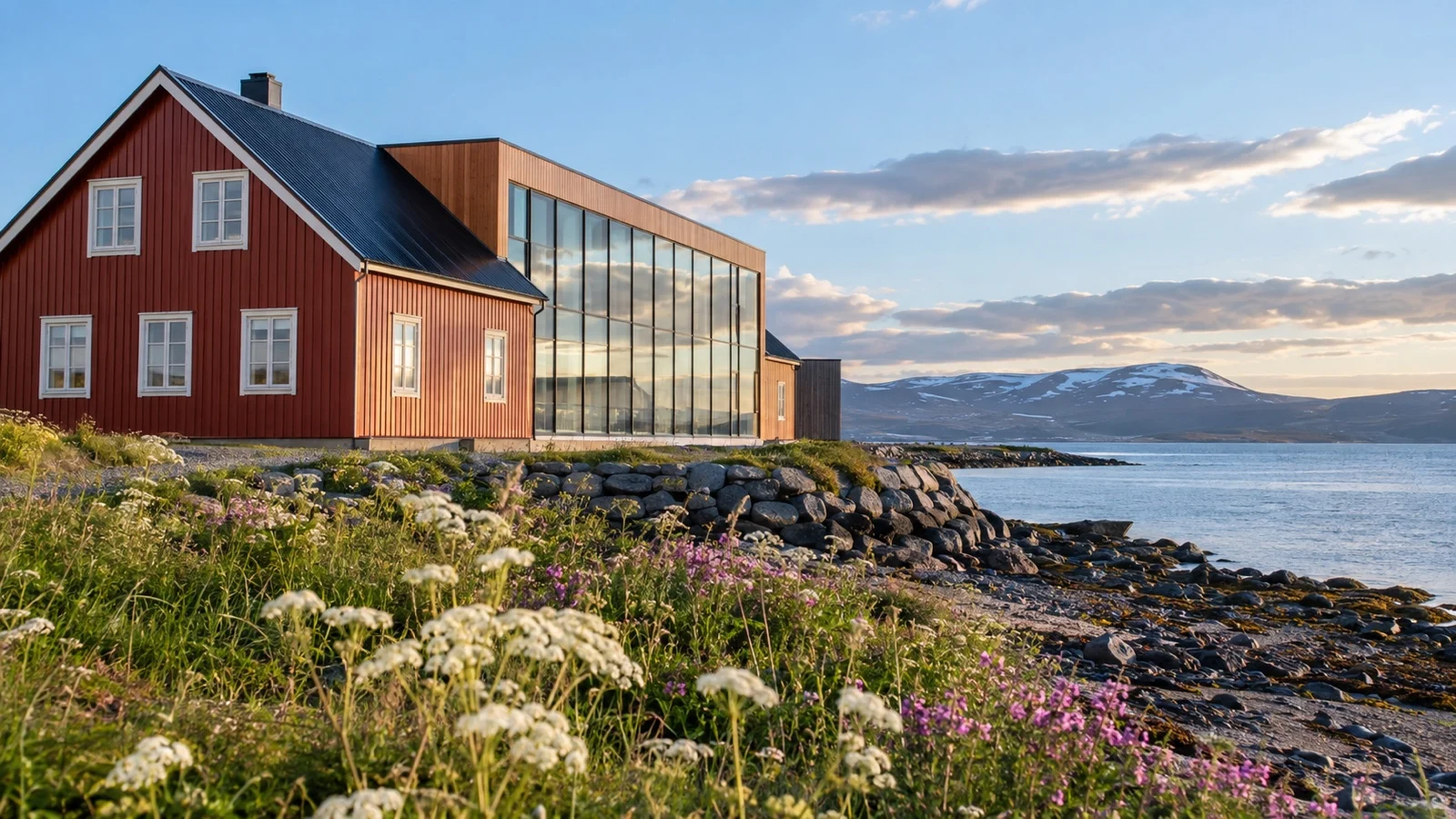
Varanger Museum’s Vadsø department is the Ruija Kven Museum. Its sites include the Esbensen Estate, Tuomainen Farm, Bietilæ Farm, Prestelv Quay, Vadsøya, and the quayside exhibition.
These places are not all inside one building beside the gangway. Check the current museum map, hours, seasonal operation, and which site contains the story you most want.
Tuomainen Farm and related properties help explain Kven building customs and domestic culture. The Esbensen Estate adds the history of nineteenth-century trade and upper-class life.
The quayside exhibition is geographically useful for cruise visitors, but proximity does not guarantee an early opening. A longer daytime visit or cruise-arranged access is the realistic museum plan.
A longer independent walk
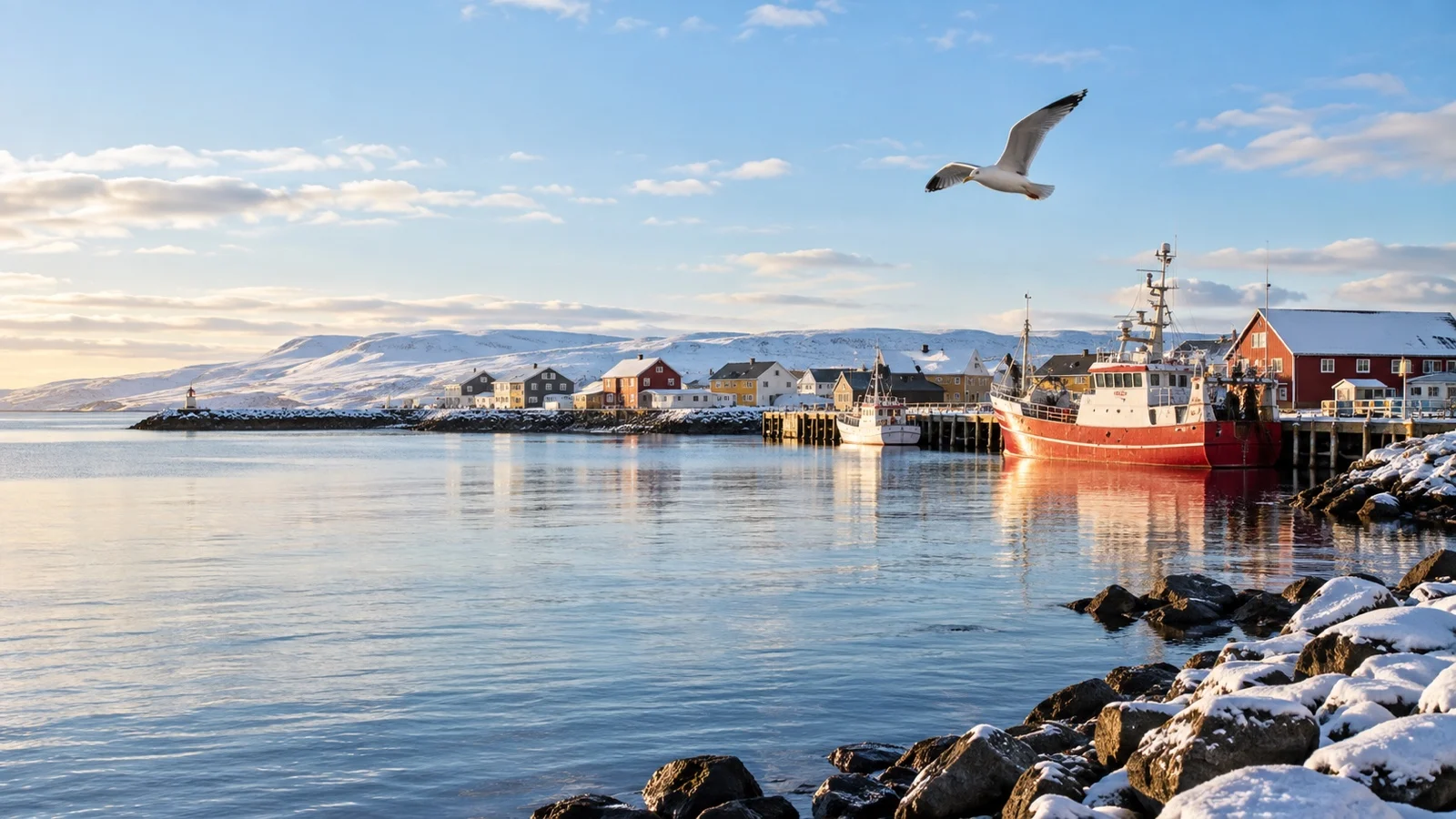
If you have several hours, Vadsø’s compact scale makes an independent plan possible. Start by confirming the berth, then choose Vadsøya or the Kven museum sites as your focus.
Do not assume every attraction opens daily or year-round. Northern museum hours can be seasonal, and smaller sites may require advance arrangements.
Build the route around actual surfaces rather than map distance. Snowbanks, ice, gravel, road crossings, wind, and poor visibility can make an easy-looking walk slow.
A cafe or shop is a pleasant addition if time allows, but it should not anchor a tight plan. Opening hours may not match an early arrival, Sunday, or holiday.
Turn back earlier than feels necessary. Vadsø’s layered history does not improve when you are sprinting toward a closing gangway.
Excursion or independent exploration
For a longer call in town, independent exploration can work when hours and weather align. Keep the route compact and use one museum cluster or Vadsøya as the centerpiece.
A ship excursion is smarter for regional birding, nature, fishing-village history, or a drive across Varanger. Distances and winter roads make casual improvisation risky.
Read the description for drive time, outdoor exposure, restrooms, walking surfaces, and accessibility. Wildlife should always be described as possible rather than guaranteed.
Private tours need a generous return plan and a provider who understands ship operations. Confirm the pickup point because a local address may not be at the gangway.
For the standard short coastal call, neither an excursion nor a town walk makes sense. The deck view is the safest choice.
Varanger nature and birding
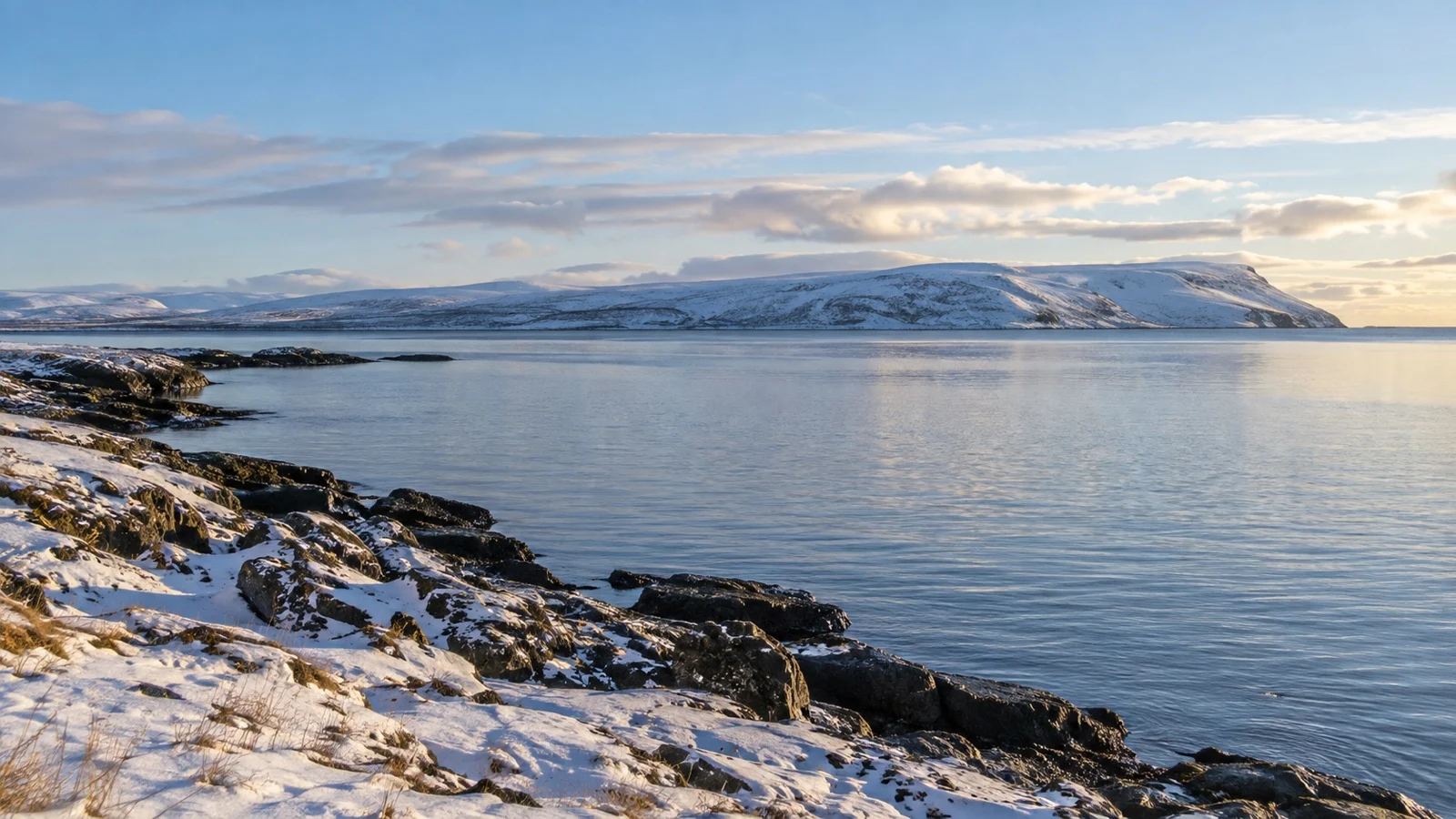
Vadsø sits beside Varangerfjord in a region known for Arctic landscapes and birdlife. A serious nature outing requires more time than the town’s compact appearance suggests.
Season, weather, migration, tides, and habitat determine what you may see. No responsible guide can promise a particular bird or mammal on a port-day schedule.
Use an organized excursion or prearranged specialist if wildlife is your priority. The value comes from local knowledge and timing, not simply driving farther from the ship.
Bring binoculars, weather protection, and shoes with grip. A camera lens is useful, but it should not replace watching the ground on wet rock or ice.
Respect closures, private land, and nesting guidance. Varanger’s wildlife appeal depends on visitors giving animals and habitats space.
Accessibility and mobility
The first accessibility question is whether disembarking is worthwhile within the available time. A short stop leaves no room for a slow gangway, assistance delay, or unexpected obstruction.
Ask about gangway slope, stairs, width, handrails, thresholds, and the quay. A vessel may be accessible inside while the shore connection is unsuitable for a particular device.
For museums, verify the entire chain from berth to entrance and through the exhibition. Historic properties can have thresholds, narrow spaces, uneven ground, and limited accessible restrooms.
Wheelchair users should ask whether an accessible taxi must be reserved and whether it can meet the ship. Do not expect a large rank of specialized vehicles.
Travelers using a cane or walker should take winter traction seriously. Wind and hidden ice can be more limiting than the stated distance.
Arrange assistance before arrival and respect the crew’s recommendation if disembarking is impractical. Staying aboard can be the best decision without diminishing the voyage.
Weather, daylight, and seasons
Vadsø’s coastal Arctic weather changes quickly. Wind can amplify cold, while rain, sleet, snow, and sea spray make surfaces uncomfortable or unsafe.
Winter brings long darkness and summer brings extremely long daylight. Neither guarantees the experience travelers imagine because cloud, fog, precipitation, and timing control visibility.
The northern lights require darkness, solar activity, and clear enough sky. A short winter call may occur at the right hour, but no port can promise an aurora.
Summer light makes sightseeing easier but does not eliminate cold wind or rain. Pack a waterproof shell and warm layer even when the forecast looks mild.
In winter, wear insulated layers, gloves, head protection, and footwear with grip. Check whether traction aids must be removed before walking on ship floors.
What to carry ashore
For a brief quay step, carry only your ship card, phone, and warm outer layer. Extra bags slow the gangway and create one more thing to manage on ice.
For a longer visit, bring the ship contact, offline map, water, weather protection, and essential medication. Keep a portable battery inside your coat because cold drains electronics.
Use reflective details or a small light during dark-season walks near roads and working harbor areas. Do not assume drivers can see dark clothing in snow or rain.
Cards are practical for many purchases, but check small-provider or transport payment. Do not spend precious port time searching for cash during a short call.
Keep both hands free on the gangway and pack camera equipment securely. Take the harbor photo only after you have stable footing.
Three realistic Vadsø plans
A 15-minute coastal call
Stay aboard for the approach or step onto the immediate quay only with crew approval. Reboard immediately and do not walk toward an attraction.
One to two hours
Choose one close objective, such as Vadsøya or a confirmed-open quayside exhibition. Keep the return margin larger in winter or poor weather.
Half a day or longer
Pair one Kven history site with Vadsøya, or book a focused regional excursion. Avoid combining distant nature stops with an ambitious town checklist.
Getting back to the ship
Use the all-aboard time announced on board, not a search result or third-party timetable. Operational changes can alter the day’s plan after publication.
On a short call, remain close enough to see ship activity and do not wait for a shore announcement. Coastal schedules depend on prompt departures from many ports.
On a longer visit, confirm the berth and photograph the harbor entrance. Carry the emergency contact, but never treat it as permission to cut timing close.
Allow extra time for ice, a taxi delay, museum checkout, and gangway security. Turnaround time is part of the excursion, not spare time after it.
Hurtigruten’s boarding guidance is a useful minimum, but your crew may require an earlier return. The onboard instruction always wins.
How Vadsø fits the coastal route
Vadsø appears near Kirkenes on the northbound Norwegian coastal journey. Its short stop reflects the route’s role as scheduled transport for communities, cargo, and passengers.
That working identity is one of the route’s charms. Some ports offer long excursions, while others are quick glimpses tied to coastal service.
Compare the current timetable for every voyage because seasonal plans and individual sailings differ. A port list without times is not enough for planning.
If Vadsø’s history interests you, consider an overnight visit or a cruise with a longer call. The town is more rewarding when you can enter the museum sites instead of watching the clock.
Kirkenes offers a different excursion landscape. Do not postpone Vadsø-specific interests on the assumption that the next port has the same Kven and airship story.
Quick answers
How long is the Vadsø coastal stop?
Havila currently lists 15 minutes northbound, but schedules can change. Check your operator and daily program.
Can I visit the airship mast during that stop?
Not realistically during a 15-minute call. Look for it from the ship and save the walk for a longer visit.
Is Vadsø a tender port?
Regular coastal ships generally use the quay. Other ships set their own operations, so follow voyage-specific instructions.
Can I visit Ruija Kven Museum?
Yes on a longer call when the relevant site is open or access is arranged. The museum has several locations, so confirm which one you want.
Will I see the northern lights?
There is no guarantee. Darkness, solar activity, cloud cover, and timing all need to cooperate.
Is the port wheelchair accessible?
Accessibility depends on the ship, gangway, quay, weather, and time. Ask the operator for voyage-specific details before deciding to disembark.
The last word
Vadsø is a rewarding Arctic destination trapped inside a very short timetable on some voyages. Respect that distinction and the day becomes easy to plan.
Stay beside the ship during a service call, or choose one strong theme during a longer visit. The mast, Kven history, and Varanger landscape deserve attention, but none is worth gambling with the gangway.
How this guide was researched: Unless a first-hand visit is explicitly identified above, this guide is based on independent research using official cruise-operator, museum, heritage, tourism, and local sources where available. Logistics and time-sensitive details were reviewed on September 12, 2026, under our Editorial Policy.
More on this topic: browse every guide on expedition and alternative cruises.