Nesna Cruise Port: Short Calls, Quay, and Helgeland Guide
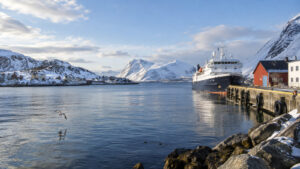
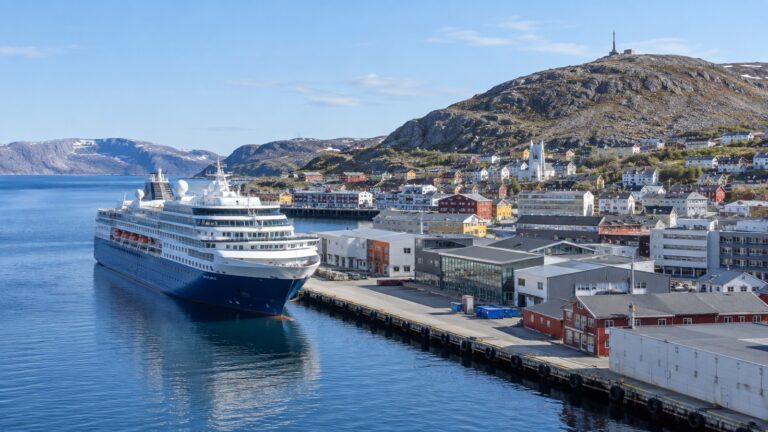
Nesna is not a miniature version of a major cruise port, and that is exactly what makes it interesting. The quay is part of a living Helgeland transport network where coastal ships, ferries, express boats, local vehicles, freight, and island residents all share the rhythm of the day.
Many passengers see Nesna during a call measured in minutes rather than hours. The honest plan is often to step outside, take in the mountains and islands, watch the efficient turnaround, and be back aboard before the ship is ready to leave.
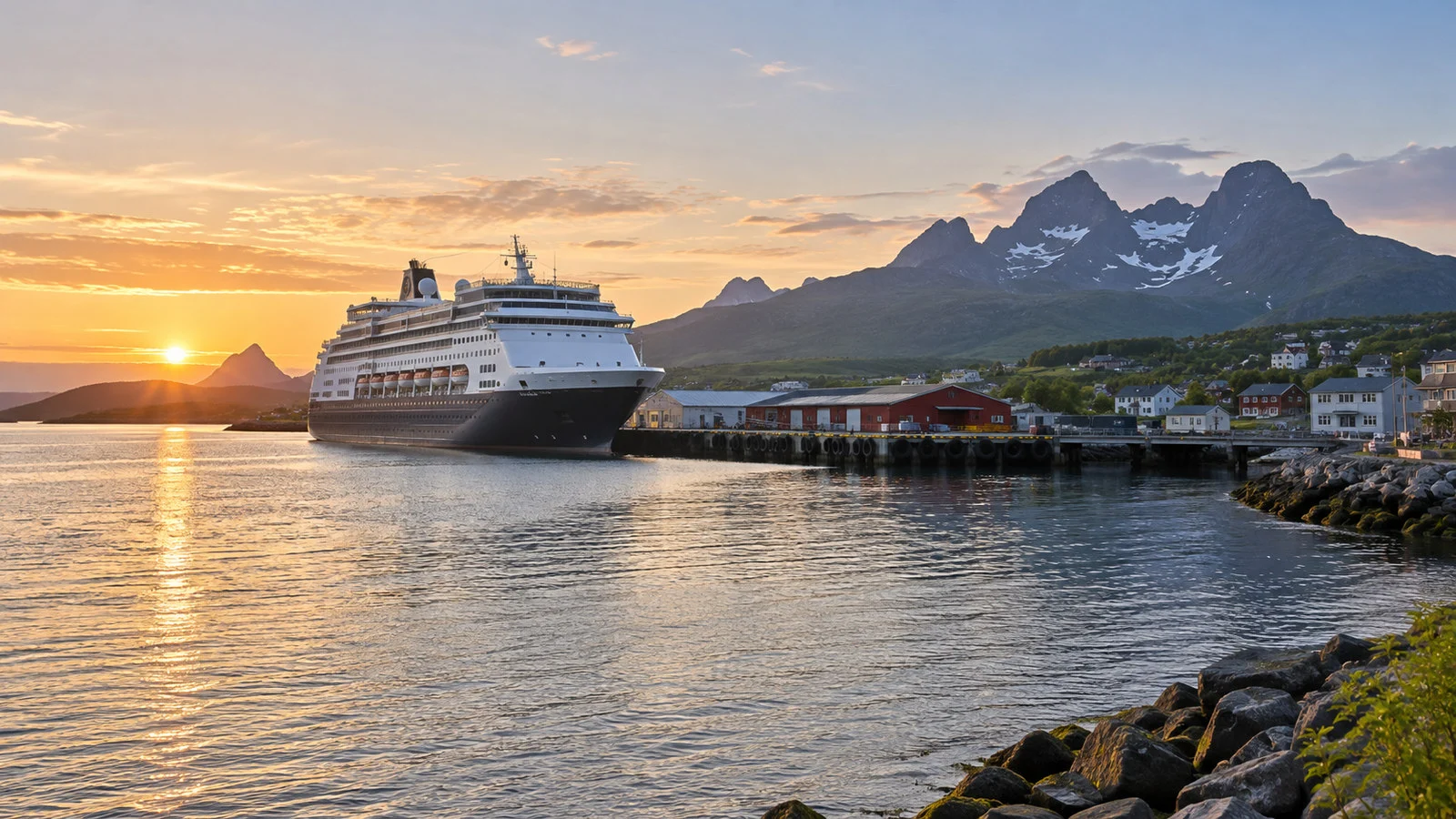
My quick take
If your coastal-route stop is brief, do not treat Nesna as a sightseeing excursion. Stay within sight of the ship, follow crew instructions, and let the working port itself be the experience.
If your itinerary grants a longer stay, the village has enough history, waterfront scenery, and local character for a pleasant walk. Island hopping, mountain hikes, and the Scenic Route are excellent reasons to return, but they are not realistic add-ons to a short scheduled call.
Quick Facts
- Port type: Nesna is a working coastal-route, ferry, and express-boat hub rather than a conventional large cruise terminal.
- Call length: Coastal-route stops can be very brief and differ by direction, season, and current operating schedule.
- Arctic Circle: Northbound ships cross the Arctic Circle after Nesna on the way toward Ørnes, while southbound ships have already crossed it.
- Best short-call plan: Stay near the quay, watch local operations, photograph the coast, and return before departure preparations begin.
- Longer visit: Nesna Church, historic buildings, the museum, marina views, and local walks become possible only when time and opening hours align.
- Local transport: Check ferries, express boats, and buses through Reis Nordland rather than relying on an old timetable.
- Weather: Expect fast-changing coastal conditions and carry a waterproof layer even when the sky looks settled.
What kind of port is Nesna?
Nesna sits on a mainland peninsula between fjords in the Helgeland region of Nordland. It serves the coastal route, the Levang ferry connection on County Road 17, ferries to the islands of Hugla, Handnesøya, and Tomma, and several express-boat services.
That mix makes the harbor an essential transport point rather than a purpose-built cruise destination. Passengers and vehicles may be moving quickly, and the quay must remain clear for safe loading.
The coastal-route vessel normally comes alongside, but the exact berth, gangway, and shoreside path are operational details. Listen for announcements before leaving because a short call can become even shorter if the ship is ahead of schedule or the plan changes.
Do not confuse the coastal-route quay with the car-ferry lane, guest marina, or another passenger-boat stop. Take a photo of your vessel and the correct access point before walking away.
How long is the call?
There is no single call length that every traveler should expect. Northbound and southbound schedules differ, while seasonal adjustments, weather, port operations, and service changes can affect published times.
Check the current itinerary supplied by your operator on the day of travel. A timetable found in an older article may be accurate for neither your direction nor your sailing date.
When the schedule allows only a few minutes, departure preparation begins almost as soon as arrival. Being able to see the ship is not permission to linger after crew have called passengers back aboard.
Longer private yacht, expedition, or independent stays create different possibilities. This guide separates those options clearly so a traveler on a brief coastal call does not mistake a day-trip idea for a safe port plan.
The Arctic Circle connection
Nesna lies south of the Arctic Circle, but it is closely tied to the crossing on the coastal route. A northbound vessel leaves Nesna and later crosses the line before reaching Ørnes, while a southbound vessel has already crossed before arriving in Nesna.
This directional detail matters because the old phrase last stop before the Arctic Circle is only meaningful northbound. It does not describe Nesna’s geographic position as being inside the Arctic.
Your ship may mark the crossing with an announcement or onboard ceremony, but the format and timing belong to the operator. Keep your daily program handy and ask the crew where the best outside viewing area will be.
What to do on a very short call
Step onto the quay only after the gangway opens and crew confirm that passengers may go ashore. Move away from the working path, take in the fjord and island views, and watch the transfer of people, vehicles, or goods without obstructing operations.
Keep your ship card, coat, and phone with you even for a five-minute outing. A cold gust, rain shower, or sudden announcement can arrive faster than you can return to a cabin.
Choose one or two photographs instead of searching for a perfect viewpoint. The coastal setting is visible from close to the vessel, and the movement of the port tells a more accurate story than a rushed walk into the village.
Return before the crew begins calling everyone aboard. On a transport route with many scheduled ports, the ship cannot operate like a tour bus waiting for a passenger who misjudged a short stop.
The quay is not a sightseeing zone
Working vehicles may reverse, line up, or cross areas that look like open pedestrian space. Follow barriers and staff directions, stay out of marked ferry lanes, and never stand between a vehicle and a ramp for a photograph.
Winter ice, summer rain, salt spray, and low light can make surfaces slippery. Use the handrail on the gangway and keep both hands available when conditions require it.
Parents should keep children close because the water edge and traffic are active hazards. Travelers wearing headphones should remove them so they can hear announcements and vehicle signals.
A village walk for a longer stay
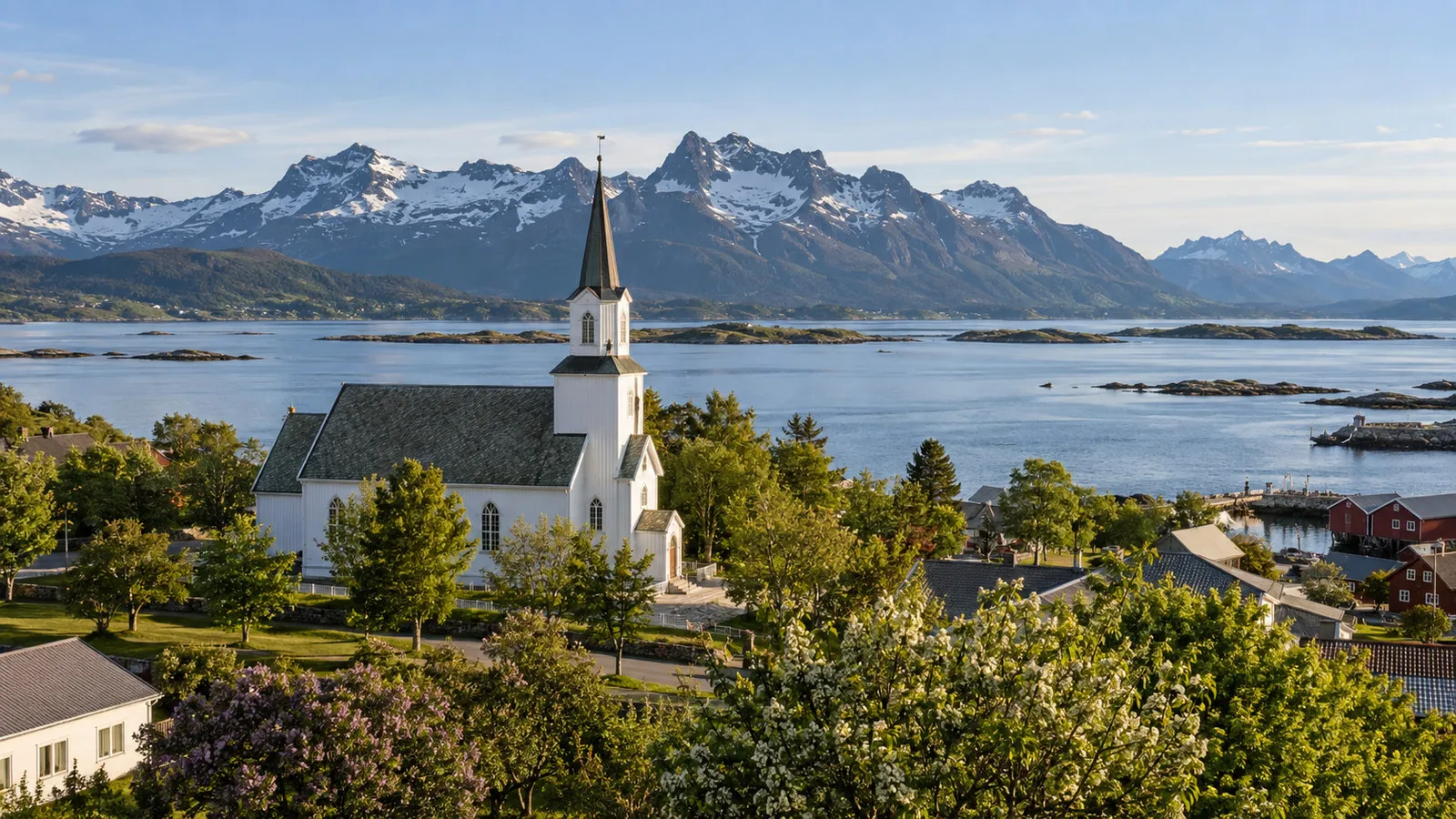
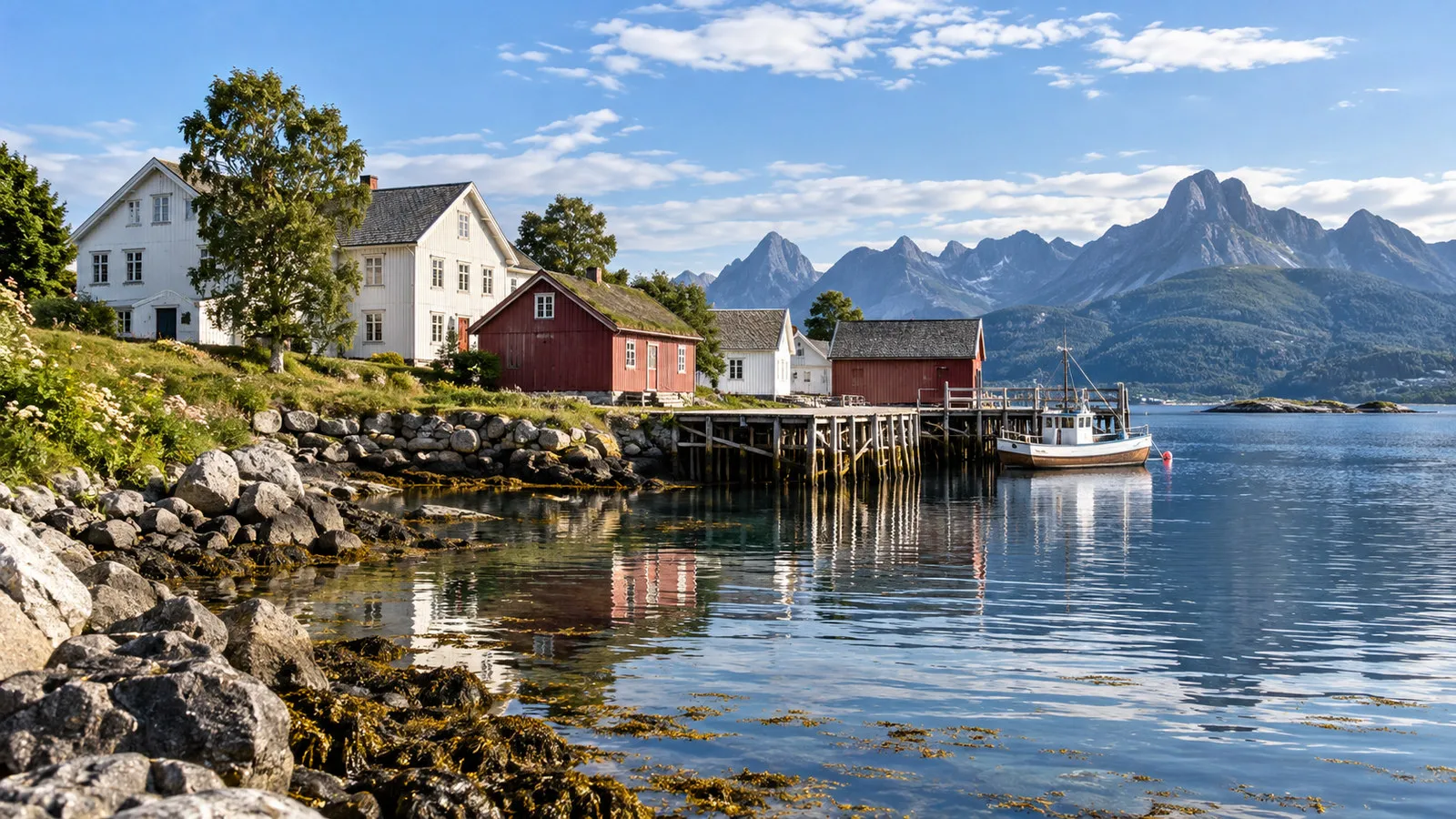
With enough time, Nesna offers a calm village walk shaped by its history as a church, trading, education, and transport center. The appeal is the relationship between old buildings, modern coastal life, and wide views rather than a dense checklist of attractions.
Visit Helgeland highlights Nesna Church, the former teacher-training college building, and traditional Nordland houses from the nineteenth and early twentieth centuries. Opening access varies, so enjoy exteriors and village context unless an interior visit is confirmed.
Walk toward the marina or a public waterfront viewpoint when weather and time are favorable. Stay on public paths, respect private homes, and keep enough energy for the return to the ship.
A longer route should still have a firm turnaround time. Coastal wind, photo stops, hills, and unfamiliar road crossings can make the walk back slower than the walk out.
Nesna Church
The large wooden Nesna Church is one of the village’s clearest landmarks and reflects the long role of Nesna as a church site. Visit Helgeland dates the current building to the late nineteenth century and describes it as one of the larger churches in the region.
Do not assume the doors will be open during a ship call. Services, events, staffing, and seasonal schedules determine interior access, and a respectful exterior stop may be the only option.
Keep voices low around services and ceremonies, and avoid photographing people without permission. A working parish is not staged for visitors even when its architecture is locally significant.
Nesna Museum and local history
The local museum uses historic buildings associated with trade and community life, including the Zahl building and the old sexton’s residence. One exhibition explores Nesnalobben, the distinctive local footwear connected with Nesna’s identity.
Museum opening days can be limited or seasonal, so check directly before planning around it. A closed museum should not tempt you to improvise a longer walk when the ship’s call is brief.
For a longer independent stay, the museum adds useful context to the village’s role as a coastal hub. Pair it with the church and a waterfront walk rather than trying to combine it with an island ferry on the same tight schedule.
The islands of Nesna
Tomma, Hugla, and Handnesøya are central to the landscape and community, and ferries connect them with Nesna. They offer hiking, cycling, farms, coastal culture, and a slower way to understand outer Helgeland.
They are not sensible excursions during a routine short coastal-route stop. A ferry departure that appears to fit on paper can still leave no margin for boarding rules, delays, the return connection, or a change in your ship’s schedule.
Plan an island visit as a separate stay with confirmed outbound and return transport. The official Visit Helgeland guide to Nesna and its islands explains the transport links and longer-stay possibilities.
If you have an overnight visit, decide whether you will take a vehicle, bicycle, or travel on foot before buying tickets. Island distances, limited services, and weather change what is practical.
Ferries and express boats
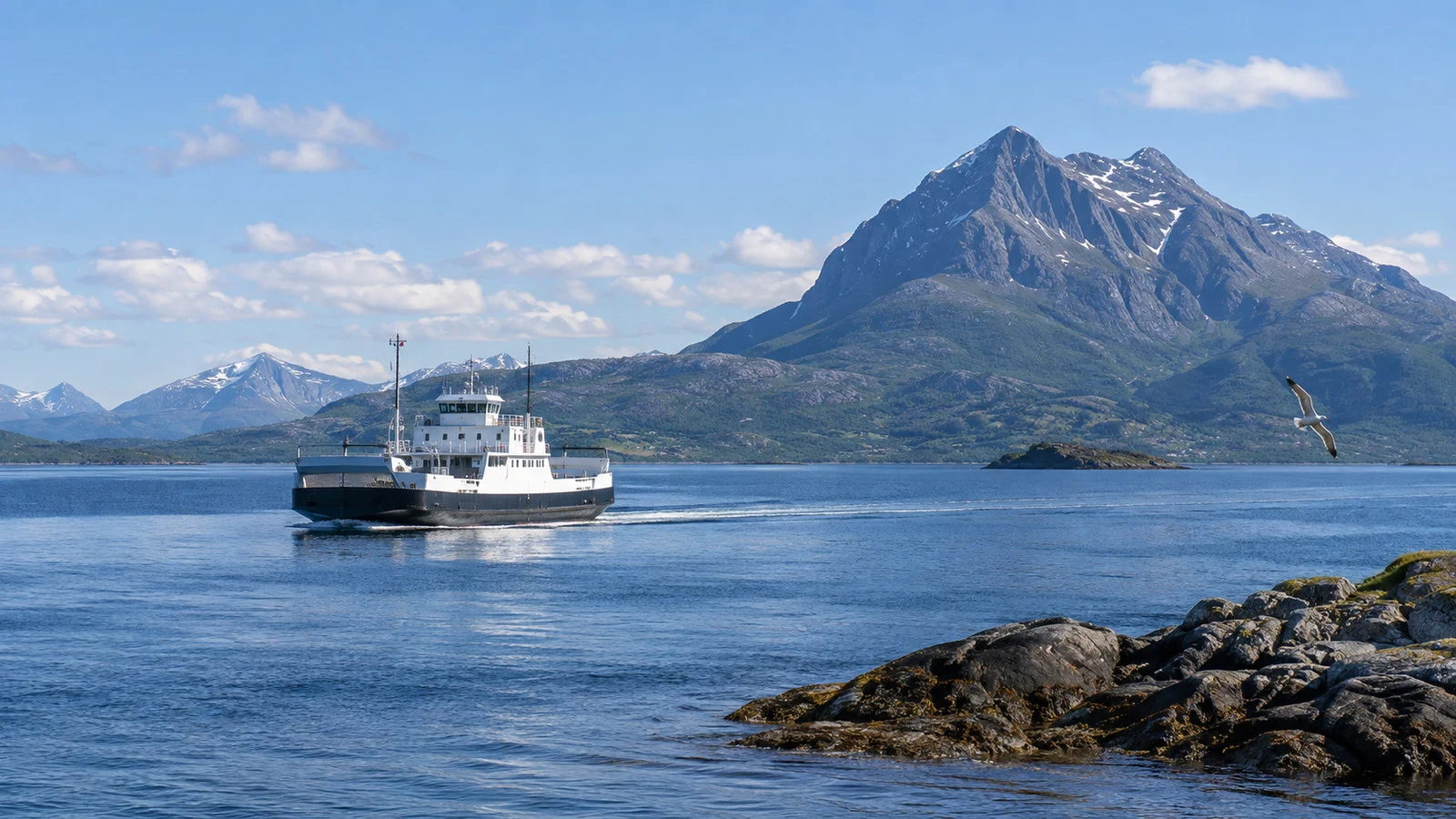
Nesna’s public transport network includes the Levang car ferry, local island ferries, and express boats running along the Helgeland coast. These services are valuable for regional travel but should never be confused with your cruise vessel’s gangway or departure time.
Use the official Reis Nordland planner for current routes, departure times, tickets, and disruption notices. Save the exact stop name and direction because several maritime services operate in the area.
Allow for check-in or vehicle queue requirements where relevant. A map showing a short connection does not account for boarding cutoffs or the time needed to find the correct dock.
Independent travelers should also check road and ferry traffic notices before crossing to Levang. County Road 17 relies on ferries, so one missed sailing can reshape an entire day’s plan.
The Helgeland Scenic Route
Norwegian Scenic Route Helgelandskysten follows the coast as part of County Road 17 and includes six ferry crossings along its long route. The Levang to Nesna ferry is one of those links, which places the town directly inside a celebrated road journey.
A Scenic Route drive requires a car, a long port stay, and careful ferry planning. It is not a shore excursion you can create during a short coastal-ship pause.
If you are building a separate road trip, consult the official Norwegian Scenic Routes page for Helgelandskysten. Its current map and ferry links are more useful than a fixed itinerary copied from another traveler.
Hiking above Nesna
Hammarøyfjellet rises behind the village, with routes and viewpoints that can reveal the islands and outer coast. These are real hikes, not quick strolls from a ship that stops for minutes.
Visit Helgeland recommends matching plans to weather, experience, and the Norwegian Mountain Code. Coastal conditions can change quickly, and a low cloud layer may remove the view while also making navigation harder.
Carry adequate clothing, water, food, map tools, and a charged phone for any substantial route. Tell someone your plan and choose a turnaround time that protects the final descent and onward connection.
Snow, ice, darkness, and wind can make familiar summer routes inappropriate in another season. Hire an experienced guide when your skills or local knowledge are not sufficient.
Accessibility at Nesna
A working quay can look level while still presenting gangway slopes, thresholds, metal plates, vehicle movement, and wet surfaces. Ask the crew for the actual arrangement before deciding to disembark.
A ship elevator may not reach every deck used during port operations. Travelers using wheelchairs or scooters should confirm the entire path from cabin to shore, including doors, gangway width, assistance rules, and any rafting through another vessel.
The village has ordinary roads and sidewalks rather than a continuous purpose-built tourist route. Curb cuts, gradients, snow clearance, and construction may affect an otherwise short walk.
For a very brief call, remaining near the ship may be the best accessible experience. Scenic viewing from an interior lounge or open deck can also be rewarding when the gangway is difficult.
Weather and daylight
Helgeland weather is maritime, changeable, and often windy near the water. A waterproof outer layer, warm midlayer, secure hat, and shoes with reliable grip are useful in every season.
Summer brings very long daylight, while winter visits have limited daylight and a greater chance of ice. Do not equate light at midnight with warm conditions, and do not equate a dark winter call with a guaranteed aurora.
Check the local forecast shortly before arrival and listen for ship updates. Conditions at sea level can differ from hills above town, especially when cloud and wind arrive.
Protect cameras from spray and condensation when moving between cold outdoor air and a warm ship. A small cloth and sealed bag are more practical than unpacking a large case during a short stop.
Northern lights and midnight sun
Nesna’s coastal setting can offer northern-light views in the darker part of the year when the sky is clear and solar activity cooperates. No itinerary, hotel, or photograph can guarantee an aurora on a particular call.
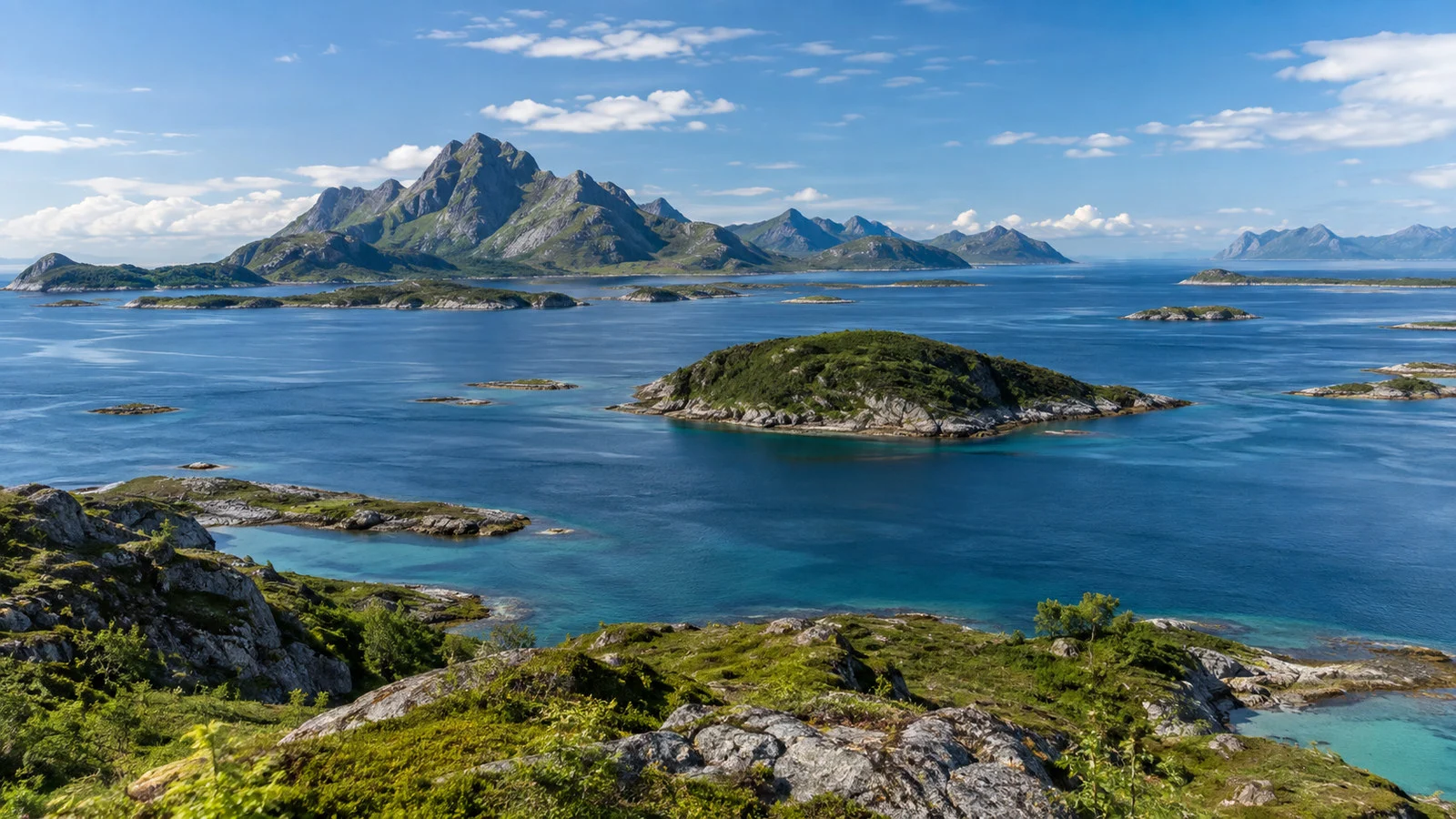
In summer, extended twilight and the midnight sun season create a different mood. The best view may come from the ship as it sails through open water rather than from the quay during a brief operational stop.
Turn off bright screens and give your eyes time to adjust if the crew announces aurora activity. Use a safe open-deck area and respect temporary closures caused by weather or port work.
Food, drink, and practical services
Nesna has local businesses, accommodation, and dining, but their hours may not align with an early or short coastal call. Do not leave the quay expecting a cafe purchase when you have only a few minutes.
Raus Bryggeri near the ferry area is one local name highlighted by regional tourism sources. A tasting or tour belongs in a longer stay with confirmed opening and transport timing, not in a rapid stop before the ship sails.
Norway uses the Norwegian krone, and card payment is widespread. Carry a physical card because a phone wallet depends on battery, signal, and compatible terminals.
The coastal-route pier waiting room is identified by Visit Helgeland as a public-toilet location, but availability and access can change. Use the ship’s facilities before disembarking when time is tight.
A realistic plan by time available
Five to fifteen minutes
Step ashore only if crew permit it, stay beside the correct quay, take a few photographs, and return early. Do not walk to an attraction, store, church, or ferry stop.
Thirty to sixty minutes
Take a short village or waterfront loop only after the crew confirms the full window. Set an alarm, keep the ship visible when possible, and turn back sooner than feels necessary.
Two hours or more
Consider the church exterior, historic buildings, marina views, or the museum if current hours align. Do not add an island ferry unless the visit was designed around that connection and an alternative return plan exists.
An overnight stay
This is when the Nesna islands, hiking, cycling, local dining, and the wider Scenic Route become realistic. Build the schedule with Reis Nordland and official tourism guidance rather than adapting a cruise-call plan.
Common mistakes
The biggest mistake is assuming every Nesna call lasts ten minutes. Schedules differ, and your operator’s live information is the only timing that matters.
The second mistake is walking toward a sight because it looks close without accounting for loading operations and an immediate departure. A short port call is over before most travelers expect it.
The third mistake is boarding a local ferry or express boat without a protected return plan. A regional transport connection does not wait for your coastal vessel or guarantee a same-day alternative.
Another mistake is calling Nesna an Arctic town simply because the ship soon crosses the Arctic Circle northbound. Nesna is south of the line, and the relationship changes with travel direction.
Finally, do not promise yourself northern lights, midnight sun, or clear mountain views. Weather and season determine what is visible, while the coastal landscape remains worthwhile in quieter conditions.
Quick answers
Can I leave the ship in Nesna?
Usually passengers may step ashore when the gangway opens, but permission and time depend on the call. Follow crew announcements and stay extremely close during a short stop.
Is Nesna north of the Arctic Circle?
No. Northbound coastal ships cross the Arctic Circle after leaving Nesna and before the later port of Ørnes.
Can I visit the islands during the call?
Not during a routine brief stop. Plan Tomma, Hugla, or Handnesøya as a longer independent stay with confirmed ferry times and a return contingency.
Is there anything to see near the port?
The working harbor, fjord, islands, and village setting are the immediate experience. With more time, the church, historic buildings, marina, and museum add context.
Do I need cash?
Most routine purchases can be made by card, but a physical backup card is sensible. Norway uses the Norwegian krone, not the euro.
Is the stop accessible?
The answer depends on the vessel, gangway, weather, and exact quay path. Ask the crew for a condition-specific assessment before disembarking.
Final word
Nesna rewards travelers who understand what the call is meant to be. On a coastal route, it may offer only a vivid glimpse of working Helgeland before the ship continues toward the Arctic Circle or south along the coast.
Use the minutes honestly, keep safety ahead of sightseeing, and save the islands and mountains for a proper return. A brief view of the quay, village, and surrounding water can still be one of the journey’s most authentic moments.
Research note
This guide was checked against current information from Visit Helgeland, Reis Nordland, and Norwegian Scenic Routes. Time-sensitive details were reviewed on September 12, 2026, but sailing times, berth use, gangway access, local transport, museum hours, weather, and services can change.
More on this topic: browse every guide on expedition and alternative cruises.