Genovesa Island Cruise Guide: Darwin Bay and El Barranco
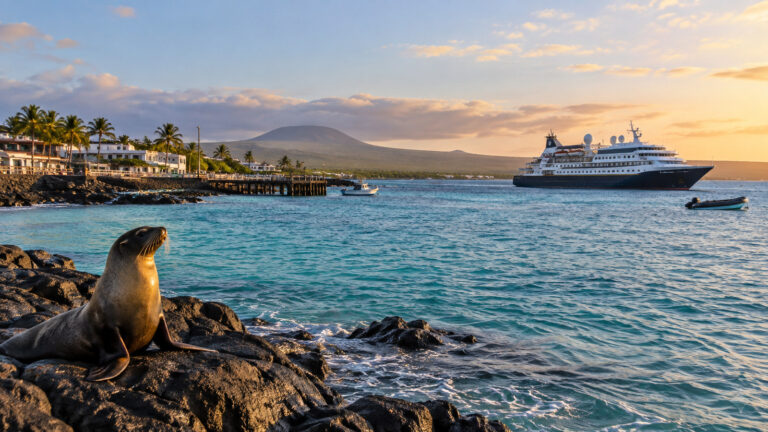
Genovesa is the Galapagos stop bird lovers circle before they even choose a cabin. This remote, uninhabited island has no cruise terminal, town, or independent sightseeing, just two carefully managed visitor sites reached by panga.
Most ship visits pair the sandy shoreline at Darwin Bay with the rocky landing and climb at El Barranco, better known as Prince Philip’s Steps. Conditions, park schedules, and the ship’s authorized itinerary decide what actually happens.
My quick take
I would choose Genovesa for close, patient birding rather than dramatic scenery alone. Red-footed boobies, Nazca boobies, frigatebirds, swallow-tailed gulls, storm petrels, and other seabirds make the island feel wonderfully busy from the moment the panga approaches.
The important caveat is physical access. Darwin Bay is generally the gentler outing, while El Barranco begins with a rocky transfer and steps before continuing across exposed volcanic terrain.
There is no independent backup plan if you skip the guided walk. Ask your expedition leader whether a panga cruise or shorter shore option is possible, but understand that wildlife, sea state, and park rules come first.
Genovesa Island quick facts
- Main visitor sites: Darwin Bay and El Barranco, also called Prince Philip’s Steps.
- How you arrive: By panga from an authorized Galapagos expedition vessel, with no public pier or cruise terminal.
- Landing style: Darwin Bay is typically a wet beach landing, while El Barranco uses a rocky landing followed by steps.
- Independent access: Not practical because Genovesa is uninhabited protected land and visits follow approved routes with naturalist guides.
- Money and services: There are no shops, restaurants, restrooms, ATMs, or visitor facilities ashore.
- Time: Follow ship time because onboard schedules govern every landing and activity.
- Best known for: Dense seabird activity, especially boobies, frigatebirds, gulls, and storm petrels.
- Mobility: Both sites require panga transfers, and El Barranco adds steps and rough lava walking.
Where Genovesa sits in the Galapagos
Genovesa lies in the northern part of the archipelago and is separated from the main inhabited islands. Reaching it usually requires a longer sailing segment, which is why the island appears only on certain licensed cruise routes.
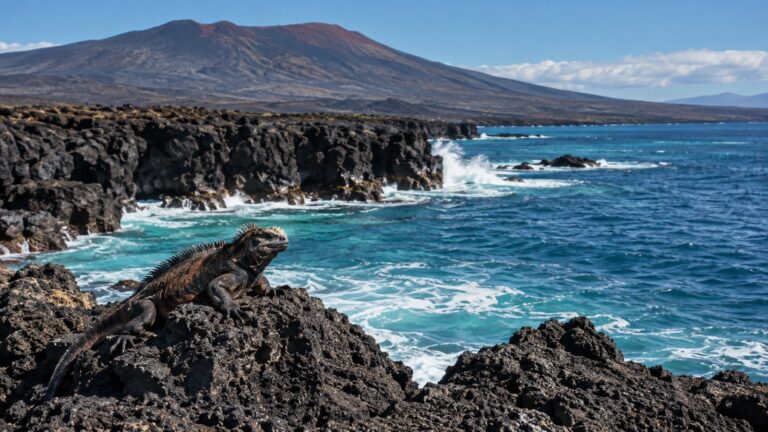
The island’s flooded volcanic form creates Darwin Bay, where expedition vessels can operate inside a protected-looking but still weather-dependent setting. Its isolation is a large part of the appeal and also the reason there is no town-day alternative.
The wider Galapagos World Heritage site is recognized for its volcanic processes, isolation, and exceptional animal life. UNESCO notes that uninhabited islands are tightly controlled through planned tourist itineraries and limited visitation.
That protection shapes your entire day. The route, timing, group size, guide instructions, and places where you may stop are part of visitor management, not optional suggestions.
Arriving by panga
Your ship anchors offshore and transfers guests in small inflatable boats commonly called pangas in the Galapagos. Boarding may require steps down to a platform, a firm crew-assisted grip, and enough balance to enter a boat that moves with the water.
Wear your life jacket exactly as the crew demonstrates and keep both hands available during the transfer. Cameras, phones, and water bottles should be secured before you leave the ship rather than managed while stepping aboard.
A dry landing does not mean effortless access. It means you step onto rock without entering the water, but the panga can still rise and fall beside an uneven surface.
A wet landing usually places your feet in shallow water before you walk onto sand. Quick-drying clothing, secure water shoes if the operator permits them, and a small dry bag make the process much easier.
Darwin Bay landing
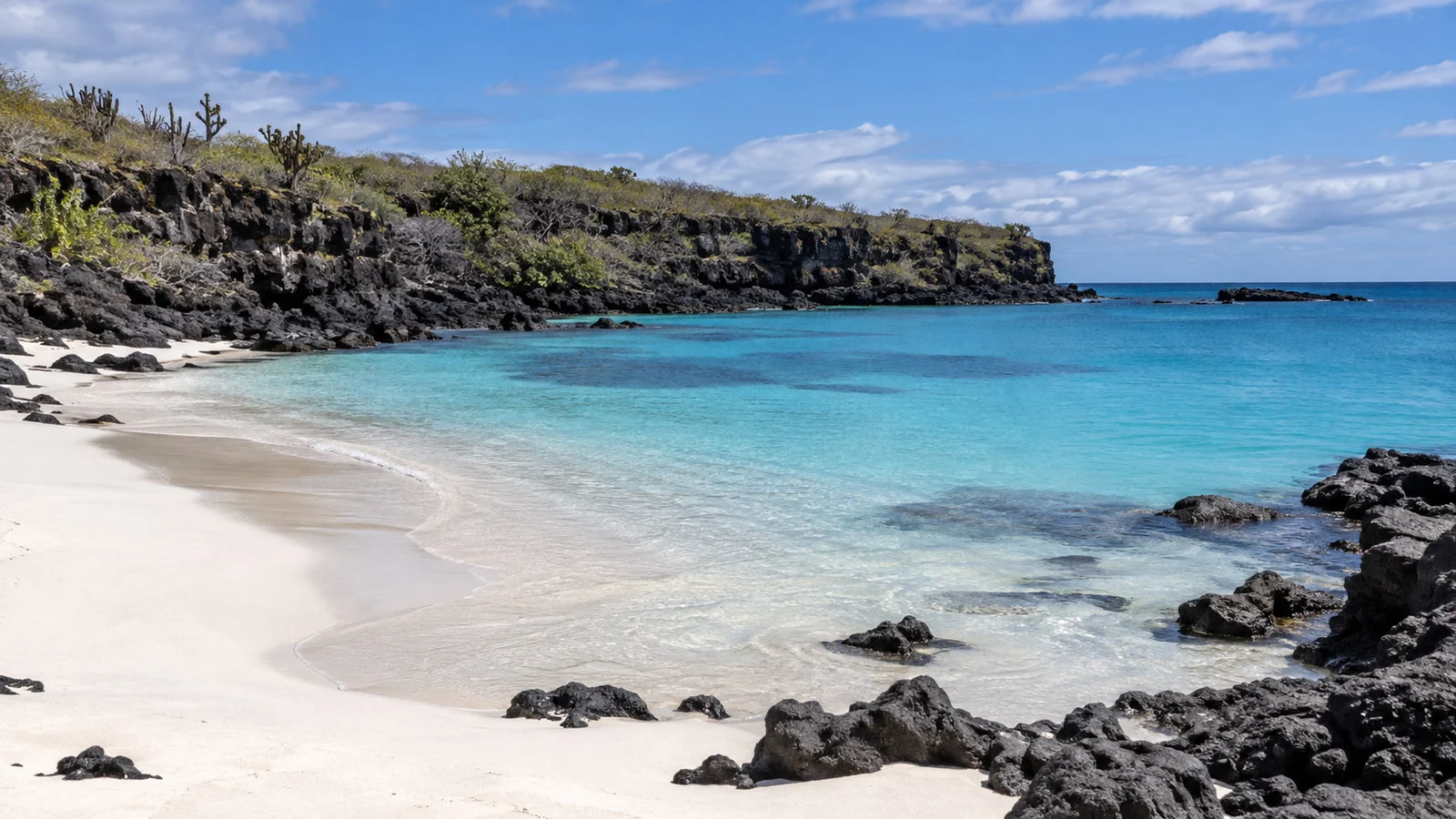
Darwin Bay normally begins with a wet landing on a pale beach. The visitor route then moves through low vegetation and along the shore, with bird activity often starting immediately around the landing area.
The terrain is generally less demanding than El Barranco, but it is not accessible in the way a paved attraction would be. Soft sand, shallow water, coral fragments, roots, and uneven patches can challenge anyone with balance or joint concerns.
Red-footed boobies are a signature sight here because they nest in shrubs and small trees, unlike the ground-nesting boobies many travelers expect. Frigatebirds may also occupy the vegetation, and males can display inflated red throat pouches during courtship periods.
Swallow-tailed gulls add another Genovesa specialty. Their large eyes and nocturnal feeding habits are fascinating, but nesting locations and activity vary, so let the guide find the best view without stepping off route.
The beach can also host sea lions and shorebirds, though every outing is different. Never block an animal’s route between land and water, and move back if a guide sees signs of stress.
El Barranco and Prince Philip’s Steps
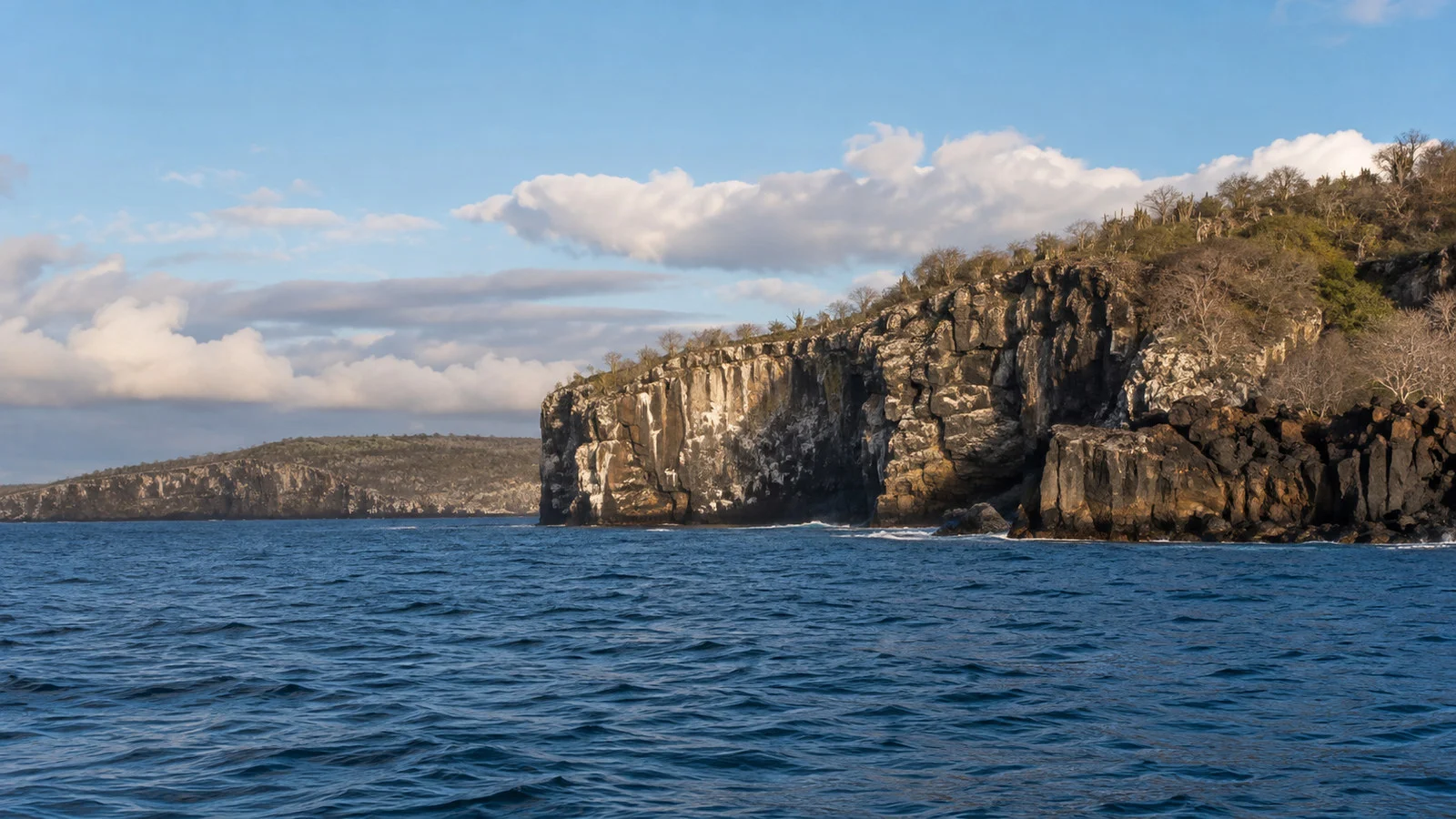
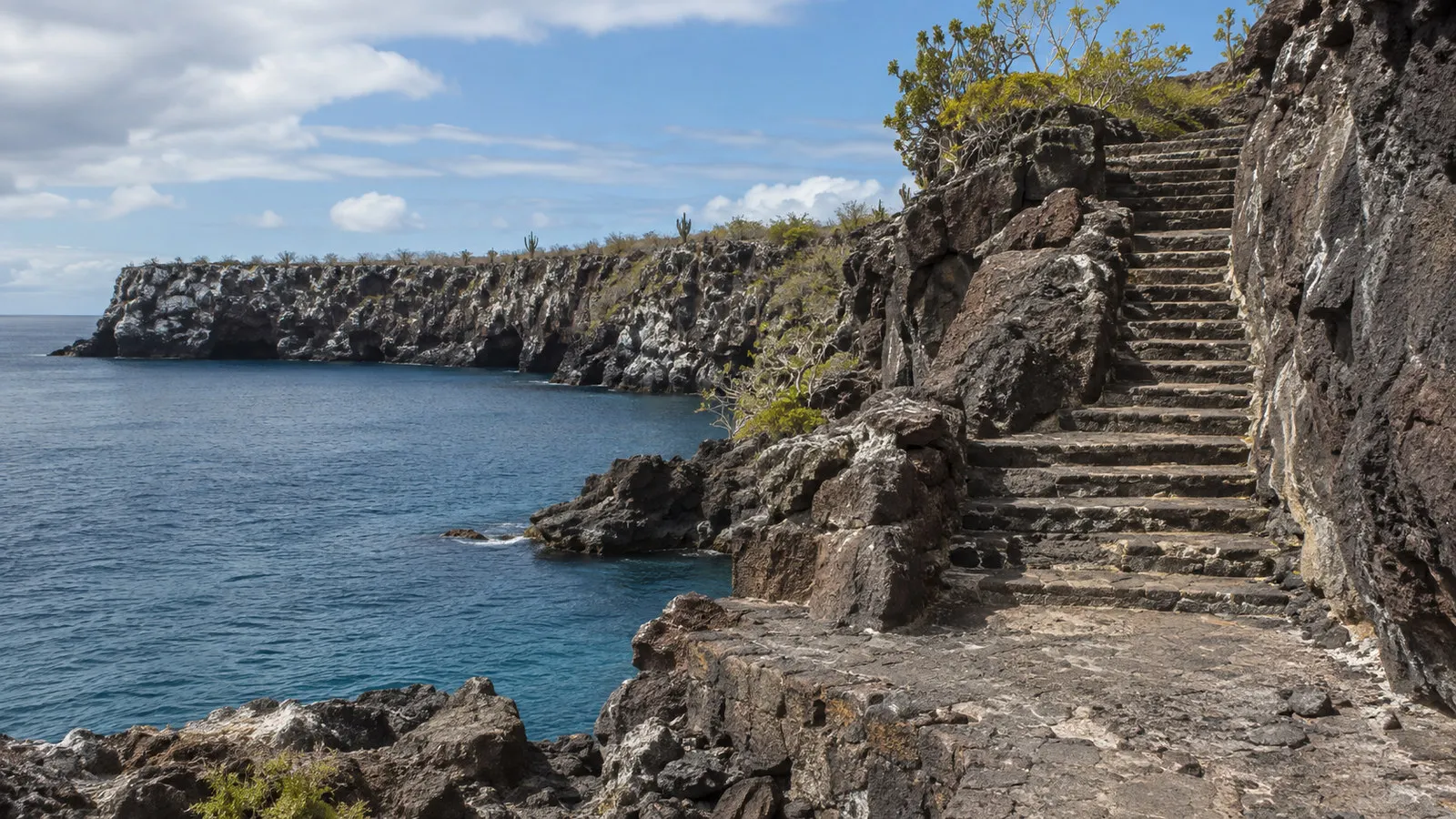
El Barranco starts from a rocky landing below the cliff. The route climbs a built set of steps and then continues over a plateau of broken, irregular lava.
This outing requires more confidence underfoot than Darwin Bay. There may be no shade, conventional railing, smooth path, or easy place to sit once the group is moving.
Nazca boobies and other seabirds nest around the route, while storm petrels gather near the outer cliffs. Genovesa’s short-eared owls sometimes hunt petrels during daylight, but an owl sighting is never guaranteed.
The guide may pause frequently for wildlife, interpretation, and group spacing. If you know you walk slowly, tell the expedition team before boarding so they can discuss the pace and realistic options.
Do not attempt the steps simply because the landing is described as dry. The panga transfer, climb, heat, and rough plateau all need to fit your actual mobility on the day.
Birding without disturbing the birds
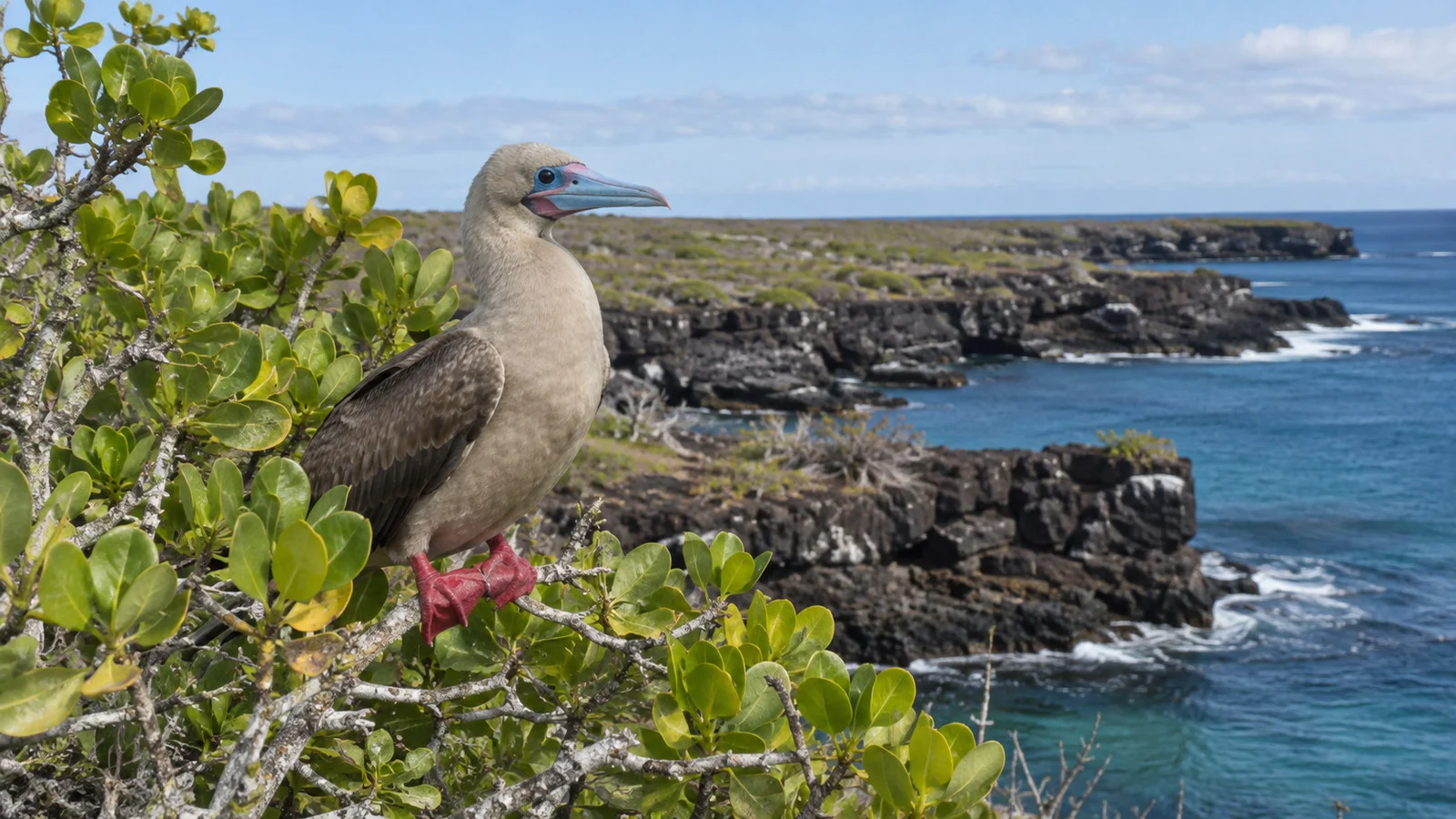
Genovesa’s birds can appear remarkably calm around people, but that does not mean they are inviting contact. Stay on the guide’s route, keep the required distance, and never reach toward a bird, chick, nest, or egg.
If a bird crosses the trail, stop and give it space rather than walking around into vegetation. Your guide may reroute or hold the group to keep an open path between nesting and feeding areas.
Long camera lenses help you capture behavior without moving closer. Turn off sounds and flashes where instructed, and avoid crowding one animal with a wall of phones.
The Galapagos National Park visitor rules support controlled tourism rather than free roaming. Treat your naturalist guide’s instructions as part of conservation and as a condition of the visit.
Pack out everything you bring and do not collect shells, stones, feathers, or plant material. Even something that looks loose or abandoned belongs in the ecosystem.
Can you visit independently?
Genovesa has no settlement, hotel, ferry dock, taxi, rental vehicle, or public trailhead. Cruise access is tied to authorized itineraries, assigned visitor sites, and naturalist-led activities.
Your meaningful choice happens before the trip when you select the vessel and route. Confirm Genovesa by name on the detailed itinerary because it cannot be added casually once you are already in the islands.
Even an advertised visit remains subject to safe operating conditions and park management. A captain or expedition leader may shorten, reorder, substitute, or cancel an activity when conditions require it.
If you prefer independent travel, save that style for the inhabited islands before or after your cruise. Genovesa is specifically valuable because access remains controlled and the shore has not been developed for casual tourism.
Mobility and accessibility
Neither visitor site offers conventional wheelchair access. The combination of a moving panga, beach or rock transfer, natural surfaces, and a remote setting creates barriers that a brochure’s short walking distance may not reveal.
Darwin Bay may suit more travelers because its route is flatter, but the wet landing and soft sand still require strength and balance. El Barranco adds the immediate climb and a rough lava trail that can punish unstable ankles or knees.
Ask the operator precise questions before paying. Useful topics include gangway steps, panga boarding, crew assistance limits, beach depth, walking pace, trail length, and whether remaining in the panga is ever allowed.
Do not rely on a generic claim that an expedition ship is accessible. Cabins and interior elevators may be accessible while remote shore operations are not.
A panga cruise can sometimes be a rewarding alternative, but currents, wildlife zones, and the day’s staffing decide whether one is offered. No specific accommodation should be assumed without written confirmation from the operator.
Weather, seasons, and sea conditions
The Galapagos has meaningful seasonal changes even though it sits on the equator. Warmer, wetter months often bring stronger sun and warmer water, while the cooler garua period can bring cloud, mist, wind, and livelier seas.
Conditions vary from day to day and do not follow a perfect calendar. Choose travel dates around your wider wildlife priorities, then prepare for both sun and spray whenever Genovesa appears on the schedule.
The sun can be intense on exposed trails, especially at El Barranco. Wear a secure hat, protective clothing, sunglasses, and sunscreen, then carry the water your ship recommends.
Rain protection should be light enough to pack into a small bag but reliable during a passing shower or wet panga ride. Avoid loose ponchos or hats that can flap, snag, or blow away near wildlife.
If you are prone to motion sickness, remember that Genovesa can require an overnight passage from another part of the archipelago. Discuss medication with a medical professional and follow the ship’s advice about timing.
What to wear and carry
For Darwin Bay, wear footwear that can get wet and still provide traction if your operator allows it for the trail. For El Barranco, prioritize secure soles and ankle stability over beach comfort.
Some ships ask guests to change shoes after a wet landing, while others specify one approved pair for the whole outing. Follow your vessel’s briefing because procedures are designed around both safety and biosecurity.
Carry only what you can manage hands-free during the transfer. A compact dry bag, refillable water bottle, binoculars, camera, sunscreen, and any personal medication are usually enough.
Binoculars are especially useful at cliff viewpoints and for observing nesting birds without approaching. A lightweight pair you will actually carry is better than a heavy model left in the cabin.
Leave food and unsecured packaging on the ship unless the expedition team says otherwise. Check pockets and fasteners for seeds or debris, and complete every cleaning step before and after shore visits.
Snorkeling and panga cruising
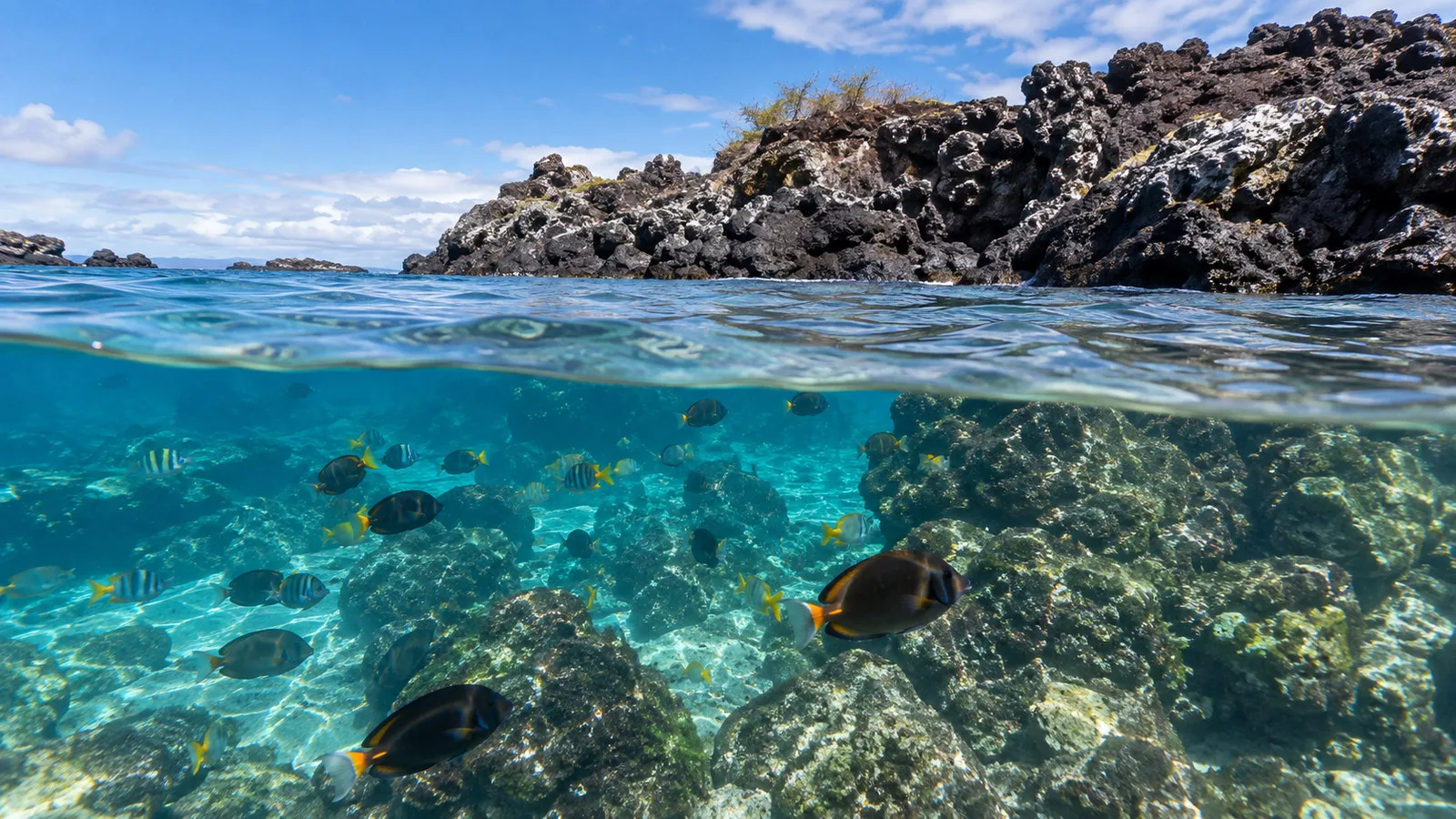
Some itineraries pair a Genovesa walk with snorkeling or a panga cruise. These activities depend on the ship’s approved program, currents, visibility, wildlife, sea state, and the expedition leader’s assessment.
Do not assume both landing sites include a swim. Read the daily plan and attend the briefing because the activity location may differ from the walking landing.
For snorkeling, confirm whether the ship supplies a wetsuit, mask, snorkel, and fins. Water temperature tolerance varies, and a well-fitting wetsuit can matter more than the number shown in a general seasonal guide.
Follow entry, exit, buddy, and wildlife instructions closely. Remote snorkeling offers no beach club or independent lifeguard, so the expedition team’s limits are final.
Safety and medical planning
There is no public clinic, pharmacy, rescue post, or cellular service on Genovesa. Your vessel provides the immediate response, and a serious medical problem can require a long, complicated evacuation.
Bring required medication in original packaging and keep essential doses with you during the trip. Tell the ship’s medical team about relevant conditions through the operator’s formal process rather than waiting for a problem ashore.
Travel insurance should satisfy the cruise line’s requirements and reflect the cost of remote evacuation. Read the policy language for preexisting conditions, adventure activities, missed connections, and medical transport.
Heat, dehydration, a turned ankle, and a poor panga transfer are more realistic concerns than dramatic wildlife encounters. Move deliberately, use the offered handhold, and speak up early if you are struggling.
Timing and returning to the ship
Your guide will set the pace and final boarding time for each panga group. Stay with the group because there is no independent tender service and no alternate place to wait ashore.
Wildlife can pause a trail, so the team may adjust time at a viewpoint or begin the return earlier than expected. Follow the guide instead of using a personal estimate based on distance.
Before leaving any stop, check the ground around you for straps, bottle caps, lens covers, and other small items. Nothing should be left behind, even accidentally.
Once back aboard, complete the ship’s cleaning routine before entering shared spaces. The procedure helps prevent organisms and debris from moving between visitor sites.
How Genovesa fits an itinerary
Galapagos cruise routes are regulated and often alternate between defined itineraries. Genovesa therefore appears on specific departures rather than as an optional excursion that every ship can add.
Compare the actual day-by-day route, not just the cruise length or marketing name. Two sailings on similar vessels can visit very different islands and wildlife zones.
Most travelers reach the Galapagos by air from mainland Ecuador before joining their vessel around Baltra or San Cristobal. The current Galapagos government entry guidance should be checked for required documents and controls before travel.
Build time into mainland connections and arrive with every operator document completed. Genovesa is too remote for a traveler who misses embarkation to catch up simply by taking a taxi or ferry.
Quick answers
Is Genovesa a cruise port?
Not in the conventional sense. It is an uninhabited protected island where expedition vessels use pangas to reach designated visitor sites.
Which Genovesa landing is easier?
Darwin Bay is generally gentler because the route is flatter. Its wet landing and soft sand can still be difficult for travelers with limited balance or mobility.
Are Prince Philip’s Steps very difficult?
The steps are only one part of the challenge. The rocky panga transfer, exposed climb, and uneven lava plateau all require steady footing.
Will I definitely see a short-eared owl?
No wildlife sighting is guaranteed. Guides may look for owls and explain their daylight hunting behavior, but the birds decide whether they appear.
Can I explore Genovesa alone?
No. Visitors follow authorized routes and the instructions of their naturalist guide and expedition team.
Are there restrooms ashore?
No visitor facilities should be expected at either landing. Use the ship’s restroom before boarding the panga.
The last word
Genovesa is worth choosing deliberately if seabirds are high on your Galapagos wish list. Darwin Bay offers the more forgiving walk, while El Barranco trades easier terrain for an extraordinary plateau and cliff environment.
Book the itinerary, not just the ship, and be honest about your panga and walking ability. Then let the guide control the route so the island remains a wildlife site first and a visitor attraction second.
How this guide was researched: Unless a first-hand visit is explicitly identified above, this guide is based on independent research using official park, government, conservation, and tourism sources where available. Logistics and time-sensitive details were reviewed in September 2026; see our Editorial Policy.
More on this topic: browse every guide on expedition and alternative cruises.