Cruise Ports With a Zoo or Aquarium Worth the Walk
A good aquarium is one of the few port day plans that works in the rain, works with a five year old, and ends when you say it ends. A bad one is three sad tanks, a gift shop, and money you will not get back.
My quick take
I treat a port aquarium the way I treat a museum. It is a weather-proof, guaranteed-open, walk-back-whenever plan, and on a day with a tight all aboard that is worth a lot.
What I will not do is pretend they are all the same. Some of these places run rescue programs and publish their research, and some are a dark hallway of tanks charging city-attraction prices, so I check what I am buying before I hand over a card.
The quick facts
- Walkable winners: Genoa, Tampa, Cape Town and Osaka put a major aquarium within a short walk of the berth.
- Short ride, still easy: Boston, Lisbon, Sydney and Long Beach need a taxi, ferry or metro leg you should price before you go.
- Time needed: Budget two to three hours inside a large aquarium and half that for a small one.
- Tickets: Almost all of these sell online for a set date, which is usually cheaper and faster than the window.
- The markup: A ship excursion to an aquarium you could walk to is the least useful excursion money you can spend.
What actually makes a port aquarium worth your money
The most useful signal I know is accreditation. In the United States and Canada, the main regional program re-inspects members every five years on welfare, veterinary care and conservation, and only around one in ten licensed animal exhibitors clears it.
That badge usually sits in the website footer. If a place displays nothing of the kind and never says where its animals came from, the silence is information.
Outside North America there is no single equivalent stamp, so I read the conservation pages instead. A turtle rehabilitation unit or a published release program is a real answer, and a homepage built around a photo op is also an answer.
Genoa is the closest big aquarium to any cruise berth in Europe
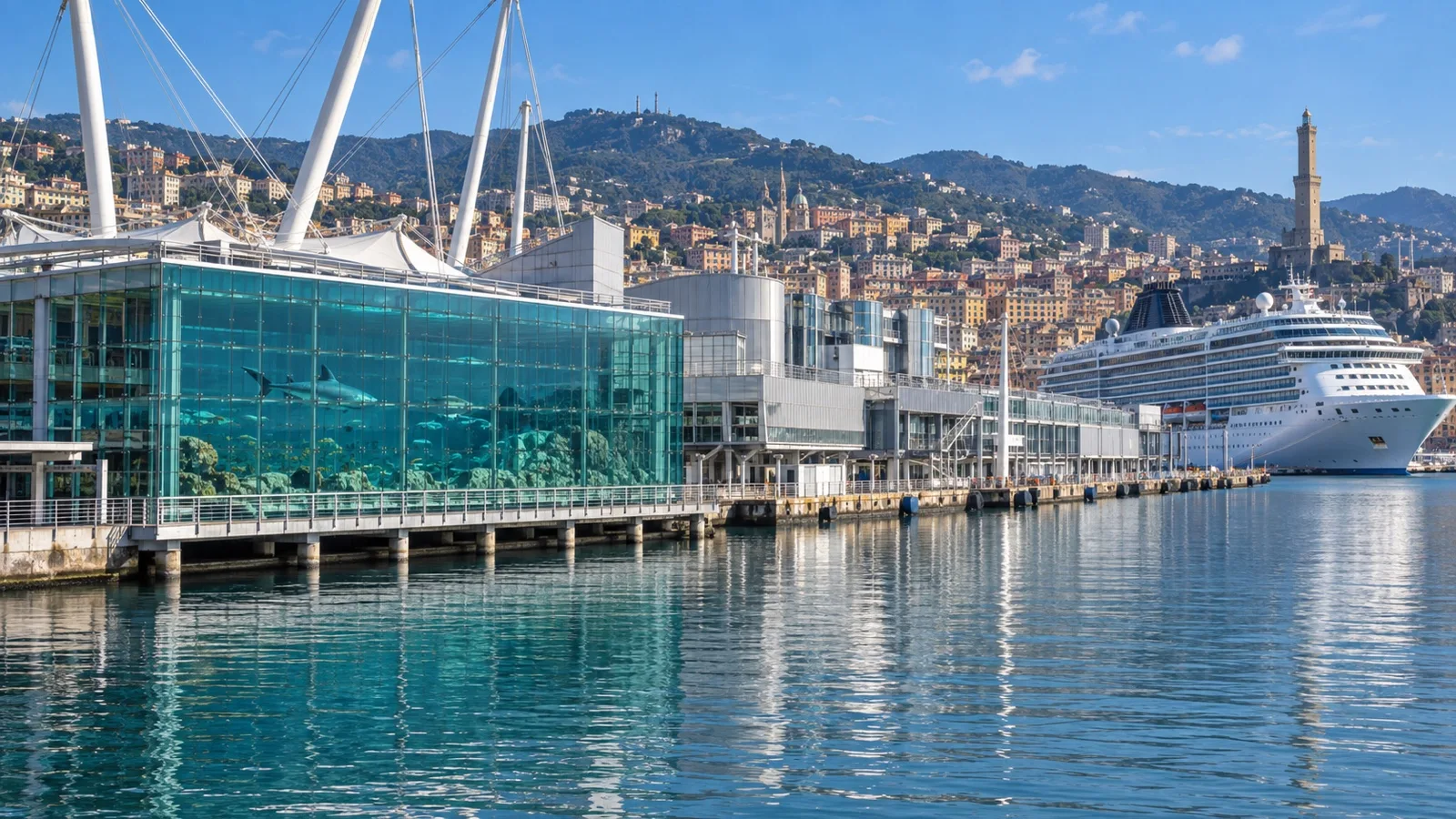
Ships tie up at the Stazione Marittima complex, and from Ponte dei Mille it is roughly a 10 to 15 minute walk to Porto Antico, where the aquarium sits on the water. From Ponte Andrea Doria it is closer to 20 to 25 minutes through a working port, which is less pleasant but still perfectly walkable.
It is the largest aquarium in Italy and deserves two to three hours rather than a rushed one. My guide to the Genoa cruise port covers the walk into the old town if you want both.
One honest caveat. It keeps bottlenose dolphins in an outdoor cetacean pavilion with twice-daily public feedings, which some visitors love and some find hard to watch.
Tampa puts one about ten minutes from the ship door
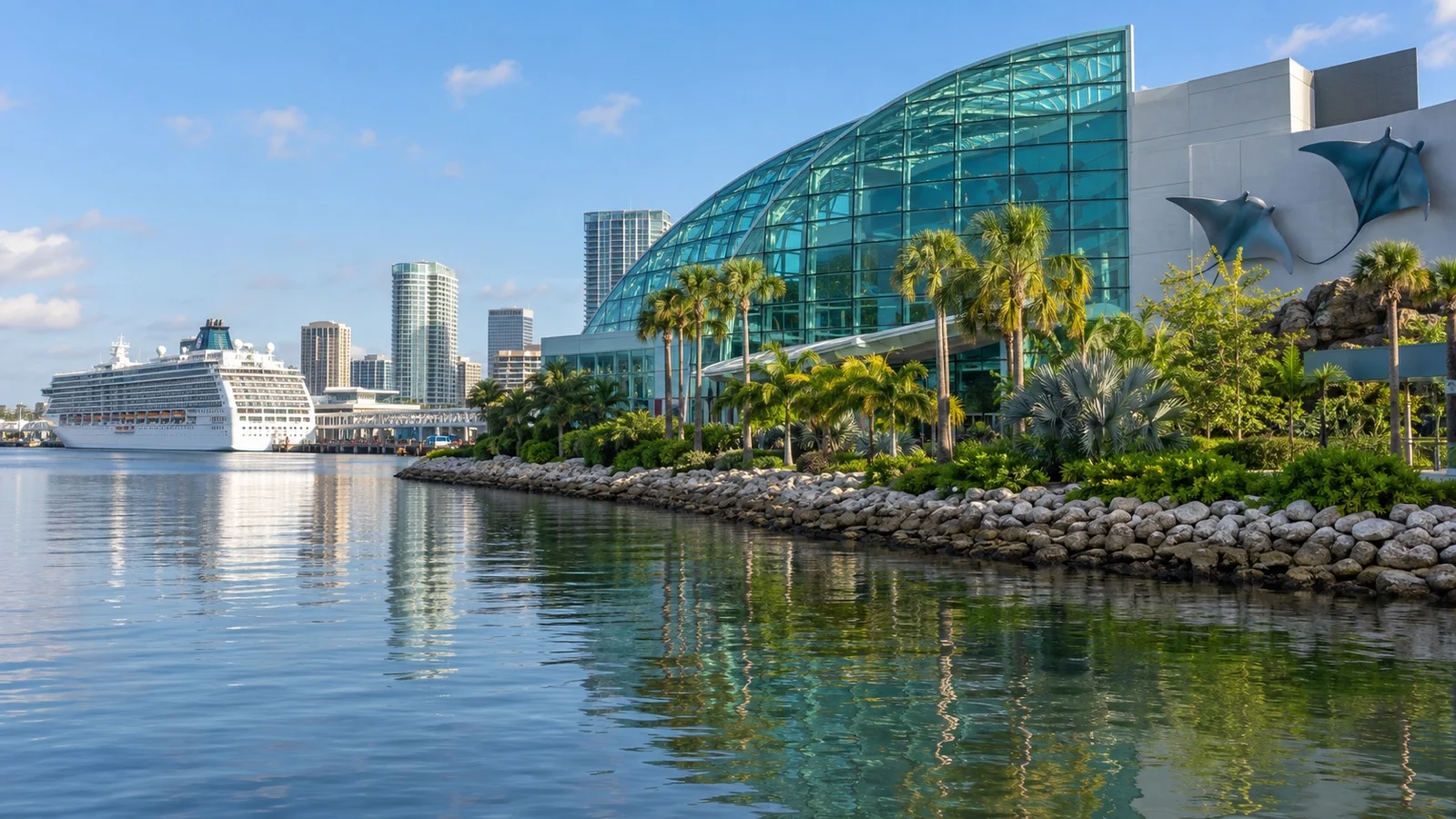
The Florida Aquarium sits on Channelside Drive between the cruise terminals, a few minutes on foot from where you walk off. That is the shortest gap on this list for a large, seriously run facility.
It holds the North American accreditation plus a separate welfare certification, and it runs coral reproduction and sea turtle rescue work. It opens at 9am, and since Tampa is mostly a homeport this is an embarkation-morning or day-before plan.
With a spare hour afterward, a fare-free streetcar runs about every 15 minutes from the Channel District to Ybor City. My Tampa cruise port guide has the terminal addresses.
Boston is a short ride and one of the better ones anywhere
Ships use the Black Falcon terminal in South Boston, roughly two miles (3 km) from downtown, so this is a ten minute taxi rather than a walk. The aquarium is on Central Wharf, right on the downtown waterfront.
It sells timed entry tickets, so pick a slot and buy before the day, especially in summer. It runs an ocean research center and works on right whales, sharks and sea turtles, and that shows in how the exhibits are written.
Combine it with a walk along the harbor and you have a good half day. Getting in and out is covered in my Boston cruise port guide.
Seattle only works if you dock at Pier 66
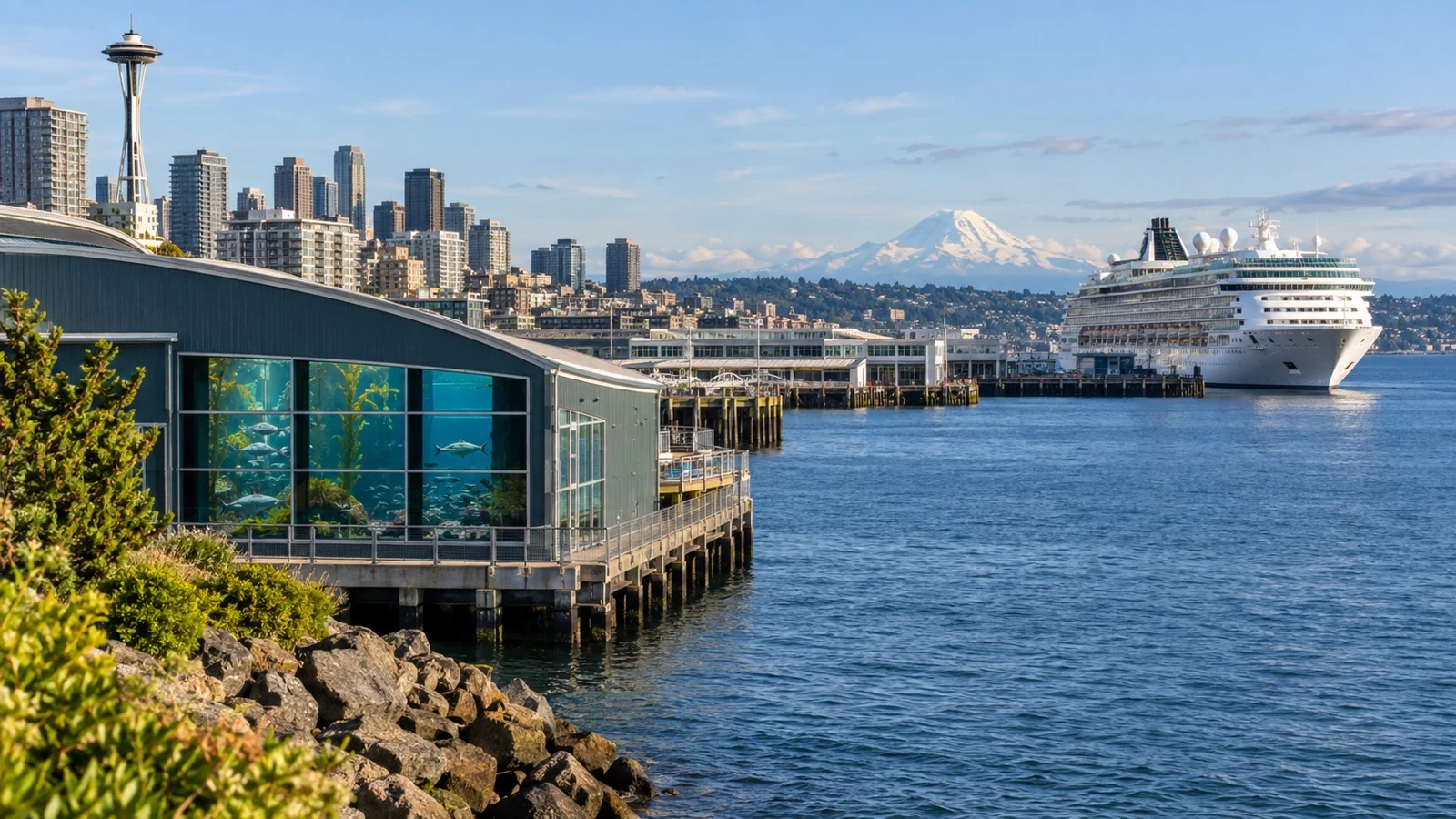
This is the one where your terminal assignment decides the whole plan. Pier 66 is downtown on the waterfront and the aquarium is closer than Pike Place Market, which is about a ten minute walk.
Pier 91 is about three miles (5 km) north and public transit does not reach it, so you are paying for a taxi both ways. That is still fine, but it changes the math from a stroll into an outing.
The aquarium spans Pier 59, Pier 60 and the newer Ocean Pavilion, opening at 9:30am with last entry at 5pm. Check your terminal in my Seattle cruise port guide before planning anything on foot.
Cape Town is the easiest walk on this whole list
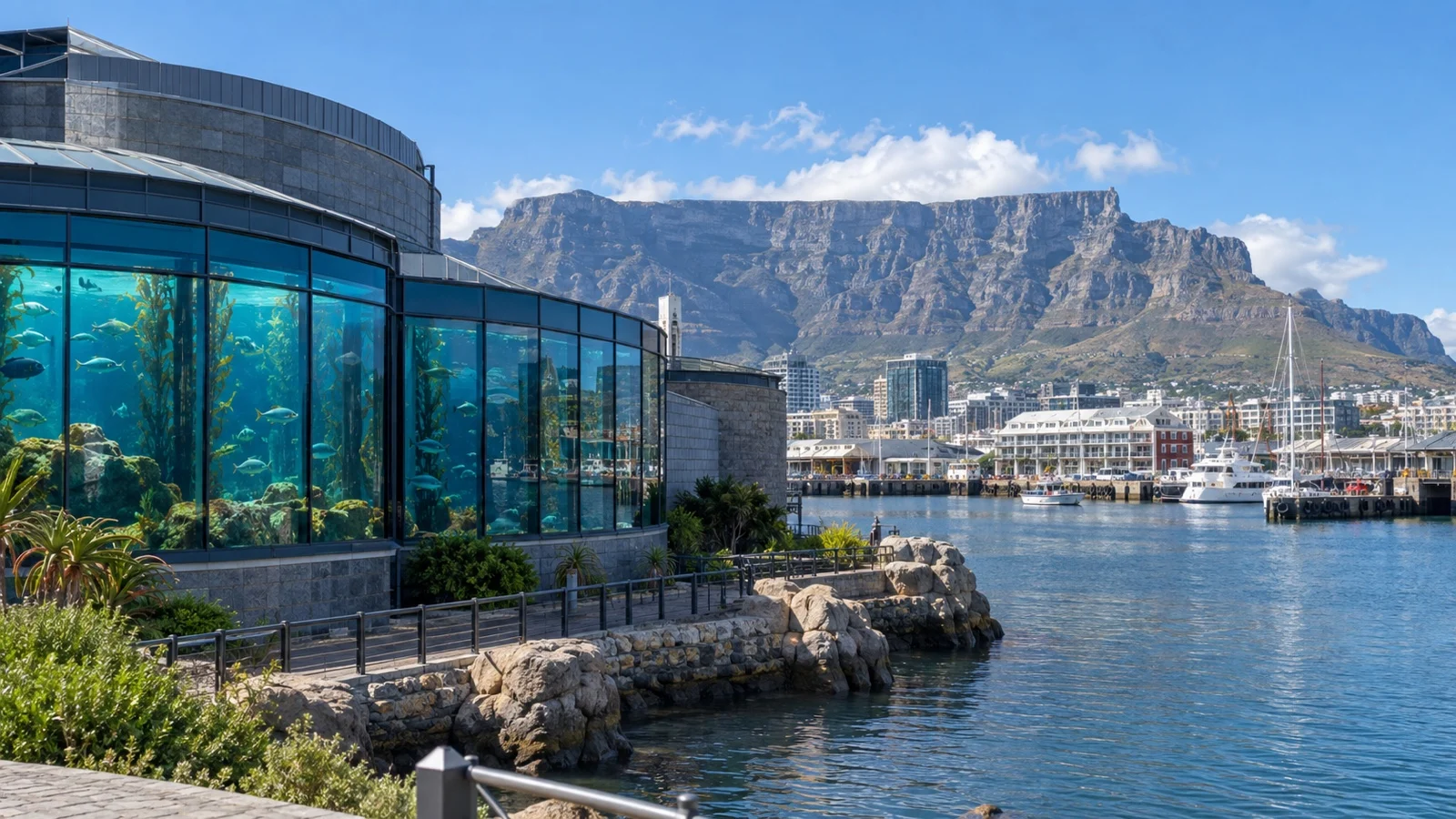
Ships berth at E-Berth in the Duncan Dock, about a mile (1.6 km) from the V&A Waterfront, and lines usually run a short shuttle. The aquarium there sits on Dock Road in the middle of the waterfront, open daily from 9:30am to 6pm.
It is genuinely good, and it is honest about what it does. It runs a turtle conservation center that rehabilitates and releases animals, satellite tags some of them and reports on where they go afterward.
The waterfront is flat and easy to move around, which is not true of the rest of a hilly, spread-out city. If mobility matters to anyone in your group, this is the Cape Town plan I would build the day around, and my notes on port activities that work with limited mobility explain why flat beats close.
Berth and shuttle detail is in my Cape Town cruise port guide.
Osaka is the one that is basically steps off the ship
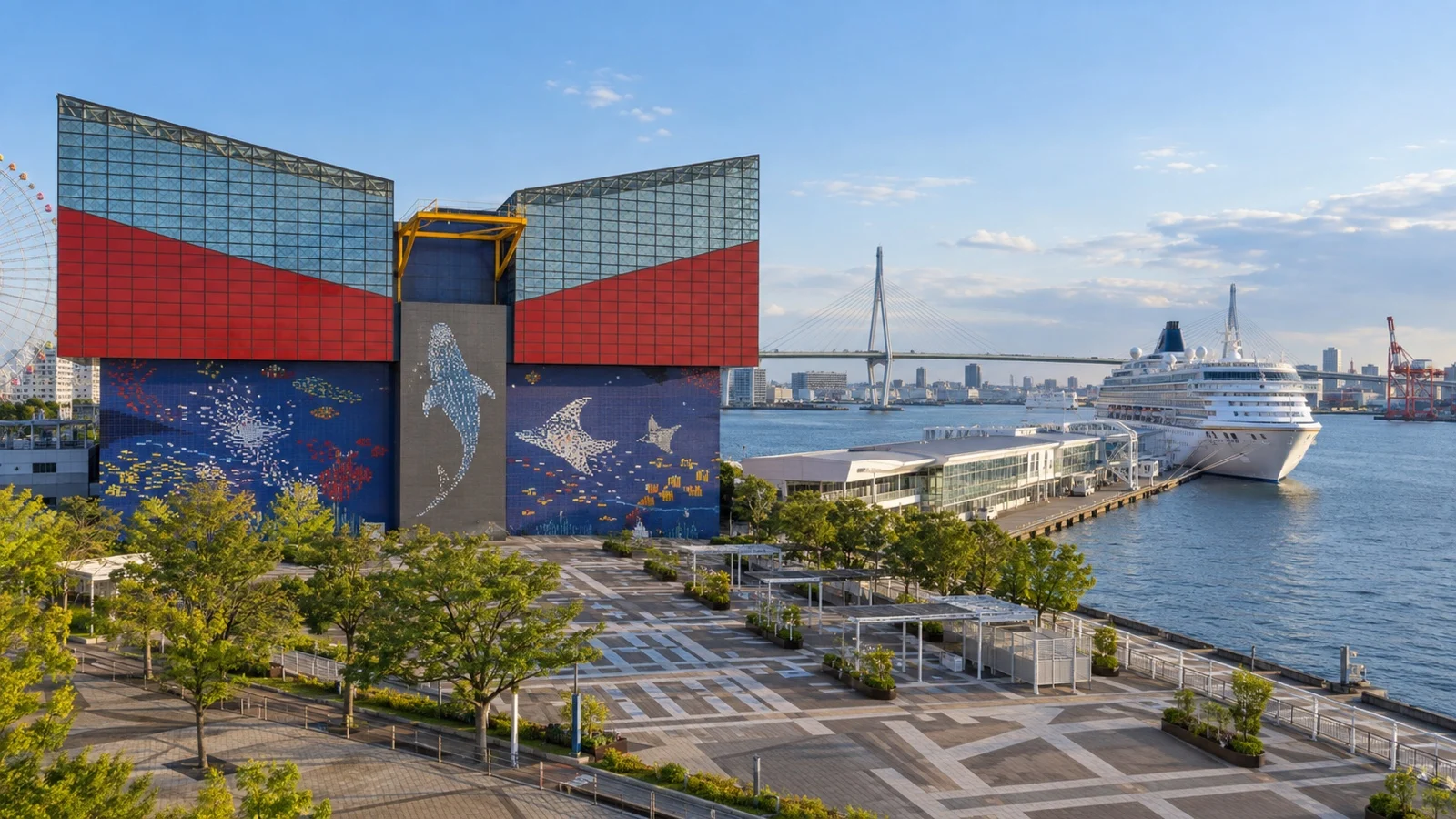
Most large ships come alongside at the Tempozan passenger terminal in the bay area, and Kaiyukan is right there in Tempozan Harbor Village. You walk off and you are essentially at the door.
It is one of the largest aquariums anywhere and is built as a single descending route through Pacific habitats, so you cannot shortcut it. Give it two to three hours and buy an e-ticket in advance.
The catch is the berth. Very large ships occasionally use a different wharf, so confirm yours in your port documents, and my Osaka cruise port guide explains what changes if you end up somewhere else.
Seward has a rescue center that happens to sell tickets
This one is a different animal, and I mean that literally. The center on Railway Avenue is a working wildlife response and research operation that admits injured and orphaned marine mammals, with a public gallery attached.
You are not looking at a collection assembled for display. You are looking at animals that mostly could not be released, and the staff will tell you so.
Getting there takes planning. Ships use the Alaska Railroad passenger dock at the head of Resurrection Bay, downtown sits farther south along the waterfront, and the seasonal free shuttle is usually more comfortable than the walk.
Shuttle stops are not timed, so leave a real return buffer. My Seward cruise port guide covers the terminal and the loop.
New Orleans and Long Beach are homeport plans, not port days
The New Orleans aquarium sits at 1 Canal Street on the riverfront, minutes from the Julia Street and Erato Street terminals, and one ticket now covers the insectarium next door. It opens at 10am with last entry at 4:30pm, a narrow window if you sail in the afternoon.
Treat it as an embarkation morning or a day-before plan. The terminals sit on the riverfront streetcar line, and my New Orleans cruise port guide has both addresses.
Long Beach is the awkward one. The Carnival terminal is the white dome on Pier H beside the Queen Mary, and the aquarium sits across Queensway Bay, so the road route loops the long way around the water.
A rideshare is the reliable answer, and a seasonal water taxi calling at the aquarium dock is the fun one. The aquarium is accredited, does rescue and rehabilitation work, and asks for reservations on weekends and holidays, and my Long Beach cruise port guide covers the water taxi quirks.
Lisbon and Sydney are worth the ride, not the walk
Lisbon’s oceanarium is out at Parque das Nações at Doca dos Olivais, roughly 15 minutes from the city center and a straight metro run to Oriente station. It opens 10am to 8pm with last entry at 7pm, which is the most forgiving window on this list.
It is not a walk from the cruise terminals, so build in the transit leg both ways. My Lisbon cruise port guide explains which terminal you are likely to get.
In Sydney the better pick is a zoo. A short ferry from Circular Quay lands you at a hillside site in Mosman with koalas, kangaroos and platypuses, plus the best skyline view of the whole cruise.
The Darling Harbour aquarium is easier if you dock at White Bay rather than the Overseas Passenger Terminal. Check your berth in my Sydney cruise port guide, because the two terminals point at different sides of the harbor.
The dolphin question, answered plainly
Captive cetaceans are the line where reasonable people stop agreeing, and I am not going to pretend otherwise. Several excellent facilities keep dolphins, several have quietly stopped, and a few countries have banned new captures outright.
What I will say is that a show is a different product from an exhibit. If the schedule is built around performances and photo packages rather than habitat, you are buying entertainment, and you should price it as entertainment.
The swim-with-dolphins excursions sold in warm-water ports are the sharper version of the same question. In United States waters, the official guidance on wild dolphins is to stay at least 50 yards (46 m) back, and feeding them is flatly illegal.
That tells you what the professionals think close contact does to an animal. Apply the same instinct to the enclosed version.
The ones I would skip
There is a category of small port aquarium that exists because a ship calls there. You can usually spot it in about ninety seconds of looking at the website.
Here is what I check before I write one off:
- No welfare or accreditation language anywhere: Not in the footer, not on an about page, not once.
- The photos are all people, not animals: Kissing, riding, holding, feeding.
- It only sells through cruise excursion desks: A place with local visitors has local pricing and local opening hours.
- Tiny footprint, big animals: A single small site advertising sharks, dolphins and big cats at once.
- No stated closing day, ever: Real institutions publish holiday closures and maintenance days.
None of these is proof on its own. Three of them together is enough for me to spend the morning somewhere else.
Tickets, lines, and what the ship charges
Almost every large aquarium here sells online for a specific date, and several use timed entry slots. Buying ahead is usually cheaper and always faster, and on a ship day the twenty minutes saved at the window is the twenty minutes you wanted for coffee.
Ship excursions to walkable aquariums are where the markup gets silly. You are paying a per-person premium for a bus ride you did not need and a guide who leaves you at the entrance anyway.
The exception is worth naming. If the aquarium needs a real transfer or the port has an awkward layout, the ship’s version buys the return guarantee, and that is the thing you are actually paying for.
My comparison of ship excursions against local tours and doing it yourself shows when each wins, and my guide to carrying cash and cards in port covers why ticket windows overseas are not always card-friendly.
Doing this with kids without wrecking the port day
An aquarium is the rare attraction where the kid sets the pace and nobody loses. It is indoors, it has restrooms, it has somewhere to sit, and you can leave at any point without having wasted the ticket.
The mistake people make is treating two to three hours as a suggestion. Add the walk, the ticket line, the gift shop negotiation and lunch, and a large aquarium is your whole morning.
So pick one anchor per port day and let everything else be optional. My port day bag list covers what to actually carry, and the short version for an aquarium day is water, a layer, and less than you think.
Quick answers
Which cruise port has the best aquarium you can walk to?
Genoa and Osaka are the two where a genuinely major aquarium sits within minutes of the berth. Tampa is the shortest walk of all, but it is a homeport rather than a port of call.
Should I book the ship excursion to the aquarium?
Not if you can walk there, since you are paying a premium for a transfer you do not need. Book it when the aquarium requires a real transfer and you want the return guarantee.
How long do I need at a big aquarium?
Two to three hours for a large one, and closer to an hour for a small waterfront site. Add the walk each way and the ticket line before you decide it fits your day.
Are cruise port zoos and aquariums ethical?
They vary enormously, from serious research and rescue institutions to roadside operations built for ship traffic. Check for accreditation and published conservation work before you buy, and skip anything selling close animal contact.
Can I buy aquarium tickets on the day?
Usually yes, but several of these use timed entry and sell out on busy days. Buying online for your date the night before costs the same or less and saves you the window line.
Final word
The aquariums on this list earn their place two ways, by being close enough to reach without a production and by being run properly. When both are true, it is one of the most reliable port days you can buy.
When only the first is true, it is a gift shop with a saltwater smell. Spend ninety seconds on the website before you spend the morning, and you will know which one you are walking into.
How this guide was researched: Each aquarium and zoo in this guide was checked in October 2026 against its own official pages for location, opening hours, ticketing and accreditation, alongside our own port guides for berth locations and walking distances. Opening hours, ticket formats, shuttle seasons and terminal assignments change often, so confirm the details for your own sailing date before you commit a port morning. See our Editorial Policy.
More on this topic: browse every guide on accessible and family cruise planning and shore excursions and DIY port days.