Jakarta Cruise Port: Tanjung Priok, Transfers and Traffic
Jakarta is an enormous, compelling city whose cruise port sits well outside the postcard center. Ships use Tanjung Priok in North Jakarta, and the day succeeds or fails on transport, traffic discipline, and the decision to see one coherent part of the capital.
This is not a port where I would walk through the gate and improvise a distant attraction. Prearrange a reliable transfer, protect a large return margin, and treat every extra stop as optional.
Quick Facts
- Port: Tanjung Priok, North Jakarta
- Port type: Major secure commercial harbor
- Currency: Indonesian rupiah
- Language: Indonesian, with English varying by setting
- Best first-time route: Kota Tua or the Merdeka Square area, not both at full depth
- Biggest constraint: Unpredictable road traffic
- Independent pickup: Confirm the exact terminal or port gate with your operator
- Entry check: Use Indonesia’s official immigration portal and the cruise line’s sailing-specific instructions
Tanjung Priok Is Not Central Jakarta
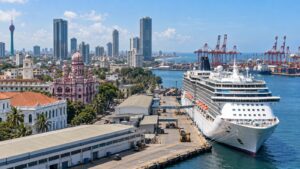
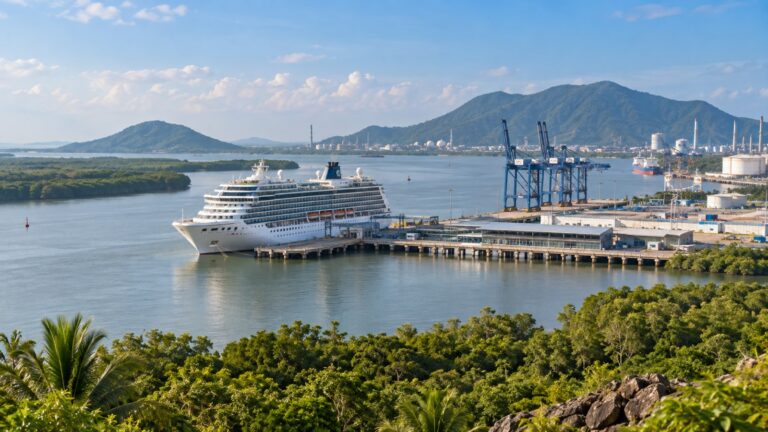
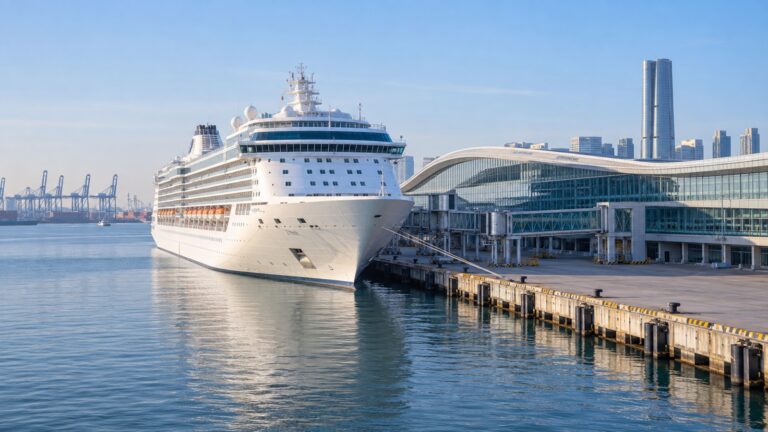
Tanjung Priok is Indonesia’s major port complex and a working landscape of terminals, freight traffic, security controls, and industrial roads. The itinerary may say Jakarta, but the gangway does not open beside Monas or Kota Tua.
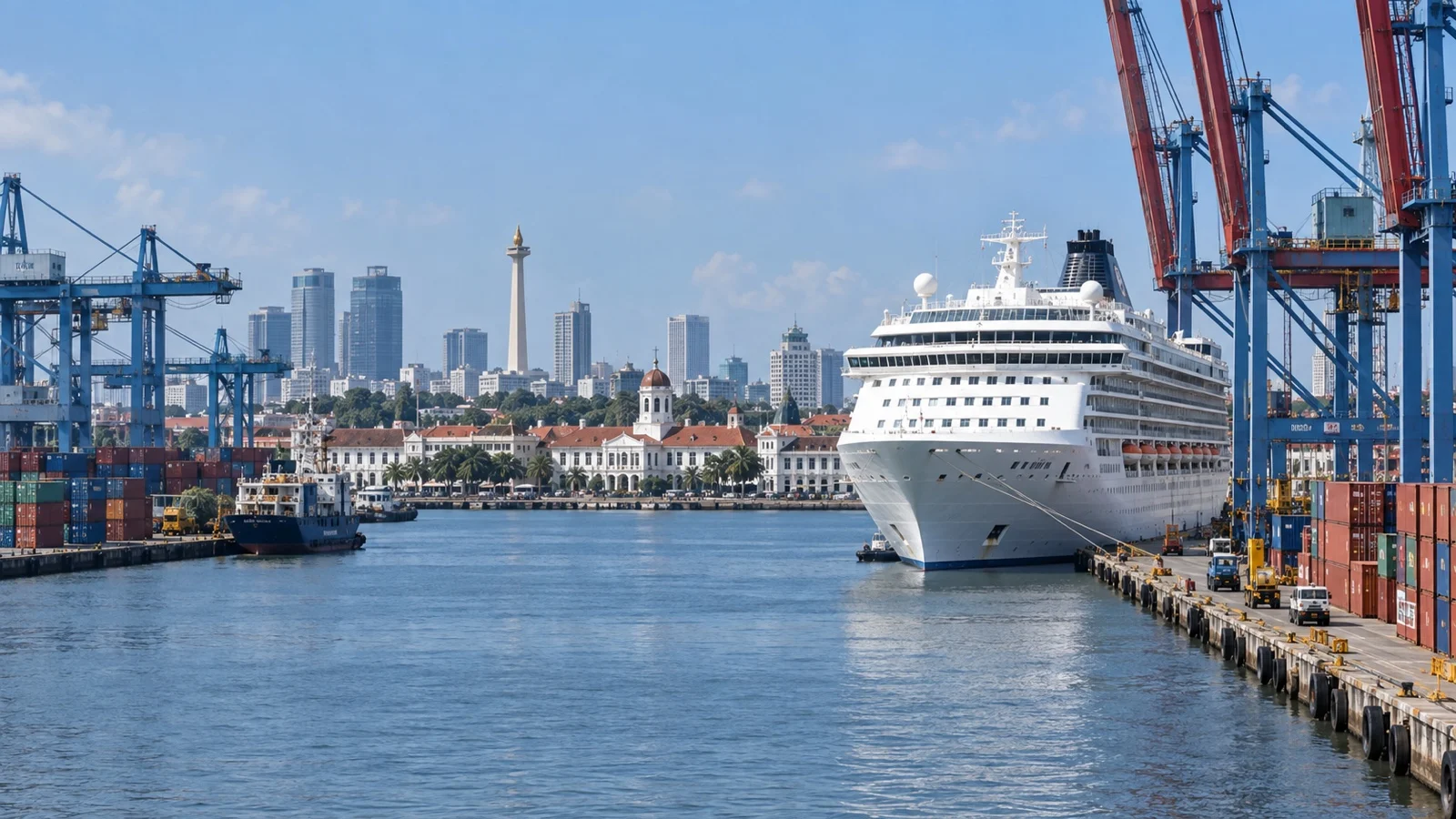
Pelindo manages port infrastructure, while the exact passenger location can vary by ship and operation. Confirm the terminal name, gate, shuttle, and approved pickup point after boarding.
A private driver who knows only that you arrive at Tanjung Priok may still be waiting at the wrong place. Send the ship name, berth notice, and a screenshot of the cruise line’s map.
Plan the Day in Traffic Blocks
Jakarta traffic is not a fixed transfer time that can be copied from a previous sailing. Rain, incidents, road works, weekday patterns, port congestion, and local events can reshape the route.
Think in three blocks: the port exit, the city experience, and the return to Tanjung Priok. The third block deserves the most conservative estimate because missing the ship is not solved by a cheap taxi.
Ask your driver to monitor live traffic and set a firm turnaround time before sightseeing begins. A good cruise-focused operator will cut a stop early rather than gamble on the final road.
If the call is short or clearance starts late, choose a northern Jakarta plan. Crossing the entire metropolis for one attraction may produce more windshield time than experience.
Getting Through the Port
Tanjung Priok is a secure commercial port, and pedestrian freedom depends on the assigned passenger facility. Use the cruise shuttle or authorized route to the meeting point instead of walking among trucks and container operations.
Ship excursions may collect passengers inside the controlled area. Independent drivers may need to wait beyond a gate or at a designated terminal zone, so confirm access in writing.
Keep your driver’s phone number and vehicle details offline. Mobile service can be inconsistent inside large port structures, and a recognizable meeting sign helps when several tours arrive together.
Choose One Jakarta
Jakarta’s scale makes it tempting to combine every famous name. A better port day picks one geographic cluster and lets weather and traffic decide whether a second stop fits.
For history, choose Kota Tua and the old harbor area. For national monuments and religious architecture, choose Merdeka Square, Monas, Istiqlal Mosque, and the cathedral area.
For food and contemporary city life, build a neighborhood-focused route with a local guide. The less time spent crossing between distant districts, the more Jakarta you actually experience.
Kota Tua and Old Batavia
Kota Tua preserves the civic heart of colonial Batavia around Fatahillah Square. Museums, old facades, street activity, cafes, and layers of difficult colonial history make it the most natural first route from North Jakarta.
A guide helps separate architectural nostalgia from the realities of colonial power, trade, and exploitation. Jakarta’s past should not be reduced to colorful shutters and bicycles.
Fatahillah Square
The square provides an easy orientation point and access to several museum buildings. Crowd levels, heat, rain, and temporary events can change how long you want to remain outdoors.
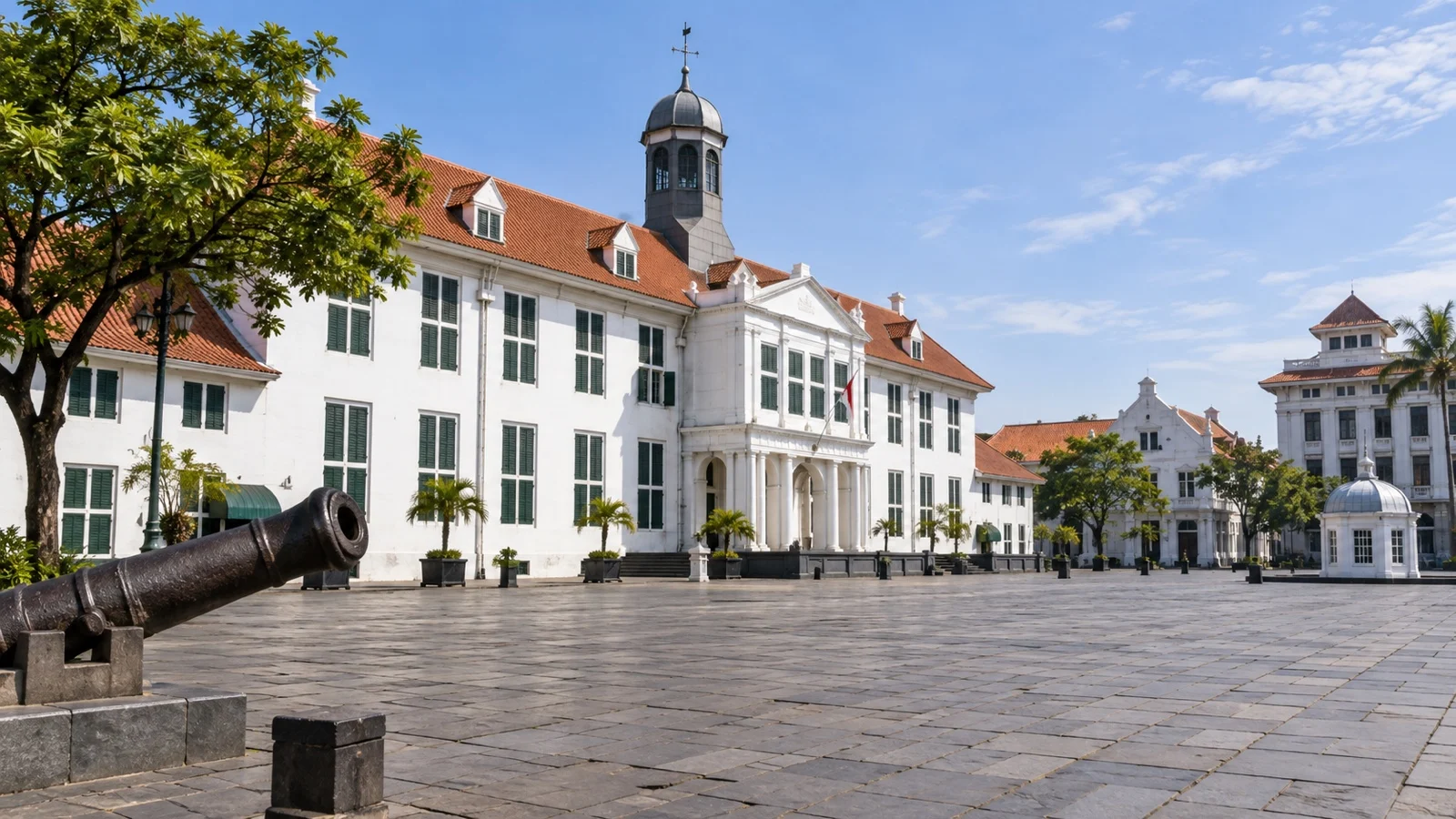
Choose one museum based on current opening and your interests. Trying to enter every building leaves little time for the streets and the return road.
Sunda Kelapa
Sunda Kelapa’s harbor is associated with traditional pinisi sailing vessels and Jakarta’s maritime story. It remains a working area, so visitors should use an appropriate guide and stay clear of loading operations.
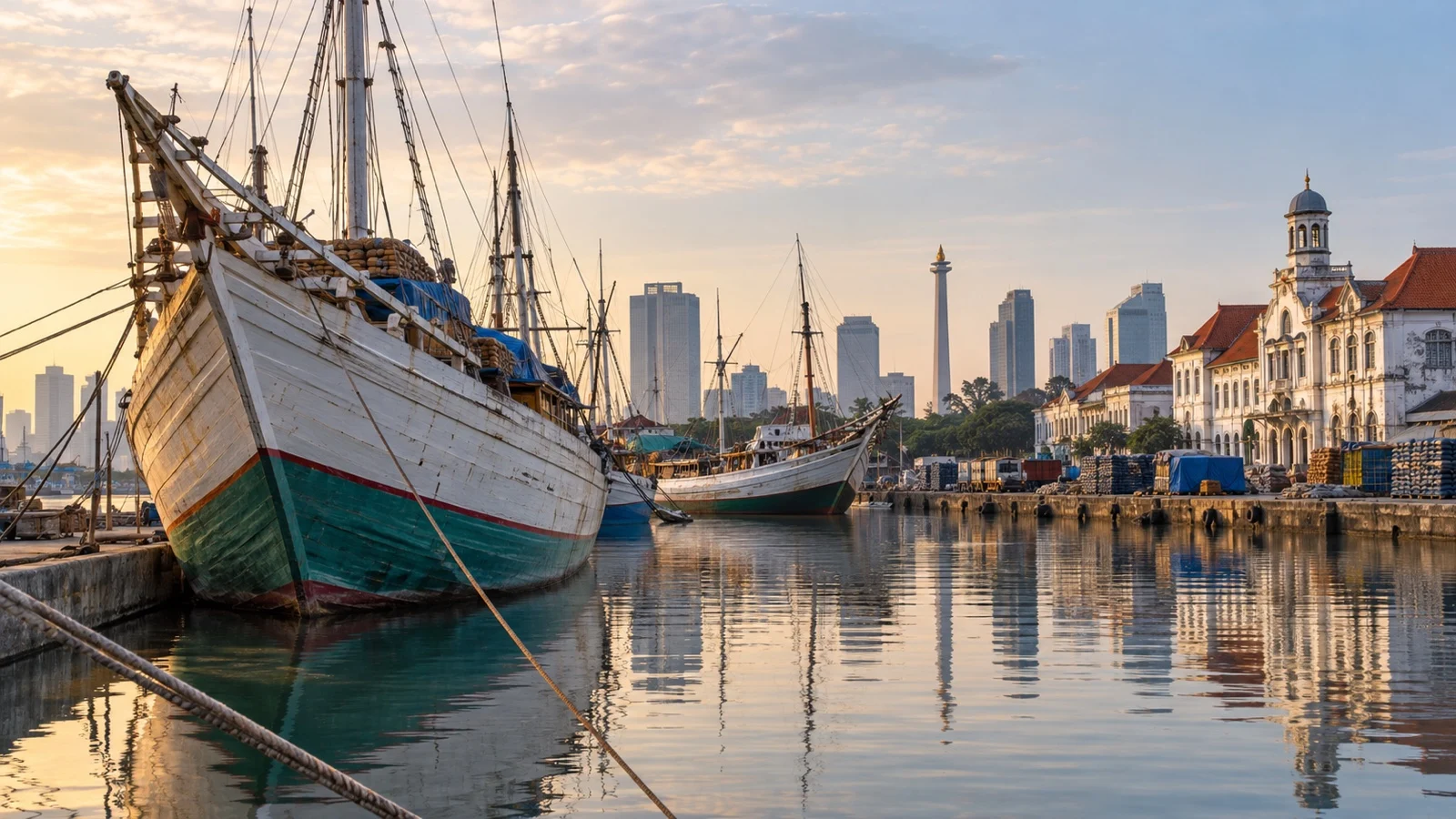
The harbor can pair naturally with Kota Tua when traffic and access allow. It should not be added as a last-minute detour without checking the road back.
Glodok
Jakarta’s historic Chinatown adds temples, markets, food, and living community to a northern route. A local guide can explain the area’s Chinese Indonesian history and help the group move respectfully through busy lanes.
Food allergies and dietary restrictions should be translated clearly. Choose places with visible turnover and enough time to eat without rushing.
Merdeka Square, Monas, Istiqlal and the Cathedral
The Merdeka Square area offers a strong national-history route centered on the National Monument, known as Monas. Nearby institutions and religious buildings create a coherent day when opening and access align.
Monas
Monas is Jakarta’s defining monument, but access to the grounds, museum, or observation level can vary with maintenance, security, weather, and events. Check current official information rather than assuming every component is open.
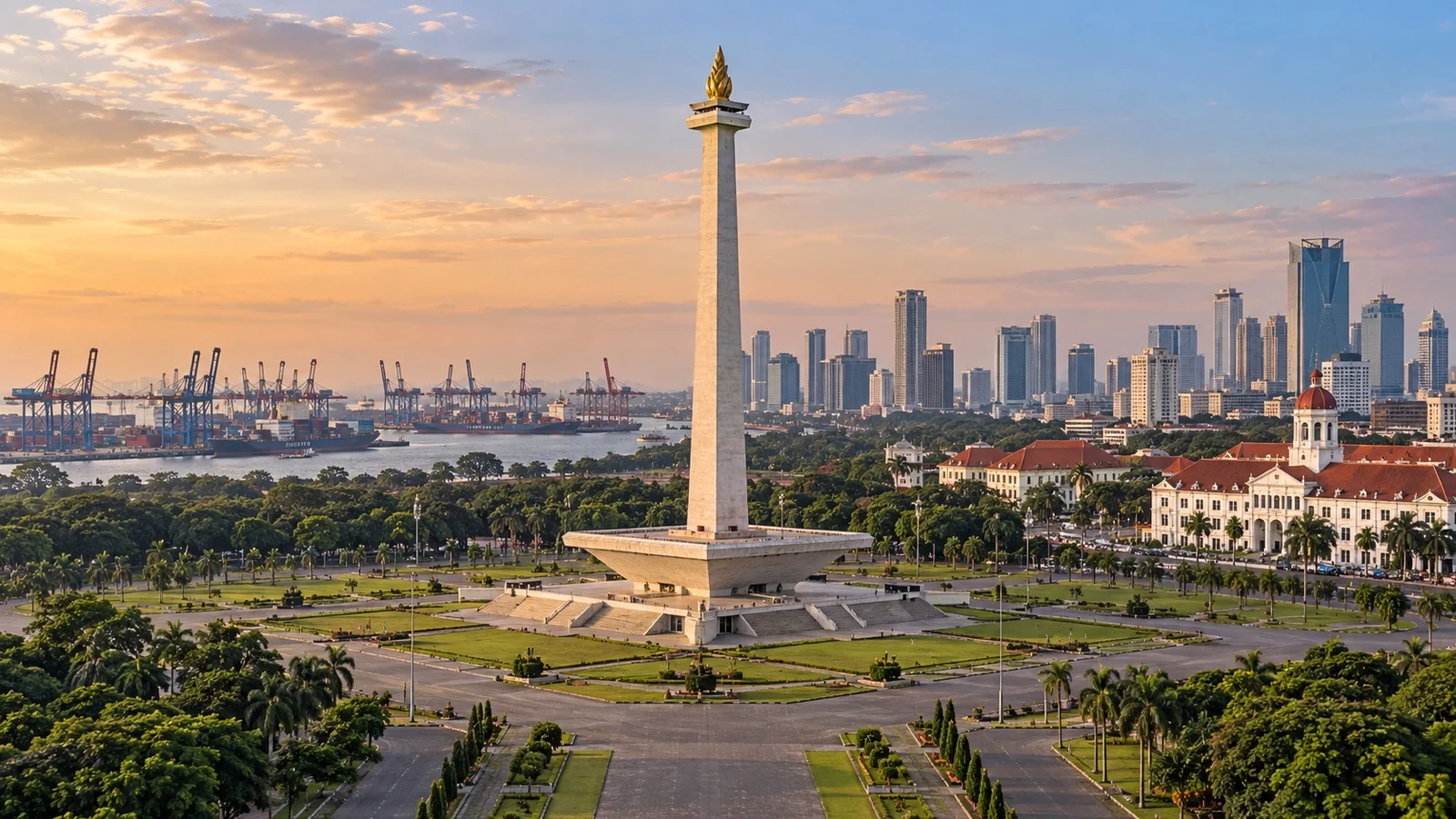
Queues can consume a short call. Decide in advance whether the elevated view is essential or whether the monument and surrounding public space provide enough context.
Istiqlal Mosque
Istiqlal Mosque is Indonesia’s national mosque and a major religious site. Visitors should use the designated entrance, dress modestly, follow staff guidance, remove shoes where required, and avoid disrupting prayer.
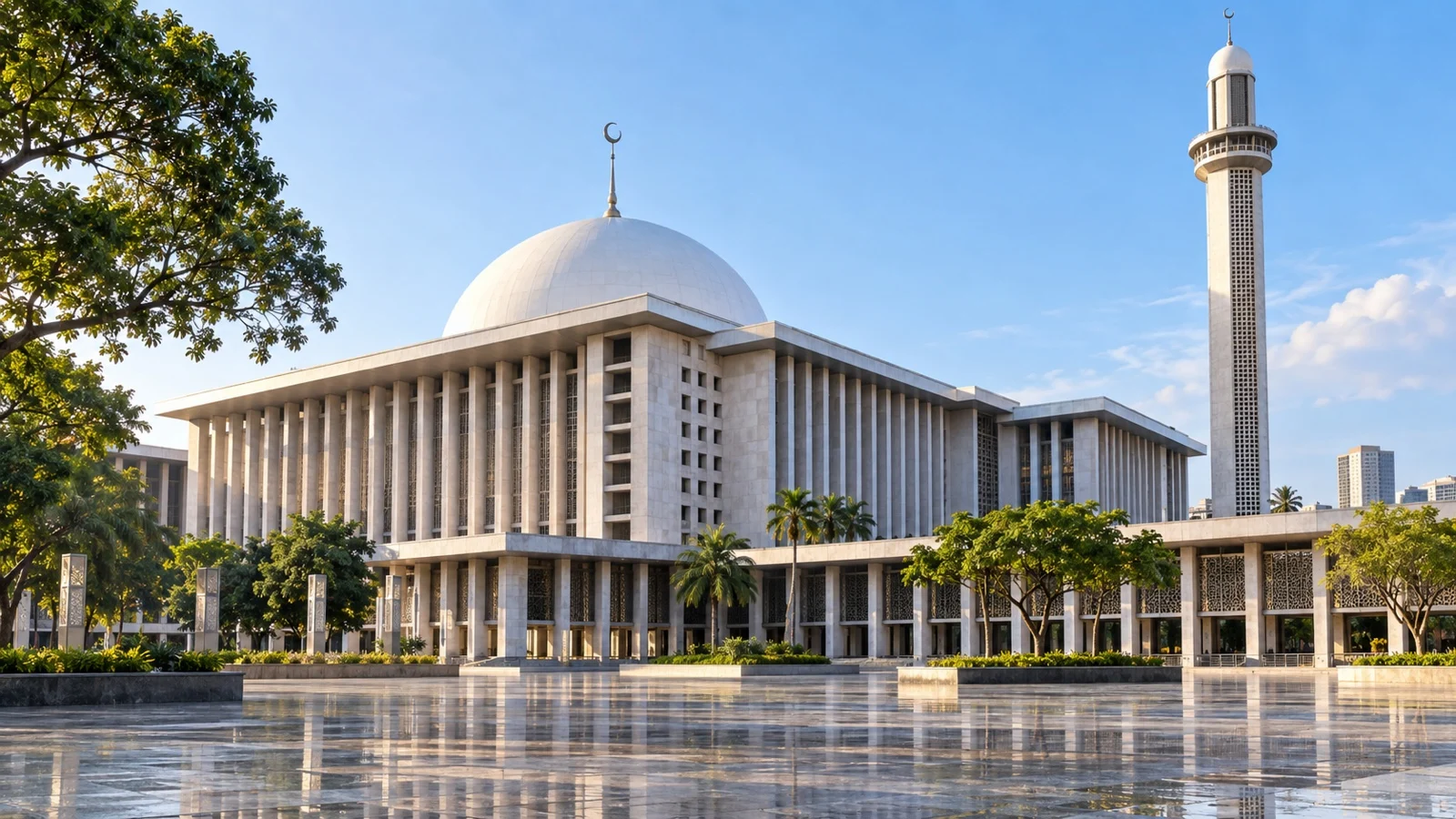
Tour availability and visitor access can change around services and events. A respectful guide makes the experience more meaningful and helps prevent accidental intrusion.
Jakarta Cathedral
The cathedral stands near Istiqlal and offers a striking example of the city’s religious and architectural landscape. It remains a place of worship, so opening to casual visitors depends on services and current guidance.
Treat the proximity of mosque and cathedral as an invitation to learn, not a staged photograph. Move quietly and follow photography rules in both places.
A Food-Focused Jakarta Day
Jakarta’s food reflects Betawi traditions and the many communities that have shaped the capital. A guided tasting can reveal more than a rushed restaurant list because the guide explains ingredients, neighborhoods, and eating customs.
Choose a compact area and avoid making a famous dish the reason for a long cross-city drive. Traffic can turn one food stop into the entire call.
Travelers with allergies should carry an Indonesian translation card. Peanut, shrimp paste, soy, coconut, fish sauce, and cross-contact may not be obvious.
Drink sealed or properly treated water and choose food cooked thoroughly and served hot. Wash or sanitize hands before eating.
What Is Too Ambitious?
Borobudur is not a Jakarta cruise excursion. It is in Central Java and belongs to a different port or land itinerary.
Bandung, Bogor, the Thousand Islands, and distant theme parks may appear reachable on a map but require careful transport or marine connections. A standard port call rarely supports them without significant risk or a ship-managed plan.
Even combining Kota Tua, Merdeka Square, a major mall, and several neighborhoods can become a windshield tour. Choose depth over a checklist.
A Realistic Full-Day Sequence
Meet a prearranged driver at the confirmed port point, then travel to one anchor district. Spend the central portion of the day on two or three nearby experiences, eat in the same area, and leave before traffic forces the decision.
If roads are moving well, add one stop on the return side of the route. If they are not, return early and let the ship be the final relaxed destination.
Keep the driver’s contact, port agent number, and ship schedule available offline. Agree that any last-minute shopping stop disappears first.
Transport Options
A private car or small van gives the most control over routing and return timing. Choose a licensed, reputable operator with seat belts, air conditioning, and cruise-port experience.
App-based ride services can be useful in the city, but port pickup zones, connectivity, and surge availability can complicate the start. They are better as a backup within Jakarta than as the foundation of a distant return.
Public transport has improved through systems such as TransJakarta and urban rail, yet the first and last links from the cruise terminal remain the challenge. Independent visitors should not attempt a complicated transfer chain without current local knowledge.
Motorcycle taxis may move through traffic faster, but the safety, helmet, insurance, and luggage tradeoffs make them a poor choice for most cruise travelers. Use a car and accept the time Jakarta requires.
Accessibility
Accessibility starts with the gangway, terminal, and port transfer. Ask the cruise line whether the assigned facility and shuttle are step-free and where an accessible vehicle can meet.
Jakarta’s modern buildings may offer elevators and accessible restrooms, while older districts can include broken pavement, curbs, heat, crowds, and traffic crossings. A general accessible label does not describe the full route.
Private operators should confirm vehicle step height, wheelchair storage, companion seating, continuous walking distance, and restroom access. Ask whether the guide can adjust stops without losing the whole itinerary.
Kota Tua can be difficult over uneven outdoor surfaces, while a vehicle-based Merdeka Square overview with one accessible interior may be easier. Build in an air-conditioned seated break.
Heat, Rain, and Air
Jakarta is hot and humid, with heavy rain possible and seasonal patterns influenced by broader climate conditions. Downpours can slow roads, flood low areas, and change outdoor access quickly.
Use Indonesia’s Meteorology, Climatology, and Geophysics Agency for current forecasts and warnings. The ship’s notices remain the authority for port-operation changes.
Bring water, sun protection, a compact rain layer, and shoes that handle wet pavement. A small towel or cooling cloth can make a humid city walk much more comfortable.
Travelers with respiratory conditions should monitor current air quality and discuss concerns with a clinician. Choose shorter outdoor segments and air-conditioned stops when conditions are poor.
Money and Connectivity
Indonesia uses the rupiah. Cash is useful for small purchases, while cards and app payments are common at many established businesses.
Use bank-affiliated machines, protect the keypad, and review the amount carefully because rupiah totals contain many digits. Decline informal exchange offers and unnecessary card conversion.
Download maps, reservations, terminal details, and driver contacts before leaving the ship. Carry a power bank because navigation and messaging can drain a phone quickly.
Confirm whether the ship remains on local time and photograph all aboard. Automatic phone time is not your return plan.
Entry and Immigration
Indonesia’s visa and arrival requirements depend on nationality, passport, itinerary, and the way the cruise line processes the call. Rules can change, and an airport process may not apply identically at Tanjung Priok.
Use the official Indonesian immigration eVisa portal and follow the cruise line’s written instructions. Avoid unofficial sites that add fees or collect sensitive passport information.
Complete any required declaration within the official timing window and keep confirmation available offline. Carry only the identification the ship tells you to take ashore.
Do not assume staying on the ship removes every documentation requirement. The operator and immigration authorities determine the process.
Safety and Cultural Etiquette
Use ordinary big-city precautions: keep valuables discreet, use known transportation, avoid isolated shortcuts, and follow your guide in crowded areas. Political events or road closures can also change the route.
Jakarta is predominantly Muslim but culturally diverse. Dress respectfully at religious sites, ask before photographing people, and keep public behavior considerate.
Traffic moves in ways that can surprise visitors. Cross with care, use controlled crossings where possible, and never step into a lane because a map says the destination is nearby.
Police, port staff, mosque staff, and security personnel may restrict photography. Follow instructions immediately without arguing.
Planning With Children or a Mixed-Age Group
A family day works best with one visual anchor such as a museum, square, or harbor area and an air-conditioned meal. Long traffic periods can be harder on children than the sightseeing itself.
Bring snacks, water, and a backup activity for the vehicle. Avoid promising a final attraction that depends on perfect traffic.
Older children may engage with Jakarta’s maritime, national, or religious history when a guide provides clear context. Younger travelers may prefer a shorter northern route.
Agree on a meeting point if anyone separates in a market or square. Do not depend on every phone having service.
Frequently Asked Questions
Is Tanjung Priok in central Jakarta?
No. It is a major port in North Jakarta, and reaching central attractions requires a road transfer.
Can I walk out of the cruise terminal?
Port access depends on the assigned facility, but Tanjung Priok is a secure commercial complex. Follow the ship’s shuttle and designated exit rather than assuming a public walking route.
Which Jakarta area is best for a first visit?
Kota Tua is the strongest choice for colonial and maritime history, while Merdeka Square is better for national monuments and major religious architecture. Pick one cluster for depth.
Do I need an Indonesian visa?
That depends on nationality and the current cruise process. Check Indonesia’s official immigration portal and the cruise line’s instructions.
Can I use public transport?
Jakarta has extensive public transport, but the port connection and return timing require care. A prearranged driver offers more control for most cruise visitors.
How early should I return?
There is no universal number because traffic changes by day. Set the turnaround with a cruise-aware operator and preserve a margin large enough for port access and security.
My Final Take
Jakarta is not difficult because it lacks things to see. It is difficult because the city offers too much across a vast road network while the ship gives you one fixed return time.
Confirm Tanjung Priok, choose one Jakarta, and leave the city before traffic makes the choice for you. That discipline gives the capital’s history, food, faith, and energy room to become the experience.
I checked current planning information from Pelindo, the official Jakarta Tourism portal, the official Indonesian immigration eVisa portal, and Indonesia’s Meteorology, Climatology, and Geophysics Agency. Terminals, traffic, attraction access, weather, and immigration procedures can change, so verify them for your sailing.
I hope this guide helps you meet Jakarta with curiosity instead of trying to outrun its traffic. Leave room for one deep story, one memorable meal, and a calm return through the port.