Falmouth Cornwall Cruise Port: Dock, Tender and Castles
Falmouth is the Cornish port that lets the harbor remain part of the entire day. Masts, working docks, waterside lanes, ferries, maritime history, beaches, and Pendennis Castle all sit close enough to combine without treating Cornwall like a racecourse.
The important detail is that Falmouth can be an alongside call or a tender call. Your landing point, weather, and ship schedule change the practical route, so confirm the day’s operation before deciding whether to walk, ride, or cross the water.
Falmouth Cornwall Cruise Port Quick Facts
- Arrival style: Alongside at an assigned commercial berth or at anchor with ship tenders
- Landing: Depends on the call, with terminal or tender information supplied onboard
- Best easy day: Harbor walk, National Maritime Museum Cornwall, town center, and lunch
- Best historic outing: Pendennis Castle with current admission and transport confirmed
- Best water excursion: St Mawes ferry only when the official timetable and return buffer work
- Currency: Pound sterling, with cards widely accepted and some cash useful
- Time zone: Greenwich Mean Time with British Summer Time in season
- Planning rule: Keep ship tender, cruise shuttle, and public ferry schedules completely separate
Falmouth Can Be a Dock or Tender Port
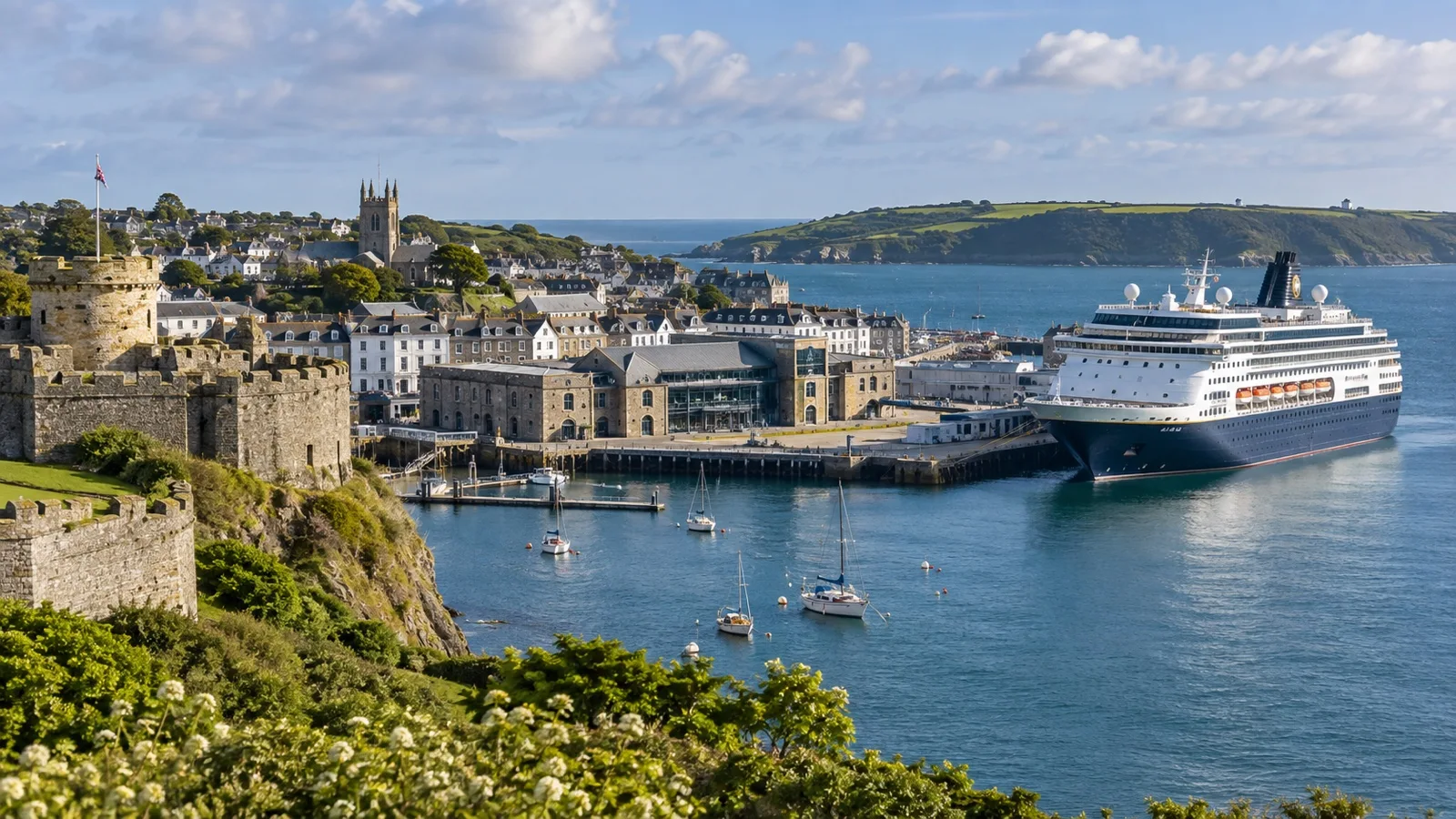
Falmouth Harbour is a deep natural harbor with commercial docks, repair facilities, marinas, ferries, and naval history. Some cruise ships receive an alongside berth, while others anchor in Carrick Roads and operate tenders to an approved landing closer to town.
Ship size is only part of the decision because berth availability, port work, weather, and operational needs also matter. Use the arrival notice for your sailing and ignore a previous guest’s claim that the port always works one way.
Note the exact return gate or tender landing before exploring. Falmouth has several quays and docks, and saying harbor to a driver is not precise enough when all-aboard approaches.
What Changes When the Ship Is Alongside
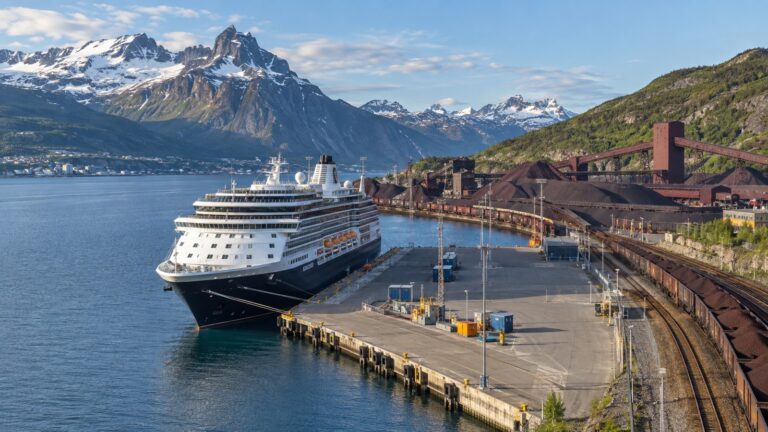
An alongside berth removes the boat transfer but may place you inside a controlled working dock. The port or cruise line can provide a shuttle, walking route, or escorted movement to the public side, depending on the berth.
Do not walk across industrial lanes or through a gate that has not been approved for passengers. Photograph the shuttle schedule and confirm where taxis can collect you legally.
Your return deadline is the final authorized movement into the port, not simply the moment a map says you could reach the ship. Leave margin for a shuttle queue and security processing even when the vessel is visible.
A Tender Call Starts Closer but Less Predictably
A tender landing can put you near the historic waterfront and central shops, which makes the town day beautifully simple. The tradeoff is that wind, swell, harbor traffic, and loading lines influence how quickly passengers move ashore and back.
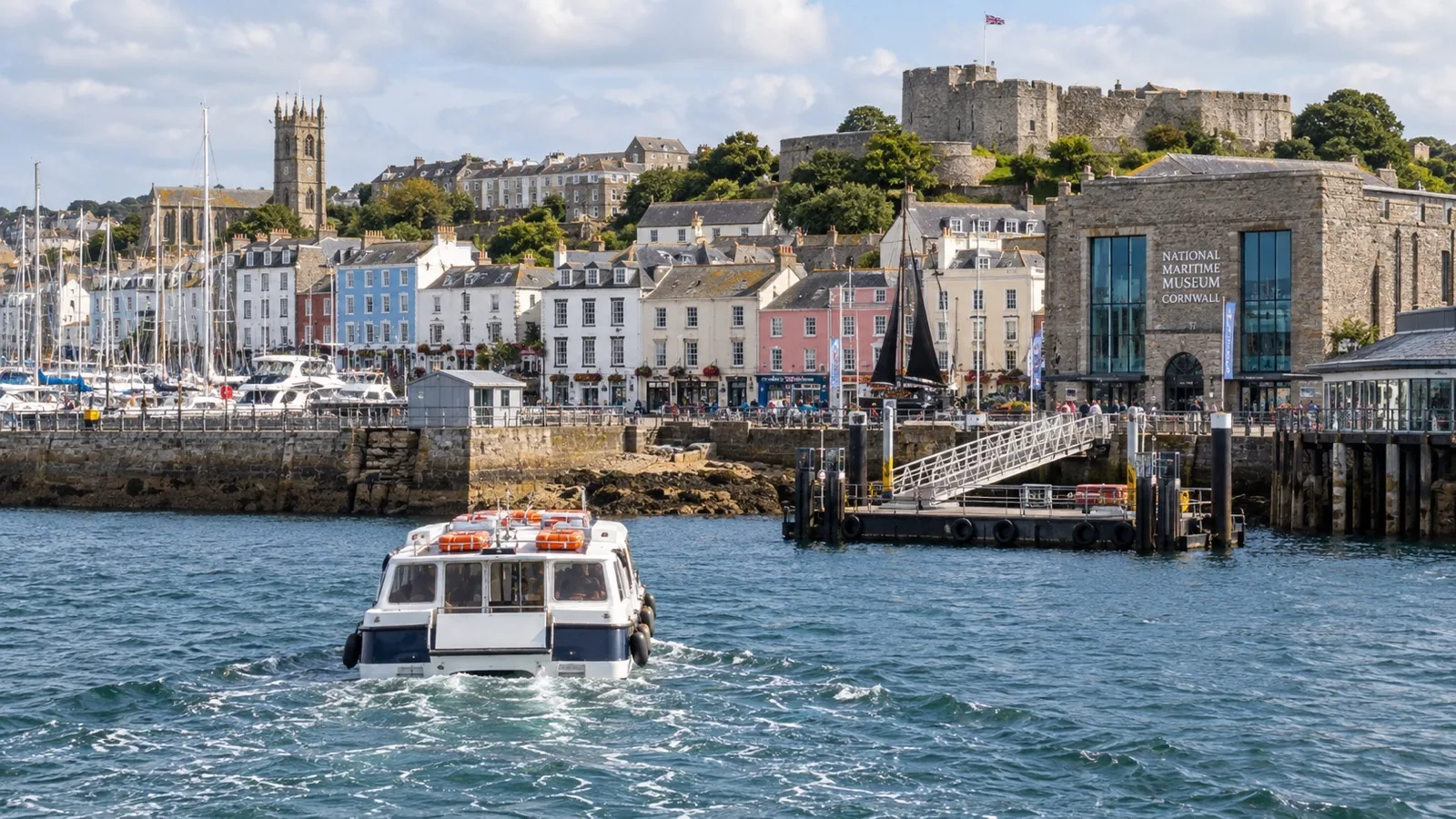
Ask where the last tender queue forms and whether numbered tickets or priority groups apply in the morning. If conditions deteriorate, the captain can suspend, shorten, relocate, or cancel the operation.
I return before the published final boat because a last-minute crowd can be large. A public ferry reaching Falmouth does not help if the ship’s own tender has already closed.
Follow the Harbor Through Town
Falmouth’s center stretches along the water through a sequence of quays, shops, galleries, cafes, and historic streets. The route is easy to shorten, which makes it ideal after a slow tender arrival or when Cornish rain changes the mood.
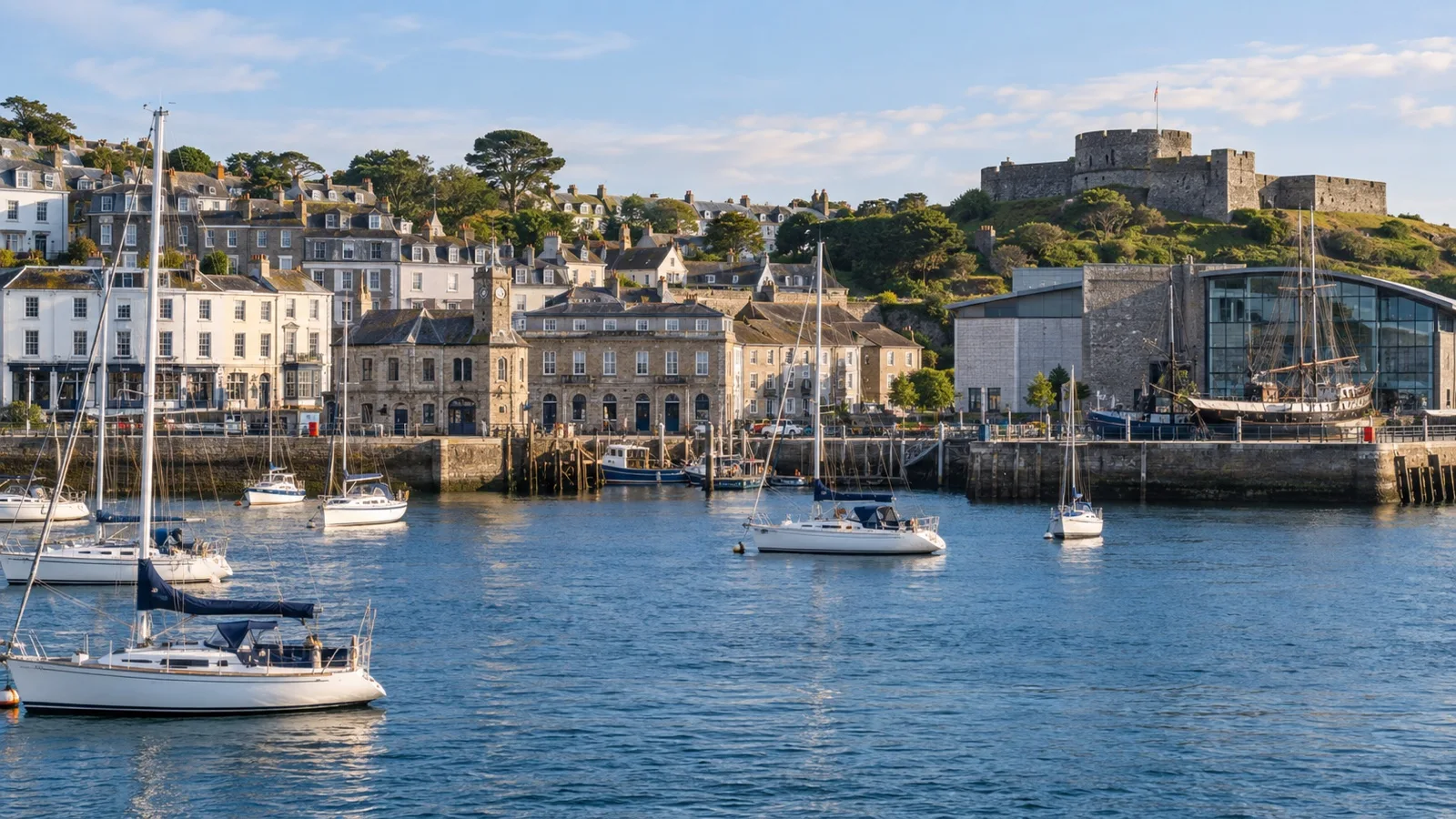
Begin at your actual landing and work toward Discovery Quay and the museum area, then continue through the central shopping streets only as far as time and energy allow. The waterfront reveals working boats and harbor life without requiring a ticket.
Narrow pavements, hills, curbs, and traffic deserve attention, especially when busy ship groups arrive together. Step into a safe space before checking a map rather than stopping in the middle of a lane.
The Maritime Museum Is the Perfect Weather Pivot
National Maritime Museum Cornwall stands at Discovery Quay and interprets boats, seafaring, design, and Cornwall’s relationship with the sea. Its galleries and harbor setting make it a natural anchor for a first visit, particularly in wet or windy weather.
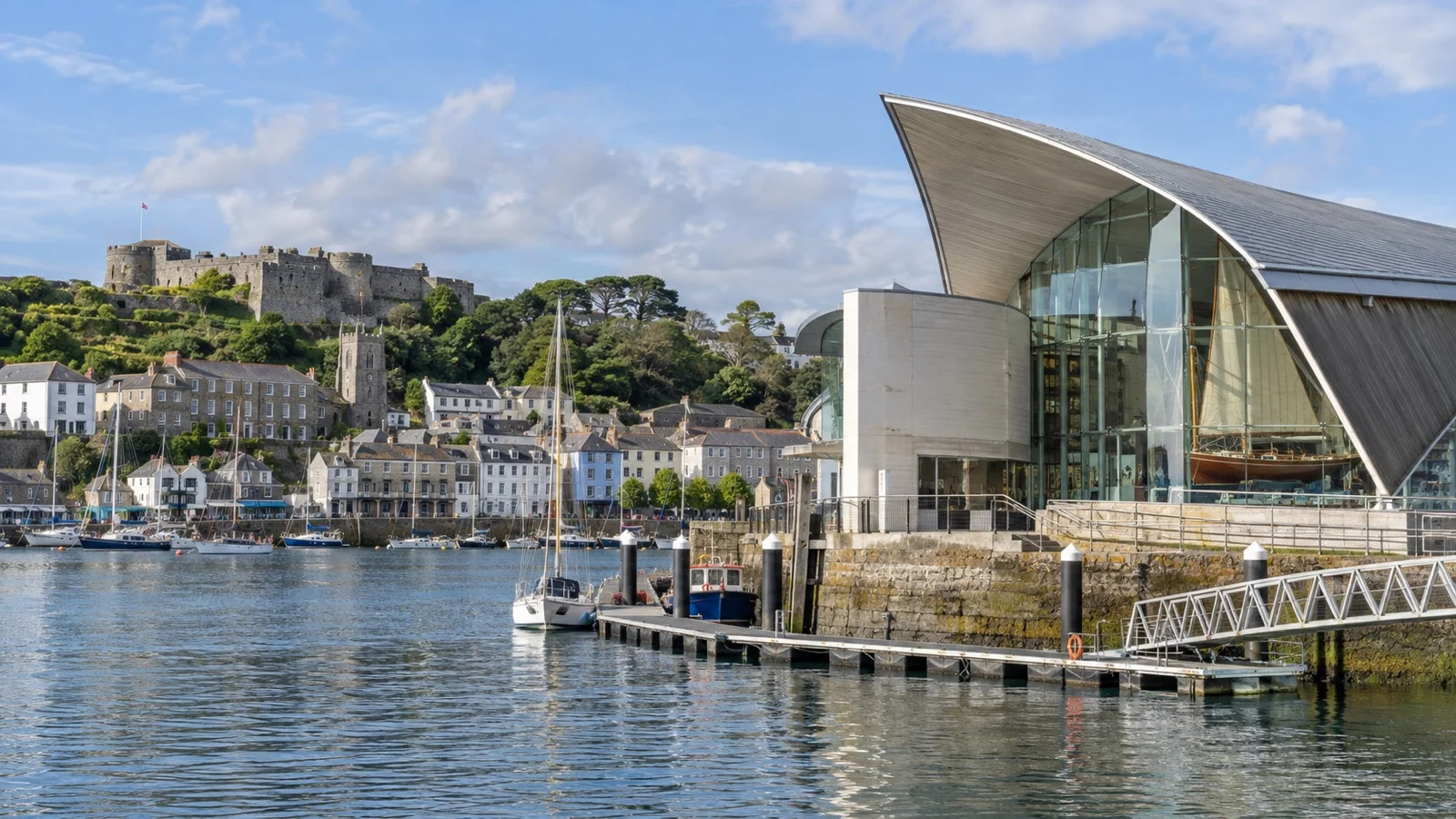
Check the museum’s official opening times, exhibitions, admission, and accessibility page close to sailing. Give the visit real time because the collection and changing displays are more rewarding than a quick dash through the entrance hall.
The museum can also simplify a mixed-mobility day because it provides an indoor destination near the central waterfront. Confirm elevator access, seating, accessible restrooms, and any temporary gallery closure directly.
Pendennis Castle Guards the Big View
Pendennis Castle occupies the headland at the mouth of the Fal, where Henry VIII’s coastal fort later accumulated defenses from several centuries. English Heritage presents the Tudor keep, ramparts, wartime stories, historic guns, and sweeping harbor views.
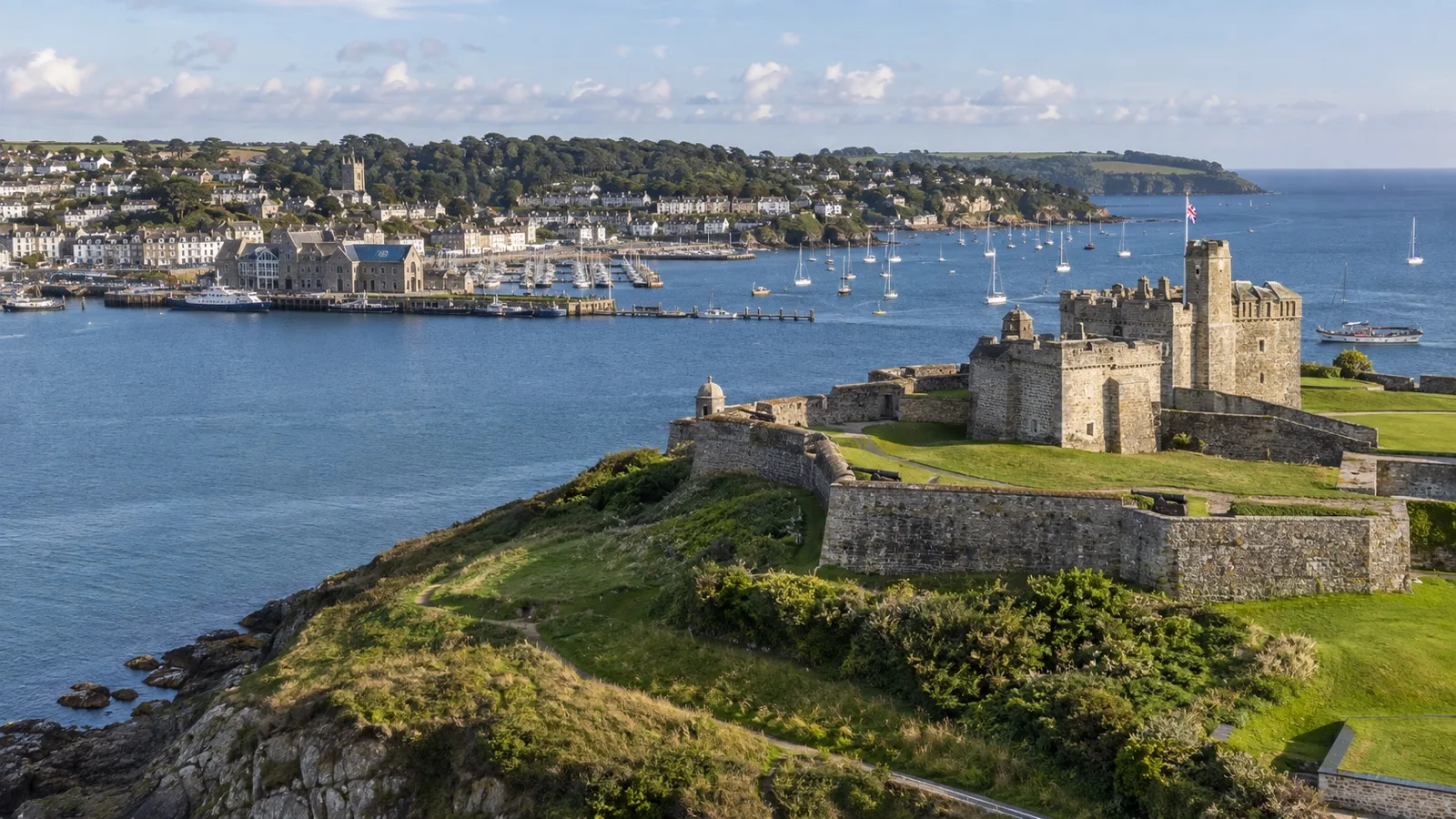
The castle is close to town on a map but sits uphill and covers a substantial site. A taxi, local bus, ship excursion, or carefully planned walk may work, but confirm the current entrance, opening time, and return transportation before setting out.
Book ahead when English Heritage recommends it, especially on busy or event dates. Allow enough time for the grounds and views rather than treating the castle as a fast exterior photo.
Pendennis Accessibility Needs Specific Questions
The castle includes slopes, historic thresholds, grass, ramparts, and buildings from different periods. Ask English Heritage which areas have step-free access, where accessible parking or drop-off is located, and whether mobility equipment is available.
Wind on the headland can increase fatigue and make outdoor surfaces harder to manage. A shortened route focused on the principal accessible areas may be more enjoyable than attempting every defense.
Confirm the return pickup with the driver before entering. Taxis cannot always appear instantly when a ship is in port, and the downhill walk may still be demanding on wet paths.
Beaches Belong to a Flexible Plan
Falmouth’s beaches, including the areas around Gyllyngvase and Castle Beach, can add sea air and a relaxed pause. They work best as part of a local day because weather, tide, and water conditions can change quickly.
Use lifeguarded areas when available, read current beach flags, and never assume sheltered-looking water is harmless. Cold water, rocks, currents, and marine traffic make an improvised swim a poor idea when you still need to return to a ship.
A coastal walk between the beach area and Pendennis can be lovely for active guests, but it adds distance and exposure. Keep an inland taxi or bus fallback for rain, wind, or tired legs.
St Mawes Adds Water to the Day
The passenger ferry across the Fal to St Mawes offers one of the prettiest independent outings from Falmouth. The village, harbor, and nearby St Mawes Castle create a compact destination, but the trip depends on the public ferry rather than the ship’s operation.
Check the official Fal River timetable, departure point, weather notice, accessibility information, and final return before boarding. Services can vary by season and conditions, and a cancellation on the far side creates a serious cruise-day problem.
St Mawes Castle is also managed by English Heritage and follows its own opening schedule. Do not assume the castle is open simply because the ferry is running.
Keep Three Boat Schedules Separate
A tender call can involve the ship’s tender, a cruise shuttle on land, and a public ferry to St Mawes. Each has a different operator, deadline, weather threshold, and responsibility.
Write down the last safe public ferry that still leaves time for the ship’s tender queue. Missing the St Mawes ferry cannot be repaired by showing the crew your cruise card.
If weather looks unsettled or the ship shortens the call, stay on the Falmouth side. The harbor is still beautiful when viewed from town, and flexibility is a strength rather than a compromise.
Truro Works Only When the Railway Behaves
Truro offers a cathedral city atmosphere and a different side of Cornwall, with rail connections from the Falmouth branch line. The plan requires time to reach the correct station, wait for the train, explore, and repeat the journey before the port return.
Check live Great Western Railway information and allow for cancellations, delays, and platform changes. A taxi backup should be financially and practically realistic before you commit.
On a short call, Falmouth itself is the better experience. Truro becomes reasonable when the ship has a long stay and the railway is operating normally.
Cornwall’s Famous Names Are Not Next Door
St Ives, Land’s End, the Eden Project, and the farther Cornish coast appear close on a small regional map but demand meaningful road or rail time. Summer traffic, narrow roads, incidents, and parking can stretch the schedule.
Choose a ship excursion or a reputable cruise-aware operator for a distant destination. Confirm what the tour includes, how long is spent at the attraction, and the contingency if traffic blocks the planned route.
I would not combine multiple headline names simply because they fit in a brochure title. Cornwall rewards depth, and Falmouth offers enough character to make a close day feel complete.
Accessibility Depends on Two Moving Pieces
On an alongside call, accessibility begins with the gangway and the secure dock transfer. On a tender call, it begins with the ship’s ability to transfer you and your mobility device into a moving boat under the day’s conditions.
Ask about device size and weight limits, manual lifting, companion seating, the shore landing, and whether a step-free shuttle is available. The answer can remain conditional until the bridge team sees the sea state.
In town, the museum area may suit a lower-effort route, while Pendennis adds slopes and historic surfaces. For any excursion, request actual walking distance, vehicle step height, seating, restroom access, and mobility-device storage.
Cornish Weather Rewards a Reversible Day
Falmouth can move from bright sun to sea mist, wind, and rain within a single call. Dress in layers, carry a compact waterproof shell, and choose shoes with grip for wet pavement and castle grounds.
Check the Met Office forecast and marine conditions before leaving the ship. Public ferries, harbor boats, and tender operations may respond differently to the same weather, so verify each service separately.
The best plan has an indoor pivot, which is why the maritime museum is so useful. If the weather improves, you can still add a waterfront walk or headland view without losing the day.
Eat Locally Without Losing the Boat
Falmouth offers seafood, bakeries, pubs, and cafes along the central route. Cornish pasties make an efficient lunch, while a sit-down seafood meal deserves a reservation or an honest look at the queue.
Ask about shellfish handling, shared fryers, and other allergens if needed. Travelers with dietary restrictions should confirm ingredients rather than assuming a traditional name tells the whole recipe.
Cards are widely useful, but a small amount of sterling can help with minor purchases or a service interruption. Pay before the final rush and begin the return while the meal still feels relaxed.
Return by the Correct Clock
Work backward from all-aboard, then add the walk or taxi to the correct dock, shuttle time, terminal security, and a queue. If tendering, use the last ship boat as the hard deadline and arrive before it.
From St Mawes, add a missed public ferry margin before the tender margin. From Pendennis, add time for a taxi delay or slower downhill movement in rain.
Ship-sponsored excursions normally provide the strongest coordination when delayed, while independent plans remain your responsibility. I would finish near the harbor and enjoy one last view instead of trying to win a footrace to the gangway.
Falmouth Cornwall Cruise Port Questions
Will my ship dock in Falmouth?
It may dock alongside at an assigned commercial berth or anchor and use tenders. Check the current arrival information for your specific sailing.
Is Falmouth worth a full port day?
Yes, especially for travelers who enjoy maritime history, harbor scenery, food, shops, and Pendennis Castle. Staying local also gives you the most flexibility when weather changes.
Can I visit St Mawes independently?
Yes when the official ferry timetable, weather, and ship schedule provide a safe return margin. Keep the public ferry deadline separate from the ship’s tender or gangway deadline.
Can I walk to Pendennis Castle?
Active visitors can walk, but the route climbs and the castle grounds add more distance. A taxi or local bus can protect energy and time, subject to current service.
What should I do if it rains?
Use National Maritime Museum Cornwall as the indoor anchor and explore the central waterfront between showers. Avoid committing to extra boat journeys when wind or visibility looks uncertain.
Pick One Side of the Harbor
Falmouth works beautifully when you choose a simple rhythm. Stay on the town side for the museum and Pendennis, or cross to St Mawes with a protected ferry margin, but do not make every boat and castle compete for the same hour.
My ideal first visit follows the waterfront, gives the museum time, and finishes with a castle view or Cornish lunch. Confirm the landing, watch the weather, and let the harbor be the attraction that ties everything together.
Planning details were checked against Falmouth Harbour, English Heritage, National Maritime Museum Cornwall, and the official St Mawes Ferry service. Berths, tender landings, ferry schedules, attraction hours, rail service, and weather can change, so reconfirm them with your cruise line and the relevant official provider before you sail.