Burnie Cruise Port Guide: Berth, Shuttle & Things to Do
Burnie is a working Tasmanian port with a genuinely warm cruise welcome, and that contrast is part of its charm. You arrive beside cargo operations, take a free shuttle into a compact city, and suddenly have local makers, coastal paths, waterfalls, penguin habitat, and cool-climate food within reach.
The biggest planning mistake is treating Burnie only as the road to Cradle Mountain. The national park is a magnificent long excursion, but the city and nearby coast deliver a calmer day when the weather, port hours, or your energy argue against several hours on a coach.
Quick Facts
- Arrival: Cruise ships berth in the Port of Burnie, Tasmania’s largest deep-water cargo and container port.
- Distance to town: Burnie City Council places the central business district about 1.2 miles from the port.
- Port exit: TasPorts provides a free cruise shuttle into the city.
- Shuttle stops: Cruise Burnie Discovery Hub and the city waterfront, subject to call-specific operations.
- Easy local day: Discovery Hub, Burnie Arts and Museum, waterfront, city streets, and Burnie Park.
- Wildlife: Little penguins and platypus live locally, but sightings are never guaranteed.
- Cradle Mountain: A full excursion with 60 to 90 minutes of driving each way before park access logistics.
- Currency: Australian dollar, with contactless card payment common.
Where cruise ships arrive
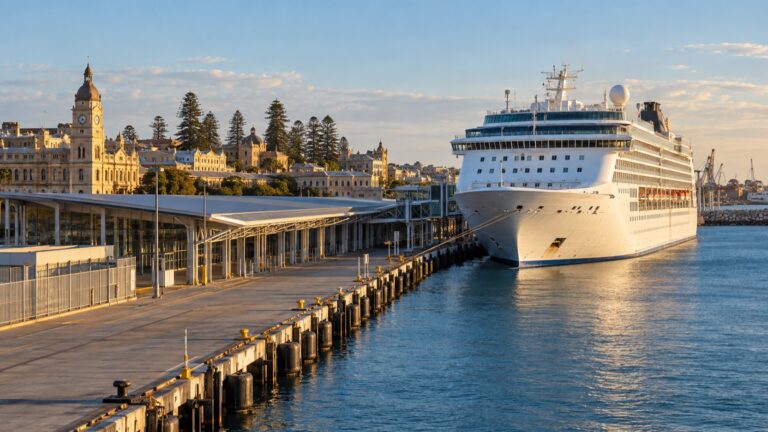
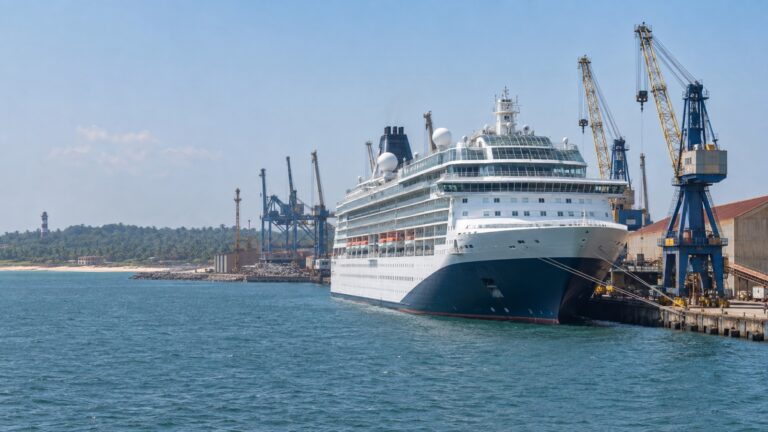
Cruise ships berth inside the Port of Burnie, an operational freight facility rather than a public waterfront pier. Passengers cannot simply wander through secure cargo areas, so the complimentary shuttle is the normal first move.
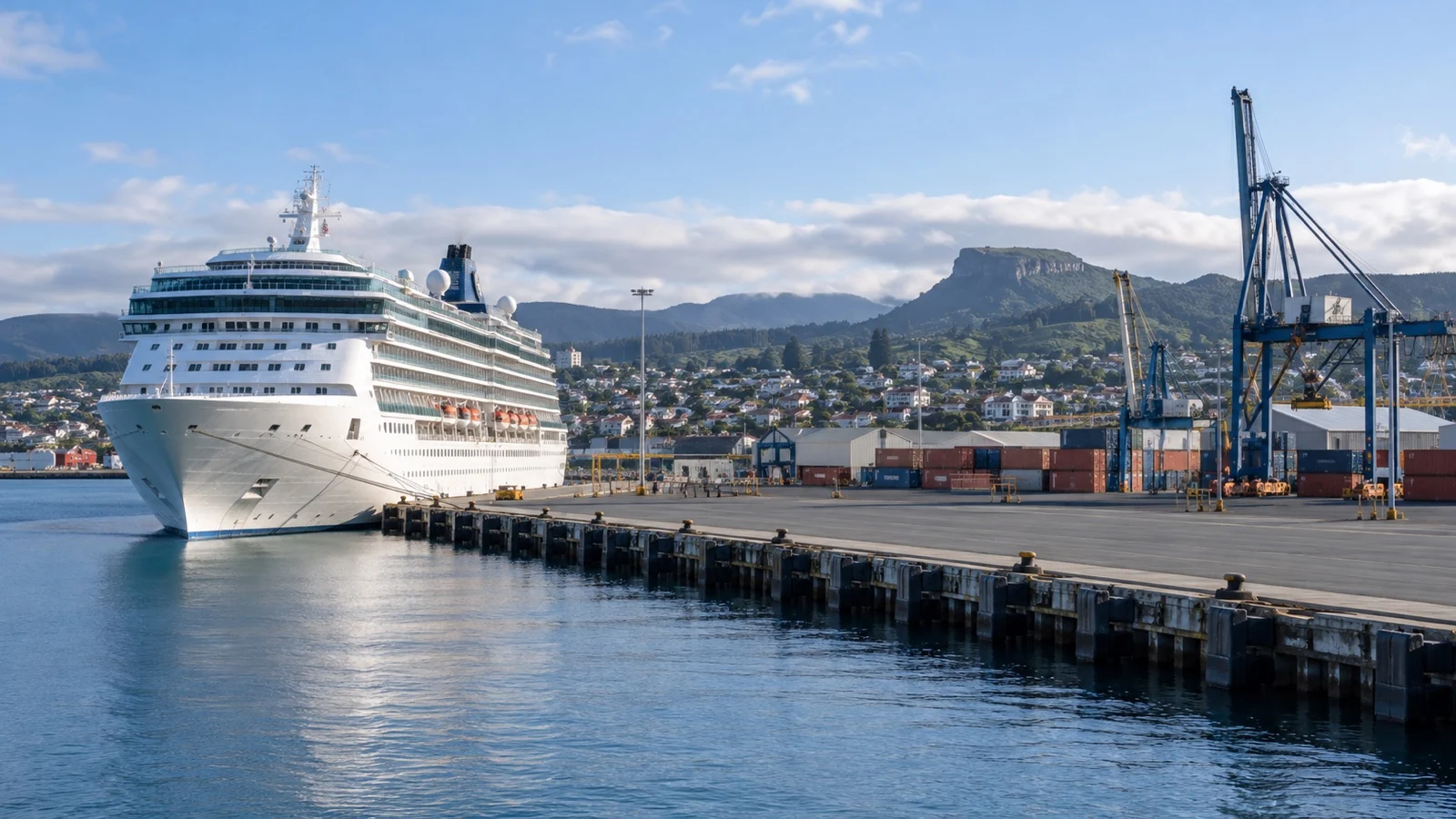
The official Burnie cruise visitor information says TasPorts shuttles serve the Cruise Burnie Discovery Hub and Burnie Waterfront. Confirm both stops, the final pickup time, and any accessibility arrangements with staff on your own call.
Burnie is normally a berth call, not a tender port. Weather can still affect arrival, gangway use, tours, and departure, so the absence of a tender does not make the day’s timing optional.
The Discovery Hub is your control center
On cruise days, the council creates a pop-up Discovery Hub with visitor information, local experts, an artisan market, and access to tour or transport providers. In poor weather, the hub can move indoors, which is a very Tasmanian piece of sensible planning.
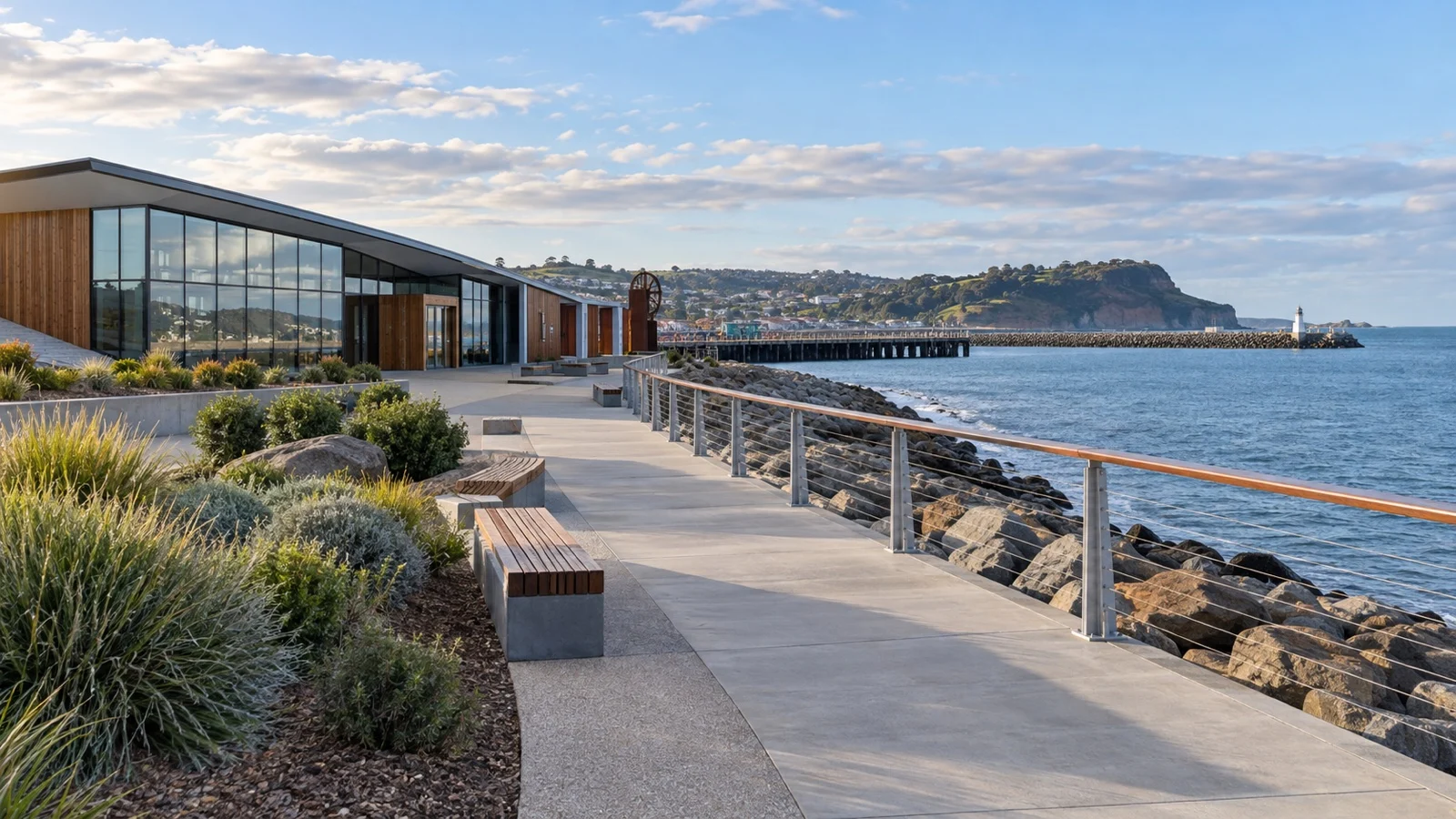
Older guides may call the waterfront venue the Makers’ Workshop, but current council information uses Cruise Burnie Discovery Hub and Marine Plaza language. Follow the signage and shuttle announcement for your date rather than navigating to a name saved from an old blog.
Ask the volunteers what is actually open, where the last shuttle departs, and whether a nearby wildlife or waterfall tour still has space. Their same-day knowledge is more useful than a rigid plan written months before Tasmania’s weather arrived.
Burnie on foot
The central business district is compact, and the council estimates only a few minutes on foot from the shuttle stop to shopping and the waterfront. Burnie Arts and Museum, local galleries, cafes, and the city’s Federation and Art Deco architecture add structure without demanding reservations.
Look for public art and small details rather than expecting a monumental old center. Burnie’s identity comes from industry, paper making, design, coastal life, and a community that has repeatedly reinvented itself.
The waterfront path is the easiest way to stretch the day, with sea views and access toward West Beach and the penguin observation area. Wind can make the temperature feel much colder than the ship’s sheltered deck suggested, so keep a layer in your day bag.
Burnie Park and Oldaker Falls
Burnie Park adds mature trees, open space, and a short nature break close to town. Oldaker Falls sits within the park area and offers a modest waterfall walk without the transport commitment of a regional excursion.
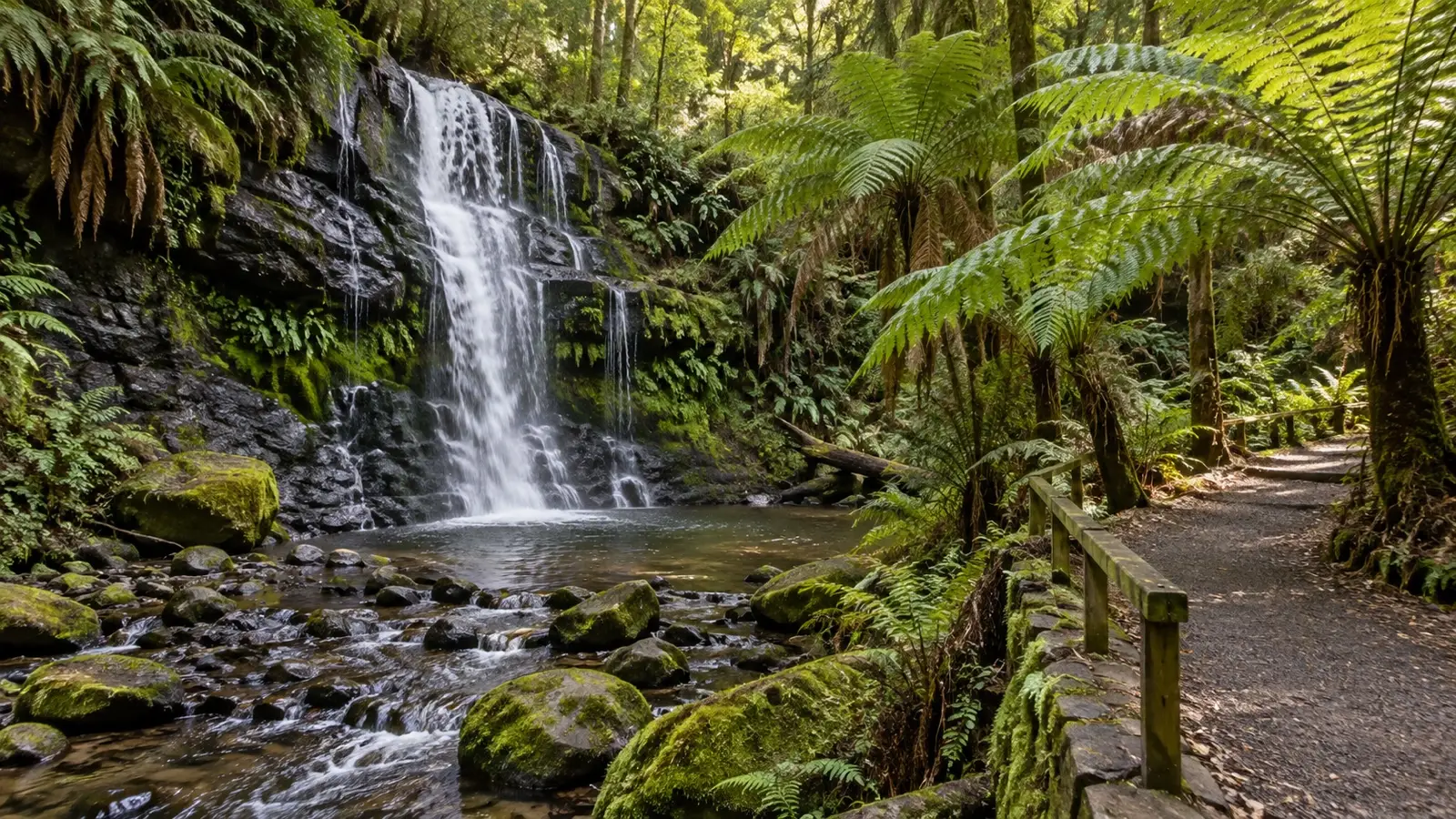
The council estimates Burnie Park and Oldaker Falls at about a 20-minute walk from the cruise shuttle stop. Recent rain improves the waterfall but can also make tracks wet, so use shoes with grip and turn back if conditions look poor.
The little penguin reality
Burnie’s Little Penguin Observation Centre lies along the coast within walking distance of the central shuttle area. The council estimates roughly 15 minutes, and the accessible path lets daytime visitors see the habitat and learn about the birds.
The penguins usually come ashore around dusk during their active season, which means many daytime cruise calls miss the actual return. Enjoy the coastline and interpretation without expecting a guaranteed penguin parade at noon.
If your ship stays into the evening, verify whether volunteer guides are operating and leave the birds’ path completely clear. Use only approved lighting, keep noise low, never touch a penguin, and follow every instruction onsite.
Fern Glade and the platypus question
Fern Glade is a peaceful reserve along the Emu River, with large tree ferns and the possibility of seeing a platypus. Parks Tasmania describes it as a beautiful riverside walk and carefully says you may see one, which is the right level of promise for a shy wild animal.
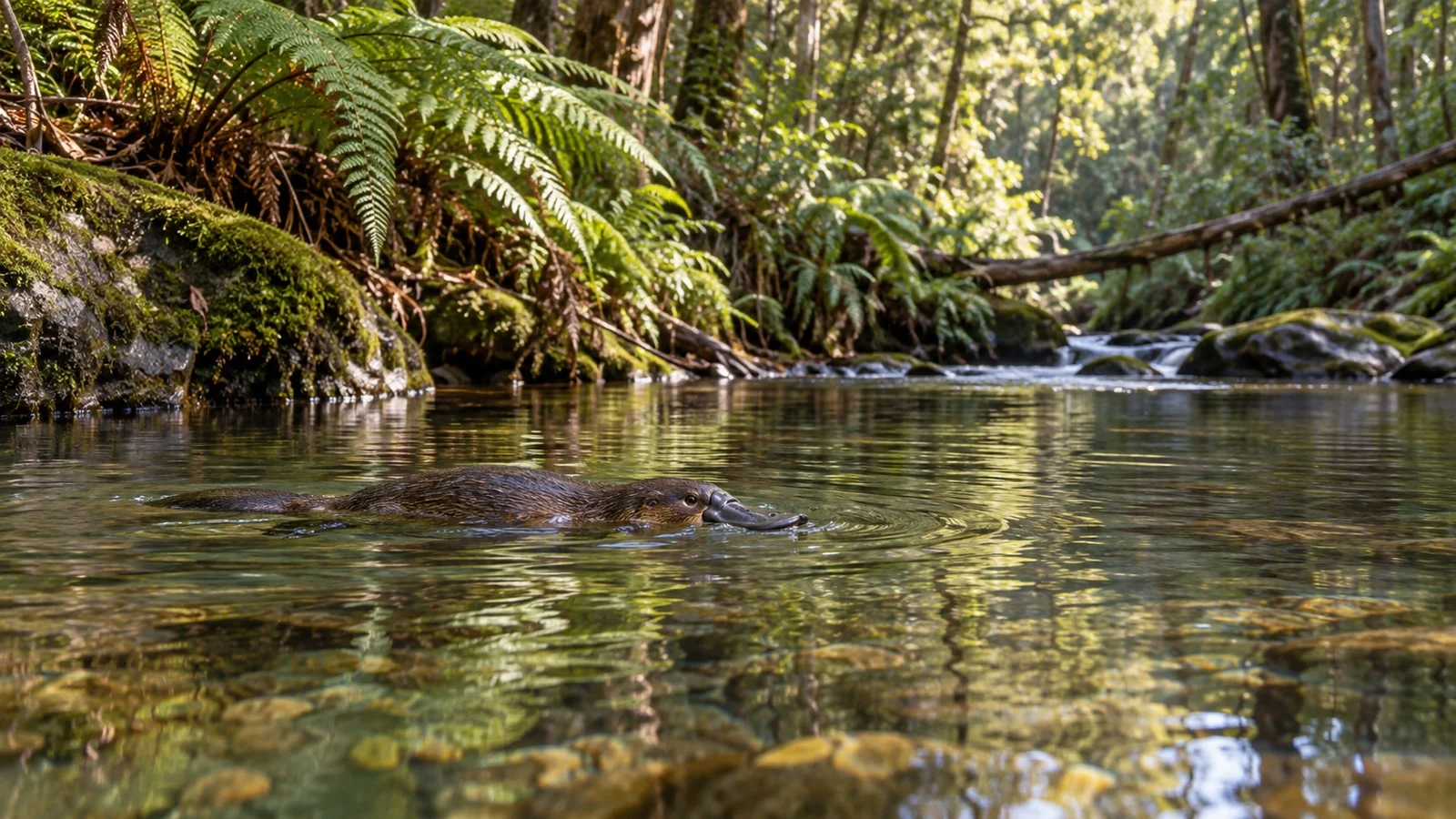
Go quietly, scan calm water for ripples, and let patience be the activity. A taxi, organized short tour, or prearranged driver is more dependable than trying to invent transport after the morning rush.
Do not feed wildlife, block the bank, or crash through vegetation for a photograph. Fern Glade is still worthwhile when the platypus declines your appointment.
Cradle Mountain is a full commitment
Cradle Mountain is the headline shore excursion from Burnie, and the landscape deserves its reputation. Alpine weather, glacial scenery, Dove Lake, wombats, and walking tracks create a very different Tasmania from the industrial coast.
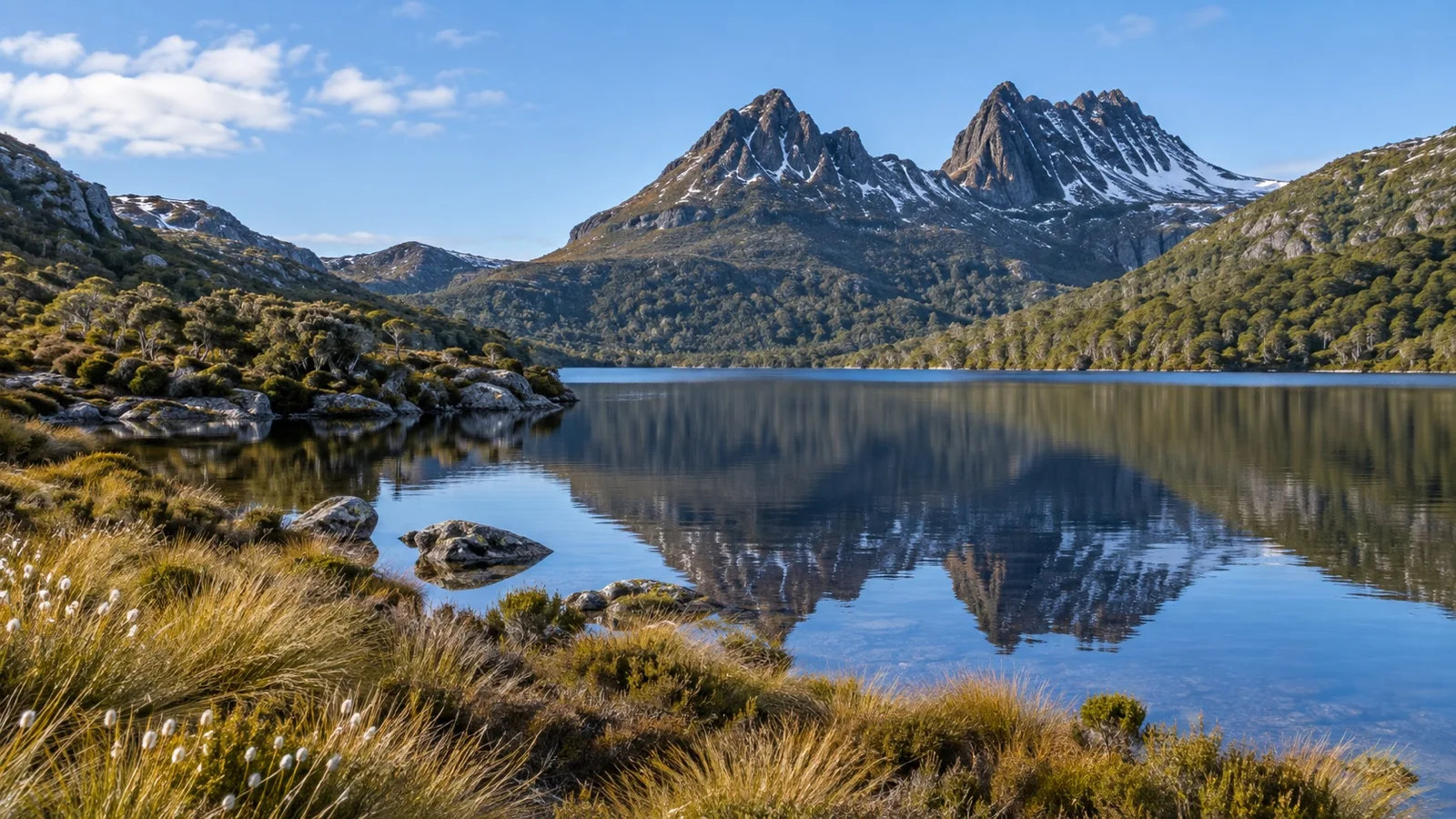
Burnie City Council estimates 60 to 90 minutes of vehicle travel each way, before park admission, toilets, shuttles, or walking. Road conditions and weather can stretch that timing, so this is not a casual taxi outing.
A valid parks pass is required, and access toward Dove Lake may involve the Cradle Mountain shuttle system rather than your tour coach continuing to the lake. Use a ship excursion or experienced operator that understands the day’s park access and the vessel’s all-aboard time.
Check Parks Tasmania for alerts and current visitor information before departure. If cloud hides the mountain, enjoy the forest, lake, wildlife, and atmosphere rather than treating one famous photograph as the only successful outcome.
Other regional choices
Stanley offers a historic coastal village and the Nut, while Sheffield is known for murals and sits in scenic farming country. Both require substantial driving and are best treated as dedicated routes, not add-ons after a slow morning in Burnie.
Guide Falls, Emu Valley Rhododendron Garden, local distilling, cheese, chocolate, and farm-gate experiences can form shorter excursions. Verify seasonal hours and book transport because rideshare supply is limited and taxis are best arranged ahead, according to the council.
A smart half-day plan
Take the first convenient shuttle to the Discovery Hub, ask what is open, then walk through the center to Burnie Arts and Museum. Continue to the waterfront and penguin observation area, have lunch or coffee, and return via the hub market.
If the weather is settled and you want more greenery, substitute Burnie Park and Oldaker Falls for the longer waterfront walk. This plan stays flexible, costs little, and keeps you close to the shuttle.
A relaxed local full day
Prearrange a morning visit to Fern Glade and one nearby producer or garden, then return to Burnie for lunch and the waterfront. Keep the final stretch in town so a wildlife no-show or slow tasting does not threaten the ship.
Travelers who want Cradle Mountain should give the entire day to that excursion. Trying to add Stanley, Sheffield, or a long city wander weakens the part you traveled farthest to see.
Accessibility
Burnie City Council says the cruise shuttle, Discovery Hub, Burnie Arts Centre, waterfront, penguin observation path, and route toward Oldaker Falls offer wheelchair-friendly options. Specific vehicles and temporary route conditions still vary, so confirm lift or ramp requirements with the cruise line before arrival.
The central city is compact, but gradients, wet paths, wind, and distance can increase fatigue. Cradle Mountain needs much more detailed planning because coaches, park shuttles, boardwalks, viewpoints, and weather all affect access.
Tasmanian weather earns respect
Burnie can move from sun to wind and rain quickly, even in summer. Pack a waterproof outer layer, something warm, sunscreen, a hat, and comfortable shoes rather than dressing for the forecast’s warmest number.
Cradle Mountain is colder and more exposed than the coast, with conditions that can change sharply during a single visit. Follow guide instructions and official alerts, and never separate from the agreed meeting plan to chase a viewpoint.
Biosecurity, money, and safety
Tasmania protects its agriculture and environment with strict biosecurity controls. Follow ship and government instructions for food, plant material, animal products, and dirty outdoor equipment, and declare anything uncertain.
Australia uses the Australian dollar, and contactless payment is common throughout Burnie. ATMs are available in the center, tipping is optional, and a small amount of cash is useful at markets or for minor purchases.
Burnie is straightforward for visitors, but coastal and nature safety still matters. Obey beach signs, stay behind wildlife barriers, secure valuables, and dial 000 for a genuine emergency.
How early to return
The last free shuttle is aligned with the ship’s departure, but confirm the actual time at your stop and arrive early. A full bus, traffic, or an unfamiliar pickup point can erase a small margin.
Regional excursions need a larger buffer because Tasmania’s roads, weather, and park operations can delay the return. Independent travelers should choose a turnaround time based on the next failure that could happen, not the fastest drive shown on a map.
My honest take
Burnie is a better port than its industrial first impression suggests, especially when local volunteers and makers bring the city to life. A coastal walk, small museum, quiet reserve, and good lunch can feel distinctly Tasmanian without a long coach ride.
Choose Cradle Mountain when it is the reason you booked the cruise, and give it the whole day. Otherwise, let Burnie be small, friendly, weatherproof, and pleasantly easy.
Ellie is the editor behind CruisePorts.co and writes practical port guides for travelers who want clear choices without the fluff. This guide was checked against current Burnie City Council, TasPorts, and Parks Tasmania information, but always confirm shuttle and excursion timing for your sailing.