Ship Excursion, Local Tour or DIY: Which Is Right for Each Type of Port?
Cruise lines would be delighted if every port required one of their tours, but ports are not nearly that cooperative. I choose between the ship, a local guide, and DIY according to the day’s weak point, whether that is timing, access, or my willingness to decipher a bus map before coffee.
Quick Facts
- Remote marquee attraction: Choose a ship excursion or a carefully vetted local tour because long transfers increase return risk.
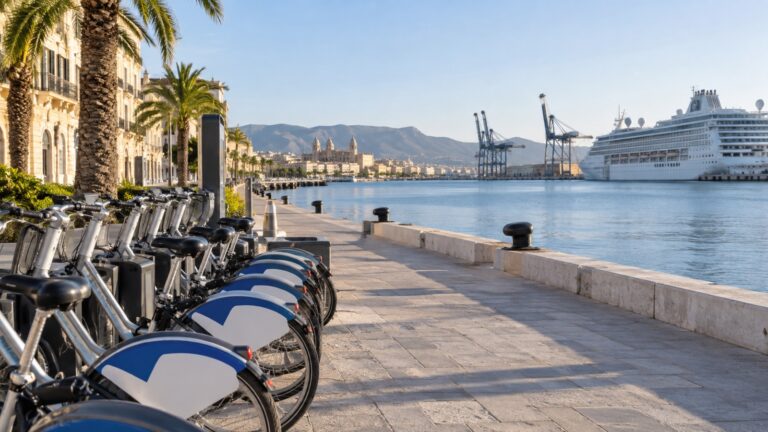
- Walkable historic center: DIY is usually the best fit because you depend on little or no transportation.
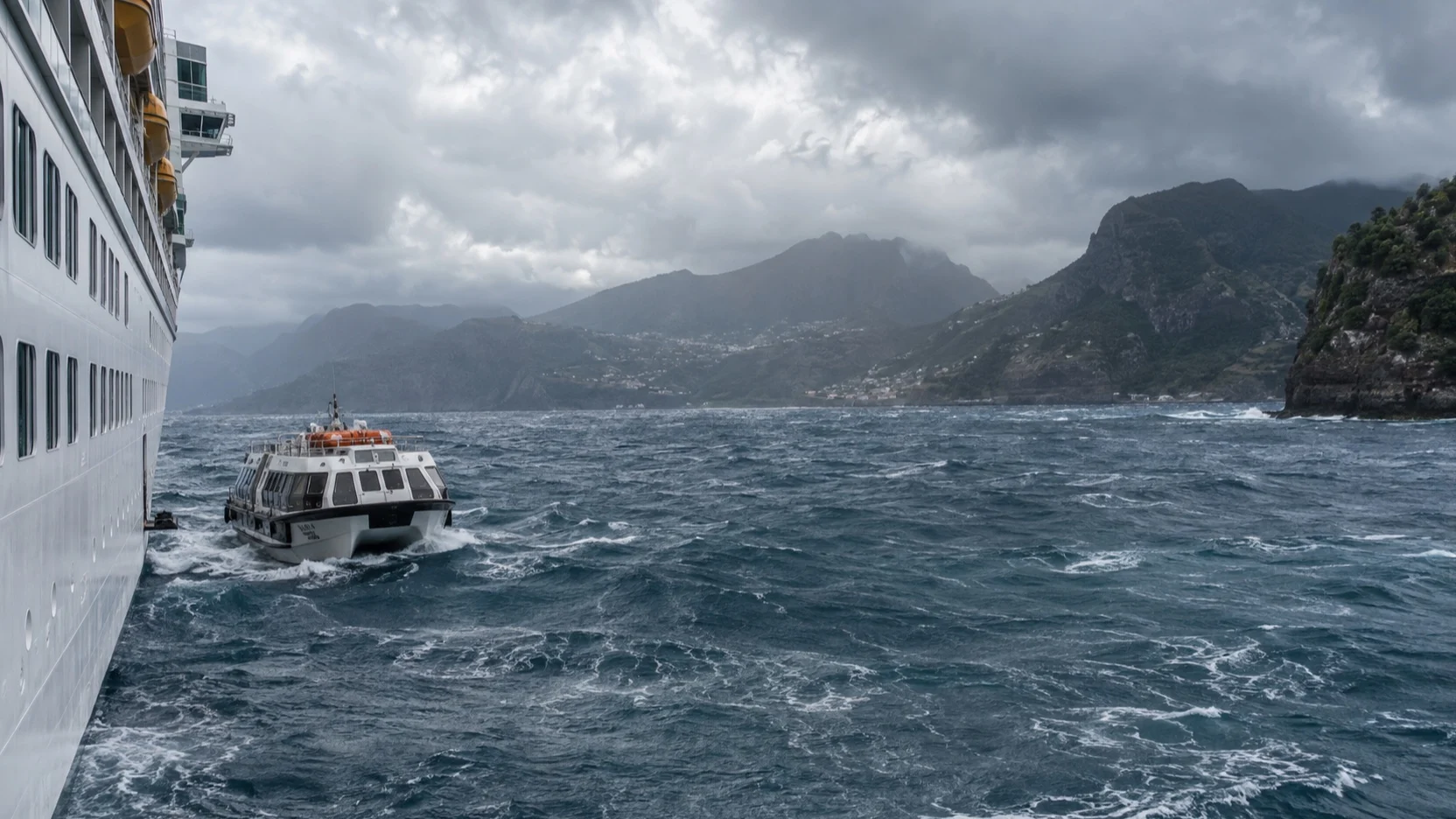
- Tender port with tight hours: A ship excursion is often the calmer choice because tender priority and timing may matter.
- Beach island with simple taxis: DIY or a local tour lets you tailor the day without adding unnecessary structure.
- Wildlife or boat experience: Use a reputable excursion because permits, equipment, welfare standards, and conditions matter.
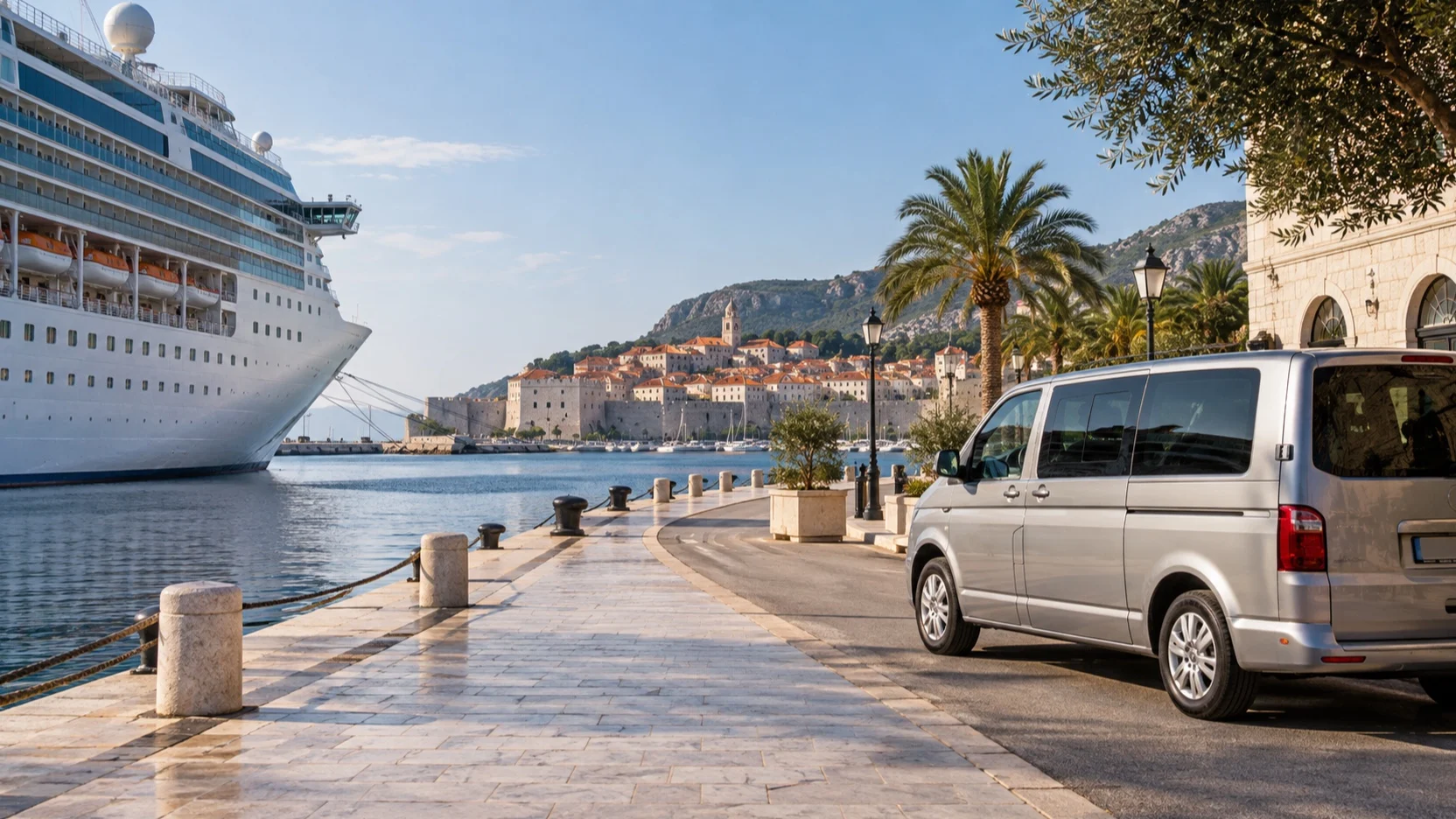
- Major city far from port: A ship excursion or direct transfer protects more useful time and reduces connection risk.
- Specific accessibility needs: Choose the provider that confirms the complete route and equipment in writing because the details matter more than the tour label.
What each option really means
Cruise-line shore excursion
A ship excursion is sold through the cruise line and meets according to onboard instructions. Its biggest advantage is coordination with the ship, especially when a tour returns late for reasons within the operator’s control.
That does not mean every ship excursion is automatically intimate, fast, accessible, or good value. Read the duration, transportation type, walking level, meal details, minimum age, cancellation terms, and actual time at the attraction.
Independent local tour
A local tour is booked directly with an operator or marketplace rather than through the cruise line. It may offer smaller groups, a specialized guide, a more flexible route, or a lower per-person cost.
The tradeoff is responsibility for vetting and return timing. Look beyond the star average by reading recent cruise-passenger reviews, checking licensing where applicable, confirming insurance, and getting the missed-port and late-return policies in writing.
DIY port day
DIY means arranging your own walking, public transport, taxi, rental, tickets, or combination of them. It can be wonderfully simple in ports where the ship docks beside the old town, but surprisingly complex when online advice hides three transfers.
DIY is strongest when you can abandon the final stop and still return easily. A plan with one rail line, one hourly ferry, and a nonrefundable timed ticket is not truly flexible just because you booked it yourself.
Start with the port, not your personality
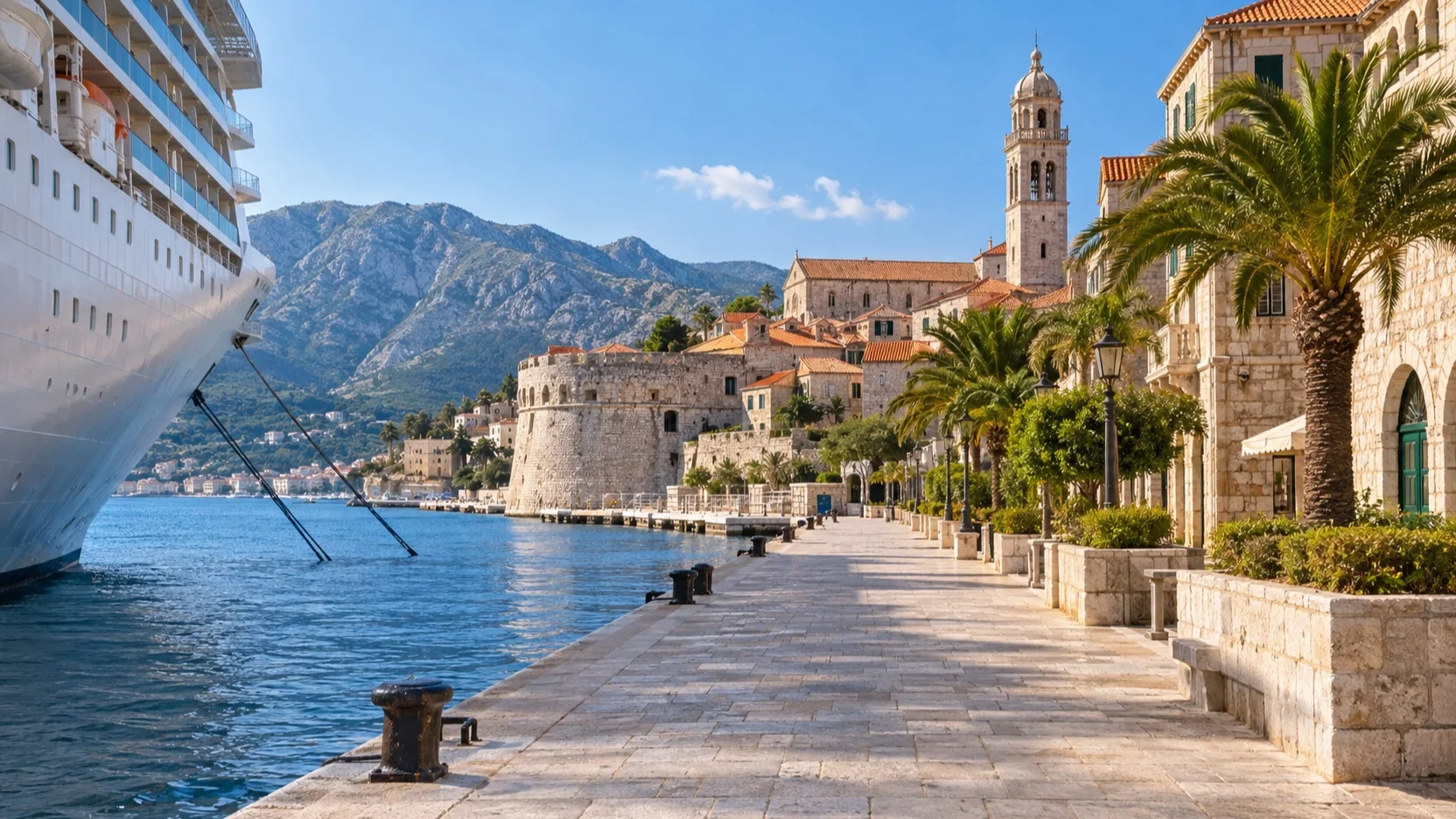
Travelers often say they are “independent” or “excursion people,” but port geometry should drive the decision. A confident traveler can still make a poor DIY choice in a remote port, while a cautious first-timer can enjoy an easy self-guided day in a compact center.
Ask where the ship actually berths, whether tenders are used, how far the goal is from the terminal, how often transport runs, and what backup exists. Then compare the useful hours ashore with the time the activity genuinely requires.
When a ship tour makes sense
The headline attraction is two or more hours from the ship.
The port call is short or arrives late in the day.
The itinerary depends on a tender, ferry, mountain road, border crossing, or limited train.
The activity uses boats, aircraft, wildlife permits, or specialized safety equipment.
Your group needs accessibility arrangements that the cruise line has confirmed in writing.
A missed connection would eliminate the only realistic route back.
Le Havre to Paris, Livorno to Florence, and some Mayan ruin trips illustrate the distance problem. The attraction may be feasible, but the transfer becomes the day’s largest component and deserves professional coordination.
A ship excursion also makes emotional sense when uncertainty would dominate your thoughts. Paying more can be reasonable if it lets you listen to the guide instead of refreshing a traffic map.
I want the booking method to solve the hardest part of the day, not simply make the receipt longer.
For the detail behind that, see How to Plan a Cruise When You Can Afford Only One Paid Excursion.
When a local guide adds value
Archaeological sites, food traditions, wildlife habitats, and complex historical districts benefit from a capable local guide. Ephesus, Pompeii, and many ancient Mediterranean sites are impressive alone but far richer when someone explains how the spaces functioned.
Local tours are also useful when the port is close enough for independent return options. If a vehicle fails near town and taxis are plentiful, the risk is different from a breakdown on a remote peninsula.

How to vet a local operator
Confirm the legal business name, guide licensing rules, and liability coverage where relevant.
Read the newest detailed reviews from cruise visitors, not only hotel guests.
Ask for the exact meeting point using a landmark or map pin.
Provide the ship name and the ship’s posted all-aboard time.
Get the cancellation terms for a missed or rerouted port call.
Ask what happens after a vehicle failure, weather cancellation, or delayed attraction entry.
Avoid operators who promise the ship will always wait for their guests.
A good answer is specific and calm, not magical. The operator should explain buffer choices, backup vehicles, communication, and how the itinerary is shortened when the ship arrives late.
When DIY stays flexible
The easiest DIY ports let you walk back to the ship or find several transport alternatives. Historic centers beside the berth, reliable urban transit, and attractions clustered within town create a day that can bend without breaking.
DIY also works well when your priority is atmosphere rather than a checklist. You can stop for a pastry, follow an interesting street, and turn around whenever the clock says the day is complete.
Signs a port is genuinely DIY-friendly
The center begins within a comfortable walk or official shuttle ride.
Transport runs frequently enough that missing one departure is not serious.
The main attraction does not require a timed entry that controls the entire day.
Taxis or transit provide a credible backup route.
Language and payment needs are manageable for your group.
The plan can lose its final stop without feeling ruined.
What “guaranteed return” means
Cruise lines explain that independently touring guests are responsible for returning before all aboard, while ship excursions are coordinated through the line. Read the actual excursion terms because remedies and procedures vary by cruise line and circumstance.
Even on a ship excursion, review official international travel guidance, and carry identification, medication, the daily program, and port-agent information. Follow the guide’s meeting time, because a group cannot coordinate a late return if you disappear during free time.

How timing changes the answer
A ten-hour port call can make a local train and a distant city reasonable, while a six-hour call can turn the same route into a stressful gamble. Use the ship’s all-aboard time, not the public itinerary’s sailing time, as the deadline.
Royal Caribbean says all aboard is generally about 30 minutes before sailing but must be verified onboard. Your personal return target should be earlier, especially when the route depends on traffic, ferries, or infrequent trains.
Our When the Cruise Terminal Is Far From Town cruise port guide shows what this looks like in practice.
Cost comparisons that are actually fair
Compare total cost, not the first price displayed. Add admission, transport to the meeting point, food, gratuities, equipment, currency fees, cancellation coverage, and the value of any time lost to extra stops.
A private local driver can become economical for a family, while a ship excursion may be competitive for one person. DIY public transport may be cheap but poor value if it leaves only 45 minutes at the attraction.
Mixed-ability groups
Group needs can change the best category. A private local vehicle may suit a multigenerational family better than a 50-seat motorcoach, but only if the operator can provide safe seating, storage, and the required walking accommodations.
Never treat “panoramic” as a guarantee of minimal walking or “easy” as a medical standard. Ask about steps, surfaces, vehicle height, restroom timing, shade, seating, and the distance from the gangway to transportation.
If I cannot explain what the extra money improves, I keep looking.
We wrote up River Cruise Excursion Groups for exactly this reason.
Weather can flip the decision
Rain may make a walking tour less appealing but improve a museum-focused DIY day. Wind can suspend tenders or small-boat activities, while extreme heat can turn a long archaeological itinerary into a poor choice.
Choose providers with clear weather procedures and keep a second plan that does not require the same conditions. A backup should be simpler than the original, not a frantic search after cancellation.
A five-minute decision test
Can I state the door-to-door travel time, not just the vehicle time?
Do I know the ship’s all-aboard time and whether ship time matches local time?
Is there a backup if the first transport fails?
Can I remove one stop without losing the point of the day?
Have I verified current schedules with primary sources?
Will this plan still feel enjoyable if everything takes 20 percent longer?
If several answers are no, move one step toward more coordination. That may mean switching from DIY to a local tour, or from a local tour to the ship excursion.
Quick answers
Are ship excursions always more expensive?
Often, but not always after total costs are compared. Solo travelers, included admissions, and long transfers can narrow the difference.
Will the ship wait for an independent tour?
Do not assume it will. Independently touring guests are normally responsible for meeting the posted all-aboard time.
Are local tours safe?
Quality varies by operator and destination. Verify licensing, insurance, recent reviews, communication, equipment, and contingency plans rather than relying on the booking label.
Can I mix the approaches?
Yes, and that is often ideal. Book a guided museum or boat trip, then use the remaining time for a self-guided walk near the ship.
What works for first-timers?
Choose the simplest plan that delivers your top priority. An easy DIY waterfront can be perfect, while a distant landmark may justify a ship excursion.
How this guide was researched: This guide was checked on September 11, 2026 against current official Royal Caribbean, Norwegian Cruise Line, and United States Department of State guidance, plus primary destination, transport, and attraction sources used throughout Cruise Ports. Exact policies and operations differ by line, sailing, port, and provider, so verify all-aboard time, pickup details, accessibility, admission, and cancellation terms directly before travel; see our Editorial Policy.
More on this topic: browse every guide on shore excursions and DIY port days.