Ha Long Bay Cruise Port: Karst Islands & Cave Cruises
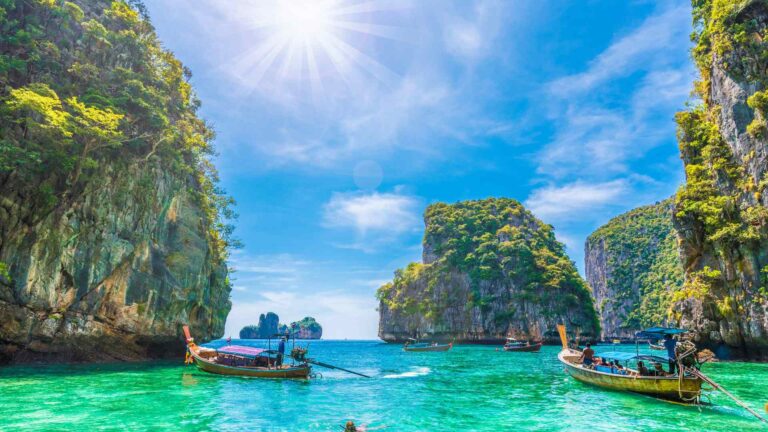
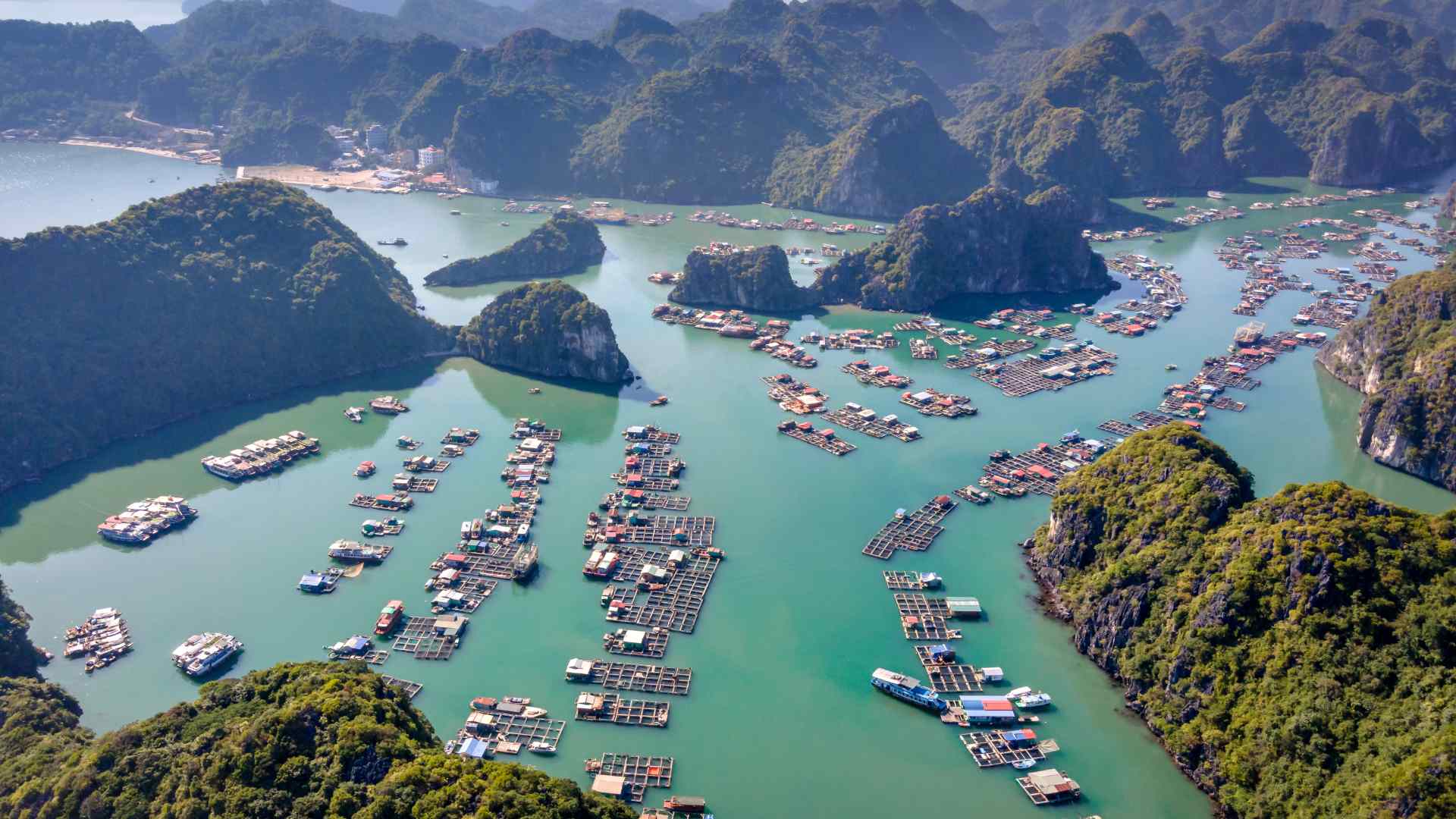
Ha Long Bay is the rare Vietnamese call where the attraction starts before you have even found your shoes. Limestone towers rise straight out of jade water, and the ship sails through the middle of them.
The catch is that the bay is best seen from something much smaller than a cruise ship. Everything good here happens on a boat you transfer onto, which makes the day a logistics puzzle rather than a stroll.
My quick take
Get on a small boat. That is the whole guide, and everything else is detail.
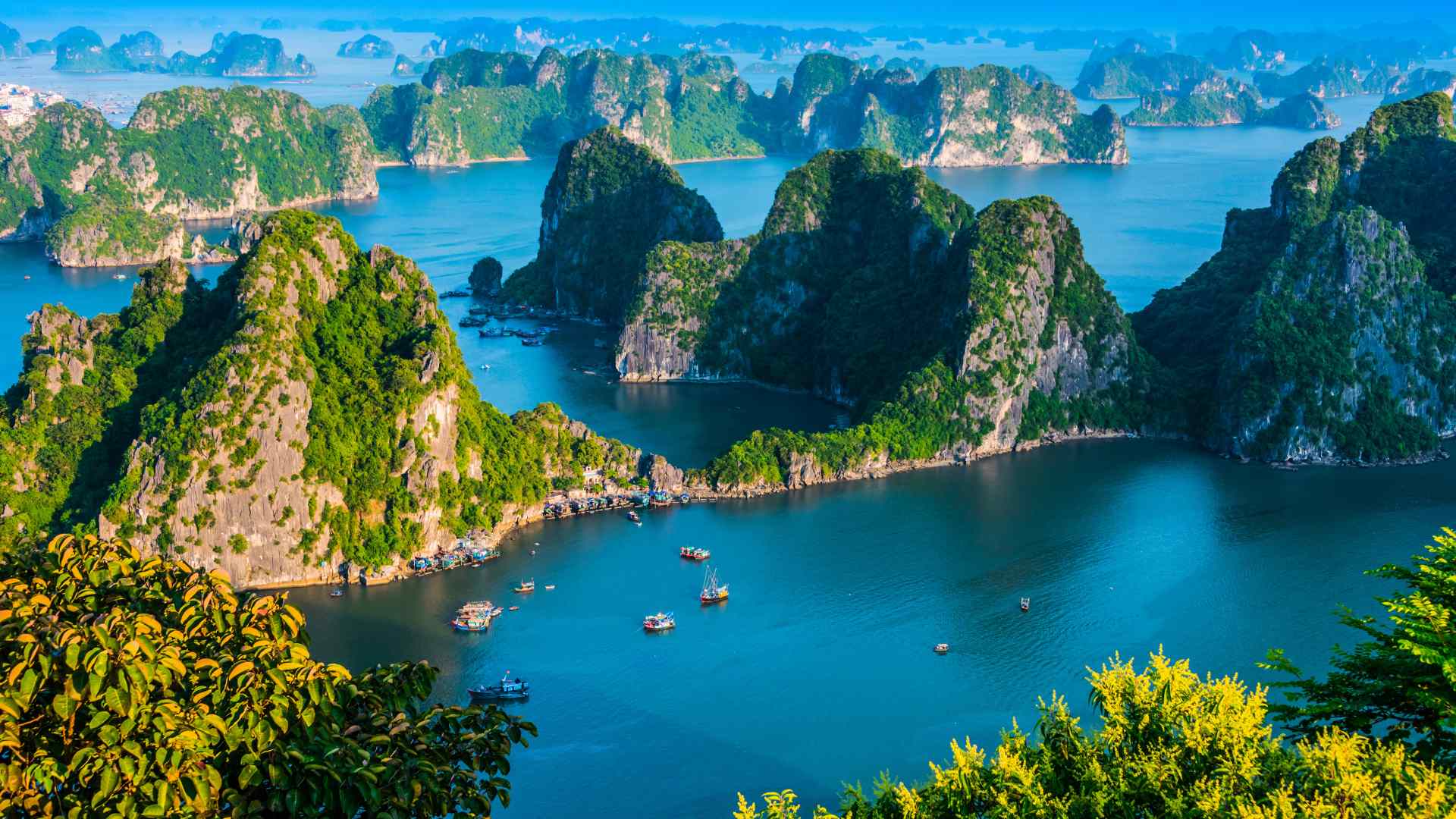
The bay only makes sense from water level, threading between islands that look like they were dropped there on purpose. Viewing it from deck fifteen is pleasant, and it is not the same experience at all.
Hanoi is technically possible at roughly two and a half hours each way, and I would not do it. You would be trading the thing you came for against five hours in a motorcoach, which is an odd trade to make.
Compare that with Chan May further south, where leaving the port is compulsory because there is nothing there. Here, staying local is the correct answer.
Ha Long Bay Cruise Port Quick Facts
- Where you land: Ha Long International Cruise Port at Bai Chay, in Ha Long City, Quang Ninh province. It was purpose built for passenger ships, with a proper terminal building, and it sits within easy reach of the Bai Chay waterfront and the tour boat piers.
- Dock or tender: Many ships berth at Hạ Long International Cruise Port, while an anchorage can require tenders. Tender queues and sea conditions change usable time, so no fixed one-hour allowance fits every call.
- Into town: The Bai Chay waterfront is close enough to walk in patches, though very wide roads break it up.
- Currency and language: Vietnamese dong (VND) and Vietnamese.
- Time zone: Indochina Time (ICT, UTC+7).
- Weather and operations: Severe weather can affect the ship’s approach, tender service, or sightseeing boats, so confirm the day’s operating plan onboard.
The cruise port, the boats, and how the bay is actually run
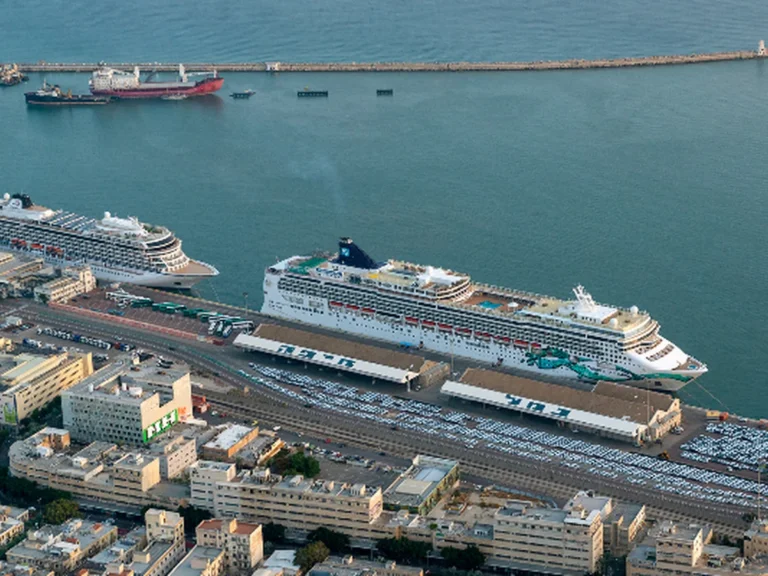
Ha Long International Cruise Port sits at Bai Chay and was purpose built for passenger ships, with a proper terminal building rather than a shed. After Phu My and Chan May it feels almost decadent.
From the terminal you are within easy reach of the Bai Chay waterfront, the bridge, and the tour boat piers. This is the only Vietnamese cruise call where doing something without a two hour drive is genuinely realistic.
The bay itself is a managed heritage site rather than open water you can wander into. Sightseeing runs on numbered official routes, boats are licensed, and tickets are issued per route.
The management board assigns numbered sightseeing routes, but caves, islands, landing points, and operating rules can change. Ask the licensed operator to name the exact current route, included ticket, transfer point, and shore stops before paying.
The other thing worth understanding is that the authorities suspend bay sightseeing in bad weather, and they do it decisively. If a storm is near, the boats simply do not sail, and no amount of prepaid enthusiasm changes that.
Getting around
Boats are the transport that matters, and everything else is a supporting act. Ship excursions bundle the transfer, the boat, the route ticket, and usually lunch, which is why so many people just buy one.
Independent day cruises are easy to arrange in advance and cheaper, and they leave from the tour boat piers rather than your ship. Confirm which pier you are being sent to before you commit to a taxi.
On land, taxis and Grab both work in Ha Long City and the fares are modest. The waterfront is walkable in patches and broken up by very wide roads.
Hanoi is roughly 103 miles away, and expressways have cut that to around two and a half hours. It is a real option on a long call, and it is still five hours of driving.
The stops I would actually spend time on
Most of this list is reached by boat, which is exactly as it should be. Pick a route that includes one cave and one viewpoint and you have a very good day.
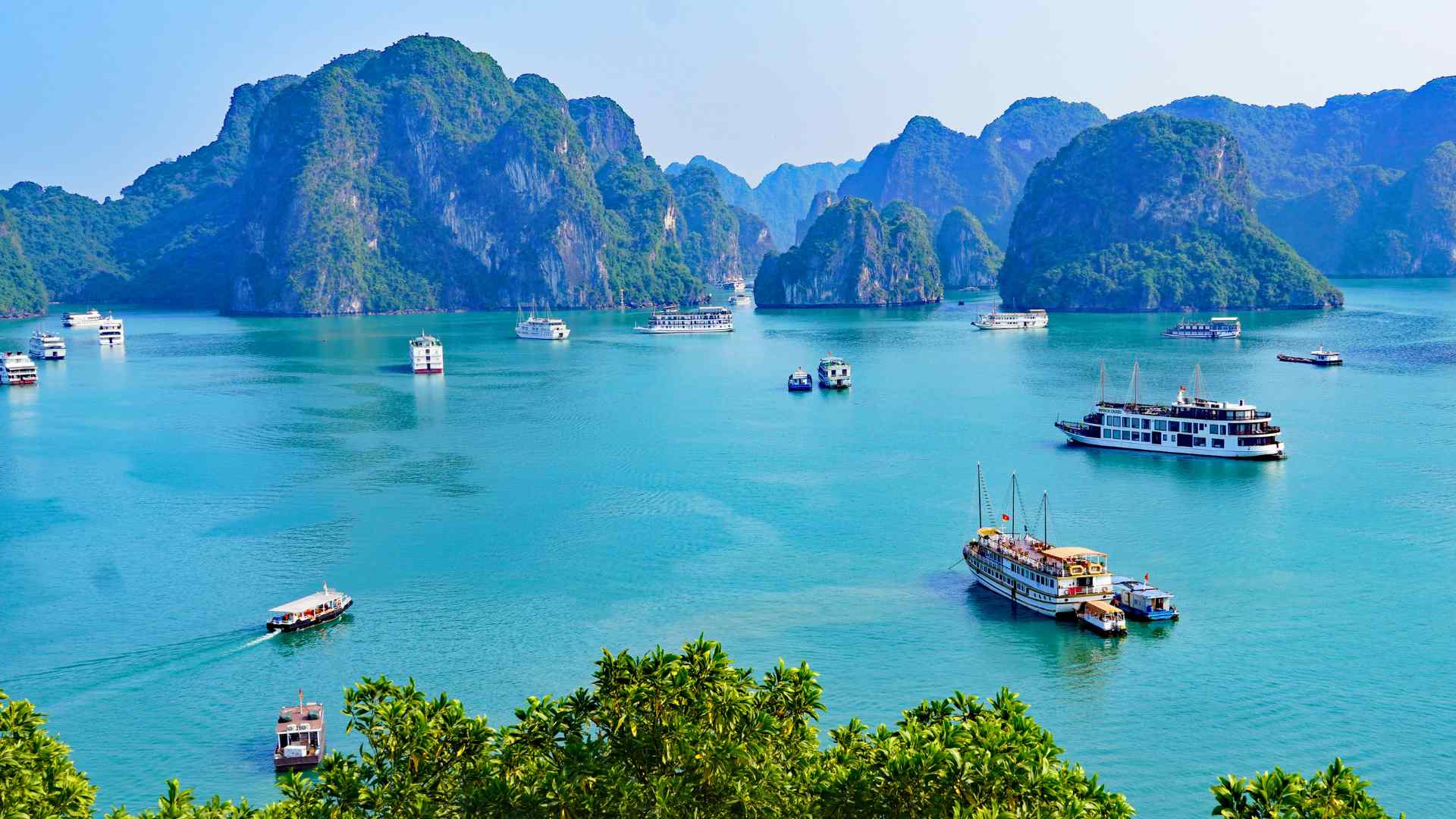
A junk boat cruise through the karsts: The classic wooden hulled day boat, weaving between towers of limestone with the engine ticking over. Two to four hours of this is the reason the port exists.
Sung Sot Cave: The Surprise Cave on Bo Hon Island, a vast lit chamber system that lives up to the name. It is the busiest cave in the bay, so early or late is much better than midday.
Thien Cung Cave: The Heavenly Palace cave, closer to the port and usually paired with Dau Go on route VHL1. It is theatrically lit in colors that no cave has ever been naturally.
Dau Go Cave: The quieter neighbor of Thien Cung, with a huge main chamber and far fewer elbows. If your route includes both, this is the one people rush and should not.
Ti Top Island: A small island with a beach and a staircase to a viewpoint over the bay. The climb is a few hundred steps and delivers the photograph you have already seen a thousand times.
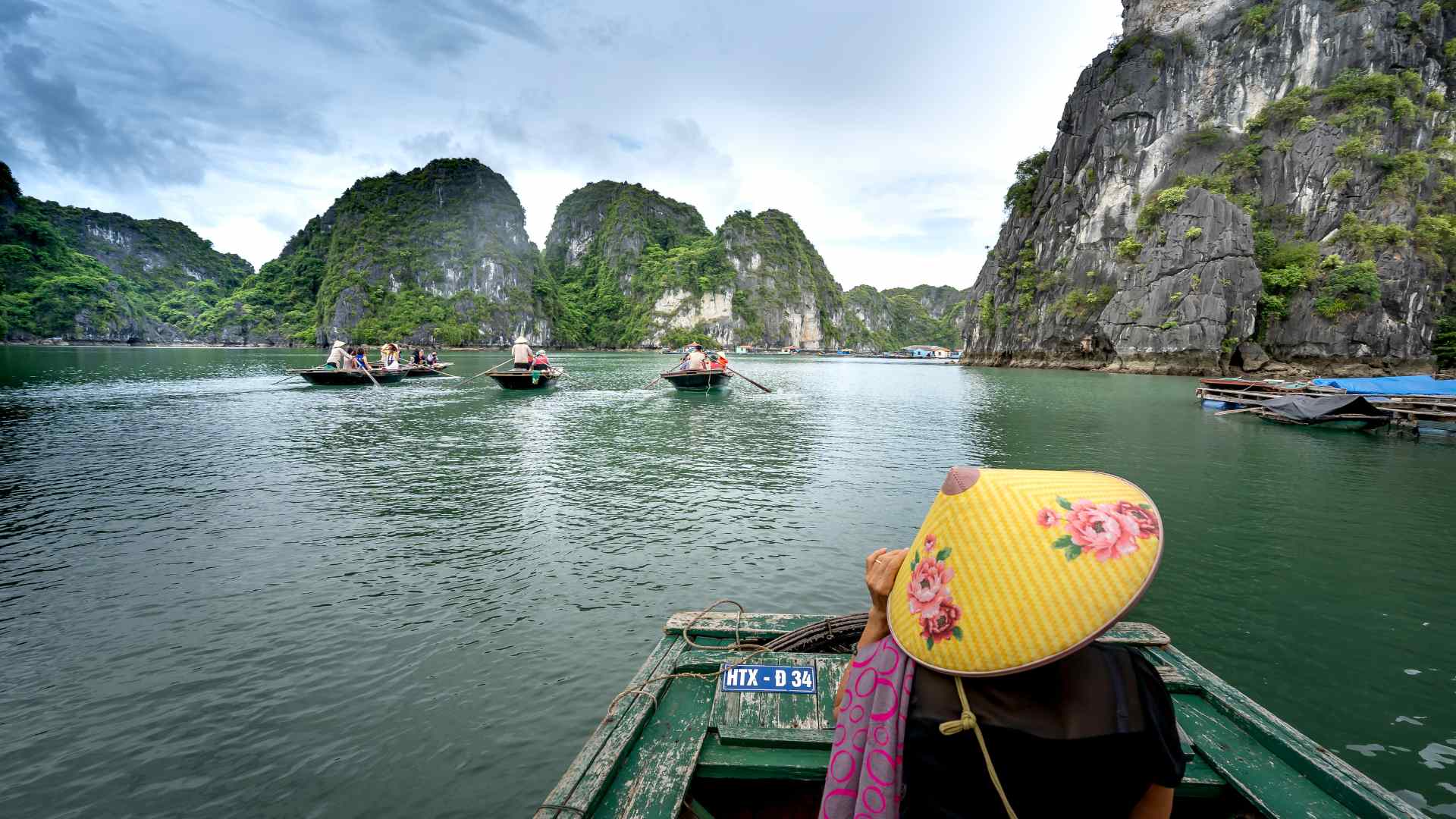
Kayaking or a bamboo rowing boat: The way to get inside the lagoons and through the low rock arches the big boats cannot enter. Ten minutes of this beats an hour of anything else.
A floating village visit: Communities like Cua Van have lived on the water for generations, and the cultural center there explains how. Go with a guide who treats it as a place rather than a photo stop.
Quang Ninh Museum: The black glass block on the Ha Long waterfront, covering the region’s mining and maritime history. It is a strong plan B when the bay is closed and the rain is horizontal.
Fun fact: The property was inscribed in 1994, extended in 2000, and extended again in 2023 to take in the Cat Ba Archipelago, now covering roughly 253 square miles and 1,133 islands and islets. The UNESCO listing for Ha Long Bay and Cat Ba calls it the most extensive example of marine invaded tower karst on Earth.
Buy an authorized bay route with the return included
Hạ Long Bay is a managed World Heritage destination, so use a licensed vessel and the official ticket for the authorized route. A private quote does not create permission to land at a cave or island that is closed, full, or outside that boat’s route.
Confirm the cruise-ship gangway or tender, transfer to the sightseeing pier, boat duration, cave stairs, life jackets, restroom, meal, and final port return as one chain. A ship excursion is safer for a tender call, while an independent boat can be smaller but needs a written return at least 90 minutes before all aboard.
Vietnam entry requirements depend on nationality, itinerary, and cruise-line processing. Use the official Immigration Department portal when an e-Visa is required, and make sure the authorized seaport matches the cruise documents.
How I would plan the day
Book a bay cruise, go early, and let everything else be optional. The light is better in the morning and the caves are emptier before the fleet converges.
Check whether your boat trip includes the bay route ticket, because it is a separate charge and a classic source of dockside confusion. Ship excursions include it, and independent bookings sometimes do not.
On a short call, take the shortest licensed route with one cave and skip the island climb. Two hours on the water still shows you the thing you came to see.
I would leave Hanoi for a different trip unless your ship is overnighting. A day return to a city that deserves three days is a decision you will regret somewhere around hour four.
Plan B if the bay closes is Ha Long City itself, with the museum, the waterfront, and the cable car across the strait. It is not what you booked, and it beats staring at the terminal.
A realistic word on accessibility
The cruise terminal is the easiest part of the day, being modern, level, and built for passengers. Ha Long City has better sidewalks than most Vietnamese towns, which helps.
The boats are the honest obstacle, since boarding means a step down onto a deck that is moving and often a second transfer at the caves. Crews are helpful, and none of it is designed for wheels.
The caves involve long staircases with uneven, damp stone and no alternative route, and Ti Top is several hundred steps. If your ship tenders here instead of docking, my guide to what a tender port involves and my roundup of wheelchair-friendly cruise ports are both worth a read first.
When to go, and the weather
Northern Vietnam has four real seasons, which surprises people who expect tropical heat everywhere. Ha Long can be genuinely chilly in January.
The best window is September to November, when the air is cool and the skies are clear enough to see the far islands. April and May are also lovely, sunny with a breeze.
Winter, roughly December to March, runs in the 60s Fahrenheit, with a low gray mist that some people find atmospheric and others find disappointing. Summer highs reach the low 90s Fahrenheit, with monsoon rain and typhoon risk from June to August.
Pack a light waterproof, a warm layer for winter calls, and shoes with grip for wet cave steps. Vietnam’s official tourism guide to Ha Long breaks the seasons down honestly, including the unpredictable ones.
Quick answers
Do ships dock or tender at Ha Long Bay?
Most calls berth at Ha Long International Cruise Port at Bai Chay, which was built for the purpose. Some ships still anchor in the bay and tender, so confirm with your daily program.
Can I visit Hanoi from Ha Long Bay?
Yes, at roughly two and a half hours each way on the expressway. It only makes sense on a very long call or an overnight, and you will miss the bay.
Which cave should I choose?
Sung Sot is the biggest and most impressive, and Thien Cung is closer and more theatrically lit. If your route offers Dau Go as well, do not skip it.
Can bad weather cancel the bay trip?
Absolutely, since the authorities suspend sightseeing routes when conditions turn. Storms in the summer months are the usual cause and the decision is not negotiable.
The last word
Ha Long is the easiest call in Vietnam and the one people most often overcomplicate. Get on a small boat, look up, and let the day be simple.
For the other end of the country and the other end of the effort scale, my Phu My cruise port guide covers the long haul into Ho Chi Minh City. The contrast between the two calls is remarkable.
If your itinerary runs on toward China, my Hong Kong cruise port guide picks up the next big city stop. Together they cover most of what a northern Asia cruise throws at you.
How this guide was researched: Unless a first-hand visit is explicitly identified above, this guide is based on independent research using official port, tourism, transit, government, and attraction sources where available. Logistics and time-sensitive details were reviewed on September 11, 2026; see our Editorial Policy.