Invergordon Cruise Port: Loch Ness & Highland Castles
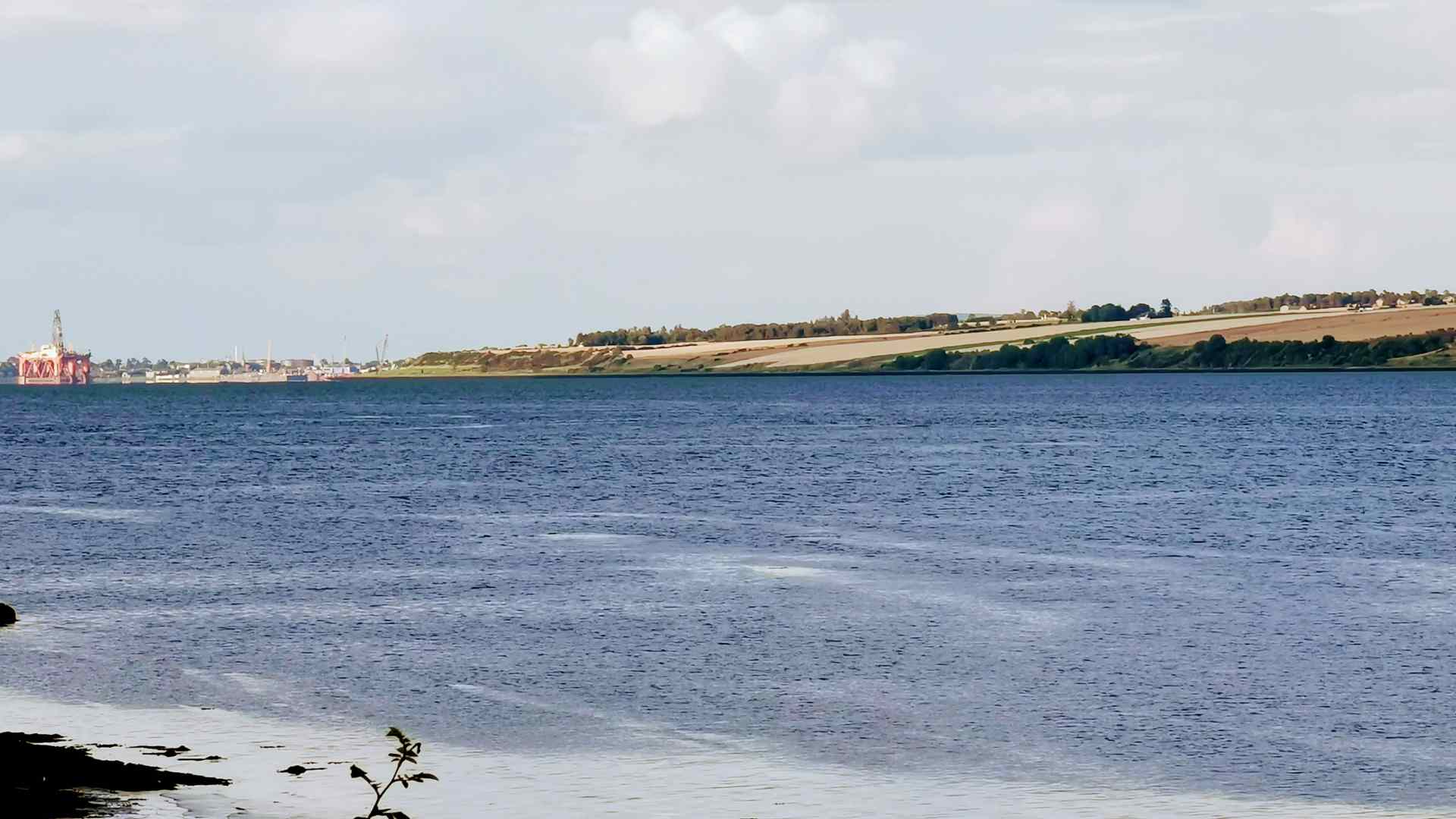
Invergordon is a port that knows exactly what it is. Almost nobody sails into the Cromarty Firth for Invergordon itself, and the town seems entirely at peace with that.
Most calls berth alongside, and the official port schedule identifies the day’s berth or anchorage. Once ashore, the Highlands open west toward Loch Ness, south toward Inverness, and north toward Dunrobin Castle.
My quick take
This is a gateway port in its purest form, and the only real decision of the day is which direction you point yourself. West to Loch Ness, south to Inverness, or north up the coast to Dunrobin Castle.
Loch Ness with Urquhart Castle is the classic, and it earns the fuss. Just go in knowing you are visiting a spectacular ruin on a very long, very dark lake, and that the monster will not be appearing.
If castles are more your thing than lake monsters, Dunrobin is the better day out and considerably less crowded. It looks like somebody dropped a French chateau on the Sutherland coast, which is more or less what happened.
What I would not do is spend the day in Invergordon, unless you genuinely need a quiet stroll and a coffee. For how this call stacks up against the rest of Britain, my roundup of UK cruise ports puts it in context.
The quick facts
- Where you land: The Port of Cromarty Firth assigns deep berths and anchorages for each call. Many ships berth alongside at Invergordon, but check the live schedule and daily program rather than assuming ship size settles it.
- Dock or tender: Most calls dock alongside, while an anchorage assignment can require tenders. The official schedule is the best current answer.
- Into town: Invergordon’s High Street is a flat walk of roughly 10 minutes from the berth, with no shuttle needed.
- Currency and language: British pounds sterling (GBP), and English, with Gaelic on the road signs.
- Time zone: British Summer Time (BST, UTC+1) through the April to October cruise season, GMT (UTC+0) in winter.
- Call reliability: The Port of Cromarty Firth provides sheltered deep berths and anchorages, but the assigned berth, wind, visibility, and ship operations still shape each call. Check the official schedule and daily program.
- Best first visit: Book Loch Ness and Urquhart Castle for the classic Highland day, or take a checked train to Inverness for the easiest independent plan. Choose one direction rather than trying to combine the loch and Dunrobin.
- Return margin: Reach the gangway or tender point well before all aboard. Build in a backup train from Inverness and extra road time after castles, Culloden, or Loch Ness.
Berthing, shuttles, and the walk to the trains
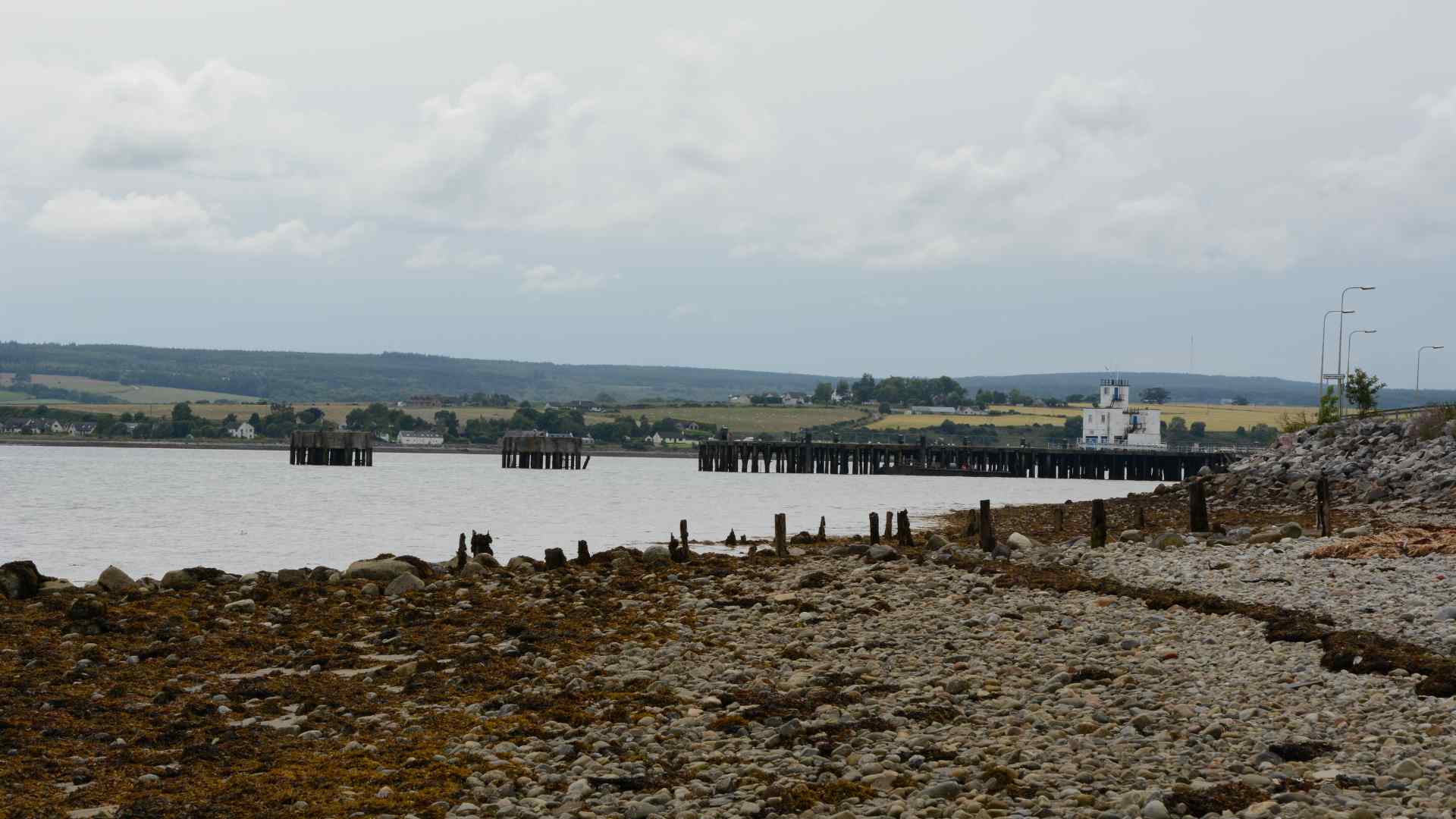
Invergordon is a working commercial port that also handles energy and offshore traffic, so do not expect a glossy resort terminal. Passenger welcome areas, volunteer information, coaches, and walking routes are arranged for each call.
The good news is that you walk off onto solid ground and straight into the town. There is no long industrial trek and no mandatory shuttle, which puts Invergordon ahead of a lot of gateway ports.
The Port of Cromarty Firth publishes its cruise schedule, which is worth a look if you want to know how many other ships are sharing your day. Two large ships in port turns the Loch Ness road into a convoy.
Invergordon station is unstaffed, so buy through ScotRail or from any available ticket facility before boarding. Do not assume an onboard sale will be allowed when you had a reasonable way to buy first.
Taxis do turn up at the pier, but there are not many of them and they get claimed fast. If you want one for a half-day tour, book it weeks ahead rather than hoping.
Getting around
The train to Inverness is the best independent move here, and it takes roughly 45 minutes on the Far North Line. The catch is frequency, because this is a rural single-track rail line with only a handful of services a day.
Check the actual schedule on ScotRail before you commit, and specifically check the return times. Missing the one useful afternoon train back is a genuinely expensive mistake.
Buses run down the A9 corridor to Inverness as well, and they are slower but more frequent than the train. They are a reasonable plan B if the train schedule does not line up with your all aboard.
Loch Ness is not reachable by public transport from Invergordon in a sensible way, so this is one port where a tour genuinely earns its money. Ship excursions or local operators both work, and the local ones are usually smaller and cheaper.
Invergordon itself needs no transport, and the port promotes its mural trail, high-street Duck Trail, independent shops, and cafés as low-key local options. They suit a short call, limited mobility, or the spare hour after an excursion.
The stops I would actually spend time on
Almost everything worth seeing from Invergordon is somewhere else, which is fine as long as you accept it early. These are the places I would build a day around, roughly in order of how often they earn the drive.
Urquhart Castle: A ruined stronghold on a rocky promontory with an open view up and down Loch Ness, and the single most photographed spot in the Highlands for good reason. Book online ahead, because the parking lot fills with motorcoaches by mid-morning.
A Loch Ness boat trip: Half an hour on the water tells you more about the scale of the loch than any viewpoint. Most tours from Invergordon bundle this with the castle, which is the sensible combination.
Inverness: A compact riverside city with a cathedral, a covered Victorian market, and a very walkable stretch along the River Ness. It is the easiest do-it-yourself day from this port by a wide margin.
Dunrobin Castle: The largest house in the Northern Highlands, with 189 rooms and major 19th-century work by Sir Charles Barry. Opening dates, rooms, gardens, and falconry displays are seasonal, so check the castle directly before using the rail stop or booking a driver.
Culloden Battlefield: The moor where the 1746 Jacobite rising ended, now a National Trust for Scotland site with an excellent visitor center. It is bleak, quiet, and far more affecting than a field has any right to be.
Fort George: An enormous 18th century artillery fortress on a spit in the Moray Firth, built after Culloden and barely altered since. Bring a jacket, because the ramparts are gloriously exposed.
Chanonry Point: A narrow spit on the Black Isle known for bottlenose dolphins feeding on the tide. Sightings are not guaranteed, so treat it as a bonus rather than a plan.
Glen Ord distillery: A working Highland distillery at Muir of Ord with a visitor center and tours. It is the closest thing to a whisky experience you can fit around a Loch Ness morning.
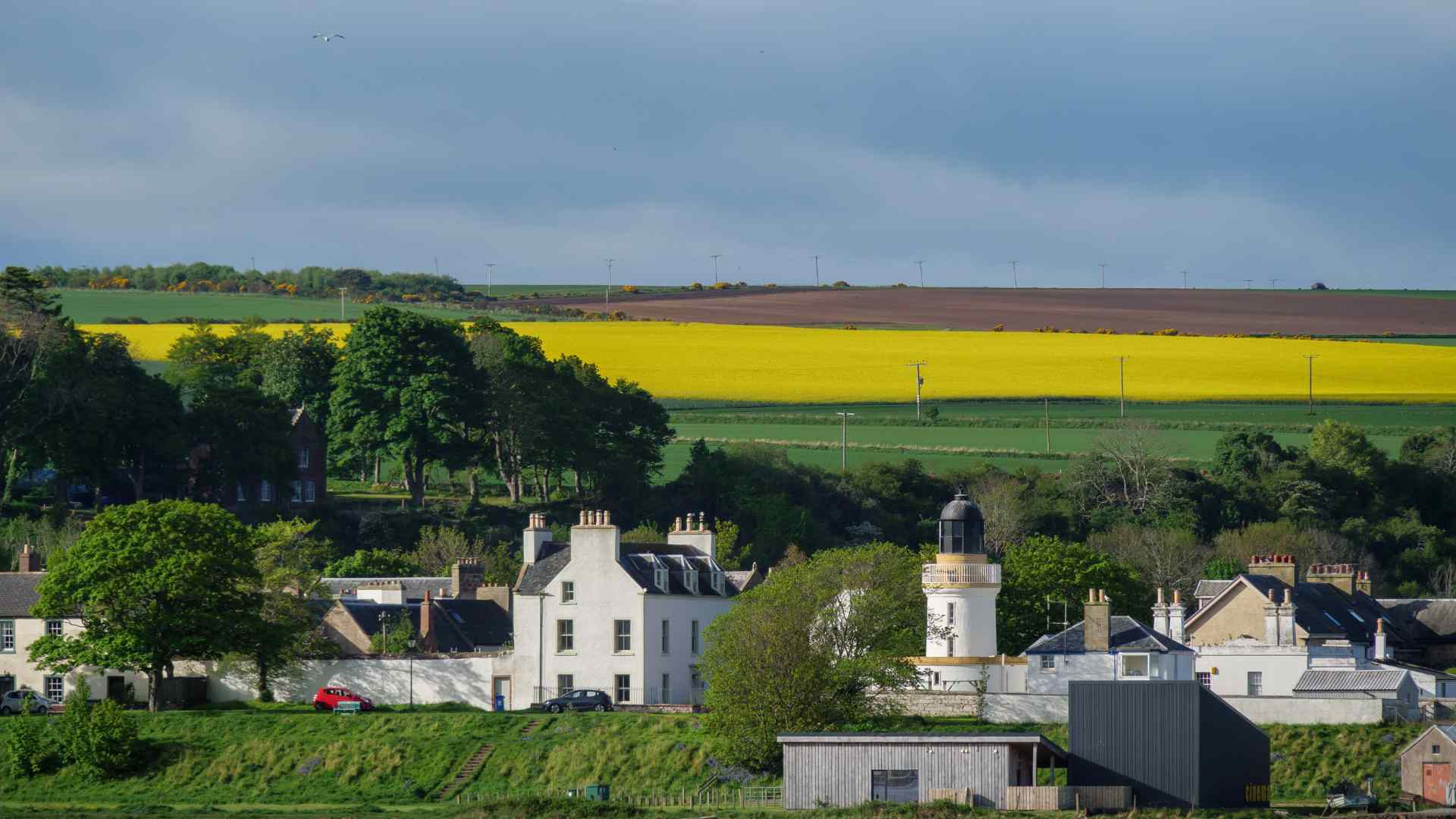
Invergordon’s murals: The town has painted a series of large murals on its buildings telling local naval and social history. It takes about half an hour and it is the best reason to linger in town.
Fun fact: Urquhart Castle was not so much abandoned as deliberately blown up, with government troops wrecking it during the Jacobite risings rather than leave a useful fortress behind. Historic Environment Scotland runs the site now, and its official Urquhart Castle page lists the seasonal opening hours you should check before booking anything.
Build one Highland route with a recovery plan
For Loch Ness and Urquhart Castle, a ship excursion or prebooked local tour is the practical first visit because the site sits beyond Inverness and public connections do not fit every call. For Dunrobin, confirm the seasonal opening and return train before leaving, or use a driver who waits.
The train is excellent for an Inverness-only day when both directions line up, but a rural timetable needs at least one earlier return as backup. Reach Invergordon 60 to 90 minutes before all aboard, and add more time after any castle or loch excursion.
UK entry permission depends on nationality, including whether an ETA or visa is required. Check the official UK visa service and follow the ship’s passport instructions before sailing.
How I would plan the day
On a standard call I would book a Loch Ness and Urquhart tour and stop trying to be clever. The drive over from the firth is beautiful in itself, and you get back with time for a wander through town.
If you would rather do it yourself, take the earliest sensible train to Inverness and treat the city as the whole day. Add Culloden or Fort George by taxi from there if you feel energetic.
On a short call, forget Loch Ness entirely and go north or stay local. The round trip to Urquhart eats most of six hours once you factor in a motorcoach parking area and a line.
My crowd-avoidance trick is simply to go west early, since almost everyone visits Urquhart between 11am and 2pm. An early tour puts you on the promontory while the light is still low over the loch.
If the weather collapses, which it will at some point, the plan B is Inverness with its indoor market and museum. Highland rain is rarely dramatic, it is just persistent and slightly personal.
A realistic word on accessibility
The port end of this day is genuinely easy, with a flat quay, a level gangway on most ships, and a paved walk into a flat town. If you only want to see Invergordon, this is one of the gentler ports in Scotland.
The excursions are where it gets complicated, because Urquhart Castle sits below its visitor center on a slope, and the ruin itself is uneven stone and grass. Culloden and the Inverness city center are both far more manageable.
Invergordon station is unstaffed and has limited step-free access, so arrange assistance with the rail operator well in advance rather than on the day. For a broader look at which ports handle this well, see my guide to wheelchair-friendly cruise ports.
When to go, and the weather
The cruise season here runs roughly from April into October, and there is no meaningful winter calling. May and June are my picks for the longest daylight and the driest odds.
Summer highs sit somewhere in the low to mid 60s Fahrenheit, and it can feel a lot cooler on an exposed loch shore. Spring and fall shade into the 50s Fahrenheit.
Rain is a constant possibility rather than a season, so pack a waterproof jacket and stop consulting the forecast. Umbrellas are close to useless once there is any wind off the firth.
In high summer the midges arrive near water in still conditions, and Loch Ness at dusk is exactly their sort of venue. You will be back aboard by then, but repellent costs nothing to carry.
Quick answers
Do you tender at Invergordon?
Most cruise calls berth alongside, but the Port of Cromarty Firth also uses anchorages. Check the port’s current cruise schedule and the ship’s daily program for your call.
Can I get to Loch Ness on my own?
Not easily, because there is no direct public transport from Invergordon to the loch. Take a tour, or take the train to Inverness and pick up a Loch Ness trip from there.
Is there anything to do in Invergordon itself?
Yes, for a relaxed local day rather than a headline Highland circuit. The mural trail, heritage displays, Duck Trail, waterfront, shops, pubs, and cafés are all close to the port.
How long does the train to Inverness take?
Around 45 minutes each way on the Far North Line. Frequency is the real issue, so check both directions before you leave the ship.
The last word
Invergordon is not a port you visit, it is a port you leave, and the sooner you make peace with that the better your day gets. Pick one direction, book it early, and let the Highlands do the work.
If your itinerary also swings through Orkney, my Kirkwall cruise port guide covers a stop where the good stuff is genuinely close to the ship. It makes an interesting contrast with this one.
For the rest of Scotland, my Greenock and Edinburgh guides handle the other two big gateway calls. Between them you get Glasgow, Edinburgh, and the Highlands without ever staying in the port town.
How this guide was researched: Unless a first-hand visit is explicitly identified above, this guide is based on independent research using official port, tourism, transit, government, and attraction sources where available. Logistics and time-sensitive details were reviewed in September 2026; see our Editorial Policy.