Alicante Cruise Port: A Cruiser’s Guide to the Costa Blanca
Alicante is a port that understands the assignment. It places a castle, old quarter, palm-lined promenade, market, museums, and city beach close enough together that a good day needs comfortable shoes, not a military campaign map.
The main trap is trying to improve on that convenience by racing to distant resorts. For most first visits, the city itself is the smarter and more distinctive use of the call.
Lock the operating plan before you leave the ship
Alicante’s official castle page lists the beachfront elevators and a minibus from Plaza Puerta del Mar, but both can close or queue in bad weather and heavy demand. Vehicle access at the summit is for authorized drop-off and pickup, including taxis and travelers with reduced mobility, and public parking is not available inside the castle grounds.
Castle: check the live official notice, choose elevator, minibus, or walking route before leaving the waterfront, and budget for the descent.
Old town and beach: best for short calls, families, and uncertain weather because the plan stays near the port-side return point.
MARQ: best for archaeology, but add the tram, bus, or taxi leg and come back to the waterfront before the final hour.
Tabarca: attempt only on a long call with favorable seas, a confirmed operator, and a return sailing early enough to survive a cancellation or delay.
Alicante is one of the rare ports where the conservative plan is also the best first visit. Castle, old town, market or museum, and a waterfront finish deliver more than a distant Costa Blanca transfer with less return risk.
From ship to city without guesswork
Cruise ships normally berth in Alicante’s port rather than tender offshore. Exact quay and shuttle arrangements vary, so use the ship’s daily program and port instructions for the day’s walking rules, transfer point, and last return.
Do not assume you may walk through every working-port area. If a shuttle is provided, take it to the designated city-side stop and note the return location before wandering away under the palms.
Check current operator rules before relying on a particular payment method for buses or shuttles.
The waterfront is the natural navigation spine. With the sea behind you, the old quarter and castle rise inland, while Postiguet Beach sits directly below the hill.
Quick Facts
- Arrival: Cruise ships use the Port of Alicante, but the assigned quay and any shuttle across the working-port area vary by day.
- Berth check: Ships normally berth alongside rather than tender, yet passengers should follow the cruise line’s final gangway and transfer instructions.
- City access: The designated city-side arrival point connects naturally with the Explanada de España, old town, castle access, museums, and Postiguet Beach.
- Best short plan: Combine the Explanada, old quarter, one castle or museum visit, and a waterfront finish.
- Currency and language: The euro and Spanish are standard, while Valencian also appears on signs.
- Time: Alicante follows Central European Time with seasonal daylight saving changes, so verify ship time onboard.
- Operational risk: No official public call-by-call dataset supports a precise missed-call percentage, and port or weather conditions can still change the day.
The first-timer loop
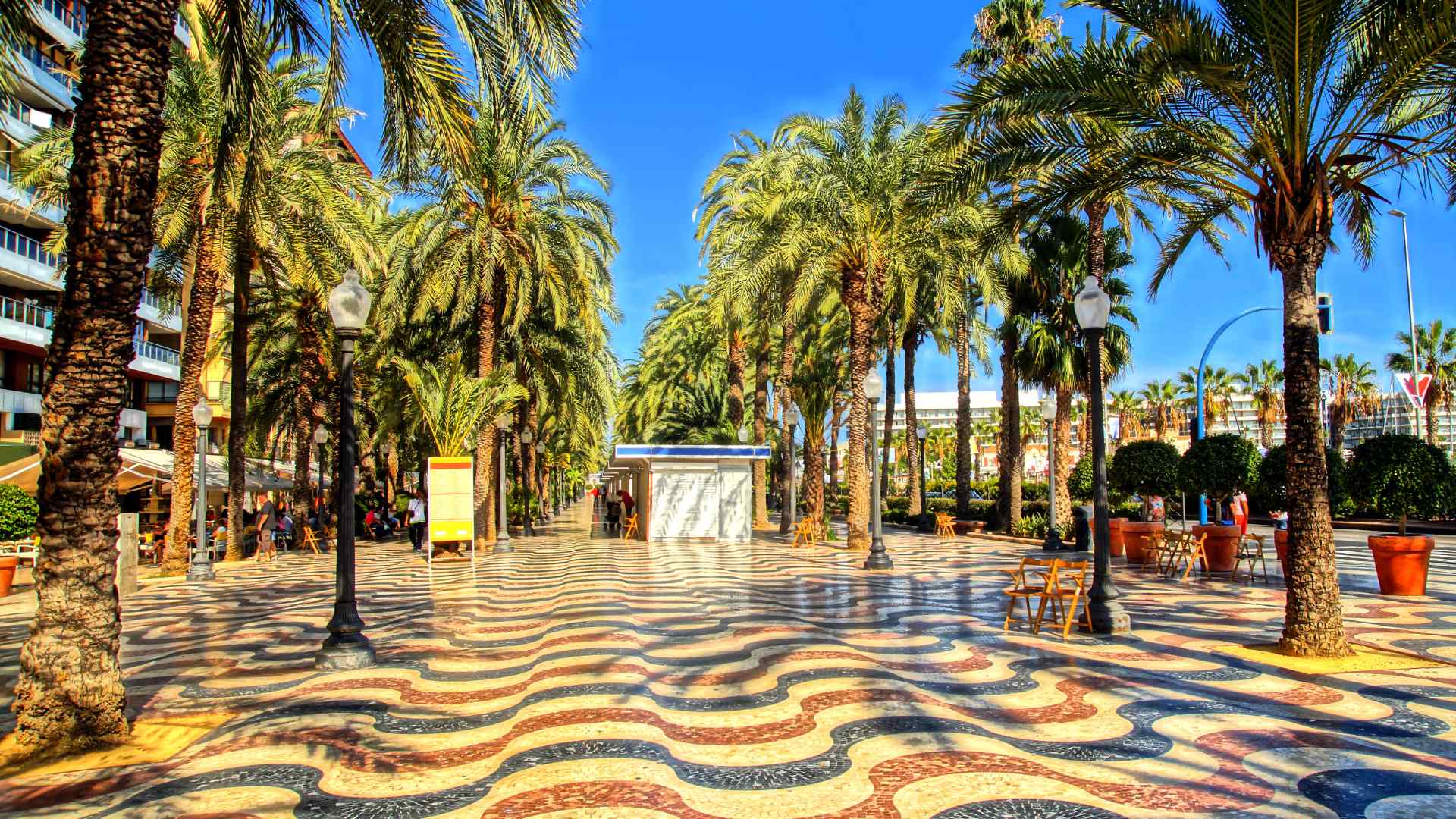
Begin along the Explanada de España, known for its wave-pattern mosaic paving and rows of palms. It is attractive, flat, and easy, although polished paving can feel slippery after rain.
Continue into the historic center around the Town Hall, the Co-cathedral of San Nicolás, and the Basilica of Santa María. Religious buildings may restrict tourist entry during services, so admire the exterior and keep moving if worship is underway.
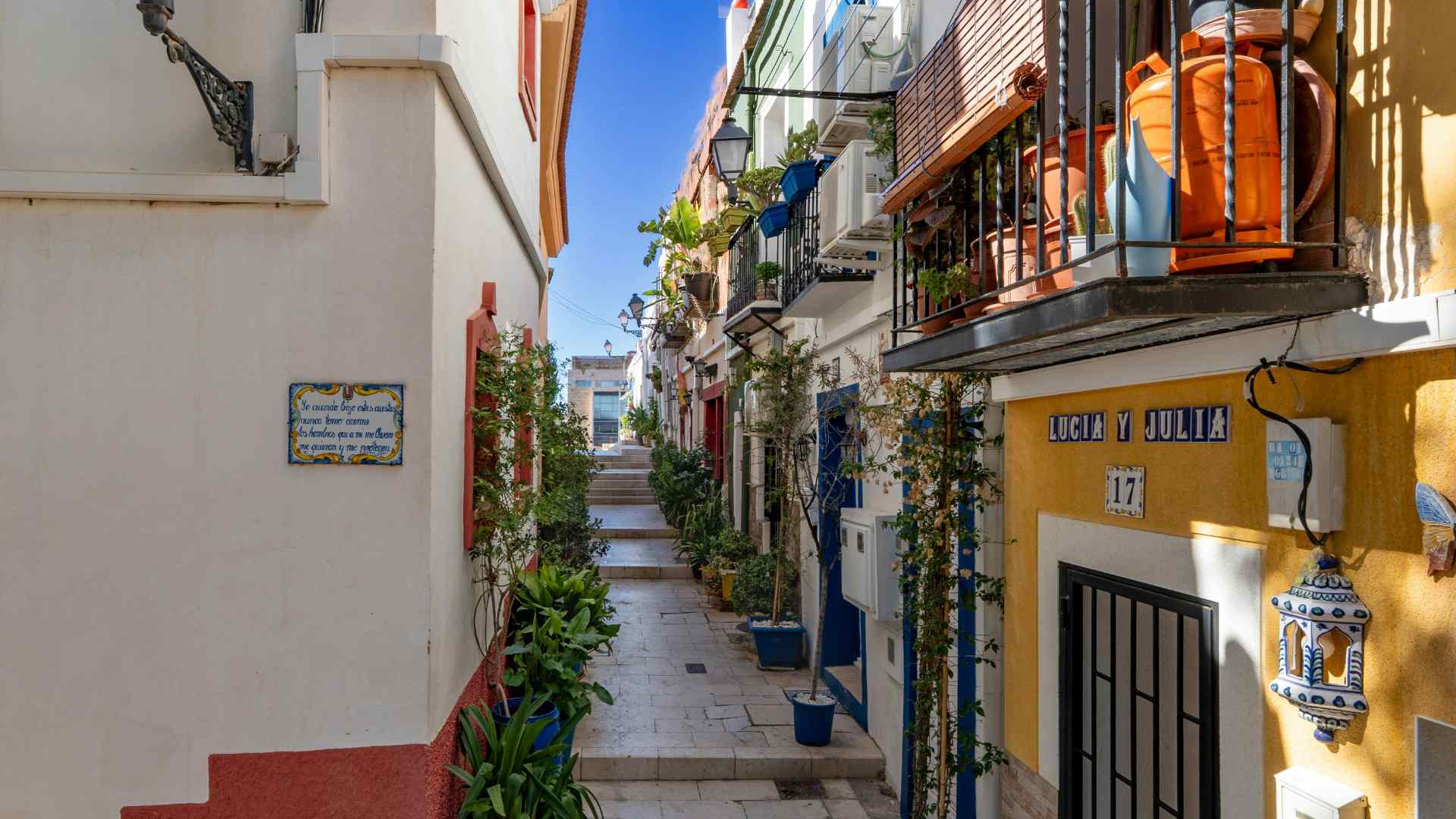
The Santa Cruz neighborhood climbs the lower slopes of Mount Benacantil through narrow streets, white houses, flowers, and steps. It is photogenic but not an accessibility shortcut, and summer heat makes the climb feel much more ambitious than it looks from below.
Use official routes rather than cutting through unfamiliar stairways in a hurry. The pleasure here is in the small lanes and viewpoints, while the danger to your schedule is believing every upward alley must lead efficiently to the castle.
After the old quarter, choose either the castle or a museum before lunch. Trying both major museums, every church, the market, the beach, and the fortress turns a relaxed city into a clipboard.
Finish on Postiguet Beach or return to the Explanada for a cafe. Both keep you close to the port-side transfer point and make the final hour pleasingly low risk.
Santa Bárbara Castle, with the climb edited out
Santa Bárbara Castle crowns Mount Benacantil and gives the clearest overview of Alicante, its port, and coast. The complex is large enough to deserve real time, and surfaces, ramps, cobbles, and levels mean the visit is not simply one panoramic terrace.
Access methods and operating arrangements can change. Alicante’s official tourism site lists public transport connections and a castle shuttle, while its maps identify the elevator entrance near Postiguet, so check current service before choosing a route.
The elevator reduces the climb but does not make every part of the fortress step-free. Ask staff about the accessible route and decide which levels matter most rather than pursuing every battlement.
Walking up can be rewarding in mild weather, but the ascent is exposed and steep in places. Carry water and avoid turning the hottest hour into a competition with a medieval hill.
The castle itself spans centuries of defensive history, reflecting Alicante’s strategic position. Use the interpretation onsite or a qualified guide, because a view without context is lovely but a little mute.
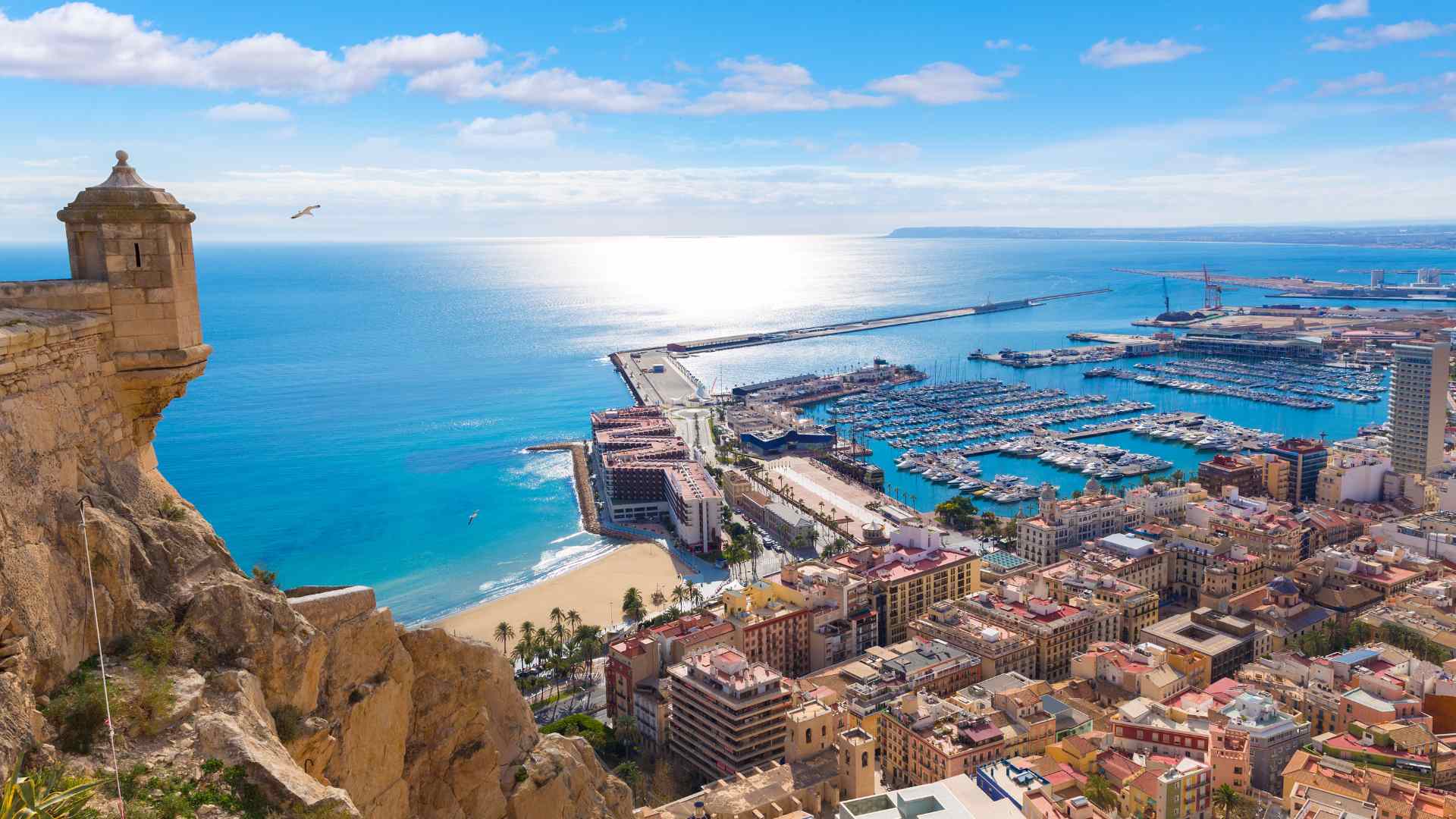
Allow time to descend by the method you intend to use. Lift lines, shuttle intervals, and a slow walk down can all stretch the return, especially on a busy call.
Choose your museum by mood
The Archaeological Museum of Alicante, known as MARQ, gives the broadest historical story, with archaeology presented through thematic and chronological displays. It sits beyond the tightest old-town loop, so use the official tram, bus, or taxi information to plan the connection.
MACA, the Alicante Museum of Contemporary Art, occupies a historic building near the Basilica of Santa María. Its central location makes it a neat companion to the old town and an excellent escape when the sun starts behaving like a desk lamp held too close.
MUBAG focuses on fine arts and is also near the historic center. Exhibitions and access can change, so check the museum’s official page rather than assuming a specific gallery or temporary show will be available.
The Ocean Race Museum by the marina suits sailing enthusiasts and families who want something directly connected to the sea. It also works well near the start or end of the day because it remains close to the port corridor.
One museum is usually enough on a fair-weather call. On a rainy day, combining two with a long lunch becomes a civilized plan rather than evidence that the beach has defeated you.
Market lunch or beach lunch?
Mercado Central is the place to understand what Alicante eats, with produce, meat, fish, baked goods, and prepared bites under one roof. Opening patterns are not geared around every cruise call, so confirm the day and hours on the official municipal information before walking there hungry.
Look for rice dishes, seafood, salted fish, local produce, and turrón, but avoid claiming one preparation as the only authentic choice. Alicante’s food culture is broad, and the best order is often whatever a reputable kitchen is cooking well that day.
If the beach wins, Postiguet is the convenient option at the foot of the castle. Alicante’s tourism board identifies it as a central city beach and publishes information on sea state, services, accessible beaches, and warnings.
Follow flag and lifeguard guidance, and do not leave valuables unattended while swimming. The beach is urban and popular, which is convenient for facilities and also convenient for opportunistic theft.
San Juan Beach offers a longer stretch of sand farther from the center and is connected by public transport. It is a good repeat-visit choice, but using it on a first call means trading away time in the old town and castle.
When Tabarca is tempting
Boats operate between Alicante and Tabarca, and the official tourism transport page warns visitors to check schedules outside summer. The crossing is roughly an hour according to that source, which makes the island a major commitment rather than a cheeky side trip.
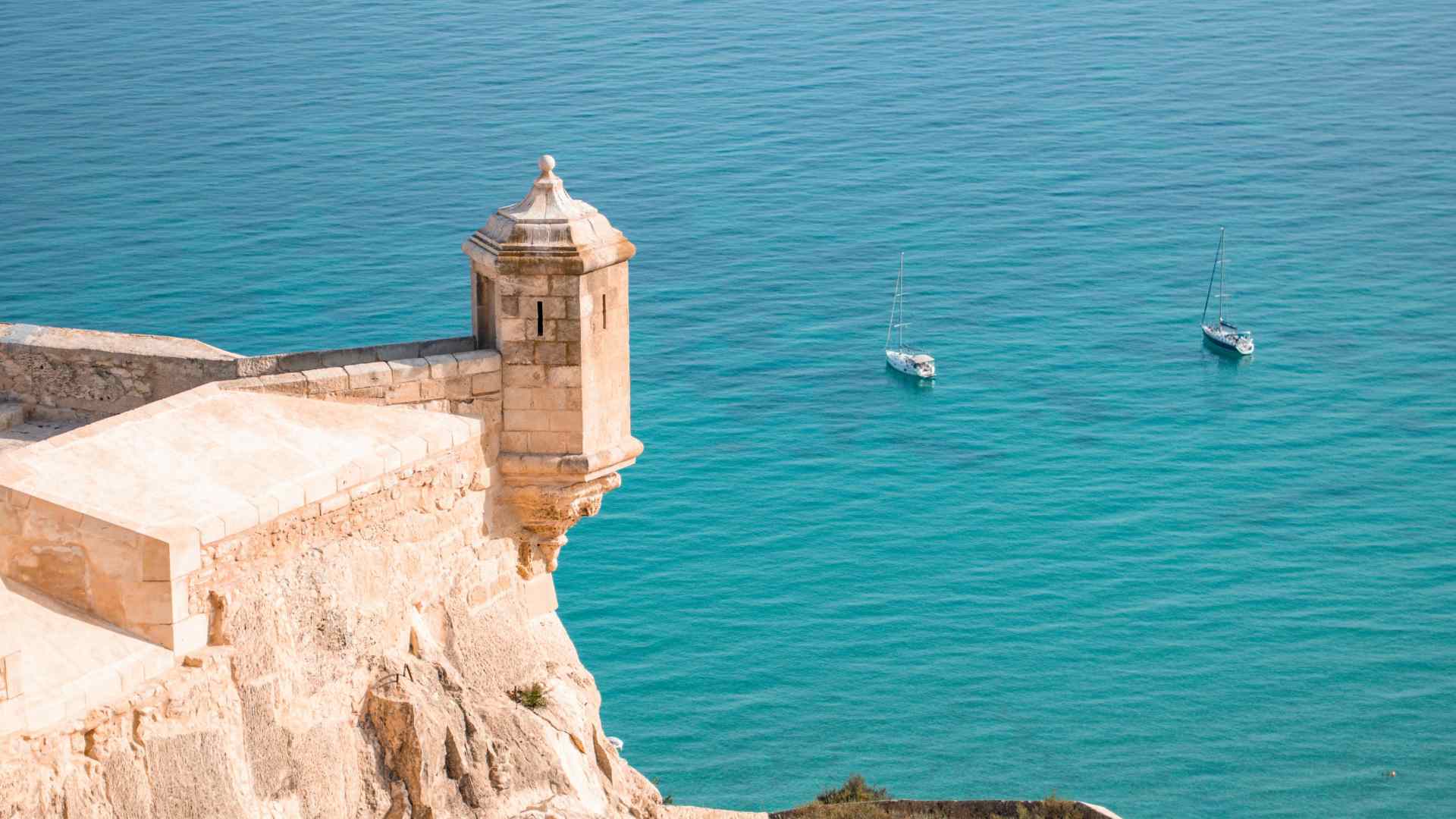
Only attempt Tabarca when the cruise call is long, the operator’s current sailings fit with a wide return margin, and sea conditions are favorable. A ship excursion reduces some timing risk, but it cannot overrule weather.
The island can offer a marine setting, small settlement, swimming, and seafood, but crowds in peak season change the atmosphere. It is better for repeat visitors than for somebody who has not yet seen central Alicante.
Never book the last plausible return boat. Choose one that leaves a backup sailing or substantial contingency, because your cruise ship will not admire the confidence of your spreadsheet from the horizon.
If that is a concern on your sailing, Guadalquivir River Cruise Ports goes into it properly.
Three sensible day plans
Three hours, no drama
Take the designated transfer into the center, stroll the Explanada, loop through the old quarter, and choose MACA or a church if open. End with a drink or short beach walk near Postiguet before returning.
This plan skips the castle’s upper views but protects a tight schedule. It is also the best response to a late clearance or intense heat.
Five to six hours, first visit
Go to Santa Bárbara Castle early by the current elevator, shuttle, taxi, or walking route. Descend into Santa Cruz and the old town, have lunch, then finish along the Explanada or on Postiguet Beach.
This is my default recommendation because it links Alicante’s strongest sights without needless transport. The main downside is uneven terrain around the castle and neighborhood.
A full day, culture version
Start at MARQ, continue to the castle, and walk down toward the old center for lunch and MACA if energy remains. Keep the final hour on the waterfront rather than adding a late tram ride.
This plan works well in cooler months or uncertain beach weather. In high summer, swap one museum for a swim and place the castle first.
Accessibility and heat
The Explanada and much of the waterfront are level, paved, and relatively straightforward for wheels. The old quarter mixes smoother streets with cobbles, gradients, and steps, while Santa Cruz is notably steep.
Official tourism information identifies accessible beaches and publishes transport details, but individual services and equipment can be seasonal. Contact the relevant operator or tourist office before relying on assisted bathing, an elevator, or a particular low-floor vehicle.
The castle can be approached with reduced climbing, yet not every historic surface or level is fully accessible. Ask staff for the practical route that day and allow extra time for elevator or shuttle waits.
Summer heat is the biggest routine hazard. Carry water, use sun protection, seek shade around midday, and put the castle before lunch when possible.
Pickpocketing precautions make sense in busy tourist areas and on public transport. Keep phones and wallets controlled, use official taxis, and know that relaxed does not need to mean absent-minded.
My verdict
For a first call, I would stay in Alicante and combine Santa Bárbara Castle, the old quarter, one food stop, and either the Explanada or Postiguet Beach. The route is varied, recognizably local, and forgiving if the ship arrives late.
Save Tabarca, San Juan Beach, or a longer Costa Blanca excursion for a repeat visit or a particularly long call. The CruisePorts.co Barcelona guide and walkable ports roundup can help compare the wider itinerary.
Our piece on Madrid Cruise Extension is the fuller version of this point.
How this guide was researched: This guide was checked on September 11, 2026 against current official information from the Alicante Municipal Tourism and Beaches Board, including its city walking map and Santa Bárbara Castle access guidance. Berth assignments, port shuttles, public transportation, castle elevators, operating hours, tickets, boat services, and weather notices can change, so confirm the sailing-specific details before leaving the ship; see our Editorial Policy.