Kenya Cruise Ports: Mombasa and the Swahili Coast
Kenya has one cruise port that matters, and it is a container harbor with a passenger terminal tucked inside it. Mombasa is a working city rather than a cruise stop built for you, which is what makes the day good and what makes it easy to get wrong.
My quick take
Pick culture or wildlife before you get off the ship, because you cannot do both properly in one call. The people who come back disappointed are almost always the ones who tried.
If it were my day, I would take the city. Fort Jesus and Old Town sit close together, they are genuinely old and genuinely Swahili, and you are not spending six hours of a port day watching the road.
The quick facts
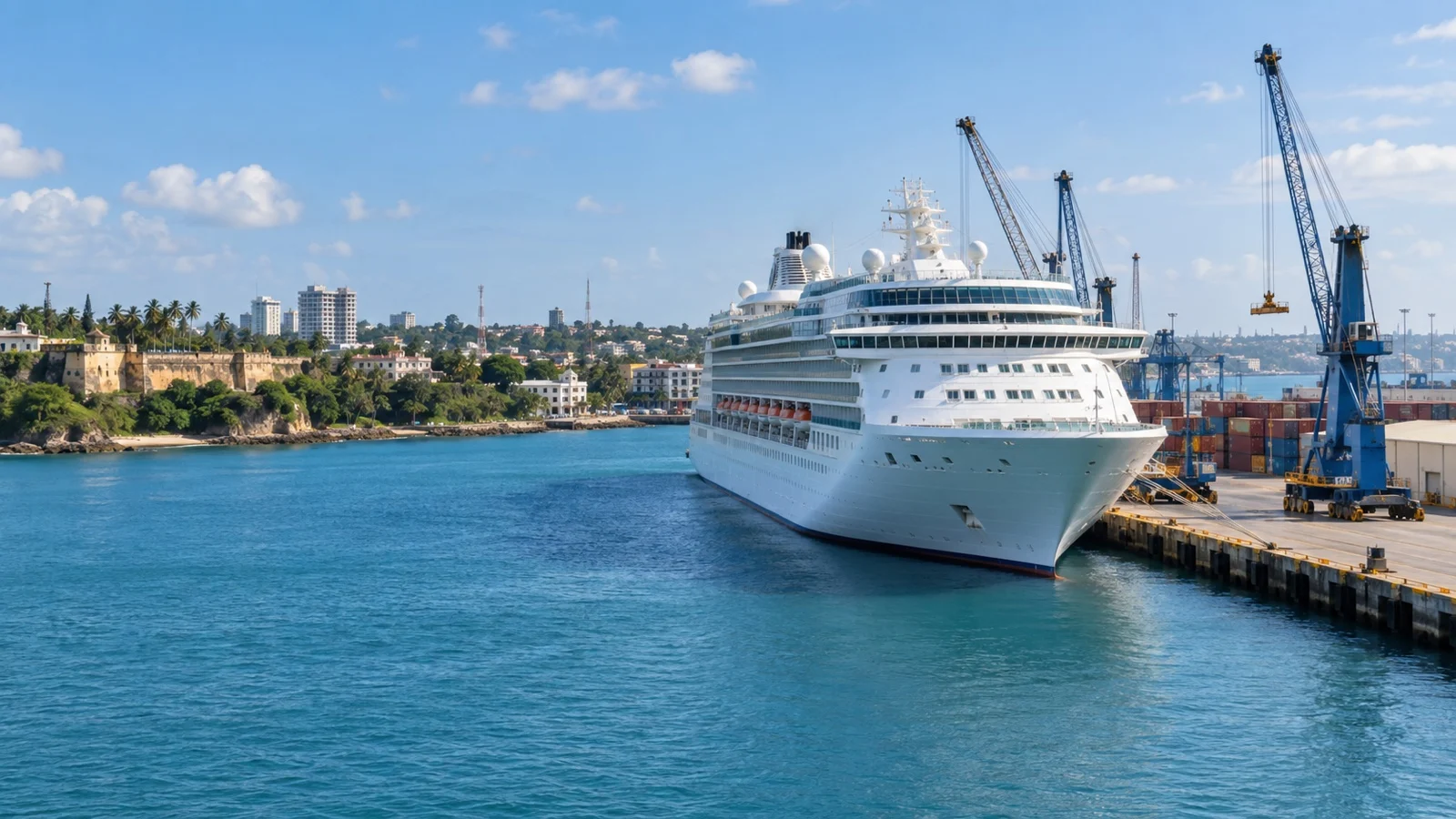
- The port: Mombasa is Kenya’s only regular cruise call, and ships berth alongside at Kilindini on Mombasa Island.
- Getting out: The dock sits inside a commercial harbor, so you leave by shuttle, taxi or driver rather than on foot.
- Distance: Fort Jesus and Old Town are about 3 miles (5 km) away, roughly 15 to 20 minutes by vehicle.
- Safari: A real Big Five park is a long day out, and the coastal reserve is the version that fits a port call.
- Paperwork: Most visitors need an electronic travel authorization arranged before they arrive.
Kenya is one port, and that is the whole planning problem
Most countries on a cruise map give you options. Kenya gives you Mombasa, so the decision is not which port to book but what to do with the one day you get.
Calls cluster in the northern winter, roughly November into April, when ships work their way through the Indian Ocean on repositioning and world itineraries. That is also the calmer, drier stretch on this coast, which is not a coincidence.
Expect heat and humidity rather than dry heat, usually somewhere around 85 degrees (29 C) with real moisture in the air. The long rains land around March to May, and an afternoon downpour is a normal thing rather than a ruined day.
Where the ship actually ties up
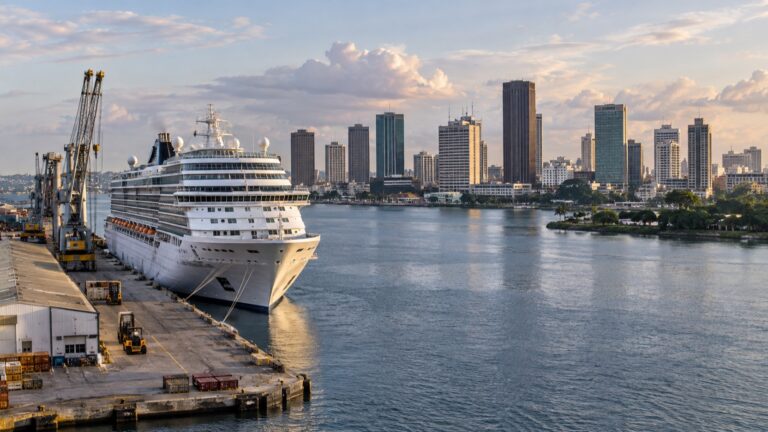
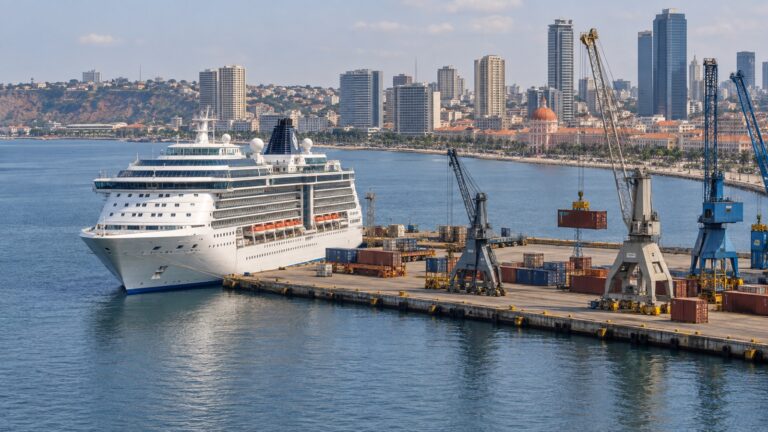
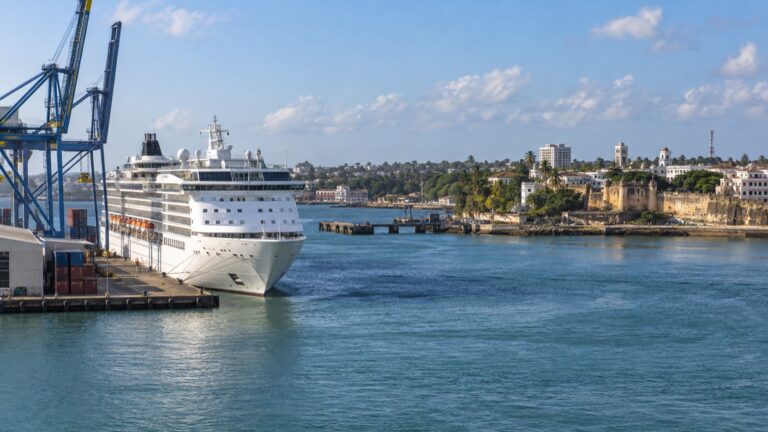
Ships dock alongside at Kilindini, the deep water harbor on Mombasa Island, at a passenger terminal built inside the country’s main commercial port. There is no tender, which is a genuine advantage on a day this tightly timed.
The trade off is that the terminal sits in the middle of a working harbor that moves tens of millions of tons of cargo a year. You are not wandering out of a gate into a promenade, and there is nothing to see on foot.
Plan on being driven from the moment you step off. The Mombasa port guide has the terminal detail, and the short version is that your day starts when you get in a vehicle.
Fort Jesus and Old Town are the easy win
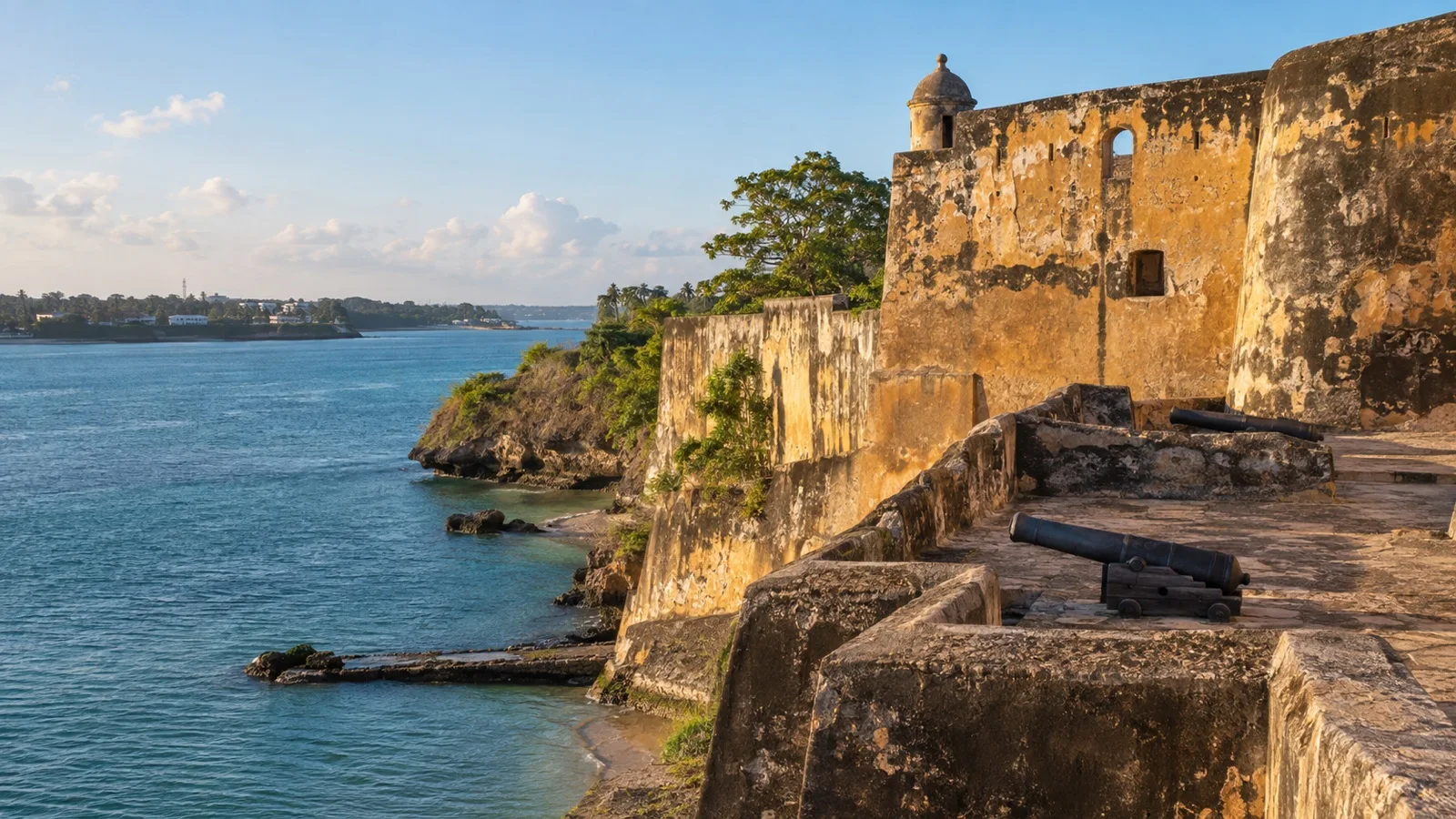
The fort above the old harbor went up in the 1590s to hold the port, and it changed hands over and over between Portuguese, Omani, Swahili and British control. That history is the reason the building is interesting rather than just old.
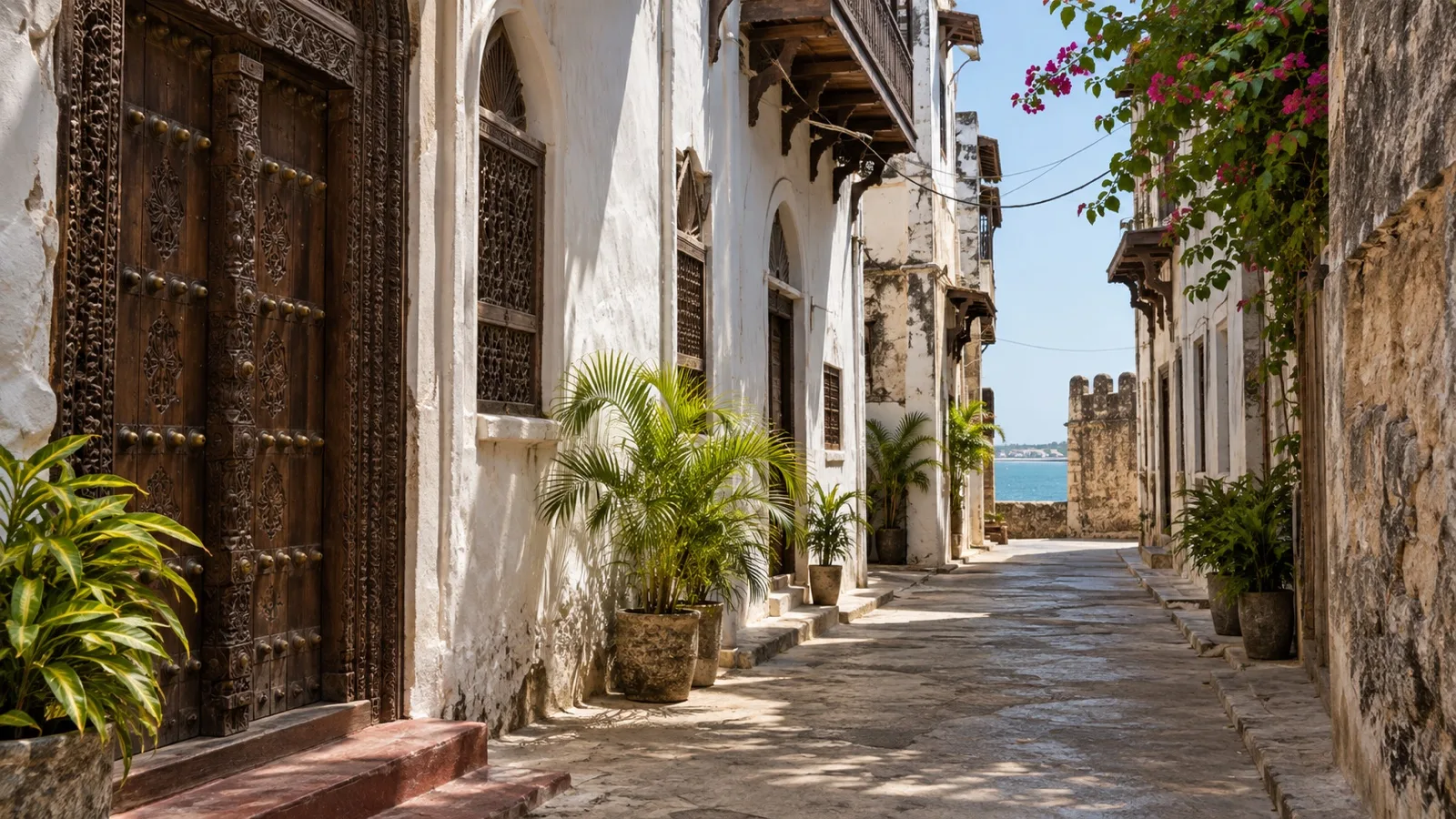
Old Town starts at the fort’s shoulder and runs downhill in narrow lanes. The carved wooden doors, the balconies and the merchant houses are the point, and it is small enough to walk properly in a couple of hours.
Take a guide here rather than a map. Half of what makes those lanes worth seeing is somebody telling you which door belongs to which family and why the carving looks the way it does.
Dress on the modest side, cover shoulders and knees, and ask before photographing people or doorways. It is a residential neighborhood with a lot of mosques, not an open air museum.
The safari question, answered straight
Here is the answer people do not want: a proper Kenyan safari does not fit inside a port day. The famous parks are inland, the roads are slow, and the wildlife is best at dawn and dusk, which is precisely when your ship needs you aboard.
Tsavo East is the one most often sold from the pier, and it does deliver red dust elephants and a real Big Five park. It also costs you several hours of driving in each direction, which turns a game drive into a short window bracketed by a very long bus ride.
If a safari is the reason you are coming to Kenya, do it as a land trip before or after the cruise, not from the ship. Two nights inland will beat anything you can buy at the terminal, and it removes the all aboard clock from the equation.
If you do go inland on the day, book it through the ship. Missing the ship in Mombasa is an expensive problem to solve, and a long inland excursion is exactly the kind of day where the guarantee earns its markup.
Shimba Hills is the version that actually fits
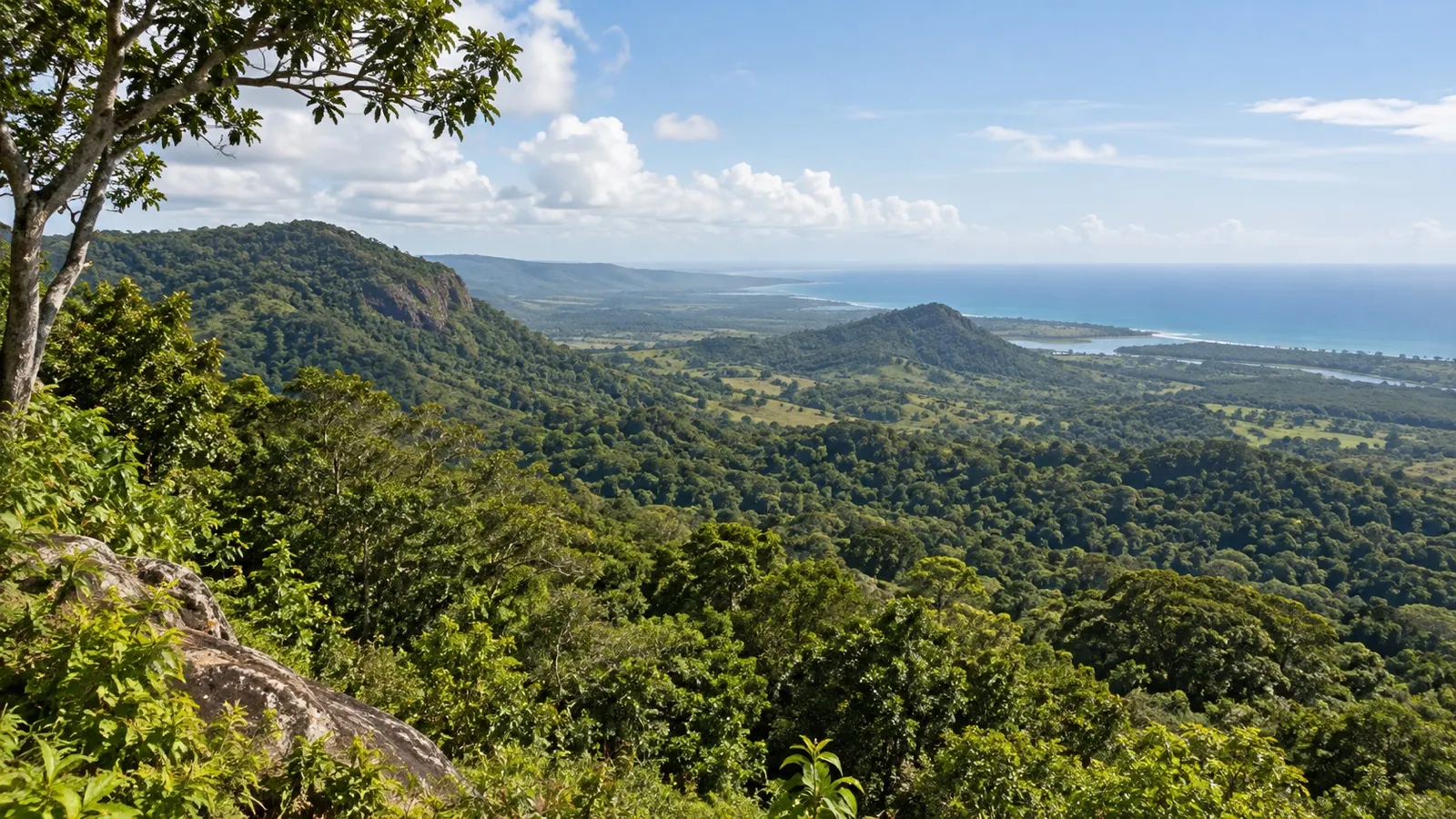
Shimba Hills sits on the coast side rather than deep inland, and it is the realistic wildlife option on a single call. Coastal forest, rolling hills, elephants and sable antelope, and nothing like the drive that Tsavo demands.
It is not the postcard savanna, and you should know that going in. The animals are there, the setting is green and hilly, and the density of sightings is lower than a big inland park.
Getting there from the island involves a crossing that can add unpredictable time to both legs. Build the return buffer around that crossing rather than around the distance on the map.
Haller Park is the compromise nobody regrets
Haller Park is a reclaimed limestone quarry north of the city that has been turned into a wildlife park. Giraffes, hippos and a lot of shade, on a site that was industrial waste ground within living memory.
It is not a safari and it does not pretend to be. What it is, is a short drive from town, easy on the timing, and genuinely charming if you have kids or anyone who does not want six hours in a vehicle.
Pairing Haller Park with Fort Jesus makes a full and unhurried port day. That combination is what I would actually book if I wanted to see an animal and still see the city.
Beaches, and whether to bother
Nyali and Bamburi are the closest stretches of sand, sitting north of the island past the creek. They are pleasant, the water is warm, and the hotels along them will usually sell you a day pass.
I would not spend a Mombasa call on a beach. You can get warm water and a lounger in fifty other ports, and you cannot get a five hundred year old Swahili trading town anywhere else on the itinerary.
The exception is a long call with an overnight, which some world cruise itineraries do give you. In that case the beach is a perfectly good second day.
Getting around, and what a driver is actually for
Ride hailing apps operate in Mombasa, street taxis exist, and tuk tuks handle short hops in town. All of that works, and none of it solves the part that actually goes wrong.
What you are buying with a licensed driver guide is a return leg and a person who knows the all aboard time. Coastal traffic is genuinely unpredictable, and a driver who waits for you is worth more than the fare difference.
Agree the whole day up front: stops, waiting time, the return point and the price. Then take a photo of the vehicle and the plate, because every white minibus starts to look the same by hour four.
Lamu, Malindi and the ports people ask about
Lamu Old Town is the oldest and best preserved Swahili settlement in East Africa, about 215 miles (350 km) up the coast from Mombasa. It is also in a stretch of coastline that official travel guidance treats very differently from Mombasa, and cruise ships do not call there in any regular way.
Malindi and Watamu come up in the same conversation and have the same answer. They are beach and diving destinations reached by road or a short flight, not places a ship ties up.
So when an itinerary says Kenya, it means Mombasa. Anything else you see advertised is a land add on wrapped around the cruise, and it should be priced and planned that way.
What Kenya is usually packaged with
Mombasa almost never travels alone on an itinerary. It usually appears alongside Stone Town in Zanzibar and Dar es Salaam, which is the same Swahili coast a few hundred miles south.
If your sailing includes both countries, read how the two Tanzanian calls compare before you book excursions. Zanzibar and Mombasa cover overlapping ground, and buying two guided Swahili old town walks in one week is a waste of a port day.
Longer Indian Ocean runs push on to the Seychelles and Madagascar, and the wider shape of all of it is laid out in the Africa region guide. If a safari day is what you are after, Richards Bay further south makes a better job of it than Mombasa does.
Which Mombasa day I would pick
Fort Jesus, Old Town on foot with a guide, lunch, then Haller Park on the way back. That is a full day, it never feels rushed, and it is entirely inside a sensible return buffer.
My second choice is Shimba Hills with a fast look at the fort if the timing allows. My last choice is Tsavo, and only if this is your one shot at Africa and you have made peace with the driving.
What I would not do is book nothing and improvise at the gate. This is not a port where the good options are standing around waiting for you.
Money, paperwork and the practical layer
The Kenyan shilling is the currency, and card acceptance is decent in hotels, restaurants and the bigger attractions. Small cash still smooths tips, tuk tuks and market stalls, which is the usual pattern for what to actually carry ashore.
English and Swahili are both widely spoken, so the language barrier is lower here than in most ports at this latitude. A greeting in Swahili still goes a long way.
Most visitors need an electronic travel authorization arranged before arrival, and cruise passengers are not automatically exempt. Sort it early rather than in the week you sail, and follow whatever your cruise line puts in writing.
Official travel guidance for Kenya flags specific regions well away from Mombasa, mostly the far north and the coast up toward the Somali border. Your port day is not in those areas, and the practical risk in the city is ordinary urban theft.
Keep your phone in a pocket rather than your hand, skip the flashy watch, and do not wander quiet streets after dark. That is the whole security briefing.
Quick answers
Can you do a safari from Mombasa cruise port?
You can, but the honest version is a coastal reserve rather than a famous inland park. Tsavo East is sold from the pier and it works, as long as you accept several hours of driving each way.
Is Mombasa cruise port walkable?
No. The berth is inside a large commercial harbor, so every version of the day starts with a shuttle, a taxi or a driver.
Do I need a visa for Kenya on a cruise?
Most travelers need an electronic travel authorization arranged in advance, and arriving without one can cost you the day. Apply early and keep a copy on your phone and on paper.
Is Mombasa safe for cruise passengers?
For a normal port day, yes, with ordinary city habits about valuables and quiet streets. The regions that carry serious official warnings are hundreds of miles from where your ship is docked.
What else does Kenya offer besides Mombasa?
For cruise purposes, nothing regular. Lamu, Malindi and Watamu are reached by road or air and belong to a land trip rather than a port call.
Final word
Mombasa is a good port that punishes indecision. Decide on culture or wildlife before you sail, book it, and the day works beautifully.
And if the safari is the reason Kenya is on your list, give it its own days on land. A cruise call is a fine introduction to this coast, but it was never going to be the trip you saw in the brochure.
How this guide was researched: Berth and terminal arrangements at Mombasa, distances and drive times to the old town and the reserves, entry paperwork and current official travel guidance for Kenya were checked in November 2026. Excursion routing, entry requirements, park fees and advisory wording all change, so confirm the details for your own sailing date before you book anything ashore. See our Editorial Policy.