Port Skipped? What You May Get Refunded on a Cruise
When a cruise skips a port, the fare usually does not turn into a neat per-day refund. What comes back depends on the cruise contract, the reason and timing of the change, which add-ons were canceled, government charges actually assessed, and any specific insurance benefit you bought.
The easiest money to track is usually a cruise-line excursion that can no longer operate. The cruise fare, independent bookings, taxes and fees, onboard credit, and insurance claims each follow different rules.
Quick Facts
- Cruise fare: A missed port does not automatically create a prorated fare refund.
- Line-booked excursions: Confirm the refund or credit when the cruise line cancels the tour.
- Independent bookings: The operator’s written cancellation and missed-port terms control.
- Taxes and fees: Check the final onboard account and ask the line how any adjustment was calculated.
- Travel insurance: A missed port is covered only when the policy certificate names a benefit or covered reason that applies.
Start with five separate buckets
Do not treat every cruise payment as one pot. Divide the money into cruise fare, cruise-line purchases, independent purchases, government charges, and possible insurance benefits.
A line may handle those buckets differently even when they all appear on one vacation budget. A refund can also return to the original payment card, appear as refundable onboard credit, or arrive after the sailing.
The cruise fare is governed by the contract
Cruise contracts generally give the line broad authority to alter ports and schedules for safety, weather, operational, regulatory, or other reasons. They may also limit or exclude compensation for an itinerary change.
Royal Caribbean’s itinerary-change FAQ, for example, says it may change or substitute a port and is not required under the stated circumstances to refund part of the fare or other charges. That is one line’s published rule, not a universal promise about every brand, jurisdiction, or event.
Carnival’s ticket contract likewise directs passengers to its change-of-itinerary policy and limits liability for many itinerary changes. Read the contract and policy attached to your own booking because wording and legal rights can differ.
A line may still offer goodwill onboard credit, a future cruise credit, an onboard event, or another port. Those gestures are not the same as an automatic legal entitlement, and they can vary between sailings.
Cruise-line excursions are the clearest case
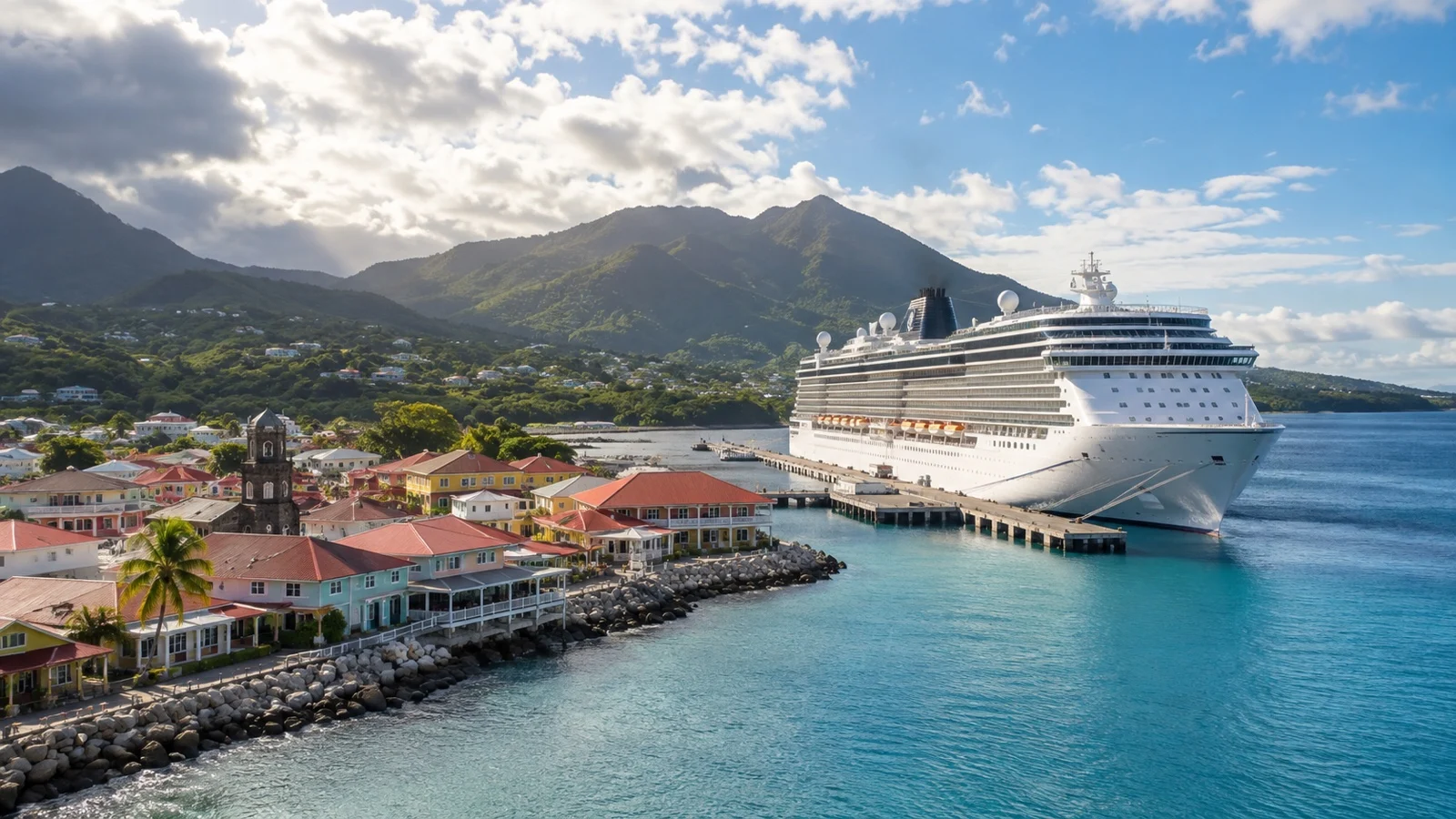
When the ship cannot call at the port, a cruise-line excursion there cannot run. Check your onboard account and the line’s current shore-excursion terms for how and when the price will be returned.
For example, Norwegian’s published shore-excursion terms say participants holding tickets for a tour canceled by NCL receive a full refund. The same page explains that timing and payment destination can differ depending on when the cancellation occurs.
Do not spend the expected refund twice before it appears. Save the cancellation notice, excursion receipt, onboard statement, and final folio until the credit posts.
Independent tours follow the operator’s terms
The cruise line generally does not refund an excursion, taxi, admission, or rental booked directly with a third party. Your right to a refund comes from that seller’s contract and the payment method or insurance protection that applies.
Before booking, look for a written ship-missed-port policy that covers the entire amount and explains the evidence required. Also check deadlines, processing fees, currency conversion, nonrefundable deposits, and whether a substituted port counts.
If the call is canceled, contact the operator promptly and send the cruise line’s notice or revised itinerary. Keep screenshots and written replies in case a card dispute or insurance claim becomes appropriate.
The guide to ship excursions, local tours, and independent days explains how the responsibility changes with each booking type.
Port taxes and government fees need careful wording
A fare breakdown may include government taxes, port expenses, fees, and other line-defined charges. Similar labels do not guarantee that every amount is a pass-through charge tied to one port.
Whether an adjustment is due can depend on the charge, the final itinerary, the contract, and applicable law. Avoid assuming that a missed port produces a fixed refund or that one cruise line’s past practice predicts another line’s result.
After the cruise, compare the booking confirmation with the final folio and any email notice. If the adjustment is unclear, ask the cruise line to identify the refunded item, amount, payment destination, and expected posting time.
Keep the answer in writing. If you believe the line has not followed its contract or applicable consumer law, use its formal customer-service process and seek appropriate consumer or legal guidance for your jurisdiction.
A substitute port changes the calculation
A replacement call is still an itinerary change, but it may create new government charges while eliminating others. It can also trigger automatic cancellation of excursions at the original port and new optional purchases at the substitute.
Do not assume the financial result will match a pure sea-day substitution. Review the revised itinerary, onboard account, and notices before deciding that a credit is missing.
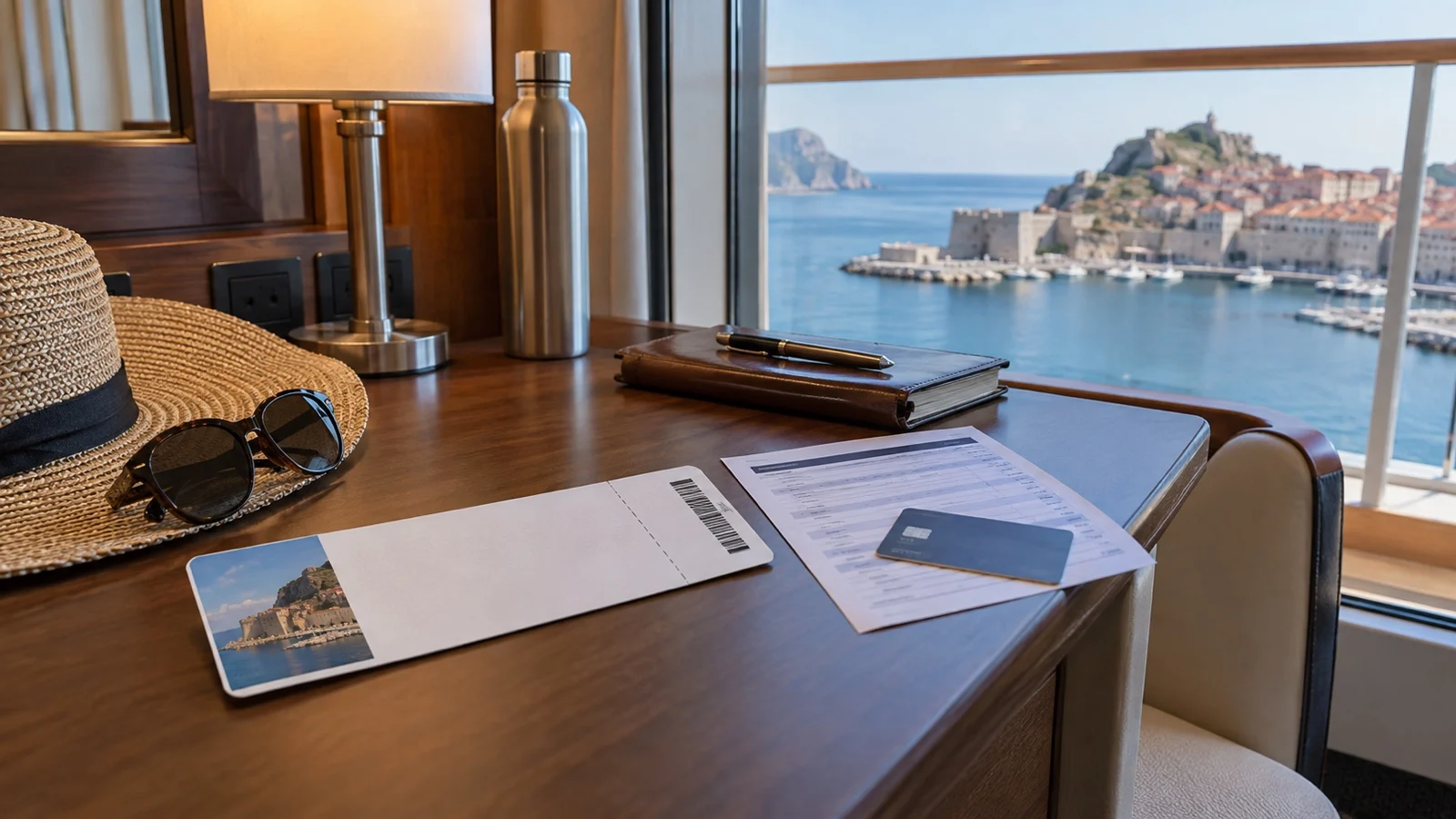
Travel insurance is not automatic missed-port coverage

Standard trip-cancellation or interruption coverage does not necessarily pay simply because one port was missed. Some policies have cruise-specific itinerary-change or missed-port benefits, while others require a named covered reason and documented loss.
Read the certificate of insurance, not just a marketing summary. Check the exact trigger, minimum delay or change, excluded causes, benefit limit, required proof, and whether the payment is fixed or reimburses actual nonrefundable loss.
Insurance may be more relevant to an independent tour, hotel, or transportation expense than to the cruise fare itself. A claim still needs to satisfy the policy language and documentation rules.
Ask the insurer in writing before purchase: “What benefit applies if the ship skips one scheduled port but the cruise continues?” Keep its answer with the policy certificate.
Why ports get skipped
Weather, swell, wind, visibility, berth availability, port closure, labor action, medical events, mechanical trouble, regulatory restrictions, and security concerns can all change a call. Tender ports are especially sensitive because small-boat operations require suitable conditions.
The captain, cruise line, port, pilots, and local authorities may each influence the decision. A calm-looking view from one side of the ship does not prove that the approach, berth, or tender route is safe.
See the guides to ports more likely to be missed and how rough conditions affect tendering for planning context.
What to do when the announcement arrives
- Read or photograph the official itinerary-change notice.
- Check whether the day became a sea day, a shortened call, or a substitute port.
- Review cruise-line excursions and confirm where each refund will appear.
- Contact independent operators within their stated deadline.
- Save receipts, emails, app messages, the revised itinerary, and the final folio.
- Ask Guest Services about tax or fee adjustments without assuming a specific amount.
- Read any insurance benefit and start the claim within its deadline.
If lines at Guest Services are long, use the app or written contact channel when available. A timestamped message can also help document that you acted promptly.
Pre-cruise changes can follow different rules
A port removed weeks or months before sailing may be handled under different booking, cancellation, or material-change terms than a call canceled after departure. The options can also depend on where the cruise was sold and which consumer laws apply.
Read the change notice carefully before canceling anything yourself. A voluntary cancellation can carry penalties even when the line changed the itinerary.
If the changed port was the main reason for booking, ask the cruise line or travel advisor for the available choices and response deadline in writing. Compare any rebooking or credit offer with the contract before accepting it.
Gratuities and service charges
A skipped port does not usually remove a day from the voyage, so it does not automatically erase daily service charges or prepaid gratuities. The crew continues operating the ship and serving guests during the replacement sea day.
If the cruise itself is shortened, check the final folio and the line’s current policy. Do not reduce crew gratuities as a substitute for an itinerary-change claim.
How to reduce the financial risk before booking
- Treat every port as planned rather than guaranteed.
- Read the cruise ticket contract and itinerary-change policy.
- Choose independent operators with a clear ship-missed-port refund clause.
- Pay with a method that gives you usable records and appropriate dispute rights.
- Save the booking confirmation, policy terms, and excursion receipts offline.
- Buy insurance only after confirming the exact missed-port and nonrefundable-expense coverage.
- Favor flexible reservations when a port has seasonal weather or tender risk.
The safest budget assumes that a port could change without a fare refund. Any later credit is welcome, but it should not be the only thing protecting an expensive independent booking.
Quick answers
Do I get part of the cruise fare back if a port is skipped?
Not automatically. Check the cruise contract, itinerary-change policy, reason for the change, any offer from the line, and rights that apply where the cruise was sold.
Will a cruise-line excursion be refunded?
A line-canceled excursion is generally handled under that line’s excursion-refund terms. Confirm the amount, destination, and posting time on your account.
What happens to an independent tour?
The independent operator’s written terms control. Request the refund promptly and provide the cruise line’s cancellation evidence.
Are port taxes always refunded?
Do not assume a universal rule or amount. Review the final account and ask the line to explain any adjustment for charges no longer assessed.
Will travel insurance pay for a missed port?
Only if the policy’s actual wording provides an applicable benefit or covered reason. Keep documentation and follow the claim deadline.
Should I ask for onboard credit?
You can politely ask what remedy or adjustment applies, but a goodwill credit is discretionary unless a contract, policy, offer, or law makes it due.
Final word
A skipped port is disappointing, but the financial answer becomes clearer when you separate the fare, cruise-line add-ons, independent bookings, government charges, and insurance. Document each bucket and use the written terms that apply to it.
Policies and legal rights change, so verify current terms for your booking and jurisdiction. See the Editorial Policy for how CruisePorts.co researches and updates guidance.
More on this topic: browse every guide on port logistics and timing.