Wellington Cruise Port: A Practical Guide
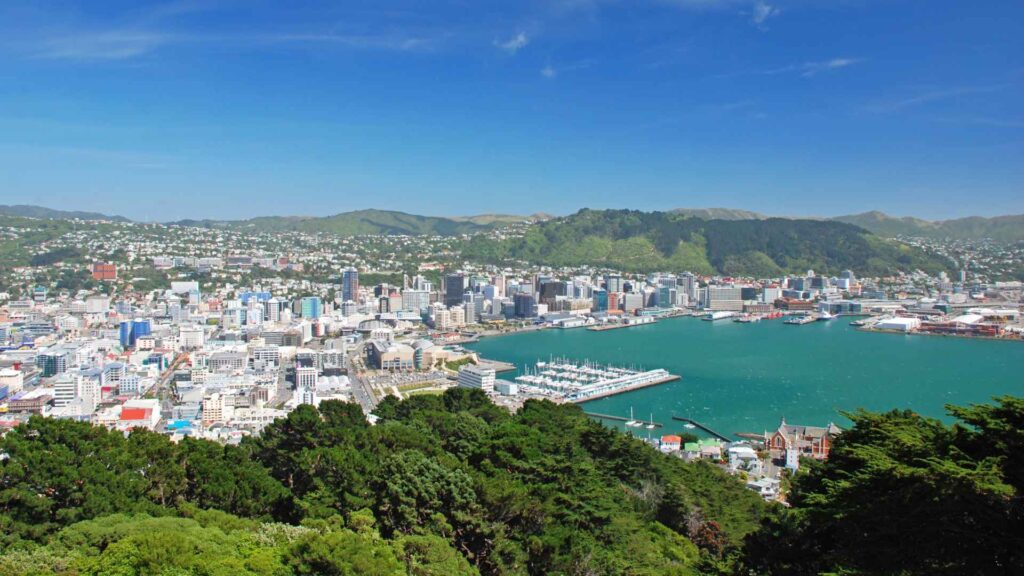
Wellington is one of the easiest New Zealand capitals to enjoy in a single cruise call. The working port sits close to a compact waterfront, and the city layers Te Papa, Parliament, the cable car, gardens, cafes, and harbor views into a day that rarely needs a long bus ride.
The catch is that the cruise berth itself is usually inside a secure industrial area where independent walking is restricted. Once the port shuttle delivers you into the city, Wellington becomes wonderfully manageable, provided you plan for hills, wind, and the possibility of changing weather.
Quick facts for Wellington Cruise Port
- Country: New Zealand
- Typical cruise berth: Aotea Quay within the working CentrePort area
- Port exit: Follow the required cruise shuttle or official transfer arrangement
- Best easy day: Waterfront, Te Papa, and central Wellington
- Best classic route: Cable car, Botanic Garden, and Lambton Quay
- Best nature experience: Zealandia Te Māra a Tāne
- Currency: New Zealand dollar
- Key weather factor: Strong wind can affect walking, harbor trips, and ship operations
Where cruise ships dock in Wellington
Cruise ships commonly berth at Aotea Quay within CentrePort’s active harbor facilities. The berth is close to the central city by road, but passengers generally cannot walk independently through the operational port.
Use the shuttle or transportation arrangement described in the ship’s daily program. Drop-off location, accessibility, hours, and the final return service can change by call, so note them before leaving the terminal area.
Photograph the shuttle stop and ask where the return queue forms. A downtown event or road closure can move the pickup point, and the final bus may leave earlier than a casual reading of all aboard suggests.
Wellington’s harbor entrance and berth are exposed to changing wind. The captain and port may adjust arrival, departure, or gangway operations when conditions require it, so keep independent bookings flexible.
My quick take on a Wellington port day
For a first visit, I would combine Te Papa with the waterfront and the cable car. This gives you New Zealand history and culture, an easy city walk, and a high viewpoint without making the day depend on traffic.
Choose Zealandia when native wildlife and conservation matter more than covering central landmarks. Choose Wētā Workshop or a regional excursion only if it is your clear priority, since both pull time away from the walkable core.
Wellington rewards flexibility more than a minute-by-minute checklist. If wind closes an outdoor plan, museums, galleries, Parliament, restaurants, and covered city attractions provide strong alternatives.
Te Papa Tongarewa
Museum of New Zealand Te Papa Tongarewa is the city sight I would recommend most strongly to a first-time cruise visitor. Its collections and exhibitions connect Māori and Pacific cultures, natural history, art, migration, national identity, and contemporary life.
Te Papa now charges admission for many international adult visitors, while some exhibitions or tours may have separate fees. Check the official site for current ticket rules, opening hours, exhibitions, guided tours, accessibility, and any bag restrictions.
How much time to allow
A full museum visit can consume most of the day, but a focused two-hour route still feels worthwhile. Choose two or three exhibition areas in advance instead of trying to move through every floor.
Start with the subjects that brought you to New Zealand, whether that is te ao Māori, natural history, art, social history, or the Gallipoli exhibition. Leave time to read and listen because the museum’s value lies in interpretation, not merely objects.
Respecting taonga and cultural guidance
Taonga are treasures with cultural and spiritual significance, and Te Papa asks visitors to follow photography and conduct restrictions. Signs and staff guidance may prohibit photographs of particular objects or spaces even when cameras are allowed elsewhere.
Use Māori names carefully and listen to how the museum presents tangata whenua. A cruise day is only an introduction, but it should begin with respect for living culture rather than treating Māori history as a finished past.
Accessibility and families
Te Papa publishes detailed accessibility information and can support wheelchairs, mobility scooters, and sensory planning within current policy. Reserve equipment early if needed and confirm the easiest entrance from the shuttle or waterfront.
Families can use interactive exhibitions and flexible self-guided routes, but children must remain actively supervised. Pick a meeting point in case the group separates because the building is large and popular on cruise days.
Wellington waterfront
The waterfront connects Te Papa with civic spaces, public art, cafes, museums, marinas, and harbor views. It is largely level compared with the hillier city behind it, making it the simplest independent route after the shuttle.
Wellington Museum and Queens Wharf
Wellington Museum tells city and maritime stories in the former Bond Store near Queens Wharf. It makes a useful companion to Te Papa when you want more local detail without committing another half-day.
Check current opening and admission information because exhibitions and event access can change. The surrounding wharf area is also a convenient place for a harbor view, coffee, or weather shelter.
Civic and arts spaces
The waterfront and nearby civic center host galleries, performance venues, public sculpture, and seasonal events. Construction projects can alter walking routes, so follow current signs instead of an old map.
Do not climb on seawalls or cross barriers for a photograph. Sudden gusts are a normal Wellington hazard, particularly beside open water.
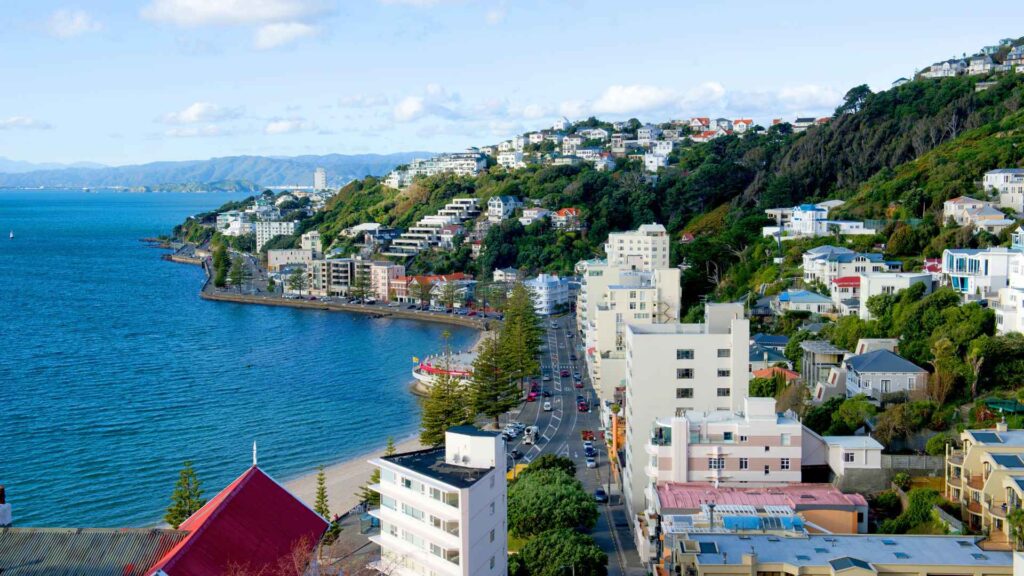
Oriental Bay
Oriental Bay curves around the harbor beyond Te Papa and offers a longer waterfront walk with beach and city views. It is pleasant in calm weather but unnecessary when wind, rain, or limited mobility makes the extra distance feel like work.
A local bus or taxi can shorten the return. Keep the cruise shuttle deadline in view because the outward waterfront stroll is easier to underestimate than the walk back.
Wellington Cable Car
The Wellington Cable Car runs from a lane off Lambton Quay up to Kelburn. The short ride delivers classic harbor views and access to the Botanic Garden and Cable Car Museum.
Buy the correct one-way or return ticket for your plan and check the official service status. Maintenance, queues, wind-related conditions, or special events can alter a route that looks simple on paper.
Ride up and walk down
A popular plan is to take the cable car uphill, look around Kelburn, then walk downhill through the Wellington Botanic Garden. The route returns toward the central city through changing garden landscapes and historic paths.
Downhill does not mean step-free or effortless. Slopes, stairs, wet leaves, gravel, and route choices require suitable shoes and an honest look at mobility.
Cable Car Museum
The small museum near the upper terminal explains the system’s history and engineering. It fits naturally into the visit, but opening hours should be checked separately from cable-car service.
Travelers with limited time can enjoy the viewpoint and return by cable car without entering the garden. That keeps the experience compact and reduces uncertainty about the downhill route.
Queues on cruise days
The lower terminal can become busy when several tours arrive together. Go early, buy through the official channel, or be willing to replace the ride with another city activity if the queue threatens the day.
Do not schedule the final downhill car too close to the shuttle departure. A service interruption at the top would require a taxi or alternate bus.
Wellington Botanic Garden
The Botanic Garden spreads across the hills between Kelburn and the city, combining native forest, planted collections, viewpoints, and formal garden areas. The cable car makes the upper entrance easy, while the paths allow several different descents.
Download the current map and choose a route matching time and ability. A wrong turn can add climbing or deliver you farther from the port shuttle than expected.
Weather changes the experience quickly, especially on exposed ridges. Move to a lower or more sheltered path when wind becomes uncomfortable and avoid walking beneath damaged trees after severe weather.
Zealandia Te Māra a Tāne
Zealandia Te Māra a Tāne is a fenced urban ecosanctuary focused on restoring native forest and wildlife. It offers the city’s most meaningful nature experience, with birds, reptiles, plants, wetlands, and conservation interpretation.
Wildlife is free-moving within the sanctuary, so sightings vary by season, weather, time, and luck. Visit for the restoration story and soundscape rather than expecting a particular bird at a particular trail corner.
Getting there
Zealandia lies outside the walkable waterfront core and needs a bus, taxi, organized tour, or confirmed shuttle connection. Some connections operate through central or cable-car locations, but schedules should be checked on the official site for the exact date.
Arrange the return before entering, especially on a short call. A missed local shuttle is manageable early in the day but dangerous near the port’s final cruise shuttle.
Walking and accessibility
The sanctuary includes easier paths and more demanding tracks, with gradients and surfaces varying across the valley. Ask staff for a route that matches your stamina, wheelchair, stroller, vision, or hearing needs.
Rain can make trails slippery, while strong wind may affect exposed areas. Wear shoes with grip, carry water, and leave room for a slower pace.
Parliament and the government district
New Zealand Parliament sits near the northern end of the central city, with the distinctive Beehive beside the Parliament House complex. Free guided tours may be available, but advance booking, security, identification, and operating days should be checked officially.
Allow time for screening and store prohibited items according to current rules. A scheduled Parliament tour should be treated as the fixed point of the morning, with the rest of the city arranged around it.
Old St Paul’s
Old St Paul’s is a timber Gothic Revival church close to the parliamentary district. It offers a quieter historic stop and can fit naturally into a northern central-city walk.
The building hosts services and events, so visitor access may change. Enter respectfully, keep voices low, and follow photography signs.
National Library and archives
The National Library and Archives New Zealand area can interest travelers focused on documents, exhibitions, and national memory. Public exhibition access differs from research services, and major building projects can change what is open.
Check the official visitor information before walking there. Do not assume a famous document or exhibition is permanently on display.
Wētā Workshop and Miramar
Wētā Workshop experiences in Miramar explore design, practical effects, props, costumes, and creative work connected with screen production. The attraction is outside central Wellington and requires a taxi, public transportation, or organized tour.
Book the exact tour type because names, locations, content, age guidance, and photography rules differ. A general “movie tour” may include city viewpoints, workshop interpretation, or location stops in very different proportions.
Fans can make Wētā the anchor of the day and add Te Papa or the waterfront afterward. Travelers with only casual interest may prefer to keep the day central and avoid the additional transfer.
Mount Victoria lookout
Mount Victoria offers a broad view over the city, harbor, hills, airport, and Cook Strait approaches. A taxi or sightseeing tour is the simplest cruise-day access because the walking route is steep and time-consuming.
Wind can be powerful at the summit, and low cloud may hide the panorama. Ask the driver to wait or establish a pickup because the lookout is not the place to depend on an immediate ride.
Movie-location tours may incorporate nearby forest paths. Choose those for the guided story rather than expecting preserved sets or a studio attraction in the woods.
Regional excursions from Wellington
Wairarapa wine country
The Wairarapa region offers vineyards, food, small towns, and rural scenery across the Remutaka Range. It is a dedicated full-day excursion from the cruise port and should be booked with a reliable operator who understands the ship schedule.
Road conditions and weather across the range can affect the return. Do not combine a wine-country trip with a timed late-afternoon city attraction.
Kāpiti Coast and wildlife
The Kāpiti Coast lies north of Wellington and may feature beaches, local food, and conservation experiences. Transport time makes it another dedicated route rather than a casual add-on.
Island visits and wildlife permits require specific operators, biosecurity, and weather conditions. A cruise call should use a confirmed product rather than trying to arrange access after arrival.
Martinborough and the coast
Martinborough is the best-known wine destination in the Wairarapa, while Wellington’s southern coast offers a closer alternative for scenery. Choose one region and keep the route compact.
Alcohol tasting should remain moderate, and drivers must follow New Zealand law. A private tour should state whether tastings, lunch, and return timing are included.
Getting around Wellington
Cruise shuttle
The port shuttle is the essential first and last link because independent pedestrian access through the working berth is restricted. Ask whether it is complimentary, accessible, continuous, or scheduled for your specific ship.
Never use the posted all-aboard time as the time to join the shuttle queue. Leave enough room for traffic, waiting passengers, security, and the ride through the port.
Walking
Walking is excellent along the waterfront, through Cuba Street, and across the compact central grid. The steep hills begin quickly behind the center, making a route that looks short feel demanding.
Use covered arcades and museums when rain arrives. In strong wind, secure hats and loose bags and stay back from the water’s edge.
Metlink public transportation
Metlink operates buses, trains, and harbor services across the region. Use its official journey planner for the current timetable, payment method, accessible stop, and disruption information.
A city bus can help with Zealandia, Mount Victoria approaches, or a shortened waterfront route. Keep a taxi backup when the return connection sits close to the cruise shuttle deadline.
Taxi and ride services
Taxis and reputable ride services are practical for Zealandia, Wētā, Mount Victoria, or an accessibility-focused circuit. Confirm the pickup area because central road layouts and event restrictions can change.
Ask the driver to wait at an exposed viewpoint or arrange a definite return. Do not assume a vehicle will appear immediately where mobile reception or demand is weak.
Food and coffee
Wellington takes coffee seriously, and the central city offers independent cafes, bakeries, restaurants, breweries, and food halls. Cuba Street and nearby lanes make it easy to build lunch into a walking day.
Look for New Zealand seafood, lamb, seasonal produce, cheese, craft chocolate, and Māori ingredients or techniques presented with clear provenance. Ask whether a dish is locally sourced instead of relying on a broad “Kiwi” label.
Flat white culture is part of the city experience, but caffeine and a pastry are not a substitute for water on a windy walking day. Travelers with allergies should ask about shared fryers, nuts, dairy, and cross-contact.
Tipping is not generally expected in the same way as in the United States, though excellent service can be recognized. Check whether a card terminal prompts for an optional amount before approving payment.
Weather, wind, and port operations
Wellington’s reputation for wind is well earned because geography funnels air around the harbor and Cook Strait. Strong gusts can affect exposed walks, cable-car connections, harbor boats, tendering, and the ship’s arrival or departure.
Dress in layers and carry a compact waterproof jacket. An umbrella can become awkward in wind, making a hooded shell more useful.
Summer can bring beautiful clear days, but cool changes and rain remain possible. Check the short-term forecast after docking because conditions can differ from the previous night’s ship briefing.
Earthquakes are part of New Zealand’s natural hazard environment. Follow local emergency instructions, note evacuation signage, and move away from damaged buildings or waterfront areas if officials direct you.
Accessibility and family planning
Wellington’s modern museums and central transport support many travelers, but the port transfer and hills create the key barriers. Confirm an accessible shuttle place and ask where wheelchairs or scooters board before the crowd forms.
Te Papa provides detailed accessibility support, while the cable car, Zealandia, historic buildings, and tour vehicles each have separate conditions. Verify the exact route and equipment policy rather than assuming one accessible stop makes the entire itinerary accessible.
Families can combine Te Papa, the waterfront, cable car, and garden with frequent breaks. Young children may prefer one interactive museum session and a short ride rather than a long regional coach tour.
Keep children close beside docks, seawalls, roads, and steep garden paths. Wind can upset strollers or pull loose items away surprisingly quickly.
Three realistic Wellington day plans
Classic first visit
Take the port shuttle, ride the cable car from Lambton Quay, and return through the Botanic Garden or by cable car. Continue along the waterfront to Te Papa, then finish near the shuttle stop.
This plan works because each segment can be shortened. If the weather deteriorates, spend more time at Te Papa and less time on exposed paths.
Nature and conservation
Travel directly to Zealandia by a confirmed connection and walk a trail suited to your group. Return to the center for Te Papa or a waterfront meal, leaving a comfortable shuttle buffer.
This plan gives conservation the main share of the day without adding a distant regional drive. Wildlife remains a possibility rather than a promise.
Film and viewpoints
Prebook a Wētā Workshop experience and combine it with Mount Victoria through a reliable tour or private vehicle. Add only a short central walk after returning.
This is the best plan for committed film fans. It should not be combined with Zealandia, a full Te Papa visit, and the Botanic Garden in a normal call.
Common mistakes to avoid
Trying to walk out of Aotea Quay: The working port restricts pedestrian access. Use the official cruise shuttle or approved transportation.
Assuming Te Papa is free for every visitor: International adult admission rules have changed. Check the museum’s official ticket page for your date and visitor category.
Underestimating Wellington hills: A short map distance may include a steep climb. Use the cable car, bus, or taxi to protect energy.
Overbooking outdoor plans: Wind can cancel or reduce harbor, garden, and viewpoint activities. Keep a museum-based alternative.
Joining the final shuttle too late: The queue and secure-port ride take time. Return earlier than the last advertised option.
Frequently asked questions
Can I walk from Wellington Cruise Port into town?
Passengers generally cannot walk through the working Aotea Quay port area. Use the ship or port shuttle to reach the central city, then explore on foot.
Is Te Papa free for cruise passengers?
Many international adult visitors now require paid admission, while rules differ for residents, younger visitors, and special exhibitions. Check Te Papa’s official visitor page for the current policy.
Can I visit the cable car and Te Papa in one day?
Yes, they fit comfortably into a focused central-city plan. Ride the cable car first if queues are short, then give Te Papa the larger flexible block of time.
Is Zealandia close to the port?
It is within the city but outside the easy waterfront walking zone. Use a confirmed shuttle, bus, taxi, or tour and arrange the return before entering.
What currency is used in Wellington?
New Zealand uses the New Zealand dollar, and cards are widely accepted. Carry a small cash backup but expect most central purchases to be electronic.
Why is Wellington so windy?
The city’s position between hills and Cook Strait channels strong airflows around the harbor. Conditions can change quickly, so secure loose items and follow port or attraction closures.
My bottom line
Wellington gives cruise travelers a rare capital-city day that can be rich without becoming complicated. Te Papa, the waterfront, and the cable car form the best first visit, while Zealandia and Wētā reward travelers with a specific interest.
Use the required port shuttle, respect the hills, and let the weather shape the route. A flexible central plan will usually deliver more of Wellington than a crowded schedule built around distant transfers.
Continue planning with our New Zealand cruise ports guide or compare another compact capital call in our Auckland cruise port guide. Confirm the live berth and shuttle instructions in the ship’s daily program.
How this guide was researched: This guide uses current official port, museum, transit, tourism, attraction, and government sources where available. Berth logistics, shuttle guidance, admission, service status, weather, and accessibility details were reviewed in September 2026; see our Editorial Policy.