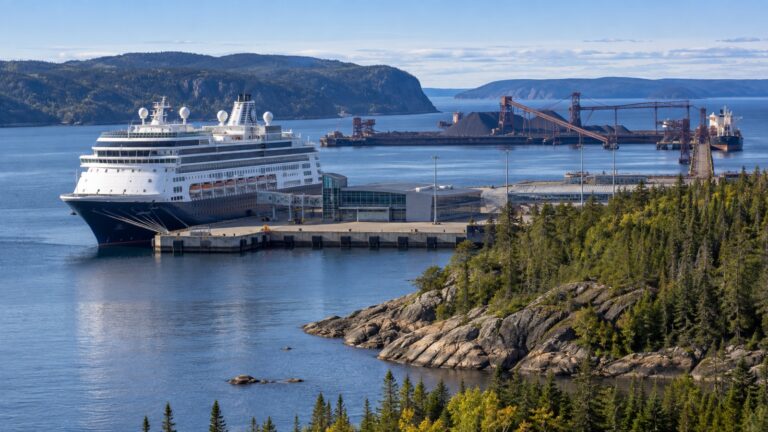
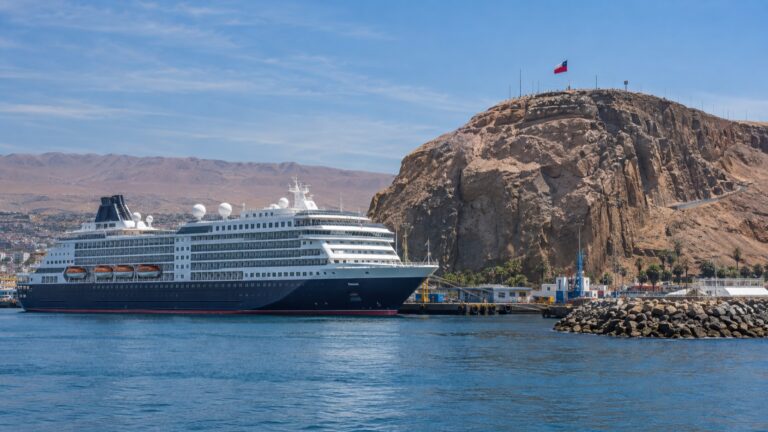
San Antonio Cruise Port (Chile): Gateway to Santiago
San Antonio is Chile’s busy working port on the central coast, and for cruisers it is really a launch pad. This is where I would trade the docks for Santiago, the Casablanca wine valley, or Pablo Neruda’s seaside house at Isla Negra.
Last Visited: December 2019 aboard Norwegian Star. I boarded here for a two-week South America sailing to Buenos Aires.
My quick take on San Antonio
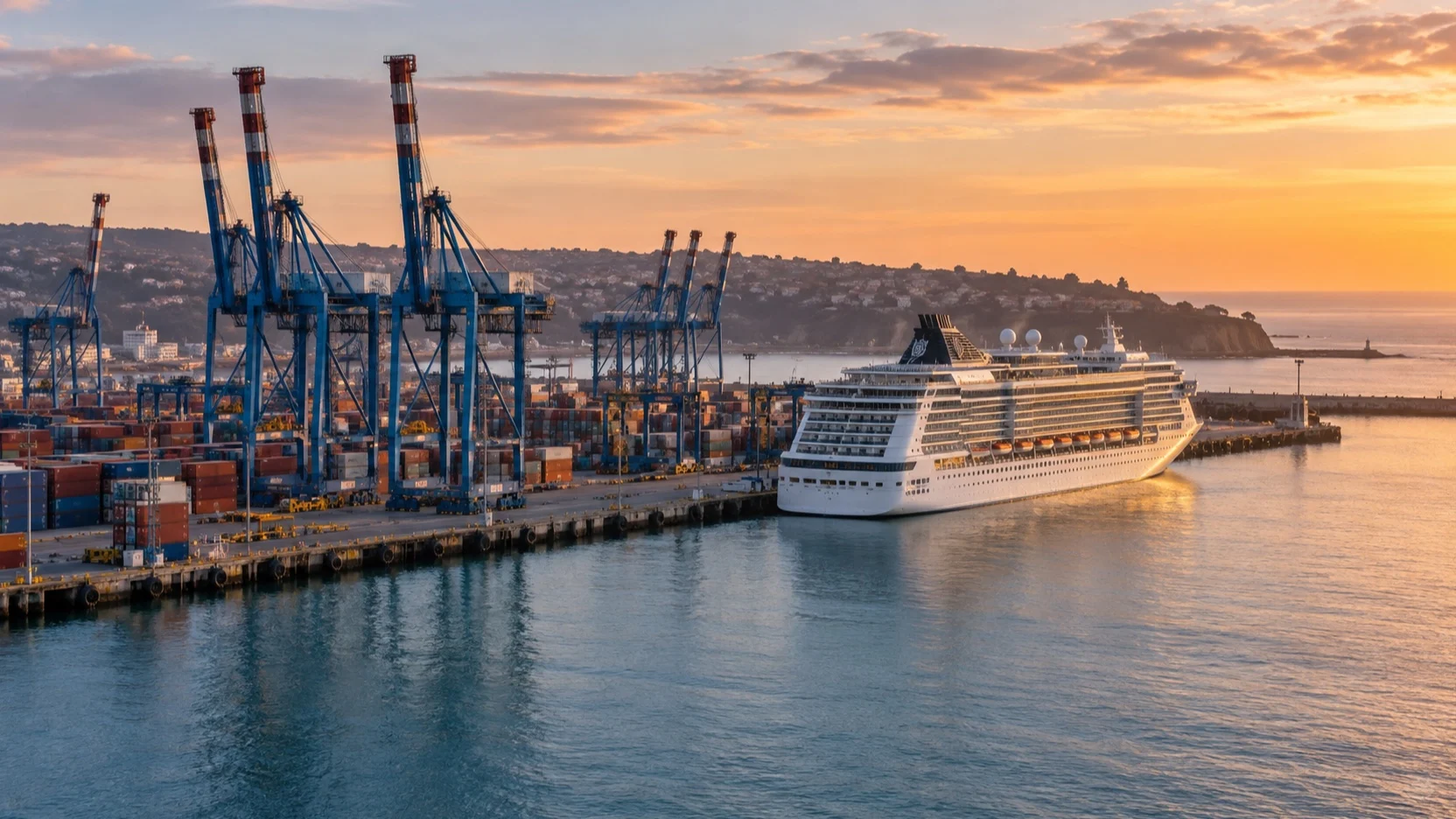
Do not judge San Antonio by the container cranes around your ship. It is one of Chile’s largest and busiest cargo ports, and the good stuff is a short drive inland.
Along with nearby Valparaíso, it is the main sea gateway to Chile’s capital. Plan a day trip and you will barely notice the port itself.
The quick facts
- Where you land: the working port of San Antonio, run by the Puerto San Antonio authority. Ships berth within the working commercial port, while passenger processing uses the DP World cruise facility and controlled port transportation.
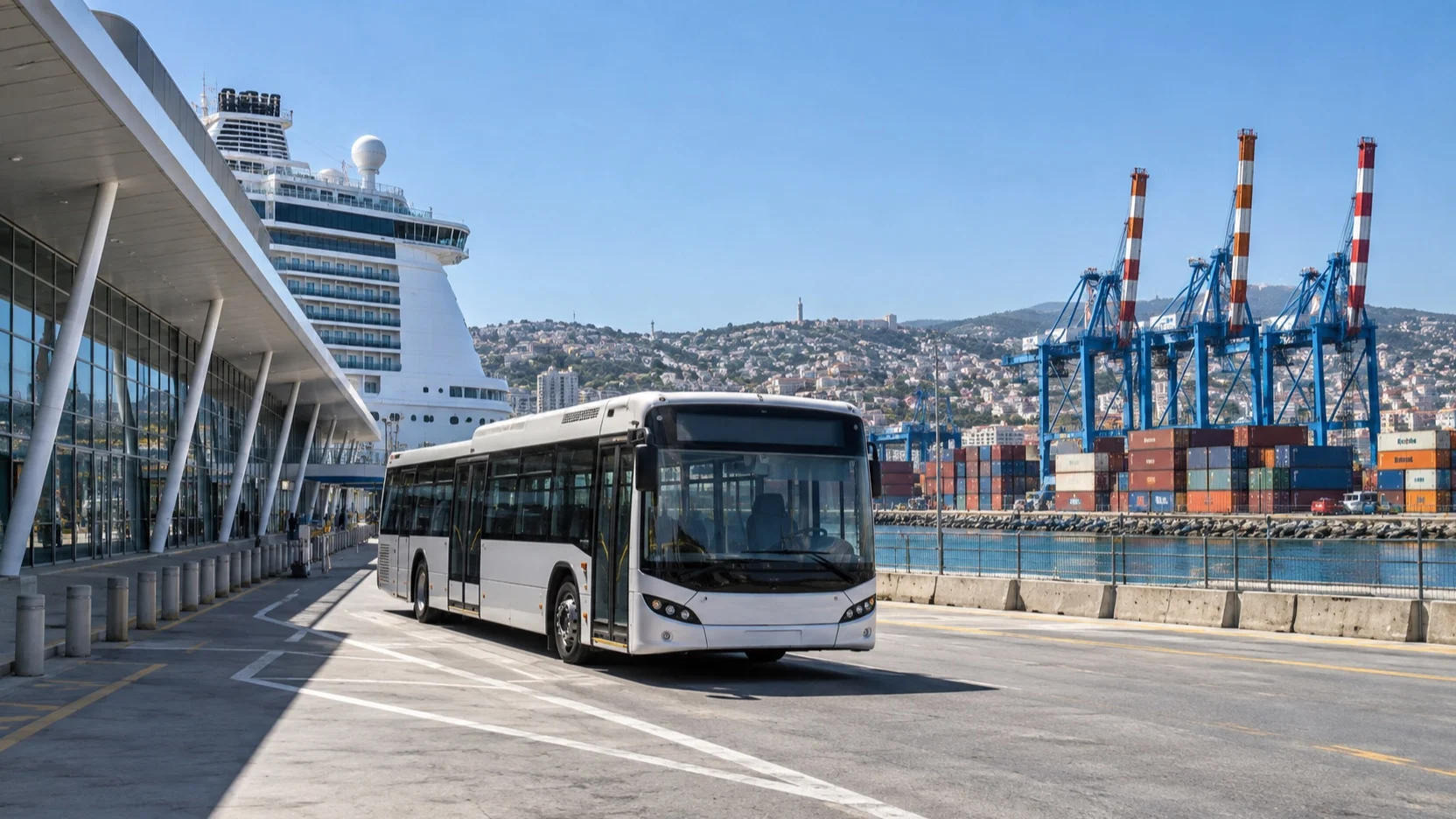
- Dock or tender: Ships berth alongside, and passengers use controlled port transportation between the secure berth and passenger facility; walking across the cargo area is not permitted.
- Into town: San Antonio’s waterfront sights are reachable after the controlled port transfer, but confirm the actual shuttle drop before judging the walk.
- Currency and language: The Chilean peso (CLP), and Spanish.
- Time zone: Chile Summer Time (UTC−3) during the November to March cruise season, standard time (UTC−4) from April to early September.
- How often the call is missed: Low (roughly 1 to 2%): the sheltered berth is rarely limited by local weather.
Getting around from the port
Because you land in an active cargo port, use the official internal transfer to the passenger facility, then meet a ship excursion or prearranged driver at the authorized point.
Independent taxis are available near the gate, and San Antonio’s town center is walkable once you are out. For Santiago or the wine valley, a driver or tour is far more efficient than piecing together buses in a short port day.
The stops I’d actually spend time on
San Antonio’s headline options are three: Santiago, the Casablanca Valley wineries, and the Isla Negra and Valparaíso coast. Here are the named places worth your limited hours.
Santiago’s Plaza de Armas and La Moneda
The capital’s historic core centers on Plaza de Armas, framed by the Metropolitan Cathedral. A few blocks away stands La Moneda, Chile’s neoclassical presidential palace.
Cerro San Cristóbal and its funicular
This hilltop park is reached by a historic funicular and gives the classic panorama over Santiago. On a clear day the Andes rise like a wall right behind the skyline.
Cerro Santa Lucía
A landscaped hill in the middle of the city, with terraces and ornamental stairways. It is an easy walk up for another downtown viewpoint.
Mercado Central
Santiago’s cast-iron seafood market is the place for paila marina and fresh fish lunches. It is loud, colorful, and very Chilean.
Bellavista and the Sky Costanera
Bellavista is Santiago’s bohemian quarter of murals, cafes, and street life. Nearby, the Sky Costanera observation deck tops the tallest tower in South America for a 360-degree view.
The Casablanca Valley wineries
Between the port and Santiago lies the Casablanca Valley, Chile’s premier cool-climate white-wine region. Fun fact: the sea breezes here are exactly why its Sauvignon Blanc and Chardonnay are so crisp.
Pablo Neruda’s house at Isla Negra
Just up the coast, the poet’s quirky seaside home at Isla Negra is now a museum full of figureheads, shells, and ships in bottles. Fun fact: Neruda won the Nobel Prize in Literature, and he and Matilde Urrutia are buried here facing the Pacific.
Valparaíso and Viña del Mar
About an hour north, UNESCO-listed Valparaíso tumbles down its hills on antique funiculars, its lanes covered in murals. Neighboring Viña del Mar adds gardens and beaches for an easy pairing.
San Antonio’s fish market and sea lions
If you stay in town, the fishing caleta and market are the local highlight. Sea lions loiter by the boats waiting for scraps, and the seafood stalls are the freshest lunch around.
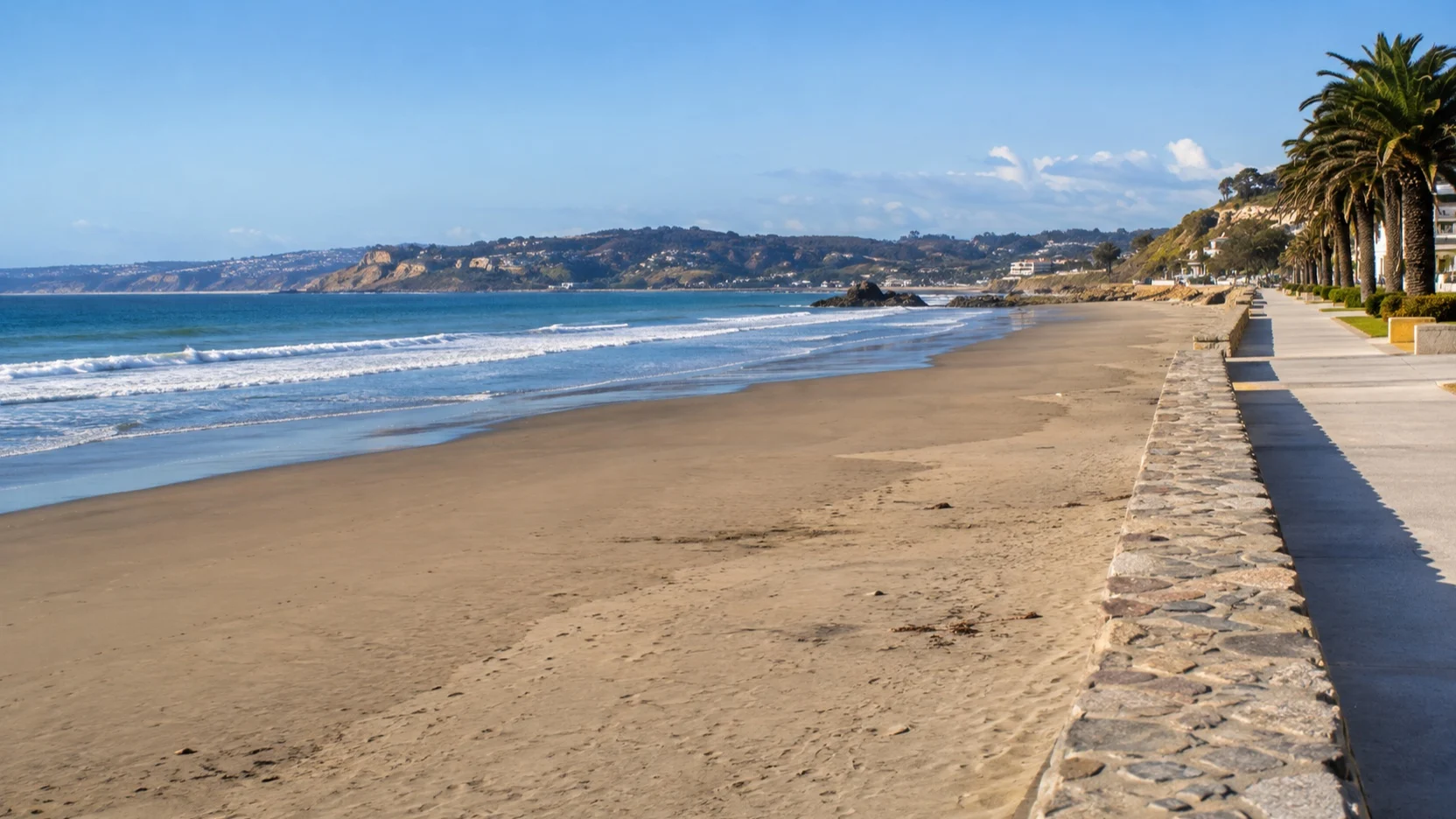
Cartagena’s beach front
Just north, the old resort town of Cartagena has a faded seaside charm and a broad bay beach. It is a low-key stop if you simply want coast and calm.
How I’d plan the day
Short in port (about 4 hours): stay local. Walk San Antonio’s fish market and caleta, watch the sea lions, then eat fresh seafood before returning to the ship.
A full day (6 hours): pick the coast. Combine Isla Negra’s Neruda house with a Casablanca Valley winery, both close to the port with plenty of return buffer.
The big day (8 hours or more): go to Santiago. Give yourself the full 1.5 to 2 hours each way and build in a cushion, since this is a long round trip from the pier.
For more regional ideas, browse our South America cruise ports hub and the guides to Puerto Montt and Punta Arenas further south.
We rounded up the closest places to stay in our San Antonio cruise port hotels guide.
A realistic word on accessibility
San Antonio is a cargo port, so passengers cannot independently walk across the active cargo area, so the internal transfer is part of the accessible transport chain. Ships berth alongside, which helps, but confirm your specific arrangements with your cruise line.
Santiago’s old streets and Valparaíso’s hills involve steep grades and stairs. For step-free needs, a private accessible vehicle is the most reliable choice.
When to go, and the weather
Chile’s cruise season runs roughly November to March, the southern-hemisphere summer, with warm, dry days in central Chile. Even in summer the coast stays cool and breezy, so pack a light layer.
Use San Antonio as a gateway safely
Cruise ships use working terminals and passengers are processed through the DP World passenger facility, with controlled transportation inside the secure port. Never plan to walk across a cargo apron, and use only the shuttle, vehicle instructions, and pickup point issued for your sailing.
For an eight-hour transit call, Santiago works only with a prebooked vehicle, a focused city route, and a planned departure from the capital at least three hours before all aboard. Choose Casablanca wineries or Isla Negra for a shorter call because either keeps you closer to the ship and leaves more recovery time.
For embarkation or disembarkation, Santiago airport and central hotels are roughly 1.5 to 2 hours away in ordinary traffic. Arrive in the region at least one night early, prebook the port transfer, and do not build a same-day international flight around the minimum drive time.
A winery visit needs a reservation and a driver, while Isla Negra entry can sell out and Valparaíso elevators may close for maintenance. Confirm admission, language, mobility access, and return terms directly, then carry Chilean pesos for small purchases even though cards are widely used.
Quick answers
How far is San Antonio from Santiago?
About 68 miles, roughly 1.5 to 2 hours each way by road, so a Santiago day trip is doable but long.
Do ships dock or tender?
Ships berth alongside, with controlled transportation between the secure berth and the DP World passenger facility.
Can I do Santiago and Valparaíso in one day?
It is too ambitious for most transit calls, so choose one; Isla Negra or a reserved Casablanca winery makes an easier, closer day.

How this guide was researched: Unless a first-hand visit is explicitly identified above, this guide is based on independent research using official port, tourism, transit, government, and attraction sources where available. Logistics and time-sensitive details were reviewed on September 10, 2026; see our Editorial Policy.