Calamar River Cruise Port: Paolas, Canal del Dique and the Magdalena
Calamar is the hinge in Colombia’s river-cruise map. One way leads along the Magdalena, the great river spine of the country, while the other slips into the Canal del Dique and eventually reaches Cartagena Bay.
The town visit is cheerfully low-tech. Guests step ashore for a ride in a paola, a two-seat bicycle taxi, and meet a place whose river history is much larger than its compact center.
My quick take
Take the included paola tour. Calamar is not a port where an independent taxi app unlocks a secret second itinerary, and the local drivers and guides are part of the experience rather than mere transportation.
Pay close attention to the day’s geography. The Calamar town tour, the ship’s passage through the Canal del Dique and the road excursion to San Basilio de Palenque are three different pieces, even when a brochure squeezes them into one tidy line.
Calamar river cruise port quick facts
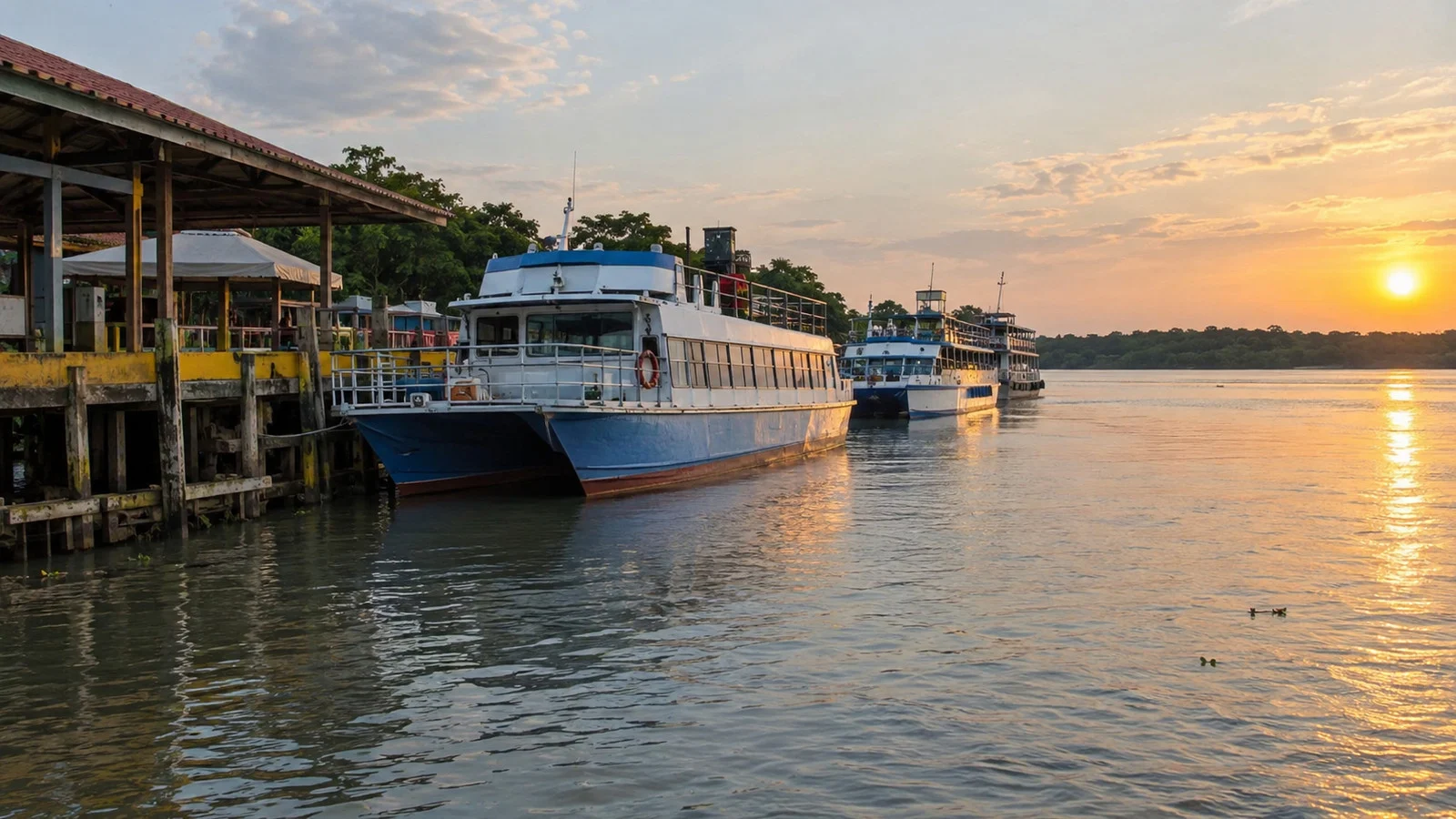
- Where You Land: An operator-controlled riverfront landing near the Magdalena and Canal del Dique junction. No current public source establishes one universal street address.
- Dock or Tender: Dock under normal operations. AmaWaterways describes a Calamar call and direct town tour, not a routine tender operation.
- Into Town: The included paola tour begins from the riverfront; Calamar’s compact center is close, but follow the operator’s transport and meeting instructions.
- Currency and Language: Colombian peso (COP). Spanish is standard; English support is mainly through the cruise line, guides and organized excursions.
- Time Zone: Colombia Time, UTC-5 year-round. Colombia does not observe daylight saving time.
- Operational Note: River conditions, dredging, navigation restrictions, or itinerary changes can alter the landing, timing, or local tour. Follow the daily program rather than relying on a fixed public berth.
Is Calamar an active Magdalena River cruise port?
Yes, and the evidence is current rather than aspirational. AmaWaterways’ official 2026 and 2027 Wonders of Colombia itinerary includes Calamar, while its reverse-direction Magic of Colombia route also schedules the town.
The operator assigns both AmaMagdalena and AmaMelodia to Magdalena sailings. AmaMagdalena entered service in 2025 with 60 guests, and the 64-passenger AmaMelodia followed, giving the route real operating depth rather than a single ceremonial voyage.
Colombia’s Ministry of Commerce, Industry and Tourism also documented the start of the commercial operation and named Calamar among the nine destinations supported by river-tourism investment. Current AmaWaterways departure listings continue through 2026 and 2027.
That said, this is still a young cruise system. Landing practices, excursion staging and published descriptions may evolve faster than they do on the Rhine, where some berths have been arguing with the same cobblestones for centuries.
Where the ship lands in Calamar
Calamar sits where the Canal del Dique branches from the Magdalena River. Cruise vessels use a town riverfront landing, but AmaWaterways does not publish a permanent passenger-terminal street address in its public itinerary.
That distinction matters because Calamar has several historic and local embarkation points, not one airport-style terminal with a numbered gate. The exact gangway position can depend on river stage, vessel assignment, local traffic and the operator’s shore setup.
Colombia’s transport-supervision inventory identified multiple local landing points along the main riverfront in 2022, from the market area toward Puerto Colechera. The inventory predates the luxury cruise launch and subsequent tourism investment, so it is useful context but not a berth assignment for your sailing.
Expect a working river edge rather than a climate-controlled terminal. Use the daily program for the gangway, meeting point and return time, and photograph any sign or guide placard before your paola rolls away.
Is there a tender?
AmaWaterways’ published itinerary describes cruising to Calamar and touring the town, with no routine tender listed. The sensible expectation is a direct dock or landing under normal conditions, although a substitute small boat or alternate shore point remains operationally possible.
Do not infer accessibility from the word “dock.” A changing river level can create a steep gangway, high step or uneven transition even when the vessel is secured directly to shore.
Canal del Dique, Magdalena River and the route to Cartagena
The Canal del Dique begins at Calamar and runs roughly 71 miles through a network of channels and wetlands toward Cartagena and Barbacoas bays. It is a navigable waterway shaped from natural channels and human engineering, not a simple concrete trench with locks every few miles.
Colombia’s Institute of Anthropology and History traces the canal connection to a 1649 decision by Cartagena’s colonial government. Its history also includes Indigenous labor, repeated dredging, changing channels, freight, water supply and environmental consequences, so the easy phrase “colonial canal” hides a complicated system.
Under the normal AmaWaterways program, the ship itself travels between Cartagena Bay and the Magdalena through the Canal del Dique. You do not ordinarily leave the vessel in Cartagena, ride a motorcoach to Calamar and pretend the highway was a river cruise.
Current AmaWaterways schedules place Calamar on both cruise directions, while the Canal del Dique operator publishes live navigation windows and maintenance activity. Check the daily program because those operating details can affect timing.
Why dredging matters
Sediment is a permanent operational character in the Canal del Dique story. The concession operator’s 2026 navigation page reports maintenance dredging near the Calamar entrance and publishes traffic windows or restrictions when required.
Cartagena’s city government said in March 2026 that the operator was continuing dredging and navigation maintenance across the corridor. This does not mean your call will be canceled, but it explains why captains and dispatchers may adjust timing rather than worship a printed minute-by-minute schedule.
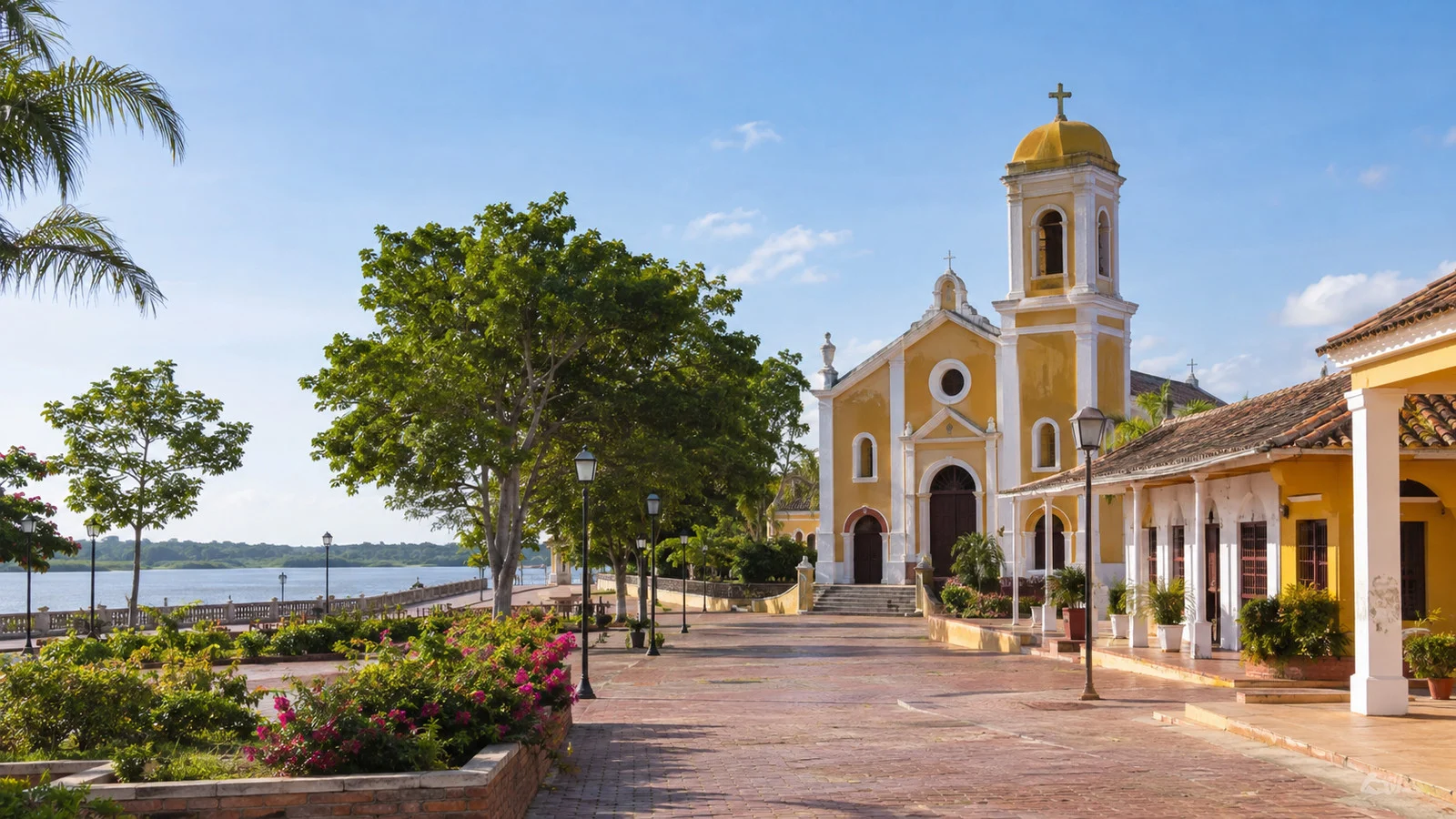
What the Calamar shore visit is actually like
AmaWaterways calls the excursion a historic tour by paola. A paola is a locally used bicycle taxi with a passenger seat in front, giving two guests an open-air view while the driver pedals through town.
Think neighborhood-scale immersion, not a hop-on bus with headphones in twelve languages. The point is the relationship among the river, the streets, the guides, the drivers and the community performances arranged for the call.
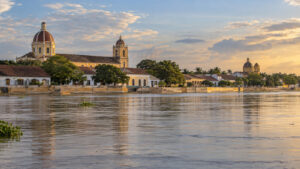
The official itinerary identifies the Iglesia de la Inmaculada Concepción as a historic sight. Recent reporting from the operating route also describes colorful republican-era facades, the riverfront and a cultural welcome with local music, dance and crafts.
Exact performances can change by departure, and they should. A community visit is stronger when it is presented as living culture rather than a mechanical show that must repeat at 3:17 p.m. because a brochure once said so.
The church and historic center
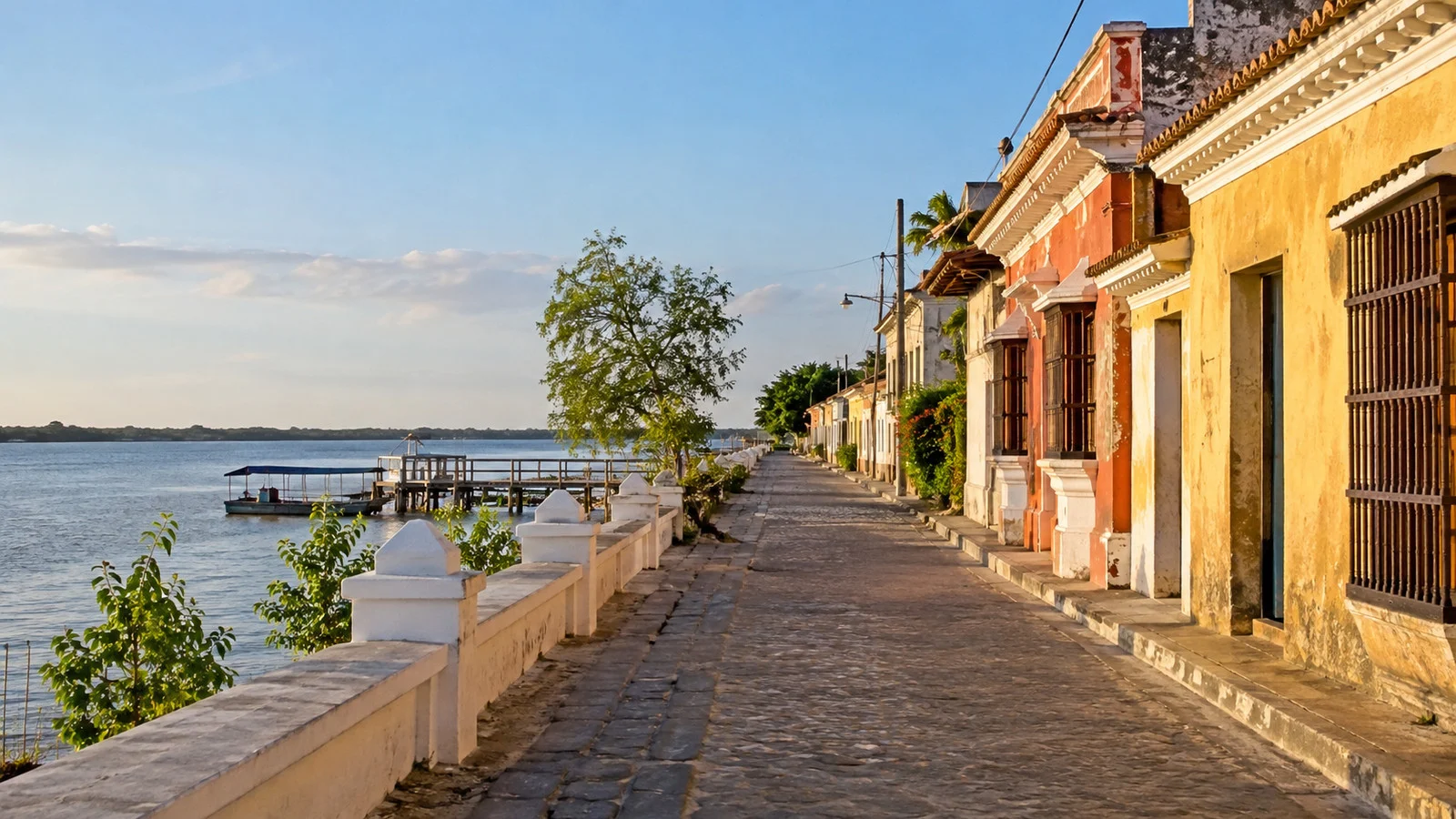
The Church of the Immaculate Conception provides a visual anchor in the compact center. Opening is not guaranteed during every call because this is an active religious building, not a permanently staffed cruise attraction.
Look at the streets as evidence of Calamar’s former importance as a transport junction. The canal linked Cartagena with the Magdalena, and a railway later attempted to serve the same commercial connection, leaving the town with layers of port history that outlasted individual booms.
Local crafts, music and spending
Small purchases can put money directly into the community, but carry Colombian pesos in modest denominations. Do not assume every craft table has card processing, change for a large bill or a desire to become a currency-exchange counter.
Ask before photographing an individual vendor, performer or child. A warm welcome is not blanket consent for close-up portraits, and respectful curiosity travels better than a zoom lens with no manners.
Calamar is not the Palenque landing
This is the most important itinerary distinction in the guide. San Basilio de Palenque is inland in Mahates municipality, not at Calamar’s riverfront, so any visit requires an organized road program from the operator’s designated landing.
Some itinerary summaries pair “Calamar and Palenque,” which can make them sound like one port and its suburb. They are separate communities with different histories.
The UNESCO-recognized cultural space of San Basilio de Palenque includes language, social organization, music, oral traditions, medicine and religious practices with deep African roots. UNESCO’s listing concerns living intangible heritage, not a collection of colonial buildings.
Approach the visit accordingly. Palenque is a living Afro-Colombian community, not a themed extension of Calamar, and its residents should be centered as knowledge holders rather than treated as scenery.
Could the road routing change?
Yes. The operator can alter the landing or motorcoach gateway because of river conditions, road conditions or scheduling, so final documents outrank any generic port guide.
What should not change is the conceptual distinction. A Calamar call is not proof that the ship docks at Palenque, and sailing the Canal del Dique is not the same activity as riding inland by road.
Can you explore Calamar independently?
Technically, the center is close enough to the river for local exploration. Practically, the included paola visit is the better plan because the call may be short, English outside the organized program may be limited and the ship’s exact return point can be operationally controlled.
This is not an insult to Calamar’s independence credentials. It is simply one of those small river stops where the tour provides the context, timing and local relationships that a downloaded map cannot manufacture.
The broader Magdalena River cruise ports guide explains how Calamar fits between Cartagena, Mompox, Magangué and Barranquilla. For the coastal end of the trip, the Cartagena cruise port guide covers the walled city and its separate ocean-cruise terminal.
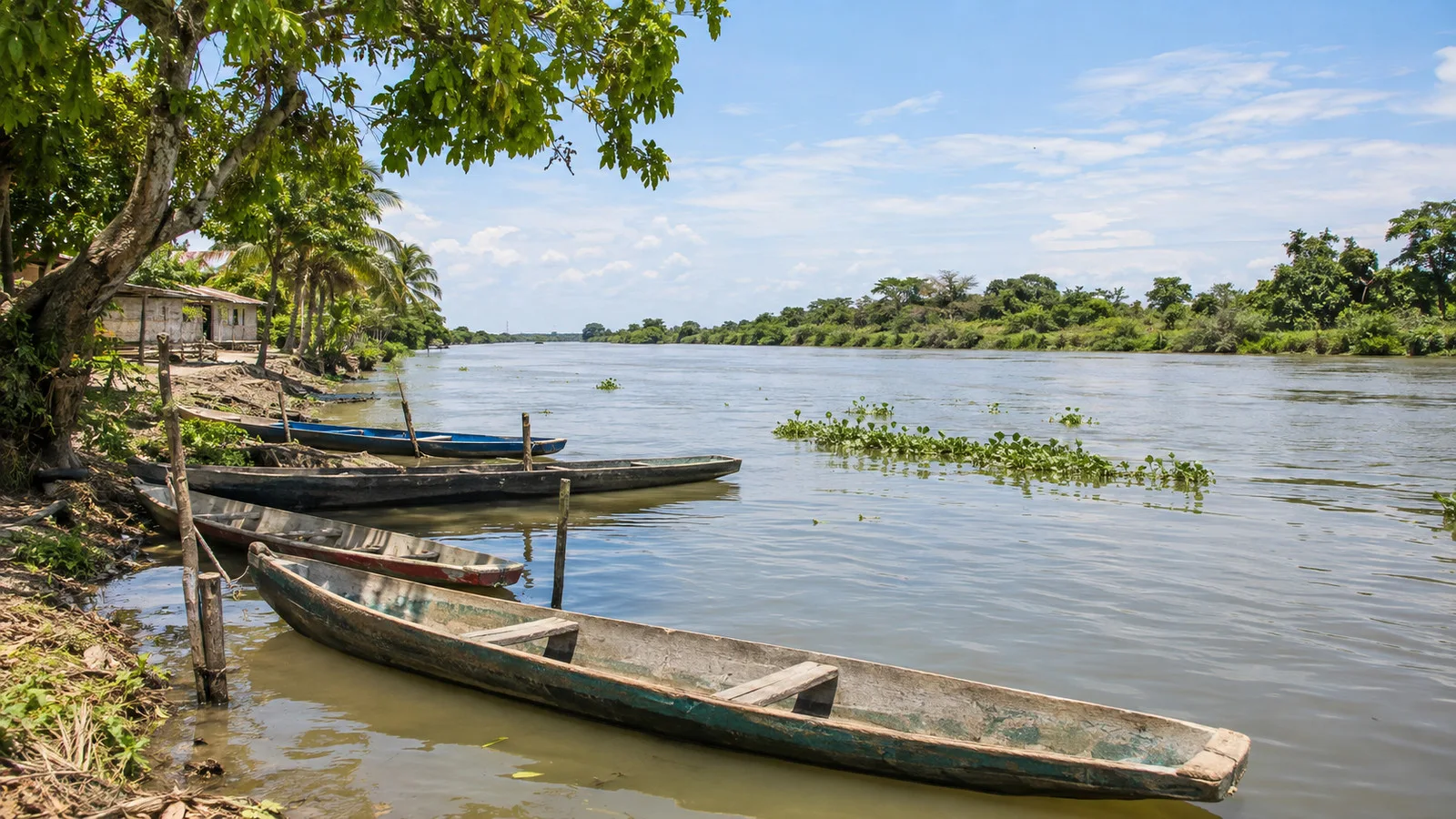
Accessibility and comfort
There are two transfers to evaluate: ship to shore and shore to paola. Neither should be described as accessible without knowing the day’s gangway angle, step height, landing surface and the traveler’s transfer needs.
A paola requires stepping into a passenger seat and is not a wheelchair-accessible vehicle. Ask whether an alternate local vehicle is available, whether a folding mobility aid can be carried and whether staying seated in a wheelchair is possible during any part of the tour.
Calamar’s streets may include uneven pavement, curb changes, dust, puddles and limited shade. A recently improved street or riverfront does not certify the whole tour route as smooth or step-free.
For a thorough operator checklist, use the site’s river cruise accessibility guide. Request written answers before final payment if a lift, roll-in transport or no-lifting policy is essential.
The Caribbean lowlands are hot and humid, and the paola is open to the weather. Bring water, sun protection and insect repellent, then use them before the guide starts speaking rather than attempting a sunscreen ballet while the bicycle is moving.
River levels and operating changes
Calamar’s risk is not identical to a shallow European river. The lower Magdalena and Canal del Dique are working waterways with changing flow, sediment movement, dredging, navigation windows and seasonal flooding concerns.
In 2026, the Canal del Dique operator published navigation restrictions connected with dredging and maintained a live traffic page. Maintenance near the Calamar entrance shows why the absence of an ocean swell does not equal zero operational complexity.
A change can mean a later arrival, different landing, reordered excursions, more road transport or a skipped local visit. It does not automatically mean the entire Colombia cruise disappears.
The site’s river cruise water-level guide explains common substitutions and the questions to ask. For this route, add one more: whether a Canal del Dique restriction affects the ship’s passage, only its timing or neither.
How to plan the Calamar call
Before leaving the ship
Confirm the return time, meeting point and whether the ship remains at the same landing. Take water, sun protection, small COP bills and only the valuables you need.
During the paola tour
Listen for the story of the canal and railway, then use the church, facades and riverfront to place that history in the town. Leave room for conversation and local performances instead of treating the ride as a checklist of monuments.
If you do not use the paola
Ask the cruise manager for a shorter walking option or accessible substitute before disembarking. Remaining near the riverfront can still offer a worthwhile view of the Magdalena junction, but do not wander away without a confirmed return plan.
Stay with the paola group and the live landing
Calamar uses an operator-controlled Magdalena landing near the Canal del Dique junction rather than a published universal terminal address. Follow the cruise group from the gangway because sediment, dredging, and channel work can change the exact stop or road pickup.
The paola is local transportation and part of the organized town experience, not a standardized accessible vehicle. Ask about the step, seat, shade, route, and alternative before boarding, and choose a short waterfront or central walk if the vehicle is not safe for you.
San Basilio de Palenque is a separate protected cultural destination reached through an organized road program, not a neighborhood of Calamar. Do not improvise that excursion on a short call because traffic and a moving river ship leave no dependable recovery plan.
Colombian entry forms and visa rules depend on nationality, while heat, insects, rain, and river access affect the day. Carry water and small pesos, use the line’s security guidance, and keep the all-aboard time and local contact offline.
Quick answers
Where do river cruise ships dock in Calamar?
They use an operator-arranged town riverfront landing near the junction of the Magdalena and Canal del Dique. No current public operator source provides one universal street address, so use the daily cruise instructions.
What is a paola in Calamar?
A paola is a bicycle-powered taxi with seating for two passengers. AmaWaterways uses paolas for its included historic tour of town.
Does the cruise ship sail the Canal del Dique?
Yes, under the normal Cartagena route the vessel sails from Cartagena Bay through the Canal del Dique and reaches the Magdalena at Calamar. Navigation restrictions can change timing or operations.
Is San Basilio de Palenque in Calamar?
No. Palenque is an inland community in Mahates municipality, so any visit requires an organized road program from the operator’s designated landing.
Can I tour Calamar without the cruise excursion?
The center is compact, but the included local tour is the most practical choice for context, transportation and timing. Independent visitors should stay close to the published landing and return well before all-aboard.
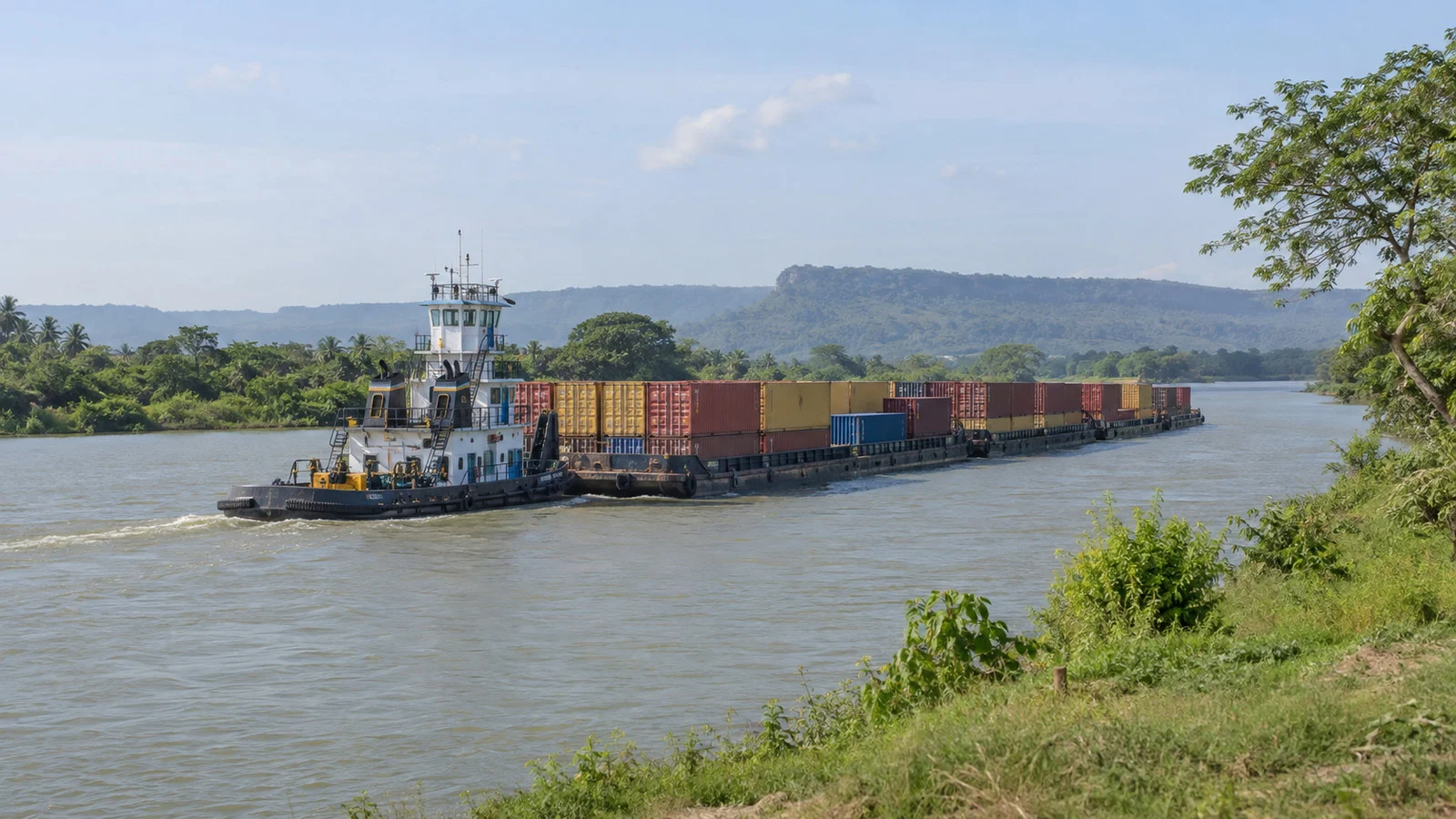
Final word
Calamar is not trying to out-monument Cartagena or out-preserve Mompox. Its appeal is motion: river into canal, ship into town, bicycle taxi into streets and old trade routes into a new tourism chapter.
Let the included tour do its job, keep Palenque and Calamar distinct, and watch the water when the vessel turns at the junction. This small port explains the entire route if you give it your attention.
How this guide was researched: Unless a first-hand visit is explicitly identified above, this guide is based on independent research using official cruise-line, waterway, government, cultural-heritage, and transport sources where available. Logistics and time-sensitive details were reviewed on September 12, 2026, under our Editorial Policy.