
CRUISE PLANNING
River Cruise Planning
Understand water levels, locks, ship swaps, double docking, accessibility, tipping, and the rhythms of a river cruise.
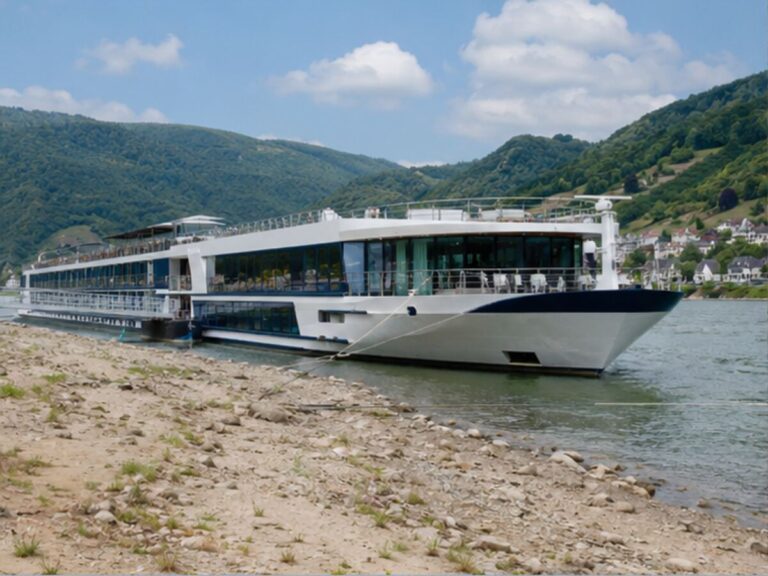
Know What Changes on the River
River cruises bring you close to the destination, but water conditions, docking arrangements, and itinerary changes work differently than they do at sea.
Start With These Questions
Where Will the Ship Dock?
River berths can change, and double docking may require walking through another ship to reach shore.
What Can Water Levels Change?
Low or high water may alter sailing times, require buses, or lead to a ship swap between itinerary sections.
How Much Is Included?
Compare excursions, tipping expectations, transfers, mobility requirements, and free time in each port.
What Changes Once You Leave the Sea
River cruising looks like ocean cruising in miniature and behaves like a different activity. The ship is small, the water is narrow, and almost every stop puts you within walking distance of somewhere worth walking to. That is genuinely the appeal, and it is why the planning questions are different.
Where you tie up is the first one. River ships dock at a quay rather than a terminal, and the specific quay can be some distance from the town everyone associates with it. Operators use different berths in the same city, so the quay name on your cruise documents matters more than the city name on the brochure.
Rafting is the second. When several ships share a berth they tie up alongside one another, and reaching dry land can mean walking through two or three neighboring vessels. It is routine and safe, and it can turn a quiet morning into a small parade through somebody else’s lounge.
Water level is the one worth understanding before you book. European rivers run high in spring and can run too low by late summer, and when a stretch becomes unnavigable lines respond by swapping passengers between ships, running motorcoaches between towns, or spending a night alongside. You usually still see the places. What changes is how much of the week you spend on a bus, and what your insurance will and will not cover.
Locks are the last thing nobody mentions in the brochure. Long stretches of the Danube, Rhine, Main and Rhone involve dozens of them, they are slow, and they happen at night as often as during the day.
River Cruise Locks: How Many on Each European River, and Why It… and Douro River Locks and Dams: Five Steps From Porto to the Border cover the two things most likely to reshape your week.
Frequently Asked Questions
Should I book a river cruise in high summer?
Late spring and early autumn are more reliable. Summer brings the highest temperatures and the greatest chance of low water on the German and Austrian stretches, and the towns these ships visit are small enough that peak crowding is noticeable.
Which cabin deck is best?
Higher decks give better views and more daylight. Lower decks are quieter for lock transits and cheaper. If you are a light sleeper and the itinerary is lock-heavy, that trade is worth thinking about properly.
Latest Guides
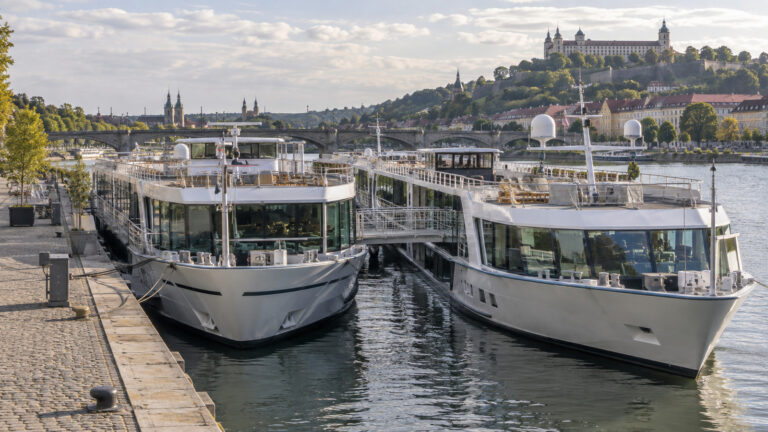
River Cruise Berth Changes: Why Your Ship Moved While Ashore
Why a river cruise ship leaves from one quay and collects you at another, who orders the move, how the crew tells you, and…
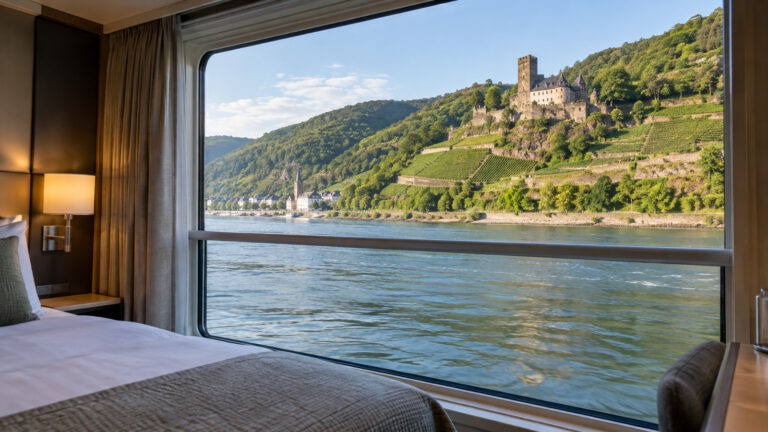
Port or Starboard on a River Cruise: Does Cabin Side Matter?
Why cabin side usually matters less on a river cruise, when it can affect a view, and what to prioritize instead.
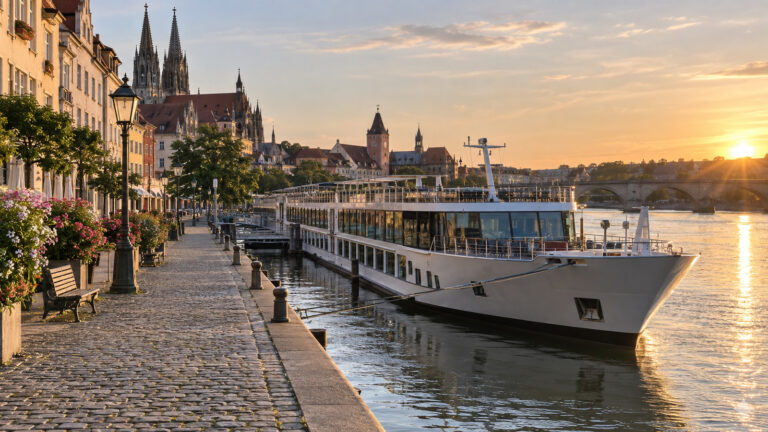
Where River Cruise Ships Dock: City Center or Transfer?
How to find your river-cruise berth, judge the walk or transfer, handle last-minute changes, and plan for accessibility.
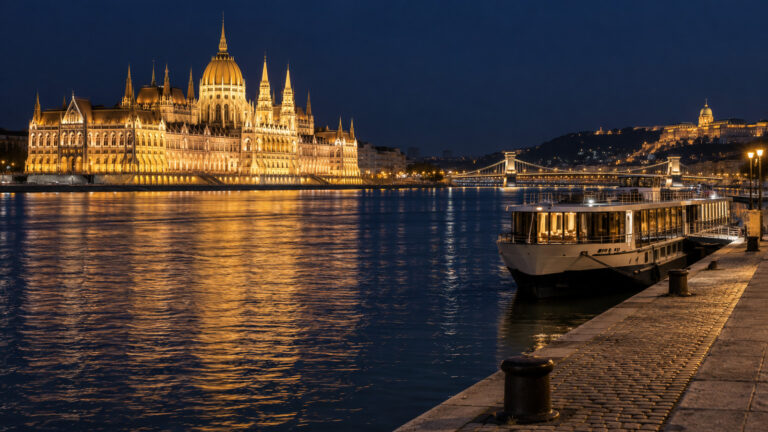
River Cruise Overnight Stays in Port: How to Use the Evening
How river cruise overnight stays work, how to use the evening safely, and what to verify about all-aboard times, berths, transit, and ship movements.
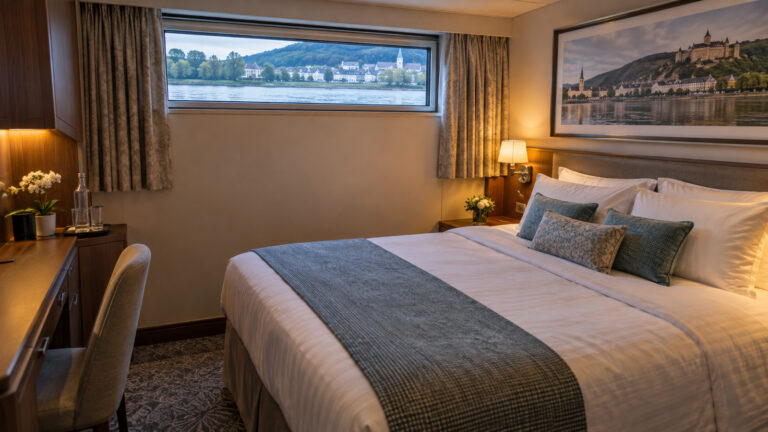
How Far Ahead to Book a River Cruise: The Lower-Deck Trap
How far ahead to book a river cruise, with realistic timing by cabin, date flexibility, deposit terms, and the lower-deck tradeoff behind many late…
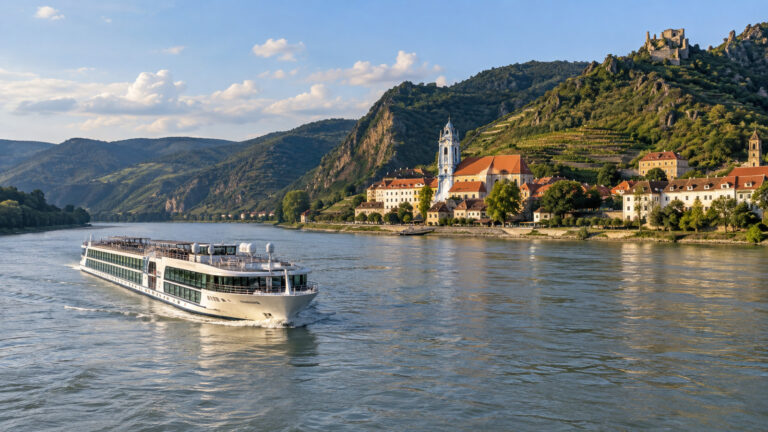
Upstream or Downstream: Which Direction to Sail on the Danube, Rhine and Douro
Does river cruise direction matter? How upstream vs downstream changes current, lock nights and daylight in the Rhine Gorge, Wachau, Iron Gates and Douro.
Keep Planning
Explore ports and itinerary hubs for the Danube, Rhine, Seine, Rhône, Saône, Douro, and more.