Dover Cruise Port: A Planner’s Guide to Terminals and Kent
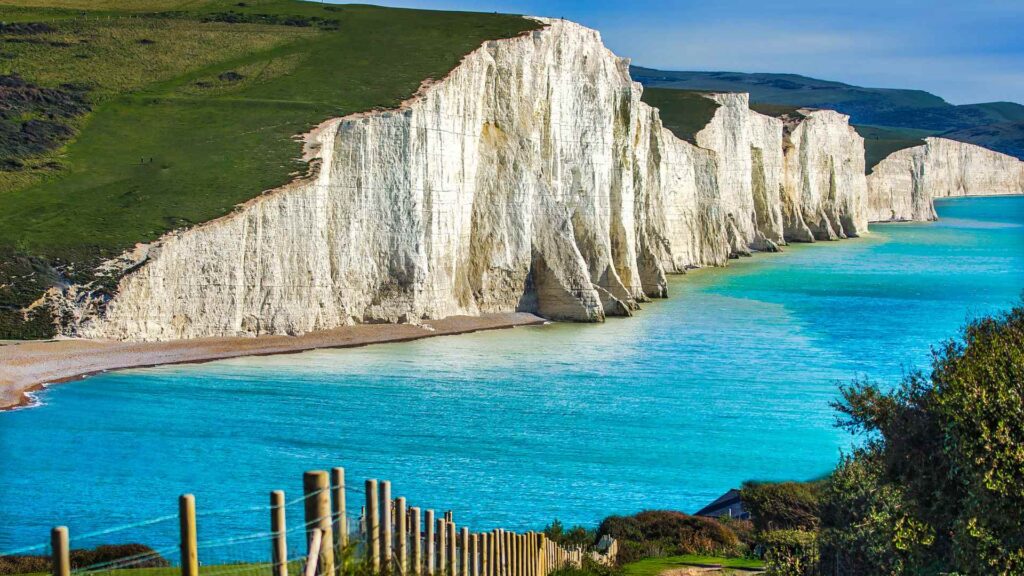
Dover is where a lot of British-based cruises begin, and its two terminals sit right under the White Cliffs. Here is how I would plan a smart embarkation day, or a port-of-call stop, in this corner of Kent.
My quick take on Dover
Dover is a genuine homeport and also a port of call, so treat it as a launch pad for Kent, not a big city in itself. If you are weighing UK options, I compare it with nearby ports in my UK cruise ports guide and my Southampton rundown.
The honest planning call: London is a long full day from here, so I would only chase it with a full turnaround day. Canterbury and the castles of Kent are the easier, more rewarding local picks.
The quick facts
- Where you land: Dover’s Western Docks normally use Cruise Terminal 1 or Cruise Terminal 2, with WD4 at New Marina Curve available as an additional port-of-call berth. Check the Port of Dover’s live schedule and your cruise documents because the terminal determines your taxi, shuttle, and parking point.
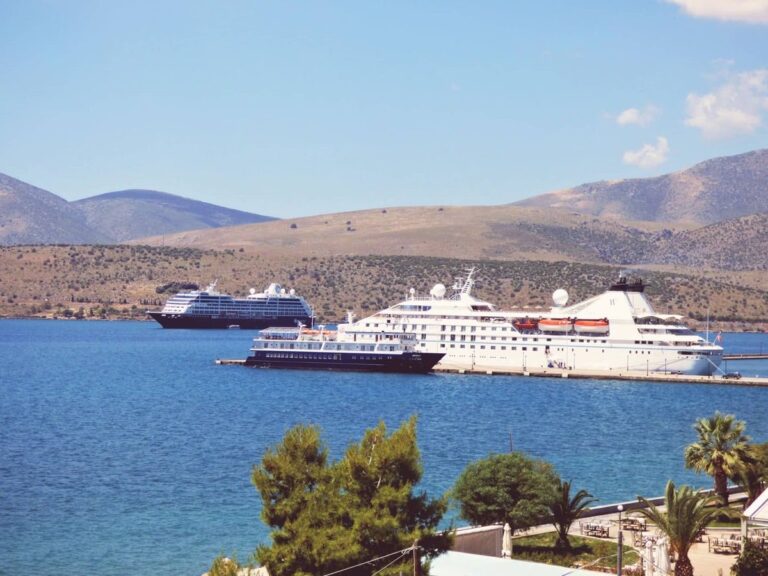
- Dock or tender: Ships berth alongside inside the harbor breakwaters, so you walk straight off by gangway, with no tender boats.
- Into town: Dover Priory is the nearest rail station; the port says the walk to the main cruise terminals takes roughly 30 to 40 minutes, so most passengers with luggage should use a taxi or any date-specific shuttle.
- Currency and language: Pound sterling (GBP) and English.
- Time zone: British Summer Time (BST, UTC+1) through the cruise season, and Greenwich Mean Time (GMT, UTC+0) in winter.
- How often the call is missed: Low (roughly 1 to 2%): the sheltered berth is rarely limited by local weather.
How I would confirm my own terminal
Dover has two dedicated cruise terminals in the Western Docks plus WD4, an additional port-of-call berth. Check the live port schedule and cruise documents because pickup, processing, and parking instructions depend on the berth assigned that day.
Cruise Terminals 1 and 2 share the Western Docks area, while WD4 has its own access information. Give a driver the full terminal or berth name rather than only “Port of Dover.”
Getting around from the port
The terminals are not in the town center, so most people take a taxi for the short hop into Dover or up to the castle. Taxis wait at the terminal on turnaround days.
Dover Priory is the nearest station, and Southeastern high-speed services can reach London St Pancras in about 66 minutes. The Port of Dover puts the terminal walk at 30 to 40 minutes, so use a taxi with luggage unless your sailing has a station shuttle.
Our Dover cruise port hotel guide sorts the options by how easy the morning transfer is.
Turnaround parking, luggage, and transfers
Official cruise parking is offered in the Western Docks through the port’s appointed operation, but you must reserve for the correct sailing and follow its vehicle-drop instructions. Terminal access points are not interchangeable, so put the named terminal from your documents into the booking and navigation plan.
Do not expect a public left-luggage counter at the cruise terminal. On embarkation day, keep bags with you until cruise check-in or arrange storage with a hotel or staffed rail-station provider, and arrive the day before if an international flight or long rail journey is involved.
The stops I would actually spend time on
These are the named, verifiable places I would build a Dover day around, closest first.
1. The White Cliffs of Dover
The National Trust cliff-top paths are the classic first walk, with the English Channel below and, on a clear day, France on the horizon.
Fun fact: the chalk is packed with the fossils of tiny sea creatures, which is what gives the cliffs their bright white face.
2. Dover Castle
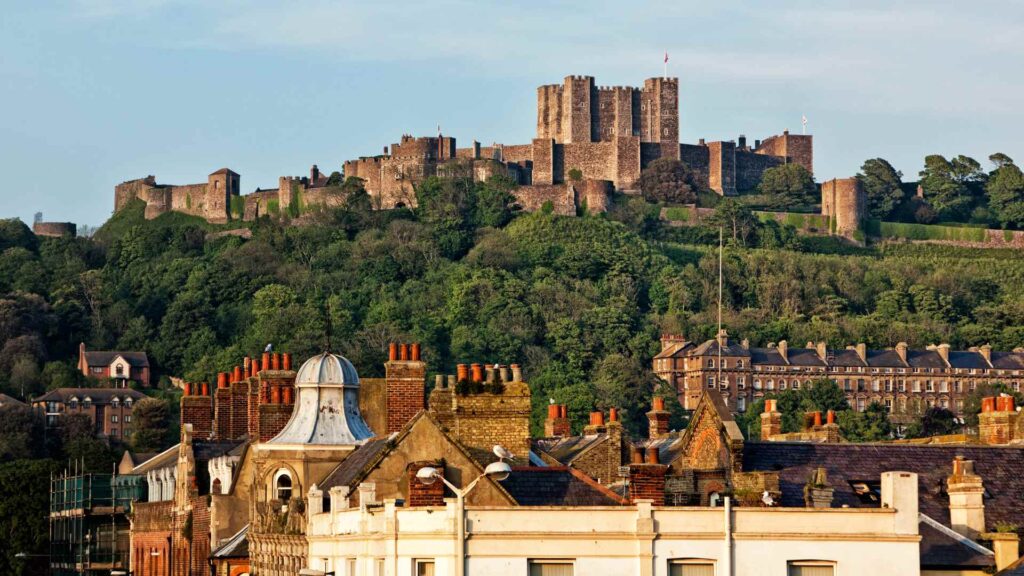
This English Heritage fortress towers over the harbor, with the medieval Great Tower and the Secret Wartime Tunnels dug into the cliff.
Fun fact: those tunnels were the command center for Operation Dynamo, the 1940 Dunkirk evacuation of over 300,000 troops. It is the single most rewarding stop near the port.
3. South Foreland Lighthouse
South Foreland Lighthouse is a seasonal National Trust visit reached on foot from the White Cliffs area rather than by a taxi to the door. Allow roughly 2 miles each way from the main visitor area, check opening dates, and skip it if weather or mobility makes the clifftop walk a poor fit.
4. Dover Museum and Bronze Age Boat Gallery
An easy town-center stop built around one of the world’s oldest known seagoing boats, roughly 3,500 years old. Good if the weather turns.
5. Roman Painted House
The Roman Painted House has had limited and changing public access, so do not build a short port day around it without same-day confirmation from Dover’s official visitor information. Dover Museum is the more dependable in-town history option when its posted hours fit your call.
6. Canterbury and its cathedral
Canterbury is the easy big day out, about 20 to 30 minutes by train or car. Canterbury Cathedral anchors a UNESCO World Heritage Site of cobbled medieval streets.
7. Leeds Castle
Leeds Castle is roughly 45 to 50 miles from Dover, and road time can be an hour or more in ordinary traffic. Choose a cruise excursion or a prebooked driver and do not pair it with London or multiple Kent stops.
8. Deal Castle
A short drive up the coast, this English Heritage Tudor artillery fort has a distinctive rose-shaped plan and walkable ramparts overlooking the sea.
9. Walmer Castle and Gardens
Near Deal, this English Heritage castle became a stately residence with fine gardens. It is an easy pairing with Deal Castle on a Kent-coast afternoon.
10. Samphire Hoe
A nature reserve created from chalk dug out during the Channel Tunnel build, tucked at the foot of the cliffs west of Dover. Good for a quiet walk with big cliff and Channel views.
11. Battle of Britain Memorial
Out at Capel-le-Ferne between Dover and Folkestone, this cliff-top memorial honors the RAF aircrew of 1940, with replica Spitfire and Hurricane aircraft.
12. London (turnaround-day option)
London is fast only on the high-speed train from Dover Priory, with about 66 minutes to St Pancras before station transfers and terminal travel. It is a high-risk independent port day unless the call is unusually long.
Save London for a pre-cruise or post-cruise overnight, not sightseeing on the day you must check in. If you do visit during a long port call, choose one compact area and take a train that leaves a substantial backup margin.
How I would plan the day
Three hours: taxi up to Dover Castle for the Great Tower and Secret Wartime Tunnels, then straight back. That is the one must-see.
Five hours: pair the White Cliffs cliff-top walk with Dover Castle, or swap in the town-center museum and Roman Painted House if the weather turns.
Full turnaround day: ride the train to Canterbury for the cathedral, or push on to London if you have a genuinely free day and buffer your return well.
For more embarkation-day planning, see my first-timer cruise ports guide and my roundup of walkable cruise ports.
A realistic word on accessibility
Because ships berth alongside at Dover, boarding is via gangway rather than tender, which is much easier for wheelchair users and slower walkers.
The cliff-top and castle sites do involve slopes and uneven ground, so I would confirm specific access needs with each attraction and with your cruise line in advance.
When to go, and the weather
Most Dover cruises run May to September, when the days are longest and the cliff walks are at their best.
Even in summer the Channel breeze is brisk, so pack a layer and something waterproof. Dover weather changes fast.
Quick answers
Does my ship dock or tender at Dover?
You dock. Ships berth alongside at the Western Docks cruise terminals, so you walk straight ashore.
Can I do London from Dover in a day?
Only on a turnaround day. The train is just over an hour each way, but with transfers it is a long full day, so a port call is too tight.
What is the easiest big sight near the port?
Dover Castle for history, or Canterbury Cathedral about 20 to 30 minutes away for a classic cathedral city. Both beat a rushed London dash.
Planning a wider itinerary? Browse my Europe cruise ports hub for the next stops on your sailing.
How this guide was researched: Unless a first-hand visit is explicitly identified above, this guide uses official port, tourism, transit, government, and attraction sources where available. Logistics and time-sensitive details were reviewed on September 10, 2026; see our Editorial Policy.