Norway Cruise Ports: A Guide to the Fjords and Arctic North
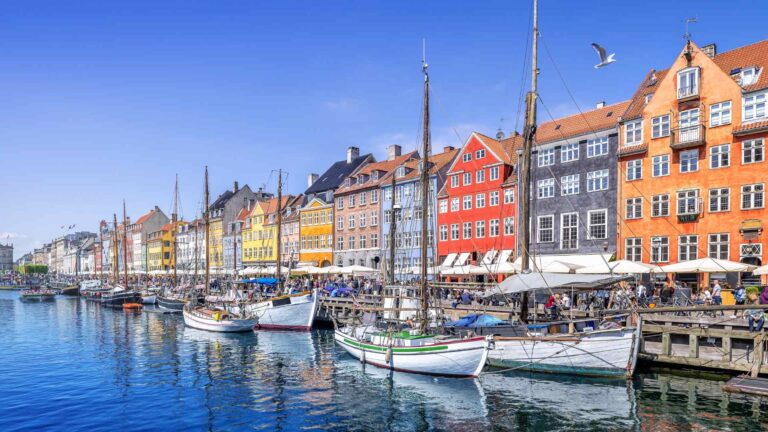
Norway is really two cruise experiences in one country: the deep green fjords of the west, and the Arctic north above the polar circle.
This hub compares the main ports so you can match each day to the right plan. I link every full port guide below.
My quick take
If it is your first Norway cruise, the classic fjord loop out of Bergen is the one to book. Save the far north for a second trip built around the northern lights.
The short version: fjord season runs May to September, and the aurora is a winter show. You cannot really do both on one sailing.
The two Norways, at a glance
- Fjord Norway (the west): Bergen, Stavanger, Ålesund, Geiranger, Flåm. Waterfalls, UNESCO fjords, scenic railways, mostly May to September.
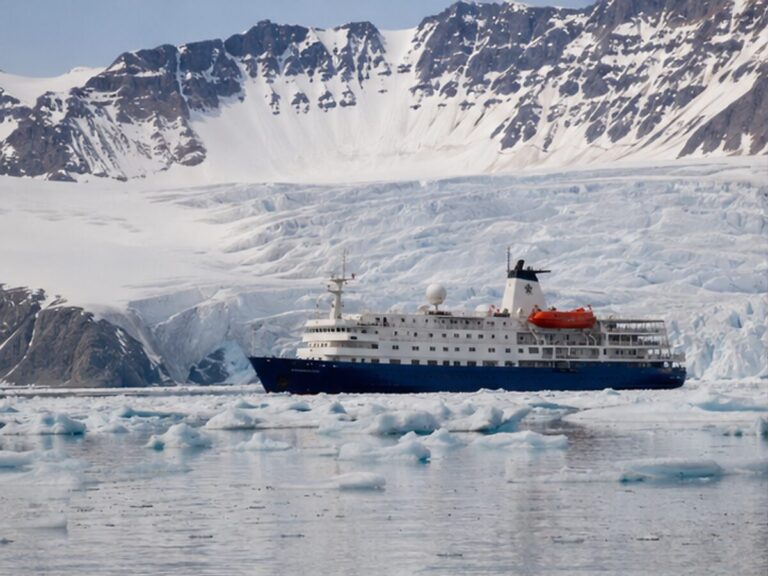
- Arctic Norway (the north): Tromsø, Honningsvåg, the Lofoten Islands. Midnight sun in summer, aurora in winter, a wilder edge-of-Europe feel.
- Currency: the Norwegian krone (NOK). Cards and phone payments work almost everywhere, so you rarely need cash.
- Docking: berth arrangements vary by ship and date. Geiranger may use SeaWalk or tenders, Flåm may berth or tender, and Bergen and Tromsø have multiple berths, so confirm the exact location.
Bergen: the gateway to the fjords
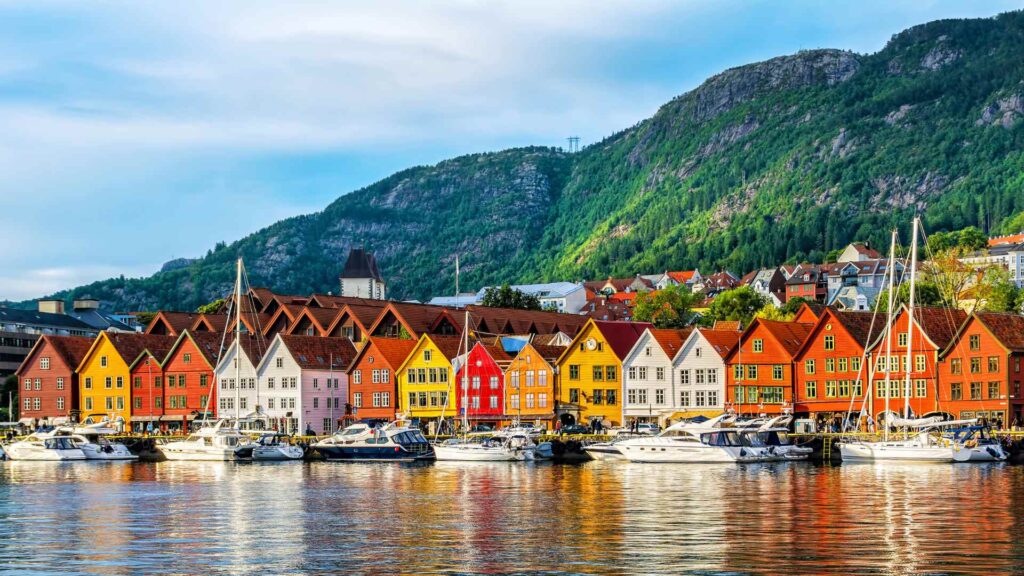
Bergen uses several cruise berths, and not every one is equally close to Bryggen. Central berths can be walked, while working-port berths may require a mandatory or cruise-provided shuttle, so use the ship’s stated berth rather than a generic city-center distance.
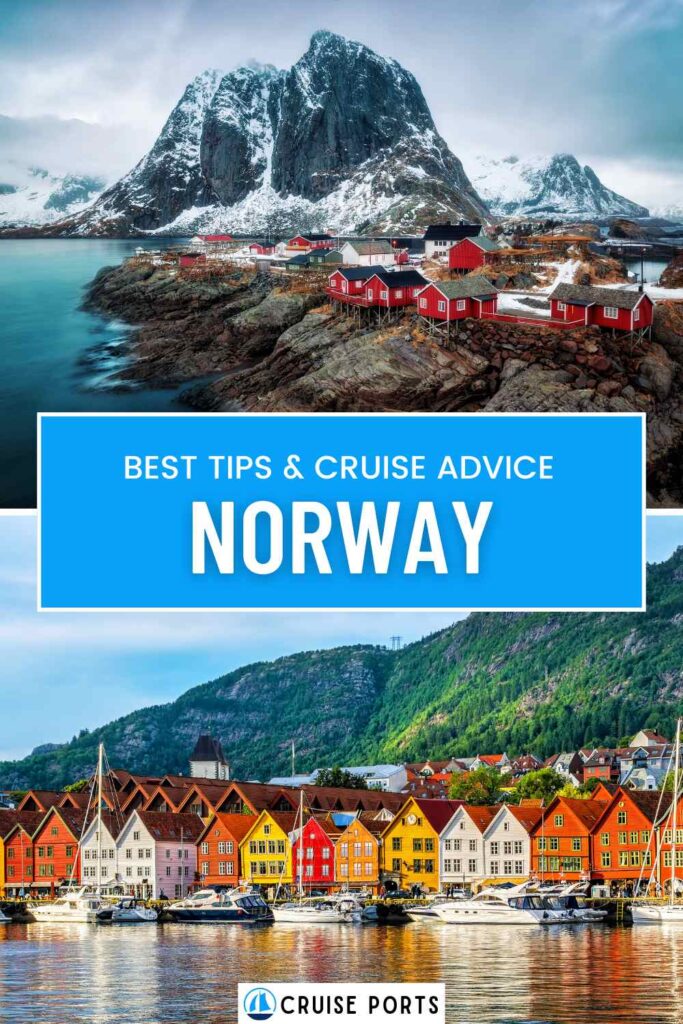
The headline stop is Bryggen, the UNESCO-listed row of Hanseatic wooden houses, backed by the Fløibanen funicular up Mount Fløyen. Add the Fish Market and you have a full, walkable day.
Read the full Bergen cruise port guide for exact berths and the funicular plan.
Stavanger: city walking plus Pulpit Rock
Stavanger is one of Norway’s most walkable calls, with ships tying up right on the Vågen harbor in the center. Gamle Stavanger, a lane of white timber houses, is a two-minute walk from the ship.
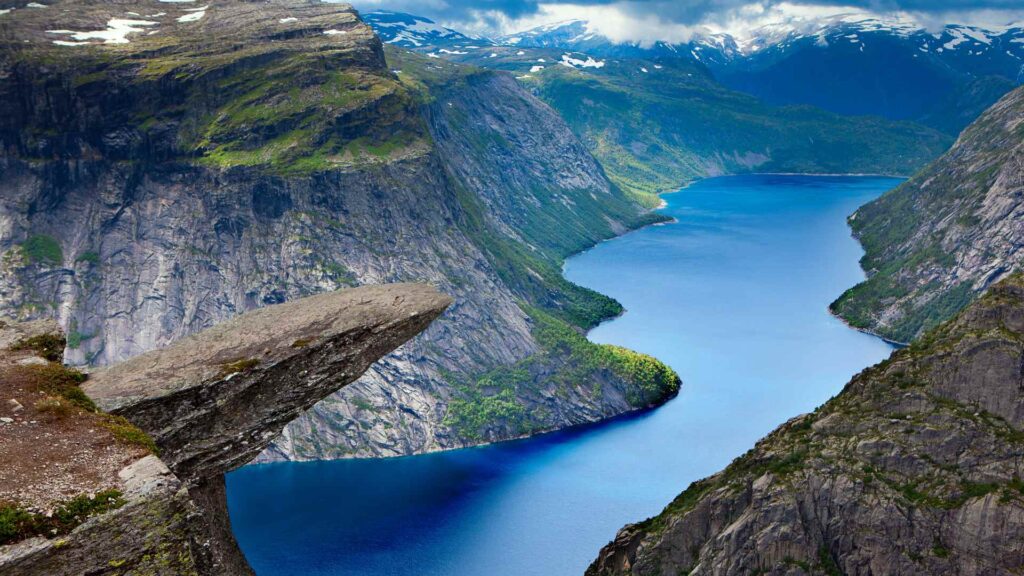
The big-ticket excursion is Preikestolen (Pulpit Rock), a cliff that drops about 1,980 feet into the Lysefjord. It is a real half-day hike, so book it as an excursion rather than winging it.
My full Stavanger cruise port guide covers the easy in-town plan and the Pulpit Rock timing.
Ålesund: art nouveau by the sea
Ålesund is the prettiest town center on the coast, rebuilt in art nouveau style after a 1904 fire. Ships dock a short walk from the shops and canals.
The must-do is the climb (or taxi) up to the Aksla viewpoint, roughly 418 steps to a sweeping view over the islands. It is also a common gateway to Geiranger by motorcoach or tender-boat tour.
See the Ålesund cruise port guide for the viewpoint route and nearby fjord options.
Geiranger: the postcard fjord (SeaWalk or tender)
Geiranger can place a ship at the SeaWalk floating pier or use tenders, depending on the day’s berth and ship. SeaWalk gives a walk-off arrival, while tendering adds queues and weather exposure.
It sits inside the West Norwegian Fjords UNESCO site, and the standout land trip is the Dalsnibba road up to a high fjord viewpoint. Because it tenders, plan your day around your assigned tender times.
The Geiranger cruise port guide has the tender logistics and the best viewpoints.
Flåm: the little village with a famous railway
Flåm has a cruise quay, but ships may also anchor and tender when the berth is unavailable or unsuitable. The railway station and village center are close to either normal landing point, yet an early train reservation still matters.
The Flåm Railway climbs a steep mountain valley past waterfalls in about an hour each way, and a fjord cruise onto the UNESCO Nærøyfjord is the other easy pick. Both sell out, so pre-book.
My Flåm cruise port guide walks through the railway and Nærøyfjord timing.
Tromsø: the Arctic capital
Tromsø calls can use central berths or Breivika, which is several miles from the center and needs a bus, shuttle, or taxi. Match your plan to the actual berth before booking an independent meeting point.
Cross the bridge to the Arctic Cathedral, ride the Fjellheisen cable car for the view, and in winter this is a prime aurora base. Summer calls trade the lights for the midnight sun instead.
See the Tromsø cruise port guide for berths and the cable car, and check the northern lights hub linked above for winter timing.
Honningsvåg: gateway to the North Cape
Honningsvåg is about as far north as cruise ships go, a small fishing town where the bus meeting point is a short walk from the ship. Almost everyone here is bound for one place.
That is the North Cape (Nordkapp), a cliff plateau over the Arctic Ocean reached by a road transfer inland. A king crab safari is the other classic excursion from here.
The Honningsvåg cruise port guide covers the North Cape transfer and timing.
Lofoten: the dramatic islands
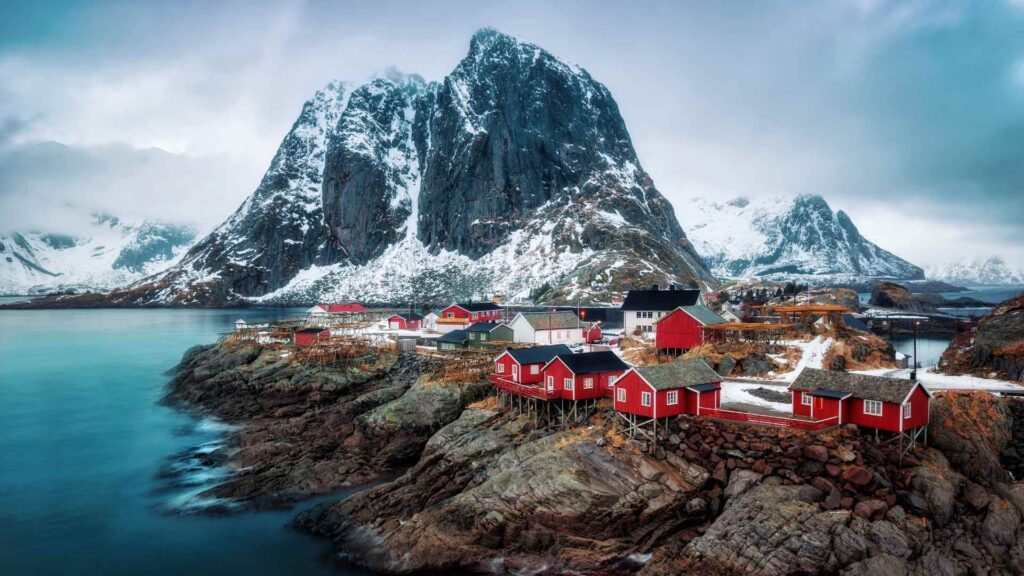
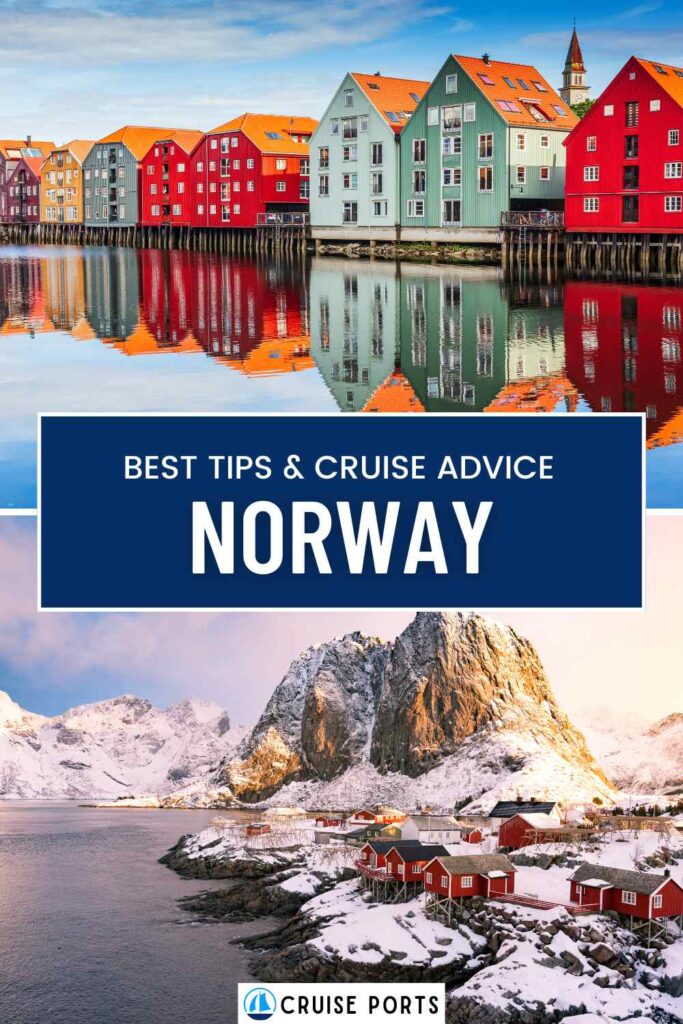
The Lofoten Islands are the scenery highlight of an Arctic sailing, all sharp peaks rising straight from the sea. Calls usually come in near Leknes, with red fishing cabins and villages a short drive away.
Highlights include the photogenic village of Henningsvær and the reconstructed longhouse at the Lofotr Viking Museum. Distances between villages are real, so an excursion or hired driver makes the most of the day.
My Lofoten cruise port guide has the docking details and how to cover the islands.
Other Norway ports worth comparing
Olden, Loen, and Nordfjordeid
Olden and Nordfjordeid are practical gateways to the Nordfjord region, including Loen, glacier valleys, and mountain viewpoints. Popular lifts and excursion buses can sell out, while glacier walks require authorized guides and weather-dependent equipment, so reserve the one experience you care about most.
Eidfjord and Skjolden
Eidfjord works well for Vøringsfossen and Hardangervidda scenery, while Skjolden reaches deep into Sognefjord near Jotunheimen and UNESCO-listed Urnes. Both reward a prebooked tour because the headline scenery is beyond the pier and local vehicle capacity is limited.
Oslo, Kristiansand, Trondheim, and the north
Oslo and Kristiansand give you easier city days, while Trondheim adds Nidaros Cathedral and a compact historic center. Bodø, Narvik, Lofoten, and Kirkenes suit travelers who want Arctic landscapes, but berth locations, tenders, distances, and seasonal daylight differ sharply.
Which Norway itinerary is right for you?
For a first cruise, choose a western-fjord itinerary that includes two or three of Bergen, Flåm, Geiranger, Olden, Nordfjordeid, Eidfjord, or Skjolden. It gives you repeated scenic days without depending on one mountain road or one high-effort hike.
For the aurora and the far north, pick a winter itinerary weighted to Tromsø and the Lofoten area instead. If you want the full sweep, the Hurtigruten coastal route strings these ports together over many days.
Comparing regions? See the Europe cruise ports hub, and the neighboring Iceland cruise ports guide for North Atlantic itineraries.
Excursion risk, accessibility, and return timing
Mountain roads, ferries, fog, rockfall work, and strong wind can delay a Norway excursion even when the ship docks normally. Use a ship-protected tour for long routes such as the Atlantic Road, North Cape, or a demanding Pulpit Rock hike, and keep a generous margin on shorter independent trips.
Pulpit Rock is a sustained outdoor hike with exposed terrain, not a quick Stavanger viewpoint stop. A Lysefjord boat trip gives many travelers the scenery with less schedule and mobility risk, although weather can still alter the sailing.
Old waterfronts can have cobbles and steep gangways, while viewpoints, trains, and boats have different mobility rules. Check step-free routes with the port and operator before booking, and keep a weatherproof city alternative for any mountain day.
Quick answers
When is the best time to cruise Norway?
For the fjords, May to September gives long daylight and the mildest weather. For the northern lights, sail the far north between roughly September and March.
Which Norway ports use tenders?
It depends on berth assignment and ship size. Geiranger may use SeaWalk or tenders, Flåm may dock or tender, and other ports can substitute anchorages, so check the live port schedule and cruise documents.
What currency do I need?
The Norwegian krone, but Norway is close to cashless. Cards and phone payments are accepted almost everywhere, so you rarely need to carry notes.
How this guide was researched: Unless a first-hand visit is explicitly identified above, this guide uses official port, tourism, transit, government, and attraction sources where available. Logistics and time-sensitive details were reviewed on September 10, 2026; see our Editorial Policy.