Wala Island Cruise Port: A Tender-Only Village Beach Day
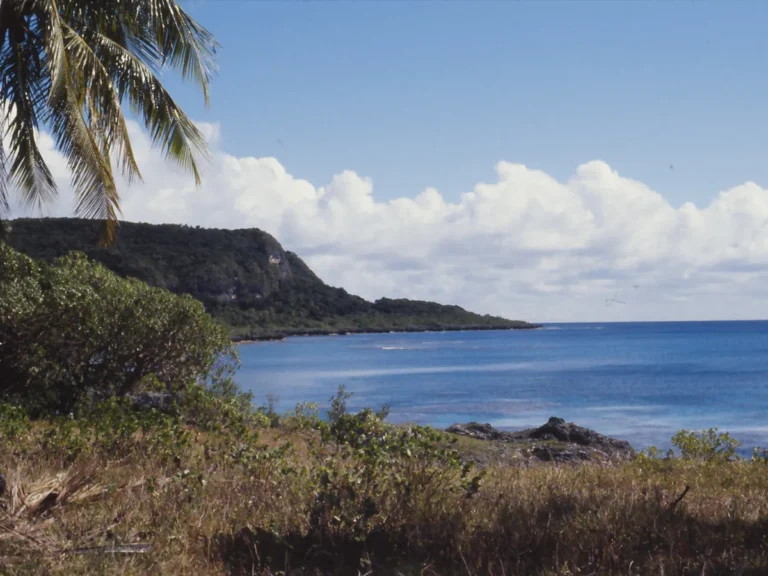
Wala is a tiny islet off the north-east coast of Malekula in northern Vanuatu. It is a tender-only village beach day, so here is how I would set my expectations and plan it well.
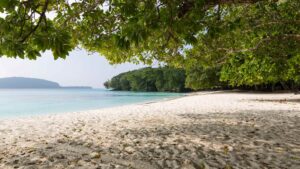
Think warm water, a coral reef, a welcoming local community, and market stalls under the palms. This is not a resort or a town, and that is exactly the point.
My quick take
Wala is a low-key community call rather than a built-up beach club. Choose it for an unhurried beach and cultural day, while remembering that the welcome program and activities are set locally and can change from one ship visit to the next.
If you want shops, cafes, and shade on tap, you may find it very simple.
It pairs naturally with the region’s other tender days like Mystery Island and Champagne Bay. For the bigger picture, my guide to cruise tender ports is worth a read before the day.
The quick facts
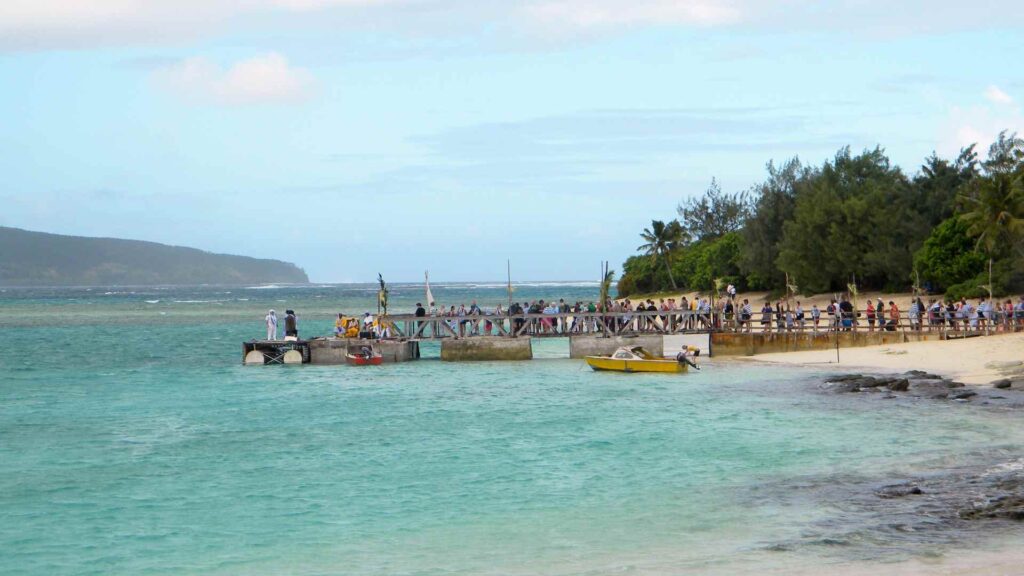
- Where you land: a small beach landing on Wala islet, off the north-east coast of Malekula, reached by ship’s tender. There is no pier for large ships and no cruise terminal.
- Dock or tender: Ships anchor offshore and ferry you ashore in the ship’s boats, so the call is weather dependent from start to finish.
- Into town: There is no town.
- Currency and language: The Vanuatu vatu (VUV); Bislama is the common language, with English and French also spoken.
- Time zone: Vanuatu Time (UTC+11).
- How often the call is missed: High (roughly 8 to 15%): tropical storms can make the approach unsafe.
Vanuatu currently sits at the lowest tier of the US travel advisory (Level 1, Exercise Normal Precautions). Cruise calls are run by your line, so treat weather, not safety, as the main variable here.
How the tender day actually works
Because everyone comes ashore by tender, timing matters. The first boats leave soon after clearance, and the last boat back has a firm cutoff.
If independent time ashore matters to you, go early and keep an eye on the return schedule. If seas are rough, the captain can shorten or cancel the call, which is normal for exposed island anchorages.
The things I would actually spend time on
Wala is small, so this is about choosing a few things and enjoying them slowly. Here is what is genuinely on offer.
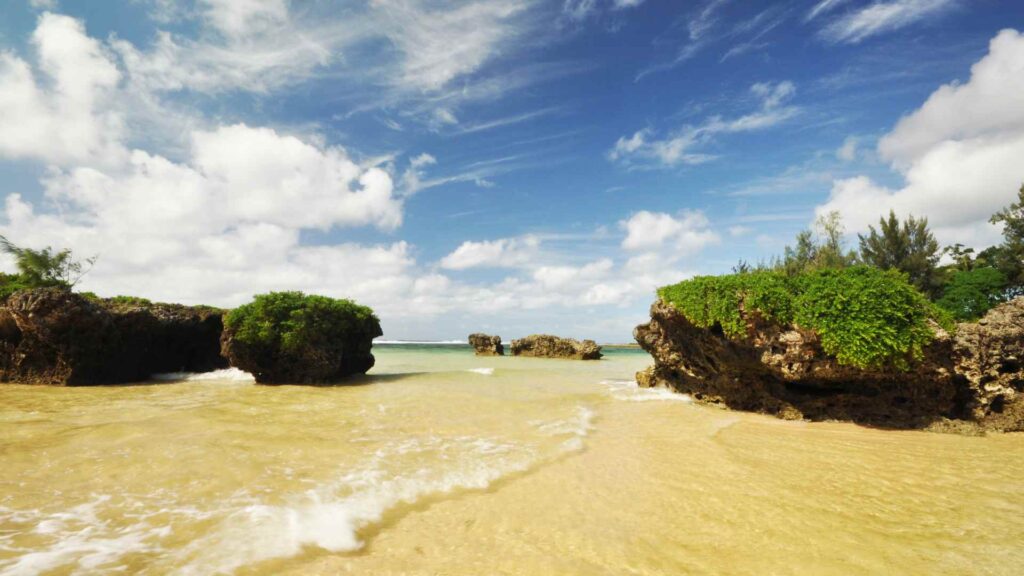
The beach and swimming
The swimming area begins near the tender landing, but wind, swell, coral, and underwater footing vary. There may be no lifeguard or marked accessible entry, so follow local and ship guidance and supervise children closely.
Snorkeling over the coral
There is coral and reef fish close to shore, so snorkeling is the standout activity. Bring your own mask and fins, as rentals are not guaranteed.
The village market and handicrafts
Locals set up stalls near the landing with woven baskets, carvings, shell jewelry, and fresh fruit. Buying here supports the community directly, so carry small bills.
Traditional kastom dancing
The community may offer dancing, drumming, or another cultural welcome when a ship calls. Treat it as a living community program rather than a guaranteed performance, and ask before photographing people or ceremonies.
A glass-bottom boat or canoe
When offered by the community, a glass-bottom boat or outrigger canoe is a lovely way to see the reef without getting wet. Ask at the beach and pay in cash.
A short island and village walk
A community-led walk may include village areas, gardens, or viewpoints, depending on what residents open that day. Dress modestly away from the beach, stay with the agreed route, and ask permission before entering spaces or taking close-up photos.
Local guides sometimes run small nature or cultural walks on the day, such as turtle or wildlife viewing. Treat these as bonus extras rather than guaranteed, and confirm on the beach.
How I would plan the day
Wala rewards a slow pace, so I would not overthink it. A simple beach-and-culture plan works best.
- Short visit (2 to 3 hours): take an early tender, watch the welcome dancing, snorkel the reef, and browse the market.
- Half day: add a glass-bottom boat or a village walk, then settle on the beach with the last tender time noted.
- Longer visit: Alternate swimming and shade, browse whatever stalls are operating, and leave enough drinking water for the wait at the tender point. Do not count on lunch, rentals, toilets, or a particular boat activity unless the ship confirms them.
Whatever you choose, build in a buffer for the tender line back to the ship. Lines can bunch up when everyone heads back at once.
What to bring
Facilities are basic, so a little preparation goes a long way. Pack for a beach day with no shops to fall back on.
- Cash in small bills: vatu, and some Australian dollars, for stalls and boat rides.
- Snorkel gear: your own mask and fins if you have them.
- Reef-safe sunscreen, a hat, and water: shade is limited and the tropical sun is strong.
- Water shoes and a modest cover-up: handy for coral and for the village walk.
Food, water, and respectful purchases
Bring enough sealed drinking water, sun protection, a dry bag, and any snorkel gear you need because facilities are basic. Take all noncompostable waste back to the ship and do not stand on coral or remove shells.
Handicrafts are a better purchase than coral, shells, seeds, untreated wood, food, or animal products that may trigger biosecurity rules at your next country. Ask the seller what a piece is made from, keep it clean and declared, and leave it behind if you are unsure.
When to go, and the weather
Vanuatu’s drier, cooler season runs roughly May to October and gives the calmest seas for tendering. The wetter, warmer months from November to April bring more humidity and passing tropical showers.
For trip planning and seasonal detail, the Vanuatu Tourism Office is the official reference. Most cruise itineraries here run in the Australian cruise season through these waters.
A realistic word on accessibility
I will be straight with you: this is a wet tender landing onto soft sand, with no pier, no ramps, and no paved paths once you are ashore. For anyone with limited mobility, that combination makes Wala a genuinely hard call.
If stepping into a bobbing tender and walking on shifting sand is a real barrier for you, I would weigh this stop carefully and check with your ship’s shore team first. On rougher days the crew may simply not be able to land you at all.
Quick answers
Is Wala Island a tender port?
Yes. Ships anchor offshore and you come ashore by tender, so the call depends on the weather.
Can I pay by card on Wala?
Assume you cannot. Bring small cash, preferably vatu, and ask the ship which backup currency local vendors plan to accept because rates and change can vary.
Is there a town or resort?
No. Wala is a small community visit built around the beach and whatever cultural or market program residents offer that day; check the cruise line’s current call notes.


How this guide was researched: Unless a first-hand visit is explicitly identified above, this guide uses official port, tourism, transit, government, and attraction sources where available. Logistics and time-sensitive details were reviewed on September 10, 2026; see our Editorial Policy.