Levuka Cruise Port (Ovalau, Fiji): A Walkable Heritage Guide
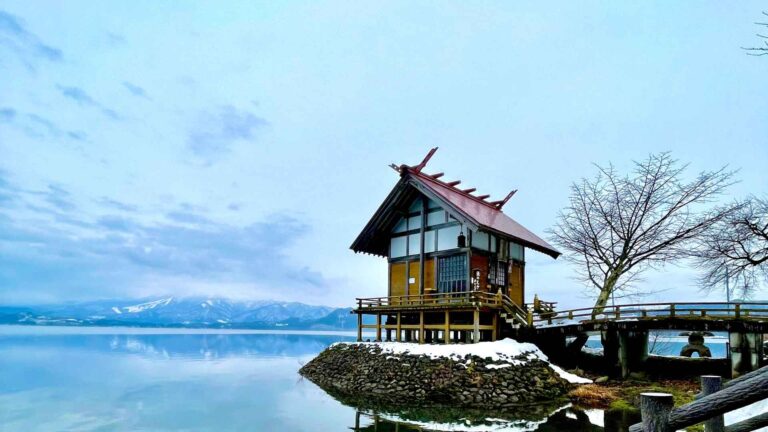
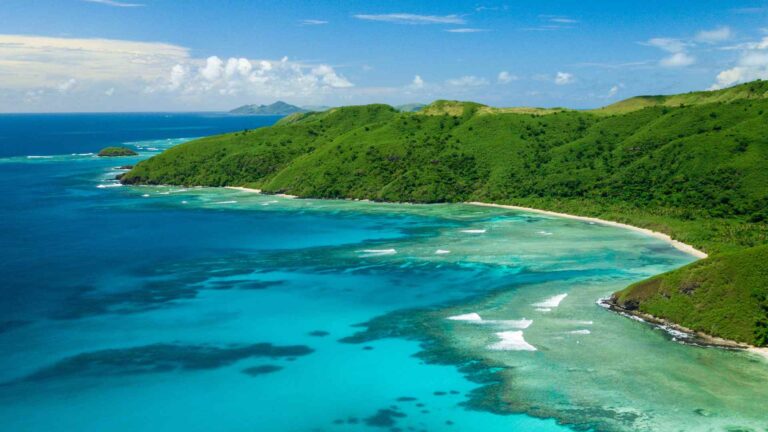
Levuka is Fiji’s first colonial capital and the country’s only UNESCO World Heritage Site, tucked on the small island of Ovalau. It is a rare, small-ship call: a quiet, walkable heritage town rather than a big cruise port.
Here is how I would plan a relaxed day ashore, using only what I can verify from official sources.
Plan the landing and walking route
Confirm whether your ship is tendering and where the launch lands, then let Beach Street form the spine of the day. The museum, church, Royal Hotel, and many heritage buildings are close together, while Nasova adds a longer walk south and Lovoni needs a booked vehicle and guide.
For a tender call, I would finish the outermost stop first and be back near the landing 45 to 60 minutes before the last boat. After heavy rain, skip steep Mission Hill or an inland road trip if footing and road timing look uncertain.
- Best short visit: Beach Street, Sacred Heart Church, the museum, and the Royal Hotel.
- Best for history enthusiasts: add Nasova with a guide who can explain the Deed of Cession and living iTaukei context.
- Best for limited mobility: stay on the flatter seafront and confirm museum access, since Mission Hill and older thresholds can be difficult.
My quick take
Come for the history, not the beach. Levuka is a living museum of colonial-era shopfronts you can cover on foot in an afternoon.
If you want the wider picture of the country, my Fiji cruise ports hub and the South Pacific cruise ports overview are good companions.
Arriving at Levuka
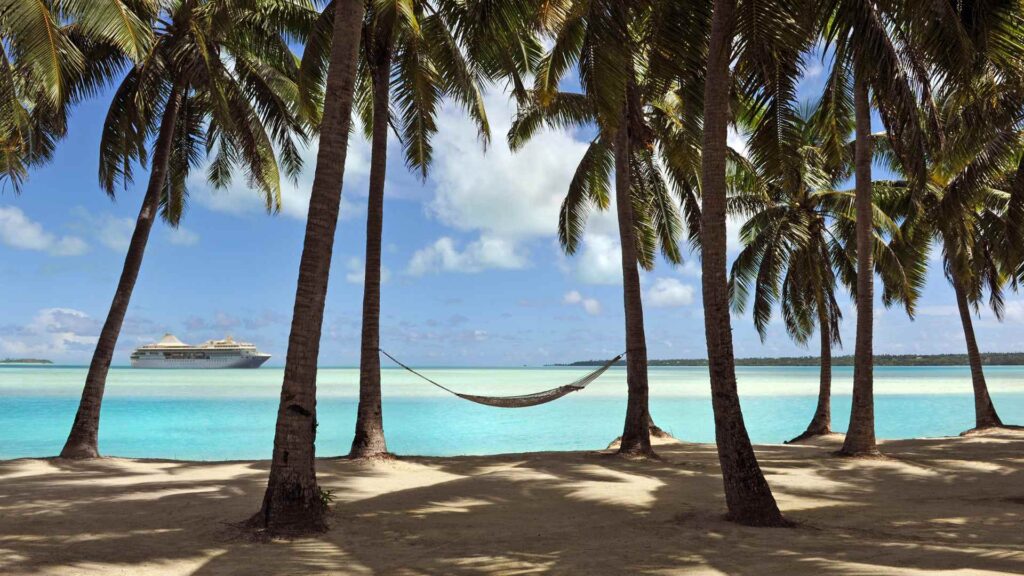
Levuka is not a major cruise port, and calls are relatively uncommon. Its working wharf serves commercial and fishing traffic, while many cruise visits use tenders, so confirm the daily program rather than assuming an alongside berth.
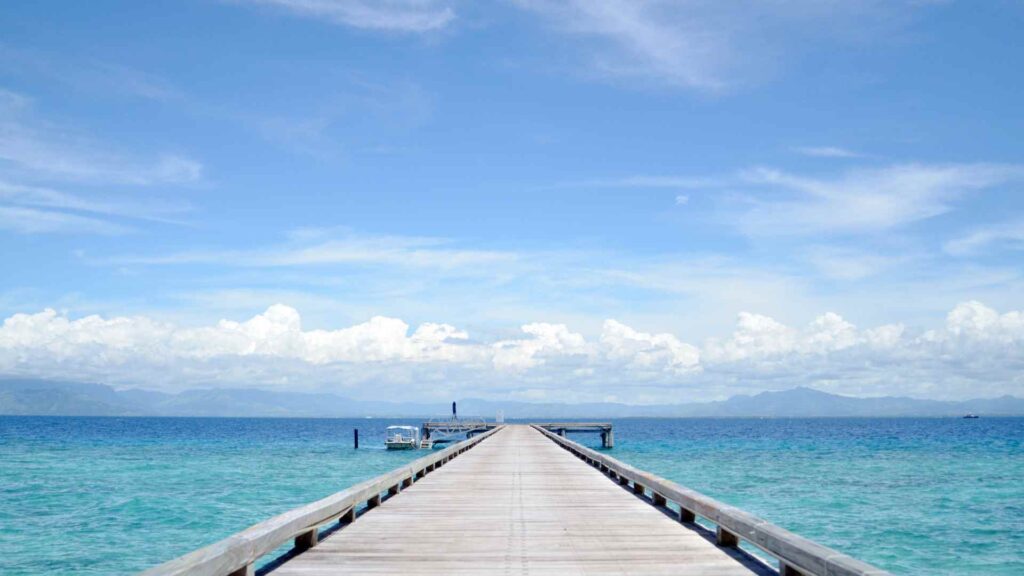
According to Fiji Ports, Levuka’s port has roughly 590 feet of berth space and supports fishing and roll-on/roll-off traffic, including the town’s PAFCO tuna industry. Confirm your own ship’s exact arrangements with the cruise line.
New to coming ashore by launch? My guide on what a tender port is walks through how it works.
The quick facts
- Where you land: Levuka town on Ovalau, Fiji’s only UNESCO World Heritage Site. Many cruise visits anchor off the reef-fringed seafront and tender in near Beach Street. The town’s working wharf supports fishing and roll-on/roll-off traffic, per Fiji Ports, not a cruise berth.
- Dock or tender: Many cruise calls anchor offshore and tender ashore; confirm your own vessel’s landing because the working port is not a dedicated cruise terminal.
- Into town: You arrive in the heart of town.
- Currency and language: The Fijian dollar (FJD); English is an official language and widely spoken, alongside Fijian.
- Time zone: Fiji Time (UTC+12).
- How often the call is missed: Medium (roughly 3 to 7%): tropical storms can make the approach unsafe.
Getting around Levuka
The town is compact and easily explored on foot, which is exactly how I would do it. Beach Street runs the length of the seafront, and the main sights branch off it.
For trips further out on Ovalau, such as Lovoni village, local guides and taxis are the practical option. The Levuka Community Centre can help arrange guided village excursions.
A brief history of Levuka
Levuka was Fiji’s first colonial capital, and it is where Fiji was ceded to Britain in 1874. That layered past is why it earned inscription as a UNESCO World Heritage Site in 2013.
UNESCO calls it a rare, well-preserved example of a late colonial port town. The indigenous Fijian population always outnumbered the European settlers, and the townscape blends both traditions.
Fun fact: it is the only World Heritage Site in all of Fiji, so a stroll down Beach Street is genuinely one of a kind in the country.
The stops I’d actually spend time on
Everything below is a named, verifiable site drawn from Tourism Fiji, UNESCO, or Fiji Ports. In a town this small, you can string most of them together in a single walk.
1. Beach Street
This is the heart of the World Heritage town, a seafront street lined with colonial-era shopfronts behind a stone sea wall. Tourism Fiji describes the Beach Street walk as one of the most romantic in the South Pacific.
2. The Royal Hotel
Dating to the late 1860s, the Royal is billed as the oldest continuously run hotel in the South Pacific. Even if you are not staying, the timber verandas are worth a look.
3. Sacred Heart Church
This Gothic Revival Catholic church dates to the late 1850s, and its separate clock tower also carried a light that helped guide ships through the reef passage. The church and tower remain Beach Street landmarks.
4. The Deed of Cession site at Nasova
Just south of town at Nasova is where Fiji was ceded to Britain on 10 October 1874. It is a quiet, powerful stop for anyone interested in how modern Fiji began.
5. Levuka Museum and Community Centre
The museum and community center sits inside the old Morris Hedstrom store, given to the National Trust of Fiji in 1980. Inside you will find local artifacts, a public library, and a crafts center.
6. The 199 Mission Hill steps
This 199-step concrete stairway climbs past historic Methodist missions, homes, and schools. The reward at the top is a wide view over the town and the reef.
7. Levuka Public School
Established in 1881, this was Fiji’s first public school, opening with 58 students. It sits among the colonial buildings a short walk off Beach Street.
8. The Ovalau Club
Tourism Fiji calls this the oldest social organization in the South Pacific. It is a small but characterful piece of the town’s colonial story.
9. The PAFCO tuna cannery
The PAFCO cannery is the town’s main industry and the reason the working wharf exists. You will not tour the plant, but it explains the fishing boats and the rhythm of local life.
10. Lovoni village, inside the crater
Set in the crater of Ovalau’s extinct volcano, Lovoni is reached by a guided inland trip. The Levuka Community Centre can arrange a village visit if your day allows time.
How I’d plan the day
Because Levuka is a tender call, build in a comfortable buffer to get back to the ship. Here is how I would shape it around the time you have.
A short call (about 3 hours)
Walk Beach Street end to end, pausing at Sacred Heart Church and the Royal Hotel. Duck into the Levuka Museum before heading back to the tender.
A full day (about 5 to 6 hours)
Add the 199 Mission Hill steps for the view and the short walk out to Nasova. If you still have time and energy, arrange a guided run up to Lovoni village.
A realistic word on accessibility
The Beach Street core is flat, but this is a tender port, so getting from ship to shore involves a launch and a step ashore. Tide and sea state can make that harder for anyone with limited mobility.
The Mission Hill steps and any village trips involve real climbing and uneven ground. If steady footing matters, confirm the tender setup with your cruise line before booking.
For gentler tender days elsewhere, see my roundups of the best cruise tender ports and the most walkable cruise ports.
When to go, and the weather
Fiji has a tropical climate, and the drier, more comfortable months run roughly May to October. Pack light, breathable clothing and proper walking shoes for the streets and steps.
Fiji currently sits at the lowest level on the U.S. State Department travel advisory (exercise normal precautions). Dress modestly when visiting churches and villages.
Quick answers
Do ships dock or tender at Levuka?
Only small ships call here, and cruise passengers generally come ashore by tender, since the town’s wharf is a working fishing pier.
What is Levuka best known for?
It is Fiji’s first colonial capital and the country’s only UNESCO World Heritage Site, famous for its Beach Street colonial townscape.
What currency should I bring? Bring Fijian dollars because small vendors and craft stalls may not take cards.
How this guide was researched: Unless a first-hand visit is explicitly identified above, this guide is based on independent research using official port, tourism, transit, government, and attraction sources where available. Logistics and time-sensitive details were reviewed in September 2026; see our Editorial Policy.