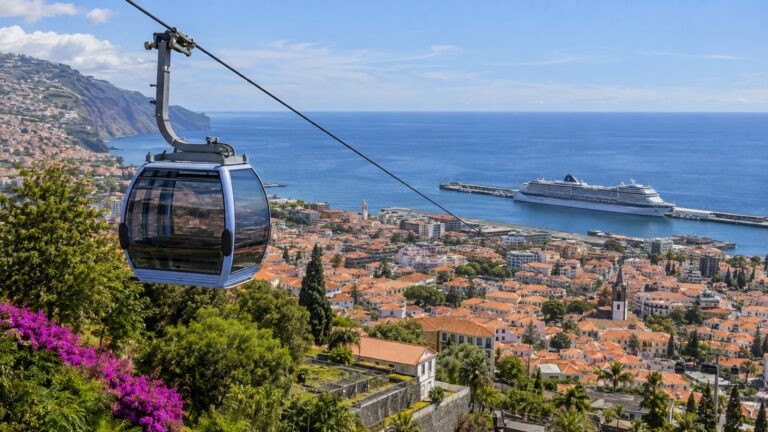
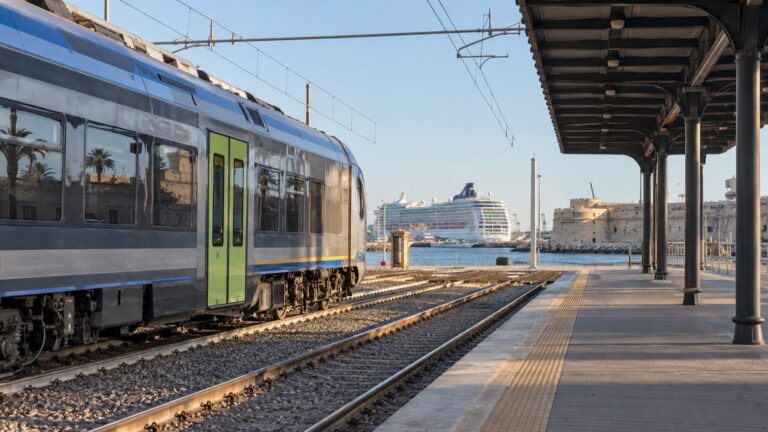
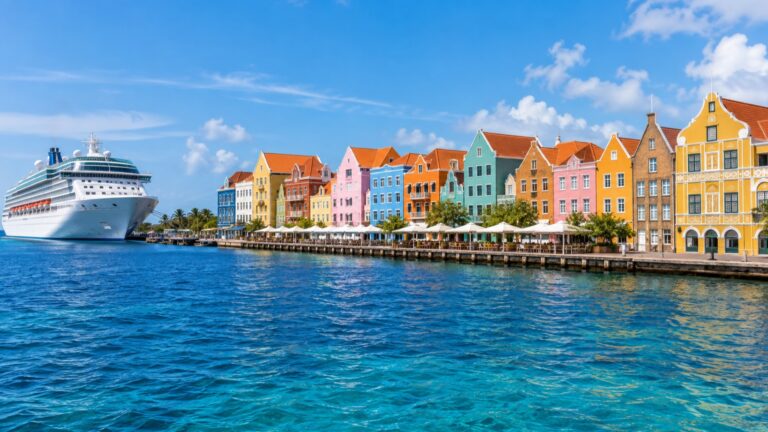
Should You Choose One Major Attraction or Several Smaller Stops?
The best cruise port days are rarely the ones with the longest checklist. They are the ones built around a clear priority, a realistic return buffer, and enough flexibility to enjoy what is actually happening around you.
My default is to choose one anchor experience and treat everything else as a bonus. That anchor might be a famous museum, a beach, a scenic train, a food tour, or simply a slow walk through an old town.
One Major Attraction or Several Stops Quick Facts
- Best default: Pick one anchor experience, then add optional stops nearby.
- Choose one major attraction when: It requires timed entry, a long transfer, a guided visit, or several hours to appreciate.
- Choose several stops when: The port is walkable and the stops sit in one compact area.
- Count transfers: Gangways, tenders, shuttles, security, and station walks all use port time.
- Protect the return: Work backward from the ship’s stated all aboard time.
- Plan for the group: Use the pace of the slowest traveler, not the fastest estimate.
- Keep bonuses disposable: Optional stops should be easy to skip without ruining the day.
- Recheck locally: Current tickets, closures, transit notices, weather, and ship instructions outrank an old itinerary.
The Case for One Major Attraction
Choose one major attraction when missing it would make the port feel disappointing. A first visit to Pompeii, the Sagrada Família, Ephesus, the Acropolis, or a signature Alaska excursion can justify shaping the entire day around that experience.

Major attractions often consume time in ways that are invisible on a map. Entry lines, security, ticket checks, restrooms, orientation, and the walk from the transport stop can turn a two-hour visit into a four-hour commitment.
Timed admission makes the decision even clearer because arriving late may cost your slot. The official Sagrada Família ticket site, for example, is the right place to verify current admission options and availability rather than relying on a reseller’s summary.
A long transfer also pushes the day toward one anchor. If reaching the attraction requires a regional train, ferry, mountain road, or border crossing, adding several unrelated stops multiplies the number of things that can delay you.
When Several Smaller Stops Work Better
Several stops make sense when the port opens directly into a compact city or waterfront district. A cathedral, market, viewpoint, museum, and lunch can form one coherent walk if each stop is close and none requires a rigid reservation.
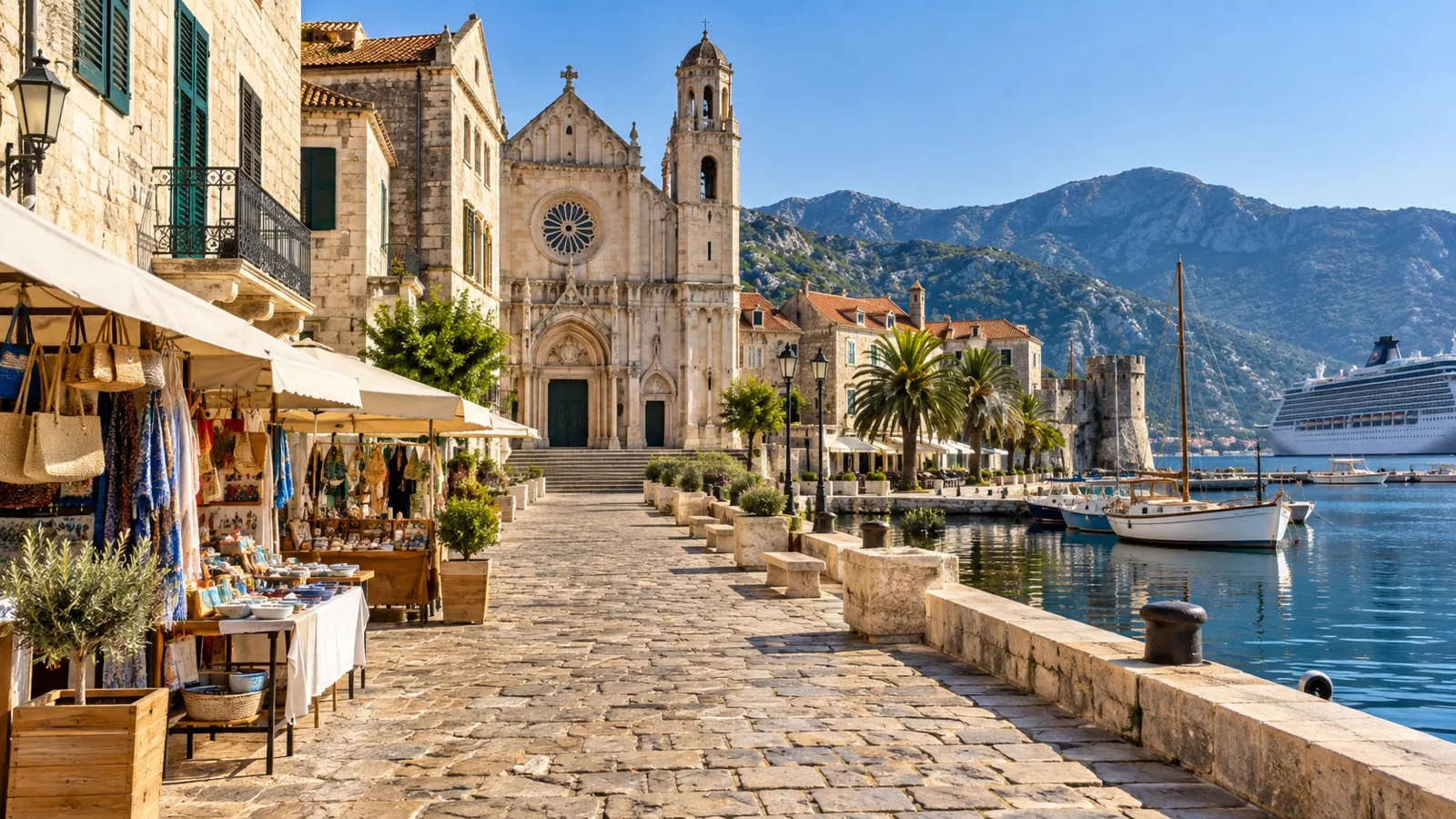
This style works especially well when your interests are broad rather than focused on a single landmark. It also gives you easy escape points because you can drop the next stop whenever heat, fatigue, rain, or crowds begin to reduce the fun.
Do not confuse several nearby experiences with several separate excursions. A waterfront walk, local lunch, church visit, and shopping street can be one compact plan, while a beach, inland ruins, and distant viewpoint are three transport problems.
Use the Anchor-Plus-Bonus Method
Build the day around one anchor that would make the call worthwhile by itself. Then identify one or two nearby bonuses that require no deposit, fixed departure, or complicated connection.

A Barcelona plan might anchor on a timed basilica visit and add a neighborhood walk afterward. A Caribbean plan might anchor on a beach and add a waterfront drink only if the return ride runs smoothly.
The bonuses should be genuinely optional. If skipping one feels like failure, you have quietly created a second anchor and should admit that the schedule is more demanding than it first appeared.
Calculate Your Real Time Ashore
The itinerary’s arrival and departure times are not your usable sightseeing window. Subtract clearance, disembarkation, tendering, shuttle transfers, port walking, and the return buffer before dividing the remaining hours among attractions.
A tender port can lose a meaningful part of the morning before you reach land. Priority rules, weather, tender tickets, and boarding queues can also make the usable window different for two passengers on the same ship.
Large commercial ports may require mandatory shuttles even when the city appears close. Always follow the ship’s current instructions because the pedestrian gate, shuttle endpoint, and all aboard time can change from one call to another.
Measure Transfers Door to Door
Transport time should begin at the gangway and end at the attraction entrance. Include the port exit, walk to the station, ticket purchase, platform wait, final walk, and any security line.
Repeat that calculation for the return, then add a disruption margin. A train journey advertised as forty minutes is not a forty-minute commitment when reaching the station and waiting for the service take another hour.
Transfers between attractions matter too. Two sights on opposite sides of a city can consume more time than one substantial museum visit, especially when traffic or public transport is crowded.
Let Ticket Rules Shape the Day
Check the attraction’s own website before buying through a third party. You need to know whether entry is timed, whether names must match identification, which gate applies, and what happens if you arrive after your slot.
Popular sites can also cap daily attendance or change access inside the complex. Pompeii’s official visitor information should guide current ticketing and openings because individual houses and routes may not all be available every day.
A fixed ticket near the start of your call carries extra risk if tendering or clearance is unpredictable. A later slot may be safer, but only if it still leaves enough time to visit and return without using the final possible connection.
Crowds Change the Math
Several ships in port can lengthen nearly every stage of the day. Taxi lines, cable cars, tender piers, ticket checks, ferries, and restaurants all become slower at the same time.
When crowds are likely, one reservation plus a flexible neighborhood often works better than a chain of famous stops. You protect the experience that matters and avoid spending the rest of the day advancing from one queue to another.
Match the Plan to Your Group
Families with young children usually benefit from one anchor followed by open time. Meals, restrooms, stroller routes, naps, and sensory overload create real schedule demands that a map cannot show.
Teenagers may prefer one memorable activity to a procession of monuments. Let each person name the experience they care about most, then look for an anchor that satisfies more than one interest.
Travelers with limited mobility need a door-to-door plan that includes surfaces, slopes, elevators, seating, accessible restrooms, and boarding procedures. Three short stops can be harder than one long visit if each requires another vehicle transfer or uneven walk.
Mixed-pace groups should agree in advance whether splitting up is acceptable. Choose a simple meeting point near the ship and avoid plans that depend on everyone independently catching the final transport connection.
Weather Can Reverse the Decision
Extreme heat makes a long outdoor attraction more demanding, while heavy rain can make a walking circuit miserable. Recheck the forecast and ask whether your anchor still suits the conditions before leaving the ship.
Wind and rough water matter in tender and ferry ports because they can alter the entire day. A flexible town plan may become wiser than a distant island or coast trip when marine service is uncertain.
When a Cruise Line Excursion Makes Sense
A ship excursion can be worth considering when the attraction is far away, local transport is infrequent, or the schedule leaves little recovery time. Review the cruise line’s current terms carefully because protections and meeting instructions vary.
Independent travel may offer a smaller group and more freedom, but you are responsible for getting back on time. Build a stronger buffer than the most optimistic route planner suggests, especially where roads, ferries, or regional trains are involved.
Sample Port-Day Decisions
In a compact Mediterranean old town, several small stops can work beautifully because the cathedral, market, viewpoint, and lunch are part of one walking route. If a famous archaeological site sits an hour inland, make that site the anchor and treat the town as a return-time bonus.

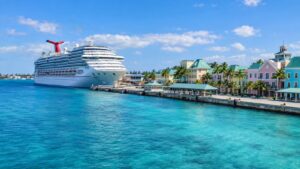
At a Caribbean beach port, choose one beach area and avoid stacking snorkeling, an island tour, shopping, and a second beach. A calm hour near the pier afterward is a bonus, not another reservation.
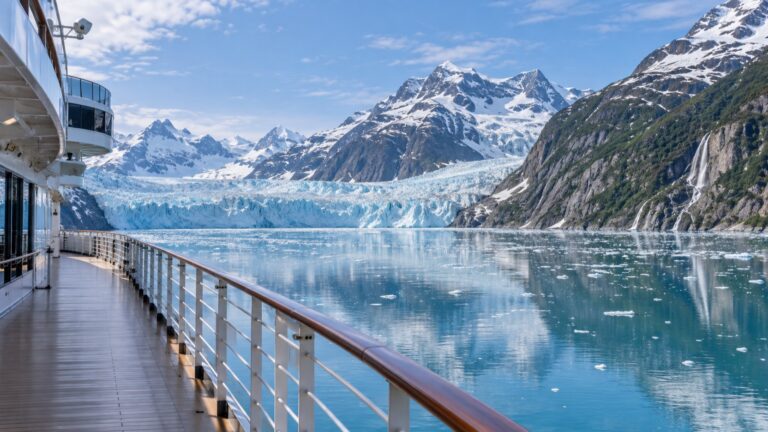
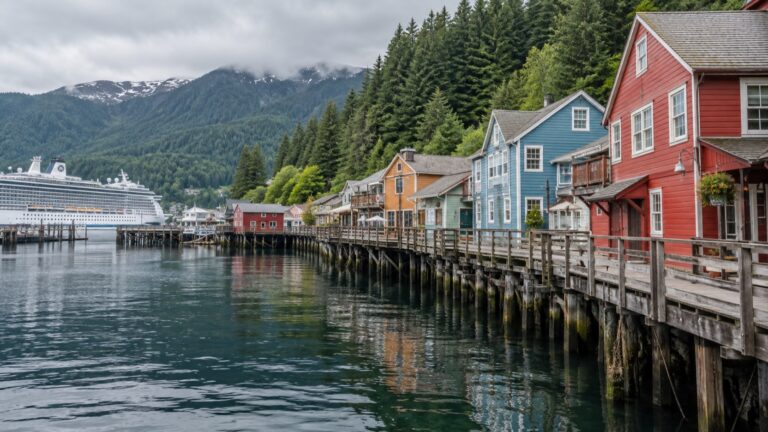
In Alaska, a whale-watch, flightseeing trip, glacier hike, or scenic railway can easily be the whole anchor. Add a short waterfront or downtown walk only if the excursion returns on schedule and everyone still has energy.
Build the Day Backward From the Ship
Start with the ship’s stated all aboard time and decide when you want to be at the port entrance. Then subtract the return journey, a disruption buffer, the attraction visit, the outbound journey, and disembarkation.
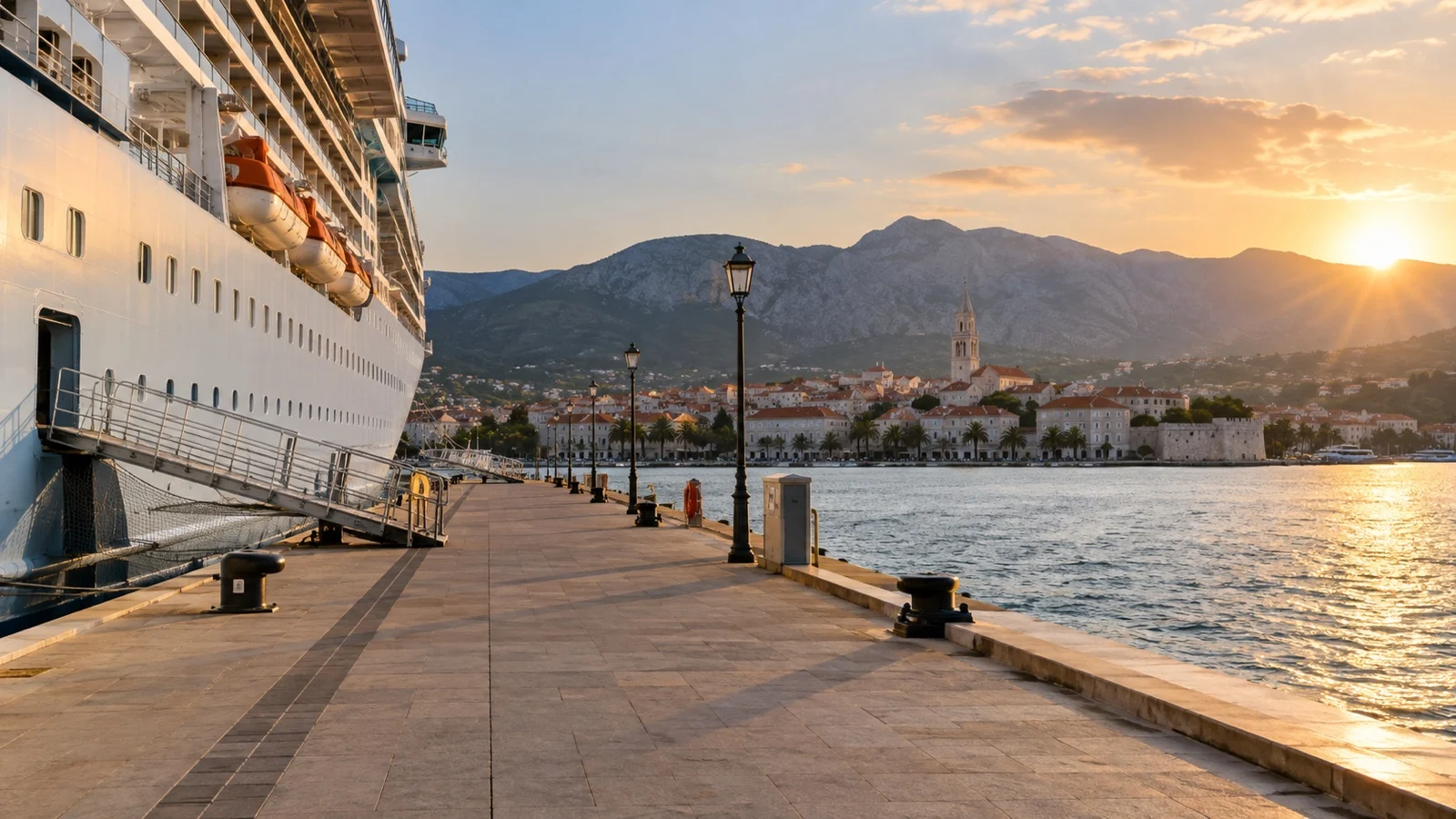
If the numbers leave no breathing room, the plan is not viable simply because a perfect sequence exists on paper. Remove an attraction, move the anchor closer, or book an arrangement with terms that match your risk tolerance.
Set a decision point during the day for every bonus stop. If you are not finished with the anchor by that time, skip the bonus without debate and begin the return plan.
Choose Personal Value Over Rankings
A landmark does not deserve your entire port call merely because every guide labels it essential. If you would rather swim, photograph local streets, taste regional food, or sit by the water, build the anchor around that preference.
The same principle applies to smaller stops. Five attractions you only mildly want to see do not automatically beat one experience you will remember for years.
Official Planning Resources
Use your cruise line’s daily program and app for the current berth, local restrictions, and all aboard time. For reserved attractions, start at the venue’s own site, such as the official Sagrada Família ticket page or Pompeii’s official visitor information.
For related decisions, see our guides to how tender ports work and planning around crowded port days. Recheck every ticket, transit timetable, and weather-dependent service close to your sailing date.
Final Thoughts
Choose one major attraction when it needs time, distance, or a fixed reservation, and choose several smaller stops when they form one flexible route. An anchor-plus-bonus plan gives you the strongest mix of meaning, freedom, and a safe return to the ship.
More on this topic: browse every guide on shore excursions and DIY port days.