South Pacific Cruise Ports: Dock, Tender and Island Guide
The South Pacific is my favorite stretch of ocean to plan around, and it rewards cruisers who do a little homework. Here is my honest, port-by-port read on where you actually land across Fiji, French Polynesia, New Caledonia, Vanuatu, the Cook Islands, Samoa and Tonga.
My quick take
The single most important thing to know is that many of these ports are tender or anchorage calls, not walk-off berths. That means weather can shorten or cancel a stop, so plan every island with a flexible backup.
My rule of thumb: the capitals mostly dock, the postcard islands mostly tender. I have linked my detailed guide for each island below so you can go deeper on the ones your itinerary actually hits.
Dock or tender: the quick reference
- Ships usually dock alongside: Papeete and Raiatea in French Polynesia; Suva and Lautoka in Fiji; Apia, Pago Pago, and Port Vila; plus the gateways of Sydney, Brisbane, and Auckland. Nouméa can be a city berth or a commercial berth with a shuttle.
- Ships usually tender or anchor (weather dependent): Bora Bora, Moorea, Huahine, Dravuni Island, Savusavu, Port Denarau, Mystery Island, Lifou, Isle of Pines, Rarotonga, and Vava’u. Nuku’alofa varies by ship and berth.
Berth assignments still shift ship to ship, so confirm dock versus tender on your cruise line’s port sheet. When in doubt, treat the pretty islands as tender days and pack accordingly.
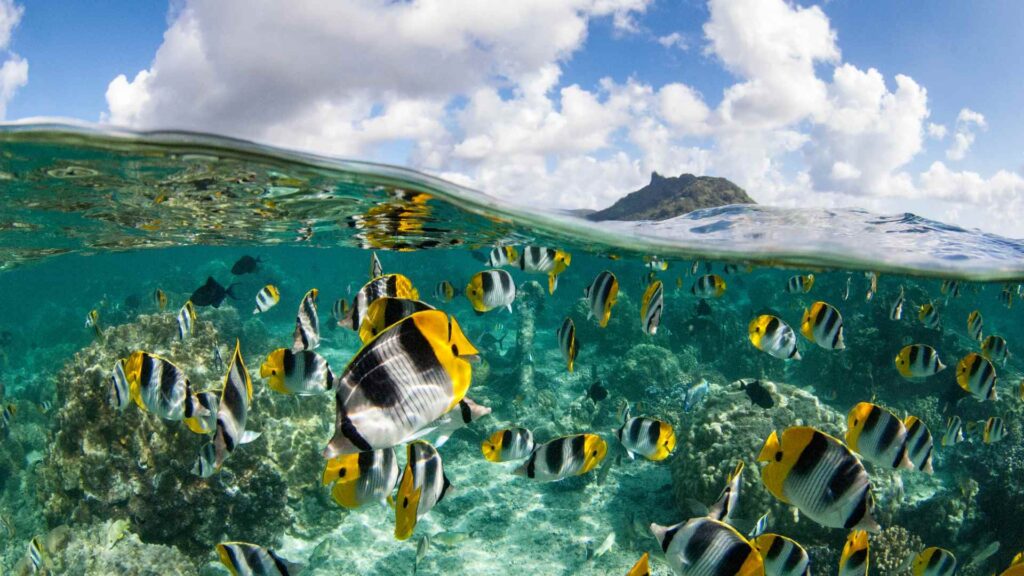
French Polynesia (Tahiti, Moorea, Bora Bora)
French Polynesia is the luxury end of the region, and the currency is the CFP franc (XPF), though US dollars are often accepted on tours. Papeete is your dock day and the smaller islands are your tender days.
Papeete on Tahiti docks alongside at the modern Te Anuanua cruise terminal, per Tahiti Tourisme. It is your best walk-off city stop, with the waterfront and market close by.
Moorea, Bora Bora, and Huahine are anchorage calls where you normally tender in. Raiatea commonly docks at Uturoa, making it the better independent walk-off base, while the tender islands reward a reserved lagoon or island tour.
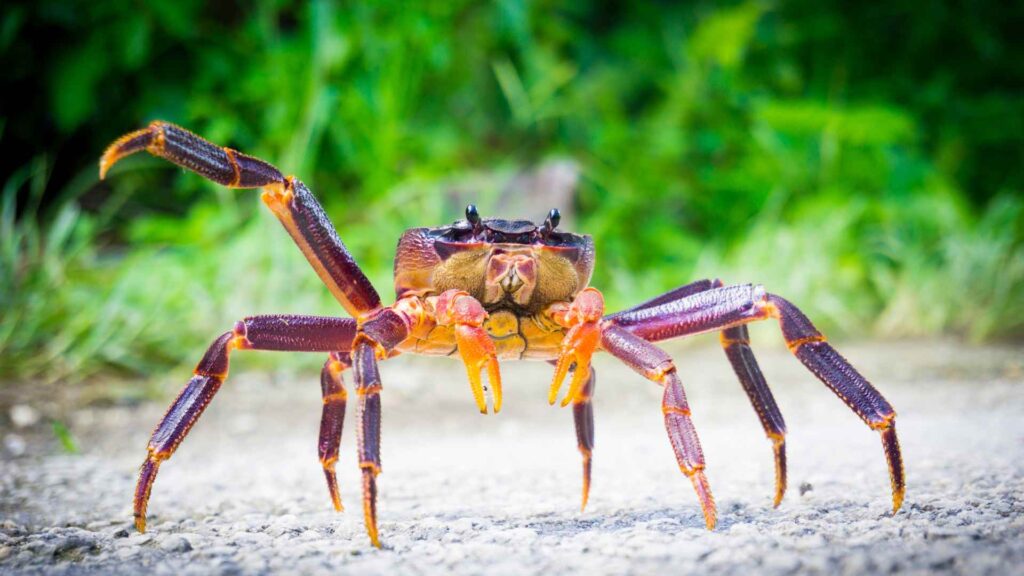
Fiji (Suva, Lautoka, Dravuni Island, Denarau)
Fiji uses the Fijian dollar (FJD), and it is where the region’s dock days and tender days sit side by side on one itinerary. Tourism Fiji’s cruising guide is a useful starting point.
Suva, the capital, usually berths ships at Kings Wharf and is a city day with the Fiji Museum and market. Lautoka also docks, while Port Denarau and Savusavu are normally small-boat landing days rather than large-ship walk-off berths.
Dravuni Island in the Kadavu group is a pure tender day: a tiny island, a hilltop walk, and a beach. There is no infrastructure, so I bring cash, water and reef-safe sunscreen.
New Caledonia (Nouméa, Lifou, Isle of Pines)
New Caledonia uses the CFP franc (XPF). In Nouméa, smaller ships may use the city cruise terminal, while larger ships can use a commercial berth and a required shuttle, so do not promise yourself a walk until the berth is confirmed.
The two loyalty-island calls, Lifou and Isle of Pines, are tender days onto some of the most beautiful beaches you will ever see. They are weather dependent, so keep those plans loose.
Nouméa is the easiest port here for independent exploring on foot or by local shuttle. If you only want one relaxed city day in the region, this is a strong candidate.
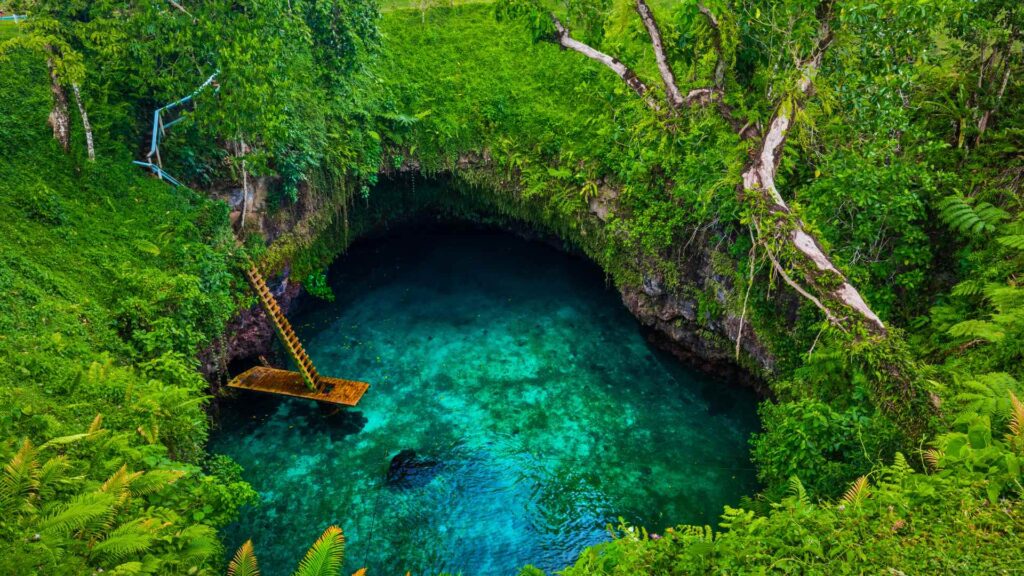
Vanuatu (Port Vila, Mystery Island)
Vanuatu uses the vatu (VUV), and it pairs a dock city with a classic tender island. The Vanuatu Tourism Office keeps a helpful cruise-ship overview.
Port Vila normally uses the wharf at Ifira, outside the center, with taxis and tours meeting beyond the controlled port area. Check the cruise line’s current arrival notice because wharf, road, and attraction operations can change after storms or seismic events.
Mystery Island is an uninhabited islet reached by tender, so it is beach, snorkeling and market stalls only. It is cash-only in small vatu notes, and there are no permanent facilities.
Cook Islands, Samoa and Tonga
Rarotonga in the Cook Islands is one of the most weather-dependent calls in the region. Ships anchor off Avatiu and tender in, and swell sometimes forces a canceled stop, so do not bank on the call happening exactly as planned.
Apia in Samoa and Pago Pago in American Samoa are dock days. Apia’s classic stop is the Robert Louis Stevenson Museum, while Pago Pago is a deep, dramatic harbor good for scenery and the national park.
Samoa uses the tala (WST), while American Samoa uses the U.S. dollar. Tonga uses the pa’anga (TOP); Nuku’alofa may dock or tender depending on the ship and berth, while Vava’u is normally a tender call into Neiafu.
How I would choose and time an island day
On a tender island, put any independent operator’s meeting time after realistic tendering and choose a return boat well before the last possible one. Cruise-line priority, swell, and a distant anchorage can easily remove an hour from the day.
Lagoon tours are the right splurge in Bora Bora, Moorea, and Aitutaki-style calls because the scenery is offshore, but ask about shade, flotation gear, restroom access, and wet boarding. A city or island drive is the kinder choice for anyone who cannot climb from a moving tender or wade onto a beach.
Cash is useful on small islands, but currencies are not interchangeable and an ATM may not exist at the landing. Bring modest local cash where your itinerary allows, use a card only when the merchant confirms the currency, and do not rely on U.S. dollars outside destinations where the operator explicitly accepts them.
Gateway ports: where these cruises begin
Most South Pacific cruises sail round-trip from Australia or New Zealand. Sydney is the biggest home port, using the Overseas Passenger Terminal at Circular Quay or White Bay across the harbor.
Brisbane and Auckland are the other common turnaround cities. Check your cruise terminal before booking a hotel because terminal locations can differ.
When to go, and the weather
May through October is generally drier across many tropical islands, but the South Pacific spans enough latitude that no single month guarantees calm seas. Daytime temperatures often sit from the mid-70s to upper 80s Fahrenheit, with cooler conditions in New Zealand and southern Australia.
The wet season from November to April is greener and quieter, but it overlaps the South Pacific cyclone season. If you sail then, watch the forecast and expect a higher chance of itinerary changes.
Quick answers
Which South Pacific ports are tender ports?
Bora Bora, Moorea, Huahine, Dravuni Island, Savusavu, Port Denarau, Mystery Island, Lifou, Isle of Pines, Rarotonga, and Vava’u usually tender. Always confirm the operation on your cruise line’s port sheet because Nuku’alofa, Nouméa, and other berths can vary.
What currency should I bring?
It varies by country: the Fijian dollar, CFP franc, vatu, tala and pa’anga all appear. US dollars are widely accepted on tours in French Polynesia and are the currency in American Samoa.
Why do stops get canceled here?
Because so many calls rely on tendering into open anchorages. When swell or wind is up, the captain may skip the stop for safety, which is normal in this region.
How this guide was researched: Unless a first-hand visit is explicitly identified above, this guide is based on independent research using official port, tourism, transit, government, and attraction sources where available. Logistics and time-sensitive details were reviewed on September 10, 2026; see our Editorial Policy.