Belgium Cruise Ports: The Complete Guide to Every Stop
Belgium’s two cruise gateways create two very different days. Antwerp puts you inside a living art, fashion, and architecture city, while Zeebrugge is the coastal port most travelers use to reach medieval Bruges.
I would choose Antwerp for the easier independent city day and Zeebrugge when Bruges is the nonnegotiable goal. The key is refusing to call Zeebrugge “Bruges port” without budgeting for the entire connection in both directions.
Quick Facts
- Best independent city day: Antwerp for a central river arrival, museums, old streets, shopping, and food
- Best first-time highlight: Zeebrugge for a planned transfer to Bruges
- Best no-transfer option: Antwerp if the ship uses the central cruise terminal
- Best relaxed coastal day: Zeebrugge itself for the beach, fishing heritage, and a slower pace
- Currency: Euro
- Languages: Dutch is dominant in Flanders, with French and English also encountered in visitor settings
- Weather: Wind and rain can change the feel of both river and North Sea calls
- Port rule: Confirm the live berth and shuttle because port-controlled distances are not always walkable
Antwerp and Zeebrugge at a glance
Antwerp lies inland on the Scheldt and can deliver one of Europe’s most convenient city-center cruise arrivals. Zeebrugge is a vast North Sea port where the ship, terminal, secure-area transfer, and onward journey all matter before you reach Bruges or the beach.
The two ports are managed within the wider Port of Antwerp-Bruges system, but they are not substitutes for a traveler. Antwerp is the destination itself, while Zeebrugge is both a seaside town and a gateway to a different historic city.
A short itinerary description can hide that difference. Read the exact port name, arrival time, departure time, and shuttle note before deciding what a “Belgium day” will contain.
Antwerp cruise port
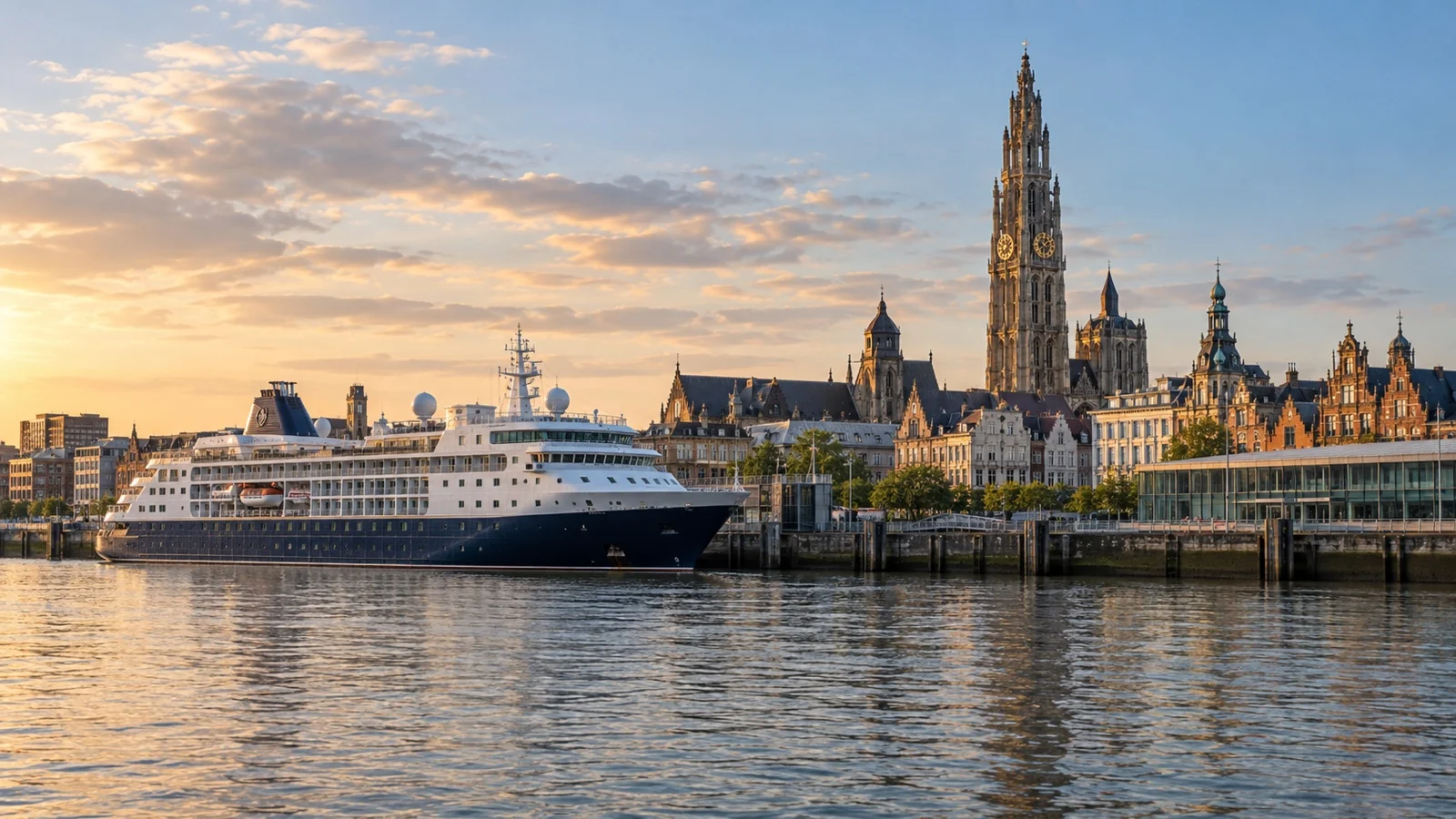
Our full Antwerp cruise port guide covers berth details, transportation, and the strongest city routes. When the ship uses the central river terminal, Antwerp offers the rare pleasure of stepping from a cruise into a major historic center.
Why Antwerp works so well
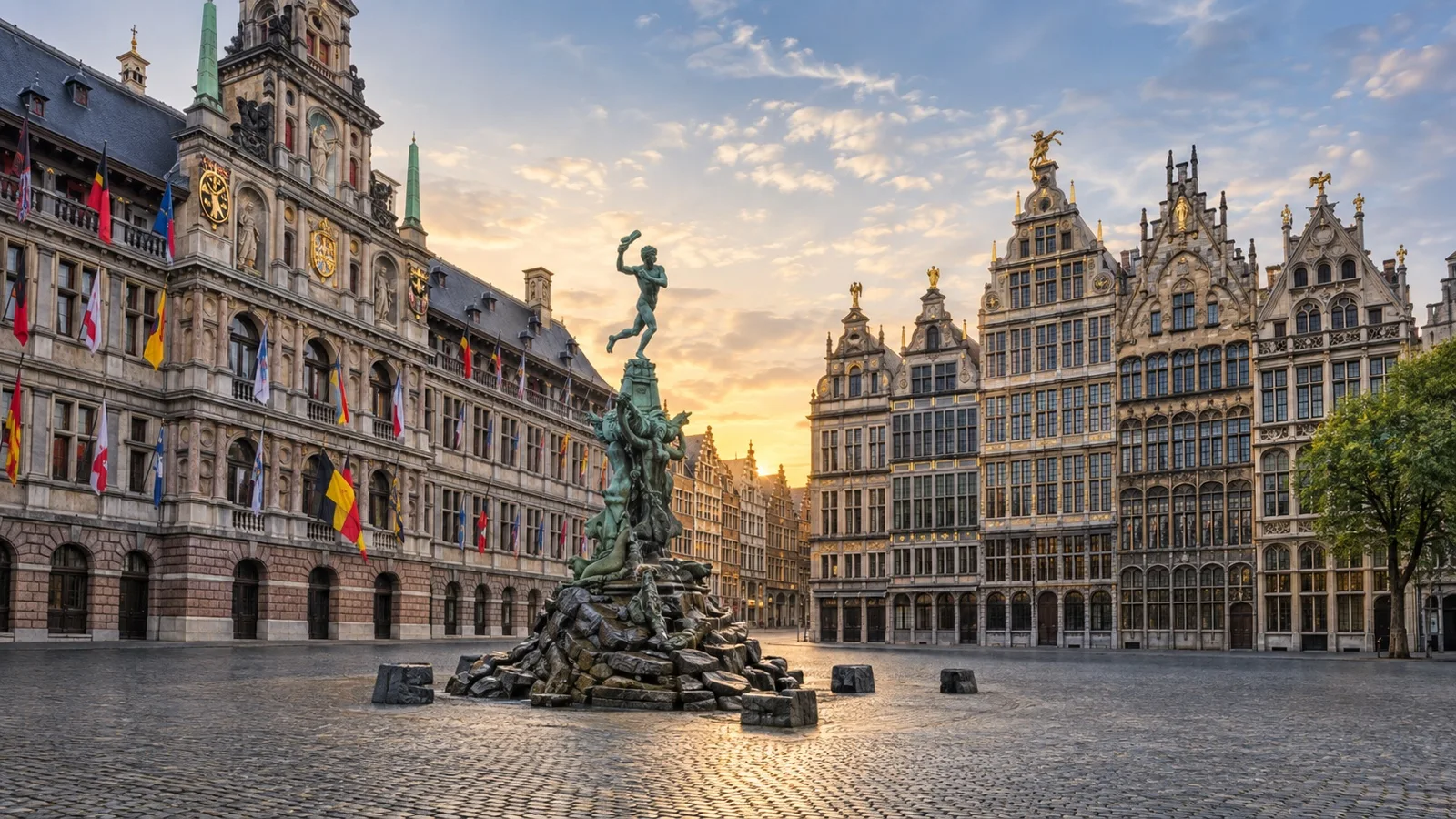
Antwerp’s Grote Markt, cathedral, riverside, shopping streets, and old-city lanes sit within a compact central area. You can build a satisfying day without a bus tour, which protects time for food, art, and the city’s atmosphere.
The city has enough depth for an overnight or repeat call, with fashion, diamonds, printing history, Baroque art, and contemporary architecture all competing for attention. Pick one cultural anchor and let the surrounding streets complete the day.
A classic Antwerp walking day
Start with the riverfront and the historic center, then choose the cathedral, Plantin-Moretus Museum, or another major collection as the main interior stop. Add Grote Markt, Vlaeykensgang, chocolate, waffles, or a relaxed lunch rather than rushing across the entire city.
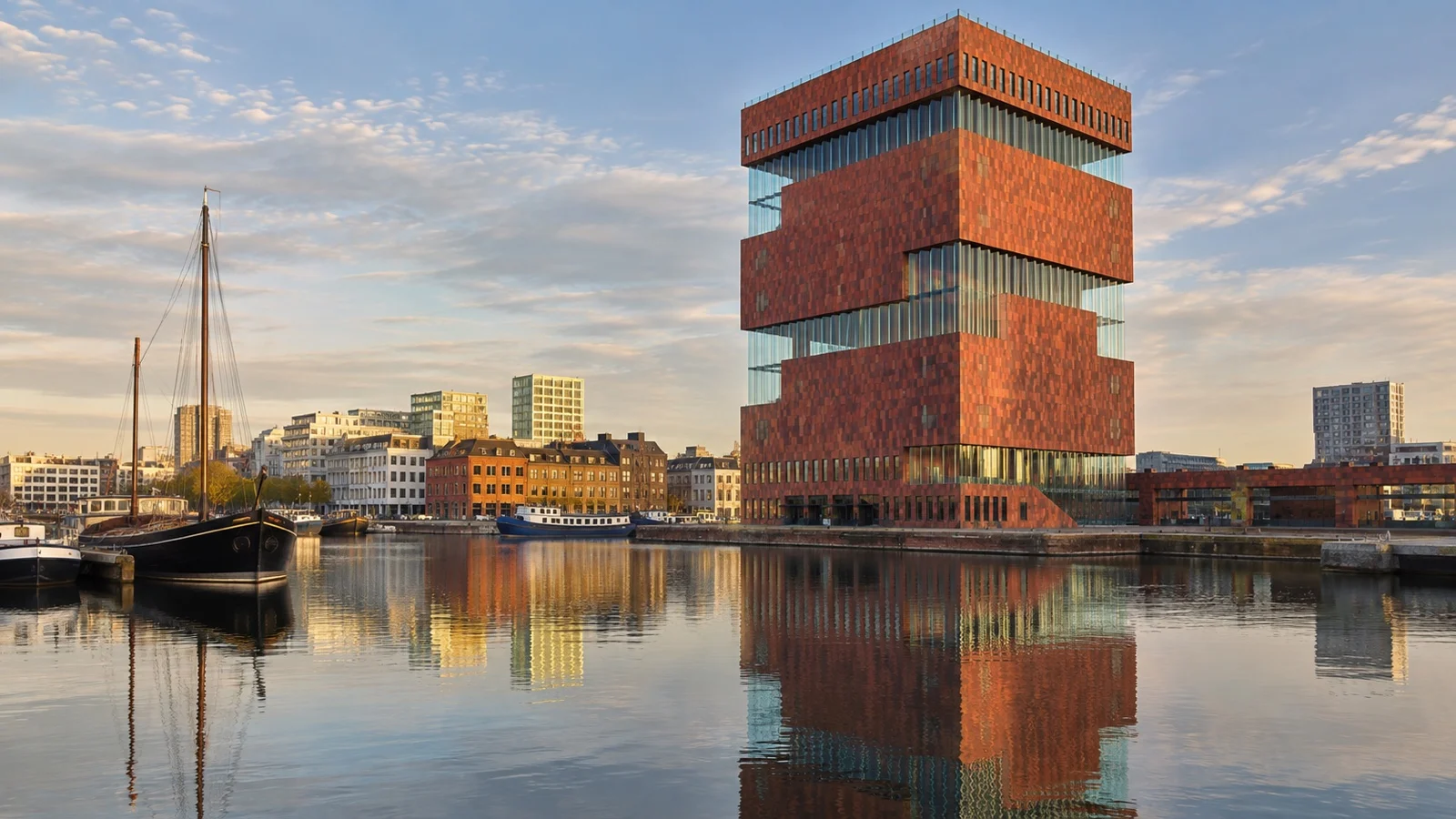
Travelers interested in modern architecture can continue toward Museum aan de Stroom and the redeveloped docklands. That route adds distance, so use local transit or a taxi if energy or weather is fading.
Museums and reservations
Antwerp’s best-known museums can require timed tickets or have weekly closure patterns that do not care about a ship’s schedule. Check the official museum page for your date before building the whole day around one collection.
One museum is usually enough for a port call unless the ship stays late. The city itself is visually rich, and time in a cafe or on the riverfront is not wasted planning space.
Antwerp transportation and the return
A central berth supports walking, trams, and short taxi rides, but a ship may use a different operational location. Confirm the current terminal before assuming the gangway opens beside the cathedral.
Antwerp Central Station is an attraction in its own right and a useful transport hub, though it is not beside the river terminal. If you travel beyond the center, keep the return route simple and avoid a final connection with no backup.
Antwerp for accessibility and families
The central area is manageable for many travelers, but historic cobbles, tram tracks, crowds, old thresholds, and long museum routes can add fatigue. Confirm the gangway and terminal exit separately from the accessibility of the city itself.
Families can focus on the riverfront, one interactive museum, a food stop, and a short old-town loop. Teenagers may enjoy fashion or modern architecture more than a formal highlights tour.
Zeebrugge cruise port and Bruges
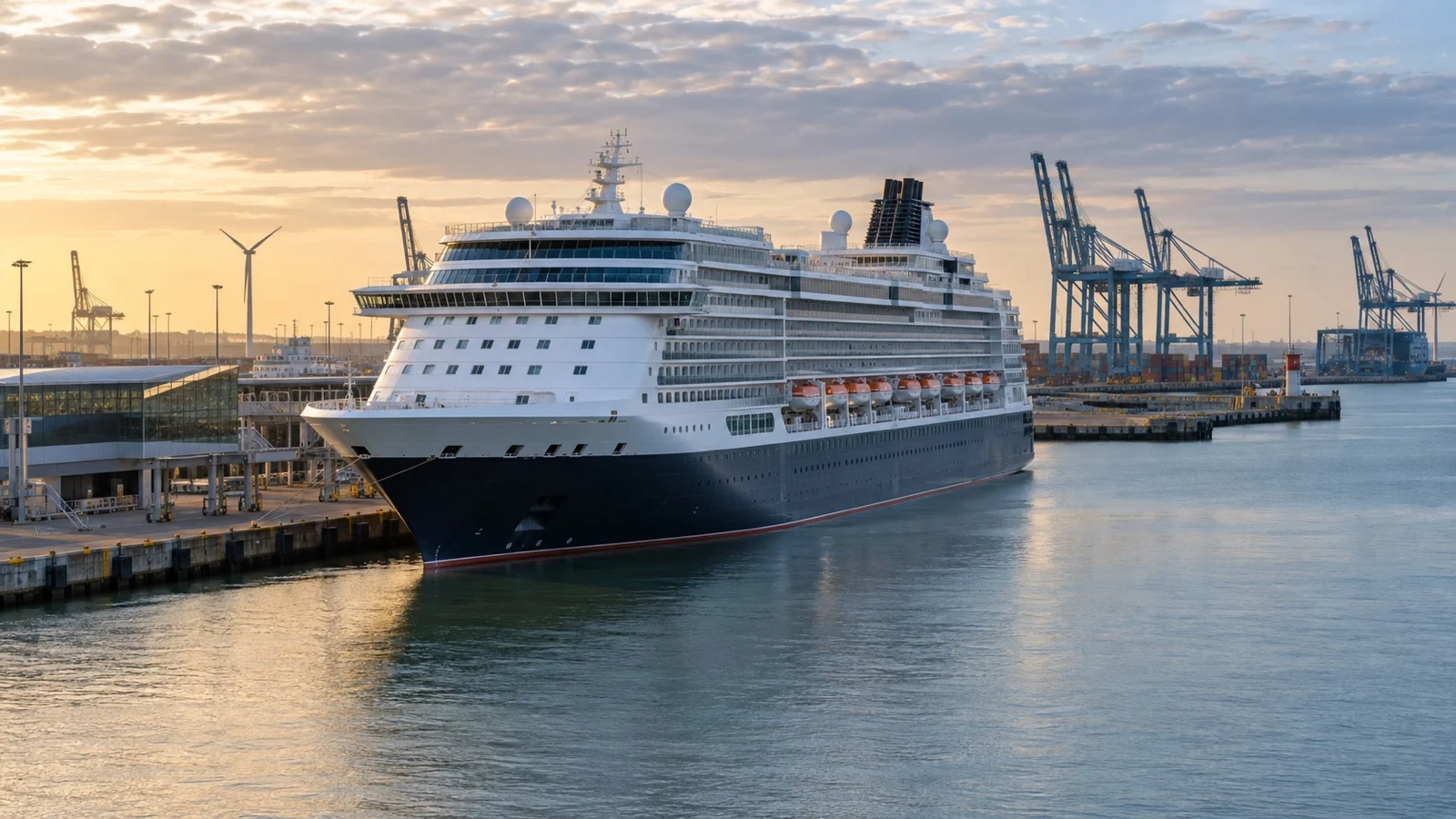
Our Zeebrugge cruise port guide explains the terminal and Bruges connection in detail. The most important fact is simple: the cruise ship docks in a working seaport on the coast, while Bruges lies inland.
Why most travelers choose Bruges
UNESCO calls the Historic Centre of Brugge an outstanding medieval settlement whose street pattern, canals, Gothic buildings, and artistic heritage remain remarkably coherent. It is one of Europe’s most satisfying cities for a focused day on foot.
The Markt, Belfry, Burg, canals, churches, Flemish art, chocolate shops, and quiet side streets are enough for several visits. For a first call, choose one paid attraction and spend the rest of the day moving slowly through the center.
How to make the Bruges transfer work
The easiest options are usually a cruise transfer, a ship excursion, a prearranged private vehicle, or a shuttle combined with public transportation. The correct choice depends on the assigned terminal, secure-port shuttle, ship schedule, and how many connections you are willing to protect.
A train can be efficient after you reach the right station, but the cruise berth is not automatically a train platform. Count the terminal exit, port shuttle, station wait, rail journey, walk into the historic center, and the same sequence in reverse.
Keep a taxi or ship-transfer backup if the public route has a weak link. The last reasonable departure from Bruges should never be the one that barely meets all-aboard time.
A realistic day in Bruges
Walk from the station or drop-off point toward the Begijnhof, Minnewater, central churches, Markt, and Burg in a logical line. Add a canal boat only if the queue is reasonable, since waiting for a short ride can consume the flexible part of the day.
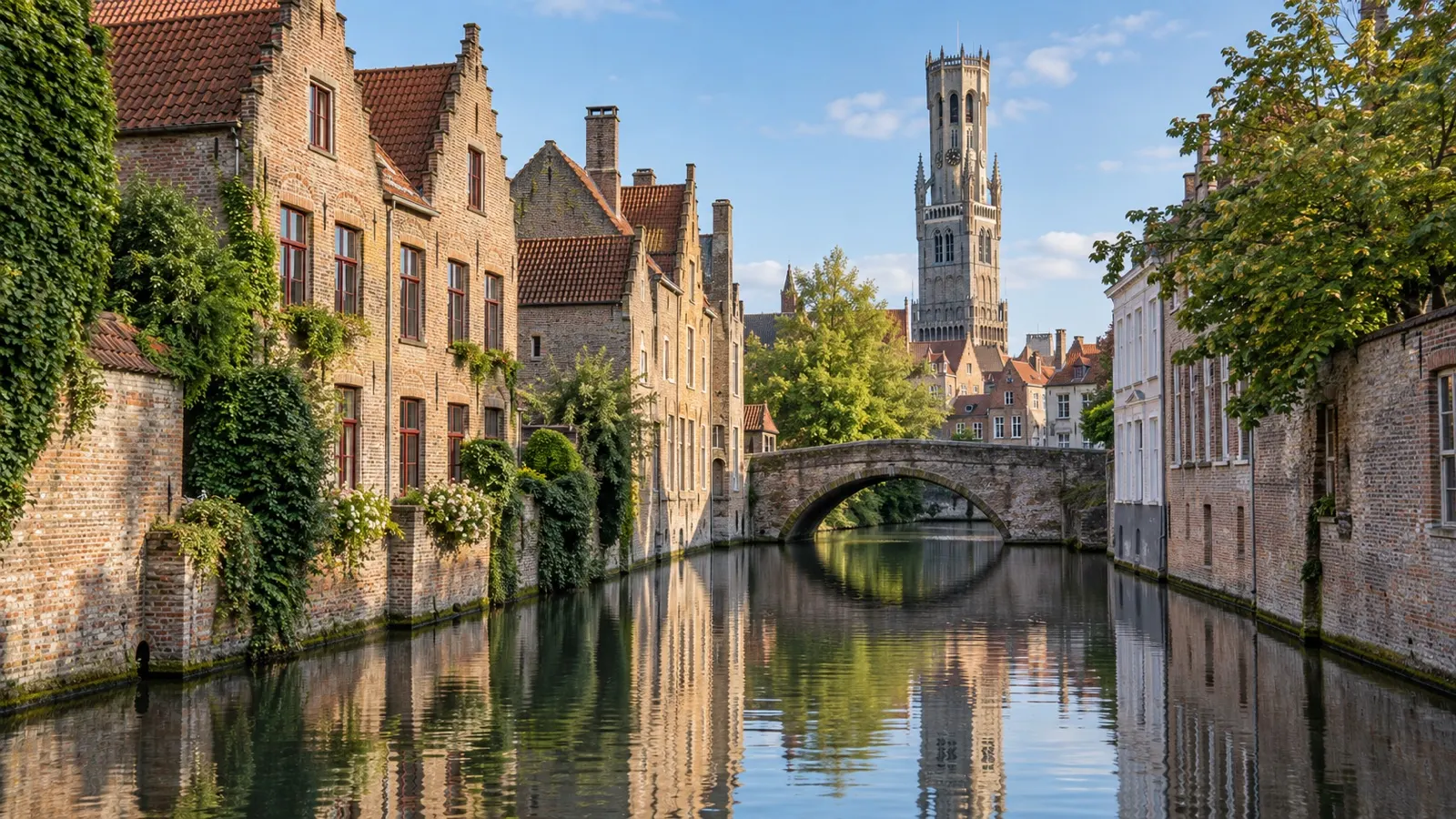
The Belfry climb is memorable but involves many steps and can require timed access. Travelers who skip it still get an excellent city experience through the squares, canals, museums, and street-level architecture.
Bruges becomes crowded when several ships, tour groups, and day visitors arrive together. Move one street away from the busiest corridor for a calmer meal and better sense of the living city.
Staying in Zeebrugge instead
Zeebrugge itself is not merely a loading zone, and a coastal day can be the smarter choice for repeat visitors or travelers avoiding a long transfer. The official Visit Bruges Zeebrugge guide highlights the beach, fishing heritage, maritime attractions, nature, shopping, and local food.
Visit Bruges also notes that the train stops at the beach area and that Zeebrugge can be explored on foot, by bicycle, or by coastal tram once you reach the public town. That does not remove the need to follow secure-port transportation from the ship.
A windy North Sea beach walk, seafood lunch, heritage route, and tram ride can create a satisfying low-pressure day. Verify seasonal hours because coastal services may be reduced outside summer.
Zeebrugge accessibility and families
Bruges has cobbles, bridge slopes, old thresholds, crowds, and walking distances that can challenge wheels and tired legs. An accessible vehicle and carefully chosen drop-off point may be more valuable than an open-ended shuttle.
Visit Bruges lists seasonal accessible beach services in Zeebrugge, including beach wheelchairs, adapted facilities, and assistance during July and August. Confirm the current dates and reservation procedure because a general seasonal program is not a guarantee for a specific call.
Docking, weather, and daily changes
Antwerp and Zeebrugge are major working ports, and passenger movement must coexist with commercial operations. A berth or shuttle plan can change, so use the ship’s daily program and port announcements rather than an older online account.
North Sea wind and rain affect Zeebrugge more directly, while Antwerp’s river location can still bring cool, wet conditions. Carry a light waterproof layer and shoes with grip even when the morning forecast looks mild.
Fog, wind, port traffic, or delayed clearance can shorten the usable day. Protect one anchor experience and make everything else optional.
Money, languages, and practical details
Belgium uses the euro, and card payments are common in visitor settings. A backup card or small amount of cash remains useful for a small vendor, restroom, ticket machine, or connectivity problem.
Dutch is the primary language in Antwerp, Zeebrugge, and Bruges, while French and English are also widely encountered in tourism. Place names may appear in Dutch or English forms, so Brugge and Bruges refer to the same city.
Entry requirements depend on citizenship, itinerary, and current European rules. Check official Belgian and European Union sources plus the cruise line rather than copying another traveler’s document list.
How I would choose the itinerary
Choose Antwerp when you want the ship to deliver you into an interesting city with minimal planning. Choose Zeebrugge when Bruges is a priority and you are comfortable treating the transfer as a major part of the day.
If an itinerary includes both, do not repeat Bruges from Antwerp. Give Antwerp its own city day, then use Zeebrugge for Bruges or the Belgian coast.
For a short winter call or a traveler with limited energy, central Antwerp has the advantage. For a long summer day with reliable transfer arrangements, Bruges is worth the extra coordination.
Frequently asked questions
Which Belgium cruise port is best for a first visit?
Antwerp is the easiest first port because the city itself surrounds the central river arrival. Zeebrugge is the better choice only when Bruges is the experience you most want.
Is Bruges walkable from Zeebrugge cruise port?
No, Bruges is inland and requires a train, shuttle, taxi, private transfer, or excursion after leaving the cruise terminal. Count every connection in both directions.
Can I explore Antwerp independently?
Yes, when the ship uses the central cruise terminal, many major sights are accessible on foot or by local transit. Confirm the berth because an operational change can alter that convenience.
Should I book a ship transfer to Bruges?
A ship transfer is sensible when you want the simplest return plan or have a short call. Independent public transportation can work well for confident travelers who protect a generous buffer and verify the port shuttle.
What if I have already visited Bruges?
Stay in Zeebrugge for the beach and maritime side, ride the coastal tram, or choose another Belgian city with a protected return plan. Repeat visitors can also slow down in Bruges and focus on one museum, neighborhood, or food experience.
This guide was researched with current Visit Bruges, UNESCO, Port of Antwerp-Bruges, local transit, weather, and destination resources. Berths, shuttles, train schedules, entry rules, accessibility, and opening hours can change, so verify time-sensitive details with the cruise line and see our Editorial Policy.