Réunion (Le Port) Cruise Port: Volcano, Cirques and Coast
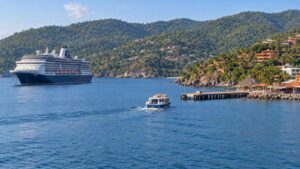
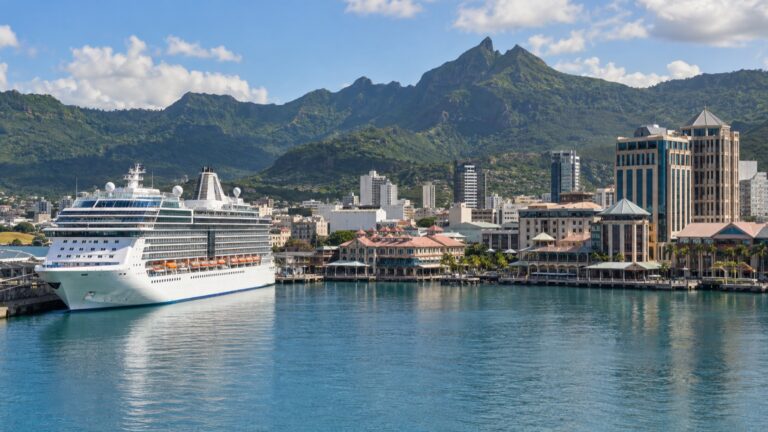
Réunion fits an extraordinary amount of landscape onto one volcanic island: active crater country, three immense cirques, waterfalls, Creole towns, and a warm west coast. Your ship, however, begins in the working Port Est complex at Le Port, where the first challenge is transportation rather than scenery.
I would choose one geographic chapter and give it enough time to breathe. The volcano, a cirque, Saint-Denis, and the lagoon all deserve attention, but they do not belong in the same cruise-day vehicle unless the driver owns a helicopter.
Quick Facts
- Port: Ships use Port Est within Port Réunion at Le Port on the northwest coast.
- Arrival: Cruise ships normally berth alongside inside a secure commercial harbor.
- First transfer: An official port bus carries passengers from the operational berth to the maritime reception area.
- Capital: Saint-Denis is reached by road and is not the cruise berth.
- Best flexible region: Saint-Paul and the west coast are easier to shorten than a volcano or cirque day.
- Currency: The euro.
- Languages: French is official, while Réunion Creole is widely spoken.
- Time: Réunion Time, UTC plus 4, without seasonal clock changes.
Your cruise day begins at Port Est
Le Port is the municipality, Port Réunion is the wider harbor system, and Port Est is the operational starting point described by the island’s tourism authority. Those names are often compressed into Saint-Denis on an itinerary because the capital is more recognizable, but the ship does not normally berth there.
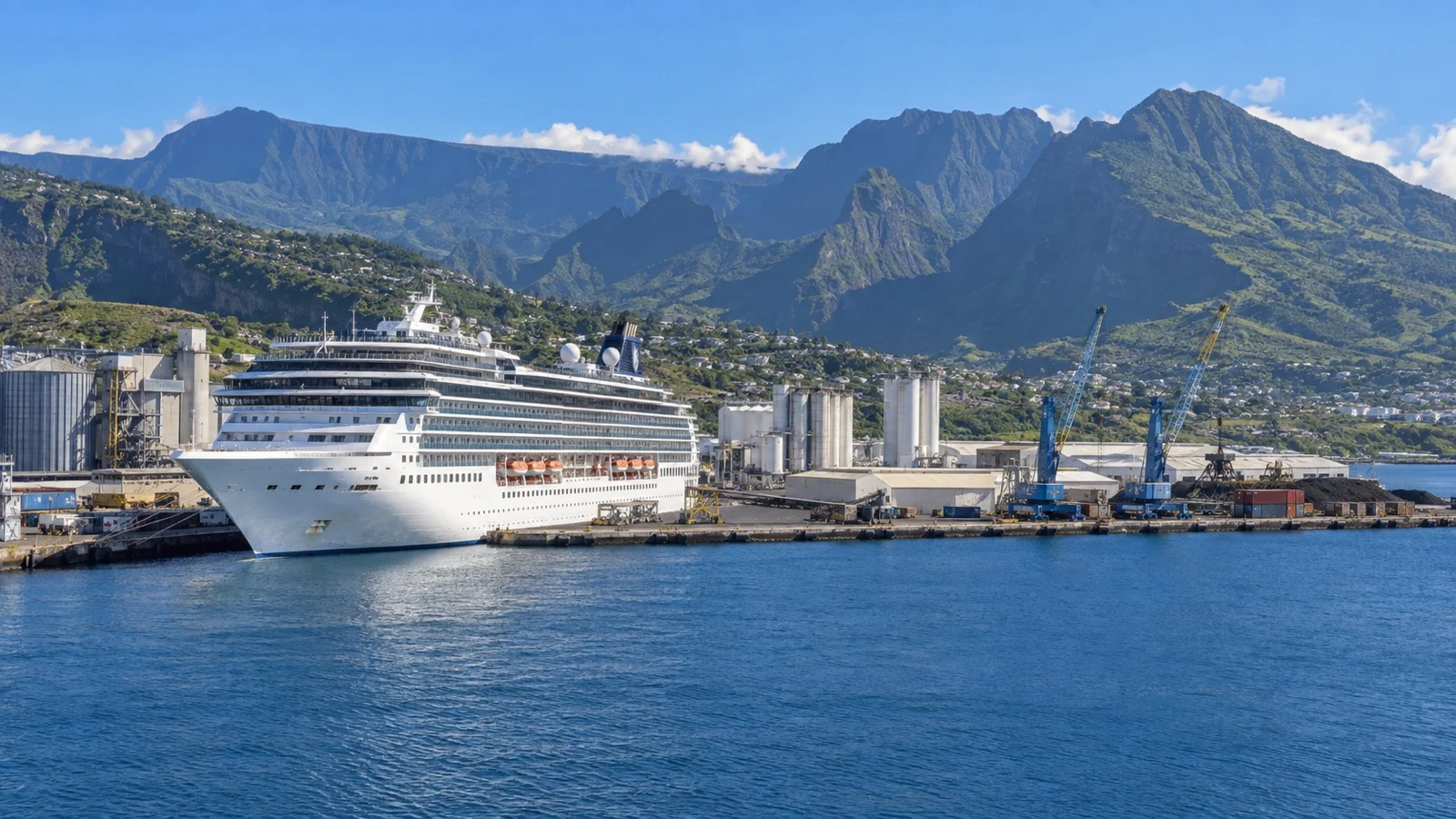
The Grand Port Maritime de La Réunion manages the commercial port environment. Your exact berth remains an operational decision, so use the ship’s daily program instead of walking toward a terminal name found online.
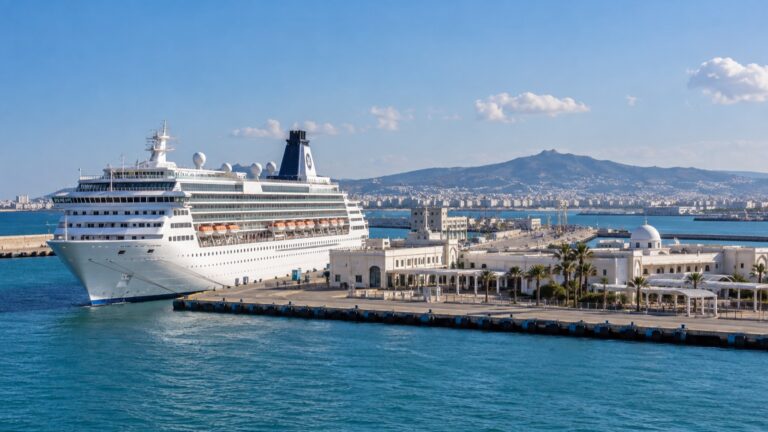
This is an alongside call rather than a routine tender stop, yet the quay is not a public promenade. Cargo traffic, security rules, and the distance within the harbor make controlled transportation necessary.
Keep photo identification and the ship card ready, listen for the final return procedure, and note whether the port bus stops running before all-aboard. Reaching Le Port by road is only the first half of the return if a secure-zone transfer still stands between you and the gangway.
The berth bus comes before every independent plan
The official Réunion Tourism cruise guide states that passengers travel by bus from Port Est to the maritime reception area. It also says that paid shuttles may operate toward the north, west, or Le Port depending on the ship and reception plan.
Visitor advisers, local products, transportation information, and some prearranged rental pickups may be present at that reception point. The words may and depending are doing useful work, so reserve important transportation before sailing.
If you have booked a private driver, confirm whether the meeting point is at the reception area or another authorized gate. The operator should know the ship, date, vehicle details, live access rules, and your return deadline without asking you to wander outside and look for a logo.
Saint-Denis is a city excursion, not the pier
Saint-Denis sits east of Le Port along the north coast and offers Creole architecture, markets, gardens, religious buildings, and museums. It makes a satisfying cultural day for travelers who prefer urban texture to a long mountain road.
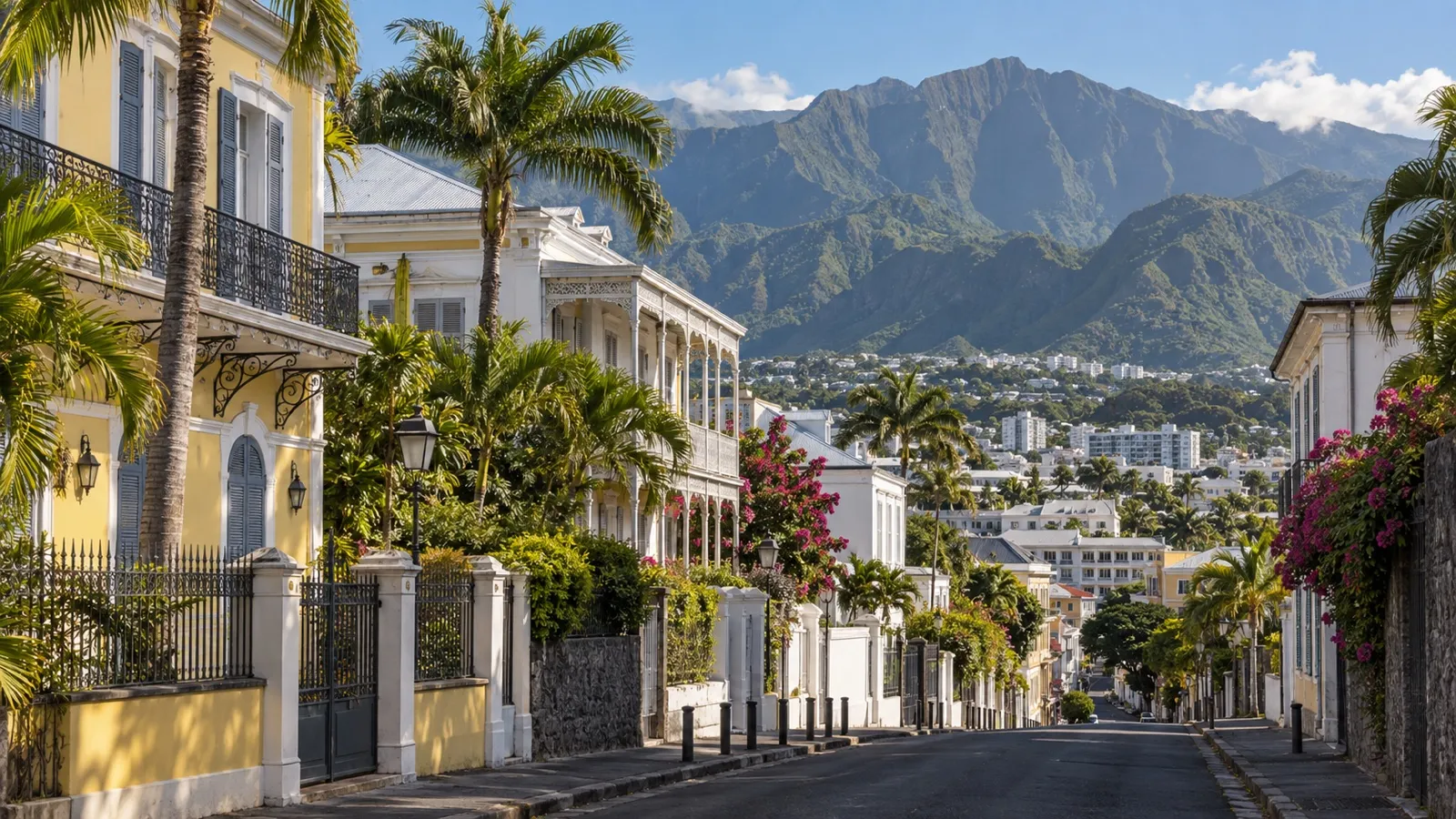
The drive can be affected by traffic, road controls, and weather, particularly near busy periods. Place any timed museum or garden early, keep the final stop flexible, and start the return before congestion dictates the itinerary for you.
A capital visit is also a sensible substitute when highland cloud erases the main viewpoint. It still requires organized transportation from Port Est, but it avoids the greater distance and elevation change of the volcano.
The west coast is the easiest region to edit
Saint-Paul and the lagoon communities lie south of Le Port, placing markets, waterfront history, gardens, food, and coastal scenery within one general direction. This is the region I would choose after a late clearance because individual stops can be removed without collapsing the whole day.
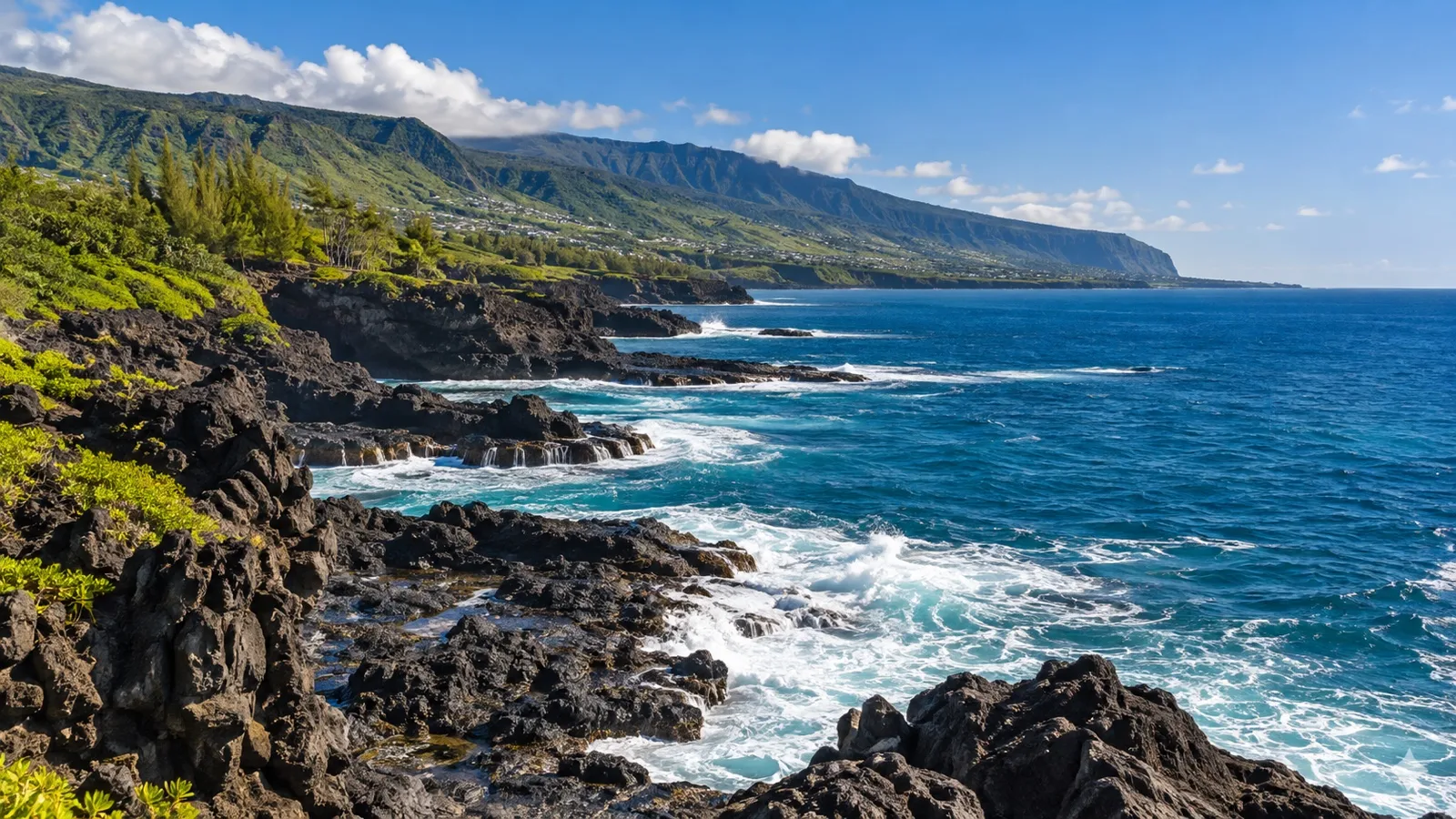
Market days and opening hours vary, so build the route around what is actually operating. A confirmed driver can combine one cultural stop, one garden or viewpoint, and a relaxed lunch without pretending the island has stopped having traffic.
Swimming requires current local guidance and an officially open area. Reef passages, surf, weather, and shark-risk management affect water access, so an empty stretch of sand is not permission to enter.
Ask the guide which lagoon area has appropriate facilities, supervision, and safe access on the day. A coastal viewpoint and good Creole meal remain a perfectly respectable plan when swimming restrictions change.
Piton de la Fournaise is a full-day commitment
Piton de la Fournaise is one of the world’s most active volcanoes and the island’s great geological headline. Reaching the Pas de Bellecombe viewpoint involves a long inland and highland drive through landscapes that change from sugarcane country to the austere Plaine des Sables.
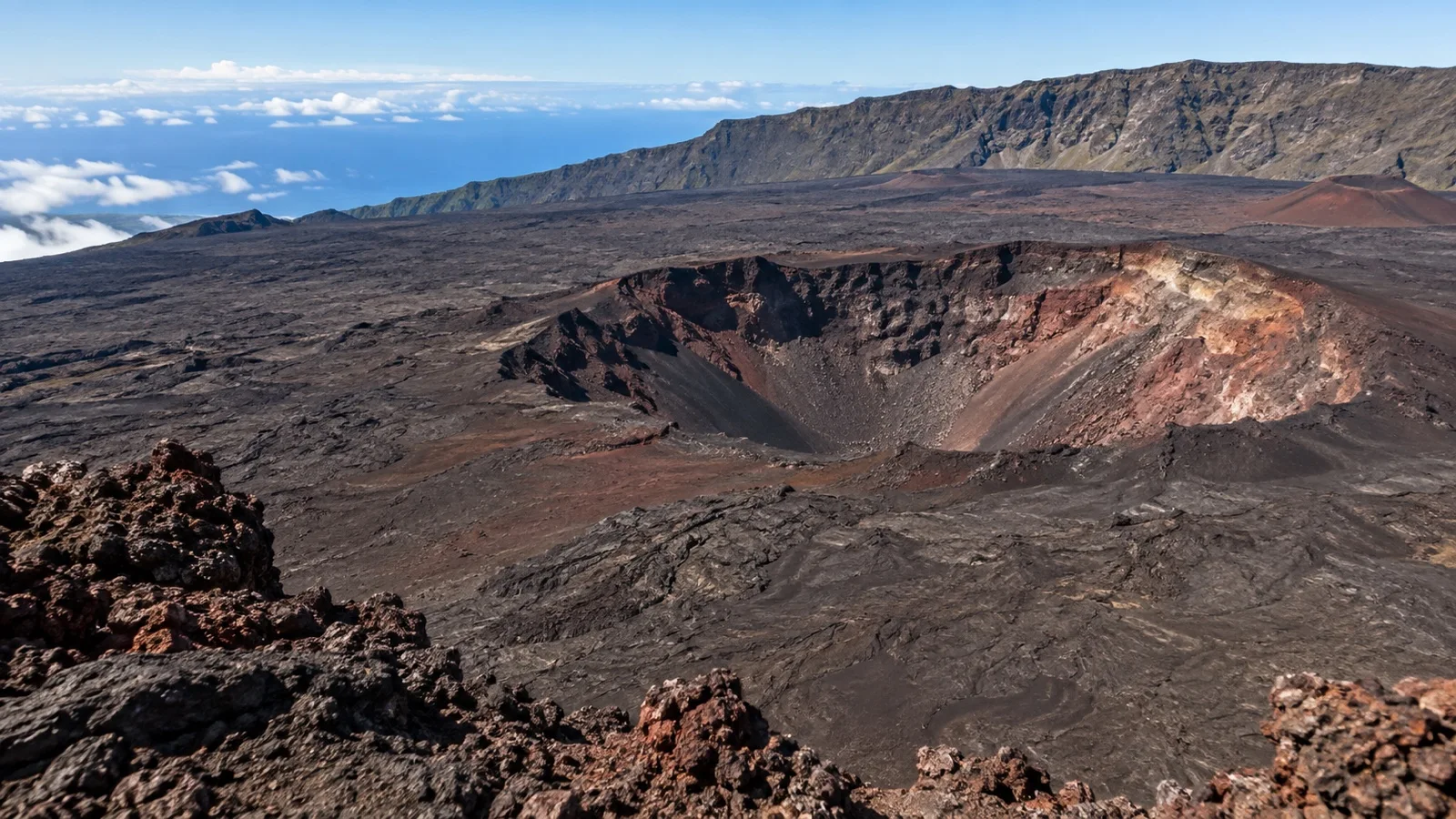
Mountain cloud can remove the crater view even when Le Port is sunny, while eruptions and safety operations can change access quickly. Check prefectural, observatory, road, and park information through the ship or local guide before departure.
A viewpoint-focused excursion is usually more realistic than a major crater hike during an ordinary port call. The journey deserves a ship excursion or a cruise-aware driver with a firm turnaround point and a coastal alternative.
Pack a light waterproof layer, sun protection, secure shoes, and water because the temperature can fall with elevation. A breezy harbor outfit is not a complete volcano wardrobe, however optimistic it looked beside the breakfast buffet.
Mafate, Cilaos, and Salazie are different days
Réunion’s three cirques are vast mountain amphitheaters shaped by erosion around the volcanic interior. They share dramatic scenery but not the same road, timing, weather, or cruise-day logic.
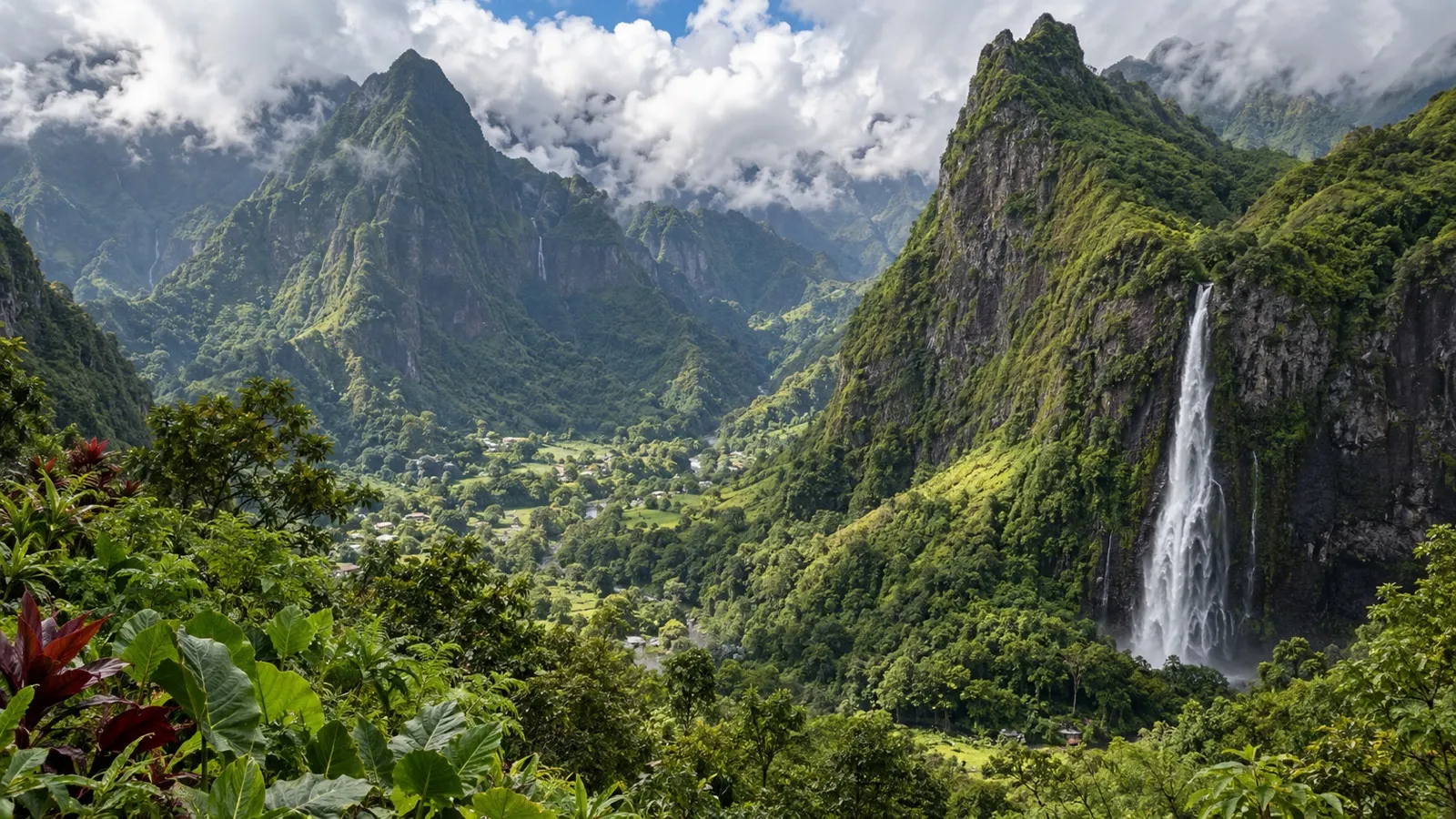
Mafate has no road into its inhabited interior, so a conventional cruise excursion reaches a viewpoint such as Maïdo or uses a carefully planned flight. A helicopter depends on weather, weight, availability, and operator rules, and its cancellation plan should be agreed before payment.
Cilaos is reached by a famously winding mountain road with many bends and significant motion-sickness potential. It can deliver extraordinary views, but the same road structure increases return risk when an incident or closure interrupts traffic.
Salazie lies toward the wetter northeast and is known for lush slopes, waterfalls, and villages such as Hell-Bourg. It belongs in its own full road itinerary rather than being paired casually with the west coast and volcano.
Choose one cirque, one major viewpoint, and a sensible lunch stop. The island will not become less magnificent because you declined to inspect all of it before four o’clock.
Réunion National Park deserves trail discipline
The Réunion National Park protects much of the island’s exceptional natural and cultural landscape, including the volcanic interior. Its current site publishes trail practices, fire information, and conservation news that should be checked near the visit.
Stay on open marked routes, respect closures, carry out waste, and avoid removing rocks, plants, or wildlife. Fire danger, erosion, volcanic activity, and weather can close a trail that appears harmless in an older travel photograph.
A cruise passenger should avoid a remote independent hike unless the route, guide, transport, communications, and return margin are unusually strong. A short guided walk or viewpoint often reveals more than a rushed trail completed with one eye on the clock.
Entry rules are French but not simply Schengen
Réunion is a French overseas department, yet overseas entry rules can differ from those for metropolitan France and the Schengen Area. Passport nationality, itinerary, length of stay, and cruise transit arrangements all matter.
Use the official France-Visas service to check the rule for your passport, then follow the cruise line’s document instructions. A Schengen permission or exemption should never be assumed to answer every overseas territory question.
Carry only the documents named in the daily program when going ashore and keep copies secured separately. Immigration or clearance procedures can reduce the morning, so distant excursions should not depend on a perfect early departure.
Tropical weather creates several climates at once
Réunion has a warm, wetter summer and a cooler, generally drier winter, but elevation and exposure create strong local differences. The west coast may be bright while the volcano is cold and clouded, or the east may receive heavy rain while Le Port stays relatively dry.
Tropical cyclone risk is concentrated in the warmer season, while ordinary rain can still trigger flooding, rockfall, trail closures, and road disruption. Watch official alerts and ship messages rather than relying on a general island forecast.
Pack for both coast and highland when traveling inland: water, sun protection, secure footwear, and a compact rain layer. Protect medication and electronics from sudden rain without placing valuables in an easy outer pocket.
Coastal swimming follows local restrictions
Réunion’s west coast lagoons can offer warm, sheltered water, but conditions and authorized bathing areas change. Swim only where local authorities permit it and follow signs, lifeguards, weather guidance, and shark-risk controls.
Do not enter reef passes, exposed surf, or an unmonitored beach simply because the water looks calm. The safer plan can be a lagoon walk, viewpoint, garden, or lunch when access is restricted.
Use reef-conscious sun protection and never stand on coral or remove marine life. An island created by geology does not need passengers beginning a personal rock collection before departure.
Money, language, and connectivity
The euro is the local currency, and cards are accepted widely in established businesses. Carry a small amount of cash for markets or minor purchases, but do not make an ATM search the organizing theme of a short call.
French is the official language, and Réunion Creole is part of everyday life. A few polite French phrases help, while a translation app and saved destination names make driver communication easier.
Mobile coverage can weaken in mountain interiors and deep valleys. Download confirmations and maps, save the ship agent number, and agree on the return point before losing signal.
Accessibility is a chain from gangway to viewpoint
An alongside berth removes routine tender steps, but the gangway slope and secure-zone bus still matter. Ask whether the port transfer has a lift, whether you may remain in your wheelchair, and how a scooter is stored.
The maritime reception area is only the next link, followed by the excursion vehicle and attraction surface. Confirm vehicle steps, walking distance, seating, accessible restrooms, shade, and whether assistance is available at every stop.
A west-coast drive or Saint-Denis panorama can be adapted more easily than volcanic ground or a steep cirque trail. The best accessible excursion is often a well-paced vehicle tour with one verified level stop rather than several vague promises.
Road conditions decide the return
Modern coastal roads can still slow under traffic, construction, rain, rockfall controls, or an incident. Mountain routes may have few useful alternatives, which turns a closure into a schedule problem rather than a minor detour.
A ship excursion provides the strongest protection for the volcano or a cirque because the cruise line controls the group and knows the delay. An independent operator must receive the all-aboard time in writing and propose a conservative turnaround point.
Your target is the maritime reception transfer, not merely the Le Port city limit. Leave enough time for road uncertainty, vehicle unloading, identification, the secure-zone bus, and the walk back to the gangway.
Three realistic Réunion plans
The flexible west-coast day
Use confirmed transportation toward Saint-Paul, then combine one cultural stop, one garden or approved lagoon area, and lunch. This route is the easiest to shorten after a late start or weather change.
The highland panorama
Choose either the volcano viewpoint or one cirque with a ship excursion or trusted cruise-aware driver. Start early, carry layers, and accept a coastal substitute if cloud or road notices remove the main view.
The Saint-Denis culture day
Travel directly to the capital, focus on a compact central route, and begin the return before peak congestion. Confirm current museum and garden hours rather than filling the day with closed doors.
Frequently asked questions
Do cruise ships dock in Saint-Denis?
No. The official cruise process begins at Port Est in Le Port, and Saint-Denis is visited by road.
Can I walk out of Port Est?
Do not plan on it. Passengers use an official bus through the operational harbor to the maritime reception area.
Can I see Piton de la Fournaise on a port call?
Yes, when the call is long enough and roads, weather, and access cooperate. Use cruise-timed transportation and keep a coastal alternative ready.
Which cirque is easiest from the port?
No cirque is a casual add-on, and the best choice depends on road and weather conditions. Maïdo can provide a Mafate overview from the west, while Cilaos and Salazie require separate long routes.
Is the euro accepted?
Yes. Réunion uses the euro, though entry rules still require an overseas France check for your specific passport.
My final advice
Réunion is not difficult because it lacks choices; it is difficult because nearly every choice is excellent and geographically demanding. Start with the true Port Est transfer, select one region, and let weather and road reality edit the details.
I would rather return having understood one cirque, one coast, or one volcanic landscape than having photographed the island through a windshield at speed. Réunion deserves a full chapter, even when the cruise schedule gives it only a page.
How this guide was researched: This guide was independently checked on September 11, 2026, against Port Réunion, Réunion Tourism, France-Visas, Réunion National Park, current government notices, and cruise operating information.
Reconfirm the berth, port bus, onward transportation, entry documents, road and trail status, volcanic alerts, weather, swimming restrictions, accessibility, and final return time before sailing because conditions can change.