Kota Kinabalu Cruise Port Guide for 2026
Kota Kinabalu gives you a Borneo capital without asking you to begin with an expedition. Your ship normally berths in a working commercial port beside the city, where markets, museums, reef-ringed islands, Indigenous cultures, and a mountain-sized temptation all compete for one humid day.
The useful plan begins by naming three waterfronts correctly. Kota Kinabalu Port is the cruise berth, Sepanggar Bay is a separate container complex farther north, and South Jetty is the city passenger-boat terminal used for nearby islands.
Quick Facts
- Port: Kota Kinabalu Port in Sabah, Malaysian Borneo
- Arrival: Alongside berth in a working commercial port, subject to the ship’s confirmed assignment
- Terminal: Practical port facilities rather than a purpose-built cruise terminal
- City transfer: Ship shuttle, authorized taxi, ride-hailing pickup outside the controlled port, or prearranged tour
- Do not confuse: Kota Kinabalu Port, Sepanggar Bay Container Port, and South Jetty are separate places
- Easy city day: Sabah State Museum, central markets, waterfront, heritage sights, and local food
- Island day: One island in Tunku Abdul Rahman Park through the current South Jetty terminal
- Long excursion: Kinabalu Park headquarters, usually around two hours each way depending on traffic and weather
- Currency: Malaysian ringgit
- Languages: Malay is official, with English widely used in tourism
- Time zone: Malaysia Time at UTC+8 year-round
- Driving: Left-hand side
- Main risks: Industrial-port access, tropical storms, island-boat timing, mountain-road delays, and overambitious wildlife plans
Where the ship actually arrives
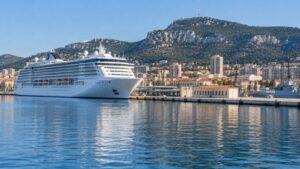
Sabah Ports identifies Kota Kinabalu Port as the facility that handles cruise vessels alongside general cargo and other working traffic. Sepanggar Bay Container Port is a different facility north of the city and should not be entered into your taxi app for a normal Kota Kinabalu cruise call.
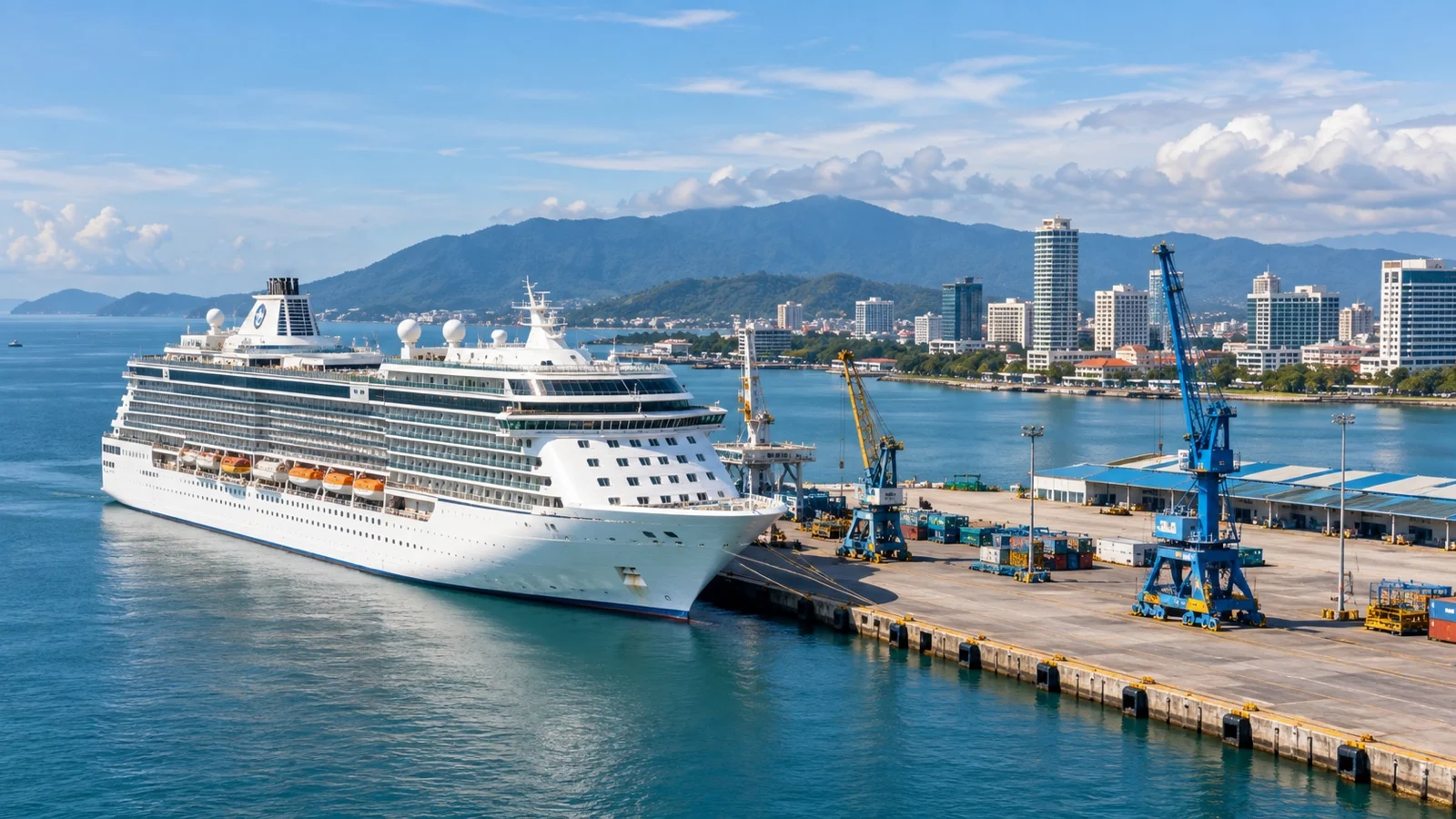
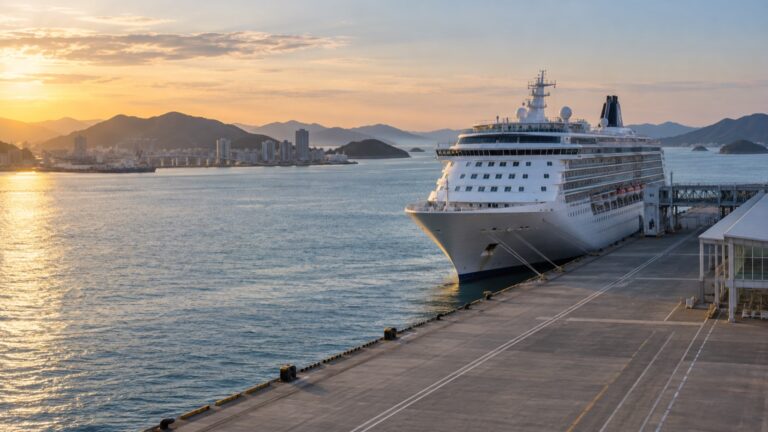
The ship usually berths alongside, with passengers leaving by gangway rather than tender. The exact berth can shift around commercial operations, so the daily program remains the final source for the ship’s location and pedestrian route.
Do not expect a polished terminal with shops and an independent taxi rank immediately outside the gangway. Expect a controlled industrial environment where safety instructions, marked routes, and local dispatch arrangements matter.
The central waterfront is relatively close by road, but you should not plan to walk through the port. Heavy vehicles, restricted zones, gates, and changing operational routes make a shuttle or authorized transfer the correct first step.
Three waterfront names that must stay separate
Kota Kinabalu Port is where the cruise ship normally berths. It is not Sepanggar Bay Container Port, even though both are part of the wider Sabah port system.
South Jetty became the city’s passenger-boat terminal for nearby islands in March 2026, replacing the old Jesselton Point departure arrangement. It is useful for a confirmed marine-park trip, but it is not the cruise gangway.
Save all three pins if your day includes an island boat, then label each one in plain language. A driver who hears only port or jetty can reasonably take you to the wrong operation.
Before leaving the ship, confirm the shuttle stop, outside-port pickup area, and return gate. Port security may not allow a ride-hailing car to meet directly beside the vessel.
Leaving the commercial port safely
Ship shuttle
A ship or locally arranged shuttle is the simplest connection when offered. Confirm whether it is free, where it stops, how often it runs, whether mobility spaces require advance booking, and when the final return departs.
Taxi or private guide
An authorized taxi or prearranged guide provides the most direct route beyond the center. Agree on the fare or booking price, waiting time, stops, and exact return gate before the vehicle leaves.
Ride-hailing
App-based rides can be useful once you reach the designated public pickup area. Save a screenshot of the port name and gate because traffic controls or weak data can complicate the final approach.
Walking
Walking becomes practical after you are outside the controlled port and in the city grid. Do not improvise a route past cargo equipment simply because a map shows the market less than two miles away.
A well-shaped city day
Kota Kinabalu’s center is compact enough to combine food, markets, heritage, and the waterfront without losing most of the call to transport. Start with the attraction whose hours matter most, then finish somewhere with a simple ride back to the port.
Gaya Street is best known for its Sunday market, while the surrounding commercial area remains useful on other days. Verify the current event schedule and watch belongings in any crowded market.
The central waterfront and food areas become livelier later in the day, but a cruise call may leave before the evening atmosphere develops. Choose vendors with good hygiene and allow time for food preparation rather than ordering just before the shuttle.
Atkinson Clock Tower and other heritage points can fit into a short city circuit when access is open. Sidewalks, road crossings, heat, and construction matter more than the short straight-line distance on a map.
Sabah State Museum
Sabah State Museum is one of the strongest city choices for understanding the state’s archaeology, cultures, natural history, art, and changing society. It gives essential context before any cultural village, handicraft purchase, or nature excursion.
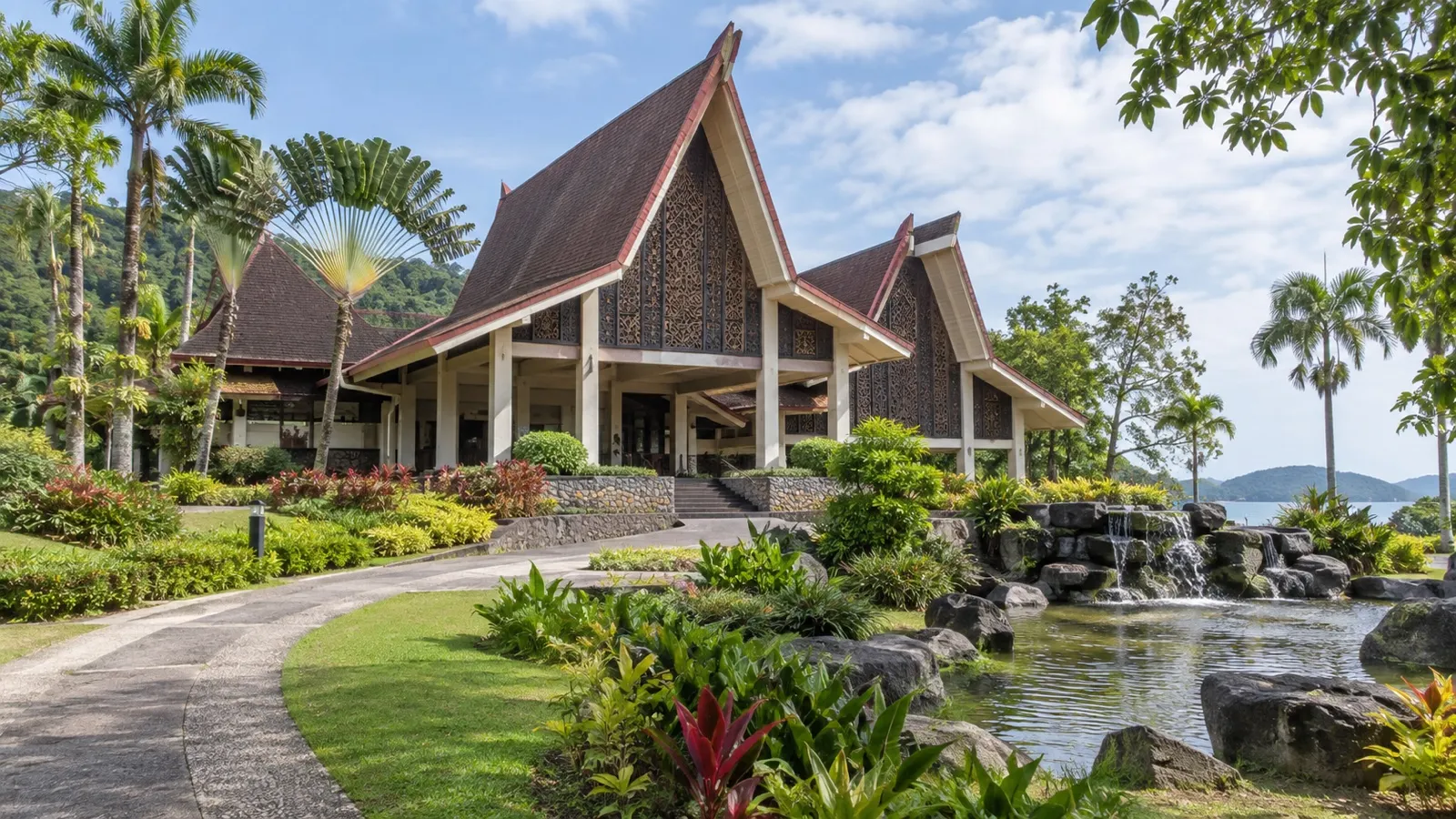
The complex sits outside the tightest waterfront core, so use a taxi or tour. Confirm current opening hours, gallery closures, admission, and any photography rules directly with the museum.
Allow more than a quick lap if the main galleries and heritage areas are open. Sabah contains many distinct Indigenous communities, and a careful visit avoids flattening that diversity into one generic Borneo label.
Museum accessibility can vary between buildings and outdoor areas. Ask about ramps, lifts, restrooms, seating, and the route through any heritage village section before arriving.
Mosques and cultural respect
Kota Kinabalu City Mosque and Sabah State Mosque are prominent landmarks, but both are active places of worship rather than decorative photo stops. Visitor access, clothing, prayer-time restrictions, and photography rules can change.
Check directly before going, wear clothing that meets current requirements, remove shoes where instructed, and follow staff guidance. Do not photograph worshippers without permission or block an entrance for a posed image.
A drive-by exterior view may be the right choice when access is limited. Respectful travel means accepting that a religious site can prioritize worship over tourism.
Mari Mari Cultural Village
Mari Mari Cultural Village presents architecture, foodways, crafts, and traditions connected with several Indigenous communities of Sabah. Visits operate as structured sessions rather than casual drop-ins, so reserve a time that fits the ship and includes the transfer beyond town.
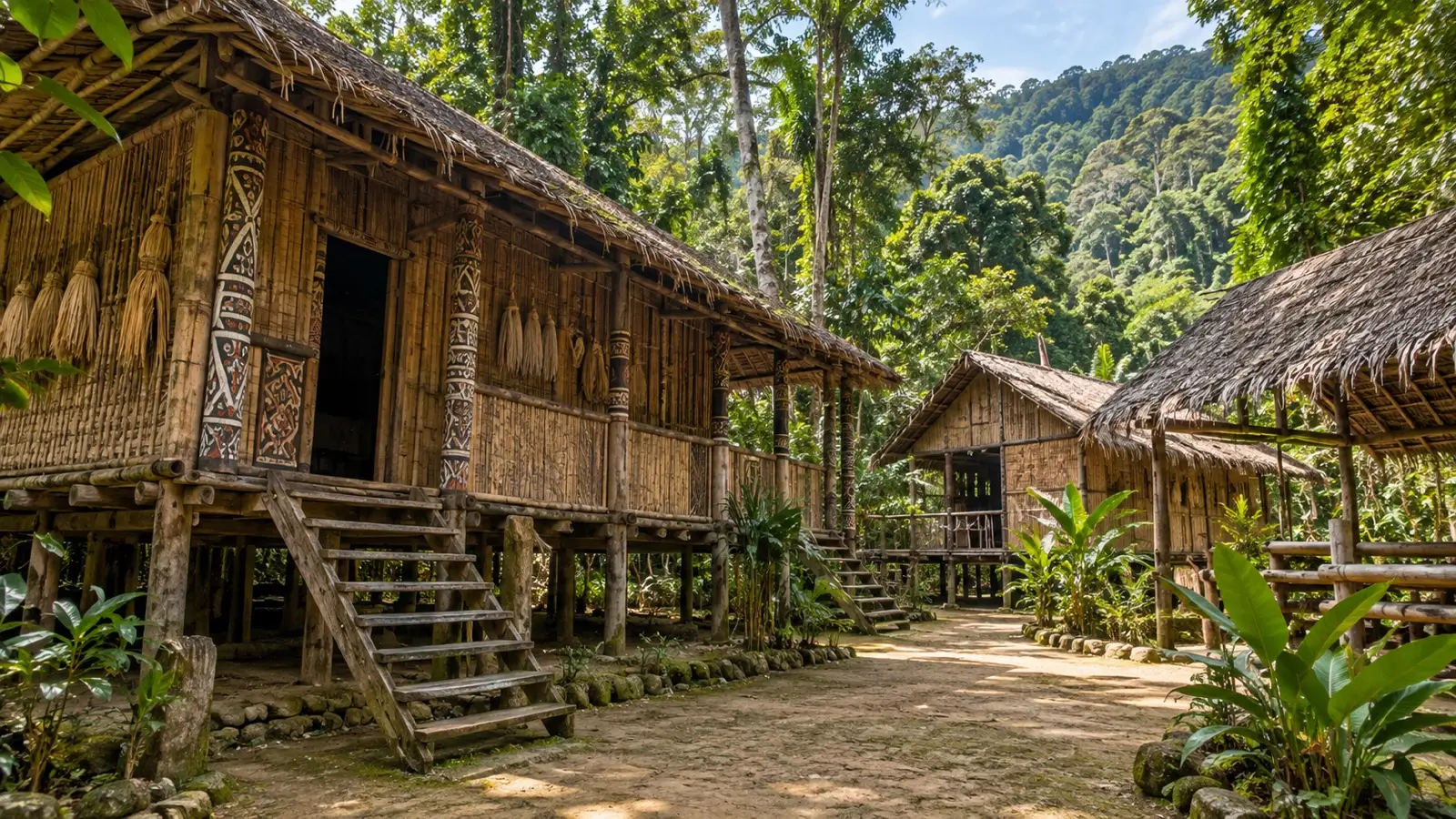
A guided program can be engaging, while the Sabah State Museum provides broader historical context at your own pace. Choose the village for an organized interpretive experience and the museum for a quieter independent visit.
Ask before photographing people, demonstrations, ceremonial elements, or private objects. Participation should follow the host’s invitation, and cultural practices should never become a costume or joke for cruise content.
Confirm duration, language, meal inclusion, mobility requirements, and cancellation terms. A session that ends late leaves little flexibility for traffic back to the port.
Tunku Abdul Rahman Park is a second boat day
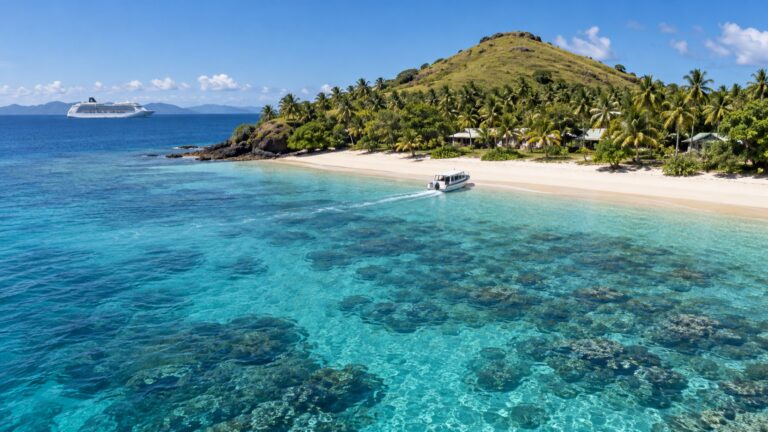
Tunku Abdul Rahman Park protects the islands of Gaya, Manukan, Mamutik, Sapi, and Sulug close to Kota Kinabalu. Reaching them requires a separate passenger boat from the current South Jetty terminal, plus registration, fees, and the return to the city.
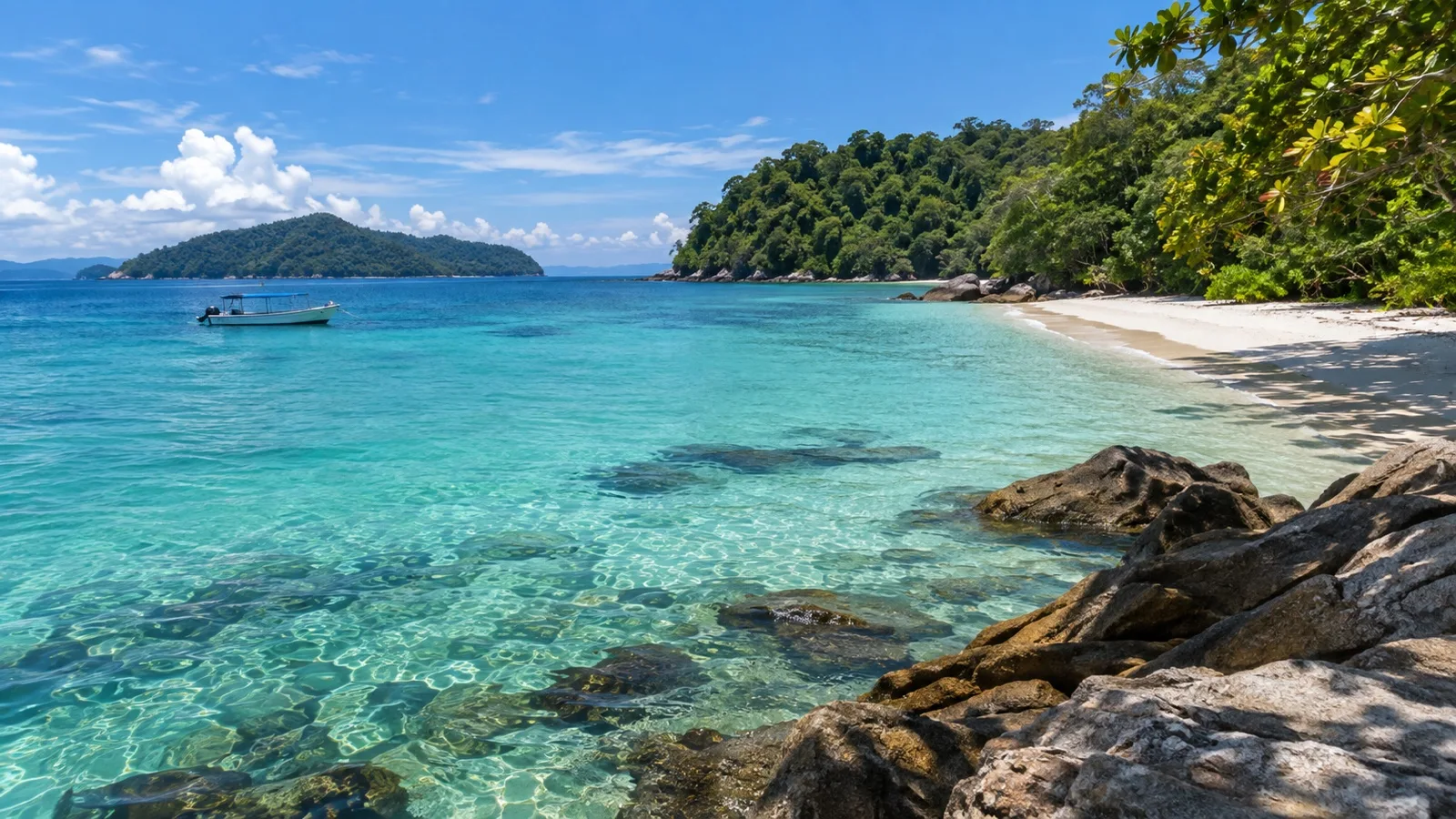
Choose one island unless a reputable operator offers a clearly timed route that fits the call. Multiple islands multiply boarding, waiting, wet-landings, and the chance that a tropical squall changes the schedule.
South Jetty is separate from the cruise berth, so include the transfer between port and terminal in both directions. Confirm the final city-bound boat independently of the ship’s all-aboard time and leave a large buffer between them.
Use a licensed operator, wear the life jacket, follow the crew’s weight instructions, and protect documents and electronics from spray. Marine weather can cancel or shorten the trip even when the city remains sunny.
Snorkeling and marine-park conduct
Sabah Parks manages Tunku Abdul Rahman Park, where conservation rules and visitor fees apply. Check the current rules, jetty arrangement, permitted activities, and any temporary closure before leaving the city.
Never stand on coral, collect shells or marine life, feed fish, or chase turtles. Use reef-conscious sun protection and keep fins above coral in shallow water.
Boat traffic can be intense near island jetties. Swim only in designated areas, follow lifeguard or operator instructions, and use a buddy even when the water looks calm.
Some beaches and boats require steps, sand entry, or a wet transfer. Ask for the exact boarding and island-access configuration if mobility or balance is a concern.
Kinabalu Park is possible, but the summit is not
Kinabalu Park is a UNESCO World Heritage Site recognized for exceptional biodiversity across a wide range of elevations and habitats. The headquarters area can be a rewarding long-call excursion with gardens, short nature walks, interpretation, and cooler mountain air.
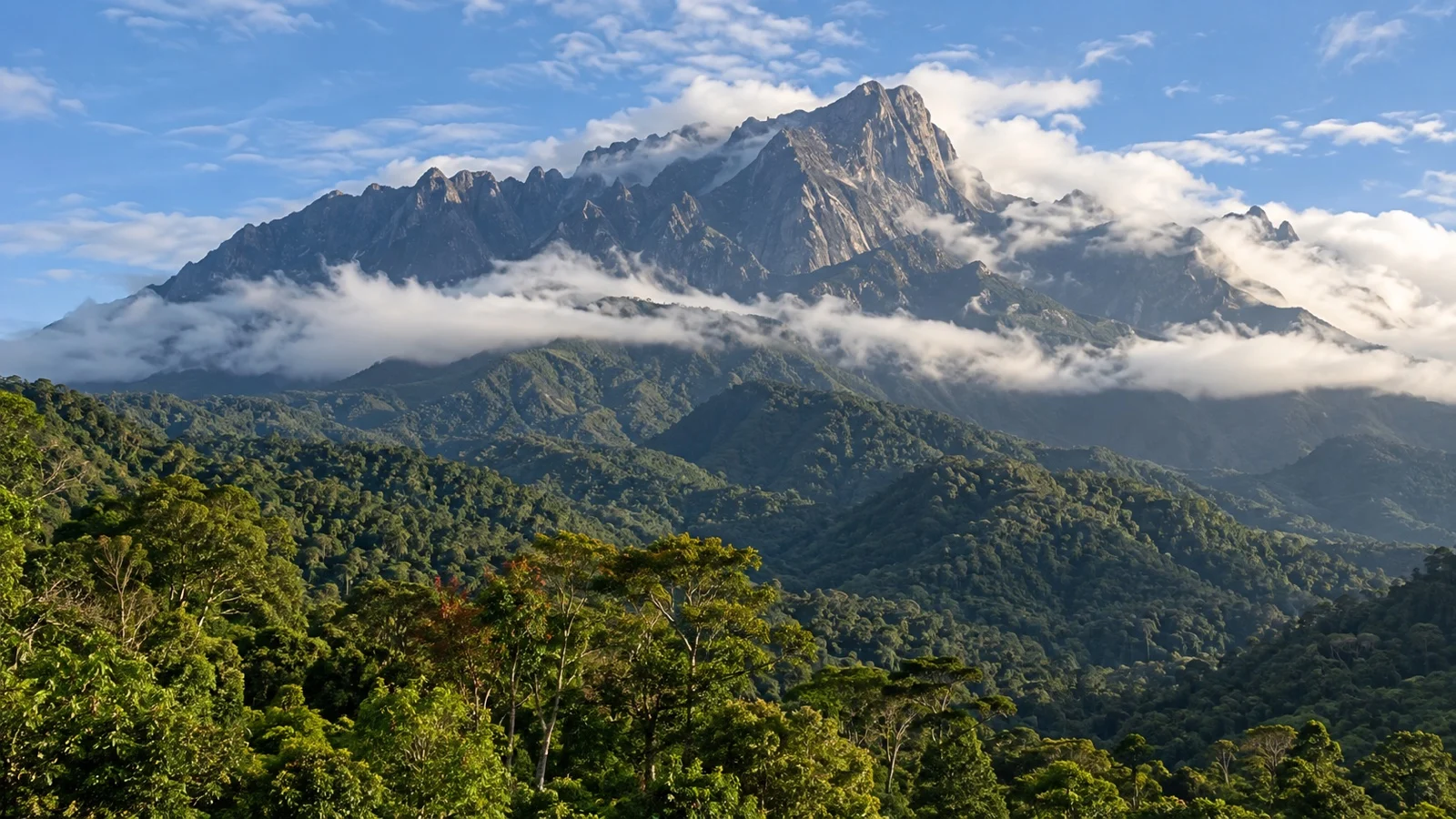
Road travel commonly takes around two hours each way from the city, depending on traffic, rain, and mountain conditions. From the cruise berth, add port dispatch and return-gate time rather than treating the city estimate as complete.
Mount Kinabalu’s summit is not a cruise-day hike. The climb is a multi-day undertaking with permits, registered arrangements, an accredited guide, overnight logistics, fitness, altitude, and weather considerations.
Use a ship excursion or experienced port-aware operator for the park headquarters. Set a conservative return that puts you back in Kota Kinabalu well before all aboard.
Mount Kinabalu has deep cultural significance for local communities. Follow park rules, remain on permitted trails, and treat every closure or guide instruction as part of the visit.
Wildlife reality check
Kota Kinabalu is a gateway to Borneo, but orangutans do not wait beside the cruise port. Sepilok is far across Sabah and is not a realistic independent excursion during an ordinary call.
Proboscis-monkey and firefly trips are often built around distant wetlands and evening activity. Their road and boat timing usually conflicts with a daytime ship departure unless the cruise line has created a protected program.
A city museum, managed park, wetland center, or reputable local nature guide can provide a responsible wildlife experience without pretending that every iconic species is close. Ask how the operator avoids feeding, baiting, touching, and crowding animals.
Wildlife sightings are never guaranteed. Ethical guides protect habitat and animal behavior even when that means the photograph you wanted does not happen.
Markets, crafts, and responsible buying
Kota Kinabalu’s markets sell produce, seafood, prepared food, textiles, jewelry, and souvenirs, with quality and provenance varying widely. Ask where an item was made and choose sellers who can identify the maker or community.
Avoid products made from coral, turtle shell, protected timber, wildlife, or undocumented natural materials. A souvenir can be legal on a stall and still violate Malaysian export rules or the laws of your next country.
Bargaining may be expected in some settings, but it should remain friendly and proportionate. The goal is a fair exchange, not turning a local artisan’s work into a contest.
Keep wallets and phones secure in crowded aisles and carry small ringgit notes. Large foreign-currency bills create unnecessary confusion over rates and change.
Food and water
Sabah’s food brings together Malay, Chinese, Indigenous, Indian, and wider regional influences. Seafood, noodles, rice dishes, soups, fruit, and sweets make a city lunch one of the easiest ways to experience Kota Kinabalu.
Choose busy vendors with food cooked hot, use sealed or properly treated water, and be cautious with raw items if your stomach is sensitive. Dietary restrictions should be explained clearly because sauces and broths may contain shrimp paste, fish, peanuts, or other allergens.
A waterfront meal can run longer than expected during a large ship call. Ask for the bill early and keep the final portion of the day near your confirmed transport pickup.
Malaysia regulates alcohol, tobacco, food, plants, and other goods at the border. Check customs and ship rules before carrying purchases onward.
Weather and tropical timing
Kota Kinabalu is hot, humid, and prone to heavy showers and thunderstorms. Carry breathable clothing, strong sun protection, water, a compact rain layer, and shoes that handle wet pavement.
A clear port morning does not predict conditions at Kinabalu Park or on an island. Mountain cloud and coastal squalls develop on different schedules, so each excursion needs its own weather check.
Lightning should end exposed swimming, boating, ridge walks, and viewpoints immediately. Follow the operator’s decision instead of pressuring them to continue for the sake of a reservation.
Street flooding and slow traffic can follow intense rain. Build more return time on a wet afternoon, particularly from the mountain road or outer suburbs.
Accessibility and mobility planning
Alongside berthing avoids a tender, but the gangway can still be steep or stepped depending on tide and berth. Ask the cruise line about assistance, wheelchair procedures, and whether port transport has an accessible vehicle.
The working port is not an independent walking environment. Confirm the accessible shuttle or adapted transfer from gangway to the public pickup point before sailing.
Reserve an appropriate taxi or van in advance and provide the exact dimensions and weight of your chair or scooter. Confirm ramp or lift, securement, companion seating, and whether the driver waits.
City attractions vary in ramps, lifts, restrooms, and outdoor surfaces, while island boats may use steps or wet landings. Contact the museum, cultural village, Sabah Parks, and operator directly for current route details.
A comfortable day can focus on Sabah State Museum, a scenic city drive, an accessible restaurant, and a market with good drop-off access. There is no need to add a sand landing or four-hour mountain transfer to make the call meaningful.
Money, language, and connectivity
The Malaysian ringgit is the local currency, and cards are common at established businesses. Small vendors, market stalls, and temporary network issues make modest local cash useful.
Malay is the official language, while English is widely used in tourism. Written addresses and map pins help when a place has several English spellings or a driver knows it by a local name.
Malaysia Time is UTC+8 throughout the year. Confirm ship time before leaving because the vessel may use an operational clock shaped by the wider itinerary.
Cell data and ride-hailing are useful but should not be the only return plan. Save offline directions, the port gate, shuttle stop, ship contact, and driver’s number.
Malaysian entry and the MDAC
Entry requirements depend on nationality, passport, visa status, and itinerary. Use the official Malaysian Immigration Department guidance and follow the cruise line’s documents process rather than copying a rule written for air travelers.
Many foreign visitors are required to submit the Malaysia Digital Arrival Card, while exemptions and procedures apply to particular categories. Confirm whether the ship handles or changes the process for your sailing and use only the official immigration website.
Carry the passport or approved identification specified in the daily program. A phone image is useful backup but does not replace an original when immigration or port security requires one.
Malaysia also imposes customs rules and declaration thresholds, including controls on cash and bearer instruments. Declare when required and do not carry ship food ashore unless current instructions allow it.
Four realistic cruise-day plans
City culture and food
Use the shuttle or taxi to Sabah State Museum, continue to one heritage area or market, and finish with a waterfront lunch. Keep the final hour focused on the return gate rather than another distant attraction.
One marine-park island
Transfer to South Jetty for a licensed boat to one island in Tunku Abdul Rahman Park. Swim or snorkel within the permitted area, return to the city early, and allow time for the road transfer back to the ship.
Structured cultural visit
Book a timed Mari Mari Cultural Village session with round-trip transport, then add one simple city stop if traffic allows. Confirm the session duration and return before leaving the port.
Kinabalu Park headquarters
Choose a protected long excursion for the park’s lower-elevation gardens, trails, and interpretation. Treat Mount Kinabalu as the setting, not a summit objective, and return with a large road buffer.
Common mistakes to avoid
The first mistake is sending a driver to Sepanggar Bay when the ship is at Kota Kinabalu Port. The container port, cruise berth, and South Jetty are three separate operations.
The second is using old Jesselton Point directions for an island boat after the 2026 move to South Jetty. Confirm the current passenger terminal before paying any transfer.
The third is trying to combine Kinabalu Park and a marine-park island. Road time, another boat, tropical weather, and port security make that an unnecessary gamble.
The fourth is treating Mount Kinabalu as a spontaneous day hike. The summit requires a regulated multi-day plan and belongs to a dedicated land trip.
The fifth is expecting guaranteed orangutans or proboscis monkeys near the city. Responsible Borneo travel begins with honest geography and no-pressure wildlife viewing.
Final checks before leaving the ship
Confirm the berth, gangway, port gate, shuttle, all aboard, ship time, weather, and tour meeting point. Recheck South Jetty, marine-park rules, Kinabalu Park access, and every independent driver.
Carry sun protection, water, a rain layer, secure footwear, offline directions, required documents, and ship contact details. Set a return alarm that accounts for port security and the ride from the public gate to the gangway.
Keep Kota Kinabalu generous, not rushed
Kota Kinabalu works beautifully when the day has one center of gravity. Choose the city, one island, one cultural program, or Kinabalu Park, then let Sabah’s food, people, and weather give that choice depth.
Our Editorial Policy explains how operating claims are checked and corrected. Reconfirm berth, shuttle, South Jetty, park access, immigration steps, weather, and all aboard on your sailing.
How this guide was researched: This guide was checked against official Sabah Ports, Sabah tourism, Sabah Parks, UNESCO, Malaysian immigration and customs, and current local transport and attraction sources. Logistics and time-sensitive details were reviewed September 11, 2026; see our Editorial Policy.