Which Cruise Destinations Work Well for Non-Swimmers?
A swimsuit is not an admission ticket to a good cruise. I favor destinations where history, food, wildlife, trains, and good old-fashioned wandering can carry the day without anyone pretending to enjoy snorkeling.
The practical answer
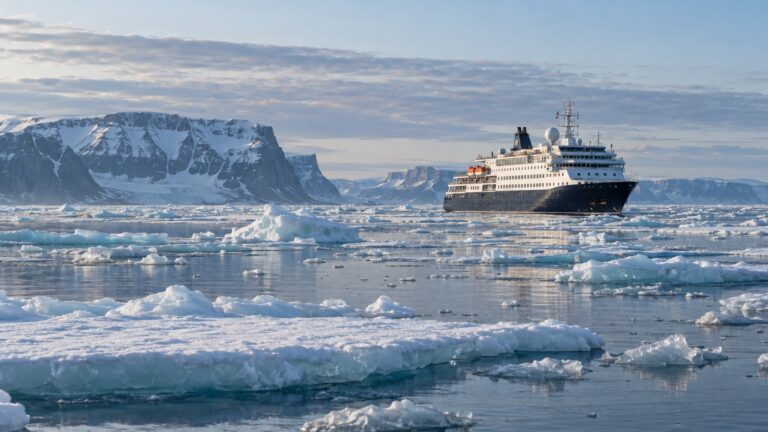
Mediterranean city routes, Alaska, Norway, Baltic itineraries, Japan, and Canada and New England generally give non-swimmers the broadest choice. In the Caribbean, favor ports with strong food, heritage, nature, or panoramic tours instead of itineraries dominated by private islands and reef excursions.
The right question is not whether a destination has water. It is whether the port has several worthwhile experiences that do not require getting into it.
Quick Facts: what non-swimmers need
A non-swimmer-friendly port should offer at least three different dry-land options. Ideally, one is close to the ship, one is weatherproof, and one delivers the destination’s signature scenery or culture.
Use these criteria:
- Important sights that do not revolve around swimming
- Reliable land transportation or a walkable center
- Museums, food, architecture, rail, wildlife, or scenic drives
- A useful rainy-day alternative
- Excursions where boat travel is transportation rather than a swim stop
- Enough variety for several ports in the same itinerary
Do not reject every boat excursion automatically. A stable sightseeing vessel with indoor seating is a very different experience from a catamaran marketed around snorkeling and a swim ladder.
1. Mediterranean history routes
The Mediterranean is one of the easiest cruise regions to enjoy without swimming. Ancient sites, old towns, markets, museums, churches, food tours, and scenic drives can fill every port day.
Barcelona combines architecture, neighborhoods, markets, and museums. Athens offers the Acropolis and major archaeological collections, while Naples can lead to Pompeii, Herculaneum, the historic center, or the Royal Palace of Caserta.
Port logistics matter because some marquee cities sit far from the ship. Review the Piraeus cruise port guide before treating Athens as a casual walk-off day, and use the La Spezia guide to compare Cinque Terre with Florence or Pisa.
Best for
Choose a Mediterranean itinerary if you want art, archaeology, architecture, food, or history. It is particularly strong for travelers who prefer a full sightseeing day and do not mind arranging timed tickets or transportation.
Watch for
Summer heat and long walks can be more important limitations than swimming. Stone sites may have little shade, so shoulder-season dates can be more comfortable if attraction schedules still fit your port hours.
2. Alaska
Alaska’s headline experiences happen on land, rail, and wildlife boats. Glaciers, whale watching, scenic trains, forest walks, flightseeing, museums, and Gold Rush history do not require swimming.
A whale-watching trip does place you on the water, but passengers normally observe from a vessel. Choose a larger boat with indoor seating if motion, cold, or spray is a concern.
Skagway is especially friendly to travelers who enjoy rail and history, as explained in the Skagway cruise port guide. Icy Strait Point adds wildlife, cultural programs, forest scenery, and a compact port environment in our Icy Strait Point guide.
Scenic cruising days also count. The National Park Service explains the natural and cultural setting of Glacier Bay National Park, where the shipboard experience can be a major itinerary highlight.
Best for
Choose Alaska for wildlife, mountain scenery, glaciers, rail journeys, and cooler weather. It works well when one traveler wants active outdoor adventures and another prefers seated scenic experiences.
Watch for
Rain, low clouds, and changing sea conditions can affect tours. Bring waterproof layers and avoid building the entire trip around one flightseeing departure.
3. Norway and the fjords
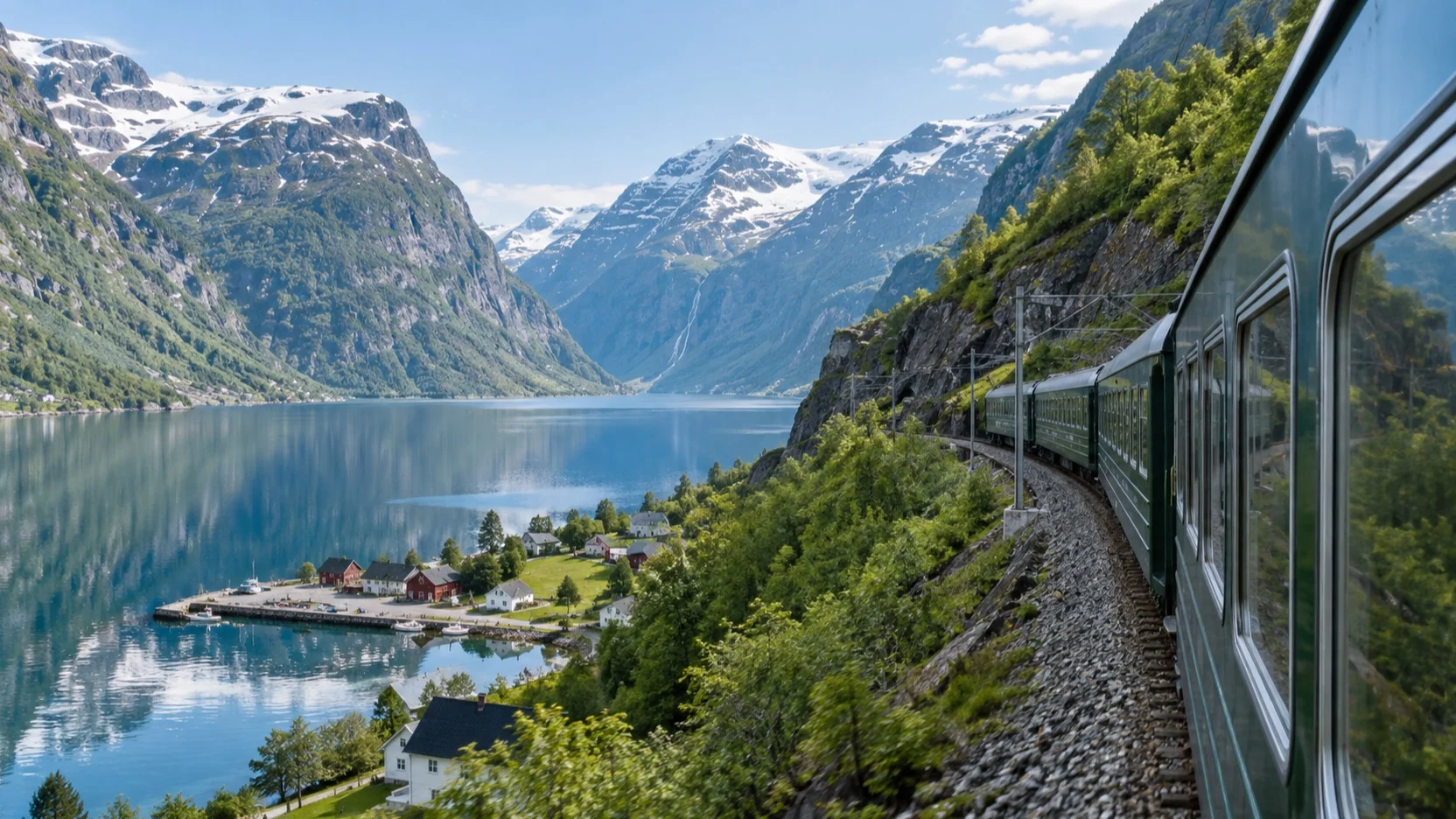
Norwegian fjord ports deliver waterfalls, mountains, viewpoints, railways, museums, and scenic drives. Much of the drama is visible from the ship before breakfast.
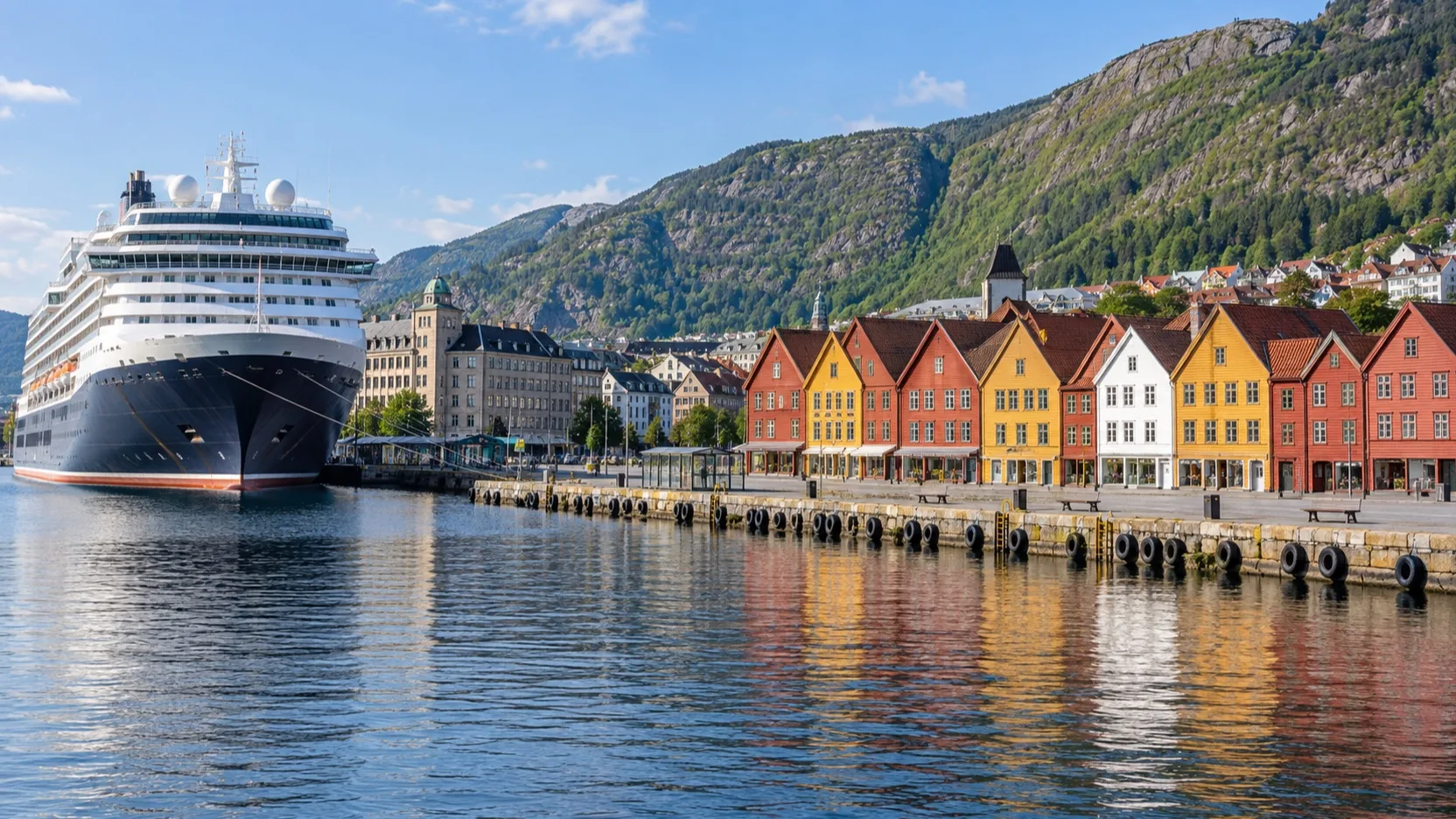
Flåm is known for its railway and fjord setting, while Bergen offers Bryggen, museums, a fish market, and elevated views. Smaller ports may focus on scenic motorcoaches, waterfalls, or village walks.
The official Visit Norway site is useful for checking destination pages and seasonal transport. Verify cruise-day schedules because ferries, mountain roads, and attractions may operate less frequently outside peak summer.
Best for
Choose Norway for scenery that does not demand intense activity. A traveler can enjoy a panoramic day while companions kayak or hike.
Watch for
Some famous viewpoints require steep walking after a bus or funicular. Read the final approach, not just the transportation description.
I judge a boat trip by what happens above the water as well as below it.
4. Baltic and northern European cities
Copenhagen, Stockholm, Helsinki, Tallinn, and other Baltic calls emphasize design, palaces, old towns, museums, food, and waterfront architecture. Swimming is optional and rarely the point of the itinerary.
Stockholm’s archipelago arrival can be an experience by itself. Tallinn’s old town is wonderfully atmospheric, though cobblestones and slopes deserve attention for anyone with mobility limits.
Many museums in this region offer excellent indoor alternatives when the weather turns. Check the official tourism or attraction site for Monday closures and seasonal hours before finalizing an independent route.

Best for
Choose the Baltic for compact cities, culture, design, and manageable independent days. It suits travelers who like to alternate guided history with café time.
Watch for
Berth locations vary, and some city centers require a shuttle or public transport. Confirm the actual terminal rather than planning from a generic port pin.
5. Japan
Japan cruise itineraries reward non-swimmers with temples, gardens, castles, markets, food, museums, and efficient rail connections. The challenge is choosing among too many land experiences, not finding one.
Ports such as Yokohama, Kobe, Osaka, Nagasaki, and Hakodate can support very different days. A local city plan is often more resilient than a long dash to another metropolis.
Use the official Japan National Tourism Organization for current destination and practical information. Then verify port-to-station logistics and the return schedule for the exact date.
Best for
Choose Japan for food, urban exploration, gardens, craftsmanship, and deep cultural variety. It works especially well for repeat cruisers tired of interchangeable beach days.
Watch for
Popular attractions may require reservations, and long-distance rail plans can become fragile during a short call. Keep one local backup in every port.
6. Canada and New England
Canada and New England sailings focus on coastal cities, history, food, lighthouses, autumn color, and scenic drives. Halifax, Québec City, Boston, Bar Harbor, and Charlottetown provide plenty to do on dry land.
Seasonal weather can change quickly, but museums and food-focused stops make useful backups. Some smaller ports use tenders, so travelers who dislike small boats should inspect the itinerary’s port notes.
Best for
Choose this region for cooler-weather sightseeing, seafood, architecture, and fall scenery. It is a comfortable bridge between city cruising and nature cruising.
Watch for
Foliage timing is never guaranteed, and shoulder-season businesses may reduce hours. Build the trip around the destinations rather than one promised week of peak color.
7. Caribbean land days
The Caribbean can still be excellent for non-swimmers, but port selection matters more. Look for destinations with substantial history, food, landscapes, wildlife, or town access.
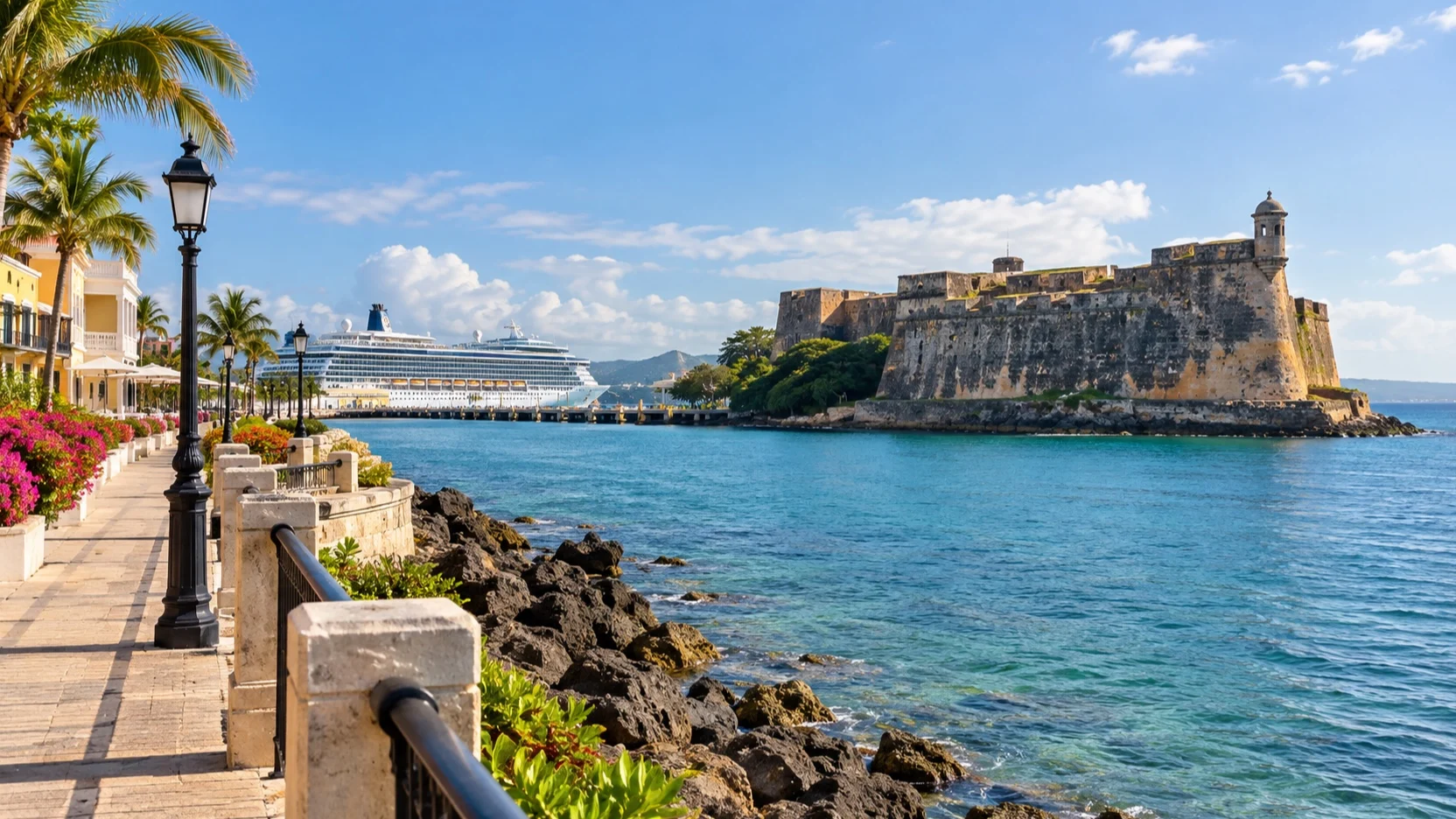
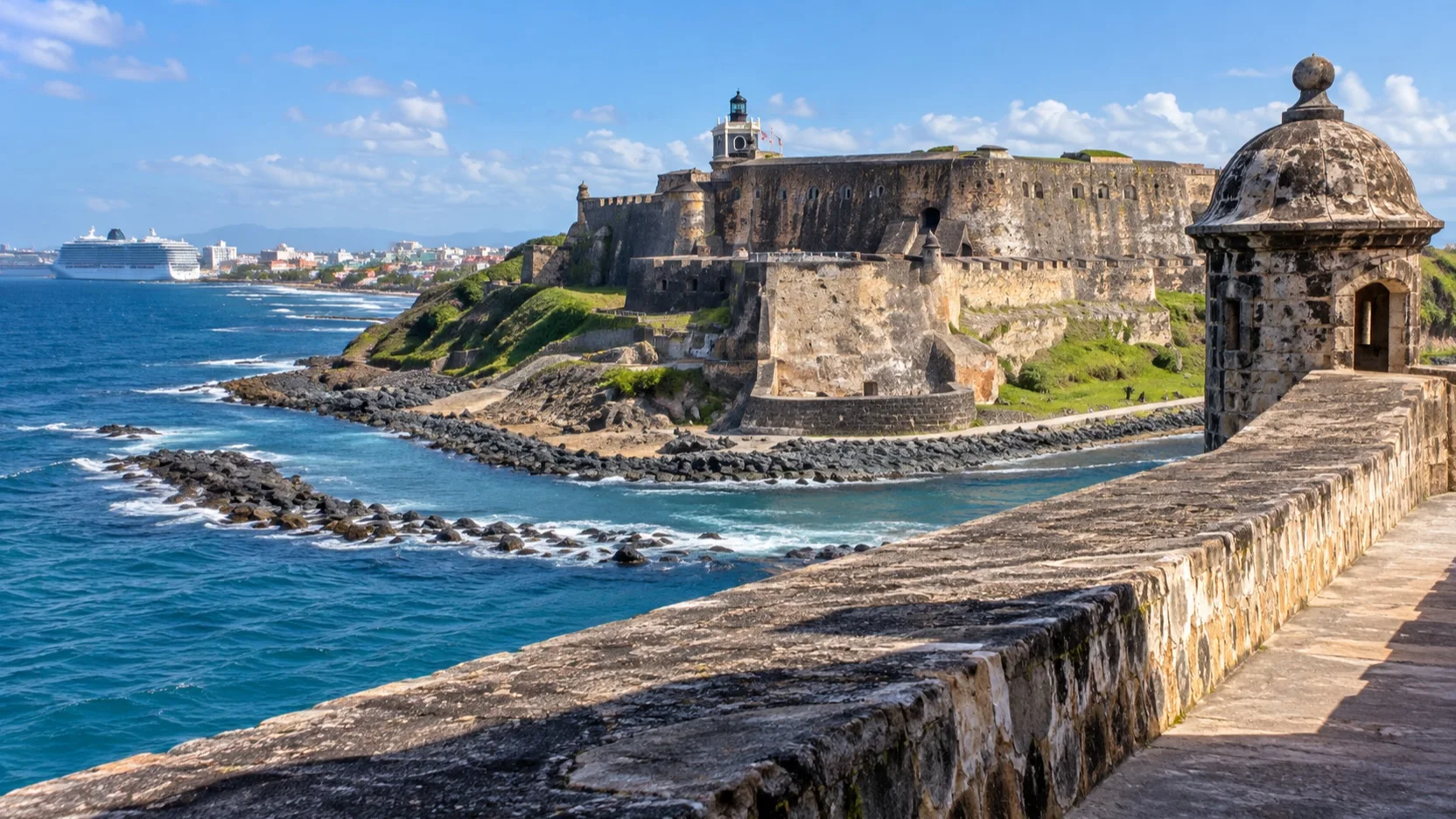
San Juan offers forts and an old city, Aruba has desert scenery and cultural stops, Curaçao has Willemstad’s architecture, and Jamaica offers gardens, food, waterfalls viewed from land, and scenic drives. Cozumel has Maya sites, food tours, museums, and an island loop even though reef activities dominate its marketing.
Private islands can be the weakest fit if almost every headline experience is beach or pool based. They may still provide tram rides, shopping, food, shade, entertainment, or a pleasantly quiet ship.
Best for
Choose a southern or western Caribbean route with varied established ports. Read each call individually rather than assuming the whole region is beach-only.
Watch for
Some “sightseeing” excursions include a compulsory beach stop lasting half the tour. Check the minute-by-minute description and ask whether staying on the vehicle is allowed.
Destinations that require closer reading
Private islands
The experience is often intentionally built around sand and water. Non-swimmers who enjoy lounging, reading, eating, or walking may still have fun, but activity variety can be limited.
The our private-island guides shows the typical beach-day structure. Compare the included facilities with what you would enjoy aboard before paying for extras.
Reef-centered ports
Grand Cayman, Cozumel, Bonaire, and Roatán are famous for water activities, yet none is exclusively for swimmers. The key is whether the available land tour feels like a genuine first choice rather than consolation.
Research island drives, food, wildlife, history, and cultural attractions. If two or three calls on one itinerary all leave you with a thin land menu, choose a different route.
Tender-heavy itineraries
A non-swimmer does not need swimming ability to ride a tender, but comfort around small moving boats still matters. Boarding may involve steps and a gap between platforms.
Read the cruise line’s water-shuttle rules and consider mobility, motion sensitivity, and sea-condition risk. A tender port can be canceled even when the weather looks pleasant from a balcony.
Choosing a boat trip
Look for a sightseeing, wildlife, canal, harbor, or glass-bottom-boat product where swimming is not the central promise. Ask whether passengers can stay aboard for every stop and whether the best viewing is available from a seat.
I would never make the non-swimmer the designated bag guardian while everyone else has the actual outing.
Check vessel size, shade, indoor space, restroom, boarding method, trip duration, and motion exposure. Avoid paying full price for a snorkeling boat if most of the schedule is designed around time in the water.
If you wear a life jacket, remember that it is safety equipment rather than a substitute for a swimming skill or supervision. Follow the operator’s instructions and disclose concerns before boarding.
How to choose an itinerary as a non-swimmer
Score every port from zero to three:
Score 3: several exciting dry-land choices. Score 2: one strong choice plus a reasonable backup.
Score 1: a passable option, but water activities dominate. Score 0: nothing ashore interests you.
Add the scores, then look at the pattern. An itinerary with one weak private-island day can still be excellent, while a route with four consecutive one-point ports may feel repetitive.
Also score scenic cruising and ship amenities. A route with Glacier Bay or a Norwegian fjord passage can provide a signature experience without leaving the ship.
Mixed swimming groups
Do not force the whole group into the same activity every day. Split up safely for a few hours, then meet for lunch or a short shared stop near the ship.
Choose one port for a water excursion and another for the non-swimmer’s top land experience. This feels fairer than asking one person to sit on a snorkeling boat while everyone else disappears into the water.
For a shared boat trip, prioritize wildlife, scenery, or a meal rather than swimming. Everyone should know what the core experience is before booking.
Separate swimming ability from water exposure
A non-swimmer can enjoy a ferry, whale-watch boat, or tender, but the outing still involves water risk, vessel movement, and emergency procedures. Confirm life-jacket rules, whether passengers ever transfer to a smaller craft, and whether staying aboard is allowed at every swim stop.
Do not assume a beach, pool, or excursion has a lifeguard because it is sold through a cruise line. Follow the operator’s supervision rules, tell staff that you cannot swim, and choose a seated land or boat experience if the safety briefing does not answer your concerns.
For mixed groups, book the shared part around scenery, wildlife, food, or culture, then let swimmers add a separate activity. That gives the non-swimmer a real experience instead of turning them into the person who watches everyone’s bags.
Quick answers
Is a cruise worth it if I cannot swim?
Absolutely. Cruise ships carry safety equipment and offer many activities that have nothing to do with swimming, while most ports include land-based experiences.
Choose an itinerary based on the port menu and your interests. Tell the cruise line or operator about any water-related safety concerns before participating in an activity.
Can a non-swimmer go whale watching?
Usually, yes. Whale watching is conducted from a boat and does not normally involve entering the water.
Review the vessel, life-jacket rules, boarding setup, sea conditions, and motion-sickness plan. Follow the operator’s safety briefing.
Will the Caribbean feel limited?
They do not have to be. Historic cities, island drives, food tours, wildlife, museums, and resort facilities can create satisfying dry-land days.
The itinerary matters more than the regional label. Compare each port before booking.
Should I stay aboard on private-island days?
Stay aboard if the quiet ship, pools, spa, dining, and relaxed pace appeal more than the island. Go ashore if you enjoy a beach atmosphere even without swimming.
There is no prize for leaving the ship in every port. Treat the day as a choice between two resort experiences.
How this guide was researched
We compared our destination guides with current regional planning information from the National Park Service, Visit Norway, and the Japan National Tourism Organization. Links and destination options were checked in September 2026, but excursions, reservations, berth assignments, and seasonal transport change by sailing.
Editorial standards: Research and time-sensitive details were reviewed in September 2026. See our Editorial Policy for how Cruise Ports researches, checks, and updates guides.
More on this topic: browse every guide on accessible and family cruise planning.