Which Cruise Ports Actually Require an Excursion?
No port requires an excursion merely to prove you went ashore. I pay for one when a boat, permit, long transfer, or complicated clock stands between the pier and the experience I actually came for.
The short answer
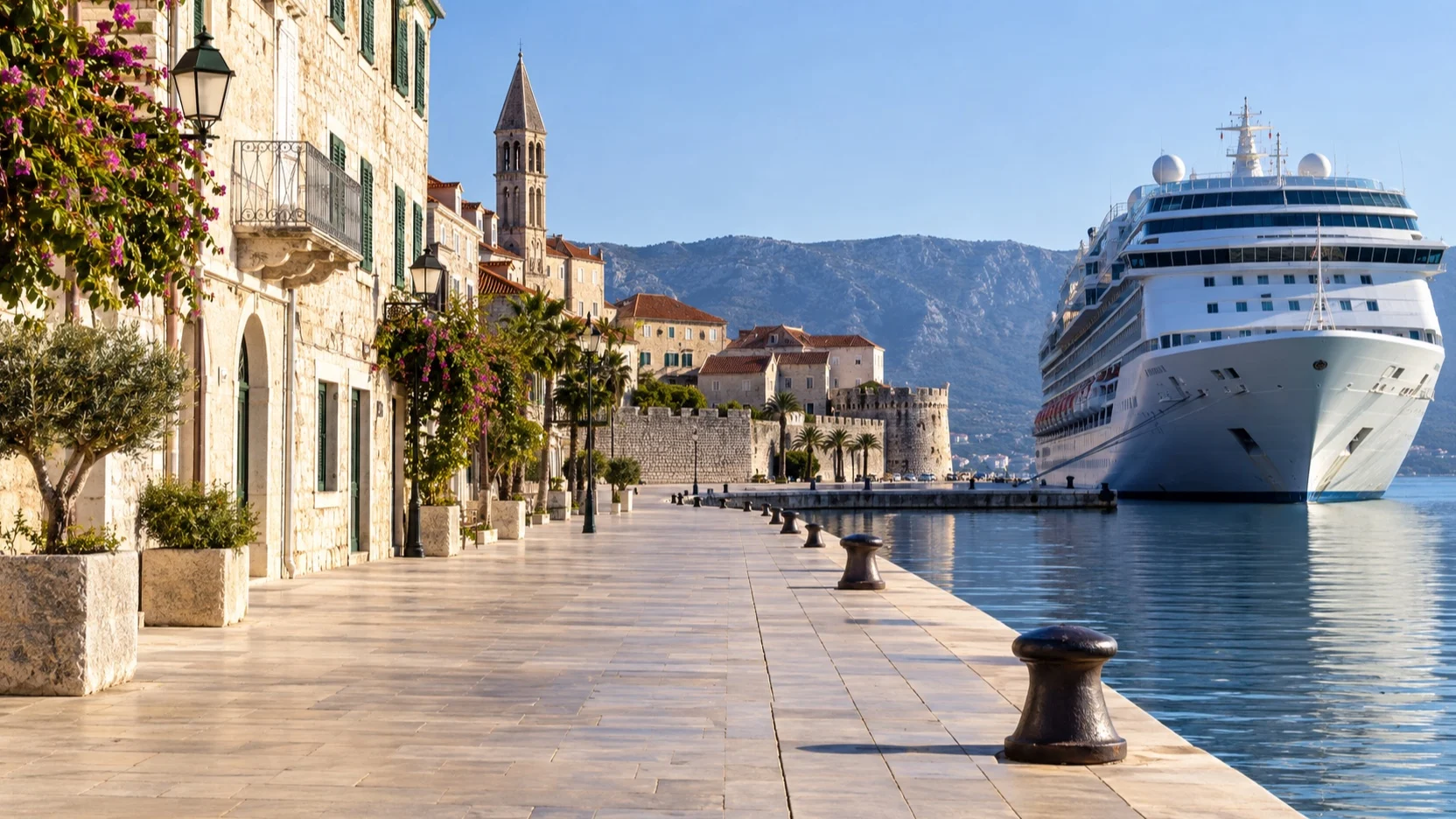
An excursion is closest to essential when the experience sits far from the port, depends on specialized transport, crosses a border, uses scarce capacity, or leaves no comfortable return alternative. Common examples include Ephesus from Kusadasi, some Maya ruins, wildlife boats, glacier flights, remote beaches, and distant gateway cities.
If you are happy enjoying the port town, waterfront, nearby museum, local food, or the ship itself, virtually no stop forces a tour. The word require should describe the chosen experience, not the destination.
Quick Facts: five tests for needing a tour
- The attraction cannot be reached on foot or with one reliable local ride.
- A boat, aircraft, four-wheel-drive vehicle, permit, or specialized equipment controls access.
- The route uses several connections with a narrow return margin.
- The experience has scarce timed capacity that must align with the ship.
- The site becomes far more meaningful with qualified interpretation.
A port meeting one test may still work independently, while a day meeting three or four deserves organized planning. Score the actual itinerary rather than copying another traveler’s comfort level.
Remote gateway ports
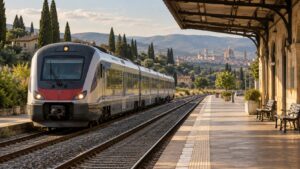
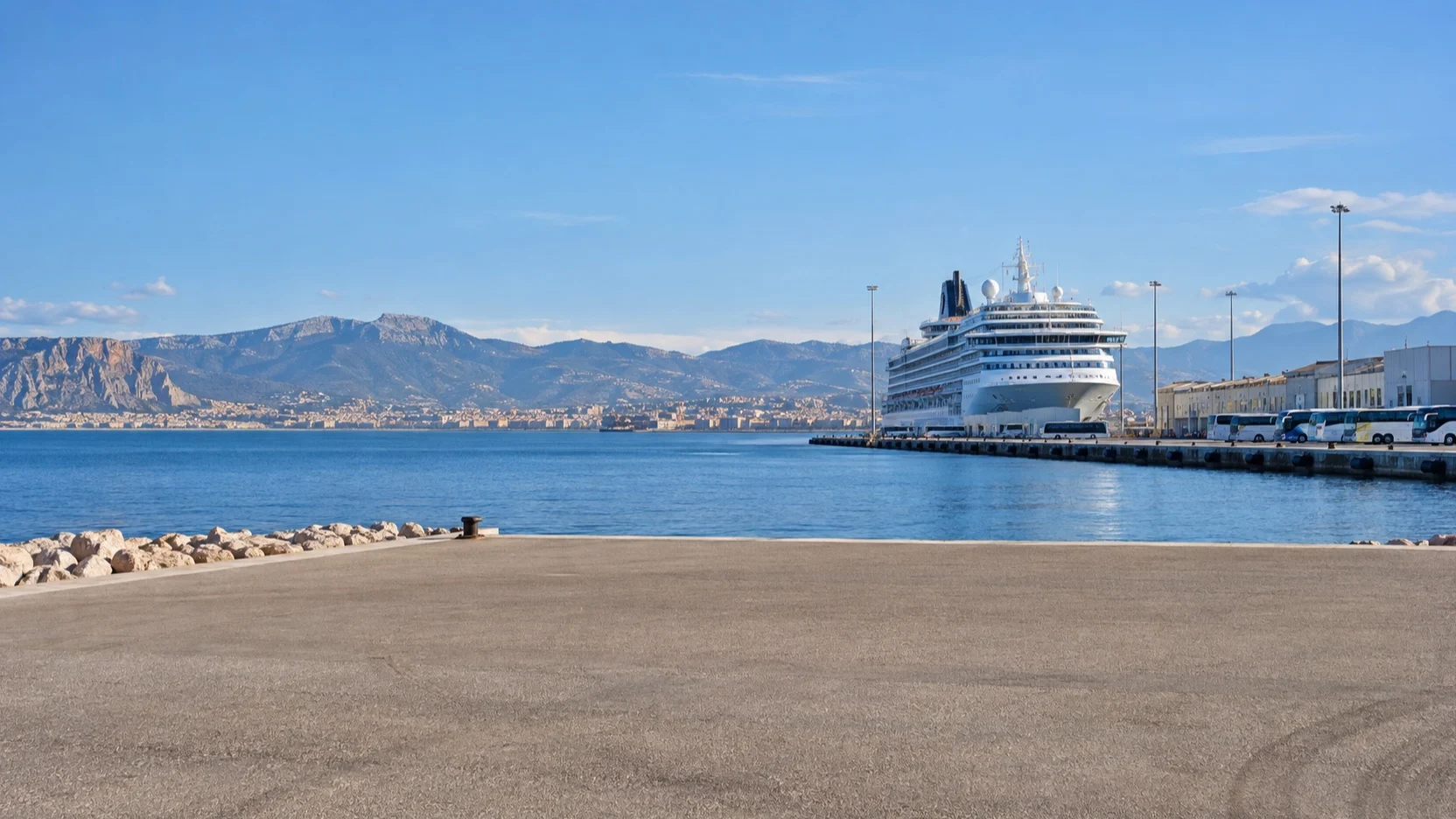
Gateway ports are itinerary labels where the ship stops far from the attraction passengers associate with the name. Civitavecchia for Rome, Livorno for Florence, Le Havre for Paris, and Zeebrugge for Bruges all require door-to-door thinking.
Our Civitavecchia cruise port guide shows why station transfers and Rome tickets matter. Independent trains can work, but an organized transfer may be closer to essential for limited mobility, a short call, or a complex timed itinerary.
The decisive question is whether missing one connection merely shortens the day or threatens the return. Long routes with no practical backup should receive the greatest caution.
For the detail behind that, see Is Paris Realistic During a Cruise Stop in Le Havre.
Archaeological sites away from the pier
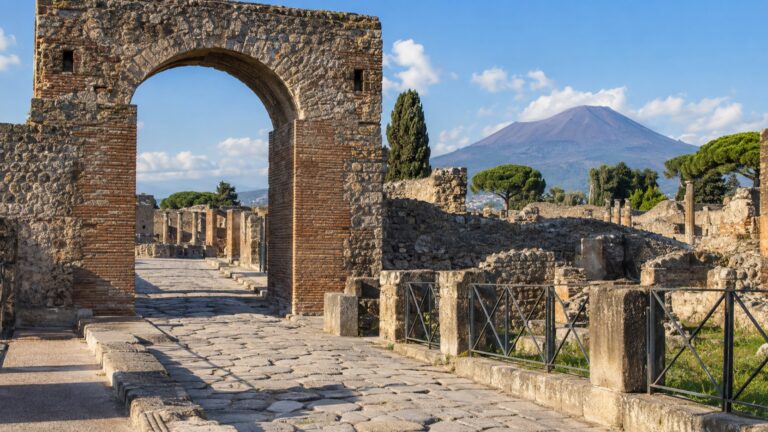
Kusadasi is easy to enjoy locally, but Ephesus requires road transportation and a plan for tickets, entrances, heat, surfaces, and return. A licensed guide adds value because the site’s scale and history are difficult to absorb during a rushed self-guided visit.
Read our Kusadasi cruise port guide and use the official Turkish Museums portal for current access. The excursion is not required for Kusadasi, but organized transportation is practically necessary for Ephesus unless you arrange an equivalent ride.
Pompeii from Naples is more accessible independently, yet a guide can turn a huge archaeological landscape into a coherent visit. Use the official Pompeii visitor information for current entrances, tickets, rules, and accessibility.
Maya ruins from Caribbean ports
Costa Maya, Progreso, Belize, and other regional ports can provide access to Maya sites well beyond the cruise facilities. The route, road conditions, heat, site hours, and return schedule make transportation the essential purchase.
Our Costa Maya guide compares the port area, Mahahual, and ruins. If archaeology is not your priority, Costa Maya becomes one of the easiest places to avoid an excursion.
Check heritage details through the relevant national authority, such as Mexico’s National Institute of Anthropology and History. Do not assume every operator includes licensed guiding, admission, and enough time at the site.
Wildlife and wilderness access
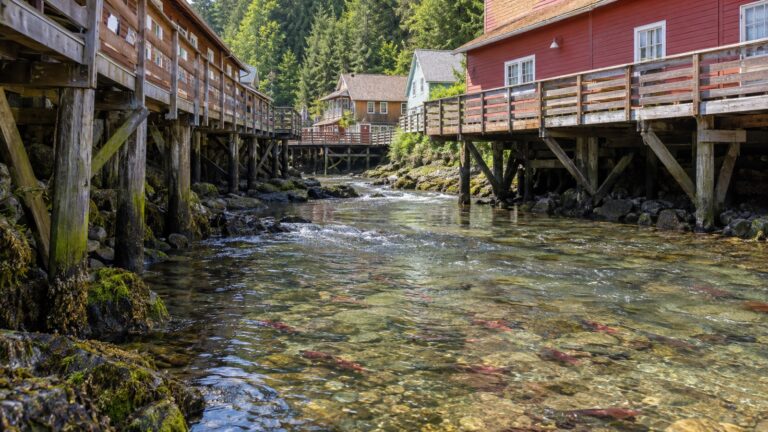
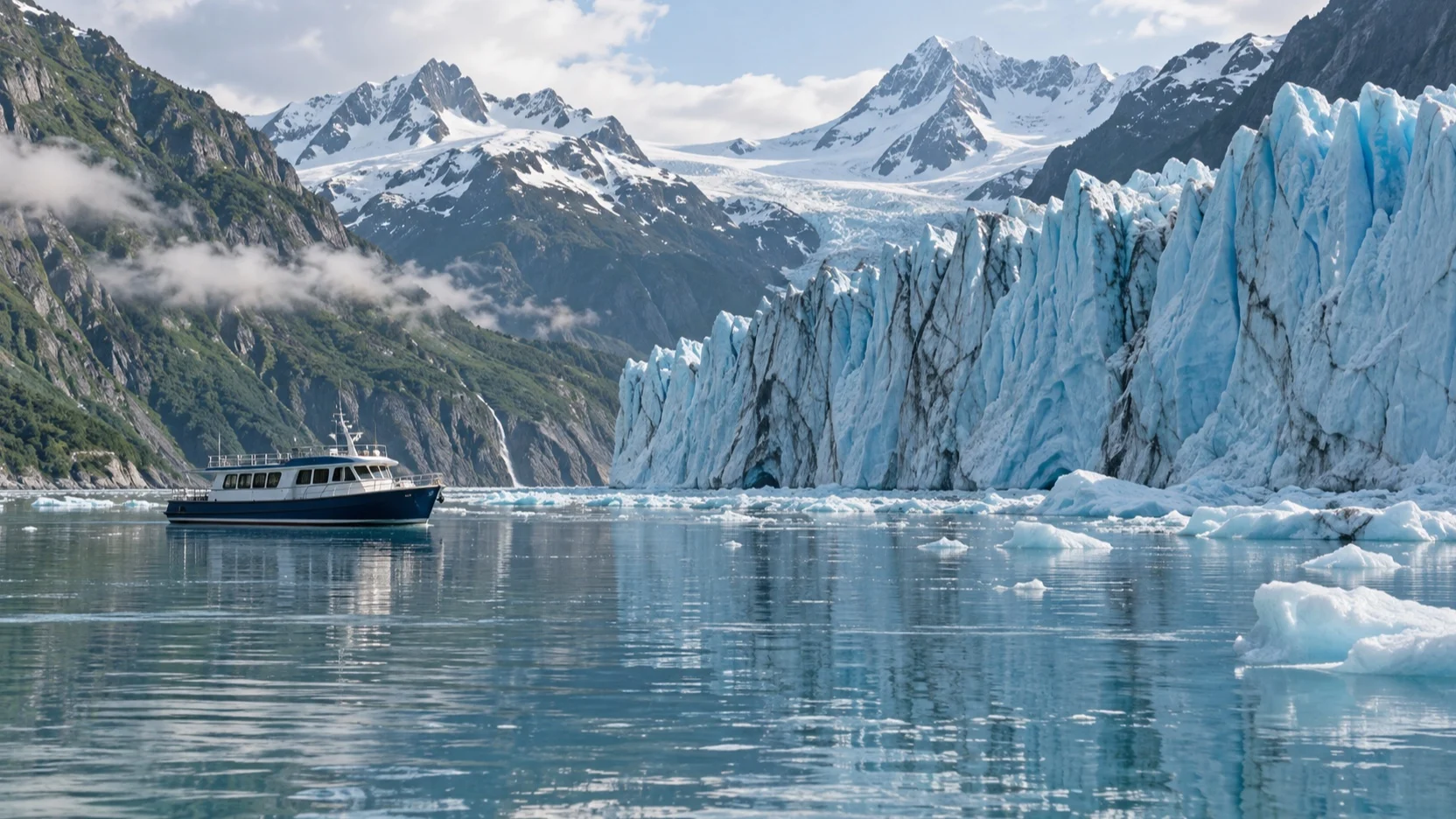
Whale watching, bear viewing, remote fishing, glacier flights, and many reef experiences require boats, aircraft, permits, or expert site selection. This is genuine excursion dependency because the operator supplies access and safety infrastructure.
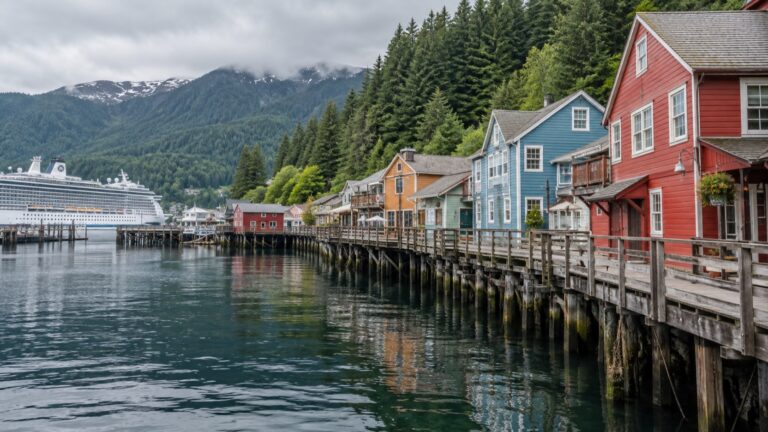
Alaska has many examples, from Juneau whale boats to flightseeing and remote wildlife products. Our Alaska cruise ports guide helps compare which stop should receive the premium nature booking.
I separate difficult from impossible because cruise marketing has been known to blur the two.
Wildlife is never guaranteed, and a responsible operator should not force proximity. Review the NOAA Fisheries marine-life viewing guidelines before evaluating marine tours.
For the detail behind that, see Juneau, Skagway or Ketchikan.
Tender ports with distant plans
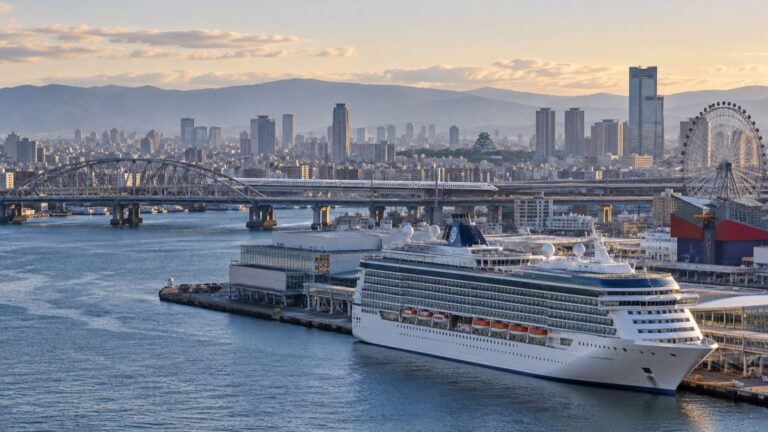
Tendering does not automatically require a ship excursion, but it adds a variable before independent transportation begins. Santorini, Grand Cayman, and other tender calls can lose usable time to boarding, weather, and lines.
Our easy tender ports guide shows that many tender days remain manageable. The need rises when your independent plan starts with a fixed departure or ends far from the tender pier.
Cross-border and multi-connection routes
Skagway excursions can cross into Canada, while some European gateway days depend on several trains, boats, or vehicles. Documentation, schedules, border procedures, and return alternatives should be verified rather than assumed.
A ship tour is not the only safe form of organization, but it may simplify responsibility on a fragile route. Read the cruise line’s current excursion terms because policies differ.
Ports that may not need a tour
Walkable historic centers
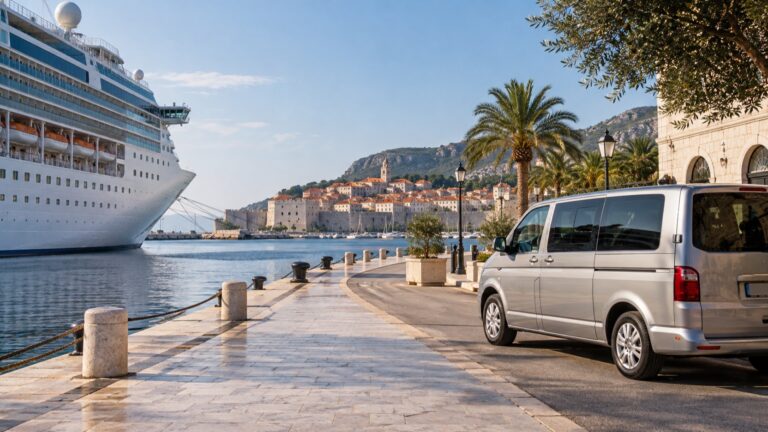
Old San Juan, Rhodes Old Town, central Barcelona after the port transfer, Valletta, Dubrovnik, and Willemstad can support rich independent days. Heat, slopes, cobbles, and berth differences still affect accessibility.
Established beach ports
Cozumel, Saint Thomas, Aruba, and many Caribbean stops can support taxi-based beach days when the exact beach has suitable facilities and reliable return transportation. A formal excursion is useful only if it provides reserved comfort, equipment, or a boat experience you value.
Purpose-built cruise areas
Private islands and port complexes may place pools, beaches, restaurants, and shops close to the ship. Staying nearby is a valid low-planning choice, even if it does not explore the wider destination.
What makes a ship tour worth the premium
The strongest ship-tour case combines a distant route, limited return alternatives, and a schedule that the cruise line coordinates. The weakest case is a nearby attraction reached easily by one taxi where the package adds a large group and little interpretation.
Read exactly what happens if the ship arrives late, skips the port, or the cruise-sponsored tour is delayed. Protections and refunds differ by line, product, and circumstance.
Choosing a local operator
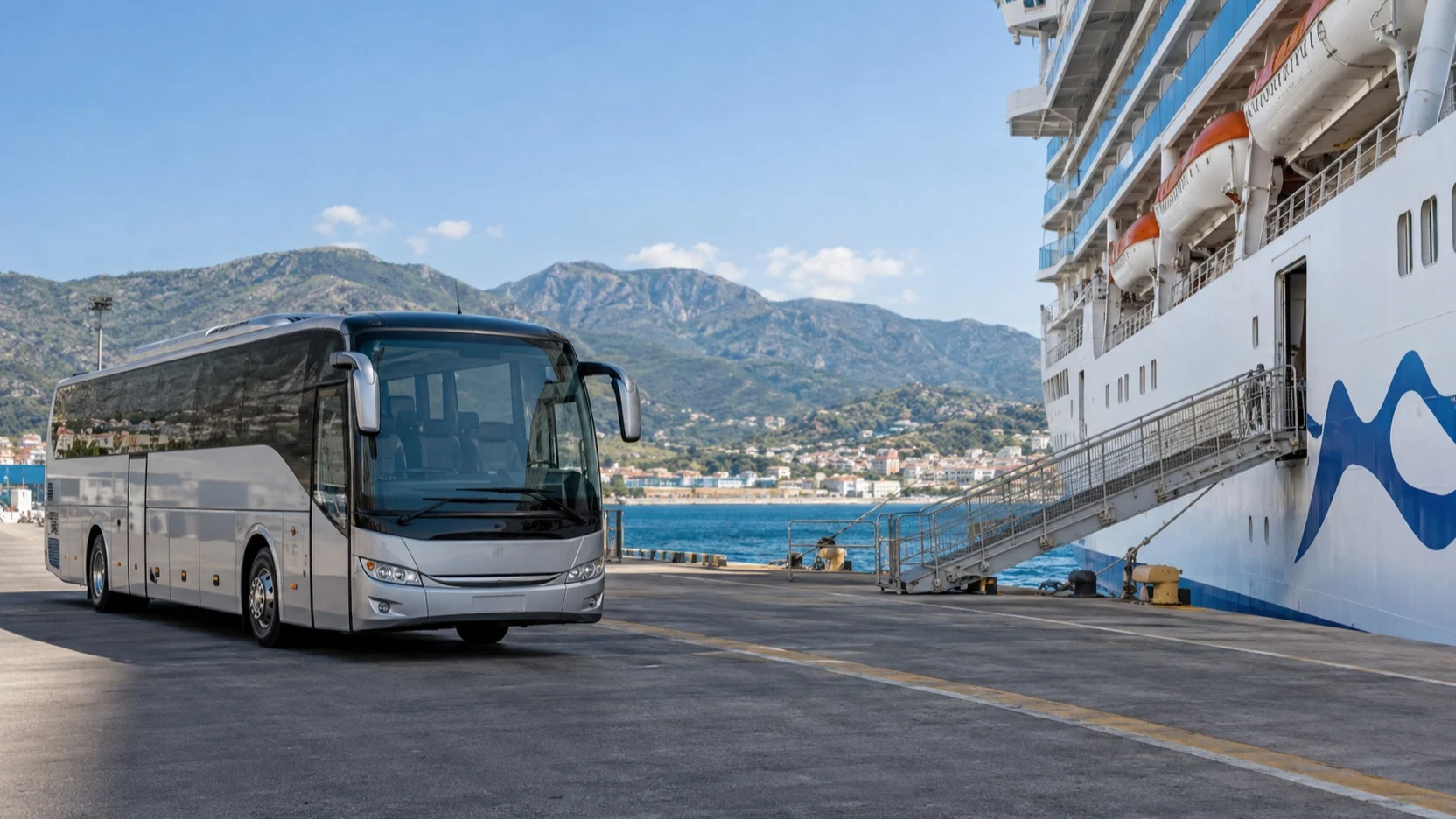
Look for a verifiable business identity, appropriate licensing, written pickup instructions, realistic group size, transparent inclusions, current accessibility details, and a conservative return target. Recent reviews should describe the same activity rather than the destination generally.
Ask what happens after a late ship arrival or canceled port call. A vague promise to get everyone back is less useful than a route, turnaround time, and written policy.
Accessibility changes the answer
A port that is easy for an active traveler may effectively require transportation for someone who cannot walk far. Ask about vehicle steps, mobility-device storage, surfaces, restrooms, seating, shade, boat transfers, and true walking total.
Do not accept an easy label without details. A private accessible route may be worth more than admission to the attraction itself.
Weather can create temporary dependence
Heat, heavy rain, rough water, or local closures can turn an independent route into a poor choice. That does not mean buying any available tour is safer, because operators face the same weather.
Choose products with clear cancellation and alternate plans, then keep a local fallback. A port town, museum, meal, or quiet ship day can rescue an itinerary without forcing a bad excursion.
The return-to-ship test
Identify the ship’s local all-aboard time.
Calculate gangway to attraction and back.
Add shuttles, security, lines, and tendering.
Choose a firm turnaround time earlier than the last possible return.
Keep a backup near the port.
A simple itinerary audit
Write the headline goal beside every port, then label its route as walkable, one-ride, multi-connection, or specialized access. Any day in the final two categories deserves a closer excursion comparison before you spend.
If the headline sight needs a logistical relay race, I either book help or enjoy the port that is actually beside me.
Next, remove repeated experiences and protect one weather-flexible stop. This audit often reveals that only one or two ports truly need advance organization, while the rest can stay enjoyably open.
A useful prebooking phone call
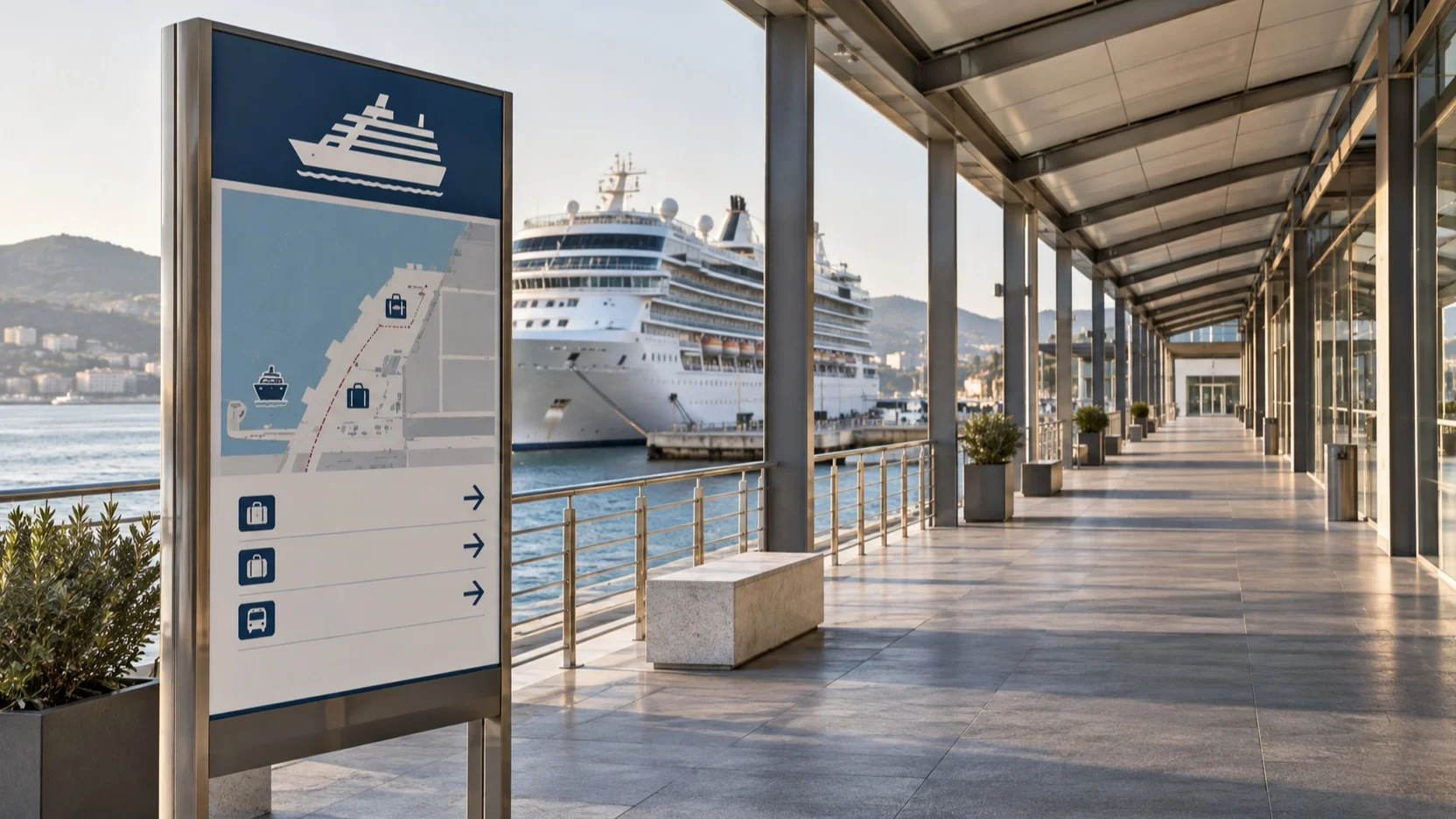
When accessibility, border documents, boat entry, or a distant pickup could decide the day, contact the actual operator before paying. Ask the questions in writing so the person planning the trip and the person operating it are working from the same expectations.
Save the response with the booking confirmation and reconfirm close to sailing. This small step catches more practical problems than relying on a generic activity icon or an old review.
The closest thing to a required excursion
No ordinary cruise port universally requires every passenger to buy an excursion. Specific experiences can effectively require an authorized or coordinated operator because independent access, permission, safety support, or return logistics are not realistically available.
Expedition landings: remote Zodiac landings, polar sites, and restricted islands depend on local permission, weather, trained staff, and the ship’s operating plan. A canceled landing may have no independent replacement.
Protected or permitted sites: wildlife areas, marine parks, archaeological zones, and Indigenous or local-community visits may require approved guides, fees, limited vehicles, or assigned time slots.
Cross-border days: routes that add immigration, ferries, or multiple transport links need correct documents and a return that survives one failed connection.
Specialized activities: flightseeing, small-boat wildlife trips, technical hikes, diving, and glacier travel need qualified operators, honest medical screening, equipment, weather limits, and clear cancellation terms.
Long gateway ports: distant ruins, mountain roads, and rural peninsulas are often sensible only with a ship excursion or a vetted local provider who agrees to a written turnaround time.
A ship tour buys the strongest return protection, while a private local tour may buy flexibility and a smaller group. Whichever you choose, keep a nearby fallback and understand what happens if weather, permits, or the ship’s arrival cancels the main plan.
The final recommendation
No port requires an excursion in the abstract. Certain experiences do, and those are usually distant, specialized, scarce, permit-controlled, or difficult to interpret alone.
Decide what you want from the stop, then ask whether money purchases access, expertise, or a safer schedule. If it only purchases a group and a bus, an independent day may be better.
Quick answers
Do difficult ports need ship tours?
Not necessarily because a reputable independent operator or carefully researched DIY route may work. The ship tour becomes more attractive as distance, connections, and schedule risk increase.
Which ports are hardest without excursions?
Remote gateway ports, wilderness access points, and calls whose headline attraction requires specialized transportation are the hardest. The local port area may still be easy.
Are tender ports unsafe independently?
No, but tendering reduces predictability and usable time. Avoid a plan that depends on the earliest possible arrival or a tight fixed departure.
Should first-time cruisers book every port?
No. One or two organized highlights plus flexible independent days often create a better balance and protect the budget.
What if my excursion is canceled?
Know the operator’s refund policy and keep an independent fallback. Weather and itinerary changes are normal possibilities around boats, aircraft, wildlife, and tendering.
How this guide was researched: This guide was checked on September 11, 2026 against current official Turkish Museums, Pompeii Archaeological Park, Mexican heritage authority, and NOAA Fisheries resources, plus primary port, transport, and attraction sources used throughout Cruise Ports. Transport, tickets, permits, weather, tendering, accessibility, and excursion policies can change, so verify the exact experience and sailing-specific return rules before travel; see our Editorial Policy.
More on this topic: browse every guide on shore excursions and DIY port days.