Is Paris Realistic During a Cruise Stop in Le Havre?
Paris is possible from Le Havre, but possible and enjoyable are not the same thing. A cruise call gives you a fixed deadline, while the journey crosses Normandy and can consume five or more hours once port transfers, waiting, and city traffic are included.
The right answer depends on call length, arrival day, train reliability, and what you want from Paris. With a long call and a disciplined plan, you can see a small slice of the capital, while shorter days are better spent in Le Havre or closer Normandy.
Quick Facts
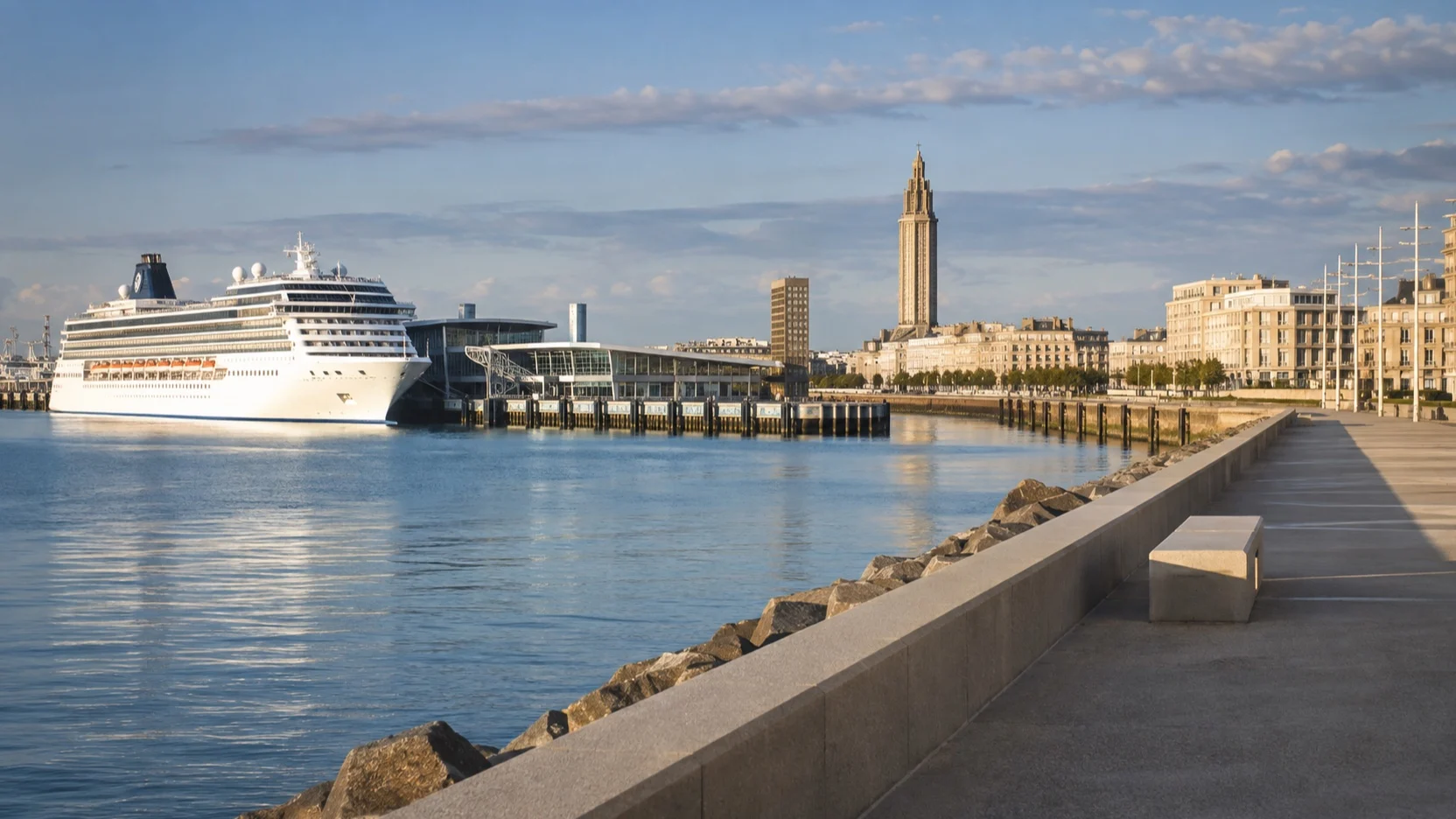
- Cruise port: Le Havre, Normandy, France
- Paris rail terminal: Paris Saint-Lazare
- Typical direct train time: Roughly two hours to two hours and twenty minutes each way
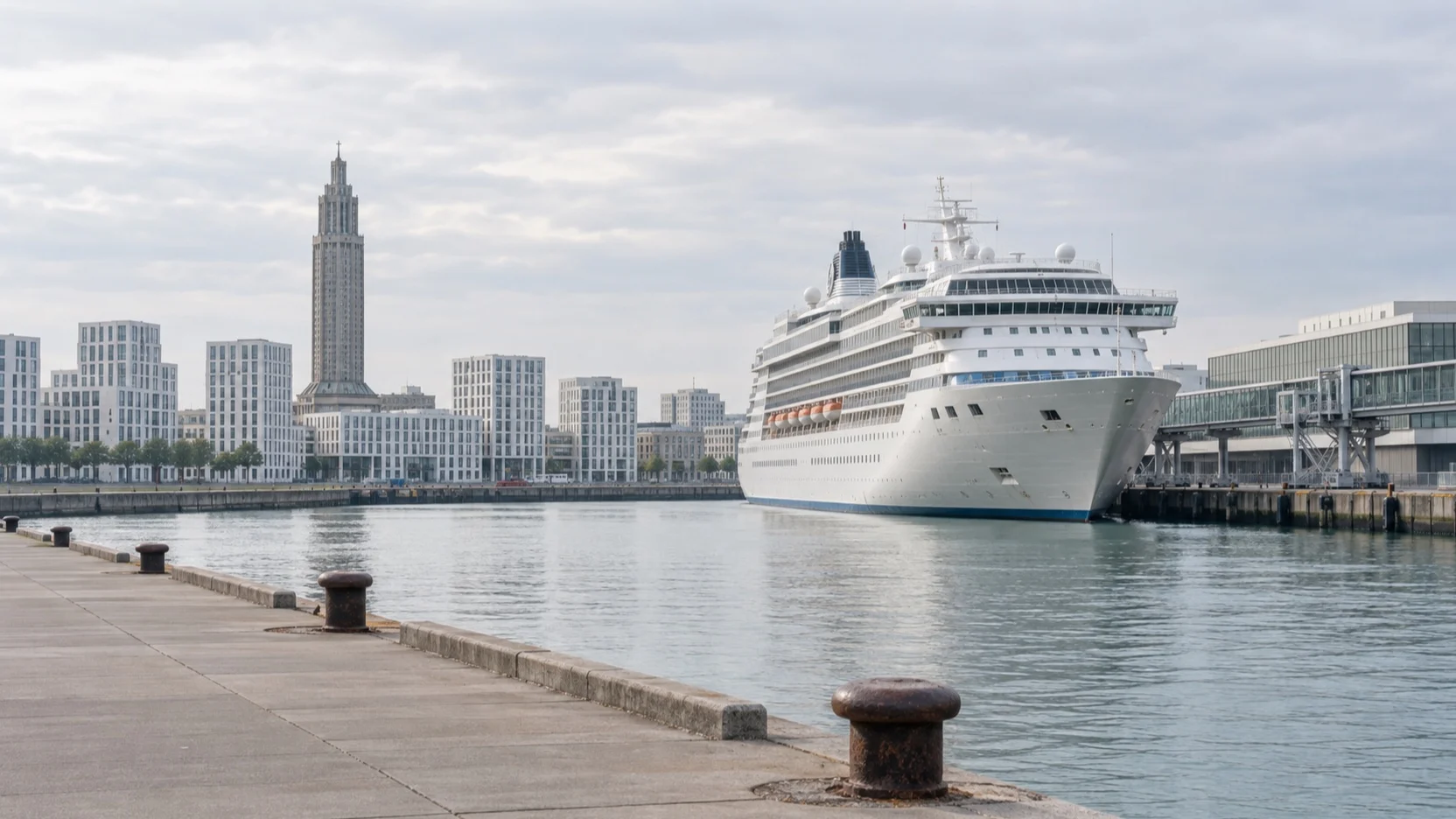
- Port to Le Havre station: Requires a local transfer or a purposeful walk
- Coach time: Often about two and a half to three hours each way, depending on traffic
- Comfortable call length: A long day, ideally eleven hours or more
- Best first choice: One compact Paris area, not a citywide checklist
- Main risk: Rail disruption or motorway congestion
- Safer alternatives: Le Havre, Honfleur, Étretat, or a focused Normandy tour
The honest answer
Paris is realistic when your ship has a long scheduled stay, you can leave promptly, and you accept that the capital portion may last only three to five hours. It is not realistic when the call is short, the final train creates a narrow margin, or your plan depends on several timed attractions.
A cruise-line excursion is the easiest way to coordinate the long transfer with ship operations. Independent rail can provide more freedom, but it transfers the delay risk to you.
How far Paris really is
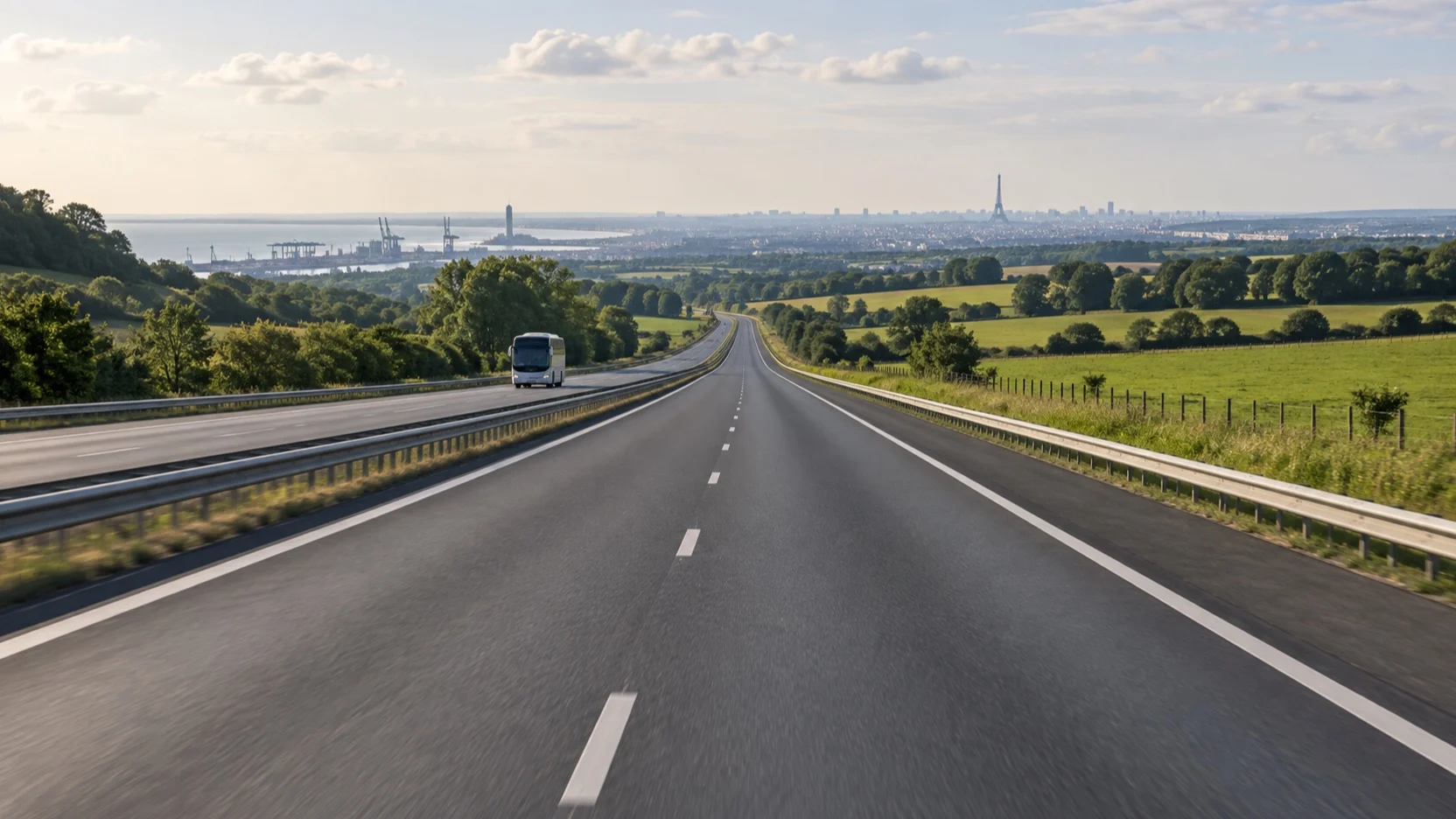
Le Havre sits on the Normandy coast, while central Paris is more than a hundred miles inland by road. Direct regional trains generally connect Le Havre with Paris Saint-Lazare in roughly two hours or a little longer.
That train time excludes travel from the ship to Le Havre station, platform waiting, the walk through Saint-Lazare, and onward Metro or taxi time. Door to door, each direction can easily require two and a half to three hours.
Start with the ship’s schedule
Use the all aboard time, not scheduled departure, as the hard boundary. Then create an earlier personal target that allows for port security, the local transfer, and one disrupted connection.
A call labeled twelve hours may provide less than ten usable hours after clearance and the early boarding deadline. A late arrival does not always produce an equally late departure.
My call length test
With fewer than nine scheduled hours, I would stay in Normandy. Between nine and eleven hours, Paris becomes a high effort option that needs excellent transport alignment, while eleven hours or more gives the plan a more responsible margin.
These are planning thresholds, not guarantees. Sunday service, strikes, engineering works, weather, and your mobility can change the answer.
Taking the train
SNCF trains depart from Le Havre station and arrive at Paris Saint-Lazare. Some services are direct, while others may require a connection, so read the complete journey rather than assuming every departure works the same way.
Buy through SNCF Connect or an official ticket channel and check whether your ticket is tied to a specific train. Save the booking offline and understand exchange or refund conditions.
Getting to Le Havre station
The cruise terminal is not the railway station. Depending on berth and current port arrangements, travelers use a cruise shuttle, taxi, local transport, or a purposeful walk between them.
Confirm the port gate, shuttle drop off, and station access on the actual call. A map measured from the water can hide the long route out of a secured terminal.
The morning departure
Do not book the first train after scheduled arrival with no margin. The ship must be cleared, passengers must leave, and a taxi or shuttle must still reach the station.
Choose a train you can realistically board even after a moderate delay. Keep a later outbound option in mind, but know how much Paris time it would remove.
The return train
Select the return before choosing any Paris attraction. Your primary train should leave room for a later backup service that still reaches the ship before all aboard.
If there is no usable backup, the plan is too fragile. Leave Paris earlier or choose a cruise excursion instead.
Rail disruptions
French rail service can be affected by strikes, engineering works, weather, technical failures, and last minute operating changes. Check SNCF traffic information before leaving the ship and again while in Paris.
A ticket for the final possible train is not a safety plan. Know the next departure, the station layout, and the cost of an emergency road transfer, while recognizing that a taxi cannot defeat severe motorway congestion.
Going by cruise coach
A ship excursion removes the need to navigate the station and normally coordinates directly with the vessel. The tradeoff is long coach time and a Paris itinerary shaped around group movement.
Some tours provide a panoramic drive with short photo stops, while others include free time or one reserved attraction. Read the duration at each stop because a tour marketed as Paris may spend most of the day in transit.
Traffic reality
The motorway can slow near Rouen and the Paris region, with added congestion inside the capital. Road time that looks acceptable early in the morning may expand during the return peak.
Ship tours monitor the schedule and communicate with the vessel, but they cannot make traffic disappear. Bring water, medication, and patience for a long vehicle day.
Private car or small group transfer
A private driver can collect you at the terminal, adjust the route, and avoid the rail transfer. It can be valuable for a small group or traveler with mobility needs, but the road delay risk remains.
Book a licensed provider with cruise experience and put the ship name, berth, all aboard time, and planned early return in writing. A confident promise is not a substitute for a realistic schedule.
What can you actually see in Paris
Treat Paris as one neighborhood plus one icon. Saint-Lazare places you relatively near the Opéra district, Madeleine, department stores, and connections toward the Seine.
Trying to combine the Eiffel Tower, Louvre, Notre-Dame area, Montmartre, Champs-Élysées, and a river cruise creates more transit than sightseeing. Pick the experience you would regret missing and let everything else support it.
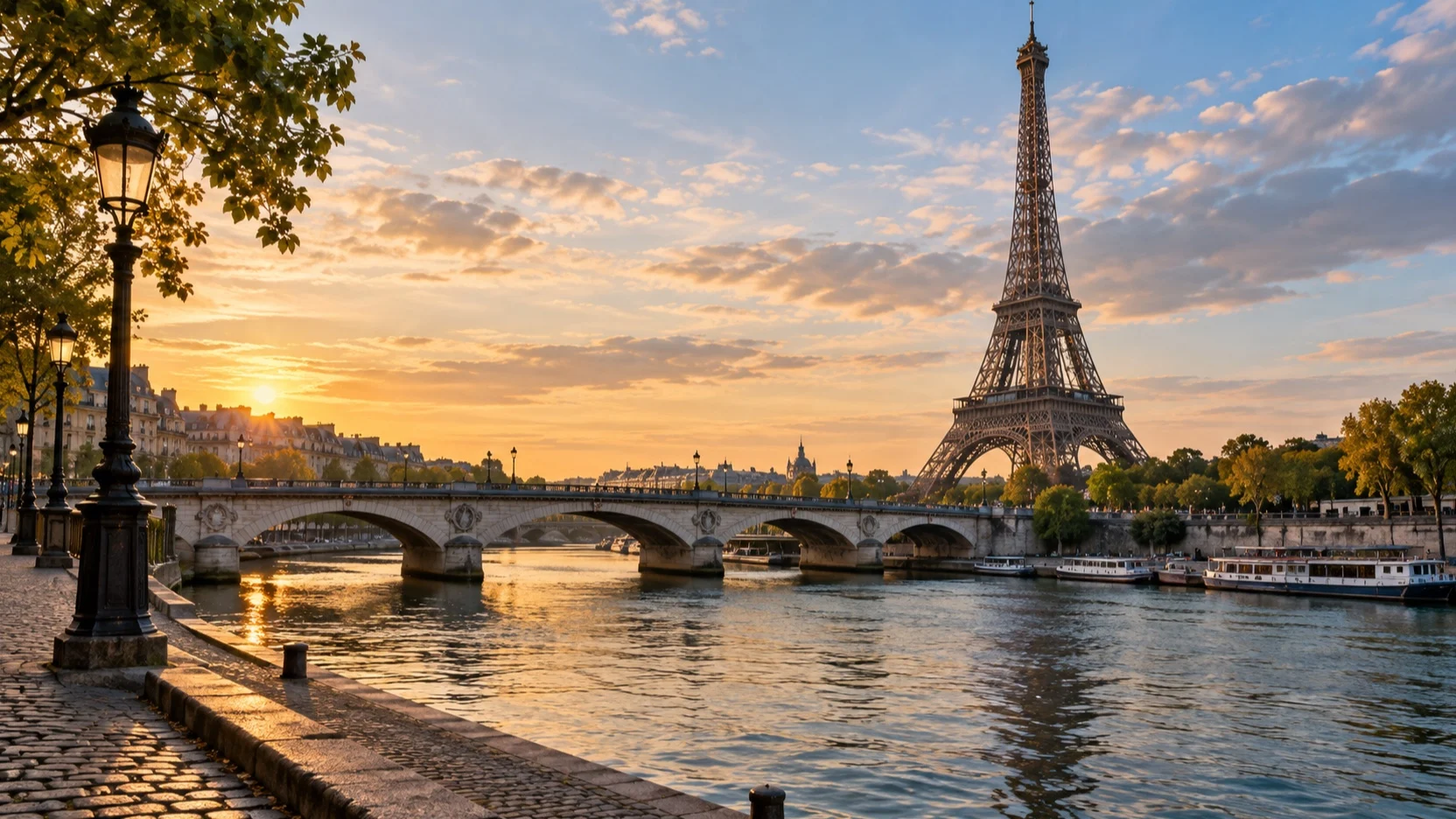
A river and monuments loop
A compact route can focus on the Seine, Tuileries Garden, Louvre exterior, Île de la Cité, and one meal or cafe. It delivers recognizable Paris without committing to a long interior visit.
Use the Metro sparingly and group stops geographically. Walking along the river can be slower than it appears because crossings, crowds, and security zones add time.
The Eiffel Tower
Seeing the Eiffel Tower from the ground is manageable with direct transport and a disciplined route. Going up requires a timed ticket, security screening, elevator or stair time, and a clear plan back to Saint-Lazare.
Buy only from the official tower site and avoid a late entry slot. If the schedule slips, enjoy an exterior view rather than sacrificing the return train.
The Louvre
The Louvre is too large for a complete cruise day visit, but a focused interior route can work with advance admission. Security, navigation, crowds, and the distance between galleries make a short ticket window feel even shorter.
Choose a few collections and leave at the alarm you set before entering. The glass pyramid exterior, Tuileries, and nearby Seine can provide a satisfying alternative without admission.
Montmartre
Montmartre is relatively convenient from Saint-Lazare compared with sights far across Paris, but hills, stairs, and crowds slow movement. A taxi or Metro can reach the area, followed by a compact walk around Sacré-Cœur and nearby streets.
Do not add the Eiffel Tower afterward unless the call is exceptionally long. Montmartre works best as the main Paris experience.
Paris transport
RATP operates the Metro, buses, and other urban services used by visitors. Stations can involve long corridors, stairs, construction, crowded platforms, and accessibility limitations.
Use the official journey planner and live service alerts. Keep a contactless or valid ticket option ready, and allow time to find the correct platform at Saint-Lazare.
Taxi and rideshare
Road transport inside Paris can save walking but may lose time in congestion. Pickup restrictions, traffic zones, and events can change the place where a driver can meet you.
For the return to Saint-Lazare, leave early and give the driver the exact station entrance if possible. A Metro route may be faster when streets are blocked.
Accessibility
This is a demanding day for travelers with limited mobility because it combines port transfer, intercity travel, a large station, Paris transport, and extended walking. The Paris Metro is not comprehensively step free.
A cruise coach or private adapted vehicle may reduce transfers, but attraction access still requires confirmation. Provide wheelchair dimensions, weight, and transfer ability before booking.
Train access
SNCF provides assistance services with advance conditions and booking deadlines. Verify the exact train, boarding support, station meeting point, and what happens if the ship is late.
Do not assume an accessible train guarantees a simple connection at both stations. Platform changes and elevator outages can affect the route.
Families
Paris can be a long day for children after two substantial journeys in each direction. Choose one visual highlight, one meal, and open space rather than several formal interiors.
Carry water, snacks permitted by the ship, weather protection, and a simple activity for the train or coach. Every responsible adult should know the return train and ship contact information.
Food without losing the day
A leisurely Paris lunch can consume valuable time, especially when a popular restaurant has a wait. Reserve near your sightseeing area or choose a bakery, market, or casual cafe with quick service.
Eat before starting the return journey because station choices may be busy. Never delay the train for dessert or shopping.
What if Paris does not fit
Le Havre is not merely a gateway. Its postwar center, rebuilt under Auguste Perret, is recognized by UNESCO for its coherent use of reinforced concrete and urban design.
Saint Joseph’s Church, the waterfront, museums, market streets, and contemporary architecture can fill a relaxed day close to the ship. This is the safest choice for a short call or uncertain weather.
Le Havre highlights
Saint Joseph’s Church is the city’s unmistakable vertical landmark, with colored light transforming its concrete interior. The André Malraux Museum of Modern Art, often called MuMa, adds an important art collection beside the sea.
The Hanging Gardens occupy a former fort above the city, while the beach and marina create an easy coastal route. Check current opening hours and local transport before combining uphill and waterfront stops.
Honfleur
Honfleur’s old harbor, narrow streets, timbered buildings, galleries, and church make it a popular alternative across the Seine estuary. It is much closer than Paris but still needs bus, taxi, or tour transport from the cruise terminal.
Bridge and road traffic can delay the return, especially on busy weekends. Arrange a vehicle both ways and keep the final part of the day in Le Havre.
Étretat
Étretat is known for dramatic chalk cliffs and sea arches along the Alabaster Coast. Reaching the best viewpoints involves uphill walking and exposed paths where wind, rain, mud, and cliff edges require care.
Public transport can be too infrequent for a casual cruise plan, so verify every connection or use a tour. Never cross barriers or approach an unstable edge for a photograph.
Rouen
Rouen offers a Gothic cathedral, medieval streets, Joan of Arc history, and a stronger city experience without traveling all the way to Paris. Train and road options still require schedule checks, but the journey is shorter.
A compact old center makes it easier to combine one museum or church with lunch. Build the return around an earlier service and check for engineering works.
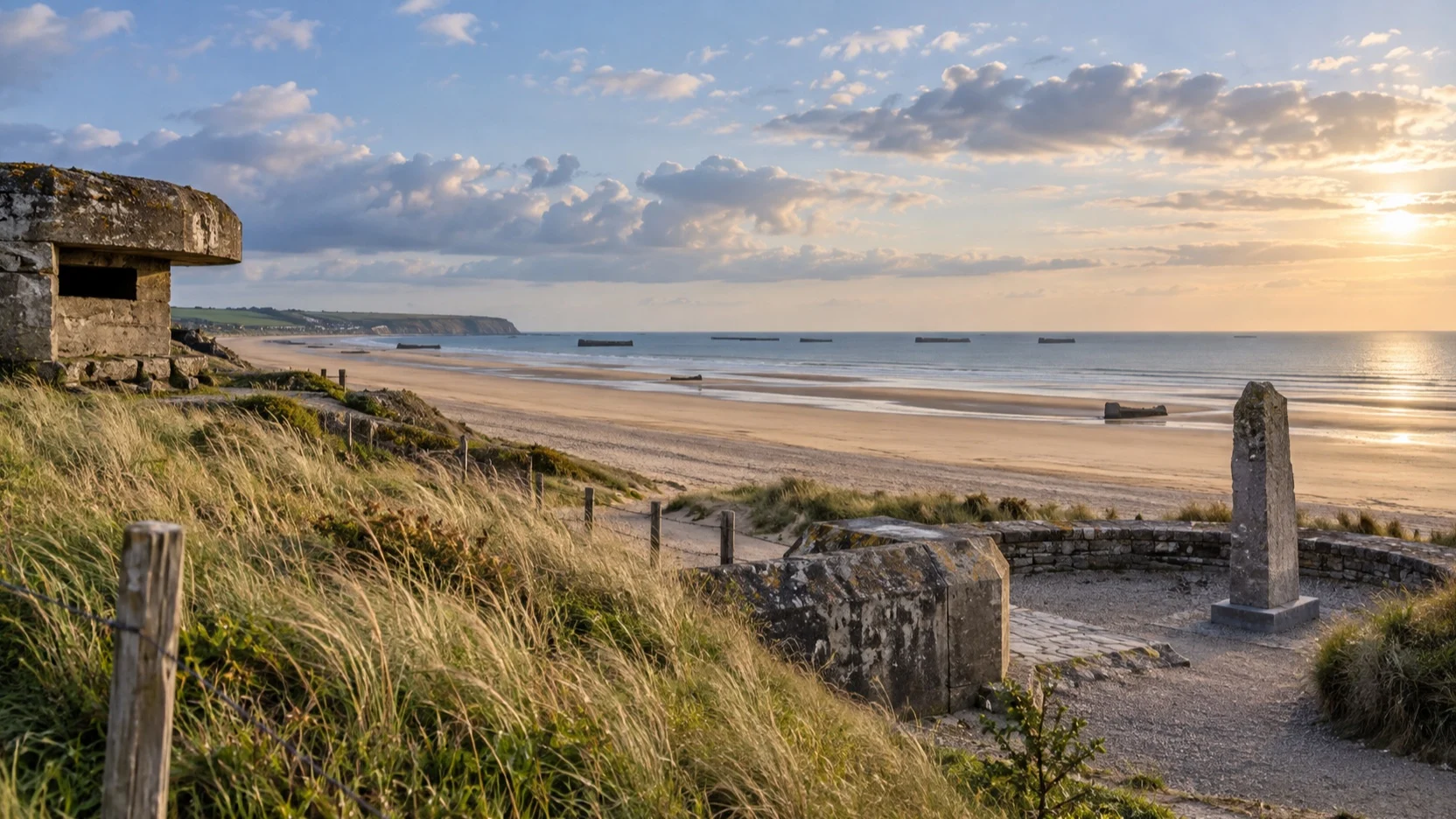
Normandy landing beaches
The D-Day sites are historically significant but spread across a large coastal area west of Le Havre. Road time and the need for meaningful interpretation make a guided tour much better than trying to visit several places independently.
Choose one focused itinerary and read the actual time on site. A six or eight hour call may not support the experience responsibly.
Weather
Normandy can bring rain, wind, fog, or cool temperatures even when Paris is warmer and dry. Carry a waterproof layer and check both Le Havre and Paris forecasts.
Weather can also affect port clearance and road conditions. A delayed arrival should trigger a fresh calculation rather than a rushed attempt to preserve the original plan.
A Paris decision checklist in prose
Paris makes sense when the call is long, the outbound service has clearance margin, and the return has a usable backup. You should also have one compact route, offline tickets, working payment, and enough energy for a demanding day.
Stay in Normandy if any of those pieces fail. The closer alternatives are excellent destinations, not consolation prizes.
A sample long-call plan
Leave the ship promptly but board a train with realistic clearance margin, then arrive at Saint-Lazare and travel directly to one chosen area. Spend three or four hours walking, visiting one reserved sight, and eating something simple.
Begin the return while the plan still feels early, use your primary train, and keep the backup untouched. Finish with any spare time in Le Havre near the port.
Frequently asked questions
Can I take a high speed train from Le Havre to Paris?
Most direct journeys use regional services rather than a dedicated high speed line. Check SNCF Connect for the exact service, duration, and reservation conditions on your date.
Which Paris station do trains use?
Direct Le Havre services normally use Paris Saint-Lazare. Confirm the current itinerary because engineering work can alter a journey.
How much time will I have in Paris?
A long call may leave three to five hours after all transfers and safety margins. A shorter call can leave so little time that Paris is no longer worthwhile.
Will the ship wait for my train?
Do not assume it will wait for independent travelers. Cruise-line excursions are coordinated with the vessel under the line’s current terms, while independent guests carry their own return risk.
Can I see the Louvre and Eiffel Tower?
You may see both exteriors with a fast route, but visiting both interiors is usually unrealistic. Choose one timed attraction and keep the rest flexible.
What is the best alternative?
Le Havre is best for a low risk day, Honfleur for harbor atmosphere, Étretat for cliffs, and Rouen for medieval city history. Match the choice to weather, mobility, and call length.
My verdict
Paris can be realistic from Le Havre, but only as a small, carefully selected taste of the city. The journey is too long to support a relaxed greatest hits tour.
If the call is long and the connections are strong, go with one priority and an early return. If the schedule is marginal, stay in Normandy and enjoy the freedom of not measuring every beautiful moment against a train clock.
Before sailing, check berth and shuttle details with HAROPA Port, rail times with SNCF Connect, and Paris transit alerts with RATP. Confirm attraction hours through official sites and follow your cruise line’s current all aboard instructions, since schedules and transport conditions can change.
More on this topic: browse every guide on shore excursions and DIY port days.