Helsinki Cruise Port: Berths, Suomenlinna & the Trams
Helsinki is a compact Baltic capital with strong design, easy public transportation, and a sea fortress reached by a 15-minute municipal ferry. Your berth decides whether that easy day begins with a walk, tram, or seasonal harbor connection.
The one thing that decides your day is which quay you get. Two of them put you a short walk from Market Square, and one leaves you on an old industrial spit waiting for a tram.
My quick take
Helsinki is a genuinely manageable port day when the berth and return route are clear. The center is compact, the trams are useful, and the main tradeoff is city time versus Suomenlinna.
My standard plan is Suomenlinna in the morning and the city center afterward, because the fortress is the thing you cannot see anywhere else. It is a UNESCO site, a working neighborhood, and a very good picnic.
If ferries are not your thing, the city version works fine and involves less committing to a timetable. Cathedral, Market Square, the rock church, and a coffee somewhere with better chairs than your ship.
Helsinki is also the first Nordic stop where your euros work, which is a small mercy after Sweden and Norway. If you are stitching together a Baltic route, my roundup of European cruise ports is a decent place to start.
There is a full rundown of where to stay in our hotels near Helsinki cruise port guide.
Helsinki Cruise Port Quick Facts
- Where you land: the Port of Helsinki lists international cruise quays in Hernesaari, Katajanokka, South Harbour, and West Harbour. The exact quay code determines whether Market Square is a walk, tram ride, or longer transfer.
- Dock or tender: Dock at all of them, and tendering is not part of a normal Helsinki call.
- Into town: From Katajanokka or the South Harbour you can walk to Market Square in about 10 to 15 minutes.
- Currency and language: Euros, unlike its Nordic neighbors, with Finnish and Swedish both official and English spoken almost universally.
- Time zone: Eastern European Summer Time (EEST, UTC+3) through the May to September cruise season, EET (UTC+2) in winter.
- Weather and operations: Severe weather or unusual ice conditions can affect safe access, so confirm the final berth and local transport plan onboard.
Hernesaari, Katajanokka, and the quay that decides everything
Helsinki spreads its cruise calls across several quays and the difference between them is real. The Port of Helsinki publishes the full list with addresses and tram lines, which is the first thing I would check.
Hernesaari sits south of the center on a former industrial peninsula and holds the Munkkisaari and LHD quays. The port lists tram 6 or a seasonal 6T pattern depending on the current service, so check HSL on the call date rather than memorizing one route label.
Katajanokka is the good draw, with the Cruisers Quay and the Katajanokka quay both on the island immediately east of the main harbor. From there you are a short flat walk from Market Square, with trams 4 and 5 as the lazy option.
The South Harbour’s Pakkahuone quay is the jackpot, because it puts you on Eteläranta right at the edge of Market Square. Tram 2 runs past it, but you will not need it.
West Harbour handles major scheduled ferries and can also receive an international cruise assignment. Check the daily program for the exact quay code rather than assuming Helsinki means one place.
Getting around
Helsinki runs on HSL, which covers tram, bus, metro, train, and the ferry to Suomenlinna on one ticket. That last part matters more than it sounds, because it means the fortress trip needs no separate booking.
Compare an AB day ticket with the number of single rides actually planned, then buy in the HSL app, at a machine, or by an accepted contactless method. Current zones, fares, and service changes live on HSL.
Trams are the right tool for many city trips, but route numbers can change during construction or seasonal service. Check HSL for Hernesaari’s 6 or 6T pattern, Katajanokka connections, and the closest stop to the exact South Harbour quay.
The Suomenlinna ferry leaves from Market Square and takes about fifteen minutes each way. It runs frequently, but check the return times before you wander off into a bastion.
Taxis exist and are fine, though the city is compact enough that they are rarely necessary. Walking Helsinki is pleasant in a way walking most capitals is not.
The stops I would actually spend time on
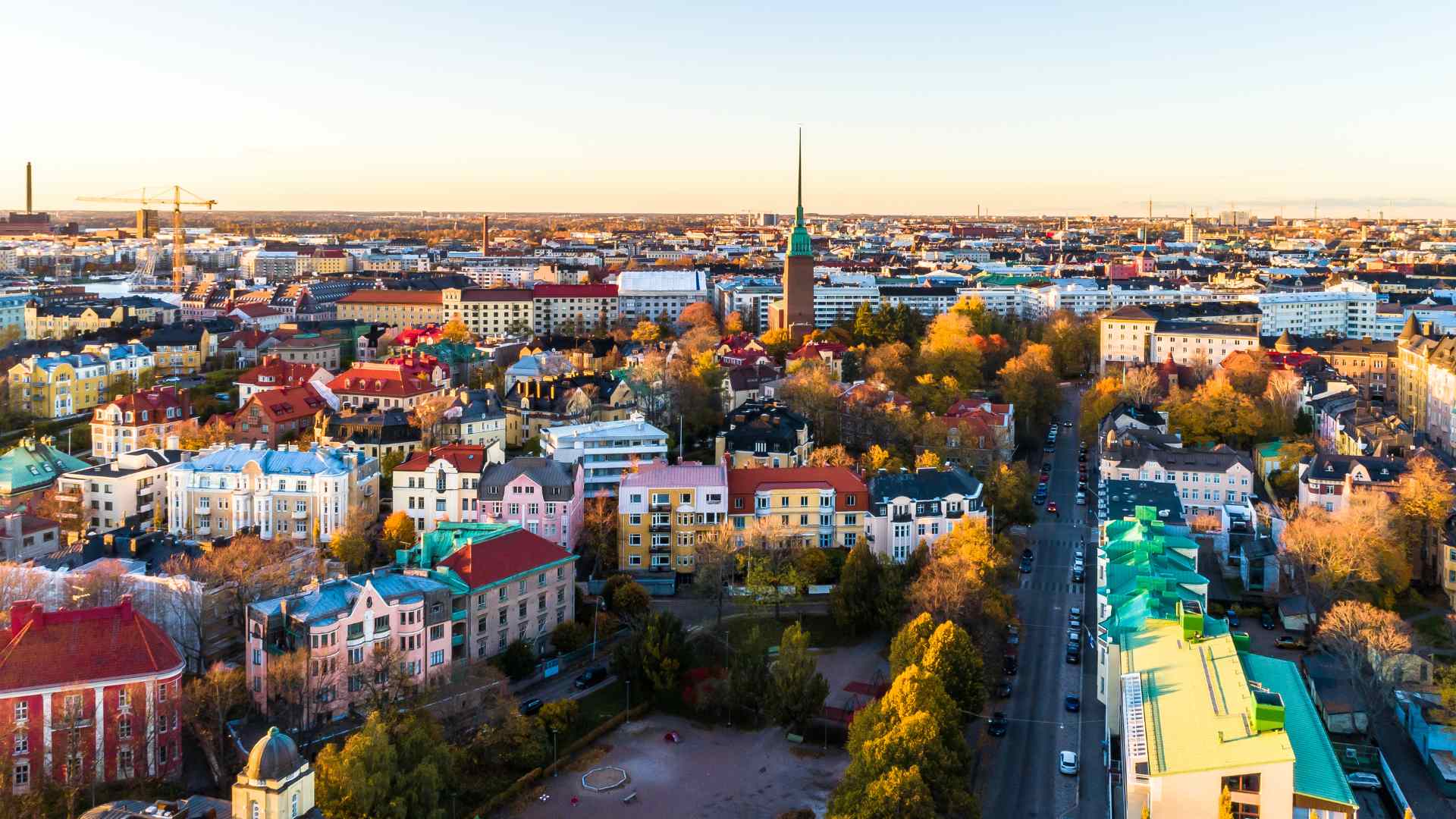
Helsinki is small enough that you can do a surprising amount in one day without hurrying. Here is what I would prioritize, roughly in order.
Suomenlinna: A lived-in sea fortress spread across several islands, with ramparts, tunnels, museums, and the seasonal submarine Vesikko. Give the main route about three hours including ferries, and check which museums are open on the call date.
Market Square: The waterfront market where the ferries leave from, full of berries, salmon, and reindeer products of varying seriousness. It is touristy and still worth going.
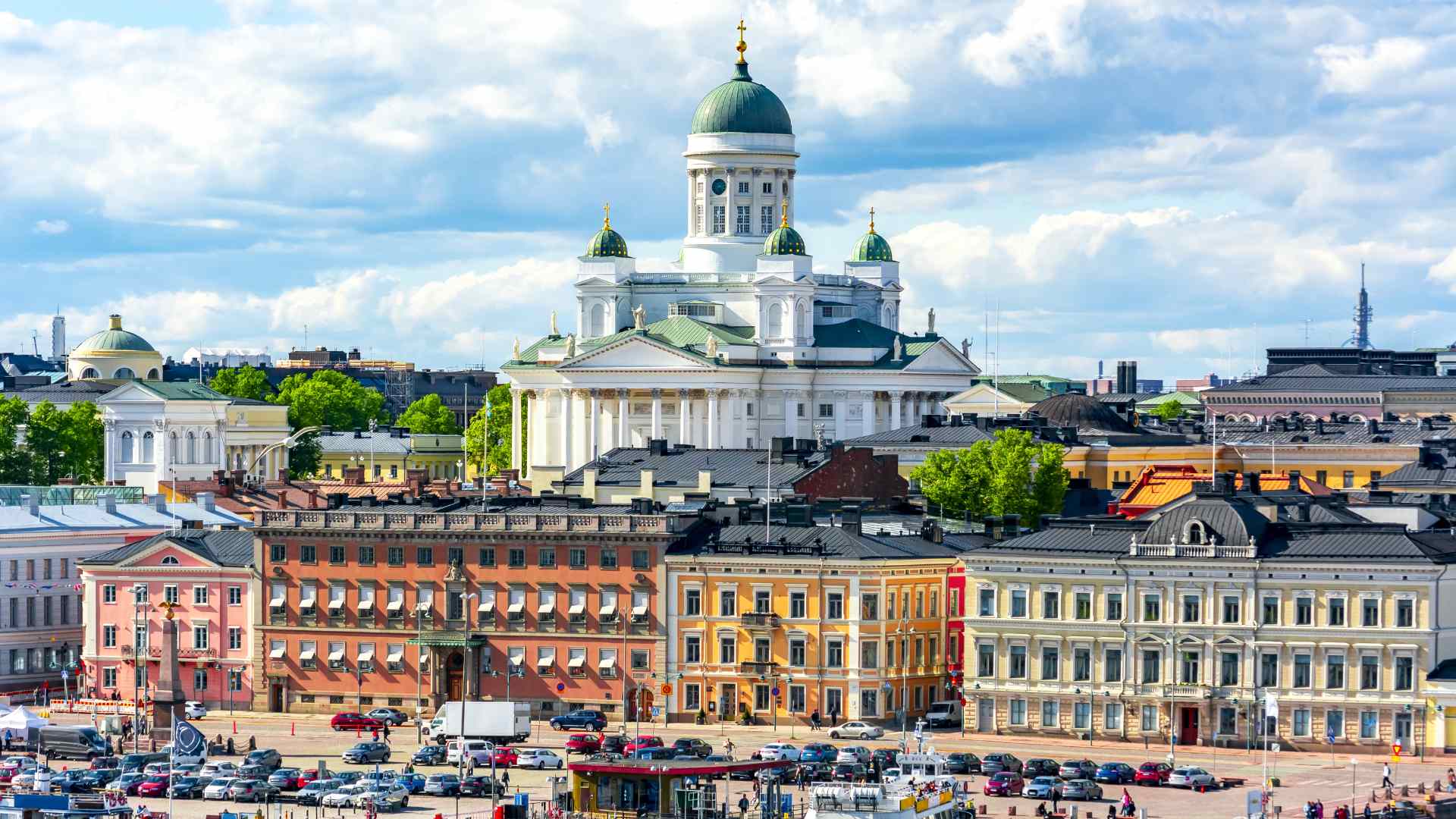
Helsinki Cathedral: The white neoclassical church on its flight of steps above Senate Square, and the image on every postcard. The steps themselves are the best free seat in the city.
Temppeliaukio Church: A working church excavated into bedrock beneath a copper ceiling. Check current visitor hours, services, concerts, and admission rather than planning around an old price.
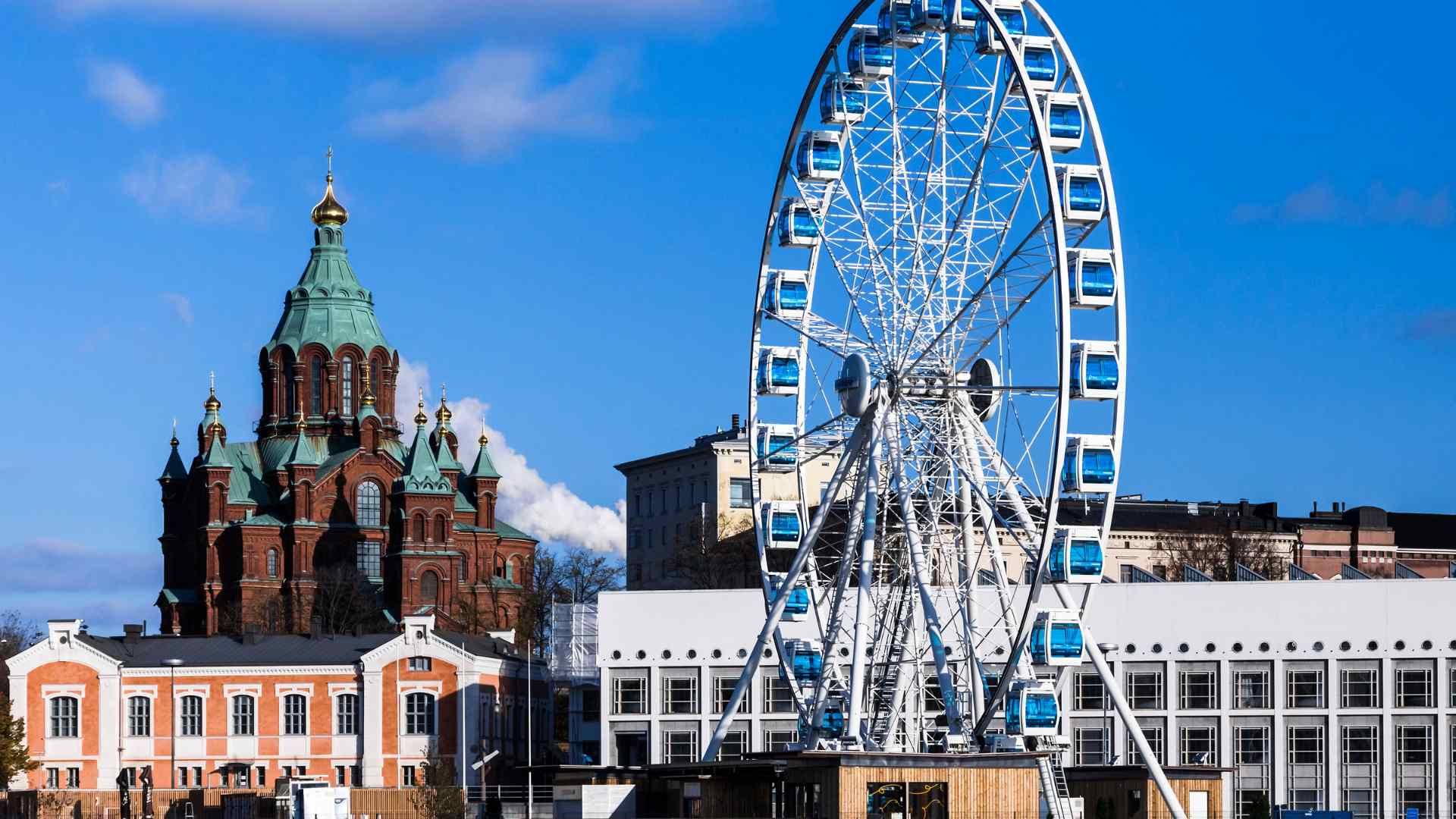
Uspenski Cathedral: The red brick Orthodox cathedral on Katajanokka, and the obvious first stop if you land on that quay. It is a five minute detour from the waterfront path.
The Old Market Hall: A nineteenth century indoor market by the harbor, and the best lunch option near the water. Soup, fish, and coffee, without the seagull risk.
Oodi: Helsinki’s central library, which is a genuine architectural attraction and free to walk into. The top floor is one of the nicest public rooms in Europe.
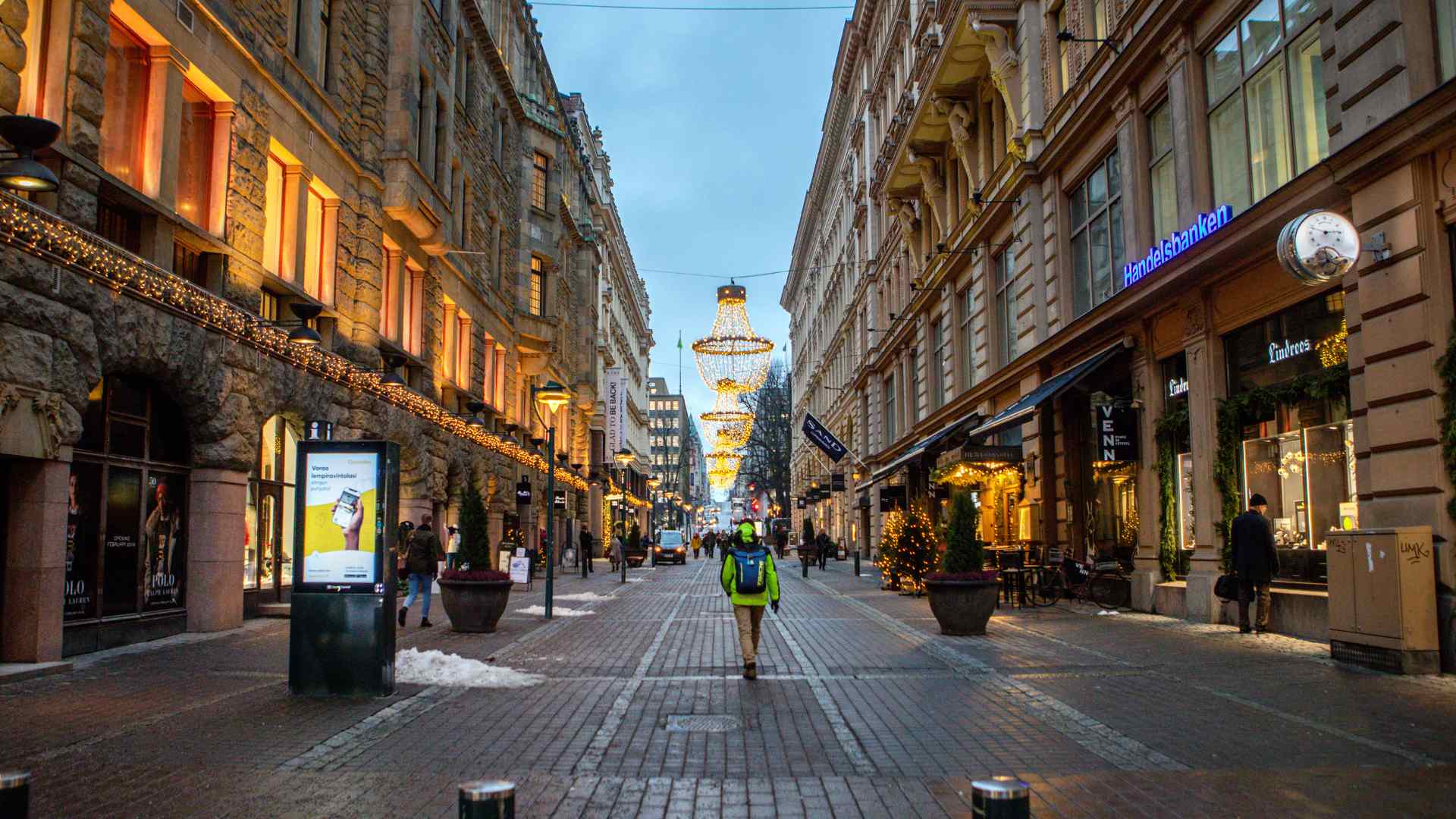
Esplanadi: The tree-lined park promenade running inland from the harbor, lined with shops and cafes. It is the shortest, prettiest way to walk from the water into town.
The Ateneum: Finland’s national gallery, and the sensible plan if the weather has already ruined your morning. It sits opposite the central train station.
Fun fact: Suomenlinna was begun in 1748 by Sweden to hold off Russia, and it went on to serve three different countries before turning civilian in 1973. UNESCO inscribed it in 1991 and counts around 200 buildings and about 4 miles of defensive walls out there.
How I would plan the day
On a full day, take an early Suomenlinna ferry from Market Square, follow the marked main route, and return by early afternoon. Then choose the cathedral area or Temppeliaukio plus lunch rather than racing between both.
From Hernesaari I would add twenty minutes to the front of that plan and not stress about it. Tram 6 is frequent and the ride is not unpleasant.
On a short call I skip Suomenlinna entirely, because the ferry plus the island is a three-hour commitment minimum. Senate Square, Esplanadi, and the Old Market Hall make a fine compact morning.
Crowding depends on ship count, events, and ferry timing, with Market Square and Suomenlinna departures the most obvious pinch points. Go early or shift lunch later rather than assuming every multi-ship day will feel quiet.
In hard rain, use Oodi, the Ateneum, and the Old Market Hall as an indoor cluster. Suomenlinna remains exposed and slippery, so switch plans when wind or ferry conditions make the island uncomfortable.
Choose a Suomenlinna return ferry that reaches Market Square at least 90 minutes before all-aboard, then allow the separate tram or walk back to the ship. For a city-only day, reach a central quay 60 minutes early or the final Hernesaari connection 90 minutes early.
The HSL ferry uses ordinary AB tickets and accepts the app, ticket machines, and supported contactless payment; buy before entering the payment area. Private water buses use separate tickets, so do not assume every vessel at Market Square is part of HSL.
A realistic word on accessibility
Helsinki is one of the more thoughtful cities in Europe on this, with flat streets, low-floor trams, and modern buildings that were designed with access in mind. Oodi and the Ateneum are both straightforward.
Suomenlinna is the honest problem, because the ferry involves a ramp and the island is cobbles, gravel, and slopes between fortifications. Parts of it work, but the full circuit does not.
If you land at Hernesaari, factor in the tram ride rather than assuming a walk is realistic. For a broader comparison across ports, see my guide to wheelchair-friendly cruise ports.
When to go, and the weather
Helsinki’s cruise season runs from roughly May into September, with the peak squarely in July and August. Midsummer daylight here is extraordinary and makes an eight-hour call feel longer.
High summer highs sit around the low 70s Fahrenheit, and heat is rarely the issue. May and September run closer to the high 50s Fahrenheit.
The wind off the Gulf of Finland is what actually gets you, especially on the ferry deck. Bring a layer you would not normally pack for a summer day.
Rain and wind are possible in any month, and exposed ferry decks can feel much colder than the city center. A light waterproof shell, grippy shoes, and one warm layer cover most summer calls.
Quick answers
Can I walk into Helsinki from the ship?
Katajanokka and South Harbour can be walkable depending on the exact quay, while Hernesaari is usually better by tram or the service announced for the call; check the berth code and HSL route rather than assuming every ship uses tram 6.
Is Suomenlinna doable on a port day?
Yes, if you have a full day and go early; budget three hours including the fifteen minute ferry each way.
Do I need a separate ferry ticket for Suomenlinna?
No, the ferry is part of the HSL public transport network; a day ticket covers it along with the trams.
What currency does Finland use?
Finland uses the euro, and cards are widely accepted; carry a backup payment method because no card or unattended reader is universal.
The last word
Helsinki does not oversell itself, and that is exactly why people come back liking it more than they expected. It is calm, walkable, and unusually good at the small stuff like benches and coffee.
If this is part of a Baltic loop, my Tallinn and Stockholm guides cover the two ports that usually sit either side of it. Tallinn is two hours away by ferry and a completely different century.
And for the fourth Nordic capital on most of these itineraries, there is my Copenhagen cruise port guide. Four capitals, four currencies, one very confused wallet.
How this guide was researched: Unless a first-hand visit is explicitly identified above, this guide is based on independent research using official port, tourism, transit, government, and attraction sources where available. Logistics and time-sensitive details were reviewed on September 11, 2026; see our Editorial Policy.