Alcúdia Cruise Port: A Cruiser’s Guide to the Old Town and Formentor
Alcúdia divides neatly into three tempting days: medieval walls and Roman remains, sand and wetlands around the bay, or the cliffs of Formentor. The first two are easy to combine, while the cape deserves more time and transport discipline.
Port d’Alcúdia and historic Alcúdia are separate places a few miles apart. Remembering that small fact will save a surprisingly large amount of wandering.
Lock the operating plan before you leave the ship
Treat Port d’Alcúdia, historic Alcúdia, and the Formentor peninsula as three separate transport problems. The official TIB planner controls current bus service, while seasonal road restrictions and traffic controls can change who may drive beyond the peninsula checkpoints.
Old town: confirm the port exit or shuttle drop, then use a taxi or a current TIB connection. Keep the return pickup point offline.
Formentor: make the cape the main excursion and check current road restrictions before departure. Use a ship tour or prearranged legal transport when the call is short.
Beach or wetland: choose a specific entrance or beach section before boarding transport because the bay and S’Albufera are longer than they look on a map.
Return: aim to reach Port d’Alcúdia at least 60 to 90 minutes before all-aboard. Add the ship’s stated tender or shuttle cutoff if one applies.
For a first visit, old town plus Pollentia is the strongest low-risk plan. Choose Formentor only when the weather, access rules, and a protected return all line up, because the view is not worth spending the afternoon watching a delayed bus clock.
Quick Facts
- Where you land: the commercial quay at Port d’Alcúdia, on the north side of the bay. This is a working ferry, cargo, and marina harbor, and the walled historic town of Alcúdia is a separate place about 2 miles inland.
- Dock or tender: Berth space is shared with ferries and cargo, so smaller vessels come alongside while others anchor in the bay and run boats in.
- Into town: The port promenade, restaurants, and the start of Platja d’Alcúdia are a 5 to 10 minute walk from the quay.
- Currency and language: Euro (EUR), with Catalan and Spanish both official and English widely spoken across this resort coast.
- Time zone: Central European Summer Time (CEST, UTC+2) during the cruise season, CET (UTC+1) in winter.
- Operational caution: Berth, tender, shuttle, and road arrangements can change, so follow the ship’s daily program and current transport notices.
Confirm ship, berth, and transfer
Port d’Alcúdia is a working ferry, cargo, marina, and cruise area. Ships may berth or use another arrangement depending on vessel and operations, so follow the daily program for the exact gangway, shuttle, tender, and return details.
Do not assume a berth beside the port restaurants means unrestricted pedestrian access from every quay. Use the marked route or transport arranged by the port and cruise line.
Historic Alcúdia sits inland from Port d’Alcúdia. A taxi, local TIB bus, ship shuttle, or organized excursion can connect them, but service and drop points require current checking.
Mallorca uses the euro, and cards are common. Review TIB’s official journey planner for routes and current payment rules rather than copying a bus number from an old article.
If tendering, ask the ship about mobility assistance and final-boat timing. The CruisePorts.co tender guide explains the general process, but your vessel’s rules control the day.
Begin inside the walls
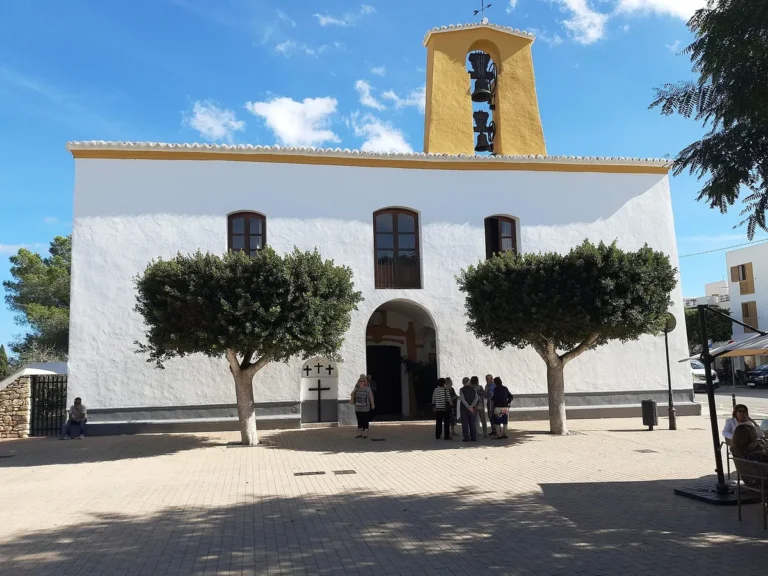
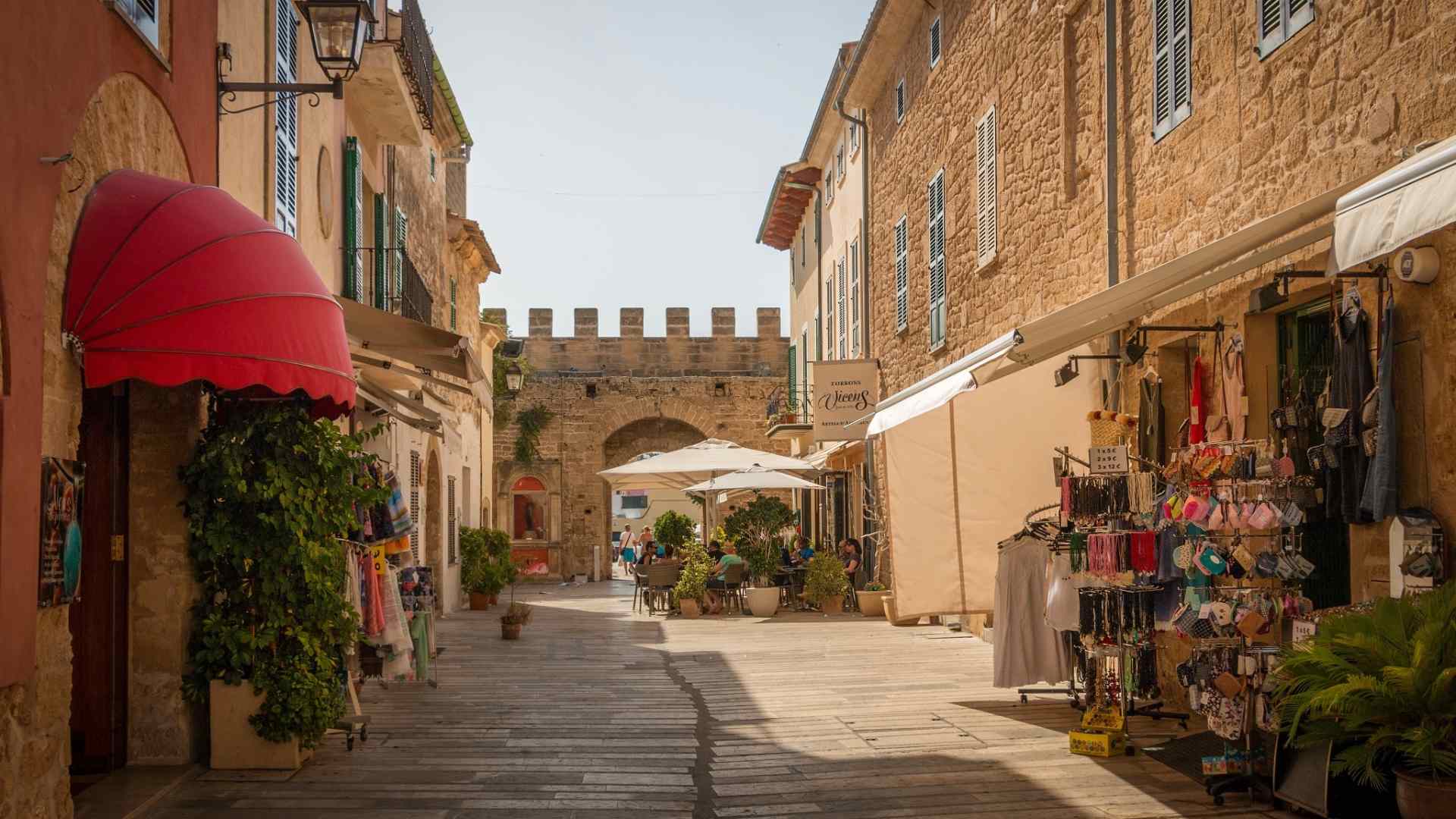
Alcúdia’s old town preserves medieval walls, gates, historic houses, civic buildings, and the parish church of Sant Jaume. The Balearic Islands’ official historic route provides a sensible framework without turning the visit into a scavenger hunt.
Enter through one of the monumental gates and explore the lanes before climbing any accessible wall section. Stairs and uneven surfaces limit the ramparts, while the streets below still deliver the architecture and atmosphere.
Market days add produce, food, clothing, and craft stalls, but also bring crowds and altered traffic. Check the municipality’s current calendar before planning around a specific weekday market.
Sant Jaume remains a religious building, so services and events can affect entry. Dress and behave respectfully, and do not treat a quiet nave as overflow seating for your picnic.
The old town is compact enough for an unhurried loop and coffee. Its limitation is distance from the ship, which means watching the return bus or keeping a taxi plan.
Add the Roman city, not another distant town
Pollentia lies just outside Alcúdia’s walls and preserves remains of the Roman city, including residential areas, forum, and theater. Verify admission, combined-ticket arrangements, and closures through the municipality or archaeological site.
The ruins are low and spread across exposed ground, so interpretation matters. Read the panels, visit the associated museum if open, and allow the street plan to emerge instead of expecting intact temples.
Surfaces can be rough, grassy, or uneven, with limited shade. Closed shoes, water, and sun protection make the site much more enjoyable.
The Roman theater sits apart from the main zone and requires extra walking. Ask staff about current route and access before assuming it fits the final twenty minutes.
Old town plus Pollentia is my first-choice history day. The two sites tell successive chapters without wasting precious hours in a vehicle.
For comparison with Mallorca’s larger port, see the CruisePorts.co Palma guide. Alcúdia is smaller and more relaxed, but public transport needs more deliberate checking.
The beach day is wonderfully uncomplicated
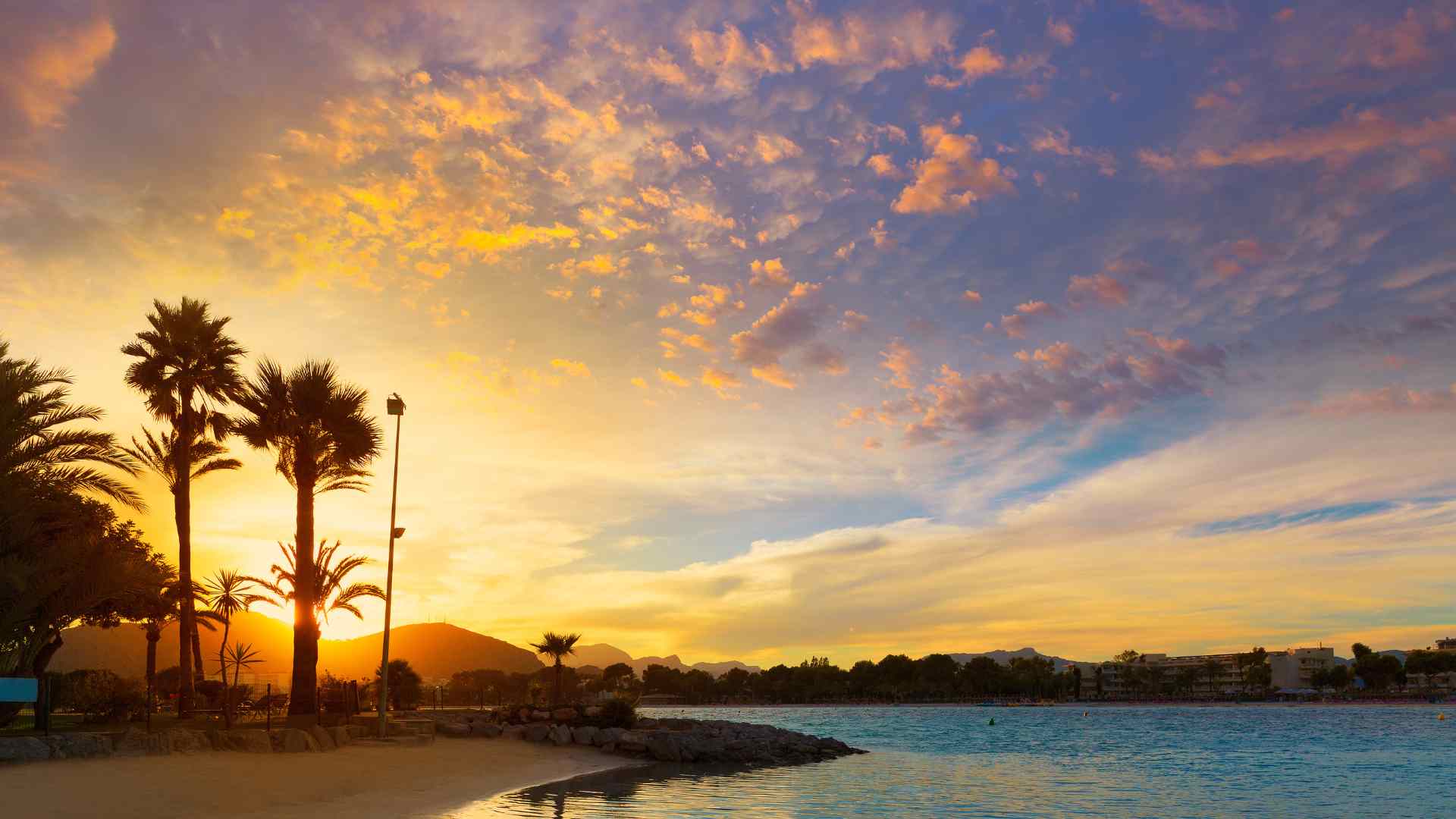
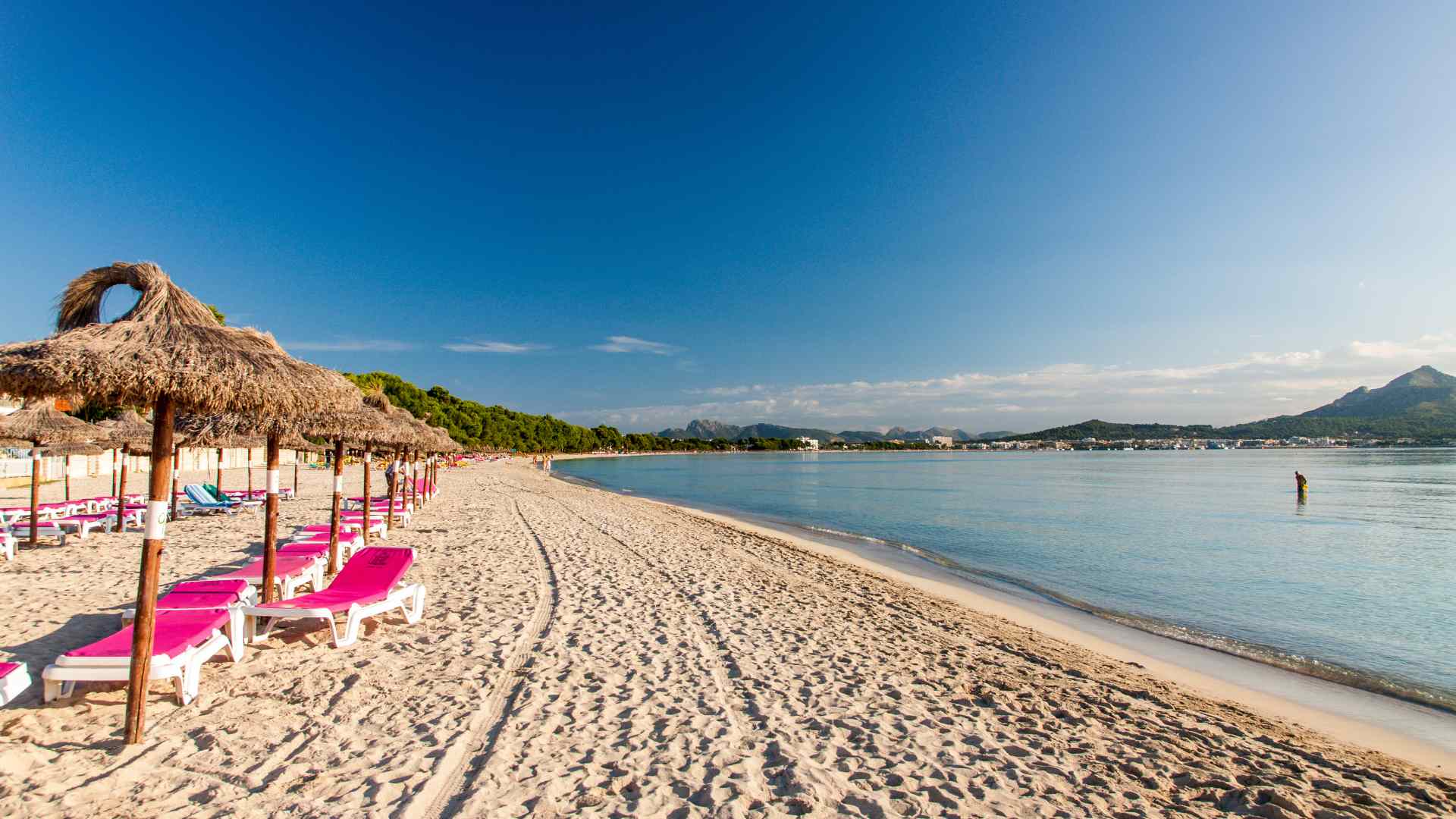
Platja d’Alcúdia runs along the bay near the port and offers the simplest swim. Beach services, lifeguards, accessible facilities, and water conditions are seasonal, so follow local signs and flags.
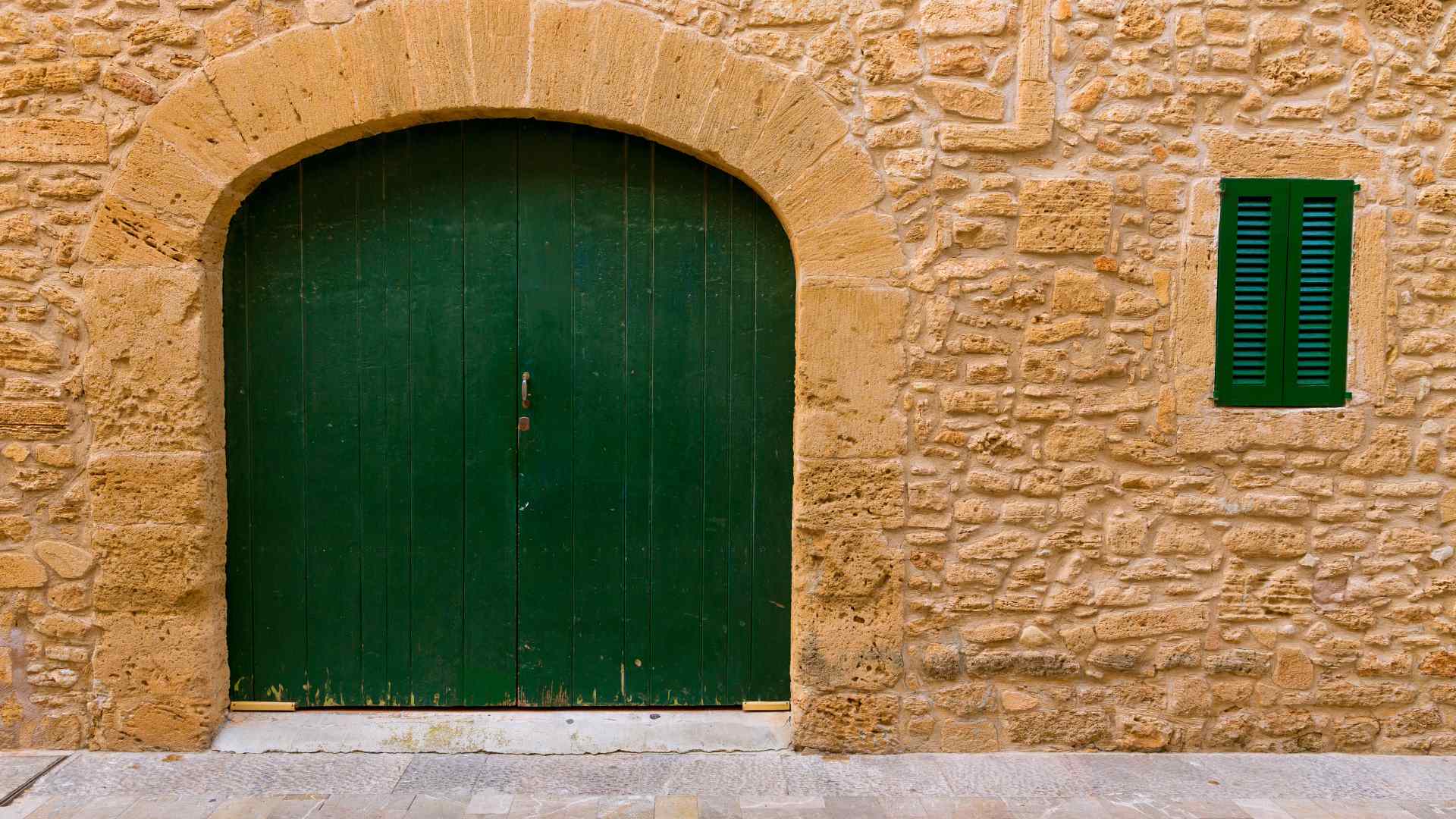
Shallow-looking water is not permission to ignore children, currents, weather, or boat zones. Keep valuables controlled and use established access points.
Playa de Muro continues along the bay toward S’Albufera and offers more sand with different resort areas. Reaching a specific section may require bus or taxi, so choose it for a longer beach visit rather than a quick dip before boarding.
Alcanada lies east of the port with coastal views and an offshore lighthouse. Shores can be rocky, and the offshore islet should not be treated as an automatic swimming objective.
A beach day pairs easily with a short old-town visit. The downside is that summer traffic and crowds can slow the return, especially when everybody discovers the same perfect afternoon.
S’Albufera for birdlife
S’Albufera de Mallorca Natural Park protects the island’s largest wetland, with trails, channels, hides, and varied birdlife. Consult the official park page for registration, opening, route, and access requirements.
Wildlife changes by season and hour. Herons, egrets, waders, and other species may be seen, but a park visit is not a menu from which one orders flamingos.
Bring binoculars, water, insect repellent, and quiet voices. Stay on designated routes and never use calls, food, or close approach to manipulate birds.
The flat paths can look easy, yet distances, heat, and limited shade still matter. Choose a short circuit that fits the ship rather than continuing to one more hide because the map looks tiny.
This is an excellent repeat-visit choice or complement to the bay. It is less suitable when the call is very short or heavy rain makes trails uncomfortable.
Formentor is a full commitment
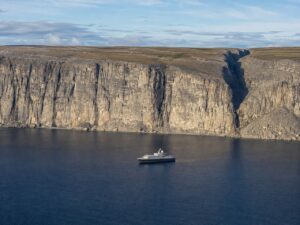
Cap de Formentor creates Mallorca’s dramatic northern tip, with cliff viewpoints, beach, and lighthouse road. Seasonal traffic controls are common and can require public transport rather than private-car access, so check the Balearic traffic authority and TIB before departure.
Do not build the plan around remembered restriction dates. Rules, permitted vehicles, shuttle stops, and operating windows can change from year to year.
Mirador Es Colomer provides a famous cliff view but involves steps and exposed paths. Crowds, wind, and parking or bus logistics can lengthen a visit that appears brief.
Formentor beach is a separate stop and may be busy in season. Boat trips can offer another approach, but sailings depend on operator, weather, and sea conditions.
The lighthouse is the farthest prize and the greatest return risk. Choose it only on a long call with a verified transport chain and wide margin.
I would use an organized excursion when Formentor is the priority. Independent travelers should never rely on the last workable bus, because “workable” is doing dangerous emotional labor in that sentence.
Three day plans
Short call
Go directly to historic Alcúdia, walk the walls and lanes, then choose Pollentia or lunch. Return to Port d’Alcúdia for a waterfront stroll or quick beach look.
This delivers history and keeps transport simple. Skip Formentor completely unless the ship itself offers a tightly timed tour.
Five to six hours
Combine the old town, Pollentia, and a swim at Platja d’Alcúdia. Put archaeology first in hot weather and leave the flexible beach portion until last.
Birders can replace the swim with a short planned S’Albufera route. Confirm park procedures before leaving the ship.
Full day
Choose either an organized Formentor excursion or a richer local day, not both. The local option combines S’Albufera, old Alcúdia, Pollentia, and the bay at a comfortable pace.
Formentor supplies bigger scenery, while the local plan supplies more variety and less timing anxiety. I would choose based on interest, not on which photograph appears first in a search.
Accessibility and practical comfort
Port and shuttle accessibility depends on the day’s vehicles and berth. Confirm wheelchair space, boarding method, and mobility-equipment handling with the cruise line.
The port promenade and parts of the main beach are relatively level, while old-town cobbles, rampart stairs, Pollentia’s rough ground, and Es Colomer’s steps create barriers. Ask tourist information about the best adapted route and current seasonal beach services.
Summer sun is strong, and shade can be scarce at Pollentia, S’Albufera, and Formentor viewpoints. Carry water, a hat, sunscreen, and medication rather than expecting a kiosk at the exact moment it becomes necessary.
Wind can affect cape viewpoints and boat trips. Rain makes old stone and coastal paths slick, so choose lower routes and indoor stops when conditions warrant.
Normal tourist-area precautions apply around markets, buses, and beaches. Protect valuables, use licensed taxis, follow lifeguard flags, and keep the ship’s emergency contact available.
Food that fits the schedule
Mallorcan cooking offers far more than a hurried plate beside the marina. Look for pa amb oli with bread, tomato, olive oil, and toppings, seasonal vegetables, seafood, rice dishes, or pastries from a reputable local bakery.
Ask what a restaurant is serving well that day instead of demanding every island specialty in one lunch. A simple meal in the old town fits the history route, while the port promenade is safer when departure time is close.
Allow enough time to order, eat, pay, and travel back. A beautiful rice dish may be cooked to order, and the kitchen is under no obligation to share your relationship with all-aboard.
Food allergies should be explained clearly, with translation assistance if needed. Cross-contact remains possible in small kitchens, so travelers with severe allergies need a plan agreed with the restaurant rather than a hopeful gesture at the menu.
My verdict
First-time visitors should pair the walled old town with Pollentia, then add the bay if time allows. It is specific to Alcúdia, easy to understand, and resilient when transport changes.
Choose Formentor only as the day’s main excursion. The cape is spectacular, but Alcúdia’s history, wetland, and beach already offer a superb port call without a heroic bus connection.
How this guide was researched: Unless a first-hand visit is explicitly identified above, this guide is based on independent research using official port, tourism, transit, government, and attraction sources where available. Logistics and time-sensitive details were reviewed in September 2026; see our Editorial Policy.