Halifax Cruise Port: Pier 21, Waterfront & Citadel
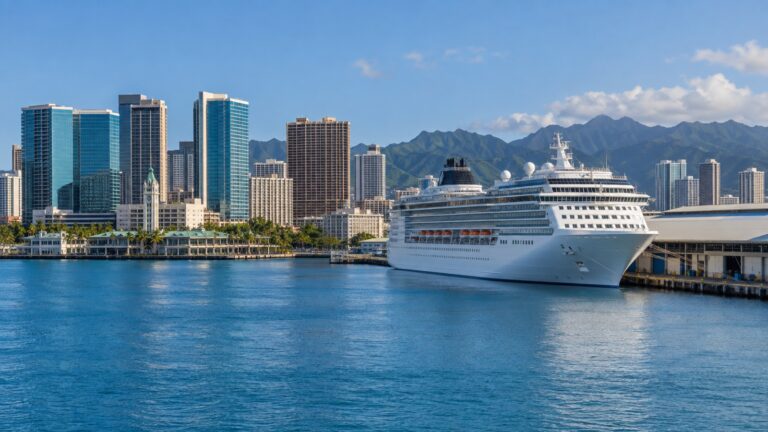
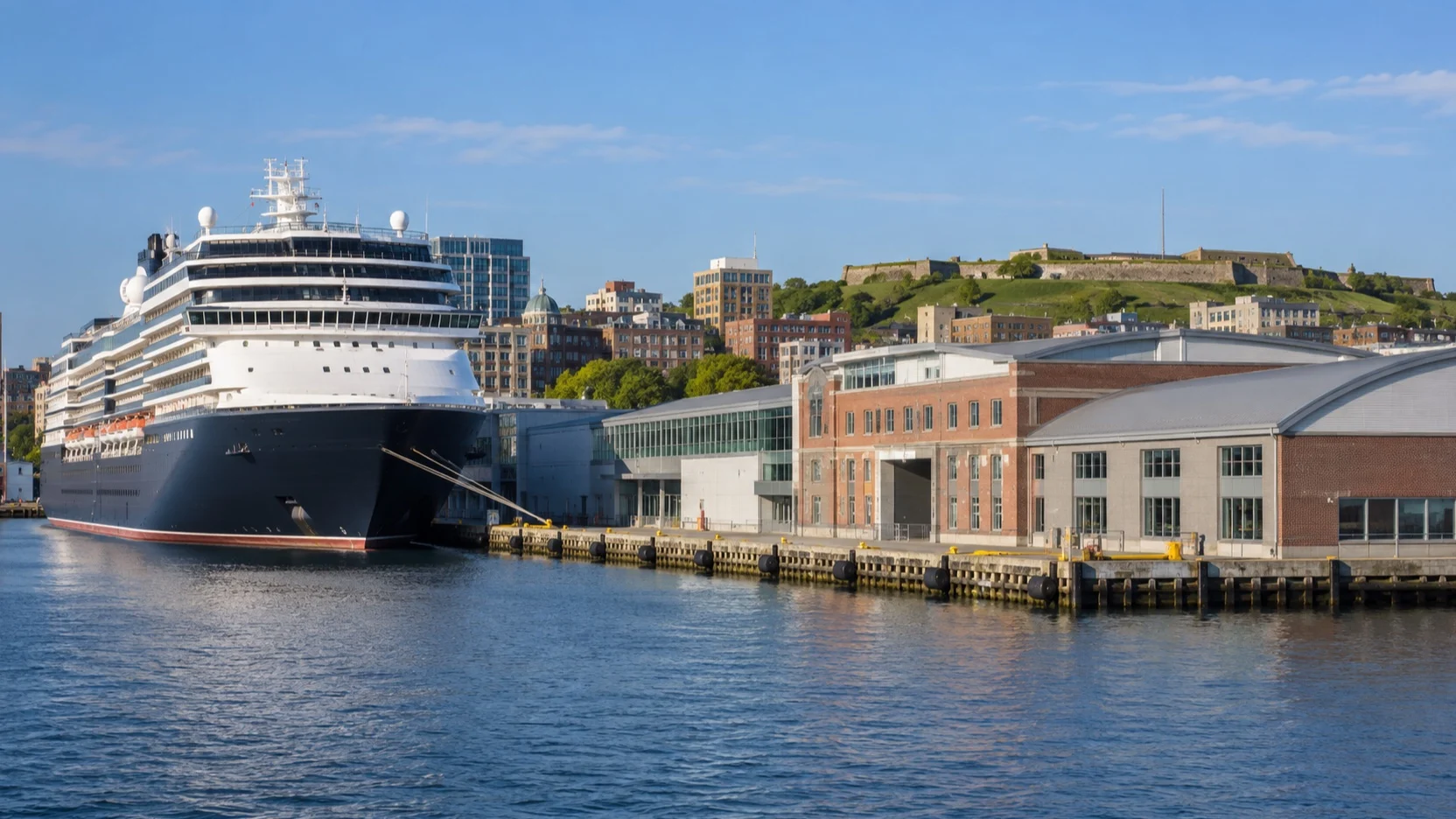
Halifax is unusually easy for a working harbor: the cruise terminal opens directly onto a waterfront boardwalk with downtown laid out just beyond it.
It is a port that rewards curiosity more than planning. You can spend your morning at an immigration museum that will genuinely move you, then wander into a Victorian garden by lunch, all on foot.
My quick take
Halifax is one of the easiest ports in Atlantic Canada to do entirely on your own. The terminal sits right downtown, the walking is flat and pleasant, and the single best thing to do, visiting the Pier 21 immigration museum, is a five-minute stroll from the ship.
I would not book a shore excursion here unless I specifically wanted to get out to Peggy’s Cove. Everything else is within easy reach on foot.
Quick Facts
- Where you land: The Halifax Seaport cruise terminals, Piers 20 to 23, on the downtown waterfront. The Port of Halifax publishes the berth assignments, and note that the Pier 21 museum is a separate building from the pier your ship uses.
- Dock or tender: Ships normally tie up alongside at the Seaport terminals, but the port schedule can assign a tender position on a busy day, so check your ship’s berth.
- Into town: Immediate.
- Currency and language: Canadian dollars (CAD) and English.
- Time zone: Atlantic Daylight Time (ADT, UTC−3) through the May to October cruise season, Atlantic Standard Time (AST, UTC−4) in winter.
- Call reliability: Usually alongside, but fog, wind, storms, pilotage, and berth traffic can still alter the plan.
Getting off the ship
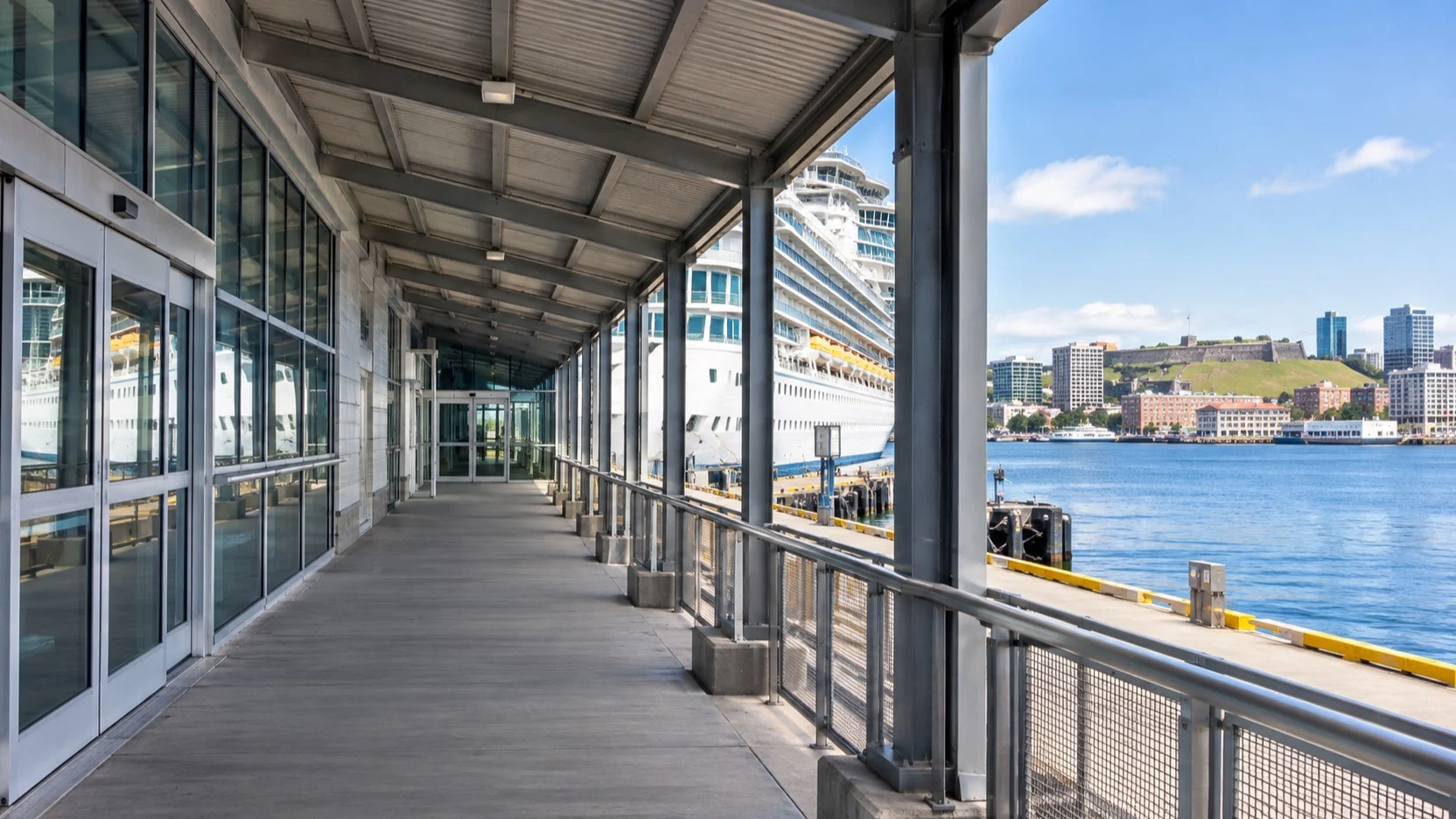
There is not much logistics to plan for here, which is part of the appeal. You will disembark at one of the Halifax Seaport’s covered terminal buildings, walk through a short customs and welcome area, and step out onto Marginal Road or directly onto the boardwalk, depending on which pier your ship is using.
There is Wi-Fi, a tourist information desk, and restrooms inside the terminal if you need them before heading out.
One thing worth knowing: the terminal piers are numbered separately from Pier 21 itself, the immigration museum. Your ship might dock at Pier 20, 22, or 23, and the museum named Pier 21 is a distinct building a short walk south along the water.
Do not let the shared name throw off your plans.
Getting around
Halifax is one of Atlantic Canada’s most walkable cruise ports. The Port of Halifax sits beside a compact downtown grid, and the waterfront boardwalk connects the main Seaport berths to most central sights without a car.
I would walk the boardwalk itself, since it is wide, flat, and lined with benches. If you want the harbor from a different angle, the passenger ferry across to Dartmouth is a cheap, quick way to get a skyline view without booking a tour.
For anything further out, like Peggy’s Cove, I would book a guided day trip or rent a car rather than rely on taxis, since fares add up fast once you leave the downtown core.
The stops I would actually spend time on
Canadian Museum of Immigration at Pier 21 is the one thing in Halifax I would tell you not to skip. It sits on the site of the actual immigration shed where more than a million newcomers were processed between 1928 and 1971.
The exhibits are personal rather than dry, built around oral histories and real passenger records, and you can search the arrivals database for family names while you visit.
Fun fact: Pier 21 is often called Canada’s Ellis Island, and it is the last surviving ocean immigration facility in the country.
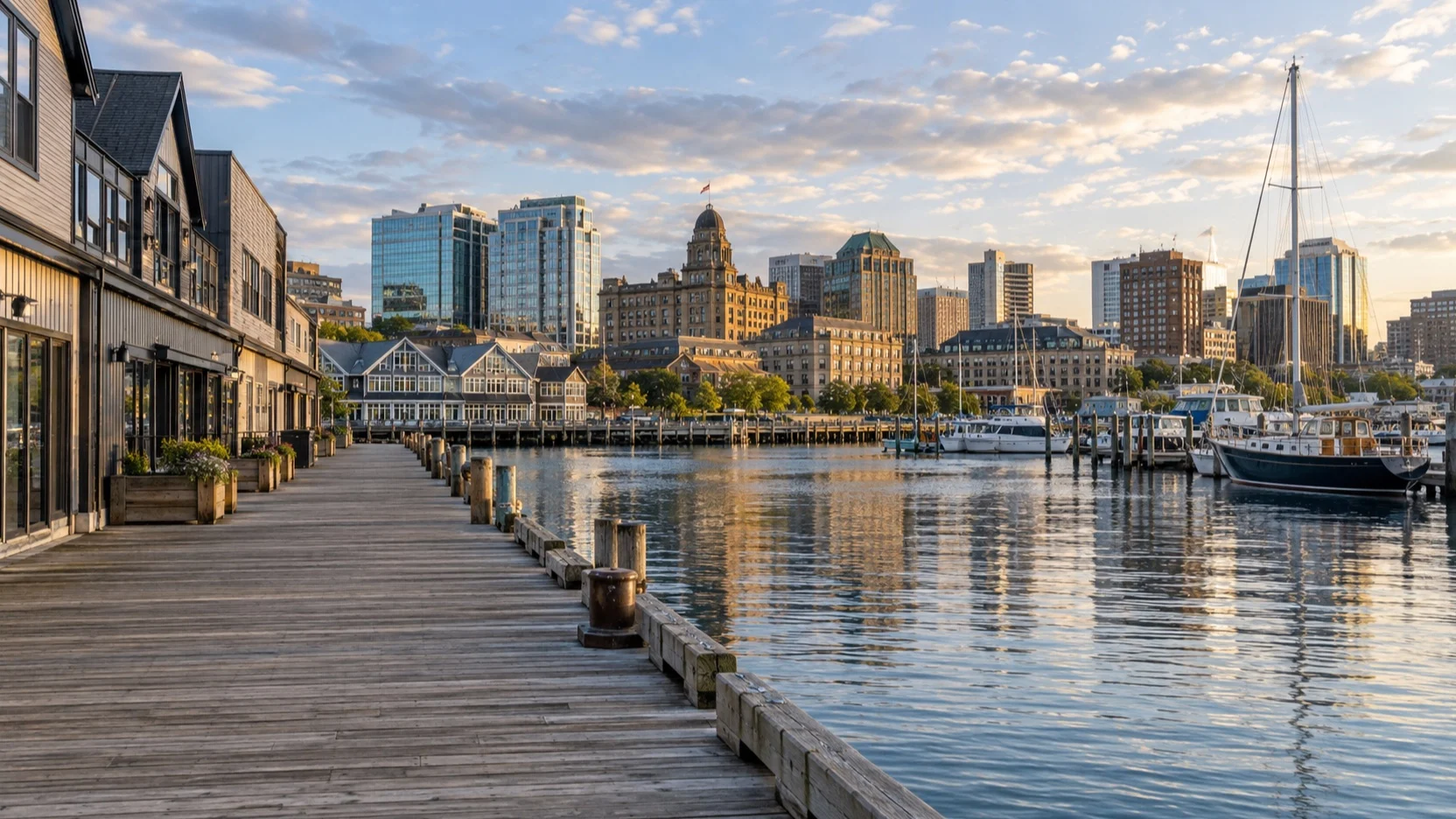
The waterfront boardwalk runs about 2.5 miles along the harbor, connecting the cruise terminal to the Seaport Farmers’ Market, Historic Properties, and the ferry terminal. I would walk it slowly rather than treat it as a route to somewhere, because the benches, buskers, and harbor views are the point.
Fun fact: it is considered one of the longest continuous downtown boardwalks in the world.
Citadel Hill is a star-shaped fort above downtown, a genuine climb from the water but worth the effort for the views alone. Parks Canada runs it as a national historic site, with costumed interpreters and a noon cannon-firing ceremony.
Fun fact: a gun has been fired from the hill at noon nearly every day since 1857, a tradition that started so ships in the harbor could set their clocks.
Halifax Public Gardens is a formal Victorian garden a short walk up from the harbor, with a bandstand, a duck pond, and immaculate flower beds. It is free to enter and a lovely place to slow down for half an hour.
Fun fact: the gardens were formally established in 1867, the same year as Canadian Confederation, and still follow their original Victorian layout.
Our Halifax cruise port hotel guide sorts the options by how easy the morning transfer is.
The history that shaped this harbor
Two events give Halifax an outsized place in history, and both are easy to fold into a port day. The first is the Halifax Explosion of December 1917, when a collision between a munitions ship and a relief vessel leveled much of the north end and killed nearly 2,000 people.
It remained the largest human-made explosion until the atomic age, and the Maritime Museum of the Atlantic on the boardwalk tells the story well. The same museum holds the finest collection of wooden Titanic artifacts anywhere, a reminder that Halifax was the base for recovery efforts in 1912.
That Titanic connection runs deeper than the museum. More than 100 victims are buried in Halifax, most of them at Fairview Lawn Cemetery, where the simple gray headstones are laid out in curved rows that echo a ship’s hull.
The cemetery sits a short taxi ride from the water, so it is a realistic stop if the story pulls at you. I would only make the trip if you have a full port day to spare.
Peggy’s Cove, if you have the day
Peggy’s Cove is the postcard image of Nova Scotia, a working fishing village wrapped around a granite cove with a lighthouse perched on wave-smoothed rock. It sits about 45 minutes west of the city, and most cruise lines and local operators run half-day tours that get you there and back with time to spare.
I would treat it as an either-or against the downtown museums rather than trying to cram in both. If it is your first time in Halifax, I would honestly stay in town, but if you have seen the waterfront before, the coastal drive out is lovely.
At Peggy’s Cove, stay off wet or dark shoreline rocks and behind posted warnings because waves can wash across the granite without warning. Fog can also erase the lighthouse view, so keep a downtown museum plan as your weather fallback.
How I would plan the day
Option 1 is a history-focused half day. Walk straight to Pier 21 first thing before the crowds build, give yourself a good ninety minutes, then head up to Citadel Hill for the noon gun and loop back to the boardwalk for lunch before all-aboard.
Option 2 is a slow waterfront day. Skip the hill entirely and stay along the water, linking Pier 21, the Seaport Farmers’ Market, Historic Properties, and a wander through the Public Gardens into a relaxed, mostly flat day that still covers the highlights.
Option 3 is a day trip out. If you have done Halifax before or want something different, book a half-day tour to Peggy’s Cove, which runs about 45 minutes each way, so a guided trip keeps you on schedule better than going independently.
For a downtown day, aim to be back at the terminal 60 minutes before all-aboard. Leave at least 90 minutes for the return from Peggy’s Cove because fog, road work, and multi-ship traffic can slow the coastal road.
A realistic word on accessibility
The terminal and boardwalk are generally flat, wide, and paved, with benches at regular intervals. Gangway slope and the distance through the terminal still vary by tide and berth, so ask the line about the day’s assistance route.
Citadel Hill is the exception, since it is a real uphill climb from downtown. Once you are there, though, Parks Canada offers accessible parking near the entrance, free wheelchairs and rolling walkers to borrow on-site, and an elevator connecting the main levels, so the site itself is more accessible than the walk up to it.
The Public Gardens has gravel paths rather than pavement, which is fine for most mobility devices in dry weather but can be trickier after rain.
When to go, and the weather
Most cruise calls land between May and October, and summer is the mildest and busiest period. Conditions beside the Atlantic can feel cooler than the same forecast inland.
I would pack a light layer even in summer, because the water keeps mornings and evenings cooler than you would expect. Fall brings fewer ships and gorgeous foliage inland, while spring is quieter and greener.
Fog is possible any time of year along this coast, so do not count on perfectly clear harbor views. Keep a light rain jacket within reach regardless of the season.
Quick answers
Do ships dock or tender in Halifax?
Ships normally dock alongside at a Seaport berth. Check the port schedule for your specific call because a tender position can occasionally be assigned.
Is the ship terminal the same as the Pier 21 museum?
No, they share a name but are different buildings. Cruise ships dock at Pier 20 to 23, and the immigration museum is a short walk south along the boardwalk.
Do I need Canadian cash?
Not really, since cards are widely accepted. I would keep some small CAD bills on hand for market vendors and tips.
How much time do I need for Pier 21?
I would budget at least ninety minutes if you want to engage with the exhibits rather than just walk through.
Can I walk to everything from the ship?
Yes, the terminal opens onto the boardwalk and downtown is a two-minute walk. Only Peggy’s Cove and the Titanic cemetery need a car or a tour.
Is one day enough in Halifax?
For the downtown highlights, yes, a single port day covers Pier 21, the boardwalk, and Citadel Hill comfortably. If you want Peggy’s Cove as well, you will have to choose.
What is the one unmissable sight?
Pier 21, without hesitation. It is moving, close to the ship, and tells a story you cannot get anywhere else in Canada.
Compared with other Atlantic Canada calls, Halifax is especially easy to do independently from the main Seaport berths. Cape Breton puts its headline sights outside town, while Saint John rewards planning around the tide.
If you only get one Nova Scotia port day, I would want it to be this one.


How this guide was researched: Unless a first-hand visit is explicitly identified above, this guide is based on independent research using official port, tourism, transit, government, and attraction sources where available. Logistics and time-sensitive details were reviewed on September 11, 2026; see our Editorial Policy.