Norfolk Island & Christmas Island Cruise Ports: An Honest Guide
Norfolk Island and Christmas Island are separate Australian external territories in different oceans, and both are uncommon, sea-dependent calls with limited port infrastructure. Plan each one independently, keep tours refundable, and expect the ship’s landing instructions to override any generic guide.
My quick take
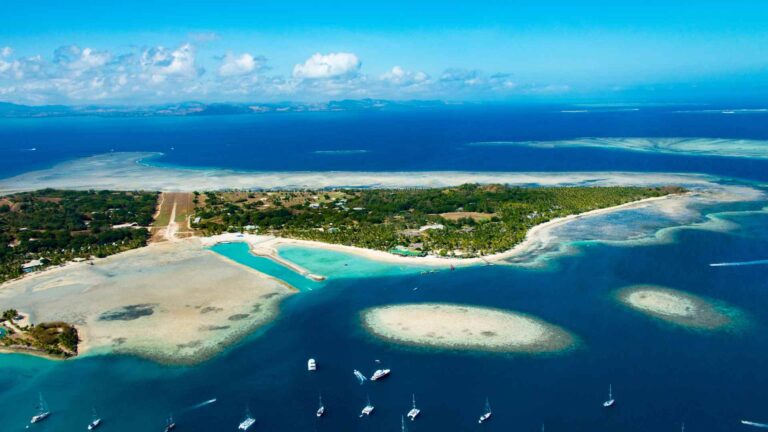
Neither island has a conventional cruise terminal, and transfer arrangements depend on vessel, local facilities, and sea conditions. The practical reward is history and nature without a polished port-day setup.
Norfolk is strongest for Kingston’s layered history and island scenery, while Christmas Island is strongest for rainforest, seabirds, crabs, and a multicultural community. Do not treat the two as interchangeable tropical beach stops.
The quick facts
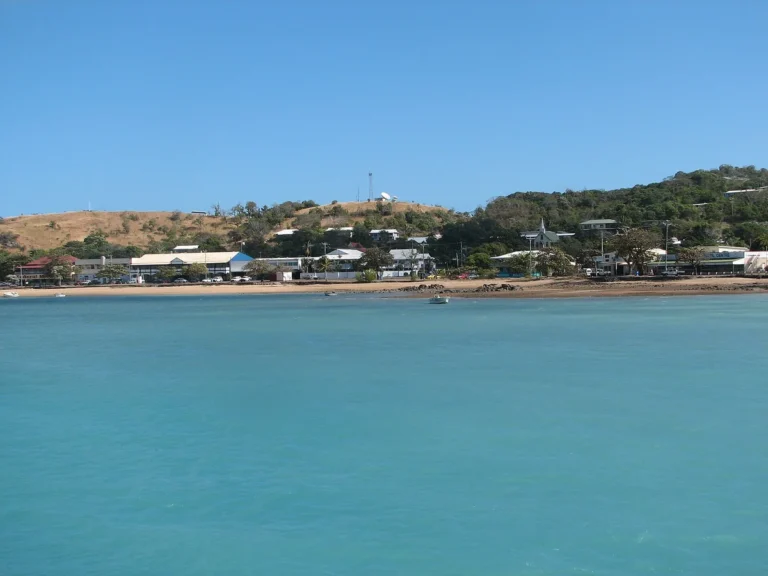
- Where you land: on Norfolk, normally Kingston Pier or Cascade Pier depending on the sheltered side; on Christmas Island, the ship and port arrange the transfer around Flying Fish Cove. Neither is a conventional passenger terminal.
- Dock or tender: passengers normally transfer ashore in small craft rather than walking off a cruise berth. The ship may use its tenders or locally appropriate craft, and the arrangement can change on the day.
- Into town: Norfolk’s Burnt Pine is about 2.5 miles from Cascade, while Kingston attractions begin near Kingston Pier. On Christmas Island, Flying Fish Cove and the Settlement are nearby, but national-park highlights need a vehicle.
- Currency and language: The Australian dollar (AUD), and English on both islands, with Norf’k still spoken on Norfolk Island.
- Time zone: Norfolk uses NFT (UTC+11) and daylight time (UTC+12) seasonally; Christmas Island uses Christmas Island Time (UTC+7) year-round. Confirm the ship clock because the islands are five hours apart during Norfolk’s summer time.
- How often the call is missed: High (upwards of 15%): wind or swell can halt tender operations.
The honest bit: why these calls get canceled
Open-ocean swell can prevent safe passenger transfer at either island, but the landing systems are not identical. Wait for the captain and local port team to identify the day’s anchorage, tender craft, and shore point.
Book only tours that state what happens if the ship cannot land or arrives late. A vendor’s weather refund may exclude booking fees, so read the exact terms.
On Norfolk, ships use whichever of the two piers is calmer, and the shore team advises the pier on the day. Cruise-day operators here plan for it: the Green Parrot cruise shuttle, for example, notes a full refund if the ship is unable to disembark.
So treat any Norfolk or Christmas Island stop as a hopeful maybe, not a certainty. Book flexible, refundable tours, and have a relaxed sea-day backup in mind.
If tendering is new to you, my primers on what a tender port is and the best cruise tender ports set expectations well.
Getting around once you are ashore
Norfolk has no regular public transit, and its hills make a cruise-day shuttle or small-group tour the simplest choice. Confirm whether the landing is Kingston or Cascade because that changes the first transfer.
A shuttle can connect Burnt Pine, Kingston, and Mount Pitt, but routes and stops are operator-specific. Reserve ahead and identify the final trip back to the correct pier.
Christmas Island’s park sites are spread across steep rainforest roads, and red-crab closures can reroute traffic at short notice. Use a local guide or confirmed vehicle, then choose a compact route that reflects current park access.
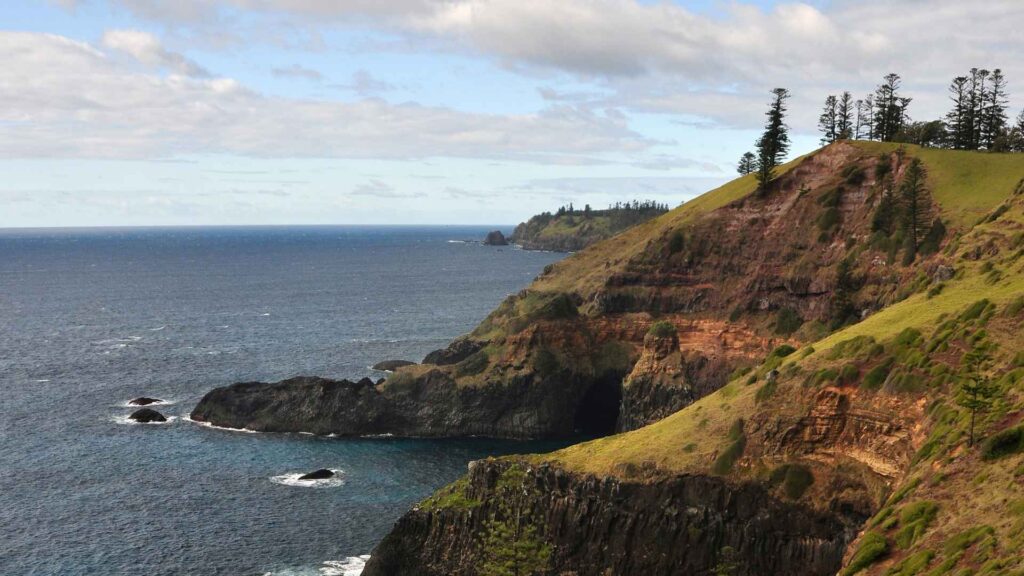
Norfolk Island: the stops I would spend time on
- Kingston and Arthur’s Vale Historic Area: the essential Norfolk stop and one of the 11 places in Australia’s UNESCO Convict Sites listing. Its free outdoor precinct is large, so choose a museum and one walking route rather than trying to see every ruin.
- Emily Bay: a reef-sheltered lagoon beside Kingston that can suit swimming when local conditions are good. Follow current water advice and do not assume a calm-looking lagoon is lifeguarded.
- The Norfolk Island pines: The tall, symmetrical pines that line the coast are endemic to the island and gave it its silhouette. Fun fact: Captain Cook noted them as potential ship masts when he charted the island in 1774.
- Norfolk Island National Park and Mount Pitt: forest tracks and broad island views, reached by vehicle from either pier. Mount Pitt is the easier scenic choice, while tracks need more time and suitable footwear.
- The Pitcairn and Bounty story: Many islanders descend from the Bounty mutineers, who resettled here from Pitcairn Island in 1856. That heritage still shapes the local Norf’k language and Bounty Day traditions.
Christmas Island: the stops I would spend time on
- Red crab migration: millions of crabs move after the first wet-season rains, with timing tied to the lunar cycle and sometimes delayed into January. Road closures protect the crabs, so follow Parks Australia updates and never drive around barriers.
- Christmas Island National Park: Managed by Parks Australia, it covers about 63% of the island. It protects rainforest and rare seabirds like the endemic Abbott’s booby and Christmas Island frigatebird.
- Flying Fish Cove: the main settlement bay and the island’s port area, with shore snorkeling only when current conditions and local advice allow. Coral, surge, and vessel operations can limit water access.
- The Dales and Hugh’s Dale: a rainforest wetland route whose current road, boardwalk, and trail access should be checked with the national park. Wet surfaces and steps make it unsuitable as an assumed easy walk.
- The blowholes and Martin Point: Rugged coastal spots where ocean swell drives spray up through the limestone, best on a lively sea.
Christmas Island wears its history plainly. Phosphate mining drew settlers from across Asia and shaped the multicultural community, and the island has also served as an immigration detention site, which you may see referenced locally.
How I’d plan the day
Norfolk plan: prioritize Kingston and Emily Bay when landing at Kingston, or use a ship transfer from Cascade before choosing Kingston or Mount Pitt. Return to the correct pier at least 90 minutes before all-aboard.
Christmas Island plan: combine Flying Fish Cove with one current park route or a crab-focused drive when migration conditions exist. Return to the landing area about two hours before all-aboard because road closures and tender timing can stack together.
A realistic word on accessibility
Tender boarding, working piers, steep roads, wet paths, reef entries, and limited adapted vehicles make both calls difficult for wheelchair users and anyone unsteady on transfers. The ship may decline a passenger or device transfer in the day’s sea state.
Ask the accessibility desk about the tender step, device limits, storage, and crew assistance, then ask the local operator about vehicle lifts and exact walking surfaces. A scenic vehicle loop is the lowest-effort realistic plan when landing is possible.
When to go, and the weather
Norfolk is subtropical with changeable wind and rain, while Christmas Island is tropical and has a wetter season from roughly November through April. Sea state can cancel either call in any month.
Christmas Island is tropical, with a wet season roughly November to April. That wet season is exactly when the red crab migration fires, so a call in that window is the dream, if the swell cooperates.
Entry, biosecurity, health, and money
Both islands are Australian territories, but immigration and clearance depend on passport, voyage origin, and the ship’s arrangements. Confirm the required Australian visa or Electronic Travel Authority with Home Affairs before sailing.
Biosecurity is especially strict on isolated islands, so declare food, plant material, shells, soil, and animal products and clean muddy shoes. Never move a crab, bird, plant, or natural souvenir between sites.
Carry Australian dollars and a payment backup because small operators and communications can be limited. Christmas Island has a small hospital and serious cases may require evacuation, so bring essential medicine and suitable insurance.
Quick answers
Can my cruise really skip these islands? Yes, and it happens often, because with no sheltered harbor the tendering depends on the swell and captains cancel the stop whenever it is unsafe to land.
Do I need cash? Bring some Australian dollars for small vendors and market stalls, though cards are widely accepted.
Will I definitely see the red crabs? No. The mass migration is seasonal and rain-driven, but Christmas Island’s crabs are visible year-round in smaller numbers.
How this guide was researched: Unless a first-hand visit is explicitly identified above, this guide is based on independent research using official port, tourism, transit, government, and attraction sources where available. Logistics and time-sensitive details were reviewed in September 2026; see our Editorial Policy.