Silistra River Cruise Port: Roman Ruins on the Bulgarian Border
Silistra is a small Lower Danube stop where Roman Durostorum, medieval Drastar, an Ottoman fortress, and the Romanian border all meet in one compact Bulgarian city.
The headline attraction is the painted late-antique tomb, but there is an important catch: the Silistra museum currently says visits are suspended. Build the day around what is actually open, then treat any tomb access announced by your ship as a lovely surprise.
My quick take
Silistra works best as a history-first afternoon with an easy riverfront stroll. Start at the Archaeological Museum, add Medzhidi Tabia if the seasonal hours and transport fit, and keep Srebarna Nature Reserve for a prearranged half-day outing.
Do not assume every listed monument is open just because it appears on an old itinerary. The museum’s current notices matter more than a cruise brochure printed months ago.

Silistra quick facts
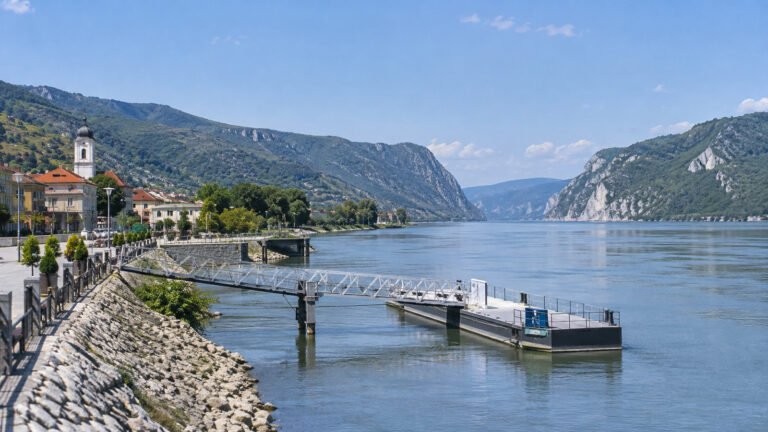
- Docking: The exact Lower Danube berth and gangway position can change, so use the cruise director’s landing notice rather than planning around one fixed point.
- Into town: Silistra’s riverfront and central sights are relatively close, but walking time and shuttle arrangements depend on the assigned berth.
- Currency: Euro (EUR); Bulgaria joined the euro area on January 1, 2026.
- Time zone: Eastern European Time, UTC+2 in winter and UTC+3 in summer.
- How often the call is missed: Medium (20%); this is an editorial planning estimate, not an official port statistic, and water levels or operational changes can alter Lower Danube calls.
Where the ship docks
Silistra does not have one cruise-terminal experience that every sailing uses. Your ship’s daily program should give the berth, gangway, meeting point, and any shuttle information for that date.
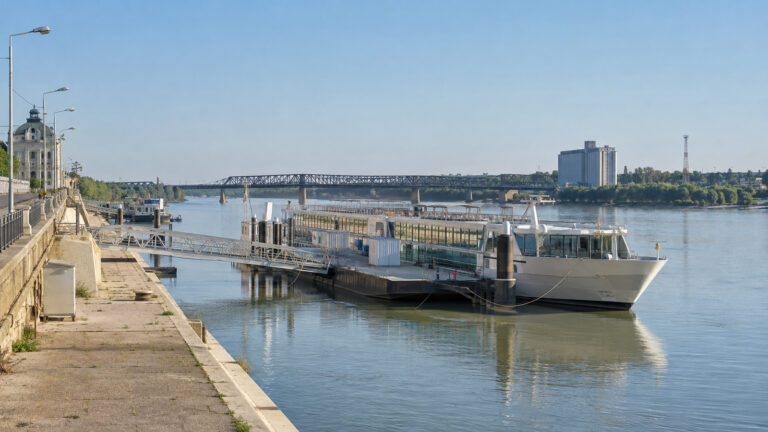
Expect practical river facilities rather than a large terminal full of services. Carry anything you need ashore, and ask the cruise director whether another vessel is alongside because rafting can add stairs and gangways.
River levels and traffic can force berth or schedule changes anywhere on the Danube. The Danube Commission coordinates navigation standards, but your cruise line is the useful source for today’s local operation.
Getting into central Silistra
Many river calls allow a straightforward walk toward the riverfront park and central streets, but do not lock in a ten-minute promise before seeing the actual berth. Ask crew to point out the correct gangway return and photograph the location before leaving.
A ship shuttle or taxi is useful for Medzhidi Tabia, Srebarna, or anyone conserving energy. Arrange the return at the same time, since a small river stop may not have a taxi queue waiting beside the vessel.
Romania lies across the river in this border region, but going ashore does not authorize an independent border crossing. Keep passport and immigration questions with the cruise line, and do not board a ferry or cross the frontier without confirming the formalities and return plan.
Durostorum without the mythology
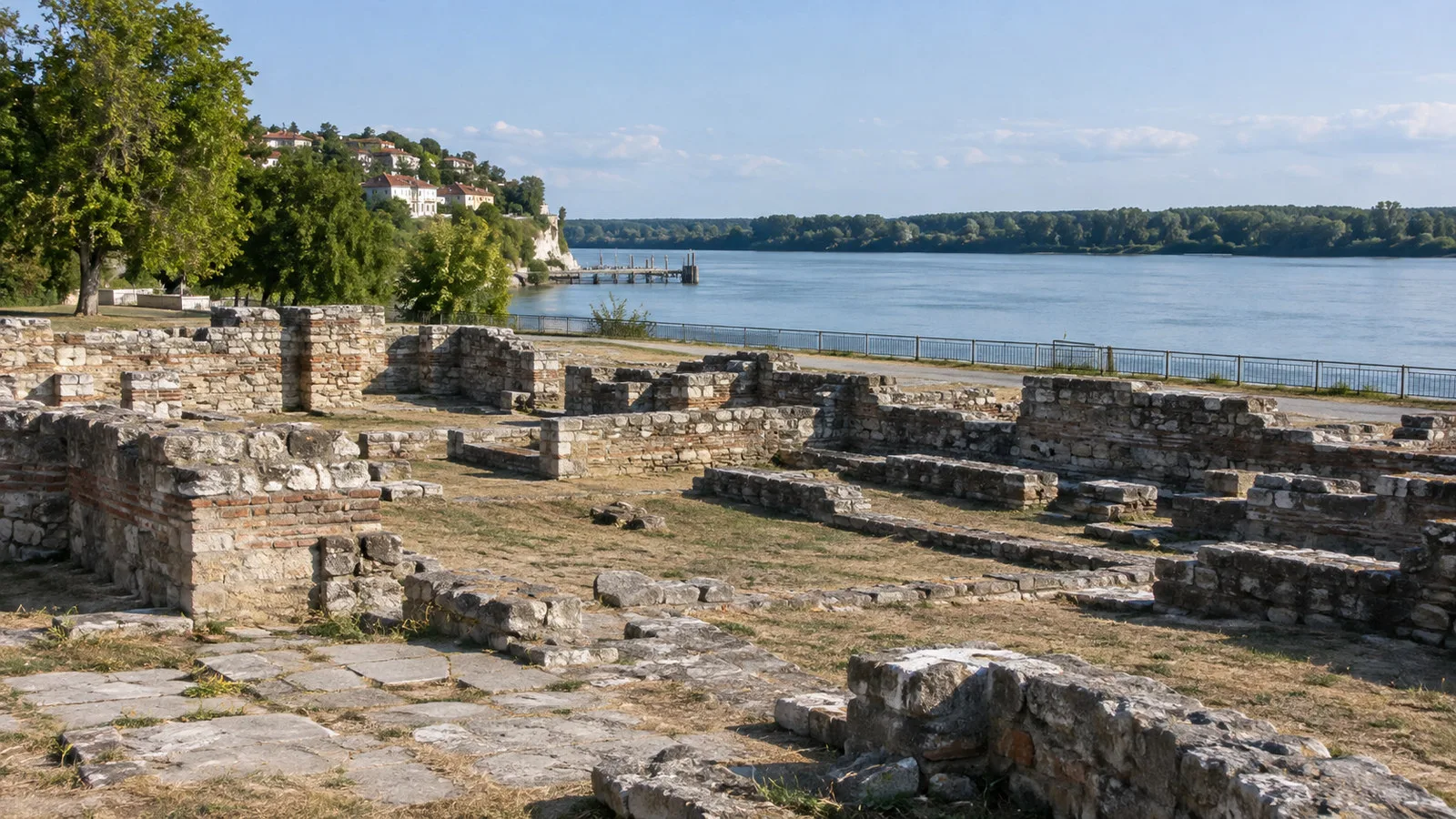
Silistra grew over the Roman city and legionary base of Durostorum, so its archaeology is not confined to one building. The Regional Historical Museum’s collection covers prehistoric, Roman, and medieval life, including military equipment, sculpture, jewelry, a chariot reconstruction, and a model of medieval Drastar.
The Archaeological Museum is the best dependable first stop for that story. Its official site currently lists split daytime hours that change between summer and winter, with weekly closing days, so check the schedule for your exact date.
The museum also says its archaeological exhibition is not accessible to people with disabilities. That is blunt but useful information, and it makes a ship-arranged panoramic option more sensible for some travelers.
The painted Roman tomb is currently closed
The fourth-century tomb is still extraordinary. UNESCO’s Tentative List entry describes a single chamber covered with murals of the deceased couple, attendants, birds, animals, plants, and hunting scenes.
It is a tentative-list site, not an inscribed World Heritage property. More importantly for today’s visitor, the Regional Historical Museum currently states that visits are suspended under a Ministry of Culture order.
Do not walk across town expecting admission, and do not pay a private guide who cannot confirm authorized access. If your cruise line advertises an interior visit, ask it to verify the museum’s current status before the cancellation deadline.
Medzhidi Tabia fortress
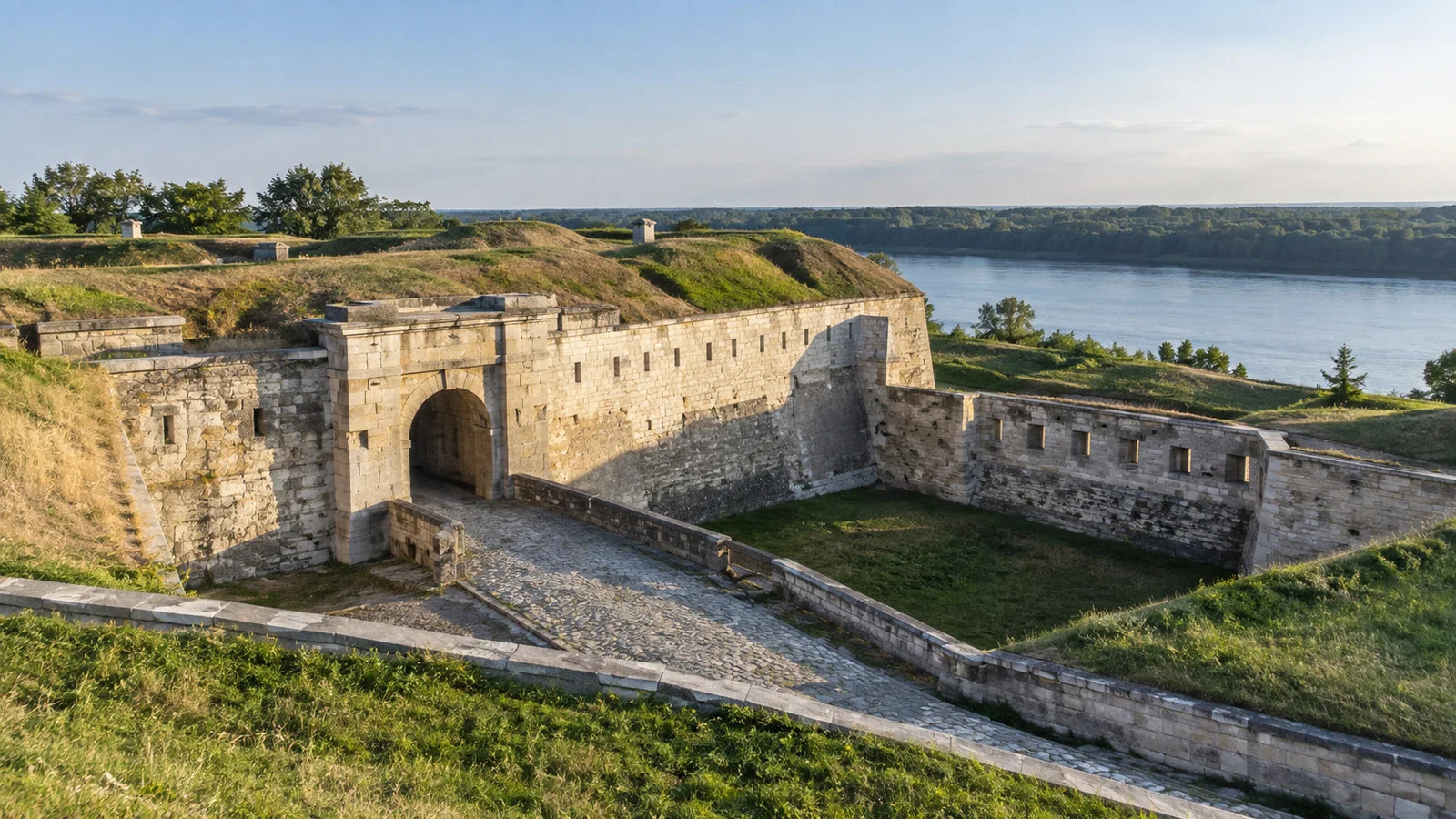
Medzhidi Tabia is the strongest currently visitable alternative outside the center. The museum describes it as a well-preserved mid-nineteenth-century Ottoman fort built from 1840 to 1853 and the sole survivor of Silistra’s former ring of eight fortifications.
The official fortress page currently lists daily opening from 10:00 AM to 5:30 PM from May through October. It does not publish regular winter hours on that page, so call or ask the ship before setting out outside those months.
The fort is south of central Silistra in Kalipetrovo, so it is not the place for an improvised last-hour walk. Use the ship’s excursion, a booked taxi, or a driver who will wait and return you to the correct berth.
Srebarna Nature Reserve

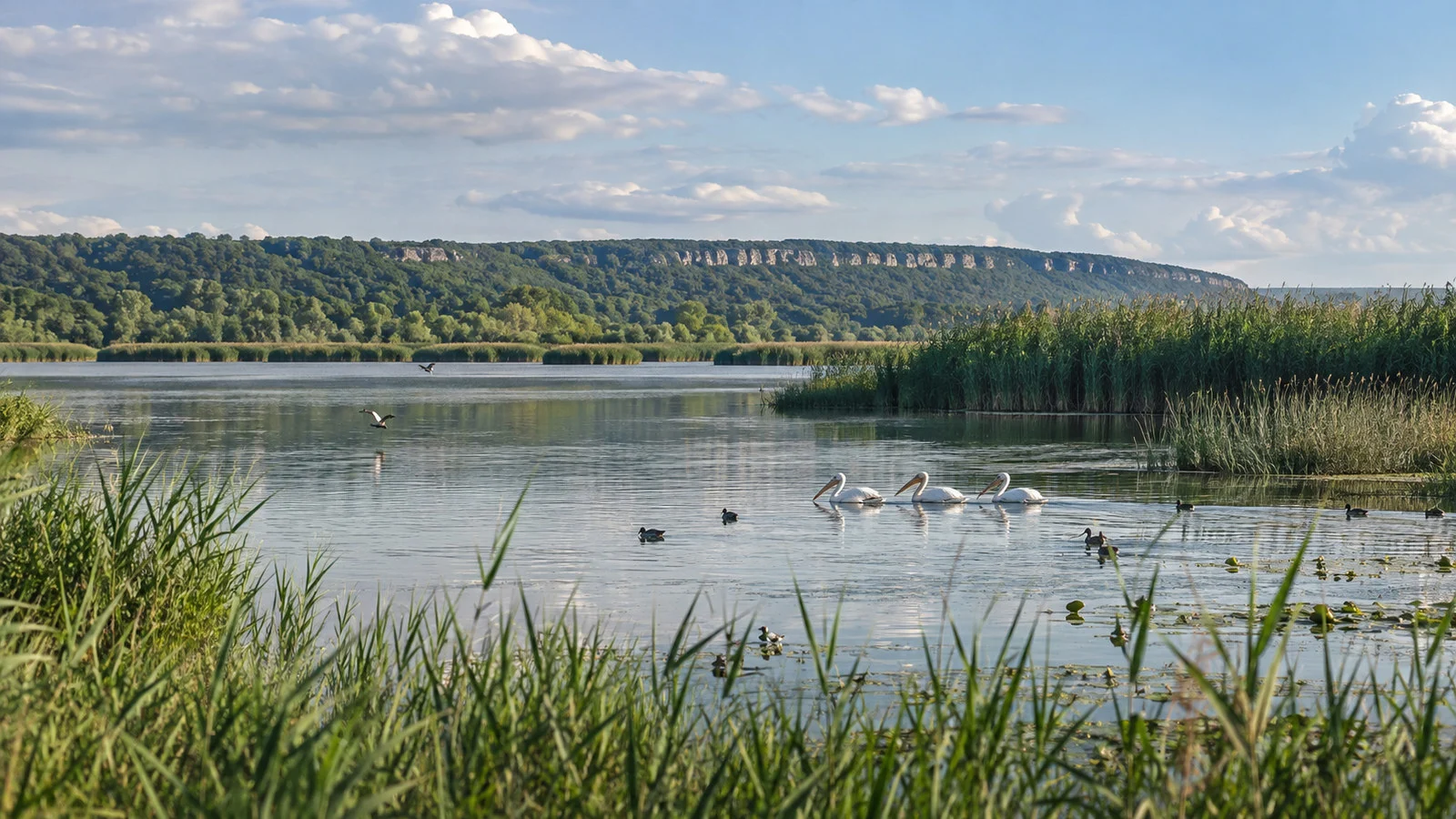
Srebarna Nature Reserve is the area’s fully inscribed UNESCO World Heritage property, about 10 miles west of Silistra. UNESCO identifies it as a 638-hectare freshwater wetland with major breeding and migratory bird habitat, including Bulgaria’s only Dalmatian pelican colony.
The protected core is not an open rambling park. UNESCO says scientific research and conservation work inside the reserve are carefully controlled, so visitors should use authorized viewing areas and follow every local restriction.
This is a half-day choice for birders and nature lovers, not a quick taxi photo stop. Prefer a ship excursion or prearranged driver, and confirm the visitor center, viewing access, and seasonal bird activity before committing.
Ship excursion or explore independently?
Explore central Silistra independently if your berth, walking ability, and museum hours line up. The archaeological collection and riverfront make a neat, low-pressure pairing.
Choose the ship excursion for Srebarna, Medzhidi Tabia, or any program claiming special monument access. The transport and all-aboard protection are worth more here than squeezing one extra stop from a private itinerary.
Before buying, compare the excursion description with the museum’s current closures. A “Roman heritage” tour may mean the archaeological museum and exterior remains rather than entry to the painted tomb.
Accessibility reality check
Accessibility begins at the ship because river levels can create a steep gangway, steps, or rafting through another vessel. Ask about the exact landing before deciding whether to go ashore independently.
The riverside and flatter central streets may suit a gentle outing, but curb cuts and surfaces can vary. The Archaeological Museum explicitly says it is not accessible to people with disabilities, so do not assume step-free entry.
Medzhidi Tabia has historic earthworks and irregular surfaces, while Srebarna is a protected natural setting with access restrictions. Ask for exact walking distances, steps, restroom access, and vehicle specifications rather than accepting a vague “easy” label.
Euros, cards, and small purchases
Bulgaria joined the euro area on January 1, 2026, according to the European Central Bank. Euros are the practical cash to carry, and the fixed conversion rate was 1 euro to 1.95583 Bulgarian lev.
Bring a small amount of cash for admission, a cafe, or a taxi even if you plan to use cards. Ask for the price in euros and decline any informal exchange offer near the riverfront.
Weather, water levels, and timing
Silistra has cold winters and hot summers, with wind along the exposed Danube. Pack sun protection and water in warm weather, plus a light layer for the riverfront even when the inland forecast looks friendly.
Water levels can change the ship’s berth, call length, or even the itinerary, but there is no trustworthy fixed percentage for an individual sailing. Follow onboard announcements and keep independent bookings flexible.
Return 30 minutes before the ship’s stated all-aboard time when exploring on foot, and allow more from the fortress or Srebarna. Confirm whether the line uses local time or ship time before leaving the vessel.
How Silistra fits a Lower Danube cruise
Silistra appears on selected Lower Danube and Danube Delta itineraries rather than every classic Central European route. It may be paired with Bulgarian calls such as Ruse and Vidin.
Some itineraries use a Romanian port and transfer for Bucharest, while others continue toward the Danube Delta. Read the day-by-day route carefully because “Lower Danube” can hide a surprising amount of coach travel.
Silistra’s strength is scale: one border city can explain Roman frontier defense, medieval Bulgaria, Ottoman strategy, and modern river navigation. That is plenty for an afternoon without pretending every door is open.
Quick answers
Can I enter the Roman tomb?
Not at present, according to the Regional Historical Museum’s current notice. Visits are suspended under a Ministry of Culture order, so verify again close to your sailing.
What is the best Roman-history alternative?
Choose the Archaeological Museum for Durostorum artifacts and the wider history of the city. Check its seasonal schedule because opening days change between summer and winter.
Is Medzhidi Tabia walkable from the ship?
Do not plan on it as a casual portside walk. The fort is outside central Silistra, so arranged transportation is the safer use of a short call.
Is Srebarna worth the trip?
Yes for serious birders and wetland lovers, especially with a guided visit. If the call is short, the in-town museum and riverfront are the less stressful choice.
Do I need euros or Bulgarian lev?
Use euros. Bulgaria adopted the euro on January 1, 2026, although older signs or receipts may still show lev equivalents during the transition period.
Can I cross independently into Romania?
Do not assume so from a cruise call. Any crossing involves transport, border rules, identity documents, and enough time to return, so clear the full plan with the cruise line first.
The last word
Silistra is still worth leaving the ship for, even while its famous painted tomb is closed. Let the archaeological museum tell the Roman story, use the fortress or Srebarna for one focused outing, and keep the riverfront as the easy little victory lap.
The clever plan here is not to collect every landmark. It is to know which doors are open and enjoy the ones that are.
Sources: Regional Historical Museum Silistra, UNESCO World Heritage Centre, European Central Bank, Visit Bulgaria, and the Danube Commission; time-sensitive details were reviewed in September 2026. Check your cruise line’s daily program and official sites before setting out, and see our Editorial Policy.