Kaunakakai Cruise Port: Molokaʻi Tender and Island Planning
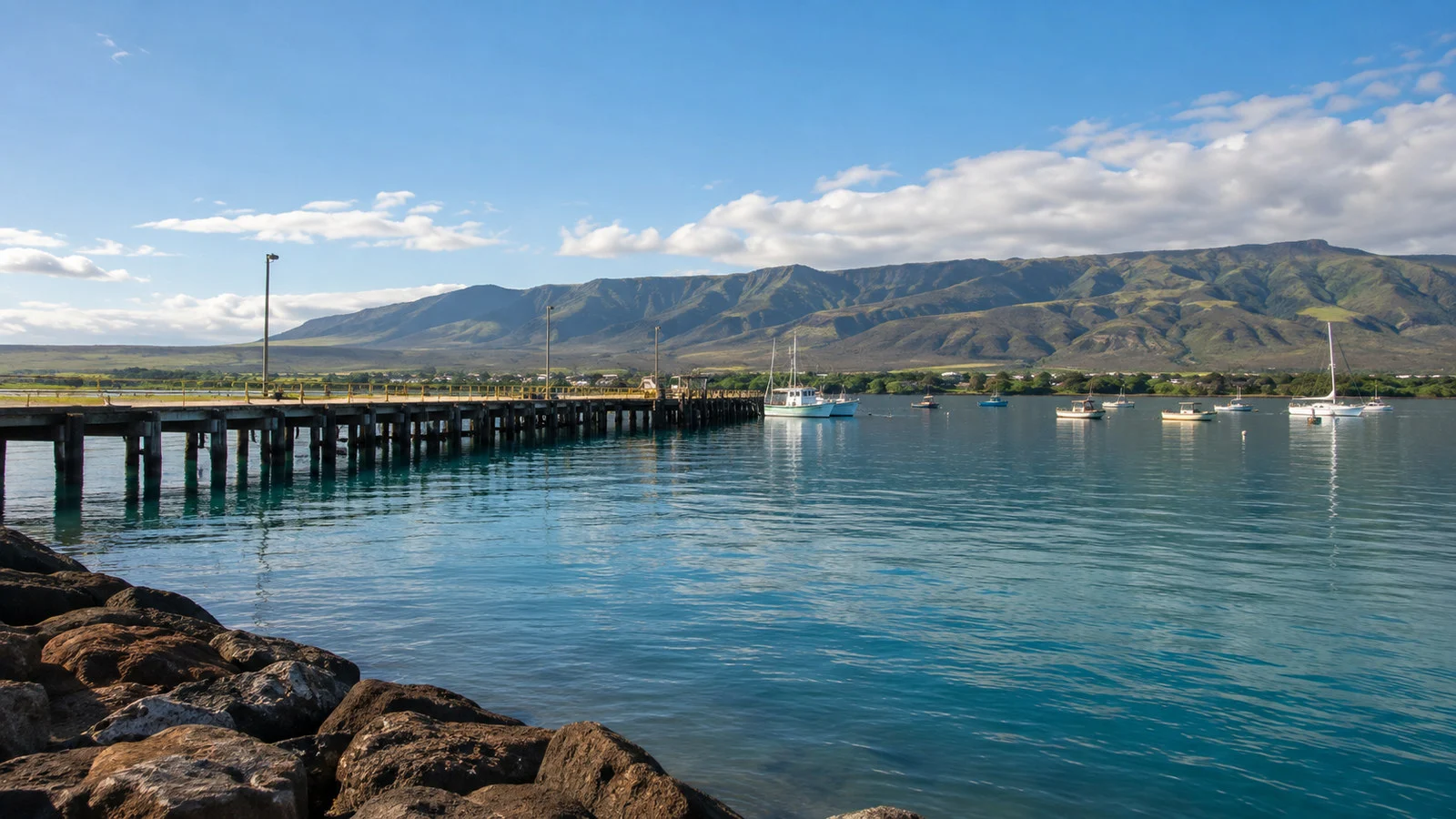
Kaunakakai is Molokaʻi’s main town and harbor, with a low-key waterfront, a short commercial street, and far fewer visitor services than Hawaii’s major cruise ports. A call here is about respectful access to a living island community, not a resort day.
Small ships may use a tender or another landing arrangement coordinated for the call. Confirm the exact transfer and return plan because Kaunakakai is not a standard large-ship cruise terminal.
My quick take
Stay in town for an easy independent visit, local food, and a sense of everyday Molokaʻi. Book an organized outing when you want to go east, west, or toward a cultural or natural site because on-demand transportation is limited.
Do not build a cruise-day plan around Kalaupapa. Access remains strictly controlled, general visitors must use an authorized guided arrangement, and the National Park Service says current general access is by air.
Kaunakakai quick facts
- State: Hawaii
- Island: Molokaʻi
- Country: United States
- Typical cruise access: Ship-specific tender or small-vessel landing arrangement
- Town center: A short distance inland from Kaunakakai Harbor
- Currency: US dollar
- Time zone: Hawaii-Aleutian Standard Time, with no daylight saving change
- Independent transport: Walking in town, prearranged vehicle or tour elsewhere
- Swimming: Use extra caution because Molokaʻi beaches generally lack lifeguards
- Best first check: Tender status, excursion meeting point, and final return time
Landing and harbor logistics
Kaunakakai Harbor is a working facility that serves island transportation and freight needs. Cruise passengers should expect practical maritime operations rather than a purpose-built arrivals hall.
Tender decisions depend on the vessel, wind, swell, harbor conditions, and the captain’s safety assessment. A scheduled call can change even when the weather looks pleasant from shore.
Attend the ship’s briefing and ask whether mobility devices can be carried. Keep both hands free while boarding and secure loose items against wind and spray.
Photograph the landing area, nearby landmarks, and final tender time. Different wharf areas and working traffic can make a return less obvious than a simple map suggests.
Stay clear of cargo activity, vehicles, ropes, and restricted zones. Port instructions take priority over a shortcut suggested by a map app.
Walking into Kaunakakai
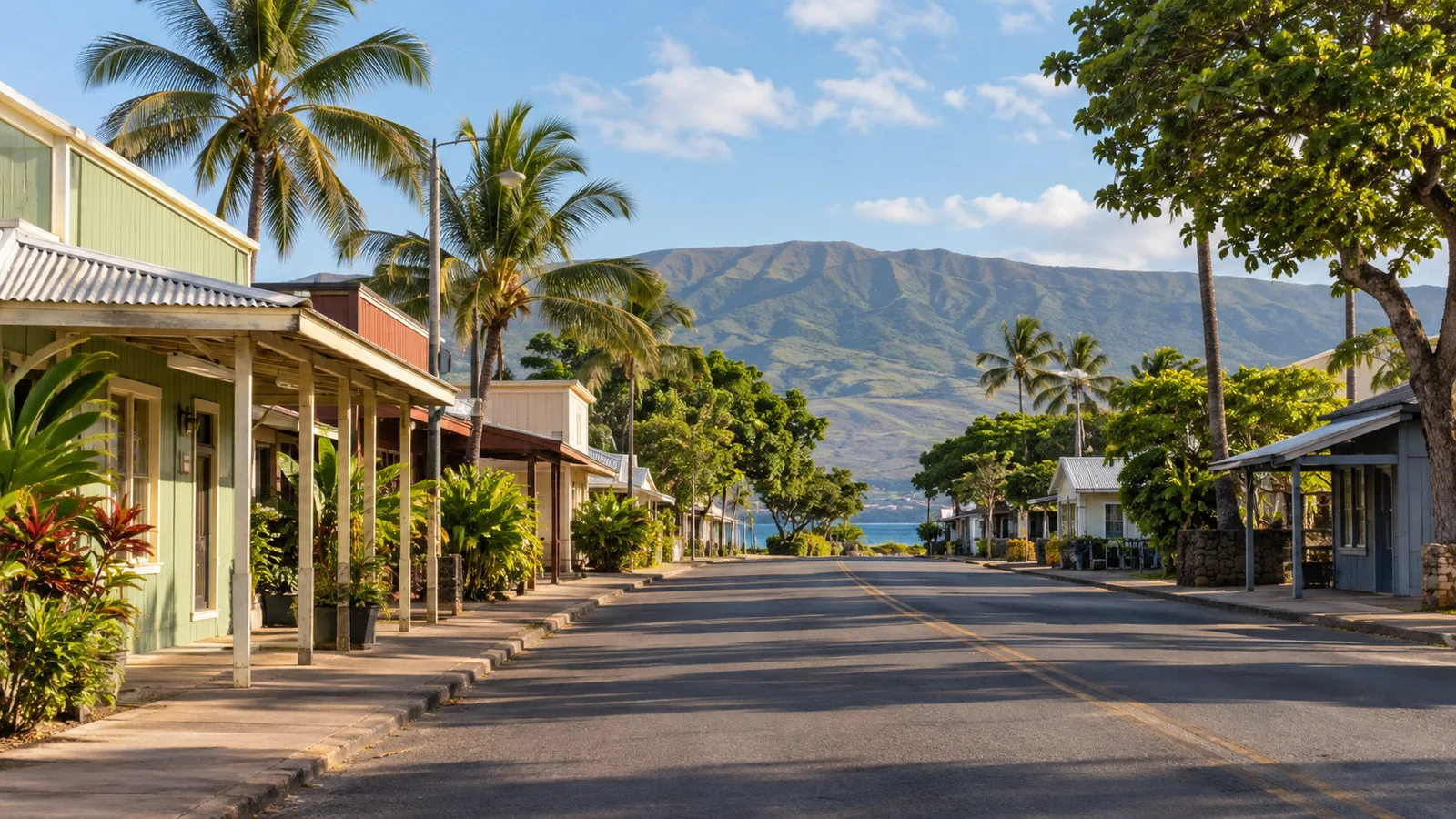
Central Kaunakakai is compact enough for a gentle independent walk after landing. Ala Malama Avenue holds many of the small shops, services, and food options visitors associate with town.
Sidewalk quality, shade, and curb access vary, so choose a simple out-and-back route if mobility or heat is a concern. Traffic may be light, but it is still real local traffic.
Opening hours can be limited and may not expand for a ship visit. Avoid building the entire day around one business without checking directly.
Cards are common, but carry a backup payment method and some small cash. Remote connectivity or individual shop policies can defeat a phone-only plan.
Kaunakakai is a community first. Give residents space, ask before photographing people, and do not enter private property for a scenic angle.
A simple independent town plan
Begin with the harbor view and walk toward central Kaunakakai at an unhurried pace. Note shade, rest spots, and your return route on the way.
Browse local businesses that are open, choose a modest lunch or snack, and ask staff what is realistic within the remaining time. A friendly conversation is more useful than chasing an old online checklist.
Return toward the harbor before the final hour if wind or swell is increasing. This keeps you close to the tender if the ship announces an early recall.
Do not expect a manicured historic district or major museum campus. The interest lies in the town’s scale, local rhythm, and relationship to the island around it.
Molokaʻi culture and responsible travel
Molokaʻi has a strong Native Hawaiian identity and a long history of community concern about the effects of outside development. Visitors should arrive with humility and avoid treating limited tourism infrastructure as a deficiency.
Use Hawaiian place-name spellings when possible and follow guidance from residents, cultural practitioners, and land stewards. Permission matters at cultural sites and on private land.
Choose locally led experiences when available, especially for Hālawa Valley and other places where stories and access are tied to families and community. Do not follow an unverified trail description onto private property.
Mālama means caring for the place and people you visit. The official Go Hawaii Molokaʻi guide includes responsible-travel guidance and current island information.
Kalaupapa requires special planning
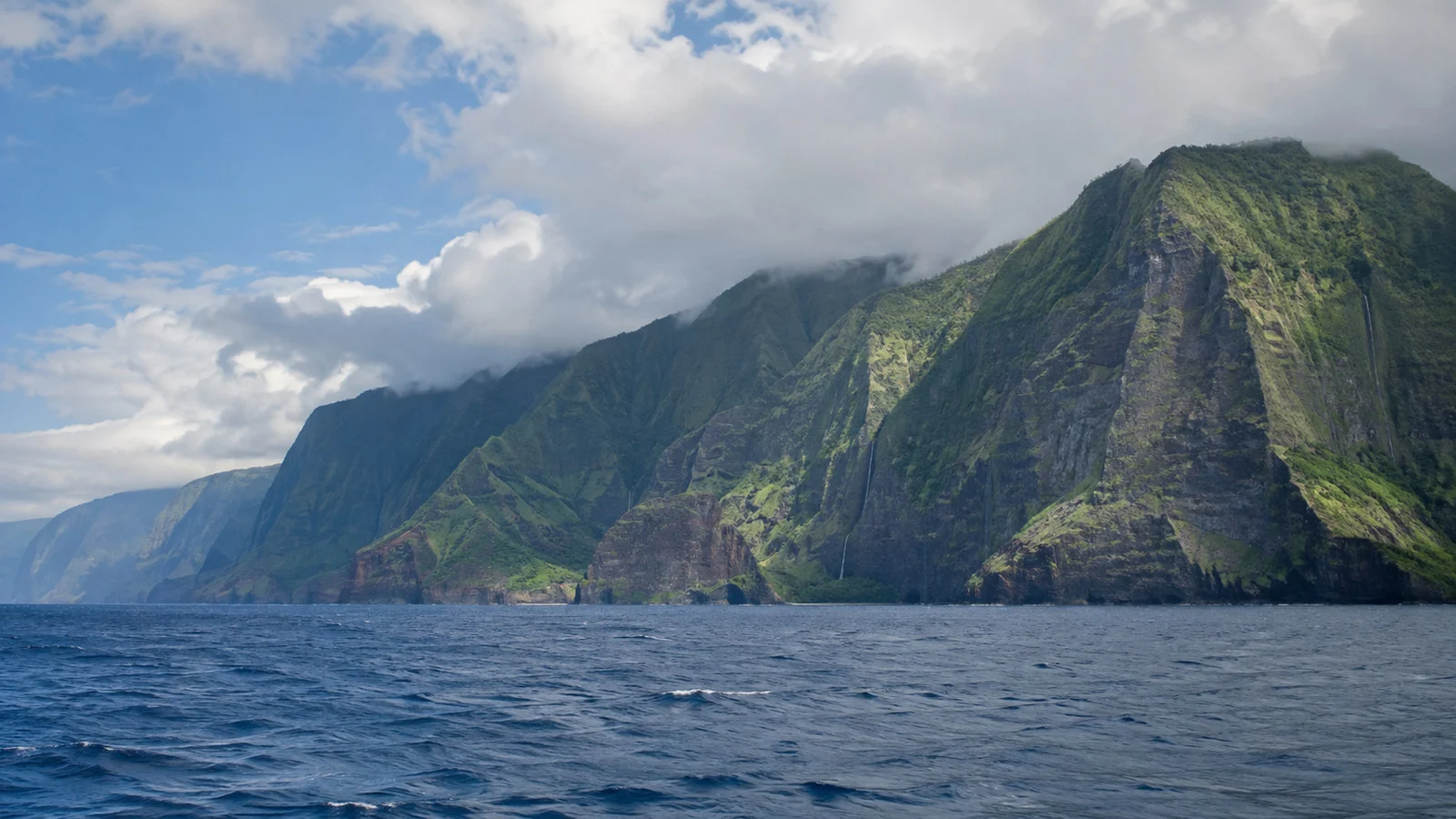
Kalaupapa National Historical Park preserves the experiences of people who were forcibly sent to the settlement because of Hansen’s disease. It remains a living community whose patient-residents deserve privacy and respect.
Hawaii law requires a permit, and the National Park Service states that general visitors must book a guided tour. Visitors under age 16 are not permitted.
The NPS currently says general visitor access is allowed only through Kalaupapa Airport while an arrangement for crossing private land to the pali trail is unresolved. That makes a same-day cruise excursion especially difficult.
There are no general dining or shopping services for visitors in the settlement, and medical response is limited. Photography of patient-residents or their property requires express written permission.
The overlook in Pālāʻau State Park is different from entering Kalaupapa itself. A distant view can be meaningful without claiming to have visited the settlement.
Check official conditions immediately before any plan because access rules can change. Do not rely on an older guide describing mule rides or unrestricted trail entry.
Hālawa Valley
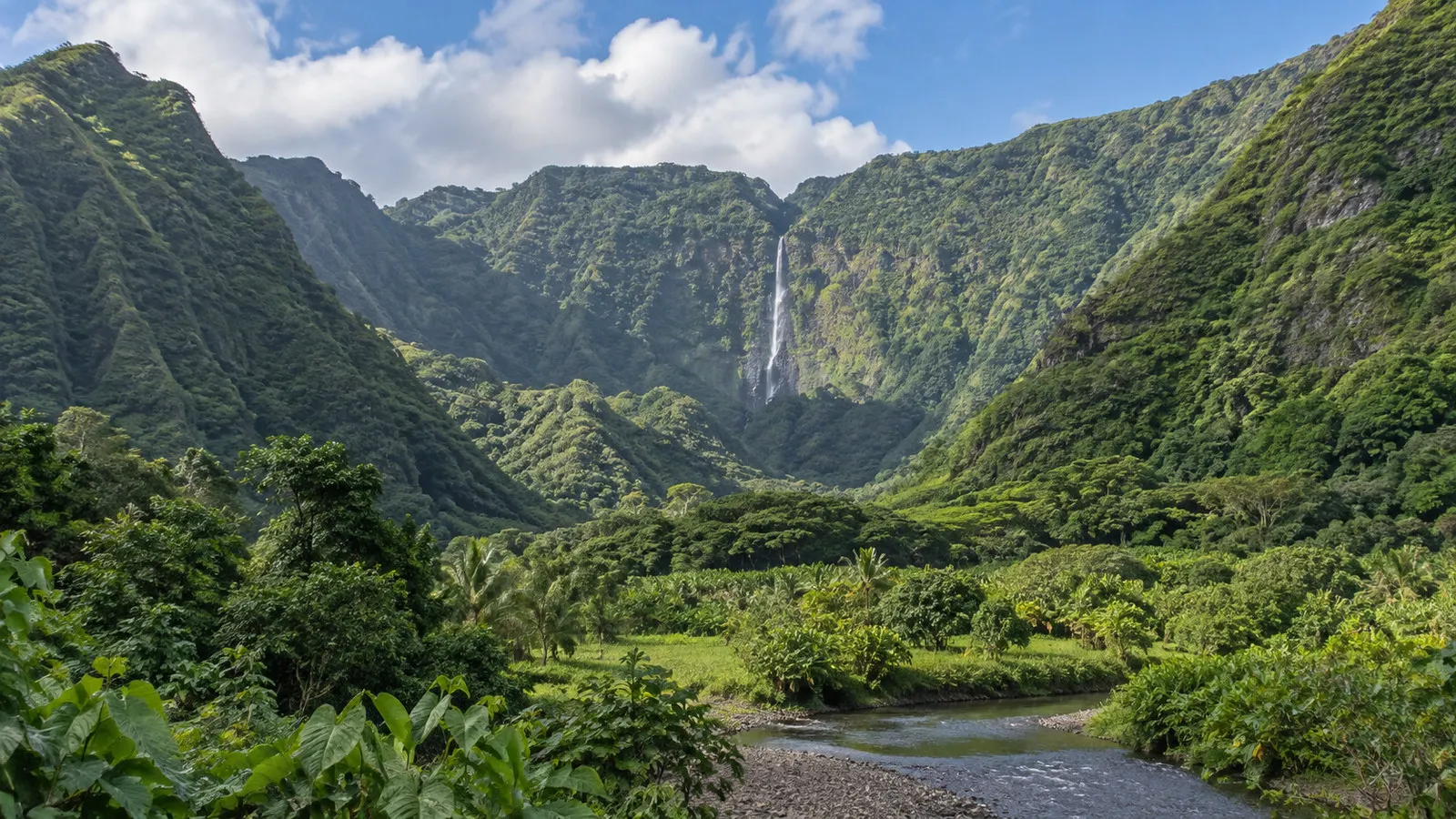
Hālawa Valley on the east end is culturally significant and visually dramatic. Access and interpretation should be arranged with a legitimate local guide who has permission.
The drive from Kaunakakai takes time on a narrow, winding road. A cruise excursion or fully confirmed private tour offers a safer return plan than an improvised rental.
Guided walks may involve stream crossings, mud, roots, heat, insects, and uneven ground. Ask about the exact route and current conditions before booking.
A waterfall image should not distract from the cultural context. Listen to the host’s instructions and stay out of closed, sacred, or private areas.
West Molokaʻi and Pāpōhaku Beach
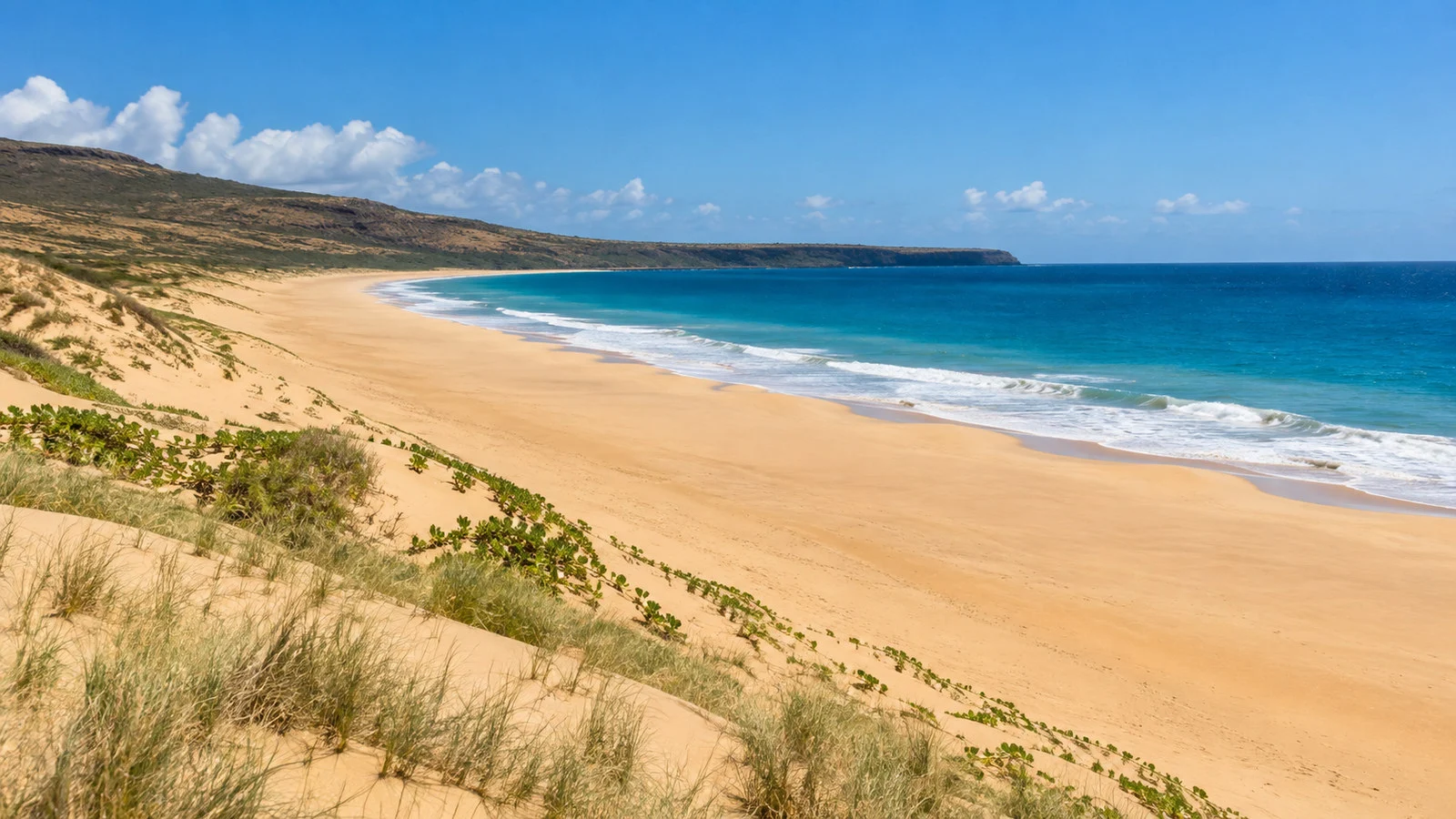
Pāpōhaku is a broad west-side beach with long views and little development. It is a beautiful stop, but it is not a supervised resort beach.
The official Hawaii tourism site warns that Molokaʻi beaches do not have lifeguards. Ocean conditions can be dangerous even when the shore looks empty and inviting.
Do not swim alone, turn your back on surf, or enter unfamiliar water simply because an excursion schedule calls it beach time. Ask a local guide about current conditions.
The west end requires a vehicle and enough fuel and return margin. Arrange transportation before leaving the harbor area.
Ship excursion or explore independently?
Explore independently for central Kaunakakai, local shops, and a short waterfront visit. The town does not require a narrated coach loop.
Choose a ship excursion or established local operator for Hālawa, the west end, Pālāʻau, or any multi-stop island route. Transportation supply is too limited for a plan built around finding a ride later.
Read the excursion description for cultural permissions, walking surfaces, restroom access, and time in the vehicle. A scenic island tour may spend much of the day on two-lane roads.
Do not attempt Kalaupapa unless the cruise line and an authorized tour have confirmed every permit and transportation step. An overlook visit is not the same as entering the park.
Transportation reality
Do not assume rideshare coverage, a taxi queue, or plentiful rental cars. Prearrange any trip outside town and confirm the return as carefully as the outward ride.
Cell service can vary away from populated areas. Save the operator’s number, meeting instructions, and an offline map before leaving.
Island roads may be narrow, winding, and slow. Add more time than a mainland distance estimate suggests.
Public interisland travel is not a backup for missing the ship. Flights and other services follow limited schedules and may be affected by weather or capacity.
Accessibility and mobility
The tender transfer is likely to be the main barrier for many passengers. Ask the cruise line about stepping requirements, device storage, crew assistance, and the possibility of a canceled landing.
Central Kaunakakai is relatively flat, but surfaces, curb cuts, heat, and shade vary. A short route near the main street may be more comfortable than a longer harbor-to-town loop.
Island tours can involve high vehicle steps, unpaved stops, and limited accessible restrooms. Request exact details rather than relying on an easy activity label.
Hālawa walks and many natural sites are unsuitable for travelers who need smooth, step-free surfaces. A vehicle tour with carefully selected viewpoints may be a better choice.
Heat, sun, and ocean safety
Kaunakakai can feel hot and exposed, especially around paved and waterfront areas. Carry water, use reef-conscious sun protection, and wear a hat that can be secured on the tender.
Brief tropical showers can make surfaces slick without cooling the day for long. A light rain layer is enough for most town walks.
Never leave valuables visible in a vehicle. Use normal precautions even in a quiet community.
For emergencies, call 911, but remember that medical and rescue resources are more limited than on Oʻahu or Maui. Carry essential medication and appropriate travel insurance.
Return timing
Write down the final tender and all-aboard times, and keep the ship’s contact details offline. Phone time should display Hawaii time, but a manual note avoids mistakes.
Return early from Hālawa, Pāpōhaku, or another distant stop. Road delays and limited alternate transportation can turn a small problem into a missed ship.
Stay near the harbor if wind or swell begins to build. The captain may suspend or accelerate tender service for safety.
An independent operator should know the vessel, landing place, and cutoff time. Reject any plan that treats a last-minute return as normal.
How Kaunakakai fits a Hawaii cruise
Most Hawaii cruise itineraries focus on Honolulu, Kahului, Hilo, Kona, and Nawiliwili. Molokaʻi is more likely to appear on a small-ship or expedition-style program.
That rarity does not make the island a blank canvas for visitors. Its communities, access limits, and preferences should shape the day.
Compared with the major ports, Kaunakakai offers fewer organized services but a more intimate scale. Plan less, listen more, and spend locally where welcomed.
Quick answers
Do large cruise ships visit Kaunakakai?
The call is more suitable for small ships and specialized itineraries. Follow the vessel’s landing instructions rather than expecting a standard terminal.
Can I visit Kalaupapa during a cruise call?
Usually this is impractical. General visits require a permit and authorized tour, current access is by air, and people under 16 cannot enter.
Is Kaunakakai walkable?
The central town is compact and mostly gentle, though the harbor route and sidewalks vary. Confirm the actual landing point.
Can I use rideshare to see Molokaʻi?
Do not depend on it. Arrange transportation and the return in advance for any destination outside town.
Are the beaches safe for swimming?
Molokaʻi beaches generally lack lifeguards, and conditions vary. Swim only when the ocean is clearly suitable for your ability.
What is the best short plan?
Walk into Kaunakakai, support a local business, and return early to the harbor. Add a distant excursion only with confirmed transportation.
The last word
Kaunakakai is not a conventional cruise port, and that is the point. A good visit is modest, respectful, and grounded in what the community and conditions allow.
Follow current directions from the ship, harbor, land managers, and local hosts. If access changes after your call, our editorial policy explains how to send a correction.