Chợ Gạo River Cruise Port: The Canal Between Saigon and the Mekong Delta
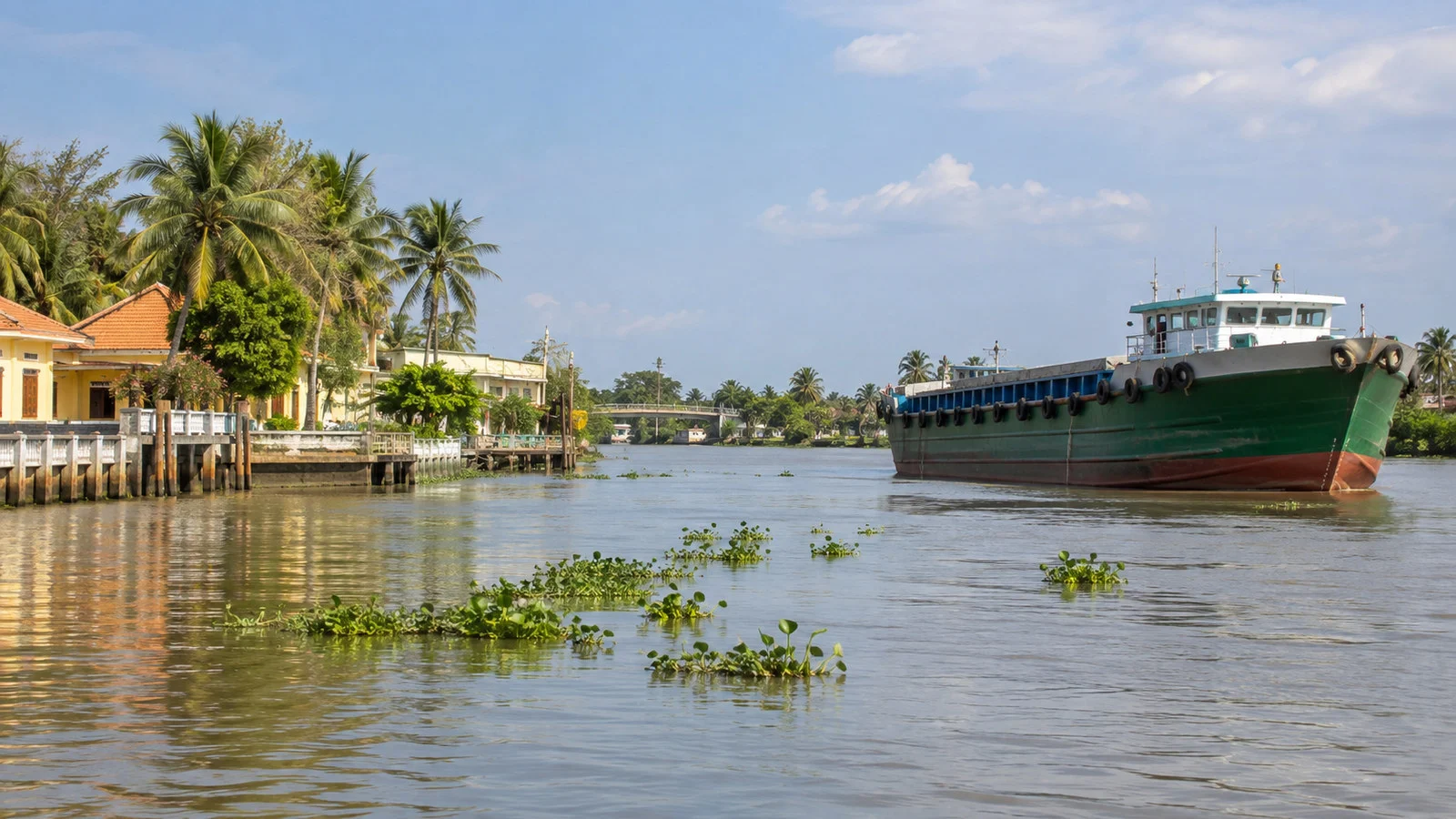
Here is the most important thing to know about Chợ Gạo: on a typical Mekong itinerary, it is a canal you cruise through, not a port where everyone gets off. Think working-waterway panorama from the deck, not gangway, tender, taxi stand, and independent sightseeing.
That distinction changes the whole plan. Unless your cruise documents name a specific landing or excursion in Chợ Gạo, stay aboard, follow the daily program, and save your shore-day energy for the actual stop that follows.
Chợ Gạo quick facts
- What it is: a busy inland canal passage linking the Ho Chi Minh City side of the route with the Mekong Delta.
- Typical cruise experience: scenic cruising from the ship, often en route from the Vàm Cỏ toward Bến Tre or another Delta destination.
- Standard landing: none should be assumed; current published itineraries can list Chợ Gạo as a transit and schedule the day’s shore activities elsewhere.
- Best plan: check the ship’s daily program, be on deck during the passage, and do not arrange independent transport unless the operator confirms an actual landing.
- Itinerary changes: water levels and local conditions can alter river routes, but no reliable public percentage exists for a “missed Chợ Gạo call.”
First, this is scenic cruising, not a normal port call
The saved article previously described riverboats anchoring in Chợ Gạo, transferring guests ashore by local boat, and offering a short town visit. Current primary itinerary evidence does not support that as the standard cruise experience.
Pandaw’s current Classic Mekong itinerary says the ship sails through Chợ Gạo Canal in the early morning and then reaches Bến Tre for sampan rides, orchards, and a village visit. It does not list a Chợ Gạo landing or excursion.
Another operator may design a different program, so read the exact day-by-day itinerary rather than relying on the destination label in a booking engine. “Chợ Gạo” may simply identify the scenic passage on your route.
Where the canal fits on a Mekong cruise
On Pandaw’s current upstream route, the vessel leaves central Ho Chi Minh City, spends the first night on the Vàm Cỏ River, and cruises through Chợ Gạo the next morning. The ship then continues to Bến Tre for the day’s shore program.
That sequence explains why Chợ Gạo appears near the beginning or end of some Vietnam and Cambodia itineraries. The canal is part of the practical water route between the city and the Mekong Delta rather than a self-contained sightseeing port.
Schedules can run the other direction, and ships do not all use the same embarkation point or route. Check whether your itinerary starts in central Ho Chi Minh City, uses a coach transfer to another dock, or bypasses this canal entirely.
What to watch for from the ship
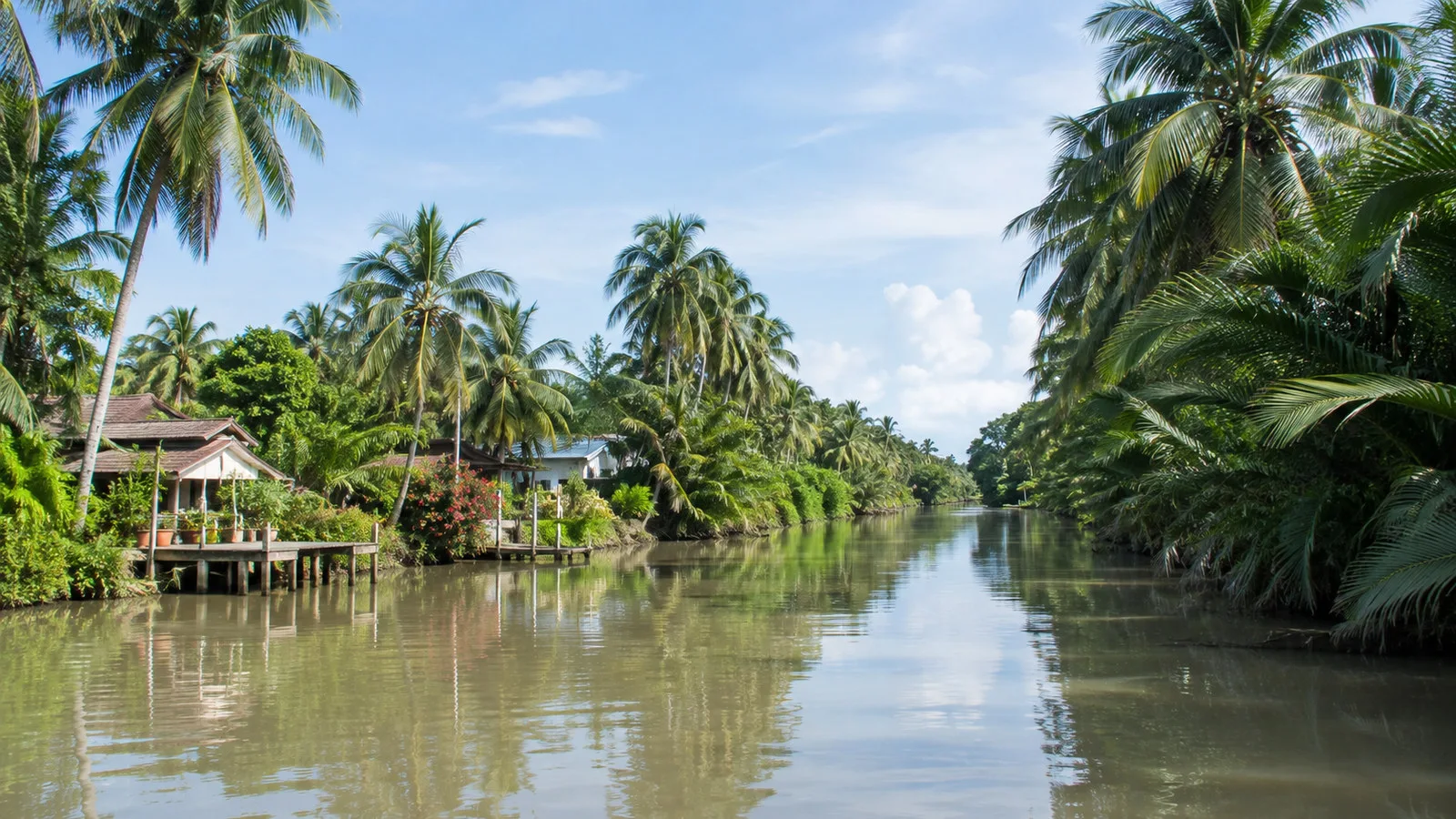
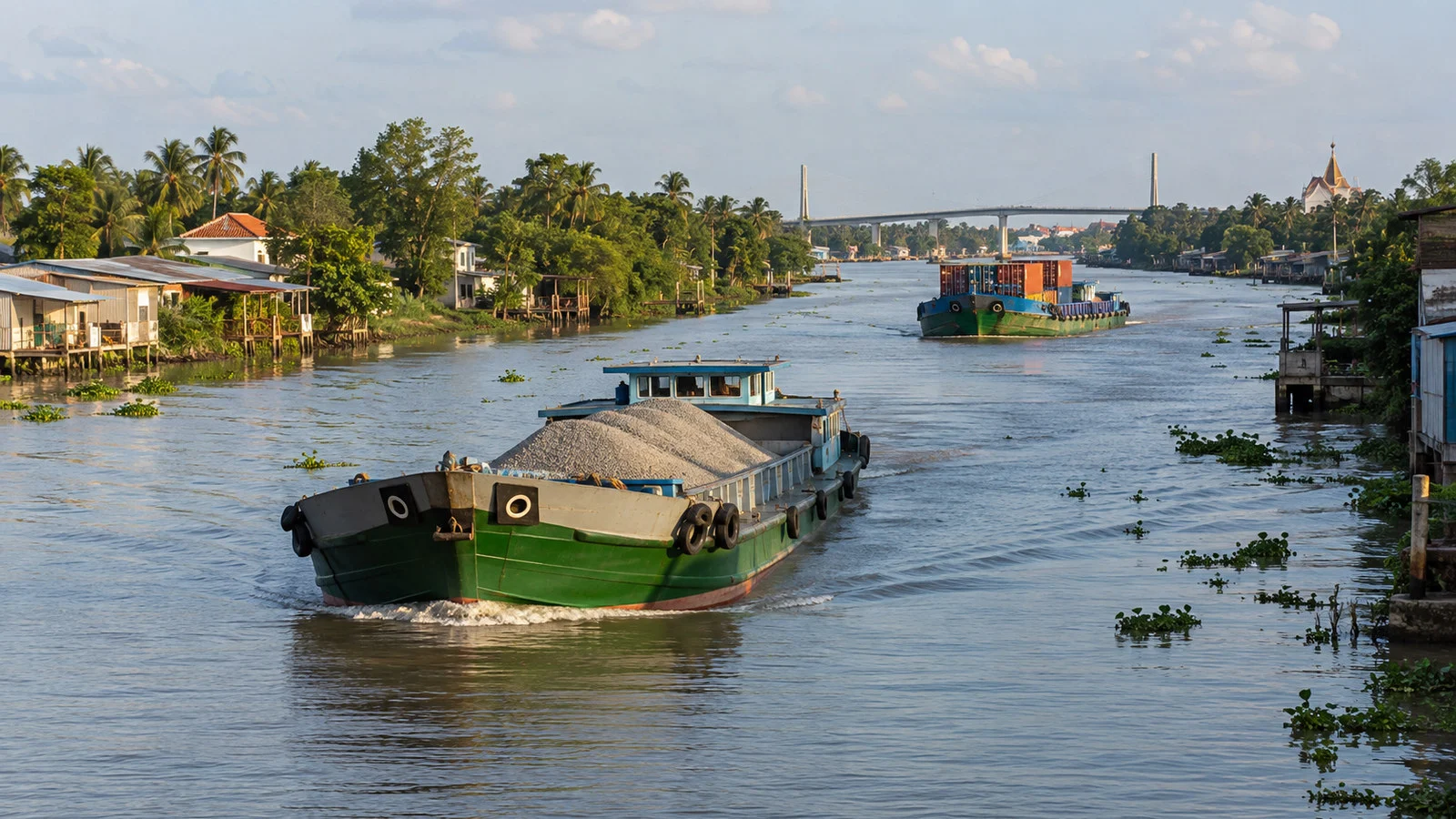
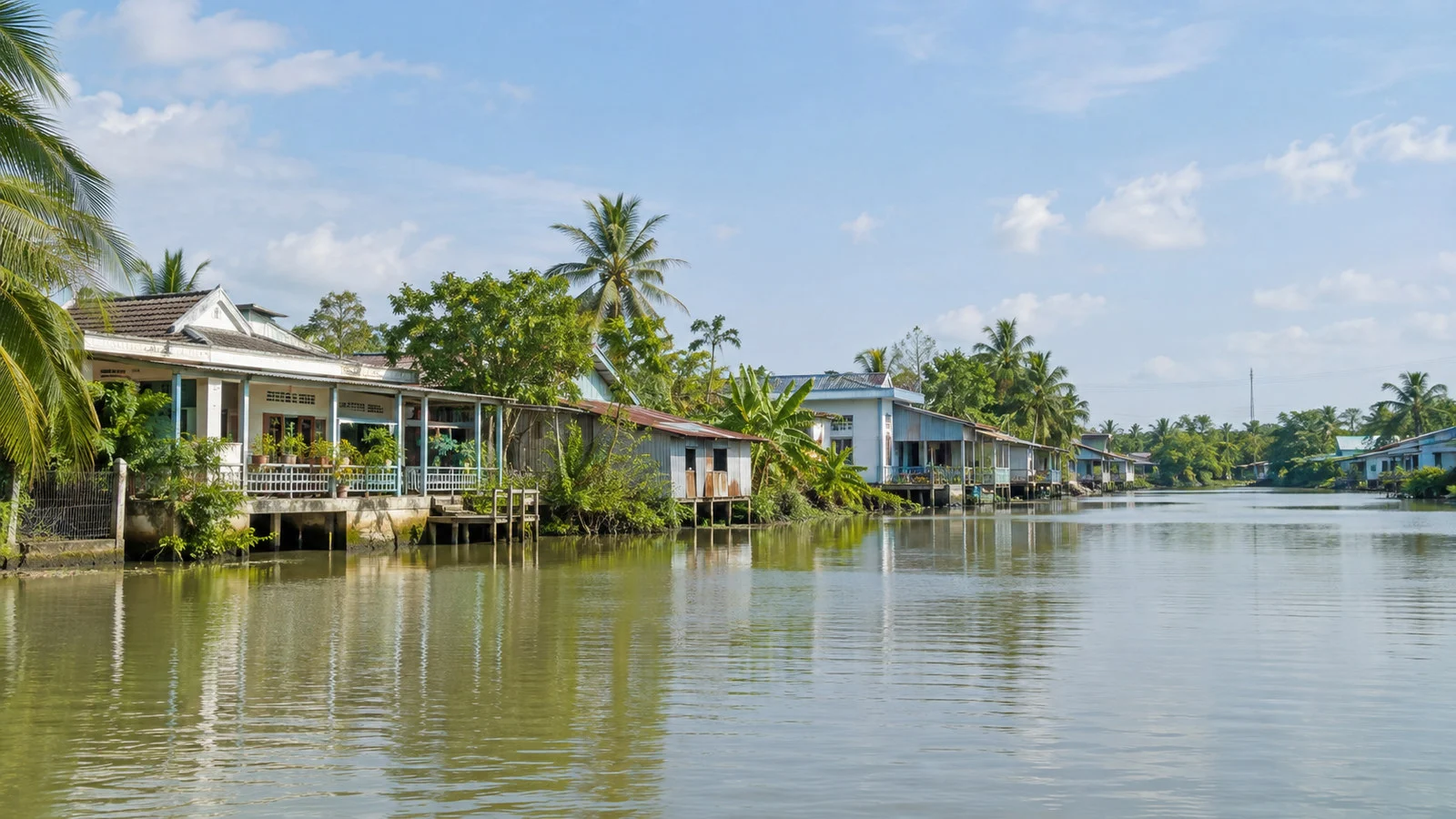
The appeal is the moving scene: freight boats, low riverside buildings, small workshops, fishing activity, bridges, and everyday traffic sharing a narrow working corridor. It feels different from the wider, more open stretches of the Mekong.
Do not expect a polished attraction narration every minute. A quiet seat on an open deck can be the best way to understand how goods and communities move between Ho Chi Minh City and the Delta.
Ask the cruise director the night before what time the ship expects to enter the canal. “Early morning” can still shift with navigation and river conditions, and the best viewing window may arrive before breakfast.
There may be no Chợ Gạo excursion to book
If the itinerary lists “cruise Chợ Gạo Canal,” that normally means the experience happens aboard. You do not need a ship excursion, local guide, taxi, cyclo, or private boat for a passage that never includes a landing.
Do not walk away from the ship or prebook a local pickup based only on the article title. There may be no passenger landing, and even a planned mooring elsewhere can change.
If your operator specifically advertises a Chợ Gạo village visit, ask for the landing method, walking distance, terrain, restroom availability, return time, and whether transportation is included. Treat that as an operator-specific excursion, not a standard feature of the canal.
Do not confuse Bến Tre activities with Chợ Gạo attractions
Pandaw currently places its sampan ride, mangroves, fruit orchards, and handicraft-village visit at Bến Tre after the Chợ Gạo transit. Those are real itinerary highlights, but they should not be presented as things you can automatically do ashore in Chợ Gạo.
The same caution applies to brick kilns, market visits, and rice workshops promoted elsewhere in the Delta. Confirm the named stop in the cruise schedule before assigning an attraction to this canal.
For actual shore-day planning, our guides to Cái Bè, Sa Đéc, and Tân Châu are more useful. The Mekong cruise ports overview helps put the whole route in order.
The best place to watch the transit
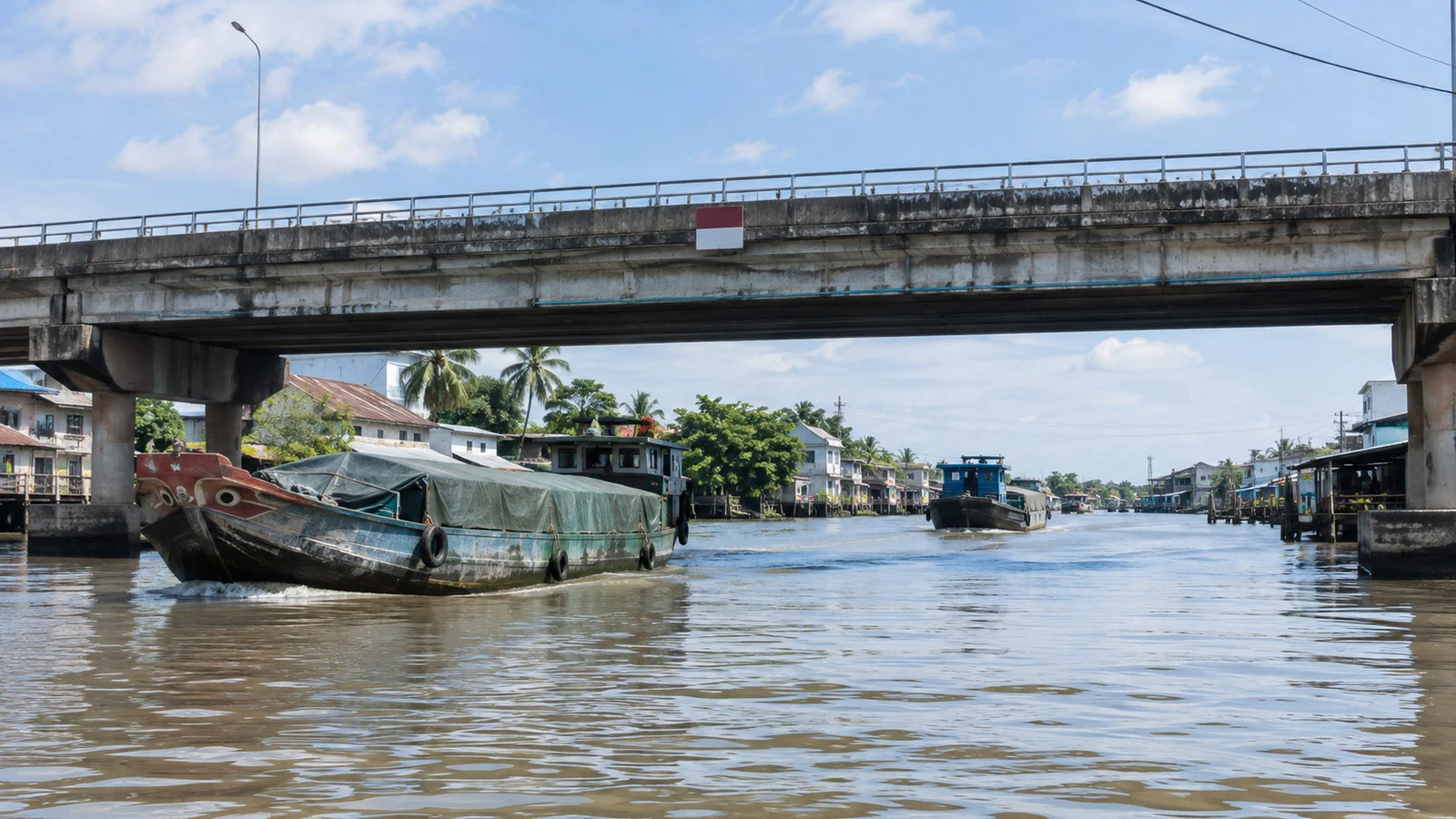
Choose an open deck with shade and a clear view over the rail, but keep crew walkways and navigation areas clear. One side may have the better view for a few minutes, then the canal bends and changes the picture.
A phone or small camera is easier to handle than a large setup on a busy deck. Be respectful when photographing people along the bank, and do not fly a drone from the ship.
Current United States travel guidance for Vietnam says drones are illegal and warns that photography or device use near sensitive infrastructure can cause problems. Follow crew instructions if photography is restricted anywhere along the route.
Accessibility is mostly about the ship
For a scenic transit, you may not need to negotiate a riverbank or small local boat at all. The practical question is whether your cabin, lounge, and open deck are reachable on your vessel.
Pandaw’s current passenger information says its owned ships do not have wheelchair access or stair lifts and that passengers must be able to use stairs unaided. That is one operator’s policy, so ask your own line about elevators, thresholds, deck access, seating, accessible restrooms, and staff assistance before booking.
If a specific itinerary includes a shore landing, ask separately about the gangway, bank slope, mud, steps, and mobility-aid handling. Pandaw notes that riverbank access can vary and may sometimes be difficult.
River conditions can change the day
Pandaw’s river-conditions warning explains that water levels can change quickly and published itineraries may be altered. That supports planning for flexibility, but it does not support the old claim that Chợ Gạo has a 5% missed-call rate.
Your captain may change speed, timing, route, or an overnight mooring for operational reasons. Listen for the onboard briefing and avoid building a private appointment around an estimated canal time.
Rain, heat, and glare can make an open deck uncomfortable even when you never step ashore. Bring water, sun protection, and a light rain layer, then use a sheltered lounge if the deck becomes slippery or too hot.
What to do the night before
- Check the daily schedule for the expected Chợ Gạo transit time.
- Ask whether commentary will be offered and which deck will be open.
- Charge your phone or camera and clear enough storage for video.
- Set out sun protection, water, and a light rain layer.
- Confirm the actual shore stop and excursion that follow the canal.
- Tell the crew about any mobility help needed to reach a viewing area.
This is one of those cruise moments that rewards being ready ten minutes early. If the transit moves to dawn, you will be glad your shoes and camera were not buried in a suitcase.
Money, visas, and independent transport
You normally do not need cash or transportation merely to cruise through Chợ Gạo. Keep Vietnamese đồng for confirmed shore stops, where small purchases may be easier with local currency.
Visa and entry rules apply to the trip, not just to the minutes you spend ashore. United States citizens currently need a visa for Vietnam, and the State Department directs travelers to the official Vietnam Immigration Department e-visa site; other nationalities should check their own government and the cruise line.
Do not assume the cruise line can fix an incorrect e-visa at embarkation. Match the passport details, dates, and entry point to the operator’s instructions, and print the approval if required.
If your itinerary really does schedule a landing
Ask the line to put the details in writing because a named Chợ Gạo landing is not the standard experience documented by the current itinerary checked for this guide. You need the exact mooring or landing point, transfer method, and included transport before planning anything independently.
Also ask whether guests can remain aboard, whether the ship moves while the group is ashore, and where everyone rejoins. On river cruises, the return point is not always the departure point.
For mobility planning, request step counts, gangway slope, walking surfaces, vehicle type, restroom access, and whether a wheelchair or walker can be carried safely. “Easy” is not an accessibility specification.
Quick answers
Does a river ship dock at Chợ Gạo?
Do not assume it does. A current major-operator itinerary treats Chợ Gạo as a canal transit and schedules the shore excursion at Bến Tre.
Can I walk into Chợ Gạo town from the ship?
Not unless your cruise line confirms an actual landing and tells you where it is. The standard transit described here does not create a walk-off port day.
Should I book a Chợ Gạo excursion?
Usually there is nothing separate to book for scenic cruising through the canal. Book or choose the excursion attached to the day’s named landing, which may be Bến Tre or another Delta stop.
How long does the canal passage take?
Published itineraries often give a general part of the day rather than a guaranteed transit duration. Ask onboard because speed, traffic, water levels, and route changes can affect the timing.
Is there a missed-call percentage?
No reliable public statistic was found, and “missed call” is the wrong frame when Chợ Gạo is a passage rather than a scheduled landing. River conditions can still change the route or timing.
Which province is Chợ Gạo in?
Following Vietnam’s 2025 provincial reorganization, the former Tiền Giang area is now part of Đồng Tháp Province. Older cruise materials and maps may still use Tiền Giang.
The bottom line
Treat Chợ Gạo as one of the journey’s best pieces of connective tissue, not a hidden port that needs a full shore plan. Be on deck, watch the working canal unfold, and keep the day’s actual excursion details separate.
If your documents promise a landing, follow those operator-specific instructions. Otherwise, no tender, town walk, taxi, or return-time strategy is needed here.
How this guide was researched: This guide is based on current cruise-operator and government sources rather than an unverified personal visit. Route, access, safety, and entry details were reviewed in September 2026 under our Editorial Policy.