Cabo Rojo-Pedernales Cruise Port: A New Stop in the Dominican Republic’s Wild Southwest
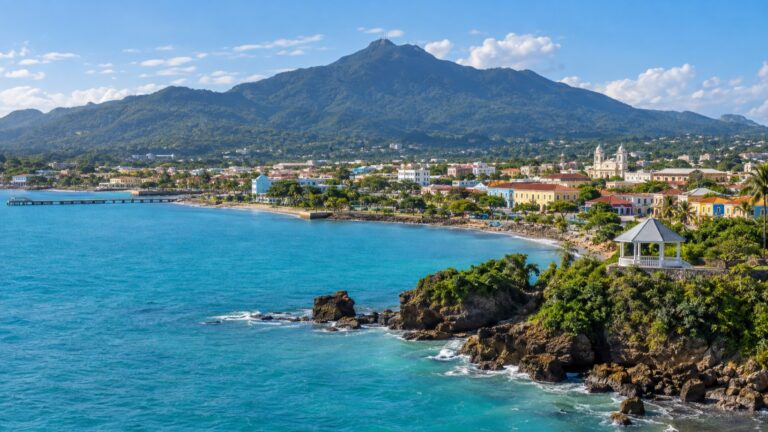
Cabo Rojo is the Dominican Republic’s newest cruise stop, tucked into the wild, arid southwest corner of Pedernales province.
I’ll tell you what’s actually here, what’s still under construction, and whether I’d book it yet.
My quick take
This is not a finished product, and that is exactly why I find it interesting. Cabo Rojo opened as a cruise stop in 2024, set down in some of the driest, least developed scenery anywhere in the Caribbean.
If you have already worked through the rest of the Dominican Republic’s cruise ports, this one swaps beach club polish for raw coastline and open space. I like that trade, but I keep my expectations for creature comforts low.
Pack patience along with sunscreen, because the port is still finding its footing. Give yourself extra buffer time for anything that involves a road trip.
Cabo Rojo-Pedernales quick facts
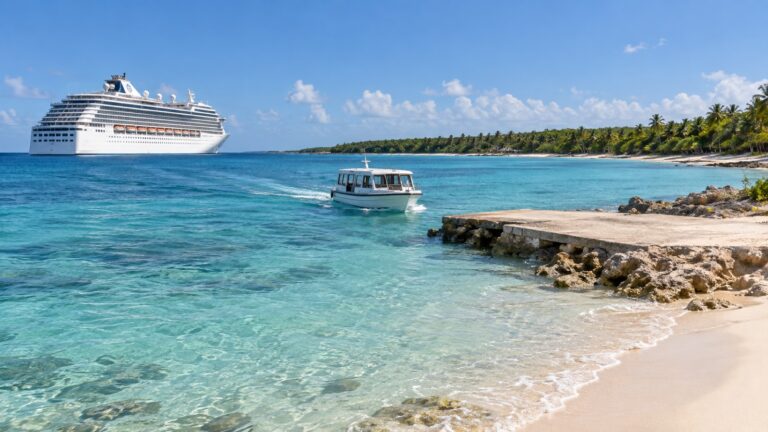
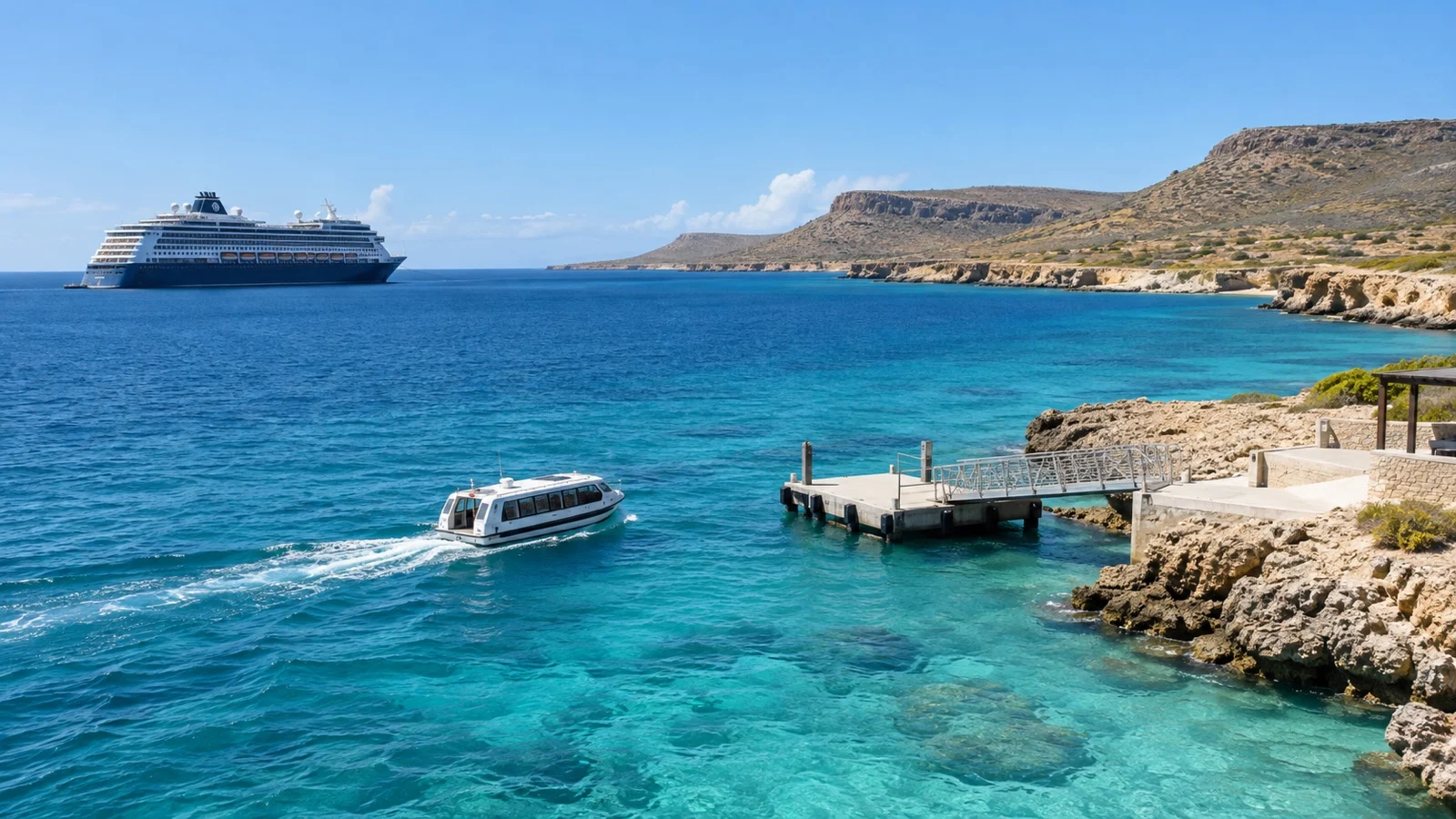
- Docking: Tender port. Ships anchor offshore and passengers ride tenders to a small, newly built landing near Cabo Rojo.
- Into town: There is no real port town yet. Shuttles or taxis cover the rough drive toward Pedernales and nearby sights.
- Currency: Dominican peso (DOP). Carry small bills, since this remote area has few card machines or ATMs.
- Time zone: Atlantic Standard Time (UTC-4) year-round. The Dominican Republic does not observe daylight saving time.
- How often the call is missed: Medium (15%): a brand-new tender port on an exposed coast, still working out its operating kinks.
Docking and getting ashore
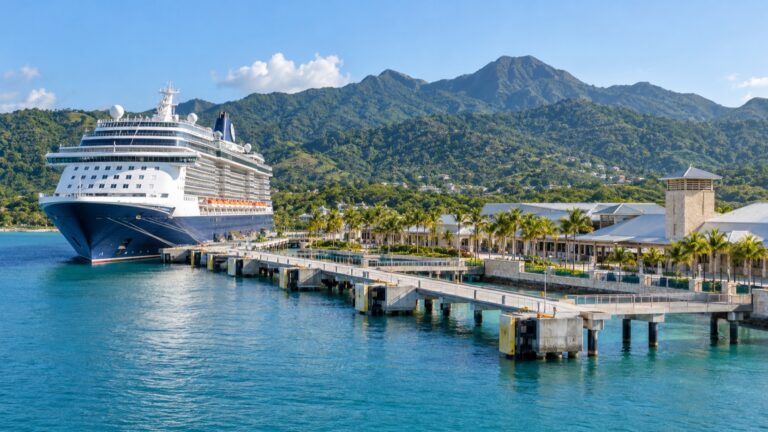
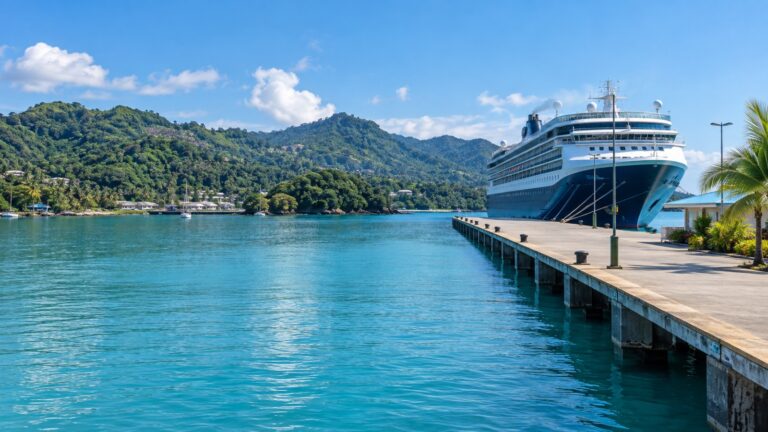
Cabo Rojo is a tender port, so your ship anchors offshore and small boats ferry passengers to a purpose built landing. The pier and shoreside building are new, part of a broader push to develop this stretch of Pedernales province for tourism.
Because the port only opened in 2024, do not expect the shops, bars, and shaded walkways you would find at an established Caribbean cruise stop. What you will find is a clean, functional arrival point built mostly for getting people onto buses and vans.
The wider Cabo Rojo project fits into larger national tourism development plans for Pedernales, with new roads, utilities, and more visitor services promised over the next few years. For now, most of that is still in progress rather than finished.
Local conservationists have raised concerns about how quickly hotel and port construction could affect wildlife inside neighboring Jaragua National Park. It’s a tension worth knowing about, even if it doesn’t change how you spend your one day ashore.
Getting into Pedernales and beyond
There is no walkable town at the pier itself, and the actual town of Pedernales sits a real drive away near the Haitian border. Most passengers head straight into organized transport rather than wandering off on foot.
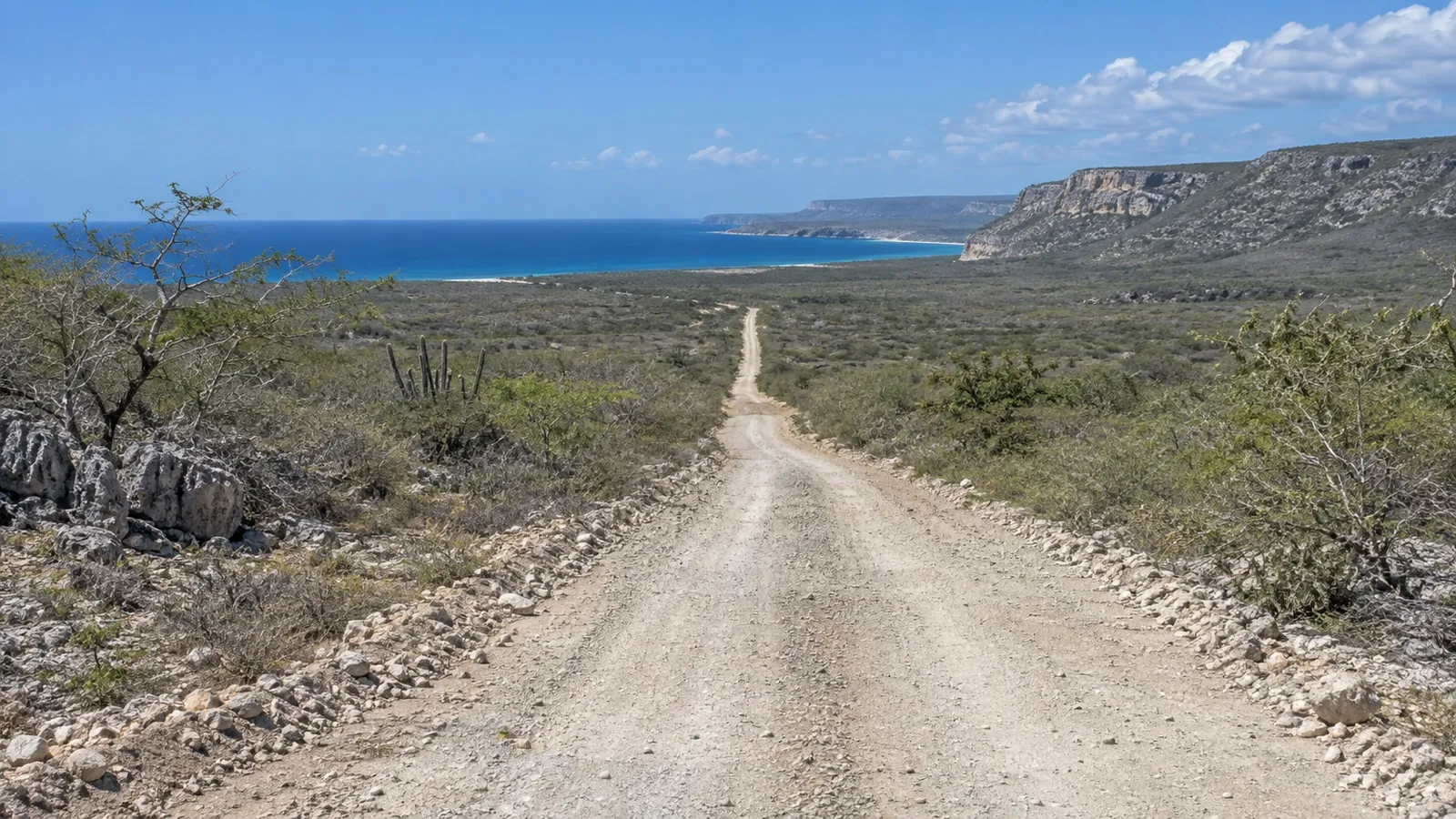
Roads in this corner of Pedernales province are rougher than the highways connecting the Dominican Republic’s better known resort areas. A high clearance vehicle, or an excursion bus built for it, makes a real difference here.
Pedernales town itself is small and low key, more a working border community than a tourist destination. Don’t expect resort style shopping or dining if your excursion happens to route through it.
There’s no cruise-line-run transit hub here yet either, so nearly everything runs through pre-booked shore excursions for now. That’s likely to loosen up as the port matures.
The standout sight: Bahía de las Águilas
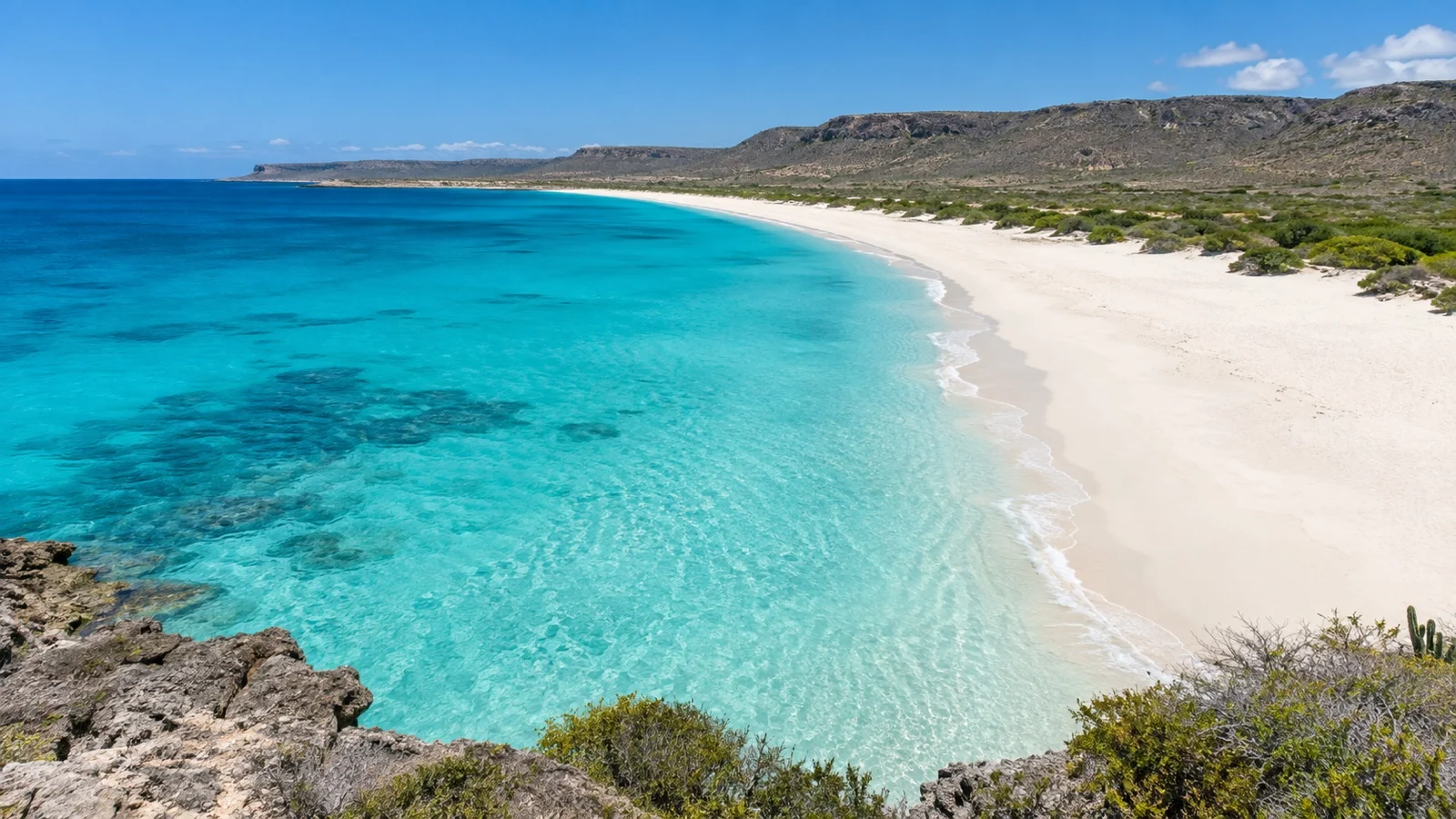
The main draw is Bahía de las Águilas, a long, empty white sand beach inside Jaragua National Park that regularly gets called one of the most beautiful in the Caribbean. It sits within a UNESCO recognized biosphere reserve that also protects the wetlands at Laguna de Oviedo.
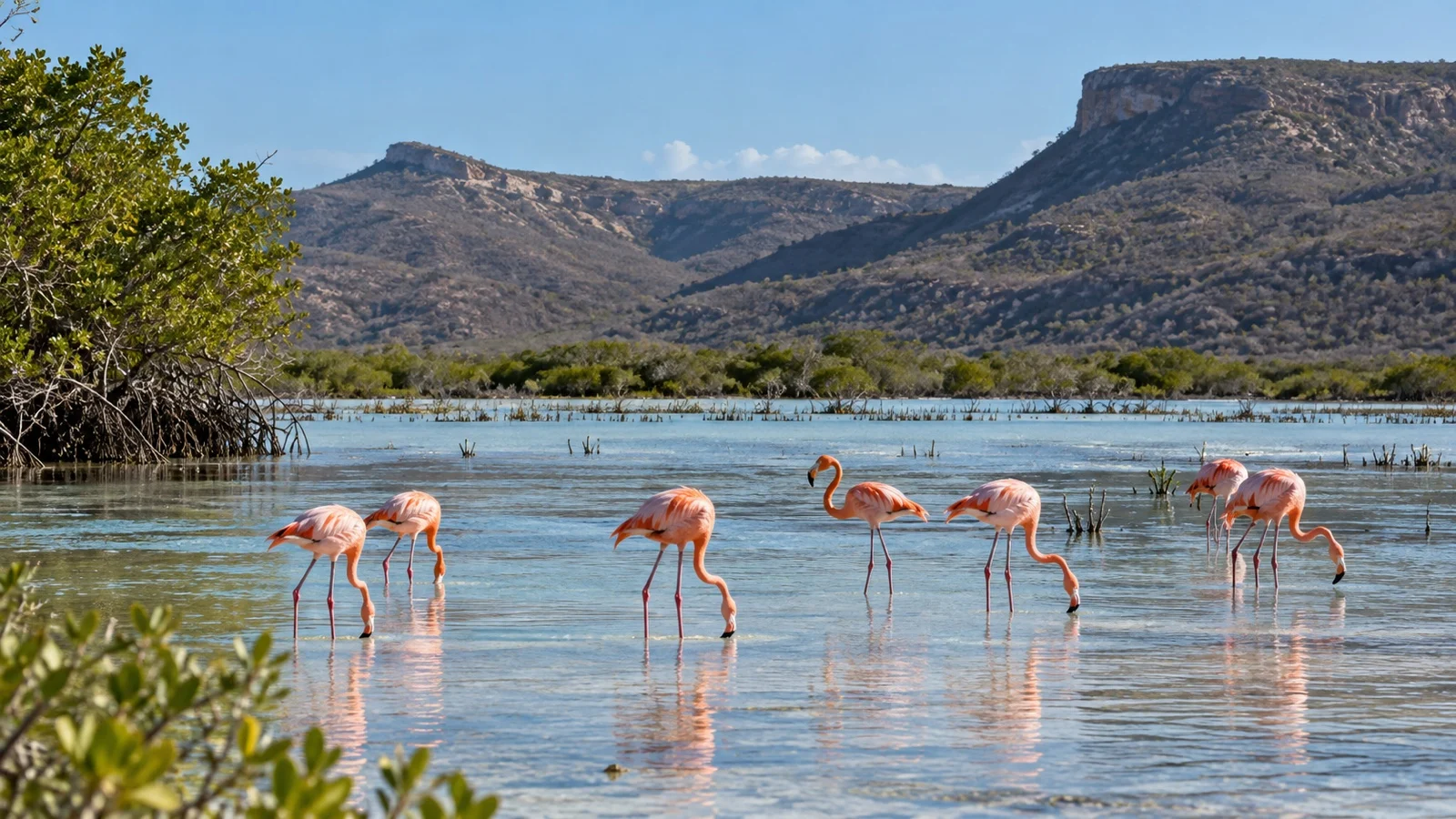
Laguna de Oviedo itself is worth the detour for flamingos and other wading birds on a guided boat tour. Neither spot has much in the way of facilities, so bring your own water and shade.
Further inland, Hoyo de Pelempito offers a dramatic overlook into a forested sinkhole in the Sierra de Bahoruco, though it is a longer haul better suited to an independent full day trip than a typical ship excursion. Most ship excursions stick closer to the coast given time limits.
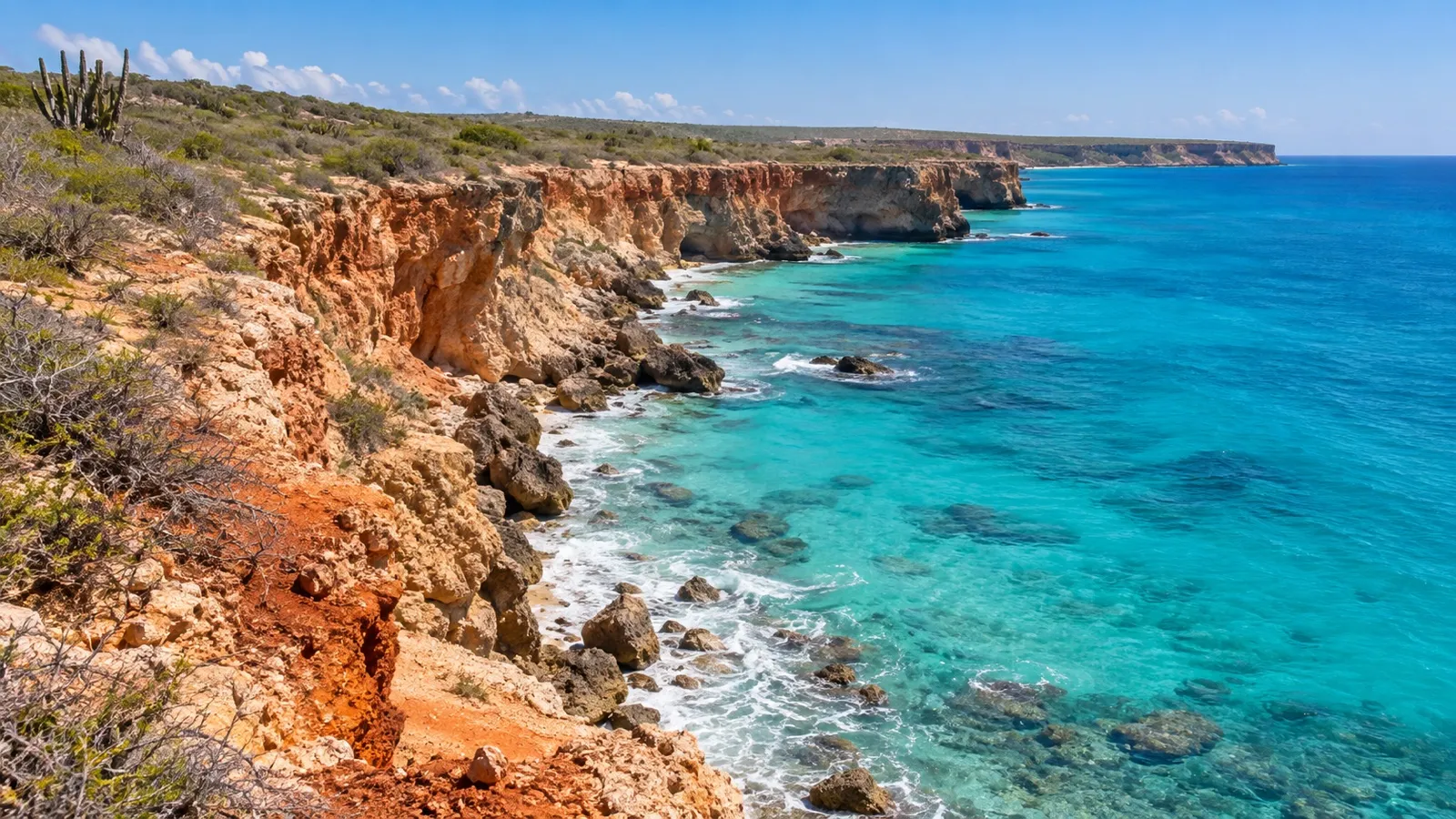
What makes the drive memorable is the contrast itself: cactus and scrubland giving way to some of the clearest water in the country. It’s a different flavor of Caribbean scenery than most cruisers are used to.
Ship excursion or go it alone?
I would book a ship excursion here, at least for now. The roads, the distances, and the thin independent tour infrastructure make freelancing it riskier than at a mature port.
An organized trip also protects your return time, which matters more at a new port still working out its rhythms. Independent taxis exist, but pricing and availability are not yet standardized.
Local operators are still building out their offerings, so choices may be thinner than you’re used to at bigger ports. Book early once excursions are listed, since capacity at a new port tends to be limited.
I’d also pack a printed map or downloaded offline directions if you do venture out on your own. Cell service thins out fast once you’re away from the pier.
Accessibility, honestly
I have to be straight with you here: this is a tough call for travelers with mobility limitations. Tender operations, unpaved stretches near the beach, and a lack of paved paths at the excursion sites all work against easy access.
Wheelchair users in particular should plan on needing assistance for the tender transfer itself, not just the shore side. This is a port where a phone call ahead of time genuinely changes your experience.
If accessibility is a priority, contact your cruise line directly before you sail to ask what tender and shore support they can realistically offer here.
Ask specifically about tender ramps and seating, not just general accessibility policy. A newer port means the standard answers may not fully apply yet.
Weather and safety
Pedernales province sits in a rain shadow, so it is drier and dustier than the lush north coast of the Dominican Republic. Hurricane season still runs June through November, and a storm anywhere in that window can affect a call at this exposed piece of coast.
The arid landscape means more direct sun and less shade than you might expect in the Caribbean. Water and sun protection matter more here than at a leafier, more developed stop.
Day to day safety concerns are similar to the rest of the country: watch your belongings and stick with your group on excursions. This area sits close to the Haitian border, so don’t be surprised by a more visible security and military presence than you would see at other Dominican Republic ports.
Timing your return
Build in extra cushion if your excursion heads out to Bahía de las Águilas or Laguna de Oviedo, since both are a genuine drive from the pier. Tender schedules are strict, and a late shore excursion at a new port is not where you want to test that.
Crew tend to be extra cautious about return windows at newer ports like this one, so ship excursions usually build in their own buffer already. Still, don’t assume that buffer covers a self-arranged taxi running late.
I would rather sit at the pier for an extra hour than sprint for the last tender.
How Cabo Rojo-Pedernales fits a Dominican Republic cruise
Most itineraries that include Cabo Rojo pair it with a more established Dominican stop, so think of this as the wild card day rather than the anchor of your trip. Compare it mentally with La Romana or Samaná, both of which offer more built out shore options if you want a backup plan.
If your itinerary also stops in Puerto Plata, you’ll notice the contrast immediately between a decade old cruise hub and a port still figuring itself out. That contrast is part of what makes Cabo Rojo worth doing once.
For a first Dominican Republic cruise, I would still prioritize the country’s longer running ports before adding this one to your list. Save Cabo Rojo-Pedernales for once you already know what a typical Dominican Republic call looks like.
Quick answers
Is Cabo Rojo a real cruise port?
Yes. It opened as a working cruise stop in 2024 and continues to receive calls, though it is still a young, developing port by Caribbean standards.
Do ships dock or anchor at Cabo Rojo?
Ships anchor offshore and use tenders to bring passengers to a purpose built landing point.
What is the closest airport to Cabo Rojo?
A new international airport has reportedly been under construction nearby, but as of this writing it has not opened. Most visitors still arrive by ship or a long overland drive from Santo Domingo.
Is Bahía de las Águilas walkable from the port?
No. It requires a real transfer by road or boat, which is why an organized excursion makes sense for most passengers.
What currency should I bring?
Dominican pesos in small bills, since card and ATM access is limited in this part of the province.
Is Cabo Rojo-Pedernales worth adding to a Dominican Republic itinerary?
If you have already seen the country’s more developed ports and want something rawer, yes. If you want reliable infrastructure and a sure thing, I would wait a few more seasons.
The last word
Cabo Rojo-Pedernales is not trying to be Amber Cove or Taíno Bay, and it should not be judged like one. It is a genuinely wild corner of the Dominican Republic that cruise ships can now reach, with all the rough edges that come with something this new.
I would go for the scenery and the novelty, not for polish, and I would keep my plans flexible. Come back to this page before you sail, because a port this new changes fast.
How this guide was researched: Unless a first-hand visit is explicitly identified above, this guide is based on independent research using official port, tourism, transit, government, and attraction sources where available. Logistics and time-sensitive details were reviewed in August 2026. See our Editorial Policy.