Winningen River Cruise Stop: Berth, Wine Village, and Terraced Trails
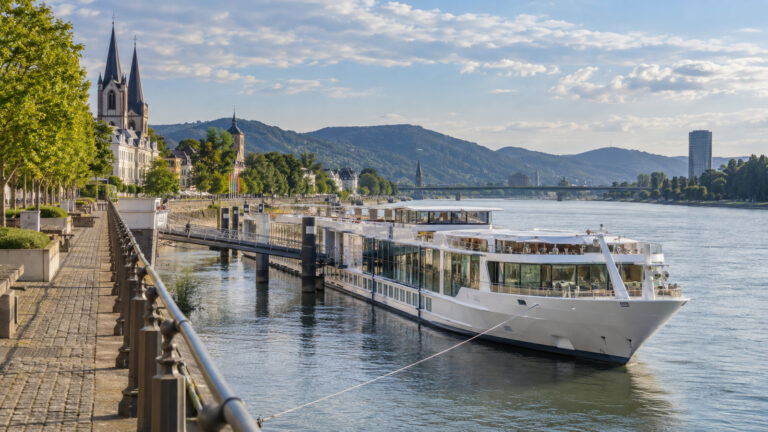
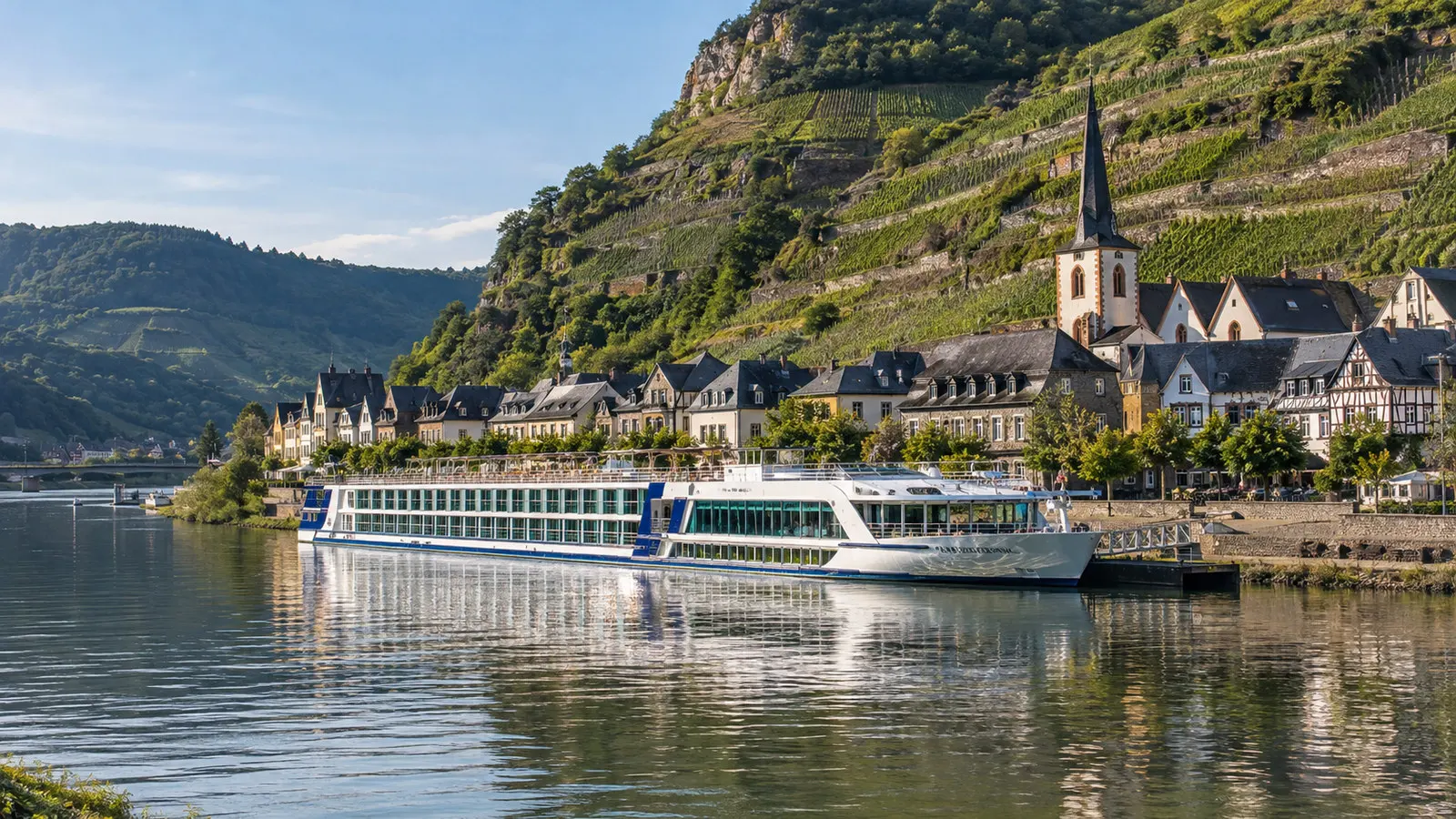
Winningen is a Lower Moselle wine village where a small plan is often the best plan. You can spend a short call among old lanes, tasting rooms, terraced vineyards, and river views without chasing a marquee attraction.
The terraces rise sharply behind the village, which makes the scenery memorable and the walking more demanding than the map suggests. Confirm the berth and all-aboard time before deciding whether to climb, taste, take a train, or simply enjoy the center.
My quick take
I would keep a first visit local. Walk the village, choose one wine-focused stop, and add only the beginning of a marked vineyard route unless the call is long.
Winningen is close enough to Koblenz that a regional trip looks easy, but every train connection adds uncertainty to a river-cruise day. The village itself delivers the thing most passengers came to the Moselle to experience: wine culture in a steep, lived-in landscape.
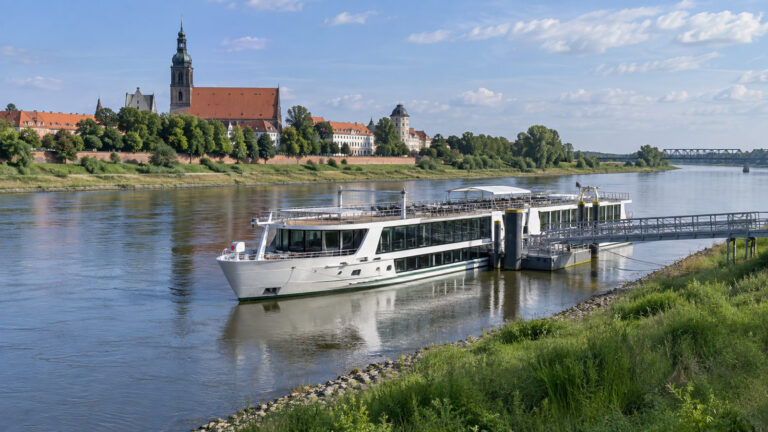
The biggest mistake is confusing the recreational marina with a guaranteed cruise berth. Use the landing in the ship’s daily program because water level, traffic, rafting, and operator planning can change the exact stop.
Winningen quick facts
- Port style: A small Lower Moselle call where the assigned landing can vary
- Best easy plan: Central lanes, local wine culture, and a relaxed riverside walk
- Best active plan: One clearly marked wine path with an early turnaround
- Currency: Euros, with cards common but a modest cash backup useful
- Independent transport: Rail connections are possible, but live schedules and return margins matter
- What to wear: Shoes with grip and layers suited to exposed vineyard paths
- Return rule: Allow time for the downhill walk, crossings, purchases, and gangway
Confirm the berth first
Winningen has a marina, passenger-boat activity, and riverfront facilities, but none of that establishes one permanent river-cruise berth for every vessel. The municipal marina page describes ten piers and 216 berths for recreational boats up to 16 meters long, which is useful context rather than a cruise-terminal specification.
Check the landing name, map pin, gangway position, and whether your ship plans to move during excursions. A coach transfer or different rejoining point in the daily program overrides any generic online map.
Photograph the ship from shore and note a nearby landmark before walking away. Similar stretches of riverfront become less obvious when other vessels arrive or raft alongside.
Ask whether the route into the center includes steps, a busy road, a rail crossing, or an underpass. That detail matters more for mobility planning than a straight-line distance.
Getting into the village
Central Winningen is compact enough to explore independently when the berth is nearby. The old lanes, squares, wine businesses, and church area reward wandering more than a rigid checklist.
The municipal Winningen website is the best source for current visitor information, food, wineries, trails, and events. It does not publish the operational instructions for your particular ship.
Local taxis may require advance booking because this is a village rather than a large urban port. Do not plan around finding a rideshare car or taxi rank at the landing.
Winningen also has a railway station, with connections that can make Koblenz or another nearby stop possible. Check live journeys through Deutsche Bahn and confirm the actual platform, accessibility, and return service on the day.
A short train ride can still become a long problem after a cancellation or missed connection. Choose rail only when more than one later service still gets you back well before all aboard.
A village walk that fits a short call
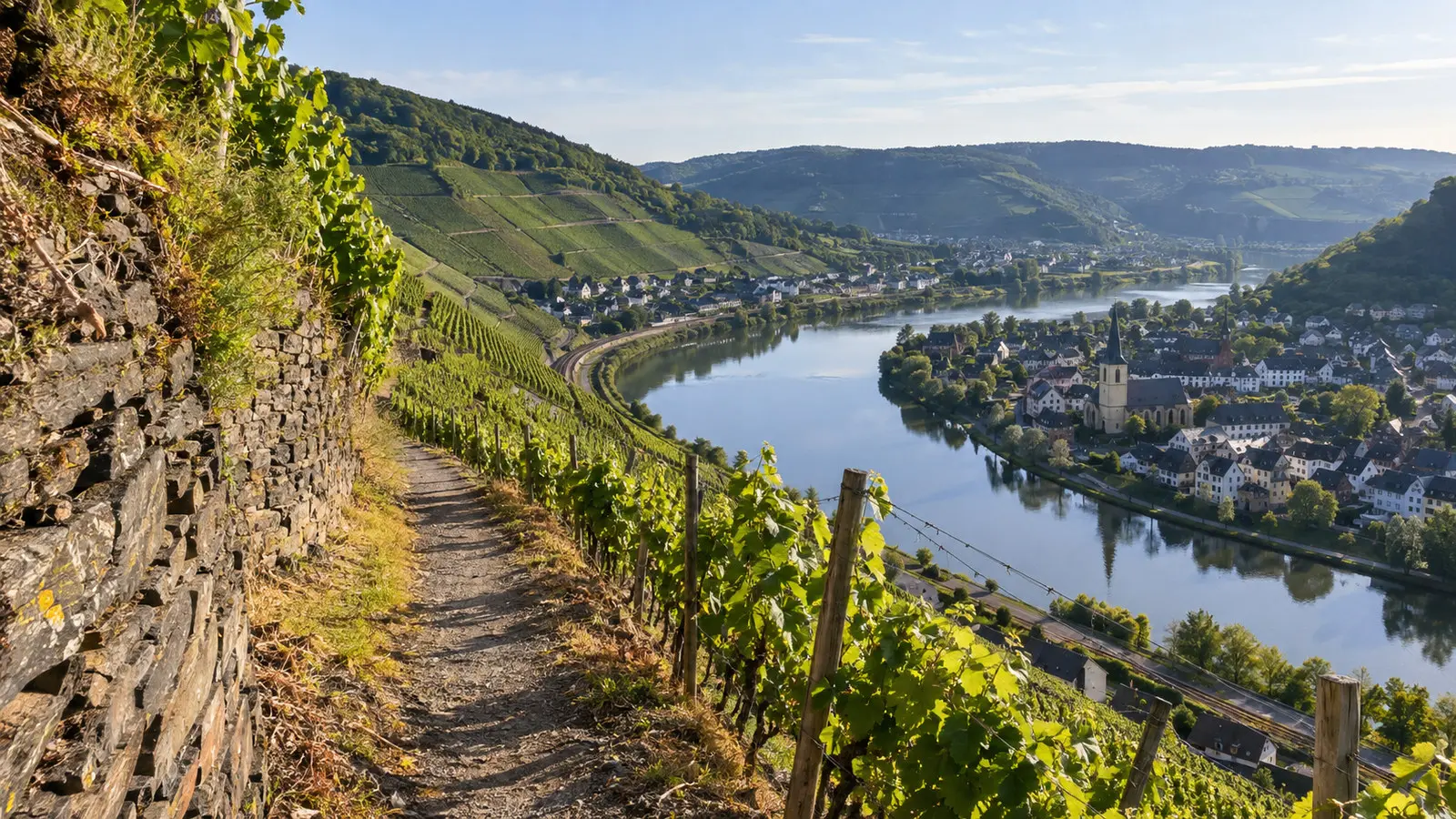
Begin in the central lanes and let the historic wine buildings set the pace. Look for half-timbered details, cellar doors, small businesses, and the way the steep vineyards frame the rooftops.
The local museum “Wie es einmal war” appears in municipal visitor listings, but small museums often have limited opening days. Verify the current schedule before treating it as the day’s anchor.
A riverside pause gives you a different view of the valley without committing to a climb. It is also an easy backup when rain makes vineyard paths unappealing.
Allow more time for a meal or tasting than the service itself appears to require. Ordering, conversation, payment, and carrying bottles back can quietly consume your return margin.
This is not a village where you need to tick off ten attractions. Its appeal comes from seeing how wine, river, railway, and steep terrain fit together in a small place.
The five Winningen wine paths
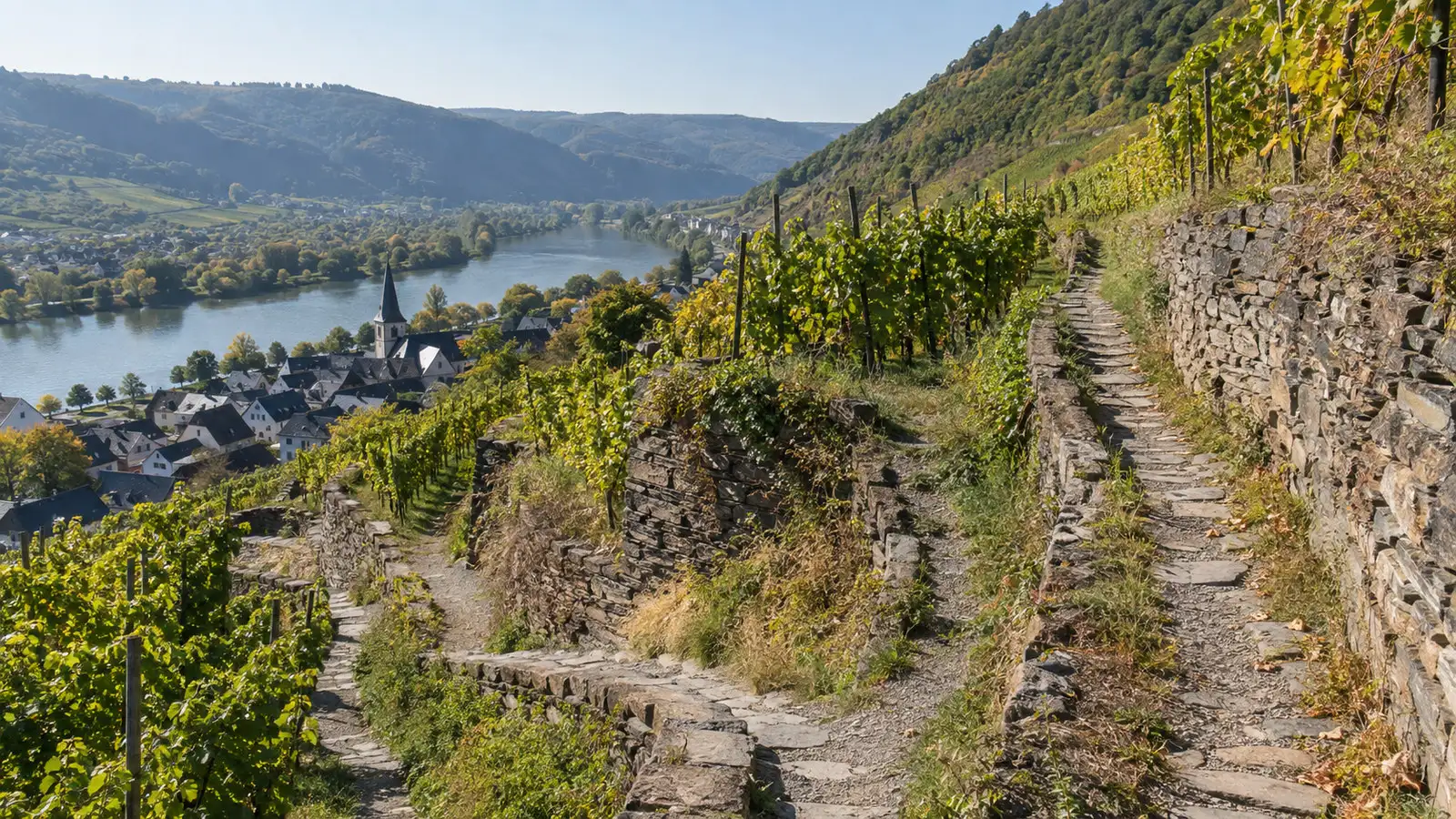
The municipality promotes five wine-path routes around Winningen. The concept connects hiking with local vineyard sites, soils, biodiversity, and wine culture.
Five choices do not mean all five are appropriate for a cruise stop. Pick the route that matches your available time, footwear, fitness, weather, and daylight rather than the route with the most dramatic description.
Terraced Moselle paths can be steep, narrow, exposed, wet, or slippery. Carry water, use shoes with dependable grip, and avoid a climb when heat, rain, poor visibility, or fading light makes the descent less safe.
Download the current route or photograph the map before leaving the village. Mobile coverage can be inconsistent between slopes, and a navigation app may suggest farm tracks that are not part of your intended walk.
A same-way return is often the smartest cruise-day option because you already know the surface and timing. Turn around while the view still feels like a bonus, not when the ship’s clock becomes the main scenery.
Understanding Winningen wine
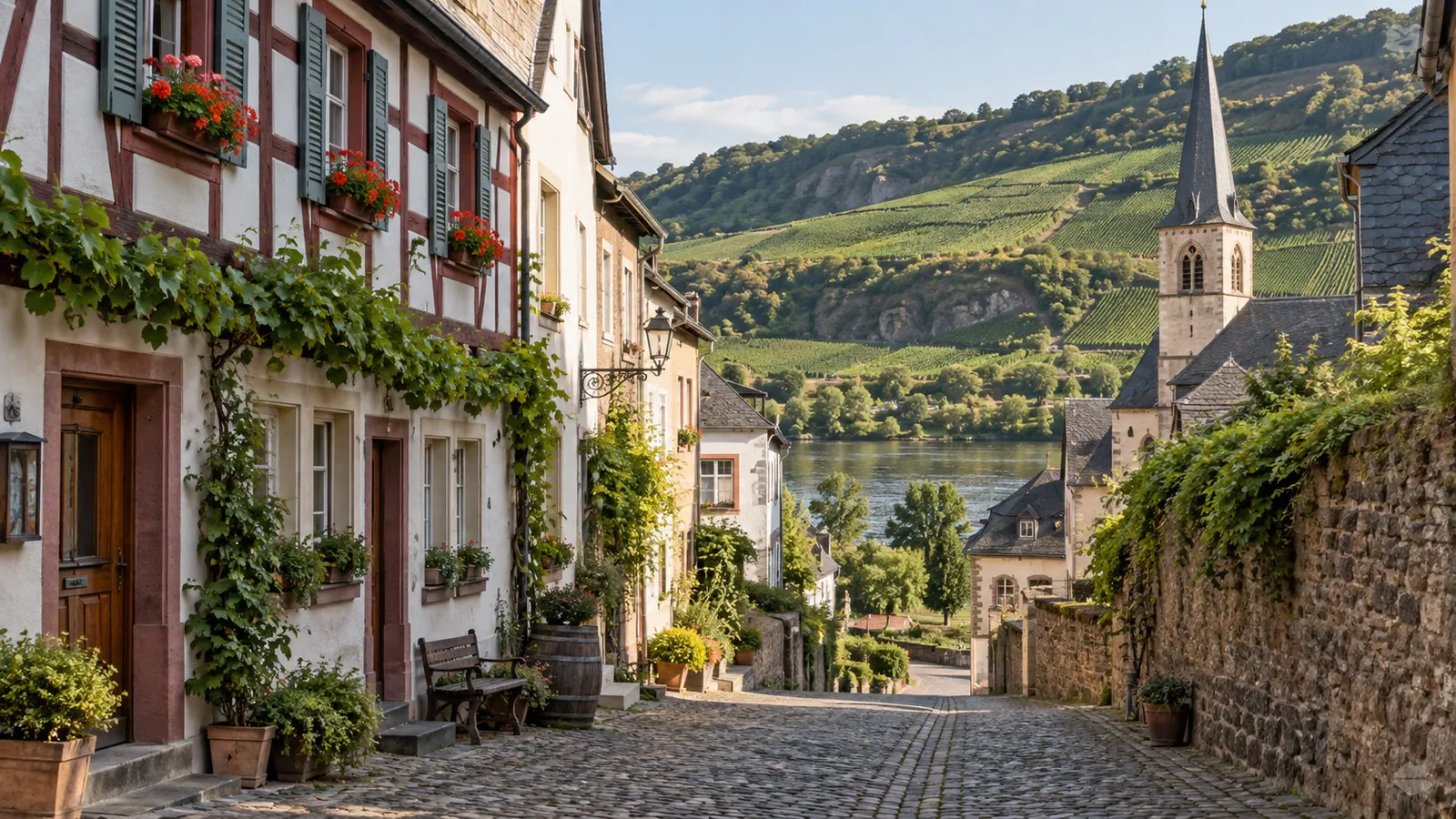
Winningen’s identity is closely tied to the Terrassenmosel, the section of the river known for steep vineyard landscapes. The municipal site lists named vineyard areas including Uhlen, Röttgen, Hamm, Domgarten, and Brückstück.
Riesling is the grape most visitors associate with the Moselle, but a label may tell you far more than the grape alone. Vineyard name, producer, sweetness, ripeness category, and vintage can turn a quick purchase into a useful conversation.
Ask what the producer recommends for drinking soon and what travels well. There is no need to pretend you understand every German wine term before you taste.
The municipality lists wineries, wine taverns, restaurants, and a vinotheque, but opening days and walk-in policies vary. Reserve ahead when a tasting is your priority and tell the host your firm departure time.
Taste modestly if you plan to walk on steep ground afterward. Alcohol, warm weather, uneven paths, and a moving gangway are not a clever combination.
Check your cruise line’s policy before buying several bottles because onboard storage and consumption rules differ. Leave enough time for payment and packing rather than arriving at the gangway with loose glass.
Moselfest and seasonal events
Winningen is known for festivals, but a festival reputation is not an event calendar. The municipality publishes separate pages for Moselfest, Steillagenfest, the lantern festival, markets, and other community dates.
The official Moselfest page currently lists the next festival from August 27 through September 5, 2027. Treat those dates as specific to that edition and recheck the calendar for later years.
The municipality describes Moselfest as Germany’s oldest wine festival. That history adds context, but cruise passengers still need to match individual opening hours and program events to the ship’s time ashore.
An event day can bring crowds, temporary road controls, and changed access near the river. Ask the crew whether the meeting point or return route differs from an ordinary call.
When no festival is running, Winningen does not become empty of interest. A quiet tasting and village walk often reveal more of the place than a crowded special event.
Cycling along the Moselle
The Moselle cycle route looks gentle beside the river, but a cruise call adds rental, fitting, navigation, and return logistics. Confirm the exact pickup point, lock, helmet, breakdown procedure, and final return time before setting off.
Stay on marked routes and do not let a flat riverside section tempt you into an unplanned long ride. Headwinds can make the return much slower than the outbound leg.
An electric bicycle helps with effort but not with traffic awareness or braking on wet surfaces. Check whether the ship or rental company requires a minimum age, deposit, or identification.
Walking is the simpler choice for most short calls. Cycling becomes worthwhile when the operator has organized the equipment and return around the ship’s schedule.
Ship excursion or independent visit
Independent exploration suits the village, riverside, and a short marked path when the berth is clear. Keep the plan compact enough to adjust if the ship shortens the call.
A guided excursion adds value for structured vineyard interpretation, reserved winery access, or transport to a regional destination. Read the description for steps, surfaces, standing time, coach access, and the planned rejoining point.
Koblenz is nearby, but it changes the day from a walk into a transport project. Use the Koblenz river cruise guide only after confirming a rail or tour schedule with a safe return.
Do not stack a train trip, long tasting, and vineyard hike into one call. Choose the experience you would regret missing and give it enough breathing room.
Accessibility and lower-walking options
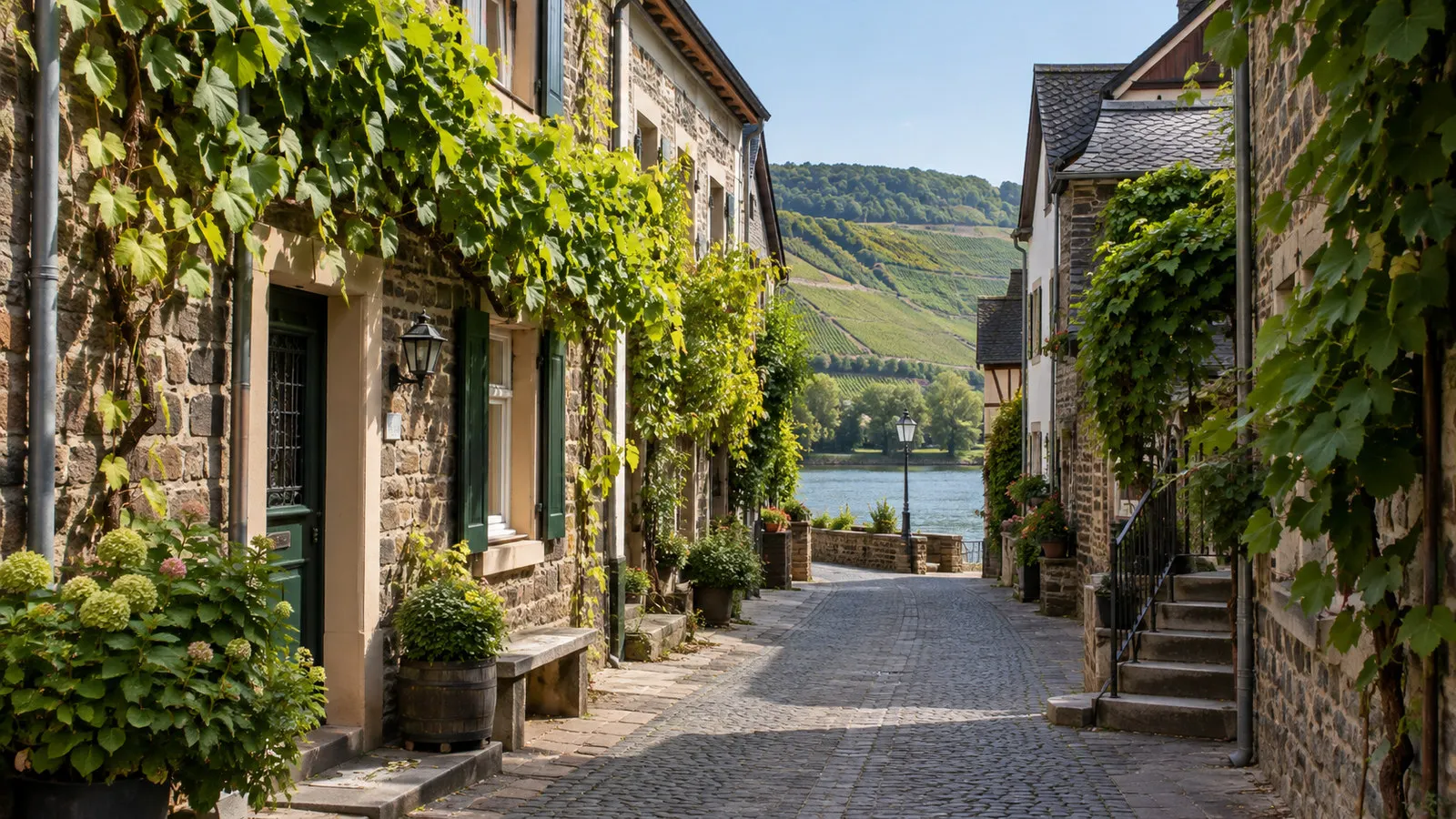
The village center and vineyard paths should be evaluated separately. A compact center may still have old paving and curbs, while the terraces add steep grades, narrow surfaces, and exposure.
Ask the cruise line for the exact berth surface, gangway gradient, steps, and route into town. River level can make the same gangway noticeably easier or harder on different days.
Contact a tasting room or museum directly if step-free entry and an accessible restroom are essential. Historic buildings can have different access arrangements even when they sit close together.
A coach described as accessible should be checked for lift or ramp capacity, securement, and space for your mobility device. Confirm whether the excursion requires transfers into another vehicle or walking through a cellar.
A relaxed riverside and village plan can still provide strong scenery and local character without climbing. Ask the tourist office or cruise team for the gentlest current route rather than relying on a general trail map.
Weather, river conditions, and safety
Vineyard slopes offer limited shelter, so check the current forecast before leaving the village. Carry a rain layer in changeable weather and water during warmer months.
Wet leaves, mud, loose gravel, and polished stone can make the descent harder than the climb. Skip the viewpoint when conditions do not suit your footwear or balance.
High water, low water, lock delays, and other river traffic can alter berths and timing. The ship’s revised daily program is authoritative even when it conflicts with the itinerary printed months earlier.
Use normal small-town precautions with traffic and valuables, but focus especially on trail safety and time. An innocent wrong turn above the vineyards can matter more than the distance suggests.
Do not enter working vineyard rows or touch grapes unless a guide or grower invites you. These slopes are agricultural workplaces, not open-air tasting displays.
Three realistic ways to spend the call
Easy village day
Walk the central lanes, pause for coffee or wine, and spend time by the river. This is the strongest choice for a short call, uncertain weather, or limited mobility.
Village and viewpoint
Explore the center first, then follow one marked wine path to a preselected turnaround point. Skip the climb if the surface is wet or the return would feel rushed.
Regional outing
Use a ship excursion or carefully checked rail plan for Koblenz or another Moselle destination. Confirm whether the ship remains in Winningen or expects you to rejoin somewhere else.
A longer time in port does not require a farther destination. Winningen’s wine culture and terraces can fill the day without adding another transport link.
Getting back to the ship
Photograph the landing and note the all-aboard time in ship time. Carry the local ship contact number somewhere you can reach without internet service.
Return earlier than your fastest walking estimate if you are coming downhill, collecting a wine purchase, or crossing a road or railway. Weather and festival crowds deserve an even larger margin.
Train users should choose a return that leaves at least one later workable service. A theoretical last connection is not a sensible cruise plan.
If the vessel moves during the call, follow the rejoining instructions exactly. Do not return automatically to the original landing.
How Winningen fits a Moselle cruise
Winningen offers an intimate contrast to larger calls such as Cochem and Koblenz. The village is less about a headline monument and more about understanding the steep wine landscape.
Its Lower Moselle position also prepares you for the Rhine junction near Koblenz. The stop makes most sense as a deliberate pause rather than another launchpad for a distant attraction.
That slower pace is not a compromise. A village walk, a local glass, and a measured climb can become one of the itinerary’s most coherent half-days.
Quick answers
Where do river cruise ships dock in Winningen?
The assigned landing can vary by vessel and operating conditions. Use the berth or meeting point in the ship’s current daily program.
Can I walk into the village?
Often, yes, when the assigned landing is nearby. Ask about the exact route, crossings, steps, and any shuttle before leaving the ship.
Can I hike the vineyards independently?
Yes, if a current marked route suits your fitness, footwear, weather, and time ashore. Carry the map offline and set an early turnaround.
How many wine paths are there?
The municipality promotes five routes around Winningen. Choose one section or path rather than trying to complete several during a call.
When is the next Moselfest?
The official page currently lists August 27 through September 5, 2027. Recheck the municipality’s calendar because dates change with each edition.
Can I take the train to Koblenz?
Rail can make the trip possible, but live schedules and delays must fit a generous return margin. Stay local when timing is tight.
Do I need cash?
Cards may work at many businesses, but small vendors and temporary stalls can differ. Carry a modest euro backup and ask before ordering.
The last word
Winningen is a place to notice rather than conquer. The river, old lanes, wine cellars, and terraces already form a complete experience.
Keep the berth instructions close, choose one meaningful plan, and turn back from the slopes before the clock becomes stressful. That is the version of Winningen most likely to stay with you.
How this guide was researched: This guide was checked in September 2026 against current information from Winningen municipality, the official Winningen wine-path pages, and Deutsche Bahn. Berths, trails, events, opening hours, and rail schedules can change, so confirm details for your sailing through our Editorial Policy.