Mantes-la-Jolie River Cruise Port Guide: Collegiate Church and Versailles
Mantes-la-Jolie gives Seine cruise travelers an unusually clear choice: enjoy a relaxed historic town beside the river or use the call as a gateway to the Palace of Versailles. The local option is compact and rewarding, while Versailles requires more time, advance planning, and a dependable transportation plan.
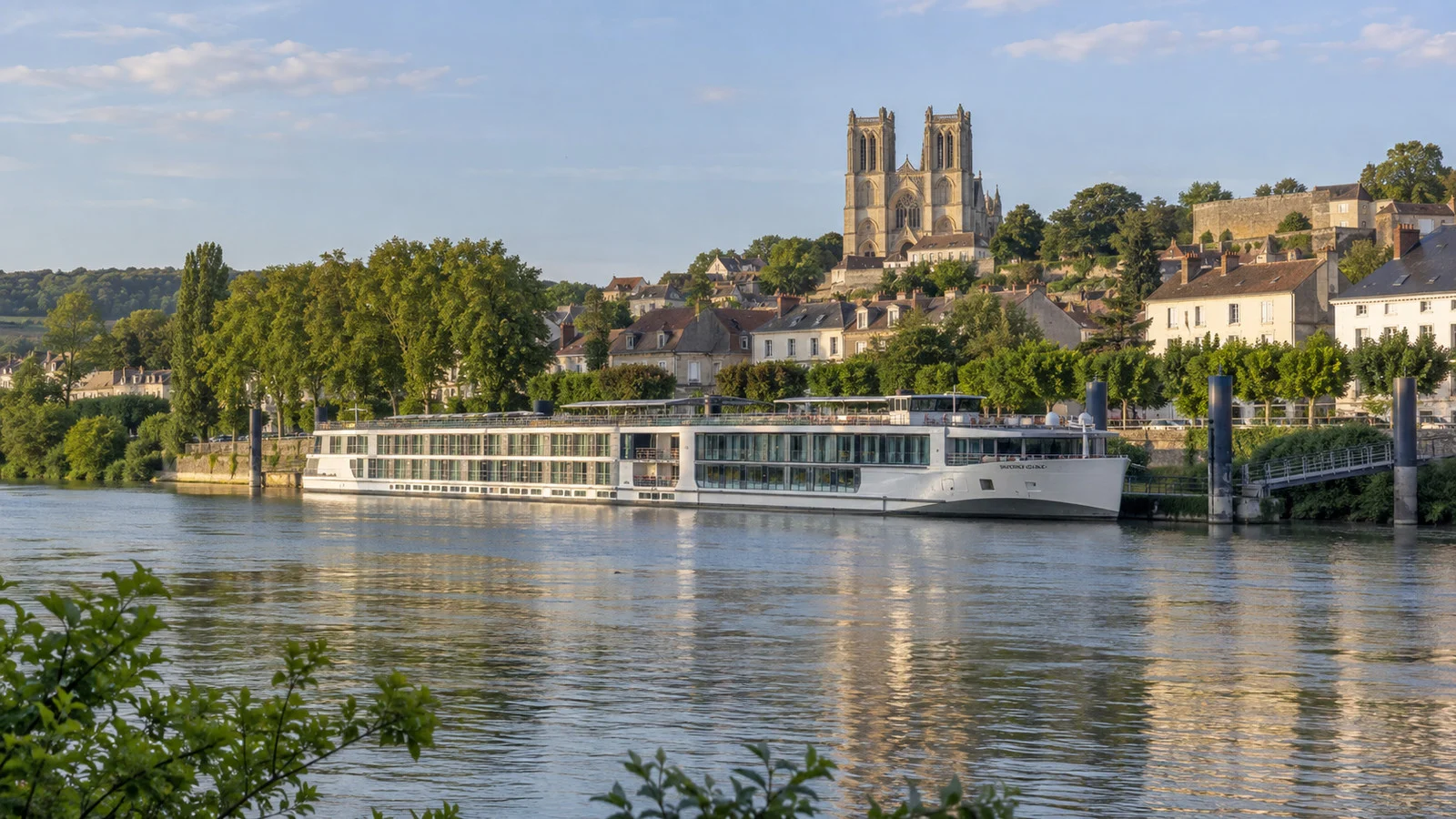
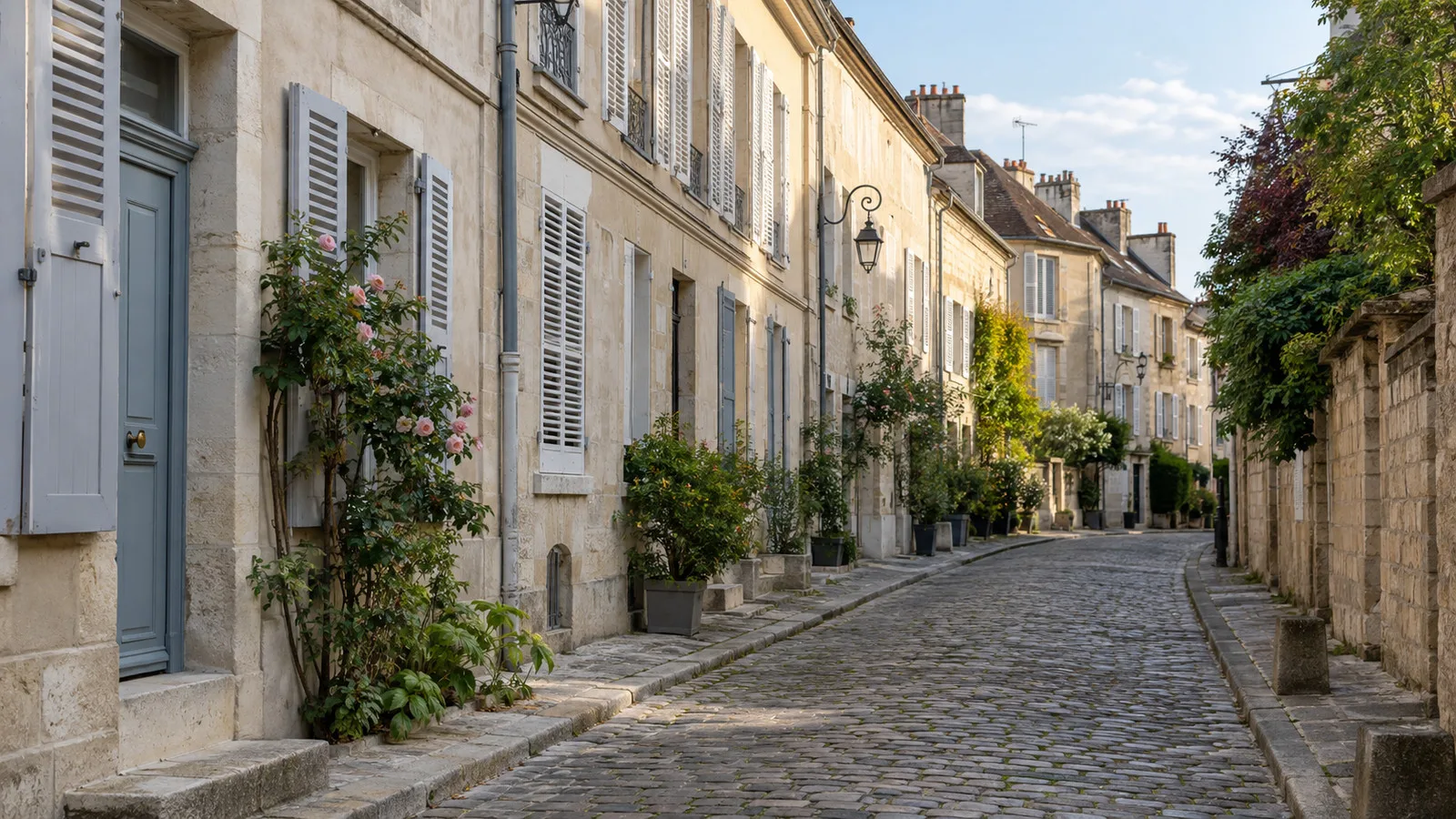
The town’s great landmark looks like a cathedral, but its correct name is the former Collegiate Church of Notre-Dame. It rises above the Seine and anchors a walkable center with river views, small streets, cafes, and the Musée de l’Hôtel-Dieu.
Mantes-la-Jolie Quick Facts
- Country: France
- Region: Île-de-France
- Department: Yvelines
- River: Seine
- Main local sight: Former Collegiate Church of Notre-Dame
- Popular excursion: Palace of Versailles
- Currency: Euro
- Language: French, with some English at major attractions and visitor-facing businesses
- Best independent plan: Historic center, church, museum exterior or visit, and Seine riverfront
- Timing priority: Follow the ship’s confirmed berth and all aboard instructions
Where River Cruise Ships Stop
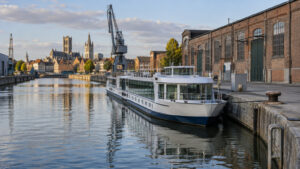
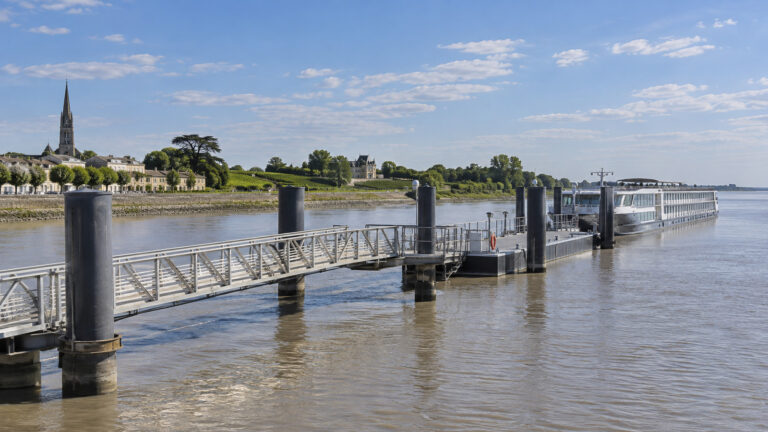
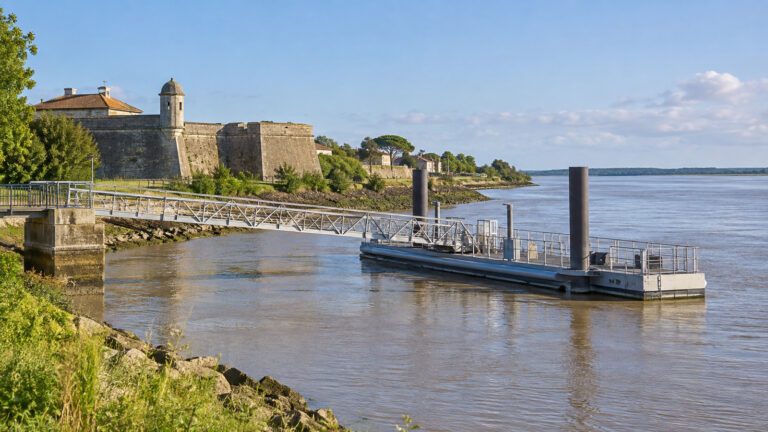
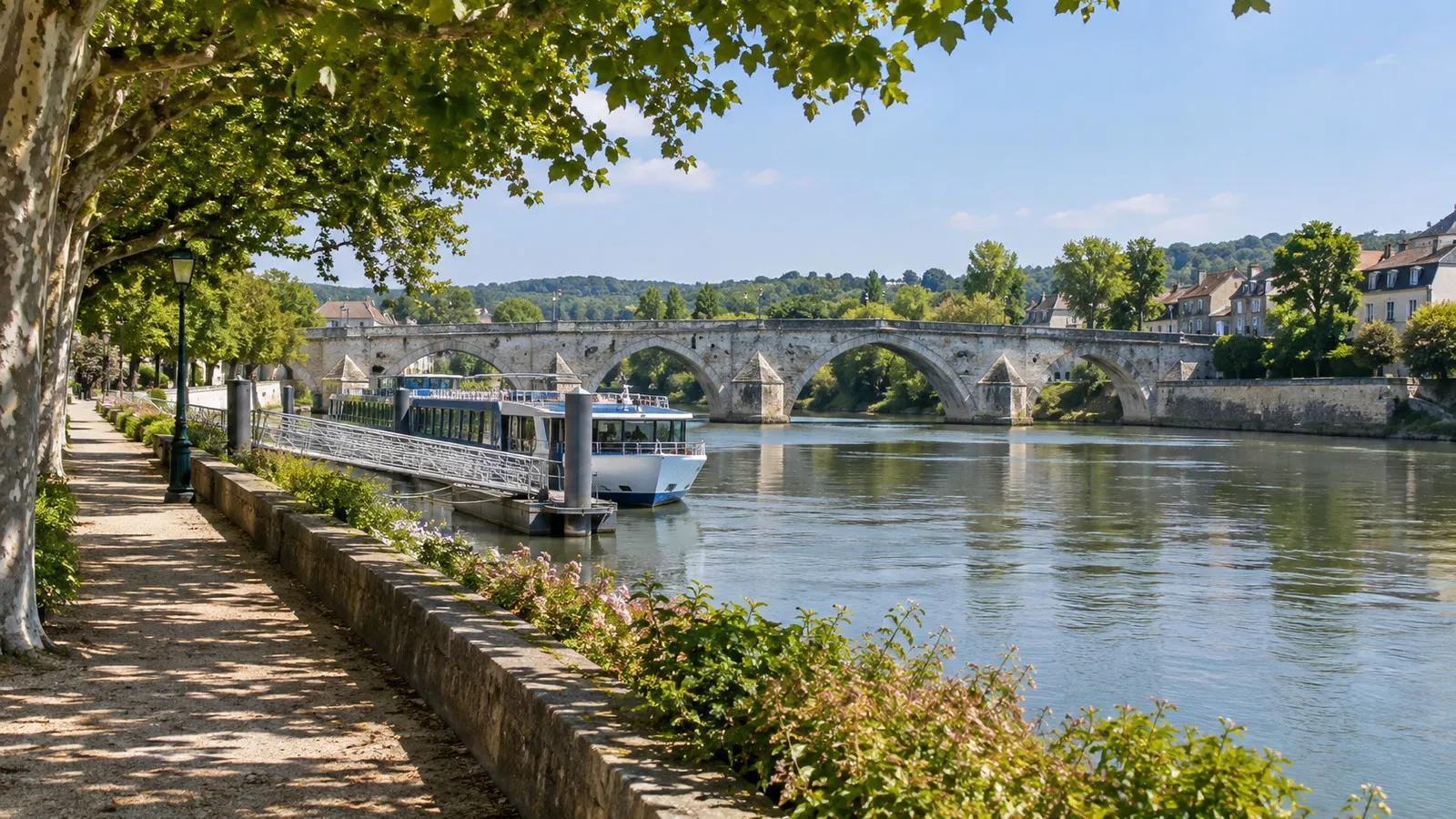
River cruise calls are commonly associated with the Seine waterfront near central Mantes-la-Jolie, including the Quai des Cordeliers area. Do not assume that every vessel will use one exact position, since berth assignments, river conditions, traffic, and operational changes can alter the final arrangement.
Check the cruise line’s daily program before leaving the ship. It should confirm the gangway location, excursion meeting point, shuttle details if any, and the time when everyone must be back aboard.
If the ship lands close to the historic center, Notre-Dame and nearby streets can be reached on foot without complicated planning. A different berth or coach arrangement changes those walking assumptions, so let the crew’s instructions override any generic map or older port description.
The Best Local Walking Plan
A local visit works well for travelers who prefer a genuine town to a tightly scheduled coach excursion. Begin with the Collegiate Church of Notre-Dame, explore the adjacent historic streets, and finish with a riverfront walk before returning to the ship.
The church is the visual and historical centerpiece, so give it more than a quick photograph. Its west front, twin towers, Gothic scale, and position above the Seine explain why visitors casually call it a cathedral even though it never held that formal status.
The Musée de l’Hôtel-Dieu is close to the church and occupies a historic former hospital chapel. Its collections connect the town’s medieval heritage with art associated with the Seine valley, including work by the Neo-Impressionist painter Maximilien Luce.
Museum schedules can change by season, and a cruise call may fall on a closure day. Check the city’s current cultural listings before relying on an interior visit, then treat the building and surrounding streets as worthwhile even if the doors are closed.
The Seine edge provides the gentlest part of the outing and a useful orientation point for the ship. Leave enough time to retrace your route calmly, especially if the gangway is farther from the church than expected.
Inside the Former Collegiate Church
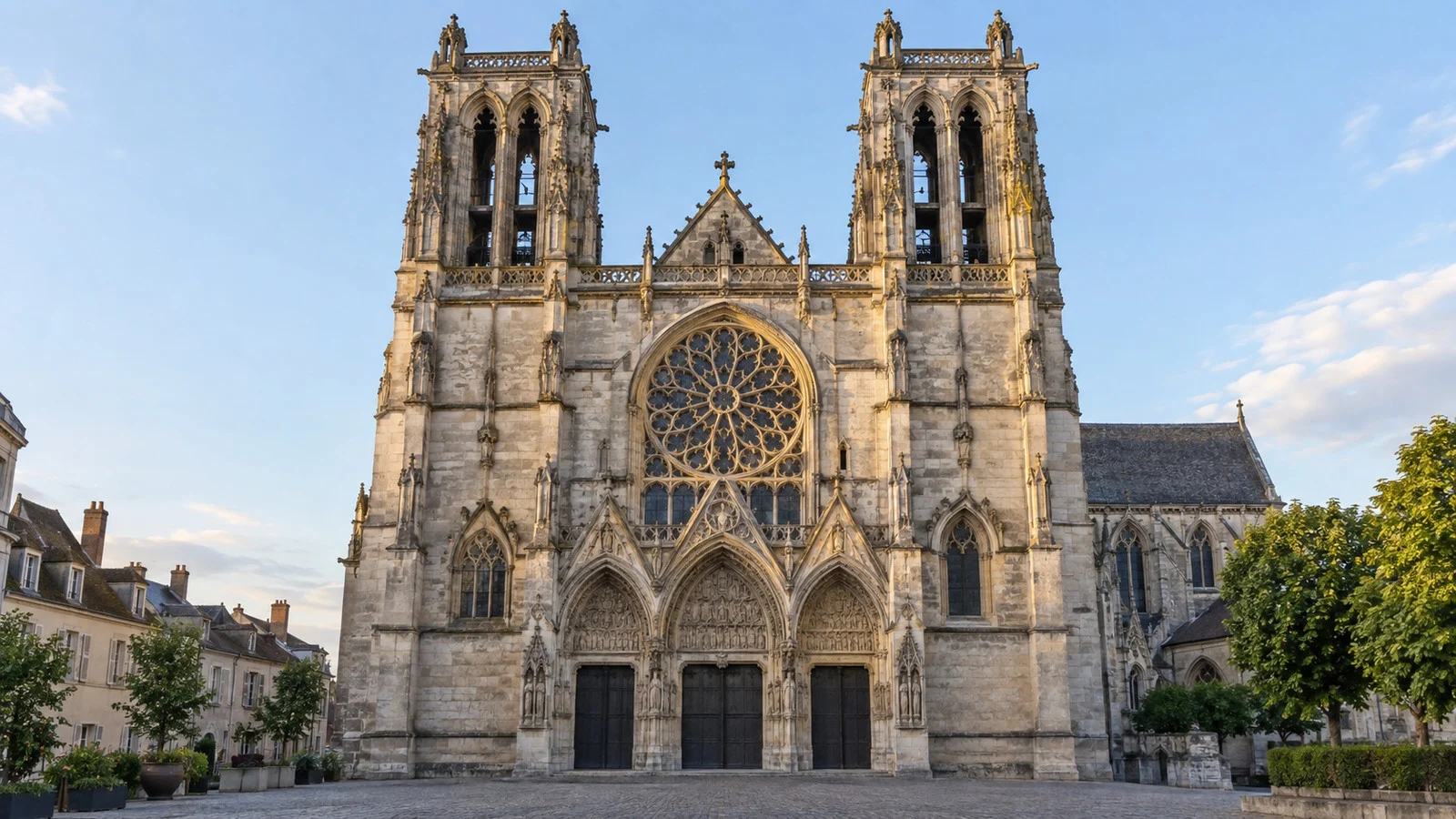
France’s Ministry of Culture identifies the building as the Church of Notre-Dame, a former collegiate church, and dates its main construction campaigns from the late 12th through the 14th centuries. Work began around 1155, and the building developed alongside the early Gothic architecture of the Île-de-France region.
The high nave, galleries, rib vaulting, western towers, and later radiating chapels create the sense of a major urban church. The building was classified as a French historic monument in 1840, placing it among the country’s earliest nationally protected monuments.
Look closely at the portals and the broad west rose, then step inside quietly if public access is available. The church remains a place of worship, so services, ceremonies, restoration work, or local events may restrict sightseeing.
The structure has undergone important restoration and alteration, particularly in the 19th and 20th centuries. That history makes the church no less compelling, but it does mean travelers should avoid assuming every visible element is untouched medieval fabric.
Should You Go to Versailles?
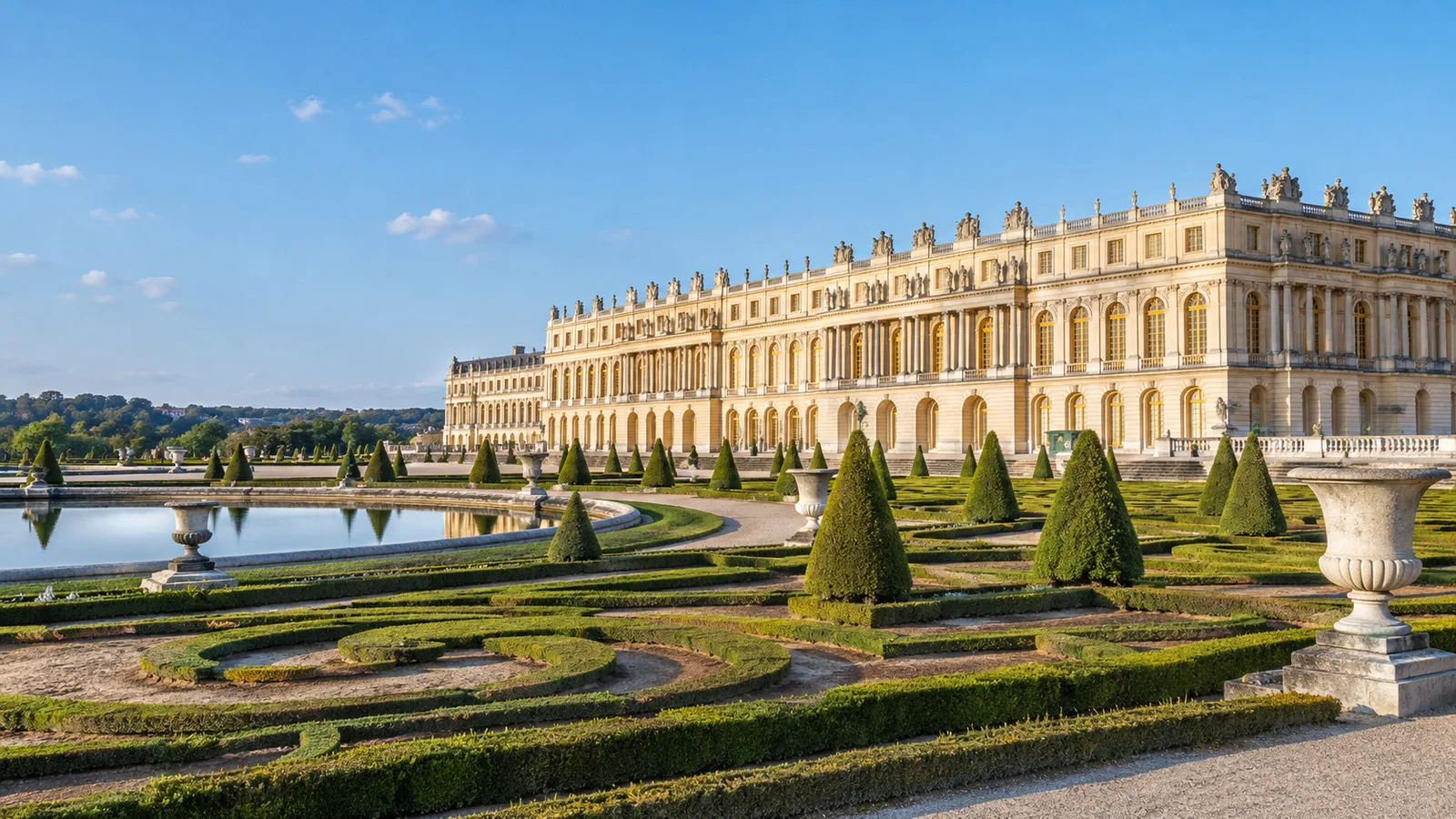
Versailles is the headline excursion from Mantes-la-Jolie, and it can be an excellent choice if the palace is a personal priority. The tradeoff is that transportation, entry procedures, crowds, and the estate’s size consume far more time than the distance on a map suggests.
A ship-operated excursion is usually the least stressful option because the cruise line coordinates the departure and return. Read the description carefully to see whether the tour includes the palace interior, gardens, Trianon estate, free time, or only selected areas.
The Palace and Trianon estate are normally closed on Mondays, while the Park and Gardens follow different access rules. The official Versailles site also notes that garden admission is not always free on musical fountain and musical garden dates.
Timed admission and security lines can shape the visit even when transportation runs perfectly. Reserve through the official ticket office when traveling independently, and verify that the ticket matches the areas you actually hope to see.
Choose Versailles when this may be your only realistic opportunity to visit and the ship offers enough time. Stay in Mantes-la-Jolie when you dislike rushed touring, have already seen the palace, or would rather enjoy a low-pressure day close to the vessel.
Independent Travel to Versailles
Independent rail travel may be possible, but it is not a plan to improvise after breakfast. Service patterns, transfers, engineering work, and the route between your berth and the station all need checking on the day of the call.
Use the official Île-de-France Mobilités journey planner, Transilien information, or the SNCF Connect app for a current itinerary. Build the trip from your actual landing point, not simply from the name Mantes-la-Jolie, and confirm which local station serves the chosen train.
Versailles-Chantiers is one of three rail stations serving Versailles, and the palace’s official website estimates an 18-minute walk from that station. A route that looks direct can still involve platform changes, waiting time, and a substantial walk at the destination.
Plan the return before you leave Mantes and choose a train that leaves at least one practical backup option. If the schedule has little margin for a cancellation or missed connection, take the organized excursion or remain local.
How Much Time Do You Need?
With about two hours ashore, keep the day local and concentrate on Notre-Dame, the nearby streets, and the riverfront. This gives you enough flexibility for a church closure, a slow gangway, or a brief cafe stop.
With three to four hours, add the Musée de l’Hôtel-Dieu if it is open and spend more time in the center. You can enjoy a proper lunch, but tell the restaurant if you are working with a firm departure time.
A Versailles visit needs a much longer window once transfers, security, walking, and the return buffer are included. The organized tour description is the most reliable indicator of what can be achieved during your specific call.
Paris is another tempting possibility, but it demands the same disciplined planning and can be less rewarding than it appears on a short stop. A long rail journey followed by city transit can turn most of the call into transportation.
Accessibility and Walking Conditions
The riverfront and central streets may be manageable for many travelers, but surfaces, gradients, curb cuts, and construction conditions vary. River level also affects gangway steepness, so ask the cruise line for details about your exact landing position.
The area around Notre-Dame includes historic paving and changes in level that can slow wheelchair users or anyone with limited balance. A companion, mobility aid suited to uneven ground, and extra time can make the local route more comfortable.
Versailles provides accessibility measures and free nonmotorized wheelchairs for palace visits with appropriate arrangements, according to its official visitor information. The estate remains enormous, so distance, gravel, crowds, and a group’s fixed pace still matter.
Travelers who want the simplest day should focus on the riverside, church exterior, and a short central loop. Confirm accessible transport directly with the cruise line before booking any excursion that uses a standard motorcoach.
Food, Money, and Everyday Practicalities
Central Mantes-la-Jolie has bakeries, cafes, and restaurants suitable for a quick snack or relaxed lunch. A pastry, sandwich, or simple plate is easier to fit into a short call than a multi-course meal with uncertain service time.
France uses the euro, and cards are common, but a modest amount of cash is useful for small purchases. Public restrooms may require a coin or a purchase, so use facilities when they are conveniently available.
French lunch hours can be more structured than North American travelers expect, and some kitchens close between services. Check before sitting down and keep the ship’s deadline visible instead of relying on a leisurely meal to end naturally.
Basic French greetings are appreciated even when staff speak English. Begin with bonjour, ask politely whether English is available, and keep requests simple during busy service periods.
Weather and What to Bring
Seine itineraries can encounter cool rain, wind, bright sun, and quick temperature changes in the same week. Wear comfortable shoes with reliable grip and carry a light waterproof layer.
The waterfront can feel cooler than sheltered streets, while palace grounds may be exposed during warm weather. Water, sun protection, and a small bag that meets attraction rules are useful for either plan.
A compact portable battery helps when you depend on digital tickets, maps, and live train updates. Save the ship’s contact information and take a photograph of the berth or meeting point before walking away.
Safety and Return-to-Ship Planning
Mantes-la-Jolie is a working town rather than a purpose-built cruise enclave. Use normal awareness around shopping streets and railway stations, keep valuables secure, and avoid displaying more cash than necessary.
France’s general European emergency number is 112. The ship’s local contact number is more useful for many travel problems, so carry the daily program or save a clear photo of it.
Set a personal turnaround time earlier than the official all aboard time. Add a larger buffer for Versailles, Paris, trains, taxis, or any plan that moves you far from the Seine waterfront.
Passengers on a ship-operated excursion should follow the guide’s meeting instructions and avoid separating from the group. Independent travelers carry the risk of delays, and the vessel is not generally required to wait for them.
Final Take
Mantes-la-Jolie is more than a transportation point for Versailles because its own riverside center holds one of the Seine valley’s most impressive Gothic churches. A local day is easy to shape, rich in history, and forgiving when the call is short.
Versailles can be the right choice when the palace is a must-see and the itinerary allows a well-organized visit. Confirm the berth, current attraction rules, transportation, and return margin before committing, then choose the version of the day that feels like a vacation rather than a race.
Research note: This guide was reviewed in September 2026 using official information from the French Ministry of Culture, the Palace of Versailles, and Île-de-France Mobilités. Port and visitor details can change; confirm the final berth with your cruise line and live opening or transport information with the relevant operator.