Vigo Cruise Port: Berths, Oysters and the Cíes
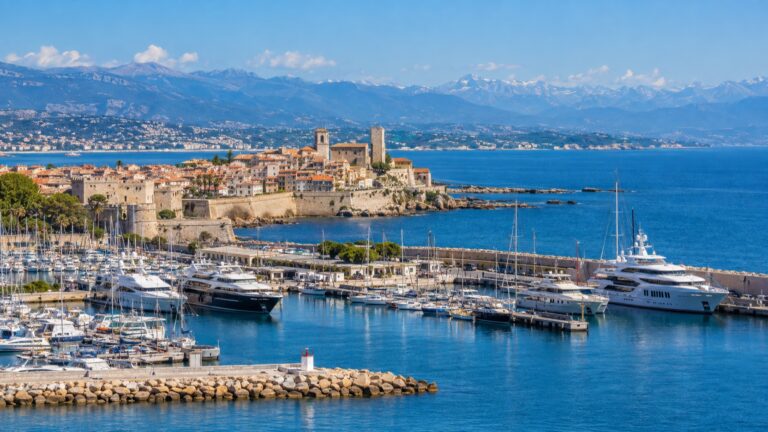
Vigo is one of those cruise ports that becomes easier the moment you stop looking for a grand terminal experience. Ships usually berth on the central waterfront, the old quarter rises just behind it, and a satisfying day of seafood, harbor views, and city walking can begin within minutes of leaving the secured port area.
The ambitious alternatives need more care. The Cíes Islands require seasonal visitor authorization and ferry planning, while Santiago de Compostela sits far enough away that transportation and return margin must shape the whole day.
Quick take
Stay in Vigo on a first short call unless the Cíes Islands are a genuine priority and every booking piece is already confirmed. The city gives you an excellent low-stress combination of the old quarter, oysters or other seafood, a cross-estuary ferry, and a viewpoint without gambling the ship on a distant return.
Vigo is a working Atlantic port rather than a polished museum city, and that is part of its character. Fishing, shipbuilding, ferries, cruise ships, cargo, beaches, and dense neighborhoods all share the same extraordinary estuary.
Quick Facts
- Main cruise area: Central Vigo waterfront around the transatlantic and commercial quays
- Dock or tender: Cruise ships normally berth alongside
- Walk to old town: Short, with uphill streets and stone surfaces after the waterfront
- Currency: Euro
- Languages: Galician and Spanish, with English used in many visitor-facing businesses
- Time zone: Central European Time with seasonal clock changes
- Cíes requirement: Xunta de Galicia visitor authorization during designated periods, plus a separate ferry booking
- Santiago option: Possible by organized excursion, private vehicle, or train, but it uses most of the port day
- Accessibility: Favorable at the central waterfront, more difficult on steep old-town streets and island paths
- Best planning rule: Confirm the assigned berth and all-aboard time before committing to a ferry or long excursion
Where cruise ships dock in Vigo
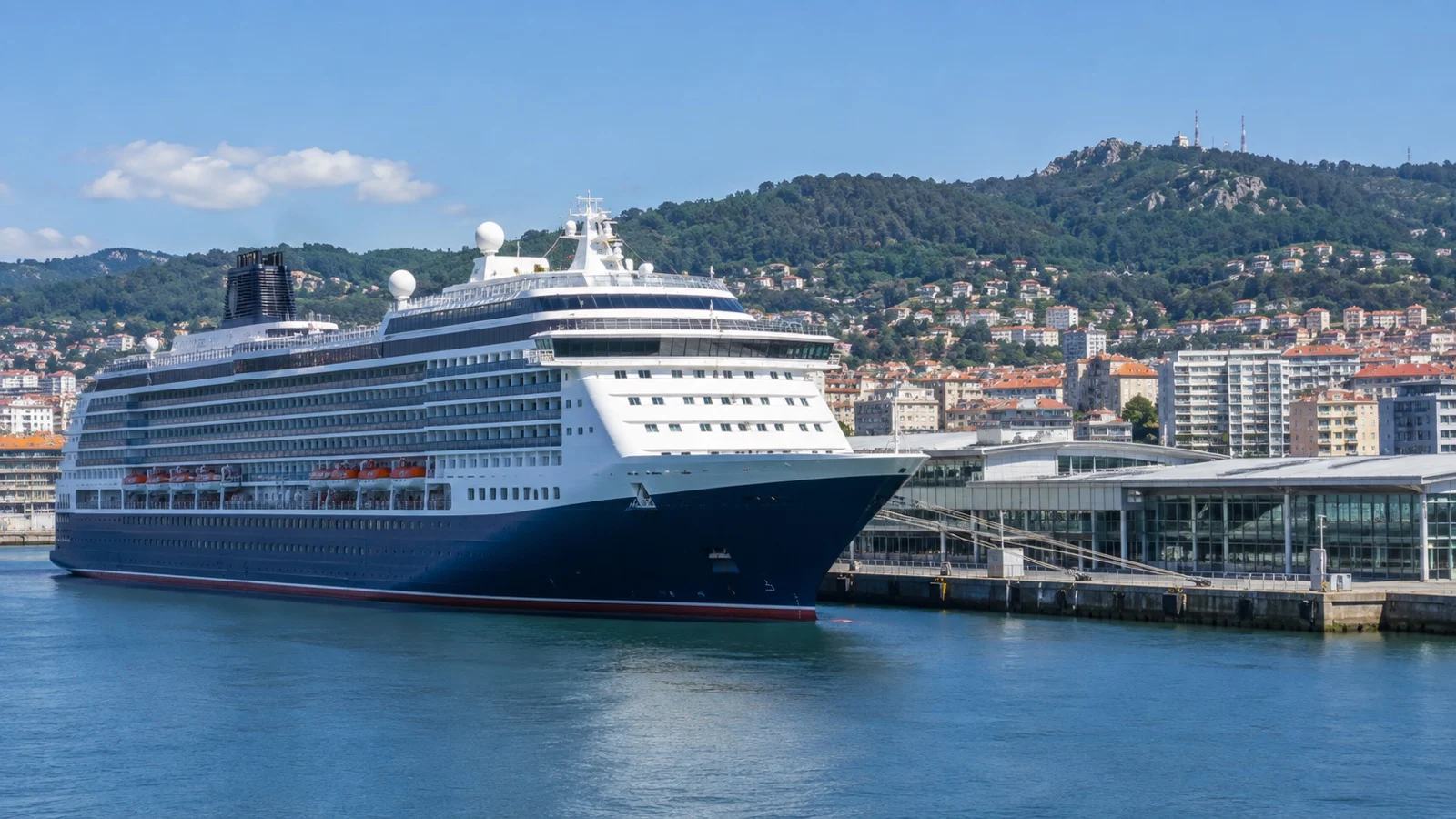
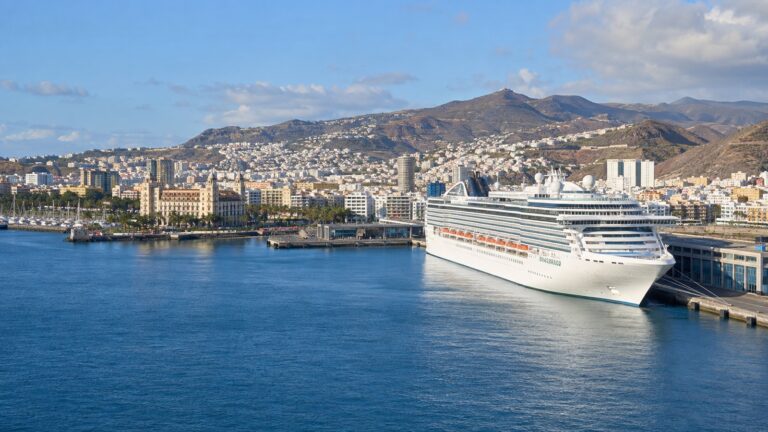
The Port Authority of Vigo identifies cruise facilities on the city-facing waterfront, including the Muelle de Trasatlánticos and Muelle de Comercio areas. The assigned position depends on ship size, schedule, and port operations, so use the live berth information from your cruise line.
A central berth puts passengers close to the waterfront promenade, shopping, the old quarter, and ferry activity. Security routes can still alter the precise exit, and a second ship may use a different gate or terminal area.
Vigo also handles fishing, vehicle traffic, cargo, marine services, and shipbuilding. Stay inside marked pedestrian routes and do not treat a view across an industrial section as a shortcut to town.
The official Port of Vigo site publishes cruise calls and port information. It is useful for context, but the ship’s daily program remains the best source for the passenger gate and return deadline.
A working port with a shipbuilding identity
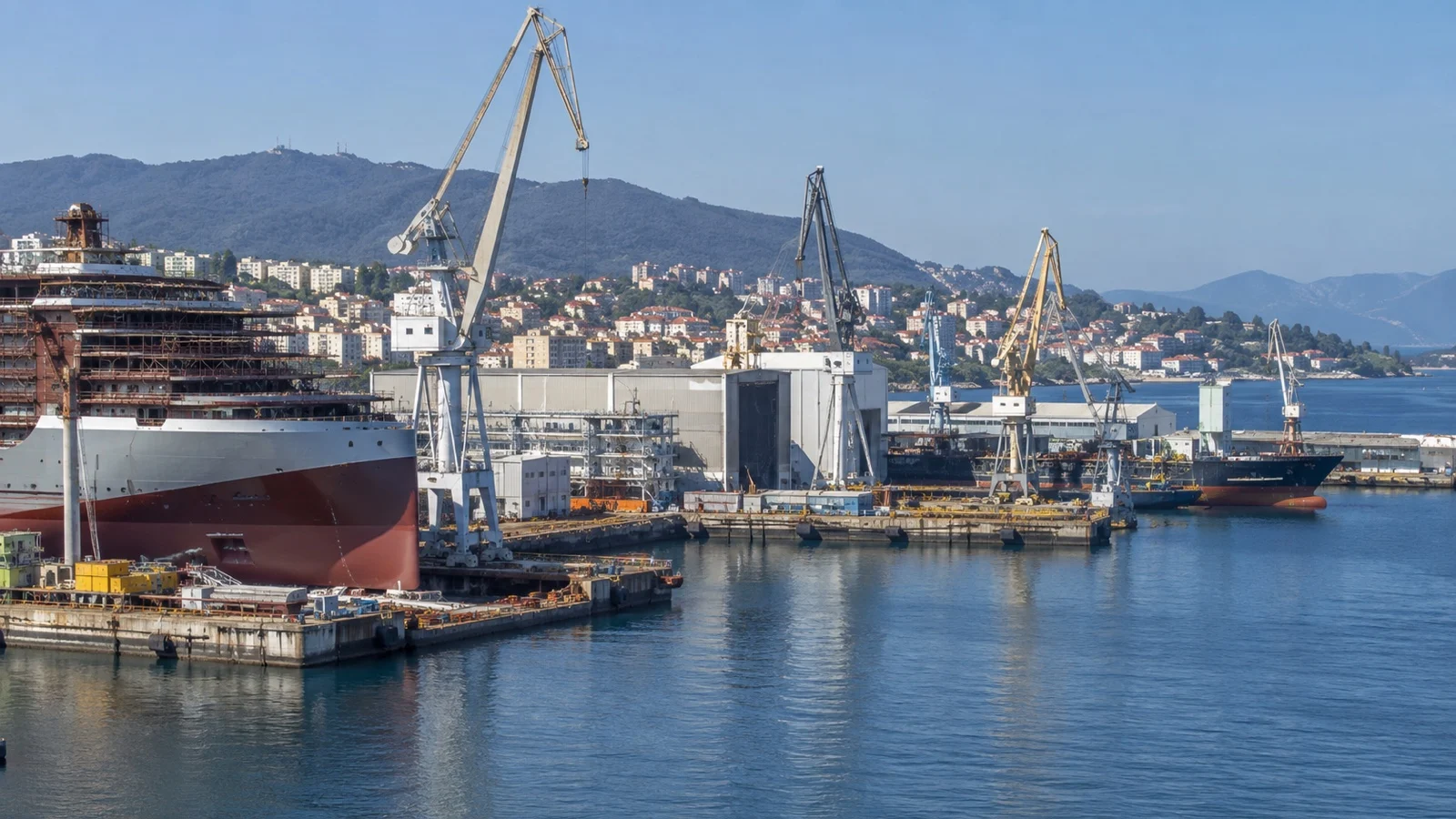
Vigo’s waterfront economy is not decorative. Fishing vessels, auction and cold-chain activity, repair yards, commercial traffic, and passenger operations all contribute to a city that still depends on the sea.
That working character explains why the view from a cruise ship may include cranes or a vessel under construction as well as terraces and old streets. It also makes the central passenger berth feel unusually connected to the real city rather than isolated behind a remote cruise complex.
You do not need a formal port tour to notice the relationship. A walk along the public waterfront and a ferry across the estuary show how closely everyday transportation, food, recreation, and industry overlap.
Walking from the port into Vigo
Once outside the secured area, the easiest routes follow the relatively level waterfront. The historic quarter climbs behind it, and the change from promenade to granite street can be abrupt for travelers using wheels or conserving energy.
Save an offline map because tightly packed lanes can make the most direct route less obvious. If mobility is limited, consider taking a taxi uphill and working back down toward the ship.
Allow more return time than the short distance suggests when several ships are in port. Security screening, crowded sidewalks, and an entrance at a different gate can add minutes at exactly the wrong point in the day.
The Cíes Islands authorization, step by step
The Cíes Islands form part of the Atlantic Islands of Galicia National Park, where visitor numbers are controlled. During specified high-demand periods, you need a free authorization from the Xunta de Galicia before buying the corresponding ticket from an authorized ferry company.
For 2026, the Xunta portal states that authorization is required for Holy Week from March 27 through April 5 and from May 15 through September 15. Outside those periods, visitors are instructed to contact an authorized ferry operator directly about the applicable process.
Use the official Xunta authorization portal for current dates and instructions. A screenshot of the authorization and ferry ticket is sensible, but keep access to the original email or code as well.
An authorization is not transportation, and a ferry ticket does not override weather, national-park controls, or the ship’s all-aboard time. Names, dates, and passenger details must match the booking requirements, so review everything before payment.
Should a cruise passenger go to Cíes independently?
The islands can be glorious on a clear, calm day, with beaches, walking routes, birdlife, and Atlantic views that feel far removed from the city. They are also a poor place to discover that the final usable ferry returns too close to all-aboard.
Require at least one scheduled return that reaches Vigo comfortably before the ferry you actually plan to take. If the timetable provides only a single viable return, the excursion has no useful backup, so stay in the city.
Sea conditions can delay or cancel service, while the cruise ship follows its own departure plan. A ship-sponsored excursion transfers much of that coordination to the cruise line, though it still cannot guarantee perfect island weather.
Independent travelers should check the arrival quay, walking time from the ferry to the cruise gate, boarding cutoff, and ticket-change terms. A ninety-minute cushion is a minimum starting point, not a guarantee.
What the Cíes day is actually like
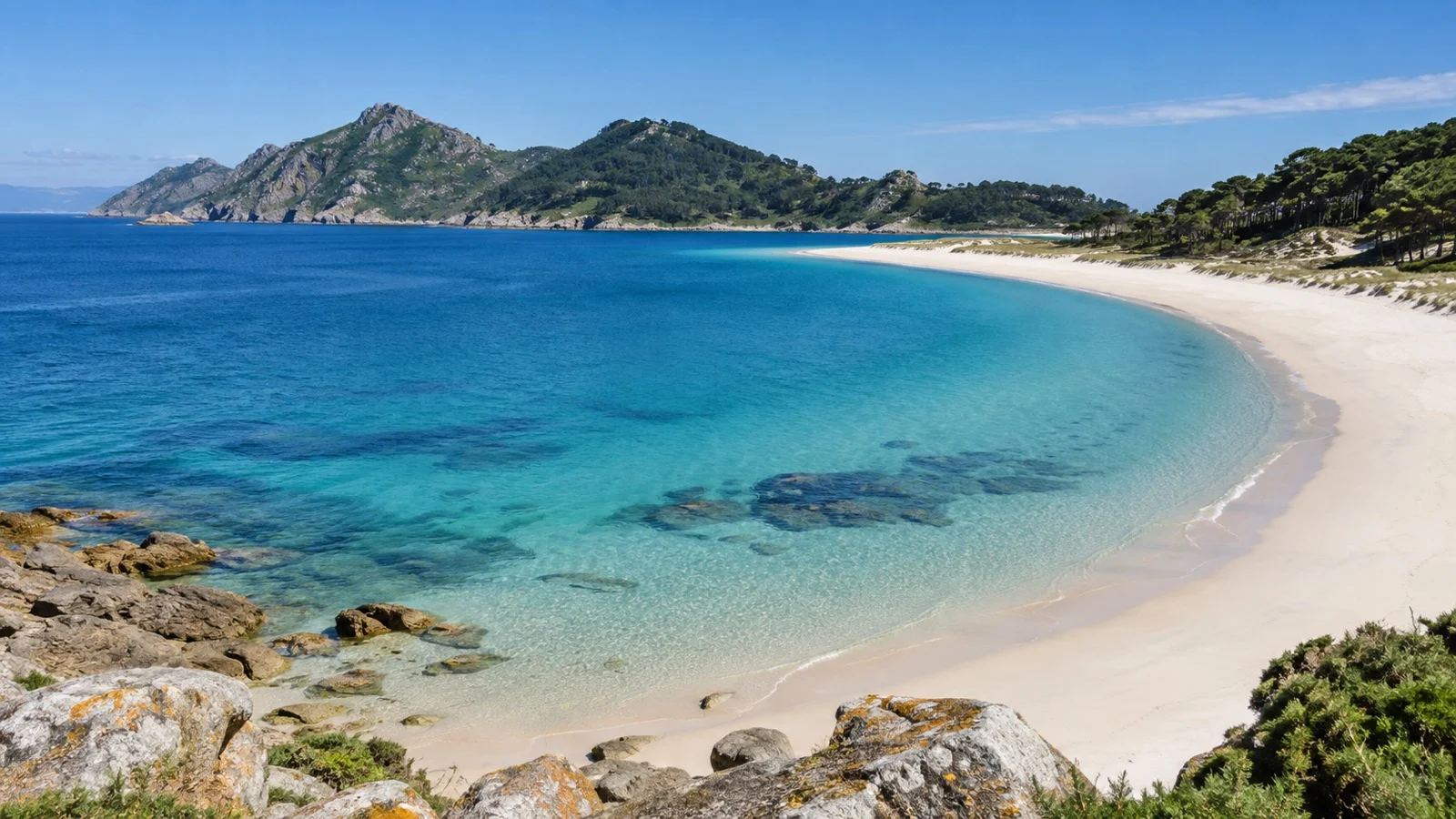
The ferry ride provides broad views across the Ría de Vigo and out toward the Atlantic. On arrival, expect a protected natural setting rather than a resort with extensive paved transportation.
Paths, sand, slopes, sun exposure, wind, and limited services shape the visit. Bring water, weather protection, suitable shoes, and whatever you need to carry out your own waste under current park rules.
Choose one walking route or a relaxed beach visit rather than trying to cover every viewpoint. The island landscape rewards time, and the return ferry needs to remain the fixed point around which everything else moves.
Travelers with mobility needs should ask the ferry company about ramps, vessel thresholds, tides, wheelchair acceptance, restrooms, and assistance. Then compare those answers with island surfaces, because accessible vessel boarding does not make every trail or beach accessible.
The easiest alternative: cross the estuary
A local ferry to Cangas or Moaña can deliver much of the pleasure of being on the water without committing to the national-park schedule. You see Vigo’s skyline, mussel rafts, marine traffic, and the width of the estuary from a completely different angle.
Schedules and departure points change by day and season, so check the authorized operator’s current timetable at the waterfront. Identify the return sailing before boarding and choose one that leaves plenty of time for the cruise gate.
Cangas offers waterfront walking, food, and a change of pace across the water. It is still an independent boat trip, so weather and service disruptions deserve the same respect as any excursion beyond the city.
Best things to do in Vigo itself
Explore the Casco Vello
Vigo’s old quarter is compact, lived-in, and close enough to explore without a tour. Praza da Constitución and the lanes around the historic center offer cafes, architecture, shops, and small details that reward wandering.
The district rises from the port, with stone paving and steps on some routes. Take the gentle line uphill, pause often, and remember that the easiest return is generally down toward the visible estuary.
Eat oysters and Galician seafood
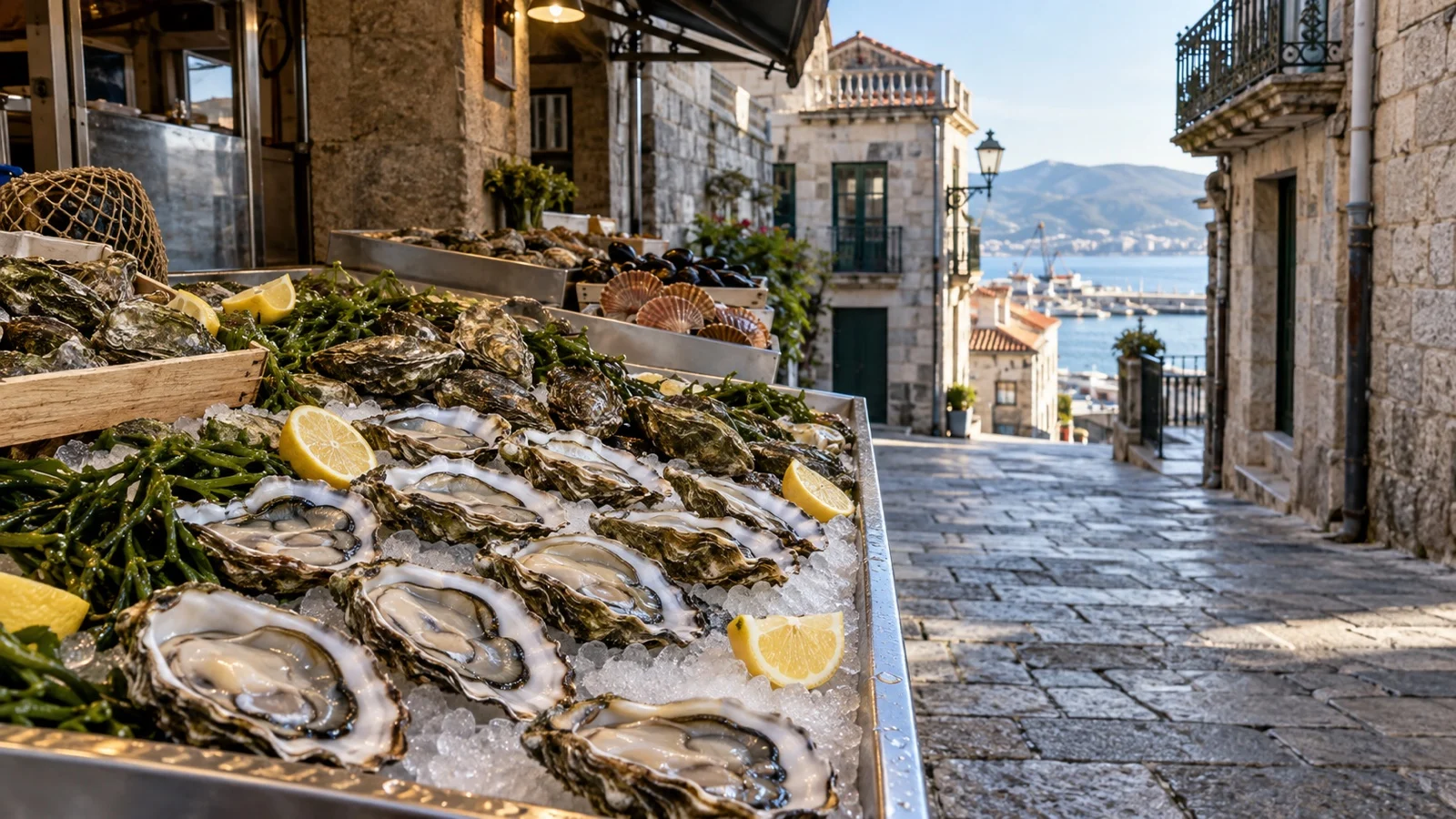
Seafood is not a cruise-port performance here but part of Vigo’s identity. Oysters around Rúa da Pescadería are the famous ritual, though shellfish, octopus, fish, empanada, and local produce give cautious diners plenty of alternatives.
Choose a busy, clean-looking business, ask the price before ordering, and mention allergies clearly. Raw shellfish carries health risk, so anyone pregnant, immunocompromised, or medically vulnerable should follow professional health guidance and choose cooked options.
Climb or ride to O Castro
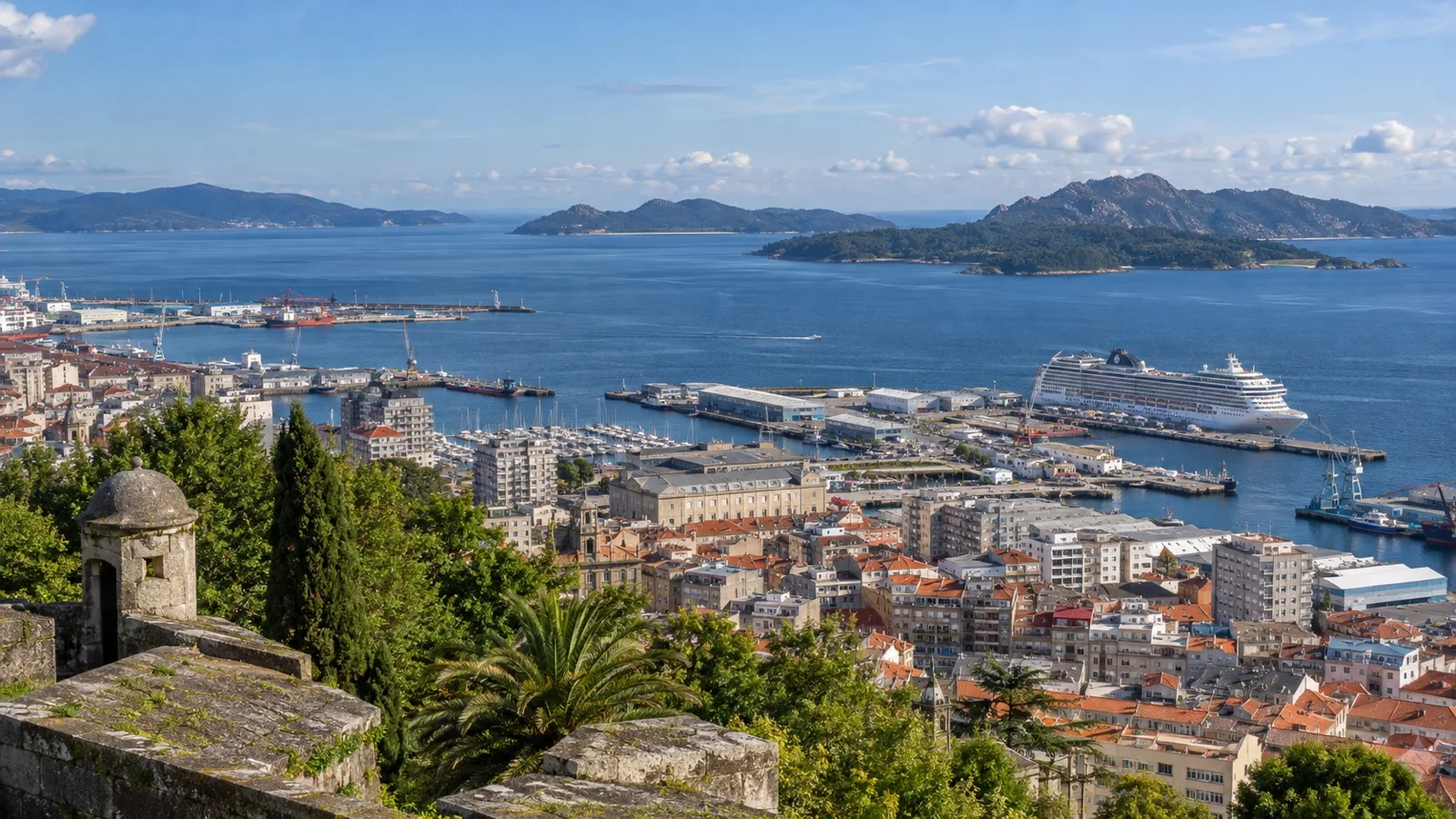
O Castro rises behind central Vigo and offers the broad view that explains the city’s geography. From above, the estuary, port, bridges, hills, and Atlantic horizon fall into place.
Walking from the waterfront involves a meaningful climb. A taxi toward the upper access can reduce the effort, but verify the remaining route and surfaces if step-free access is essential.
Enjoy the public waterfront
The waterfront is the easiest place to keep a Vigo day flexible. You can watch ferries and working traffic, stop for coffee, visit nearby shops, and remain within a short return of the cruise gate.
Fog or low cloud can temporarily flatten the view without ruining the day. Conditions often shift, and a gray harbor can be atmospheric in a city built around Atlantic weather.
Santiago de Compostela from Vigo
Santiago de Compostela is a compelling day trip because its historic center and cathedral represent one of Europe’s great pilgrimage destinations. UNESCO inscribed the old town on the World Heritage List in 1985, recognizing its cultural and architectural importance.
The problem is not whether Santiago is worth seeing, but whether the port schedule gives it enough time. Transportation in both directions, station transfers, traffic, entry lines, walking, and a prudent return buffer consume most of the call.
A ship excursion is the simplest option on a shorter day because the cruise line coordinates the return. Independent travelers can consider rail from Vigo, but must verify the correct Vigo station, current timetable, ticket conditions, and backup service.
Do not assume a train makes the trip risk-free. Delays, missed connections, taxi queues, or a late platform change can matter when the ship will not wait for an independently booked passenger.
How to plan an independent Santiago trip
Start with the ship’s all-aboard time and work backward, not with the cathedral’s opening hour. Select a return that reaches Vigo with a substantial buffer, then identify an earlier backup and the taxi time from the arrival station to the port gate.
Reserve any cathedral museum or Portico visit only after transportation is fixed. Security, worship schedules, capacity controls, and special events can change visitor access, so use official cathedral information close to travel.
Keep expectations focused on the historic center rather than building a citywide checklist. A good independent visit might include the cathedral exterior and interior where available, the surrounding squares, a Galician lunch, and a calm return.
Accessibility in Vigo
The central port exit and waterfront are the easiest parts of the day, with relatively level public space near the berths. Conditions can vary at security gates and temporary routes, so ask the ship for the day’s accessible exit.
The historic quarter is more demanding because Vigo is a hillside city. Granite paving, slopes, steps, and crowded lanes can turn a short route into a strenuous one for wheelchair users or travelers with limited stamina.
A taxi uphill followed by a gradual route down can help, but confirm the precise drop-off and curb conditions. O Castro requires particular planning because the park and viewpoints sit well above the port.
Ferries introduce their own ramps, floating pontoons, tides, thresholds, and device policies. Obtain vessel-specific answers, and do not use a general statement that a ferry is accessible as proof that Cíes paths will work for you.
Weather and what to pack
Vigo has a mild Atlantic climate, which means cruise days can be comfortable without behaving like Mediterranean Spain. Rain, mist, fog, and wind remain possible even when inland forecasts look warm.
Pack a compact waterproof layer and shoes with grip for polished stone. Add sun protection because clear conditions on the waterfront or Cíes can feel exposed, especially when reflected light comes off the water.
Fog can affect views and marine schedules, while Atlantic wind changes the comfort of island travel. Check both the city forecast and ferry notices rather than assuming one forecast describes the whole day.
Winter and shoulder-season calls bring fewer island options and a greater need to verify ferry service. Vigo itself remains the dependable attraction when marine transportation is limited.
Money, language, and practical details
Vigo uses the euro, and cards are common in restaurants, shops, and transportation. Carry a small backup amount for minor purchases or a machine that rejects an overseas card.
Galician and Spanish are both part of daily life, and signs may use Galician place names. English is common in tourism, but a translation app helps with menus, allergies, and transportation questions.
Save the ship’s port-agent number, berth details, and all-aboard time offline. Cell service is generally useful in the city, but a dead battery should not separate you from the information needed to return.
European entry rules depend on nationality and the wider itinerary, not Vigo alone. Check official Spanish and European Union guidance for passports, visas, and any new travel authorization applicable to you.
Common Vigo cruise-port mistakes
The first mistake is buying a Cíes ferry ticket without completing the authorization process required for the date. The booking pieces must match, and capacity can disappear before a cruise passenger decides over breakfast.
The second is choosing a return ferry too close to all-aboard. Marine delays and the walk back through the cruise gate require real margin.
The third is underestimating Vigo’s hills because the old quarter sits beside the port on a map. The waterfront is easy, but the city rises quickly behind it.
The fourth is trying to combine Santiago with a meaningful Vigo visit. Santiago already consumes most of a port day when planned responsibly.
The final mistake is dismissing Vigo as an industrial stop. Its working port, seafood culture, estuary, ferries, and direct old-town access create a more distinctive day than a polished terminal ever could.
Quick answers
Do cruise ships dock or tender in Vigo?
Cruise ships normally dock alongside at central port facilities. Follow the ship’s announcement for the assigned berth, passenger gate, and any operational change.
Can I walk from the ship into Vigo?
Usually yes, because the main cruise area is on the city waterfront. The old quarter is close but climbs uphill over stone streets.
Do I need authorization for the Cíes Islands?
During the Xunta’s designated controlled periods, yes. Obtain the visitor authorization first, then buy a matching ticket from an authorized ferry operator.
Can I visit Cíes independently on a cruise call?
Yes, when authorization, ferry times, weather, and a conservative return all align. If only one return sailing fits the ship, the plan is too fragile for me.
Is Santiago de Compostela possible from Vigo?
Yes, by cruise excursion, vehicle, or train, but it uses most of the day. A ship excursion is the lower-risk choice when the call is short.
What is the best easy Vigo day?
Walk the waterfront and old quarter, eat Galician seafood, then add O Castro or a short estuary ferry if time and mobility allow. That plan stays flexible and close to the ship.
A practical Vigo port day
Leave the ship early, walk the old quarter before it becomes busy, and have an early seafood lunch. In the afternoon, choose either O Castro for the view or a short cross-estuary ferry, not both unless the schedule is generous.
If Cíes is the priority, complete the authorization and ferry booking before travel, choose a conservative return, and abandon the plan without regret if the weather turns. If Santiago is the priority, treat it as the entire day and use the ship excursion on any tight call.
The last word
Vigo is easiest when you recognize that the city itself is not the backup plan. A walkable waterfront, honest working harbor, steep old quarter, seafood, and estuary views already make a complete cruise day.
Cíes and Santiago can be exceptional, but they earn their place only when permissions, transportation, weather, and return time are solid. Keep those decisions practical and Vigo becomes one of the most rewarding ports on Spain’s Atlantic coast.
How this guide was researched: Unless a first-hand visit is explicitly identified above, this guide is based on independent research using official Port Authority of Vigo information, Xunta de Galicia island-authorization rules, authorized ferry guidance, Vigo tourism material, UNESCO information, and Spanish transport and weather sources. Logistics and time-sensitive details were reviewed on September 12, 2026, under our Editorial Policy.